


CADF 2025 Wrap-up Report
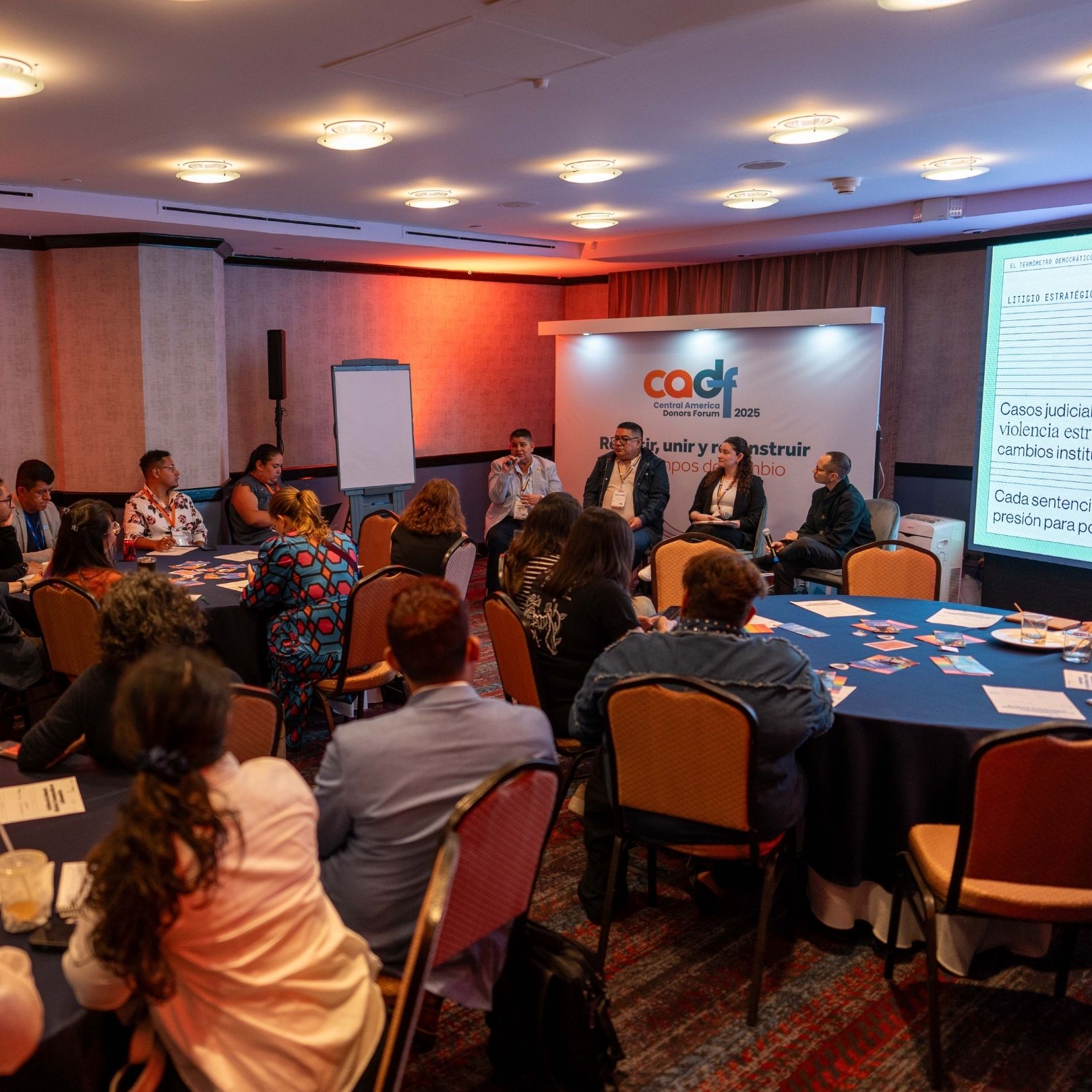
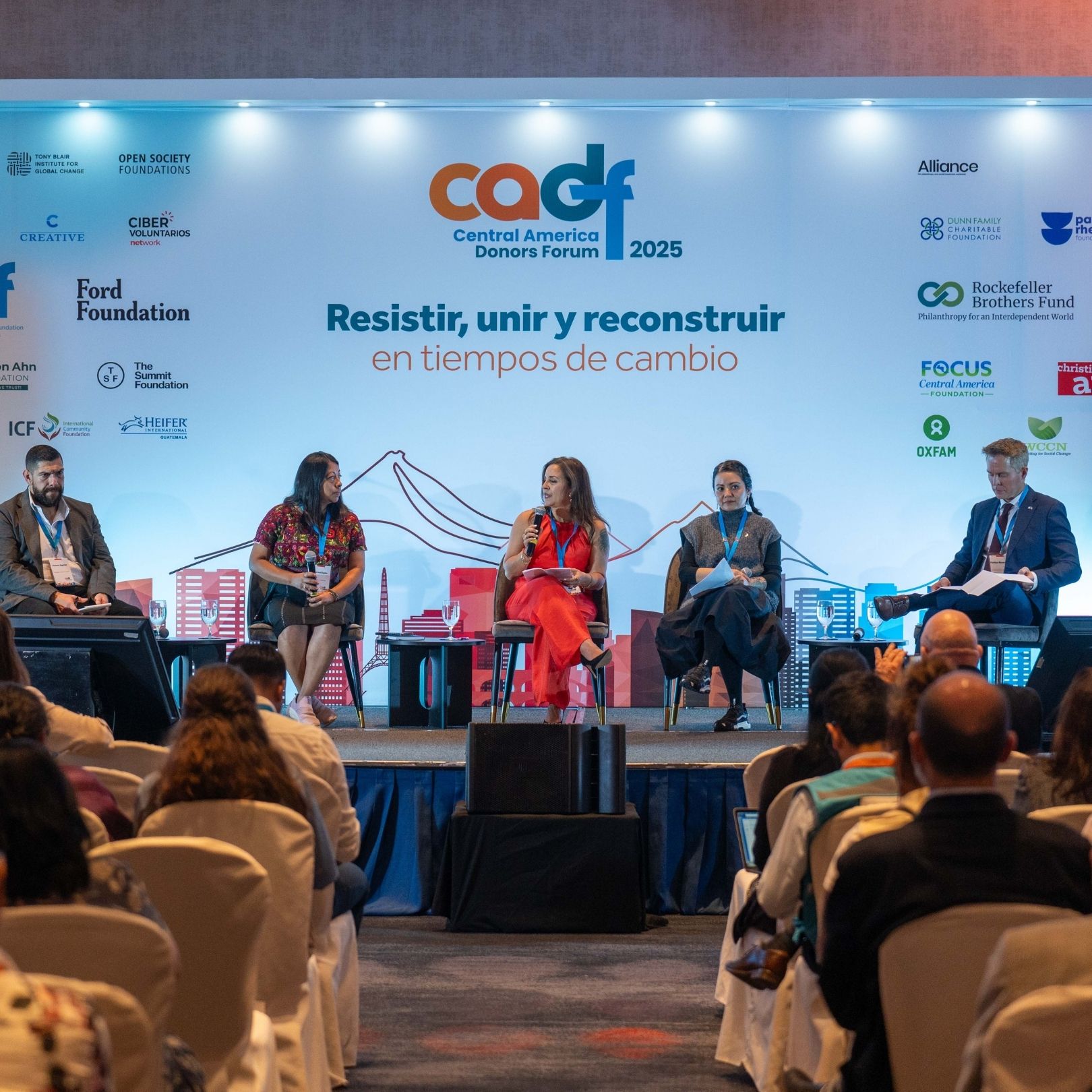
Highlights from the 2025 Central America Donors Forum in Guatemala City, Guatemala.
Highlights from the 2025 Central America Donors Forum in Guatemala City, Guatemala.
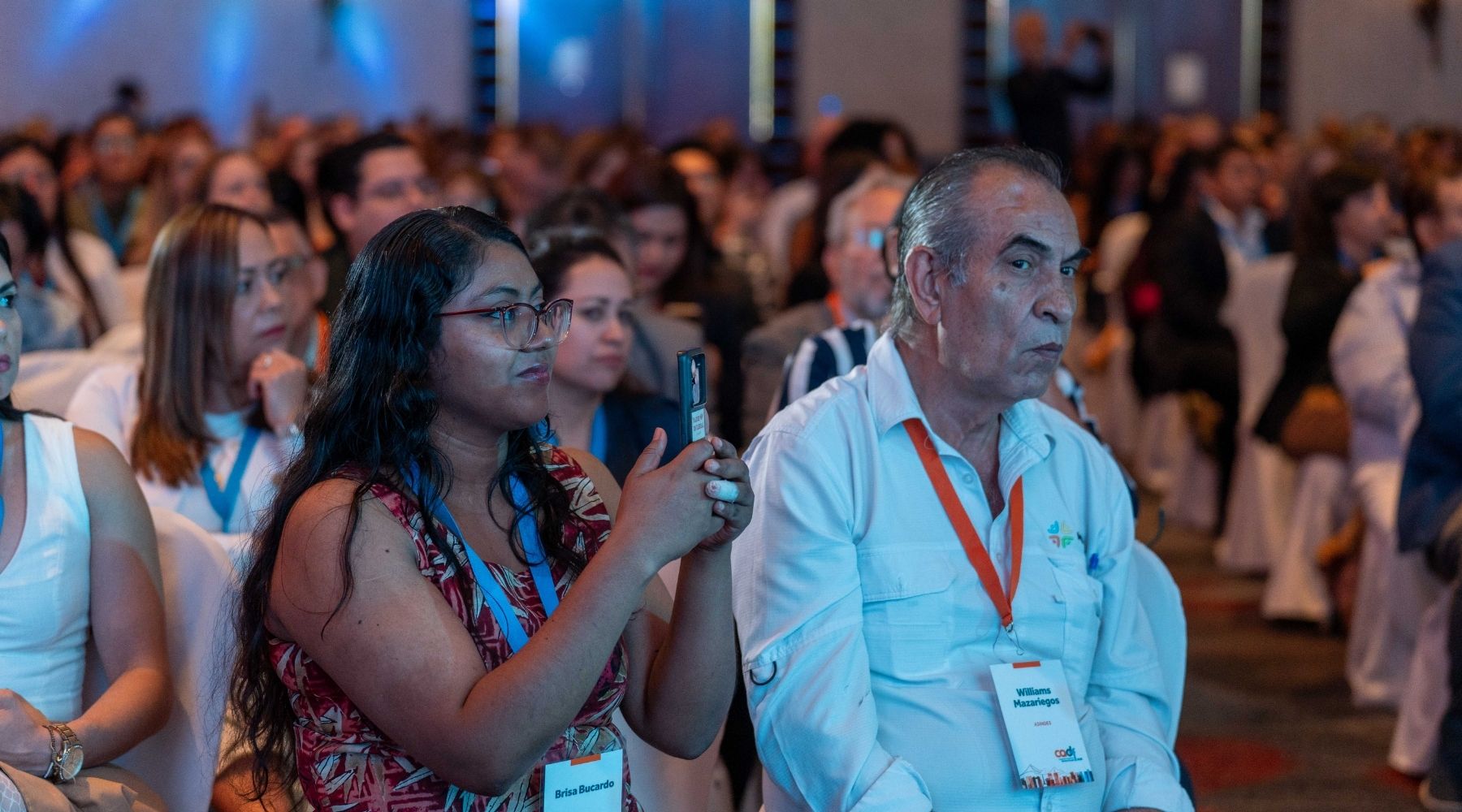
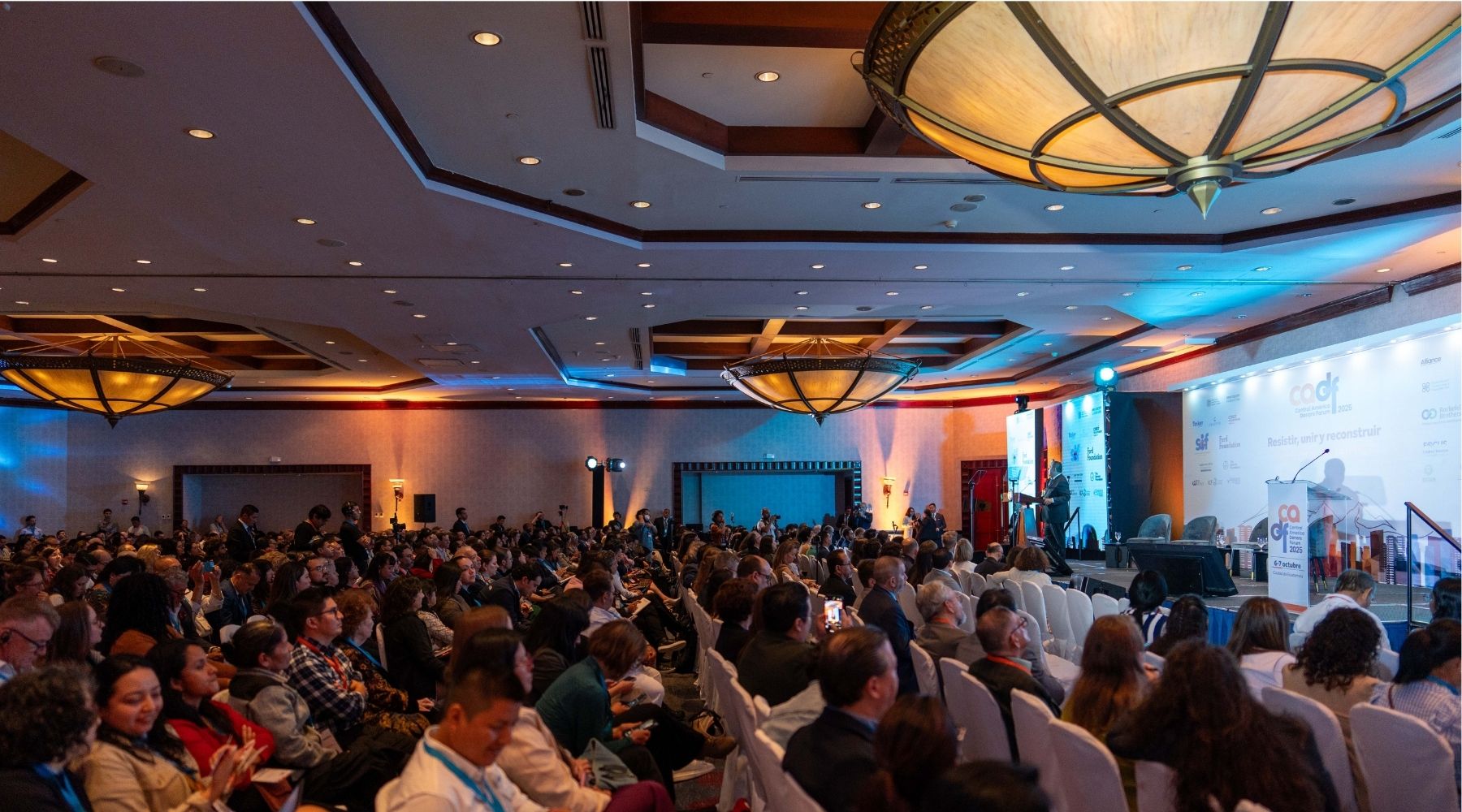
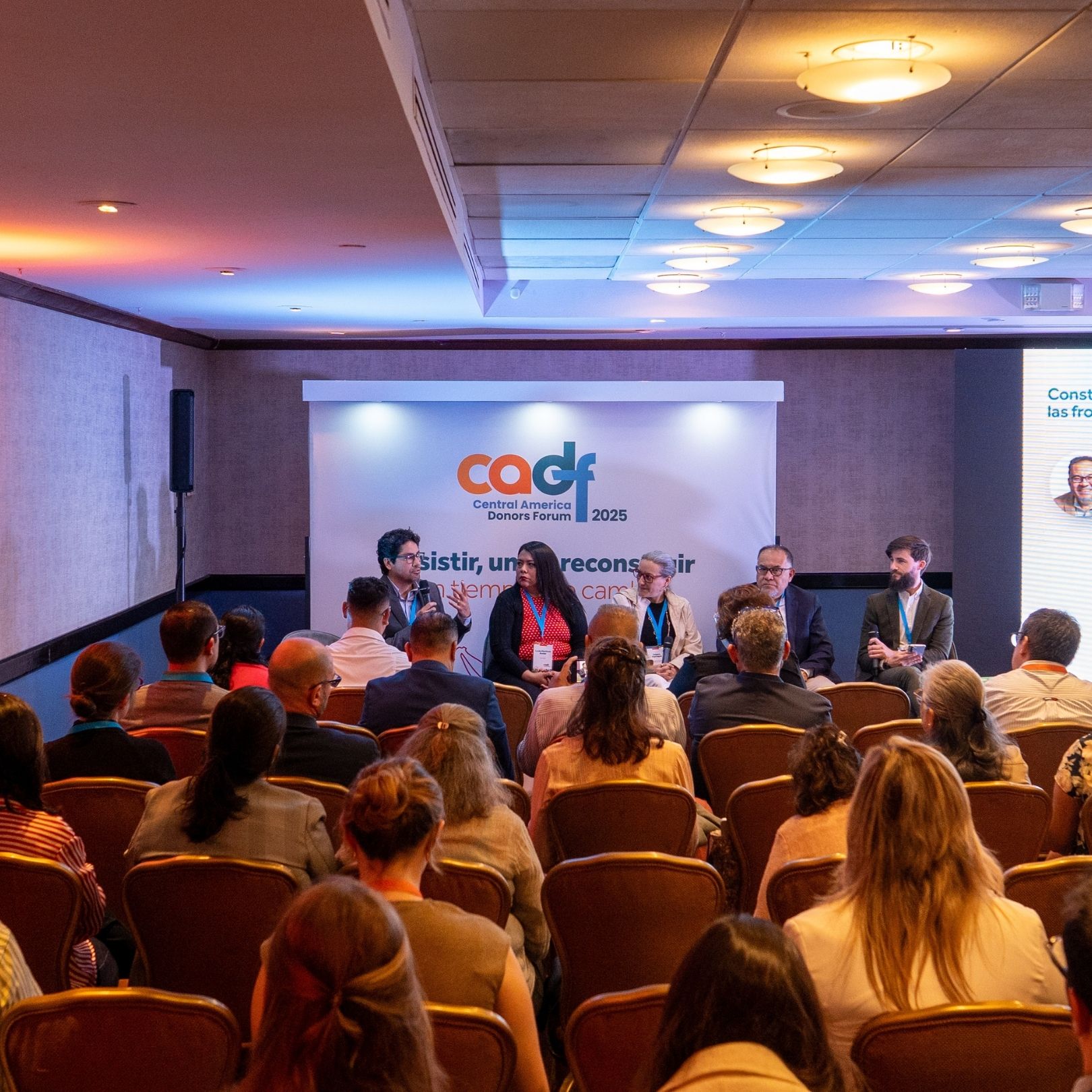
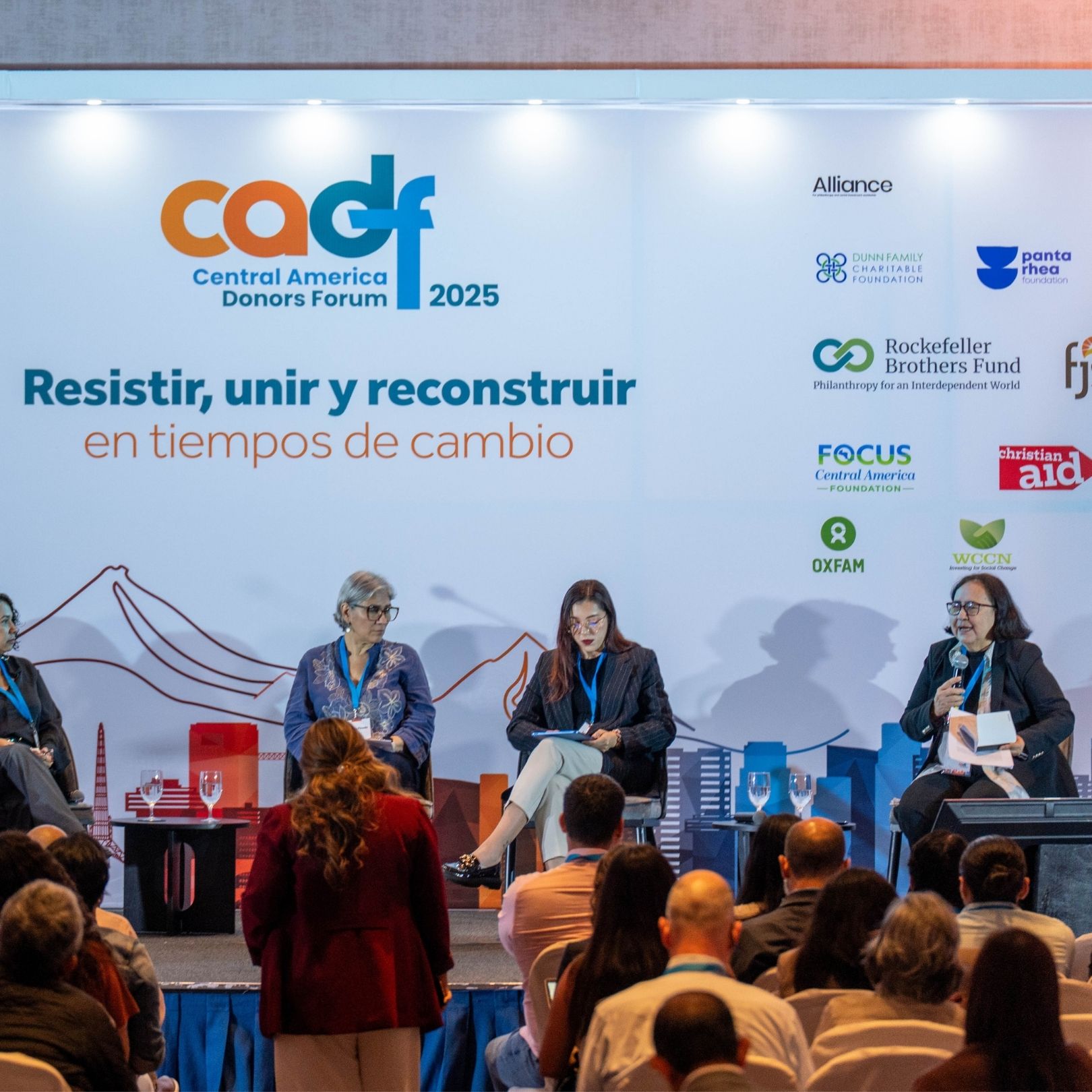
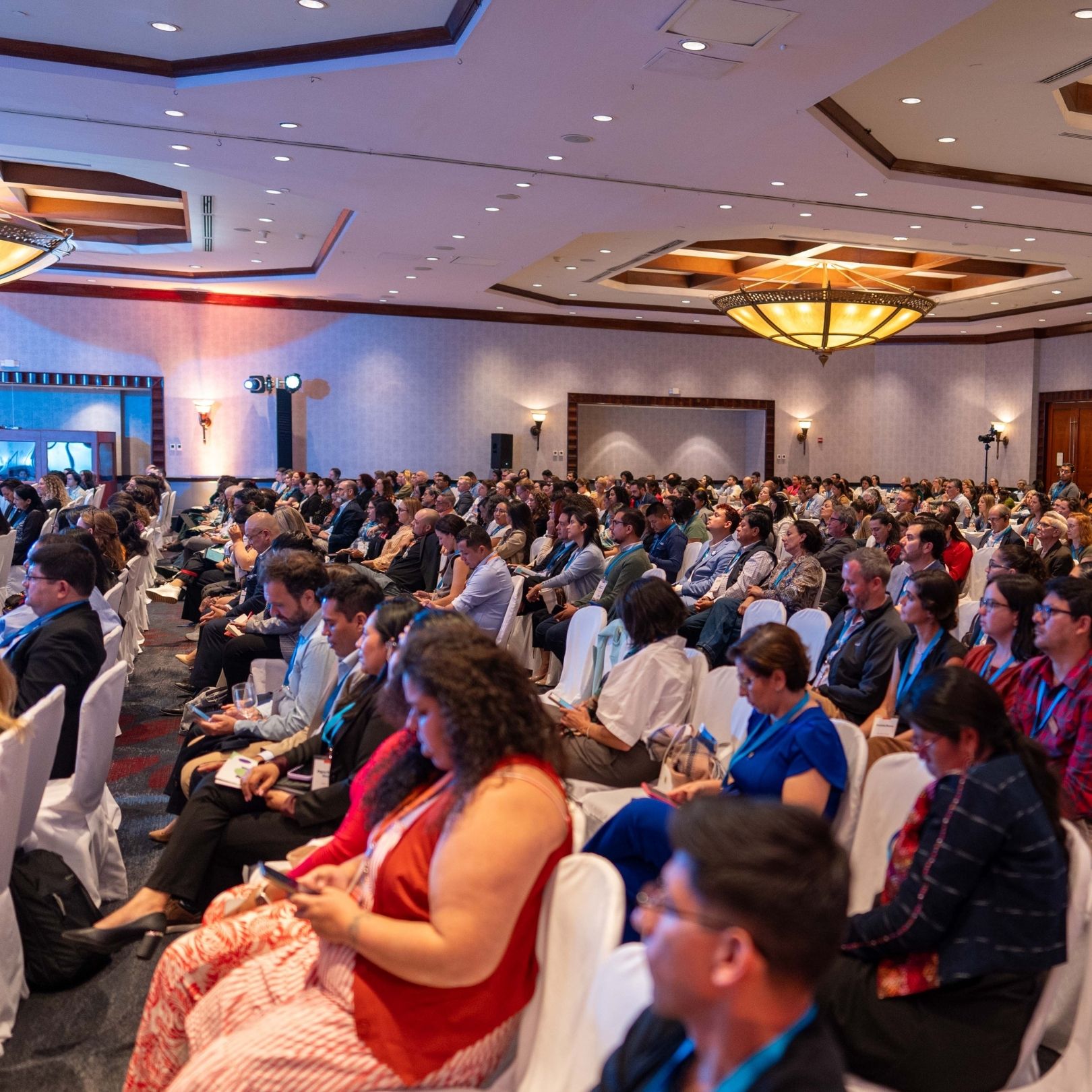
The 2025 Central America Donors Forum brought together 840 participants from 29 countries and 498 organizations in Guatemala City.
CADF 2025 hosted 43 sessions addressing topics including: authoritarianism, the shrinking of civic space and democratic backsliding, the decline of international cooperation in the region, the crisis in journalism, forced displacement, exile and the Central American diaspora, climate change impacts and environmental vulnerability.
Over two days, panelists and participants emphasized the need to strengthen grassroots organizations and community and youth leadership; build strategic and regional alliances; improve local capacities; promote purpose-driven investment and flexible and trust-based funding; rethink financing models and diversify revenue streams; foster locally led climate adaptation; and create new and innovative democratic strategies.
Below is a summary of the key highlights from CADF 2025.
The CADF 2025 agenda featured more than 40 sessions, including panels, workshops, roundtable discussions, site visits and many networking opportunities.
View full 2025 agenda

Check out clips and highlights from the official 2025 Central America Donors Forum video.

Thank you for clicking into the 2025 Central America Donors Forum (CADF) wrap-up report. Each year, Seattle International Foundation (SIF) has the honor of hosting CADF, a unique gathering that brings together hundreds of leaders and experts from civil society together with representatives from philanthropy and the public and private sectors to discuss development, justice and equity in the region.
Over the course of 2 days, CADF 2025 gathered 840 leaders from 498 unique organizations. The CADF 2025 audience arrived from 29 countries and included 157 speakers.
Check out additional key metrics below.
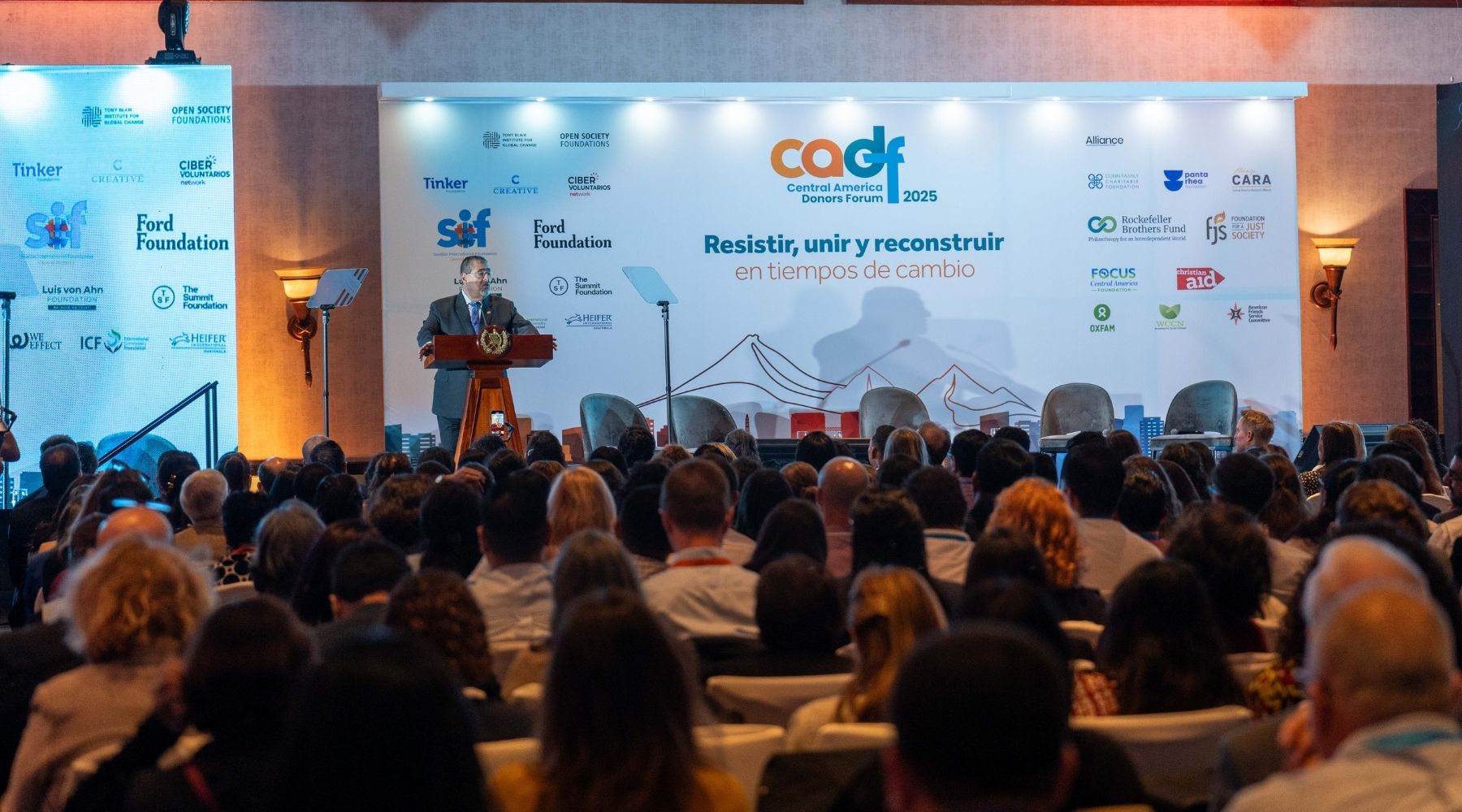
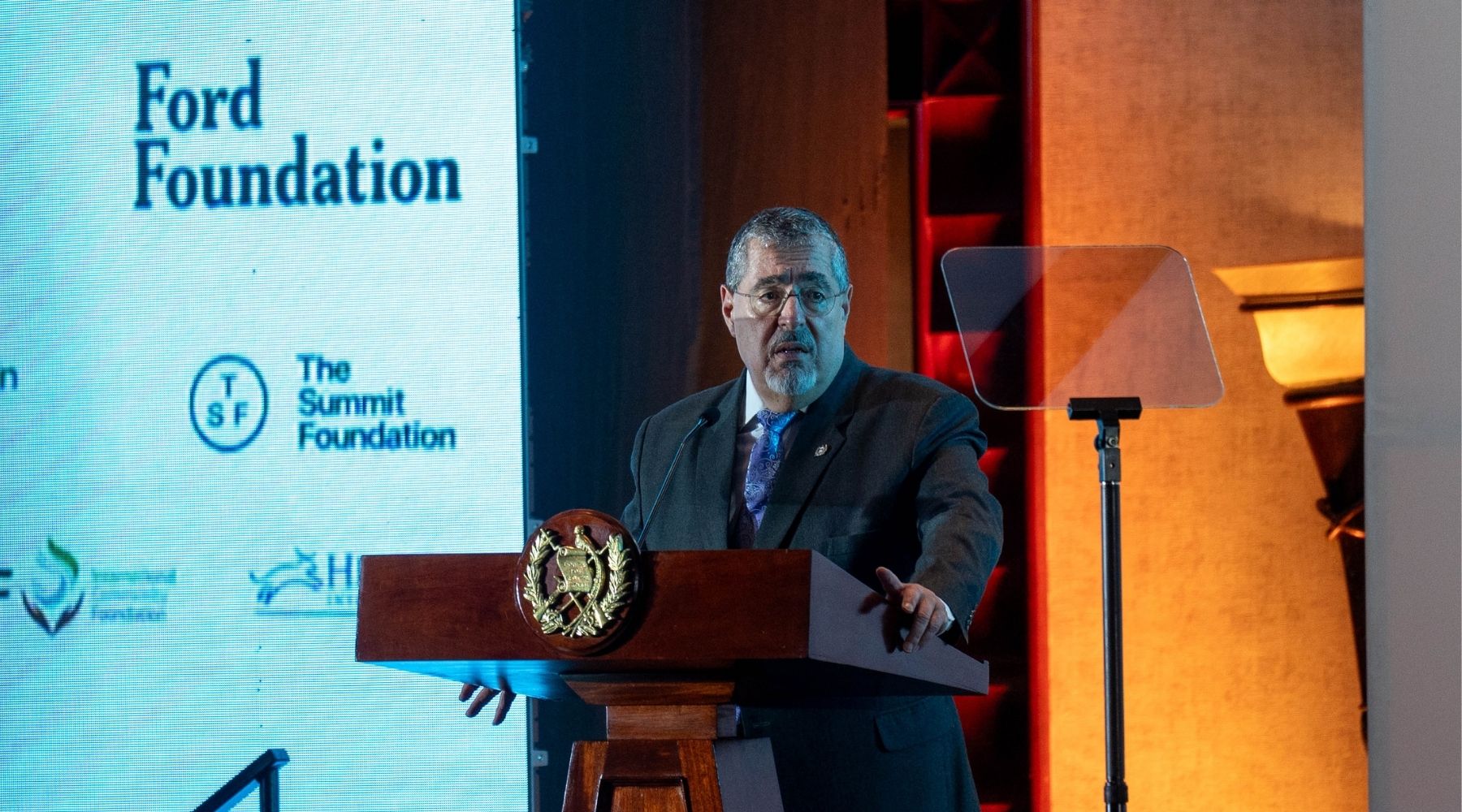
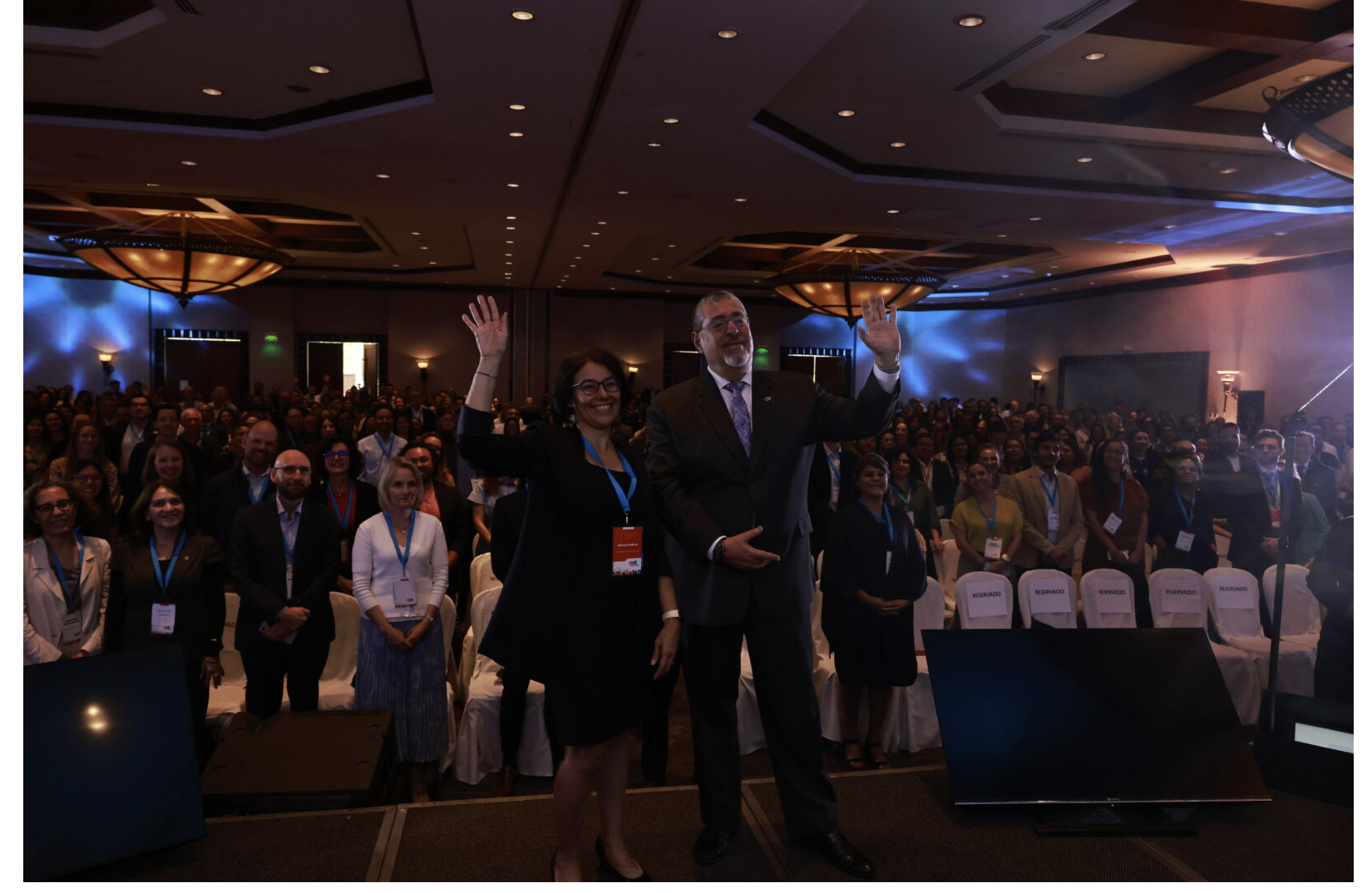
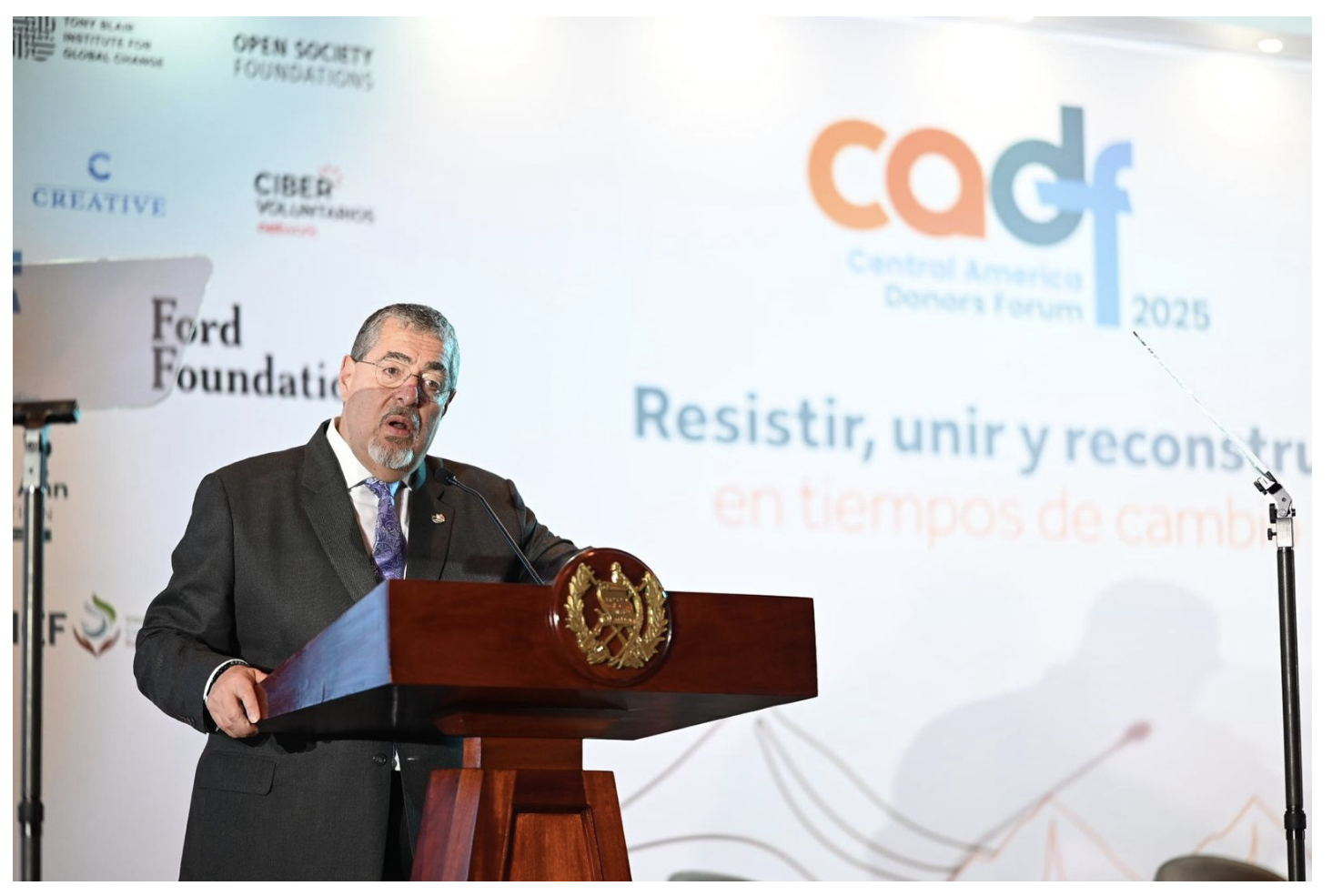
Guatemalan President Bernardo Arévalo highlighted how thousands of people took to the streets to protest against authoritarianism and defend democracy. He attributed these actions to a generational shift and warned that Central American societies remain deeply affected by institutional weakness. The president called for the defense of democratic values—not only in Guatemala, but across the region.






This panel explored the challenges Indigenous women face amid climate change and structural barriers. Speakers shared participatory methods and dynamics to promote women’s empowerment, advance gender equity, and encourage dialogue on shared household responsibilities and equality. Speakers presented the Ixoquib Juyub (Women of the Mountain) project, which promotes women’s participation and human rights, shared domestic responsibilities, and comprehensive responses to violence. Panelists made a call for collaboration between institutions and communities to build equitable and sustainable development.
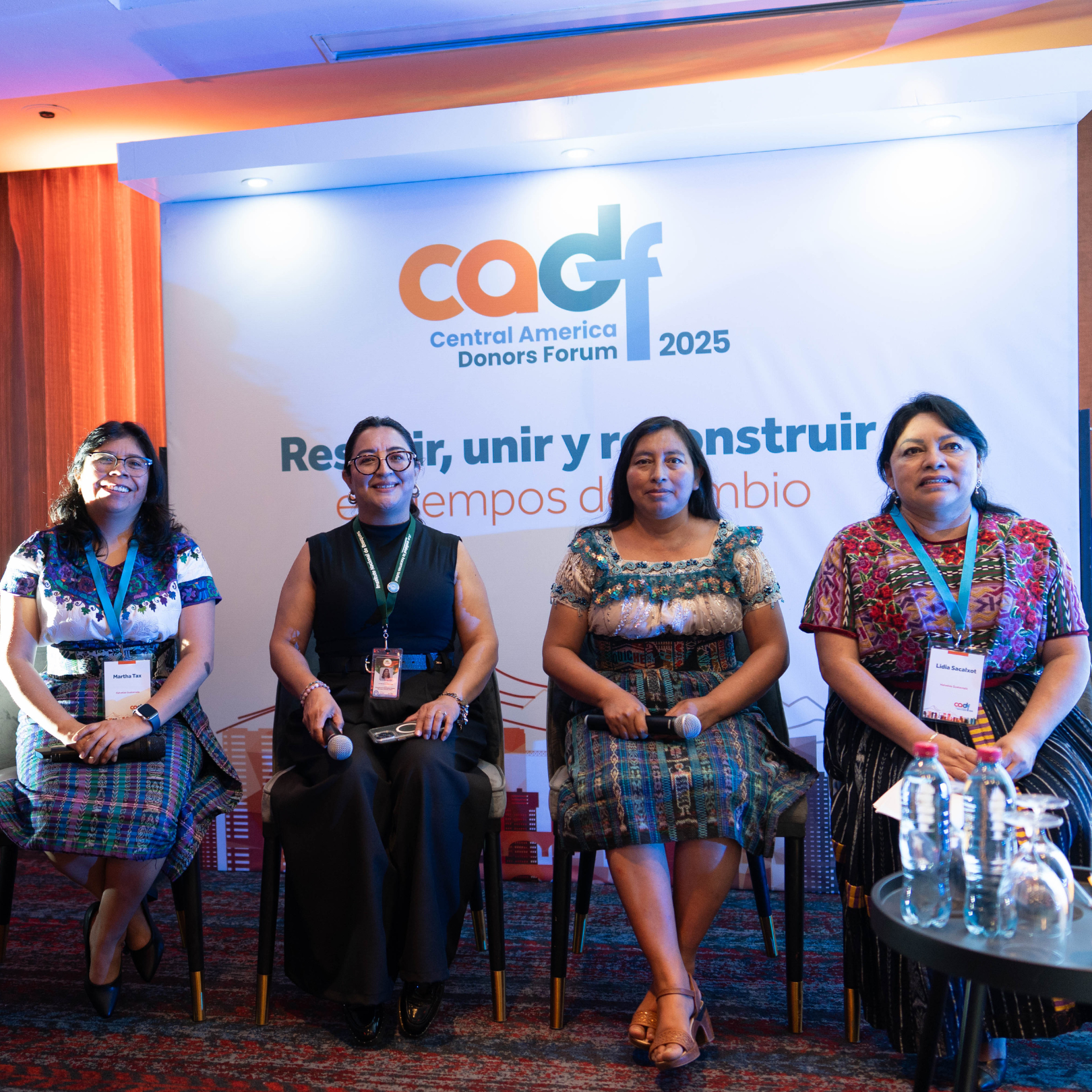


Helvetas Swiss Intercooperation

Instituto Nacional de Bosques (INAB)

Grupo de Teatro Armadillo

Grupo de mujeres de aldea Casa Blanca, Santa María Chiquimula, Totonicapán

Helvetas Swiss Intercooperation
“There are cultural patterns that prevent women from owning land, yet they are expected to work on it. We may have ideas for improvement, but if we depend on asking family members for land to implement them, progress toward change is impossible.”
“It is essential to strengthen women’s capacities and promote their active role in decision-making. They should not only be physically present, but their true participation must be guaranteed.”

“Sharing the Central American vision that CADF provides us is very important. Through international cooperation, we’ve realized and confirmed the value that Seattle International Foundation creates by bringing us together, and allowing us to combine ideas to improve and keep moving forward.”
Claudia Hernández, Project Manager for the Executive Vice President, Programs and Communications, Rockefeller Brothers Fund
CADF 2025 brought together a dozen local and national journalists who highlighted a variety of perspectives and priorities from speakers and sessions. Several online platforms echoed information about the event, which also received widespread attention on social media under the hashtag #CADF2025.






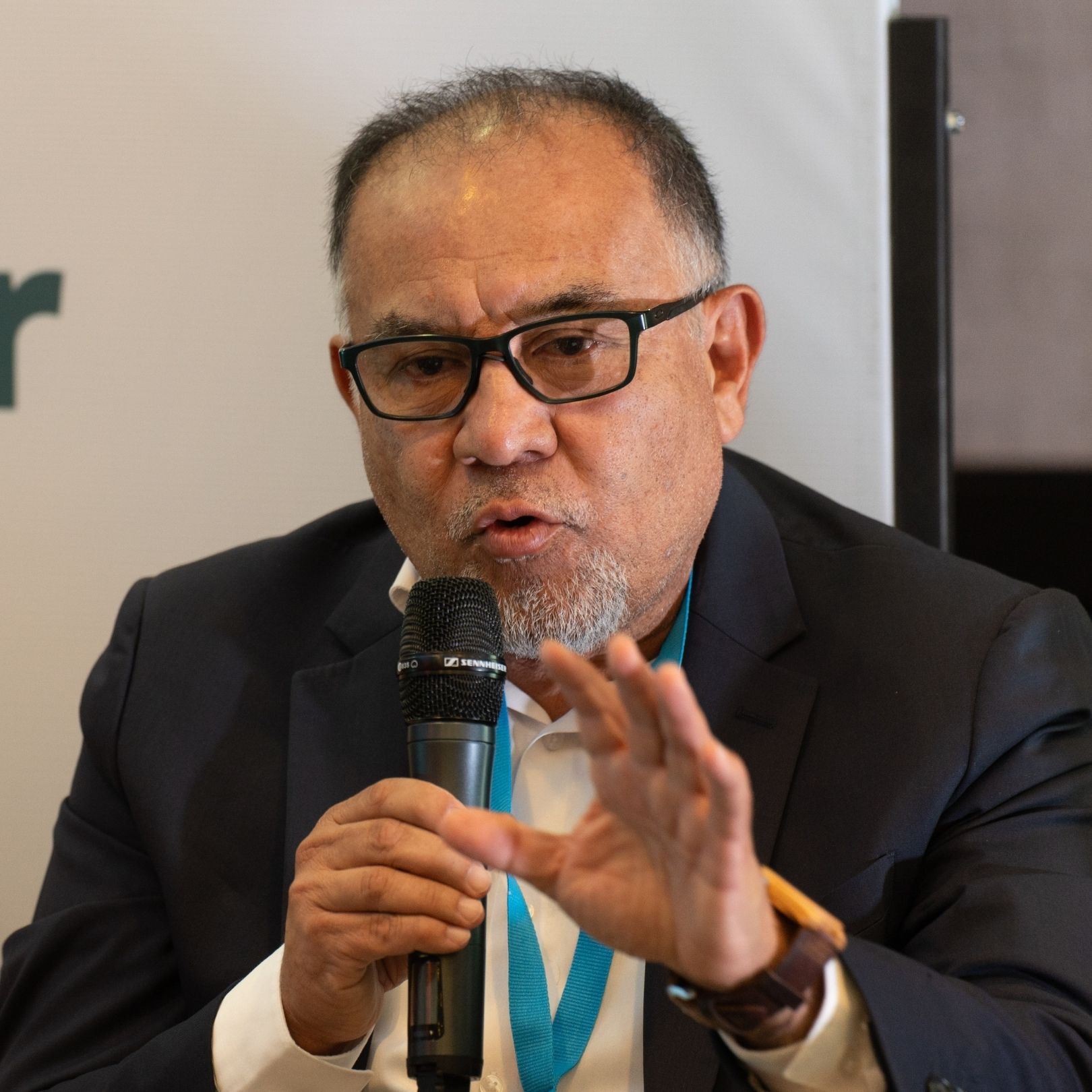
This session explored the challenges and opportunities facing the Central American diaspora. Speakers highlighted the importance of building support networks that integrate social, political, and educational efforts, as well as creating practical guides to defend migrants during raids and arbitrary detentions. The discussion underscored the persistence of racial narratives and the erosion of due process. It also examined the forced displacement of journalists and the regional alliances that safeguard access to information amid censorship and economic hardship. The session called for strengthening networks, trusted spokespersons, and new democratic narratives, while emphasizing the need for sustainability through philanthropic and business partnerships.
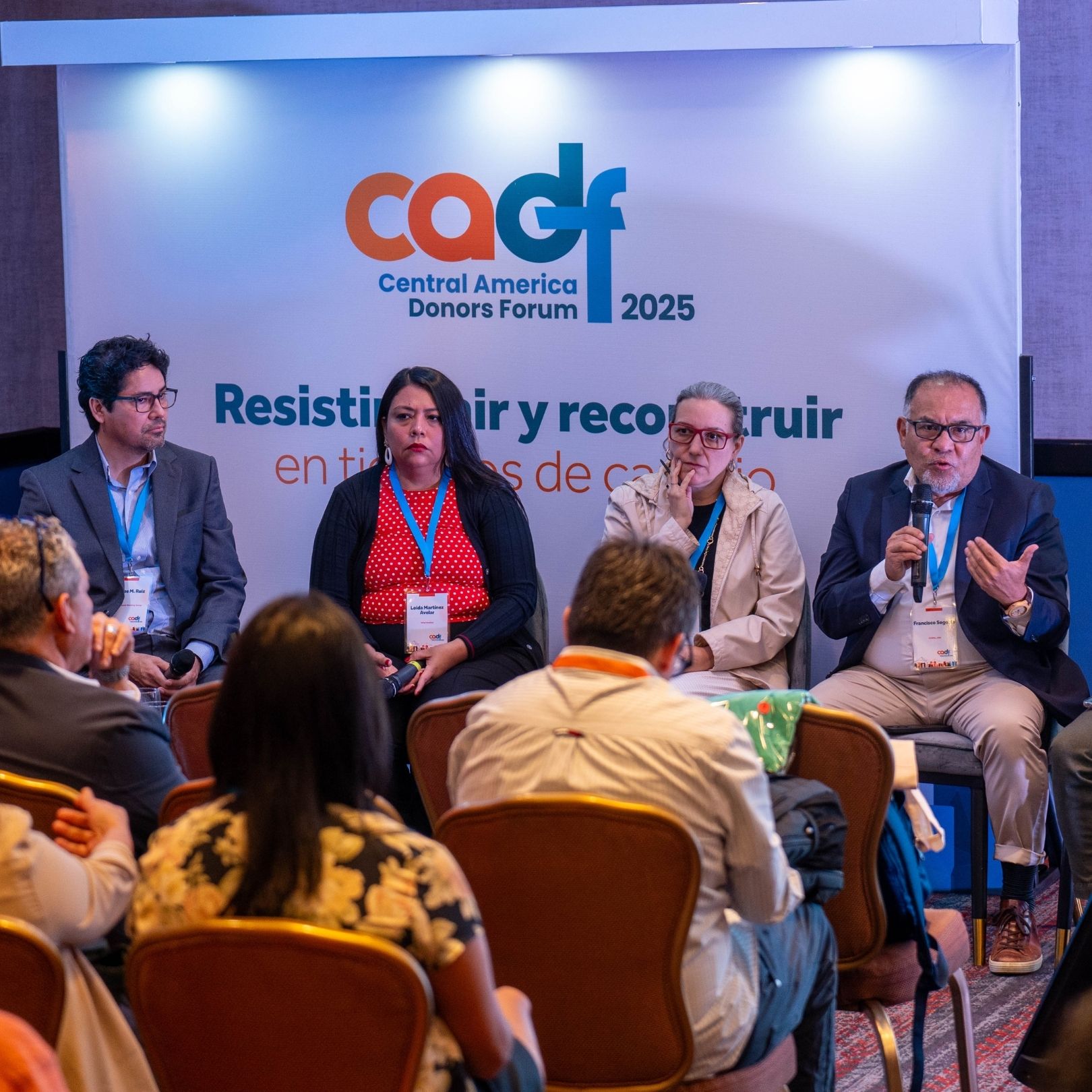




Communities Organizing Latine Power and Action (COPAL)

Independent

Crossroads Working Group

Crossroads Working Group

Learning to Transform
“Forced migration is very different from planning a trip. It’s not about choosing to leave—it’s about having to do it to survive.”
“Exile has become the core of our work. Many of the people who once defended justice and human rights are now outside the country.”
“We must avoid an information blackout. Even if we're outside the country, we continue to report what propaganda hides.”
“We want to imagine new ways of building solidarity across borders which are based on mutual learning between communities.”
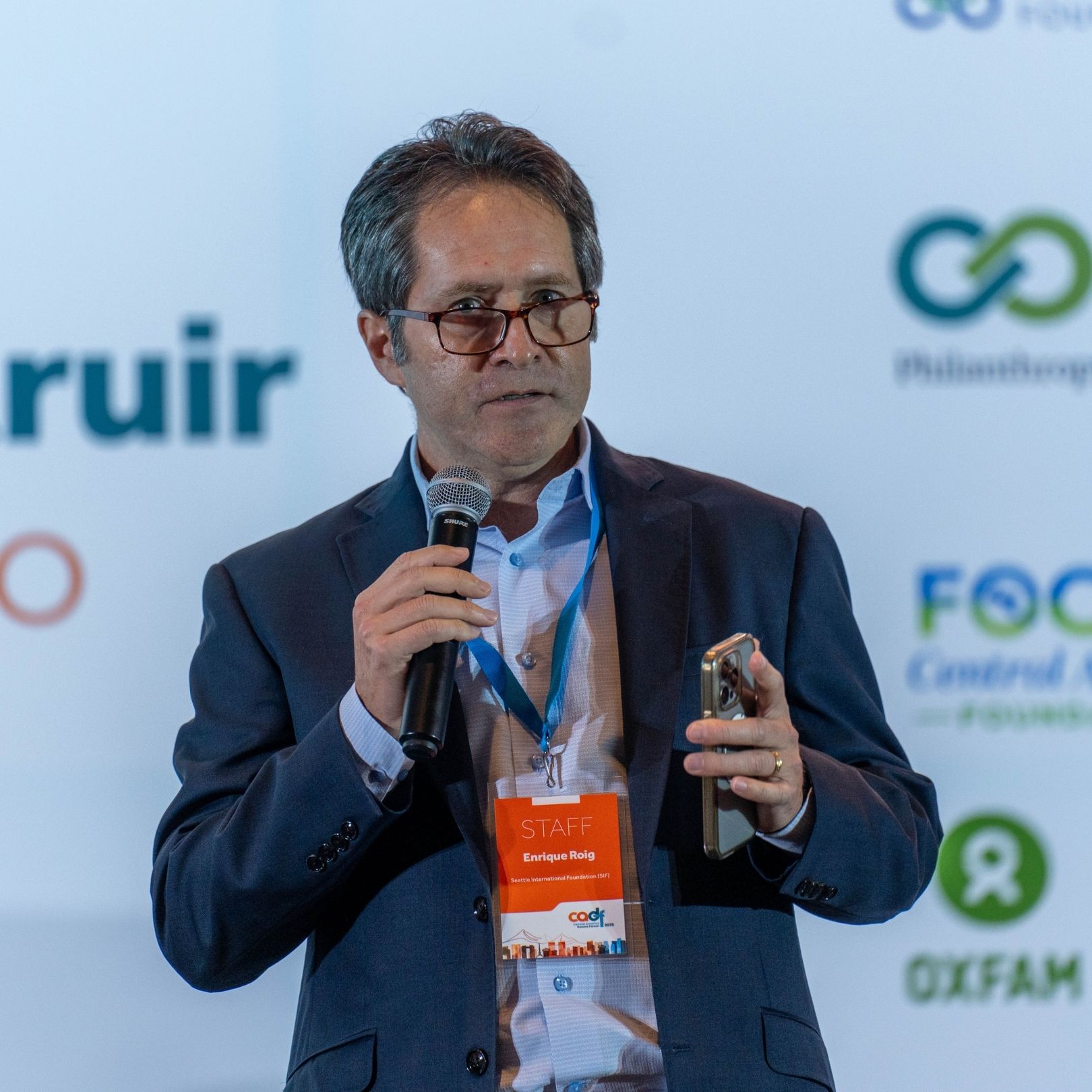
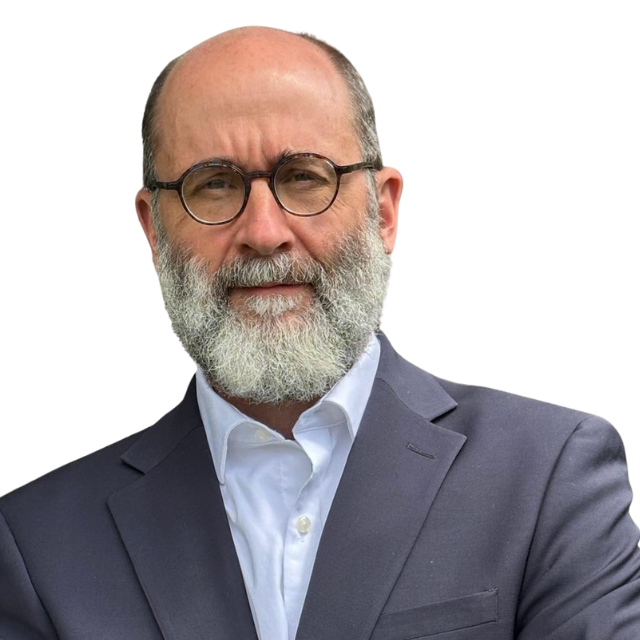
This session reflected on the critical moment democracy is facing amid the rise of authoritarian regimes that promise quick solutions at the cost of fundamental rights. It highlighted how these regimes divide societies and weaken citizens’ ability to act. Speakers stressed the need to build a new narrative centered on people and the importance of supporting everyday struggles. They called for civic unity to foster mutual support and collective action.



National Anti-Corruption Council (CNA)

Deputy, Salvadoran Legislative Assembly
Guernica 37

Espacio Crítico
Seattle International Foundation (SIF)
“We must join forces under a framework of defending human rights. When we talk about democracy, our people often think it only means voting, but democracy goes far beyond that.”
“The people must be the protagonists. They are the ones who should tell the story.”
“Just as there can be no democracy without elections, there can be no democracy without accountability.”
“We are not alone. Autocrats have their own club—they bring in advisors, share strategies, and copy each other. We can do the same if we stand united.”


This session used a fishbowl format, putting audience participation at the center. Attendees from different sectors took the stage to share their communities’ environmental experiences. Ancestral knowledge was valued, and the urgency of transforming power dynamics was emphasized. Participants shared successful stories of alliances that strengthen both the economy and the environment, and proposed a horizontal, collaborative approach to generate deep and lasting environmental impact.



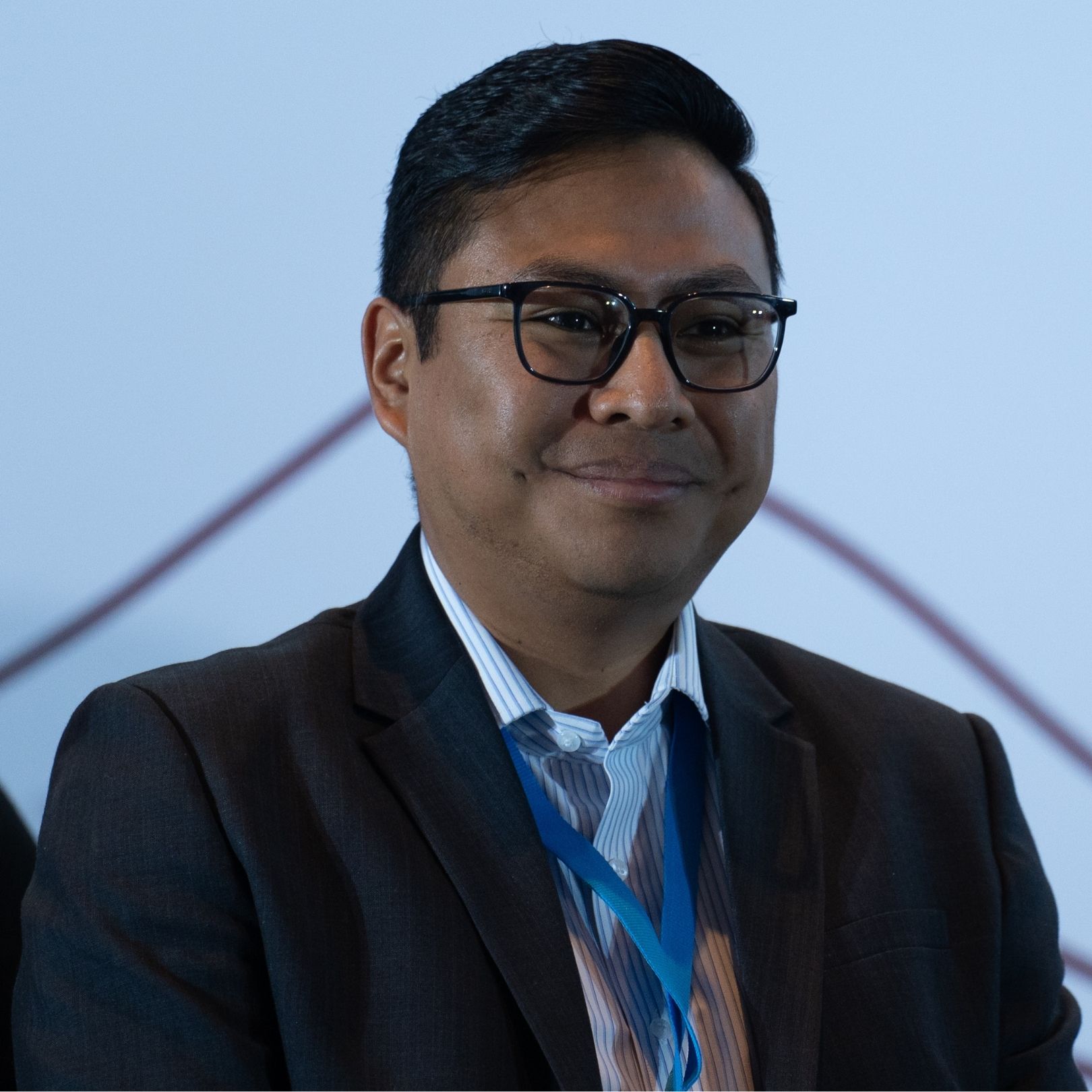

Ford Foundation

The Nature Conservancy (TNC)
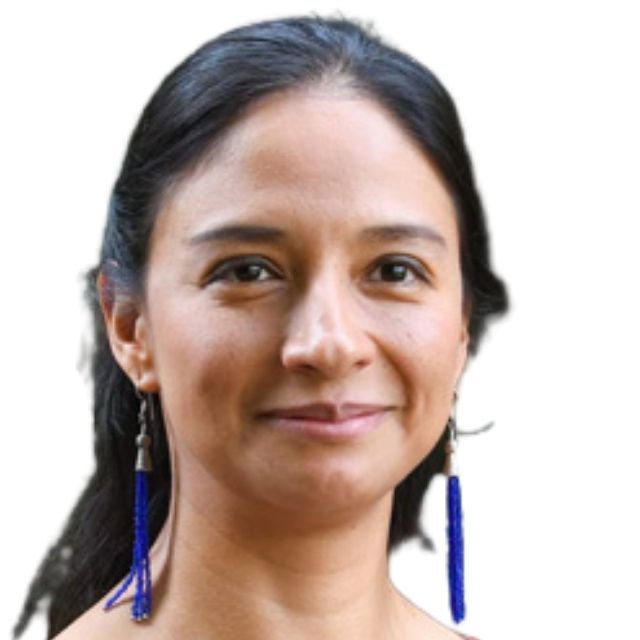
Climate and Land Use Alliance (CLUA)
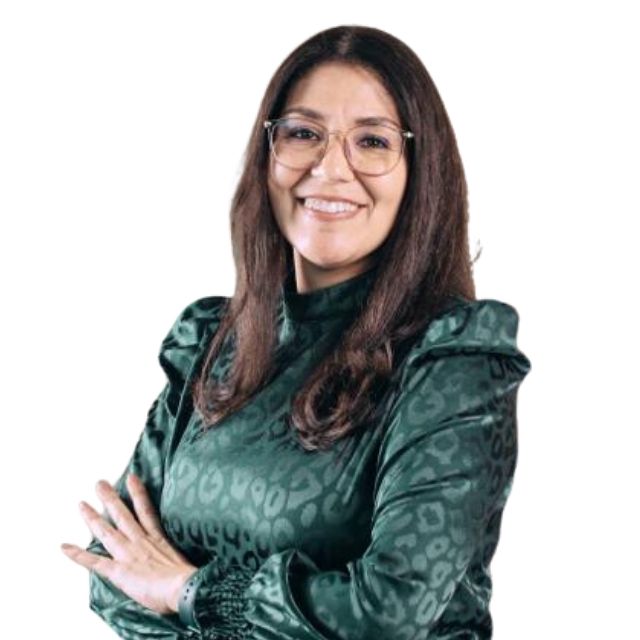
Luis von Ahn Foundation
“We need to integrate ancestral and traditional knowledge from Indigenous peoples to ensure comprehensive resource management and create nature-based solutions tailored to local needs.”
“We need to listen to what real needs can be addressed together with other sectors that have not yet been part of the change.”
“Funding must be based on trust. It’s not about handing out a blank check for everyone to do as they please, but about building relationships among change agents that collectively set priorities, dismantle vertical structures, and eliminate power imbalances.”
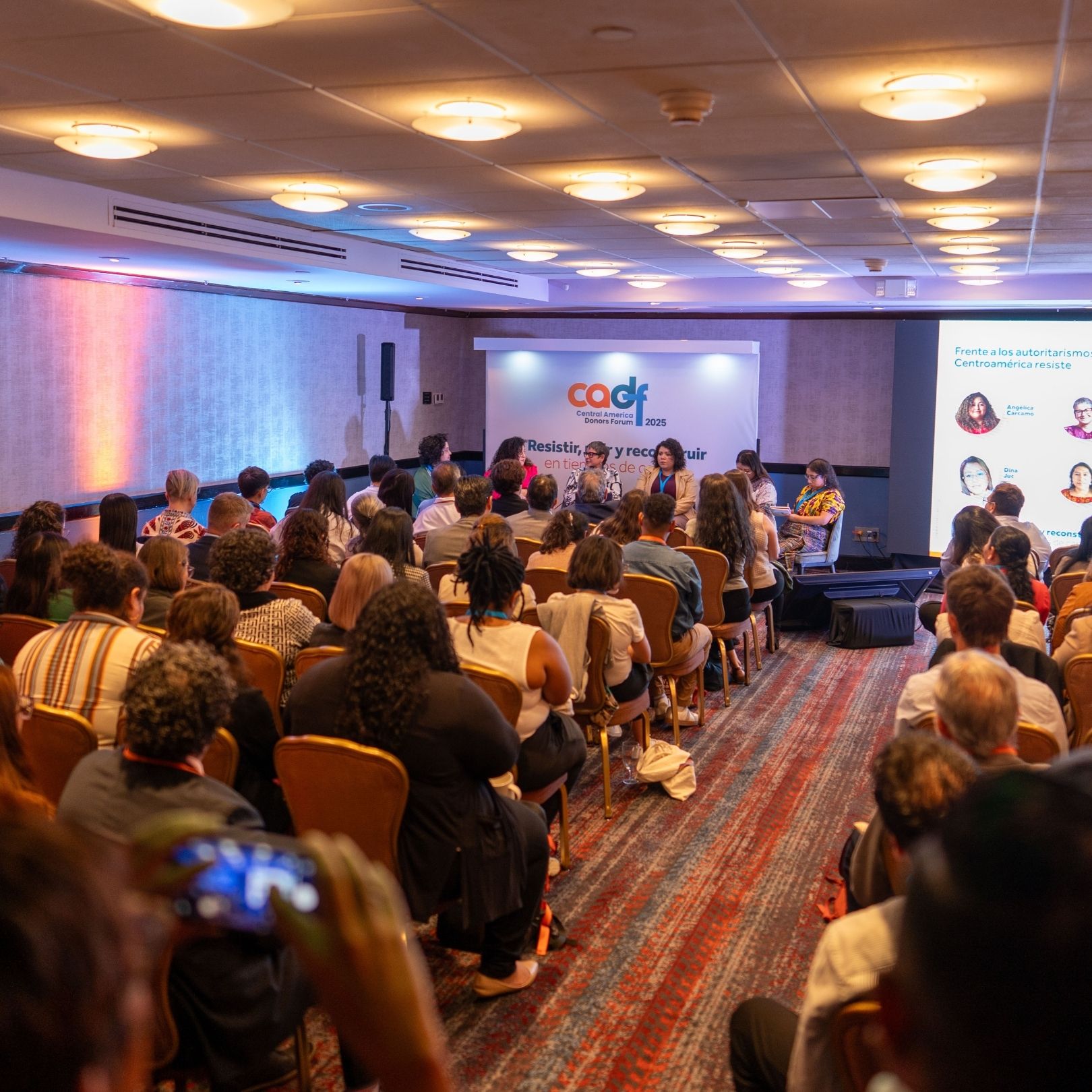
In this session, speakers highlighted the state of emergency in El Salvador, which has been used to justify arbitrary detentions, torture, and criminalize dissent. Speakers discussed the capture of Guatemala’s judicial system, which obstructs anti-corruption efforts and targets justice operators and ancestral authorities, as well as the weakening of judicial independence and pressure on critical media in Costa Rica. Speakers also noted the forced displacement of over one million people in the region and presented resistance strategies among various sectors, such as journalistic networks that defend press freedom and protect reporters, exile organizations that preserve community memory, and Indigenous leadership initiatives.

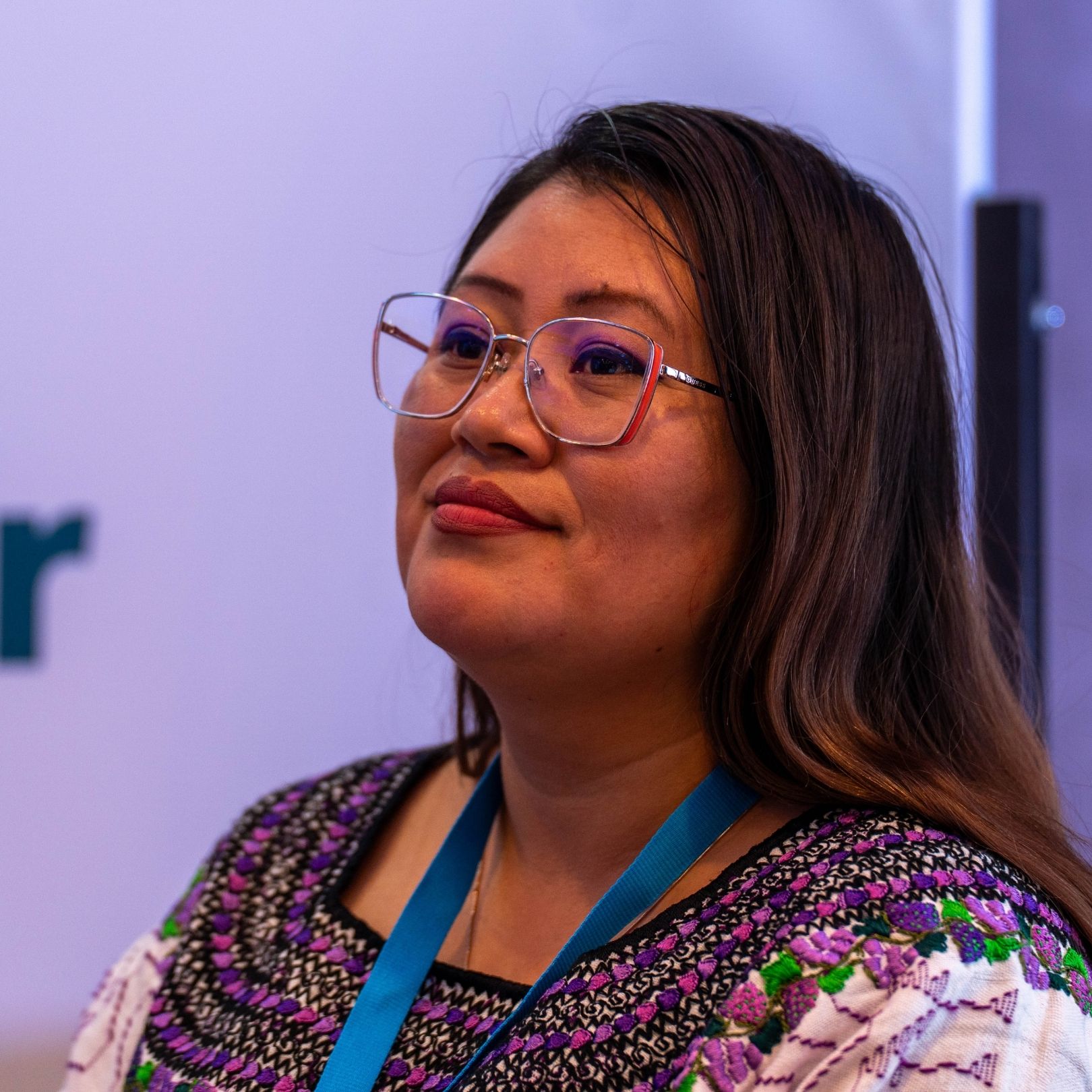


Central American Journalists Network

Mesoamerican Initiative of Women Human Rights Defenders (IM-Defensoras)

Casa Centroamérica

Indigenous Mayor's Office of Santa Lucía Utatlán, Solola

Jotay ACTuando Juntas
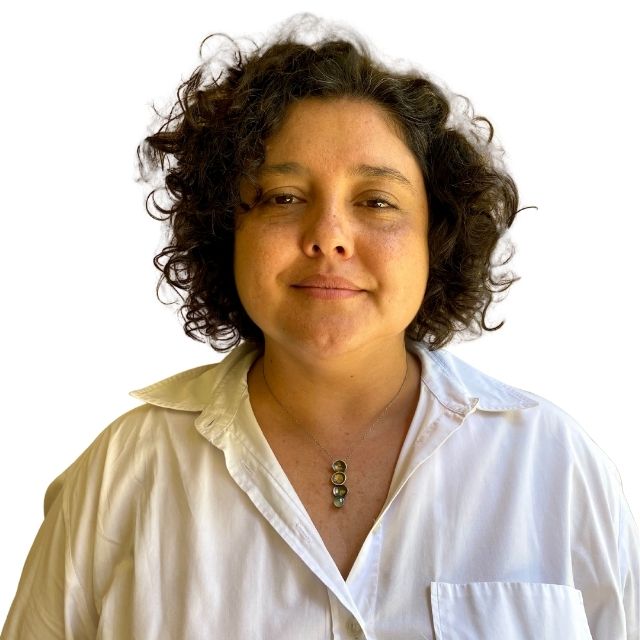
Center for Justice and International Law (CEJIL)
“Journalism is at greater risk than ever. Not because of a declared war, but because of the use of power to silence, intimidate, and wear us down.”
“Racism and discrimination deepen under authoritarian regimes. It’s urgent to rethink what kind of society we want to leave to future generations.”
“We have never fully lived in a democracy. We continue searching for it, resisting, and dreaming of a different future for our peoples.”
“Protection cannot be individual—it must be built collectively and through the social fabric that violence seeks to destroy.”
“Sustaining the life projects of people in exile also means sustaining their political projects and their voice in the face of repression.”

“Although I’m not a big fan of large gatherings, this space is special because democratic forces, people representing different democratic perspectives from across the region, are here together. It’s a great community. The presence, diversity, and participation reaffirm that there is a democratic movement in the region, along with international allies who stand with us.”
Noah Bullock, Executive Director of Cristosal
This panel of Nicaraguan women in exile shared that “exile is no longer a safe refuge” and described transnational repression as “the long arm of authoritarianism.” Speakers explained that persecution of Nicaraguans extends beyond borders, including digital surveillance, threats to relatives in Nicaragua, denial of passports, and the use of international institutions as tools of control. Panelists shared testimonies about the climate of fear among those in exile, particularly in Costa Rica, and issued an urgent call to the international community to recognize this form of violence, strengthen protection mechanisms, and act in solidarity.


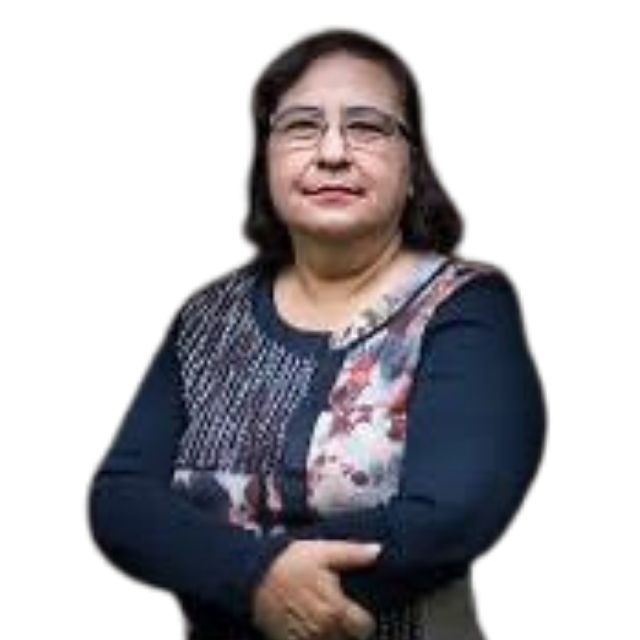
Fundación Sin Límites

Arias Foundation for Peace

United Association of Legal Defense, Registry and Memory for Nicaragua (AUDJUDRNIC)
Autonomous Women's Movement

Fons Català de Cooperació al Desenvolupament
“The crisis in Nicaragua is severe, but it must be understood within a broader regional crisis marked by the rise of authoritarianism and dehumanization in Central America, where people’s dignity and lives matter less and less.”
“I have supported mothers in their search for justice, and today I am one of them. I have chosen to stand tall and raise my voice.”
This session shared the experience of RECARGA, an educational network created in response to the impact of COVID-19 on education. The project brings together 15 community organizations from Guatemala and Honduras and has become a model of trust-based collaborative philanthropy. It combines flexible funding with technical support and prioritizes organizational strengthening, autonomy, and collective care. The initiative promotes transparency, shared responsibility, and horizontal dialogue between donors and local actors, while emphasizing the importance of investing in organizations, supporting local research, and sustaining collaboration beyond funding cycles.




Centro Indigenista de Capacitación Artesanal Intibucano (CICAI)

Peronia Adolescente
ConnectED

The Summit Foundation

Global Fund for Children
“Resilience is achieved through flexible funding. Donor trust allows us to adapt and create real change.”
“Change starts from within organizations. We can’t ask for trust externally if we don’t practice it internally with transparency and honesty.”
“RECARGA gives grassroots organizations a vote of confidence, believes in our work, and recognizes the importance of not being the protagonists, but part of a learning community.”
“The model shows that collaboration between donors and grassroots organizations can generate unexpected and valuable results when it’s built on trust.”
Explore, use, and share images from CADF 2025 sessions and activities.
View the CADF 2025 albumThis panel looked ahead to COP30 in Brazil, focusing on locally led climate adaptation and the challenge of getting international funds to frontline communities. Speakers highlighted direct impacts on rural communities in Honduras, such as water scarcity, deteriorating roads, rising costs, and uncertain harvests. The discussion showcased actions driven by rural women, including community organizing, savings cooperatives, grain reserves, and the recovery of ancestral knowledge. A local organization presented its model for municipal adaptation plans, participatory vulnerability assessments, climate-smart agriculture, and community climate monitoring networks.




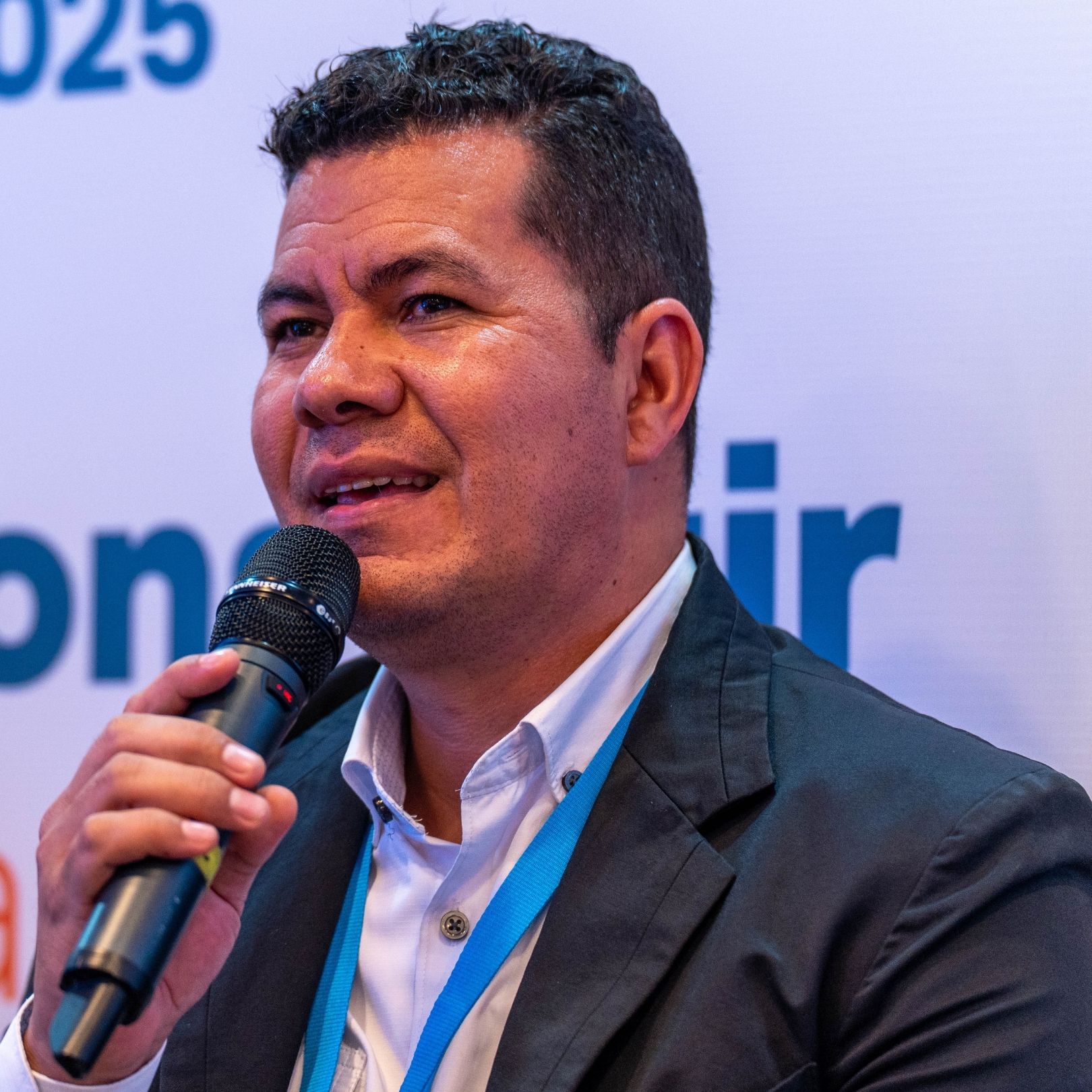


Adaptation Fund

Mennonite Social Action Commission (CASM)

Las Cuchillas Rural Community

Christian Aid
“We women have organized into savings and credit groups and cooperatives that allow us to invest in seeds, tools, and grain storage to ensure food security for our families.”
“Climate change adaptation must be planned at the local level. National plans are useless if they don’t translate into action in the communities.”

“CADF is a multisectoral platform that allows us to coordinate synergies and actions among the private sector, civil society, and the international community—efforts we need to restore democracy across the region at this critical moment when we see more authoritarian attitudes and must unite, rebuild, and remain resilient.”
Dulce Veras, Executive Director of the National Business Council (CNE)

Director, Ojoconmipisto

Regional Director, Mexico and Central America, Ford Foundation

Executive Vice President, Programs & Communications, Rockefeller Brothers Fund

Founder and Director, Confidencial

Executive Director, Guatemalan Federation of Radio Schools (FGER)

Ambassador of Spain in Guatemala and Belize

President, Tinker Foundation

Program Manager Open Society Foundations

Interim Co-CEO, Foundation for a Just Society
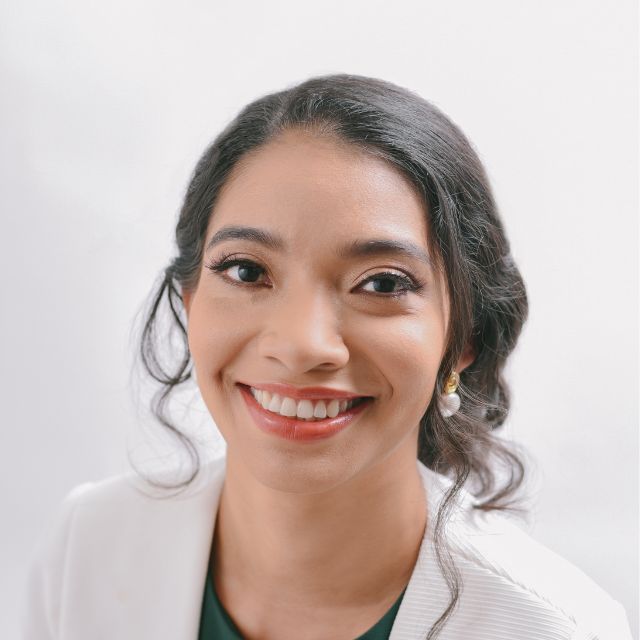
Board Member, Seattle International Foundation, Executive Director, Women´s Link Worldwide
Ambassador of Sweden to Guatemala, concurrent in El Salvador, Honduras, Nicaragua, Costa Rica and Panama
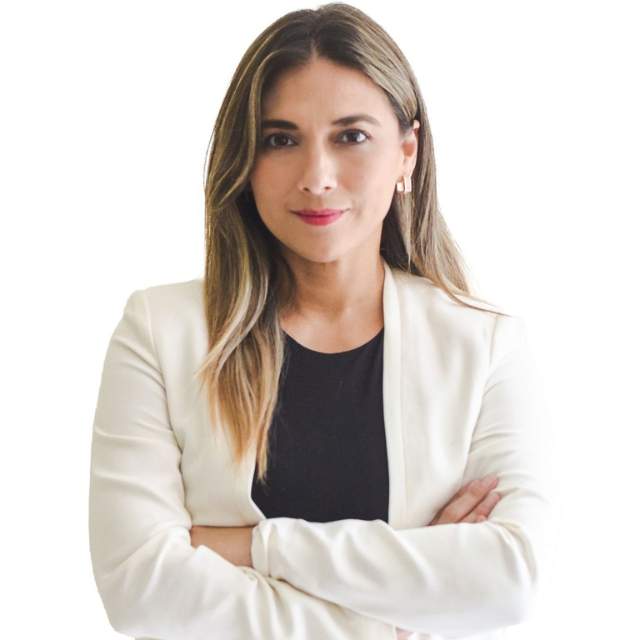
Executive Director, National Business Council (CNE)

Co-founder and CEO, Duolingo
This panel identified a dual-action approach for rebuilding democracy in El Salvador, both in the short and long term. It emphasized the importance of using the remaining institutional spaces, such as the Legislative Assembly, to ensure representation and oversight. Speakers stressed the need to strengthen grassroots organizations and systematically document current realities. They highlighted that the present crisis is an opportunity to “rebuild everything” and move toward a new, more inclusive model centered on the real needs of the population. The panel also urged the international community to adopt cooperation mechanisms that prioritize sustainable processes over short-term interventions.

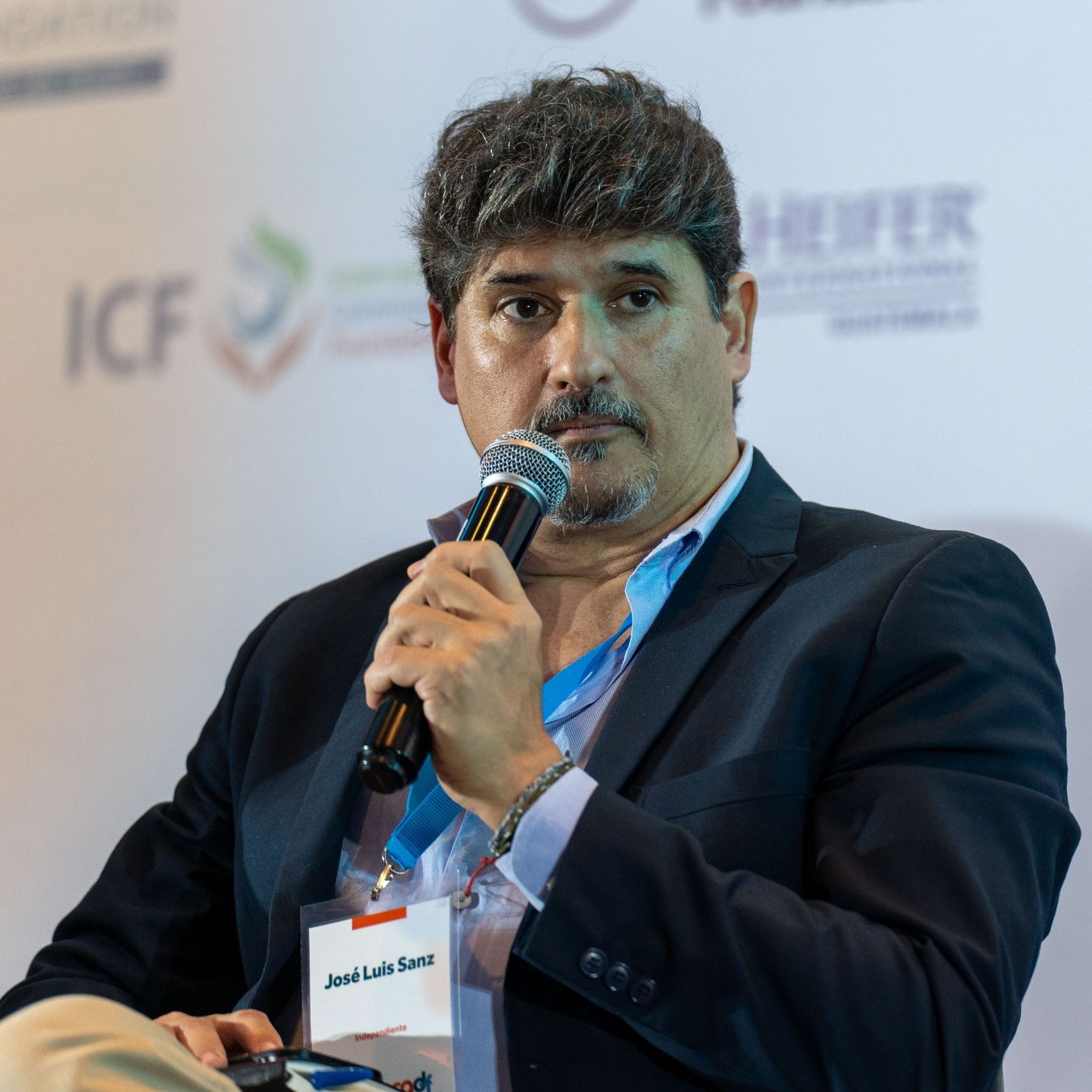



Legislative Assembly of El Salvador

Cristosal

Amnesty International

Colegio Médico de El Salvador

Independent
“This is not about returning to the democracy we had, because it wasn’t ideal and created the system we have today. We need to move toward a democracy where people’s needs are at the center.”
“History is not a circle that repeats itself. It’s a spiral that can move upward toward something better—or downward toward something worse.”
“If repression is transnational, then defense must also be cross-border. Networks, coordination, and international solidarity play a key role in this.”
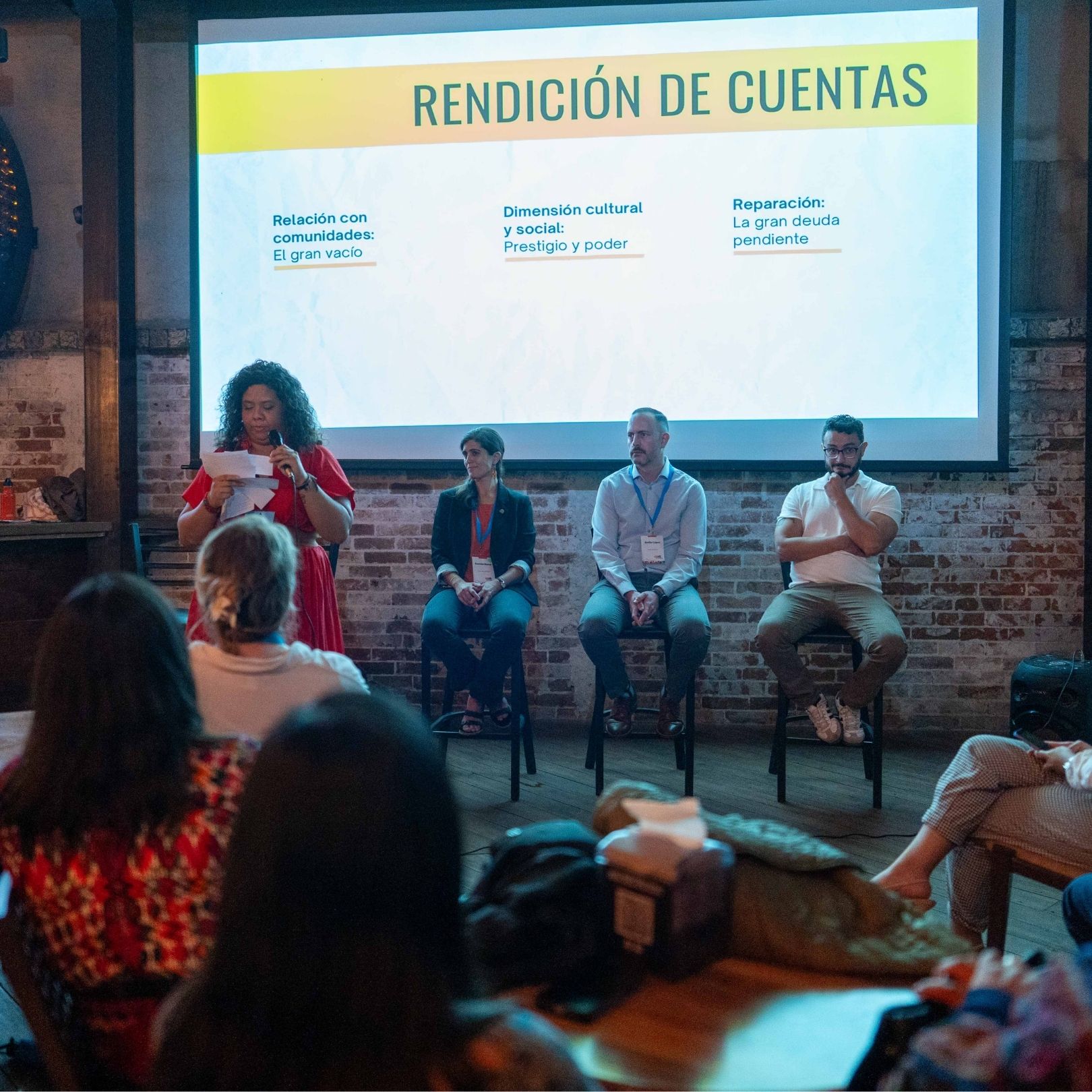
Speakers in this session emphasized that accountability in philanthropy should not be treated as a mere formality, but as a political and ethical act that requires courage. Inspired by the “Failure Nights” held in Guatemala to share lessons learned in philanthropy, this panel highlighted that honest accountability is also about repairing with dignity, acknowledging mistakes, and learning from them. The speakers stressed that pointing out a failure is not a sign of weakness, but the first act of strength that enables transformation and growth.


Trees, Water & People
Glasswing International

Tinker Foundation

El Directorio Guatemala
“Promoting environmental and energy sovereignty for communities means strengthening their right to decide over their territory, their future, and their way of life in harmony with nature.”
"The financial sector is full of controls, but the community and restorative aspects continue to be neglected."


Salvadoran journalist Daniel Valencia delivered a speech on the crisis facing journalism, describing it as “an act of resistance and survival.” He denounced that more than 40 Salvadoran journalists have been forced into exile. He urged democratic governments and the international community to move from words to action to protect “the last trench of democracy,” because “as long as there is a journalist with a notebook and a connection, there will be resistance and hope.”


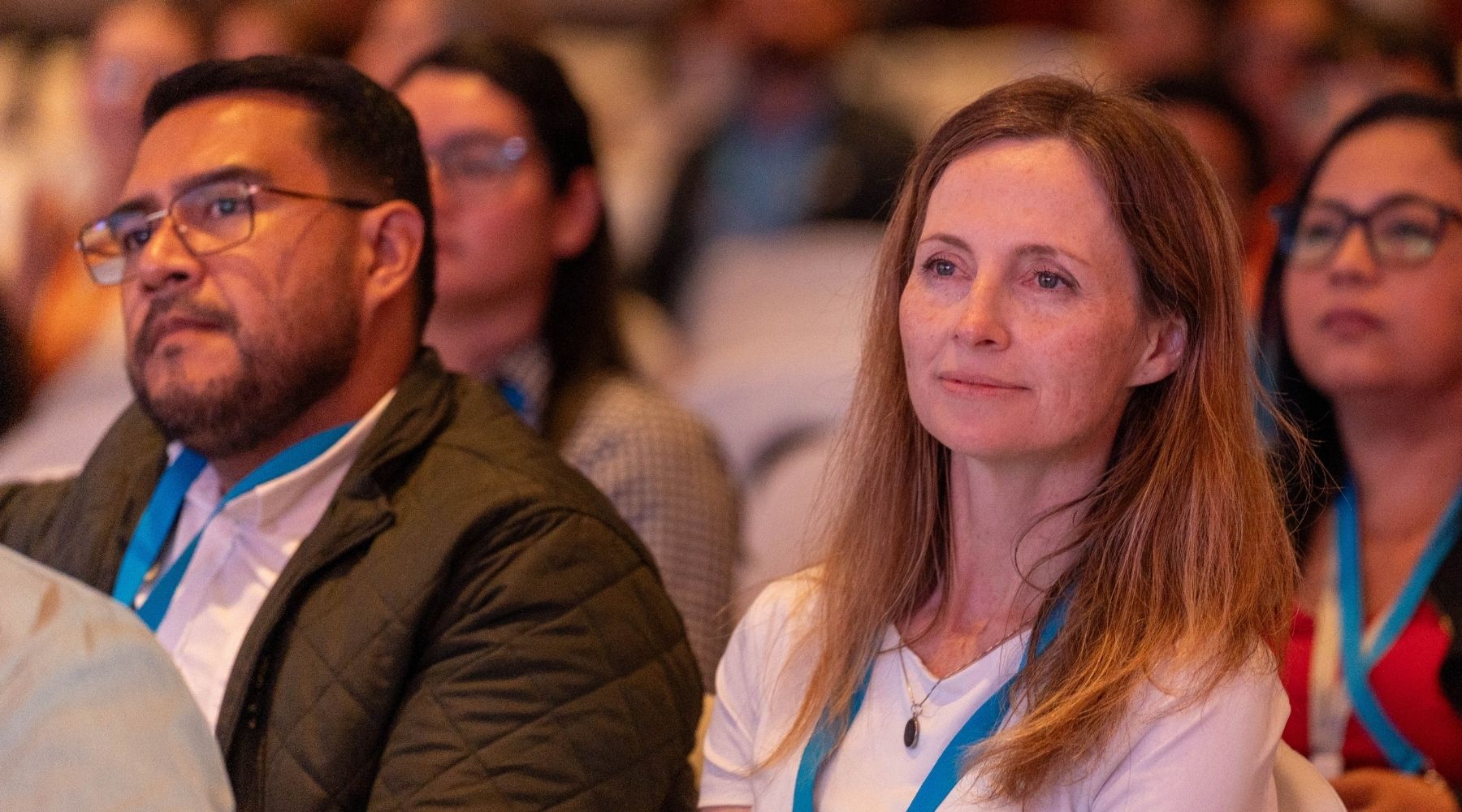


“This is a space where, beyond being donors and recipients, we are thoughtful individuals and committed groups working toward a better Central American society. From our perspective as donors, we see many opportunities to connect groups that rarely interact because they work across a wide range of issues, from human rights to renewable energy. We feel privileged to be in a position to bring together groups, initiatives, organizations, and individuals who can achieve great things together for the benefit of our societies.”
Víctor López, Program Officer for Central America and Mexico, Ford Foundation
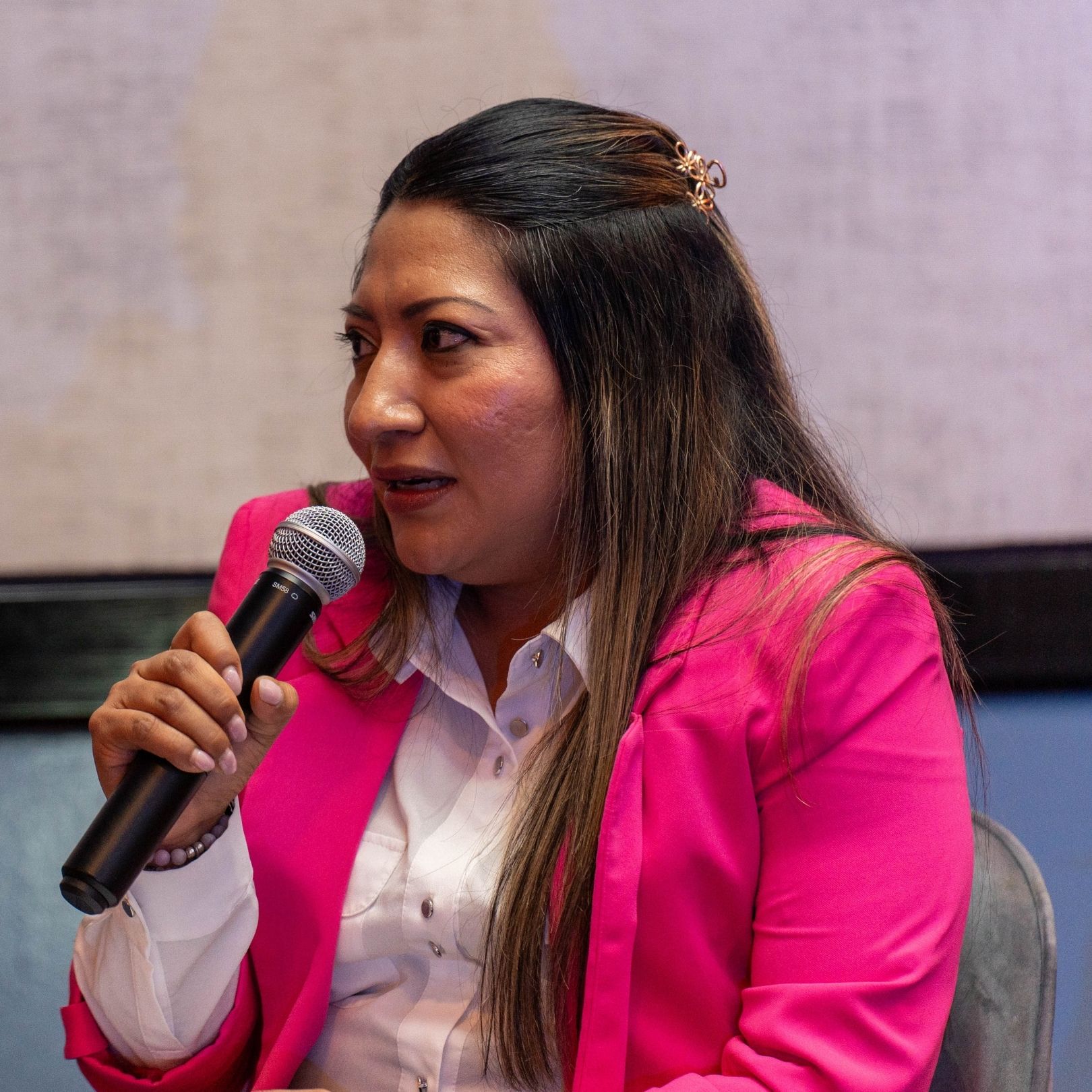
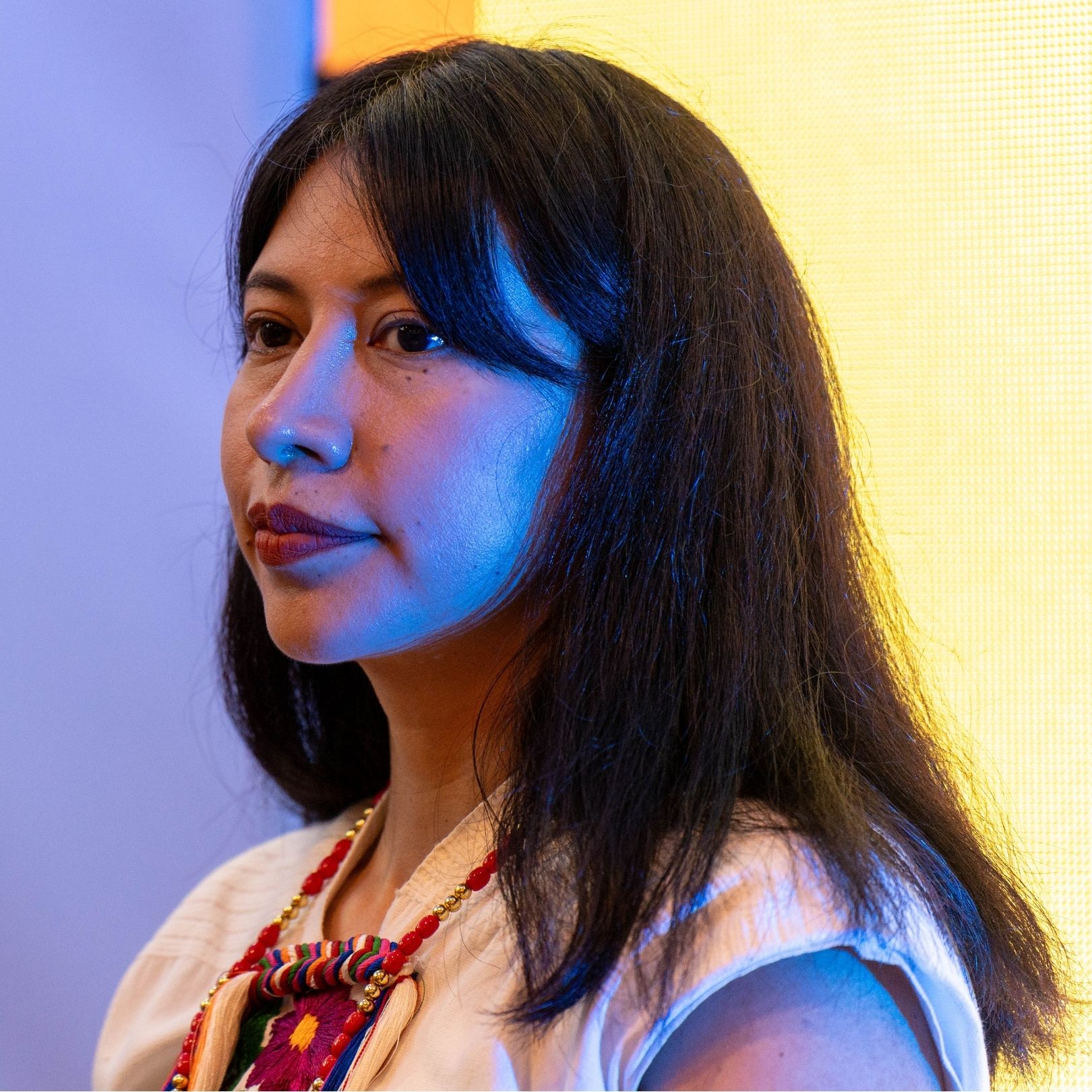
The session focused on sexual and reproductive health and rights in Latin America and the challenges faced by youth, Indigenous peoples, and Afro-descendant communities, such as high rates of teenage pregnancy, insufficient budgets, weakened social movements, and widespread misinformation. The panel presented several proposals to ensure equitable access to sexual and reproductive health and achieve sustainable changes in public policy. It highlighted the Acceso program model, which is based on rights awareness, political advocacy, health system accountability, and community action. The discussion also underscored the importance of local capacity, strategic alliances, and citizen empowerment.




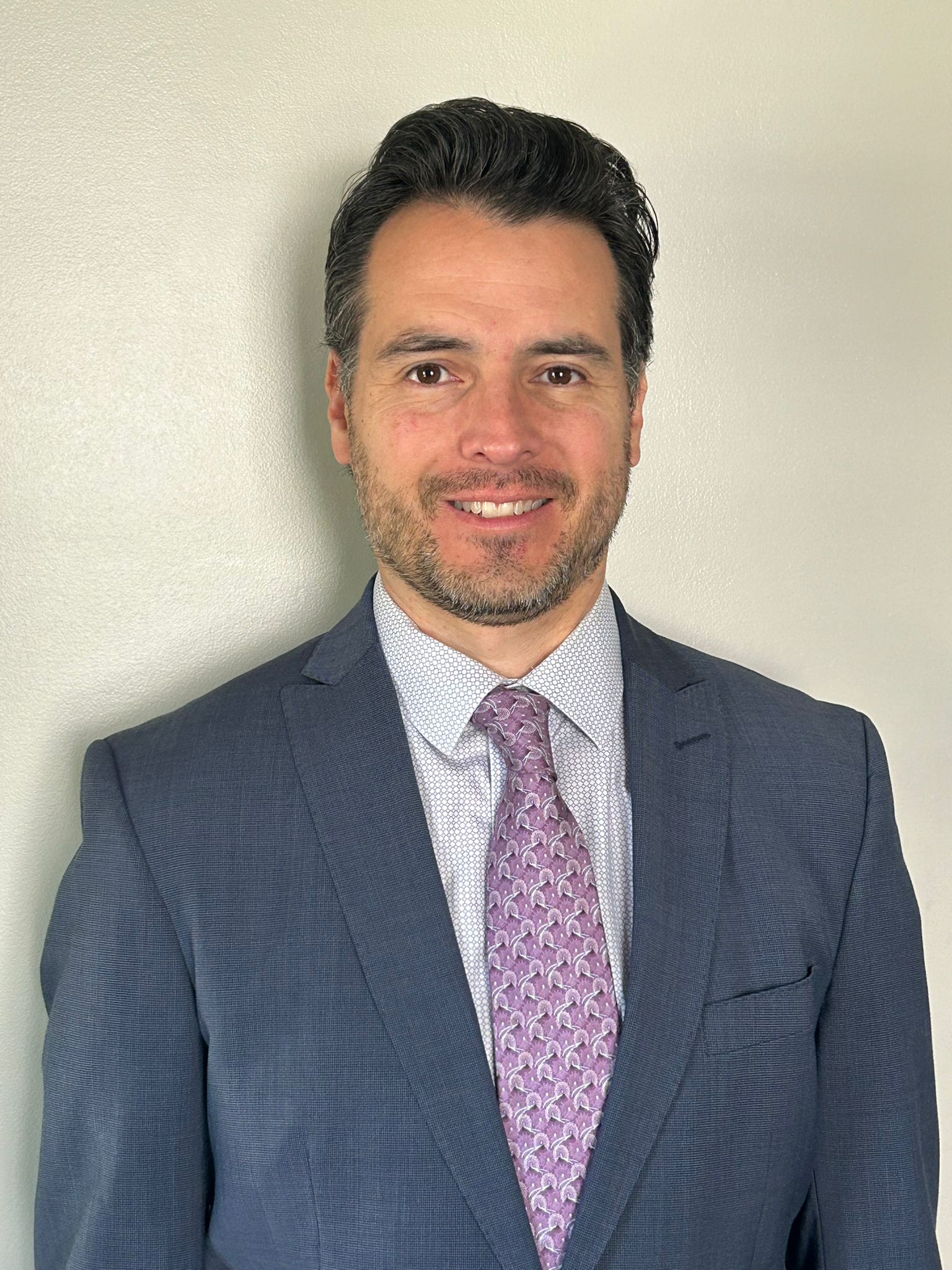
Population Action International (PAI)

Center for Studies on Equity and Governance of Health Systems (CEGSS)

Asociación Paz Joven Guatemala

The Community Studies and Strengthening Center Mano Vuelta
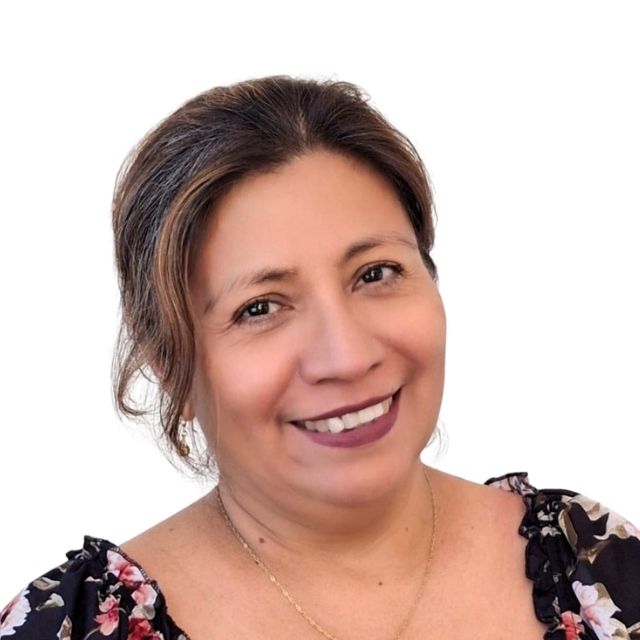
Fundación Maquilishuat
“Investing in adolescents and youth means investing in the present and future of our countries. It’s essential to continue supporting grassroots youth organizations and recognizing the significant impact of their work.”
“It’s crucial for citizens to be informed, not only to identify needs, but also to drive concrete actions and actively participate in accountability processes.”
“In 21 Latin American countries, there are no clear budget lines for contraception and sexual and reproductive health, and in 12 of those countries, access to emergency contraception is not guaranteed. These are major barriers for organizations.”
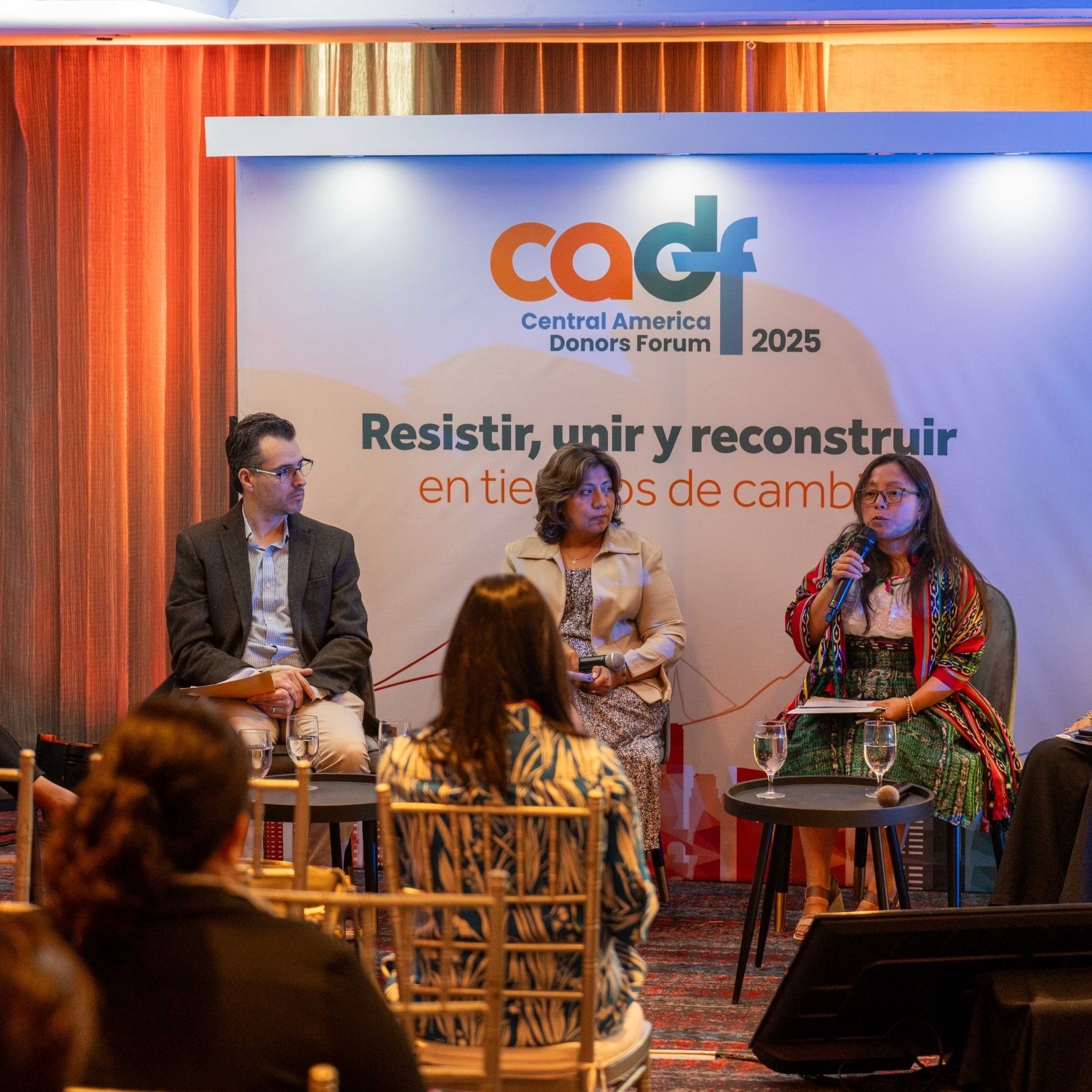
This session addressed the democratic backsliding in Central America, which is restricting civic participation and the work of those defending human rights, press freedom, and social justice. Speakers stressed the need to rethink civil society organizations’ strategies through four key areas: diversifying funding sources; strengthening solidarity networks; innovating democratic narratives; and renewing leadership with greater youth and community involvement. Speakers also underscored the importance of transparency, technical training, comprehensive security, and regional collaboration as pillars to resist and adapt to the crisis.

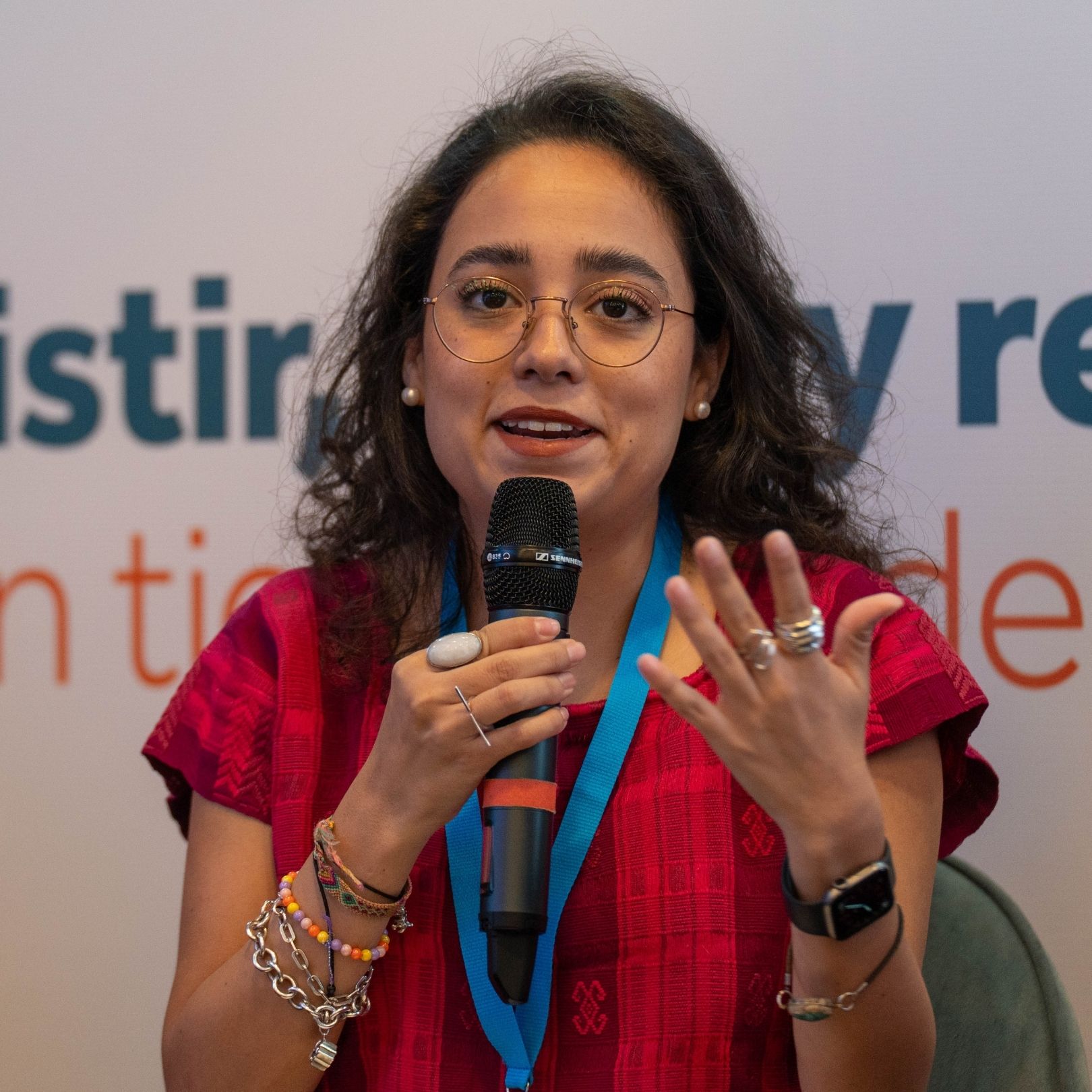


Creative Associates International
Independent

Impacto Social Metropolitan Group

Instituto Centroamericano de Estudios para la Democracia Social (DEMOS)

Creative Associates International
“Civil society organizations are key actors in defending human rights, building citizenship, and strengthening democracy.”
“Collaborative work and regional networks must be revived because they provide collective protection and shared learning.”
“It’s not just about resisting, but about communicating hope. We need to tell stories that show the tangible benefits of democracy and the work of organizations in people’s daily lives.”
“Central American civil society has shown great resilience in the face of complex contexts, rapid changes, and democratic crises. But today, we must transform ourselves into strategic agents of change.”


This panel analyzed the sustainability of independent journalism in Central America amid a context of authoritarianism, censorship, and shrinking international aid. It outlined direct impacts such as the exile and persecution of journalists, loss of advertising revenue, high investigative costs, difficulties monetizing audiences, and precarious working conditions, as well as the urgent need to address mental health and ensure physical and digital security.
The group presented complementary strategies and proposed diversifying income through local philanthropy, flexible multi-year funding, shared services among media outlets, and improved financial and institutional management. It concluded with a call to audiences, the private sector, and donors to support journalism—the “last democratic stronghold.”




Criterio.HN

ARPAS
Agencia Ocote
“Journalism is not in crisis; the media outlets are.”
“We need citizens and organizations to support us, to stay with us, because we work under the same logic and defend the same causes.”
“Our sustainability is not only economic; it’s also social. The community supports us, stands by us, and keeps us alive.”
This panel discussed the need to democratize Guatemala’s economy through comprehensive competition laws, institutional reforms, and macroeconomic policies focused on employment. Speakers highlighted how the country operates under an “oligarchic corporatist” model in which business groups concentrate political and economic power, influence public policy, and block reforms–a system that limits competition, stifles innovation, and keeps the economy dependent on remittances, which account for 23% of GDP. The discussion also included a proposal to create metropolitan regions to improve land planning, promote purpose-driven investment, and strengthen local governance.




National Business Council (CNE)

Innovaterra

Oxfam
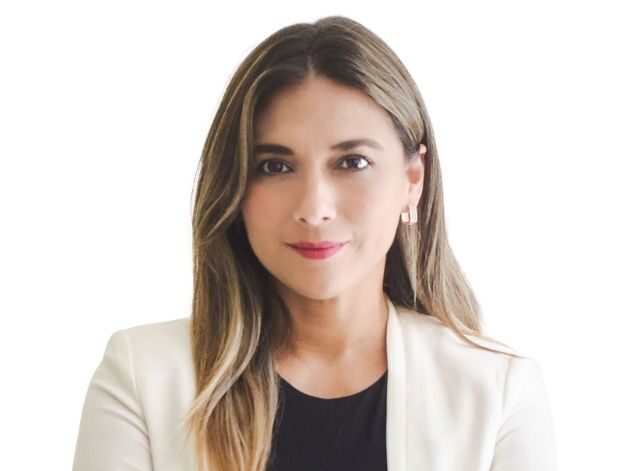
National Business Council (CNE)
“The State is designed to be legally looted through privileges and public policies. If we want change, we must transform the country’s structure and rethink the economic model.”
“Guatemala doesn’t have a resource problem. It has an institutional design problem: institutions built not for shared prosperity, but for extraction.”
“There is a direct causal link between the erosion of democracy and market power. In Guatemala, more than anywhere else, distrust in democracy is tied to state capture.”

“We’ve come to the conclusion that experiences matter, and that the experiences of other colleagues in the Central American region can be applied in our country, Honduras, because we face similar circumstances. Central America shares common threads in its political actors, democratic challenges, authoritarian contexts, and governments entangled in corruption. That’s why joint efforts can have a greater impact when they’re replicated.”
Emy Padilla, Director of Criterio.hn
This panel discussed shrinking civic spaces, lack of funding, and the rise of anti-rights agendas in Central America, framing the financing of feminist movements as a political commitment to defend democracy. Panelists emphasized that feminist organizations sustain vital networks, community-based models, and transformative agendas, even though most lack funds for fair salaries and many have lost support due to their political positions. They called for redirecting resources through flexible, ethical, and intersectional approaches, urged a shift in dominant narratives, advocated for power-sharing in local territories, and promoted cooperation that listens rather than imposes.
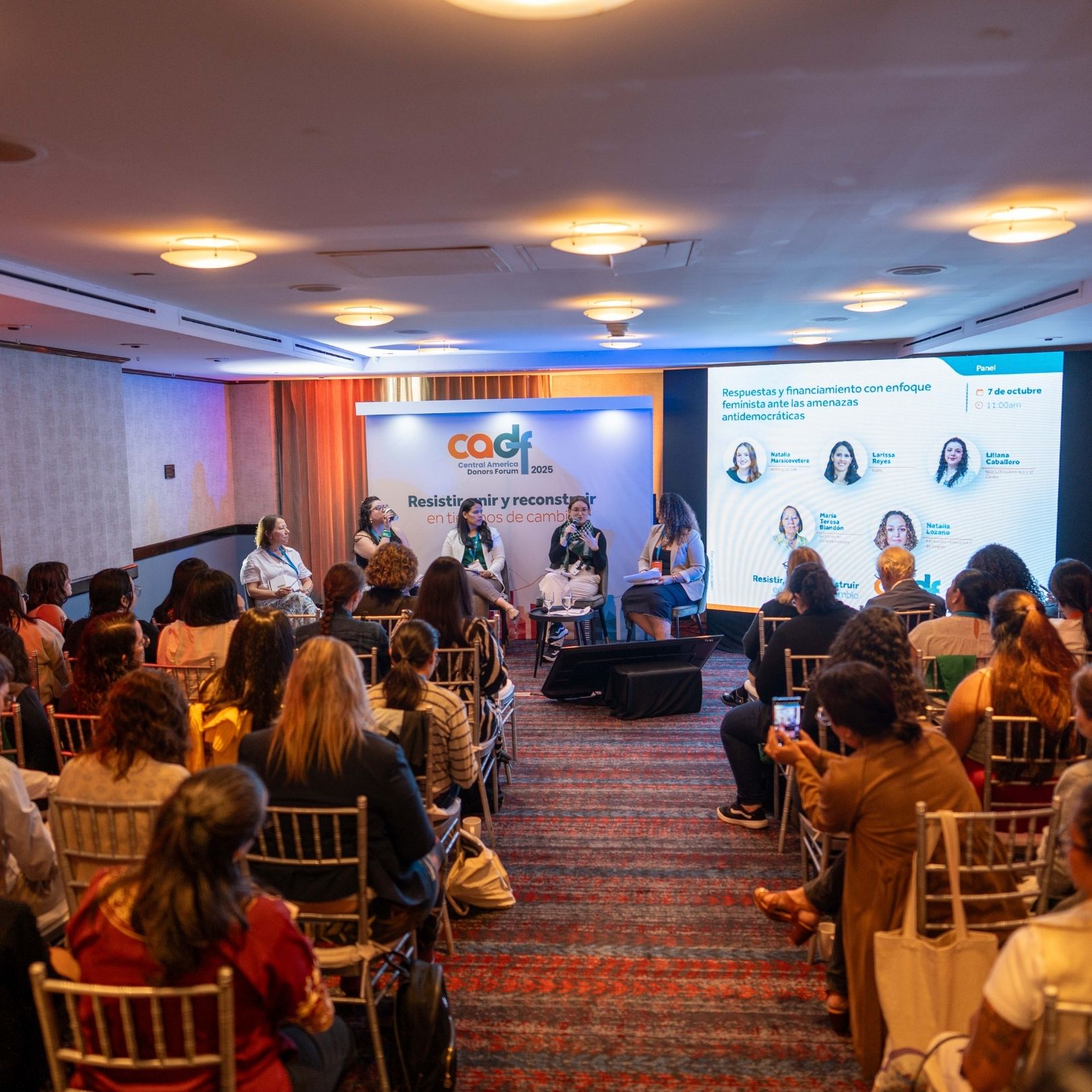


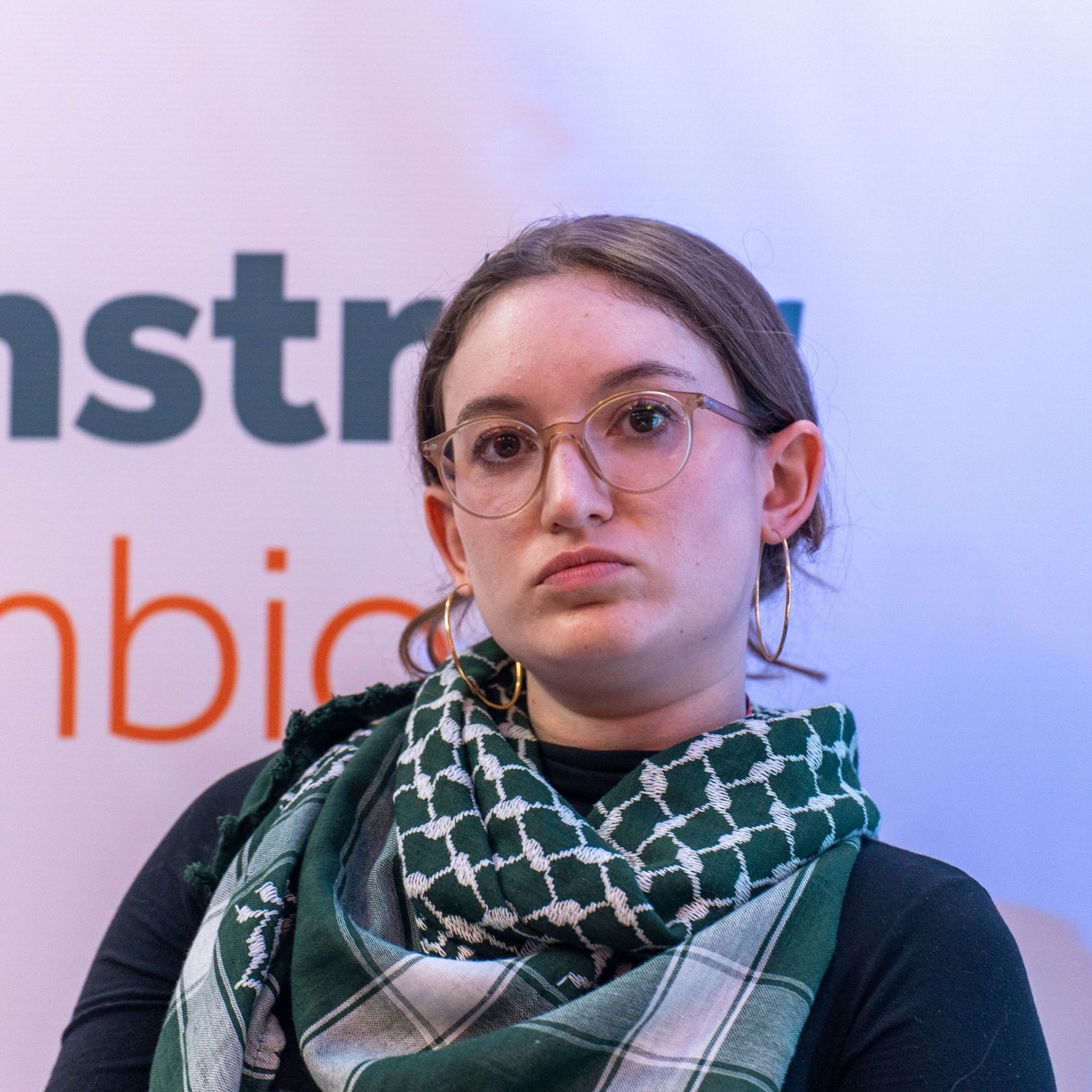


Walking the Talk

Optio

Ipas Latin America and the Caribbean
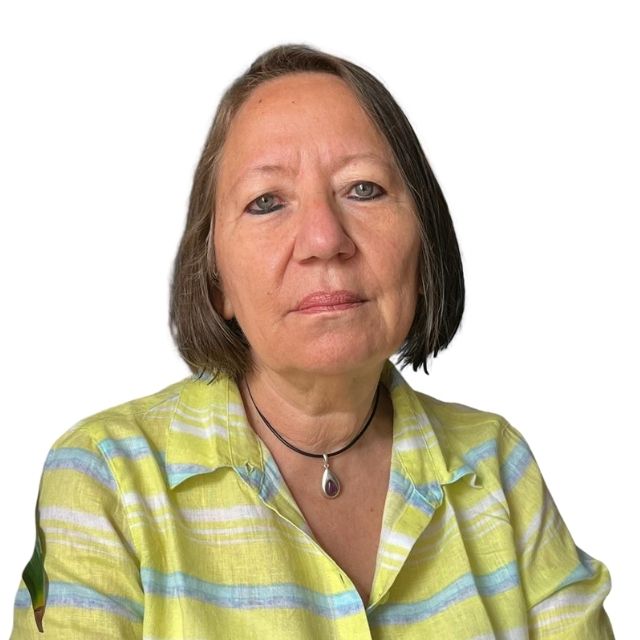
La Sombrilla Centroamericana

Seattle International Foundation
“We fight from joy and from the territory.”
“Short funding cycles cannot achieve long-term transformations.”
“Funding must be flexible and adaptive, capable of responding to the realities of the region.”
“Defending democracy also means guaranteeing autonomy over our bodies.”
“The feminist movement worldwide is an example not only of resistance but of transformation.”
This panel emphasized that LGBTQ rights are essential for building “authentic, equitable, and resilient” democracies and shared innovative strategies for resisting hate speech and regressive legislative proposals, which are often used as smokescreens to distract public attention. Speakers called for forming coalitions and leveraging art and communication to counter hate narratives, while reminding that the LGBTQ community has always been on the frontlines fighting for democracy, even when asked to hide its flag.




Visibles

Lambda Association

Colectivo de Hombres Trans Trans-Formación
Foundation for a Just Society (FJS)
“In Guatemala, we have no law protecting LGBT people, which fuels polarization and divides us into ‘us versus them.’ This is exploited to distract from real issues like corruption and a co-opted justice system.”
“Raising a flag is treated as the greatest insult. So what happens to LGBTQ+ people who are also fighting for democracy, who are also part of this land, and who also face violence?”
“We are used as scapegoats to channel deeply rooted hatred. There is a false democracy because there is no real participation of LGBTIQ people in decision-making or political life.”
The CADF 2025 Attendee page allows you to search most attendees by name, organization type, country, SDGs and more!
The Whova app will be available to contact attendees and speakers up to three months after the event.
CADF 2025 Attendees
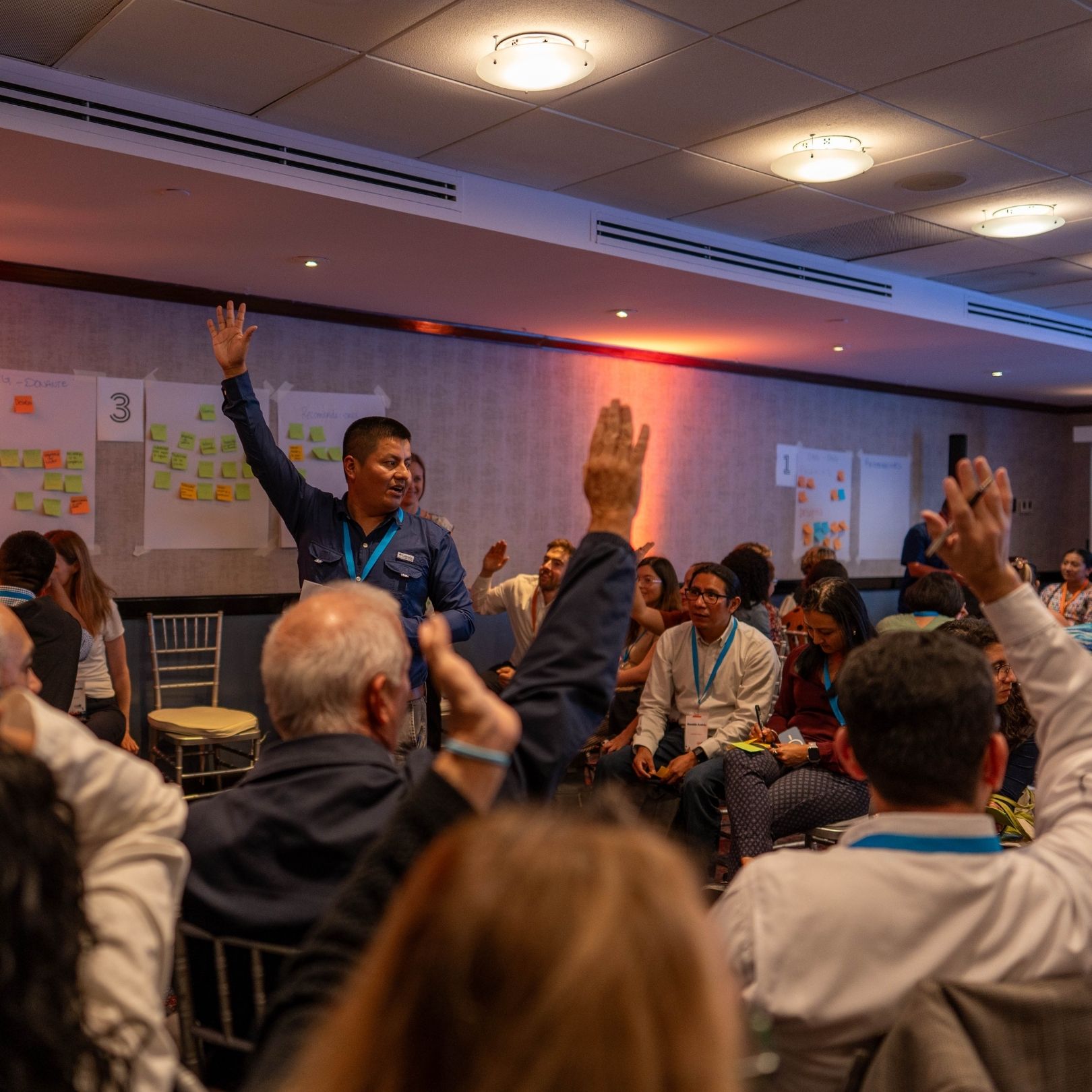
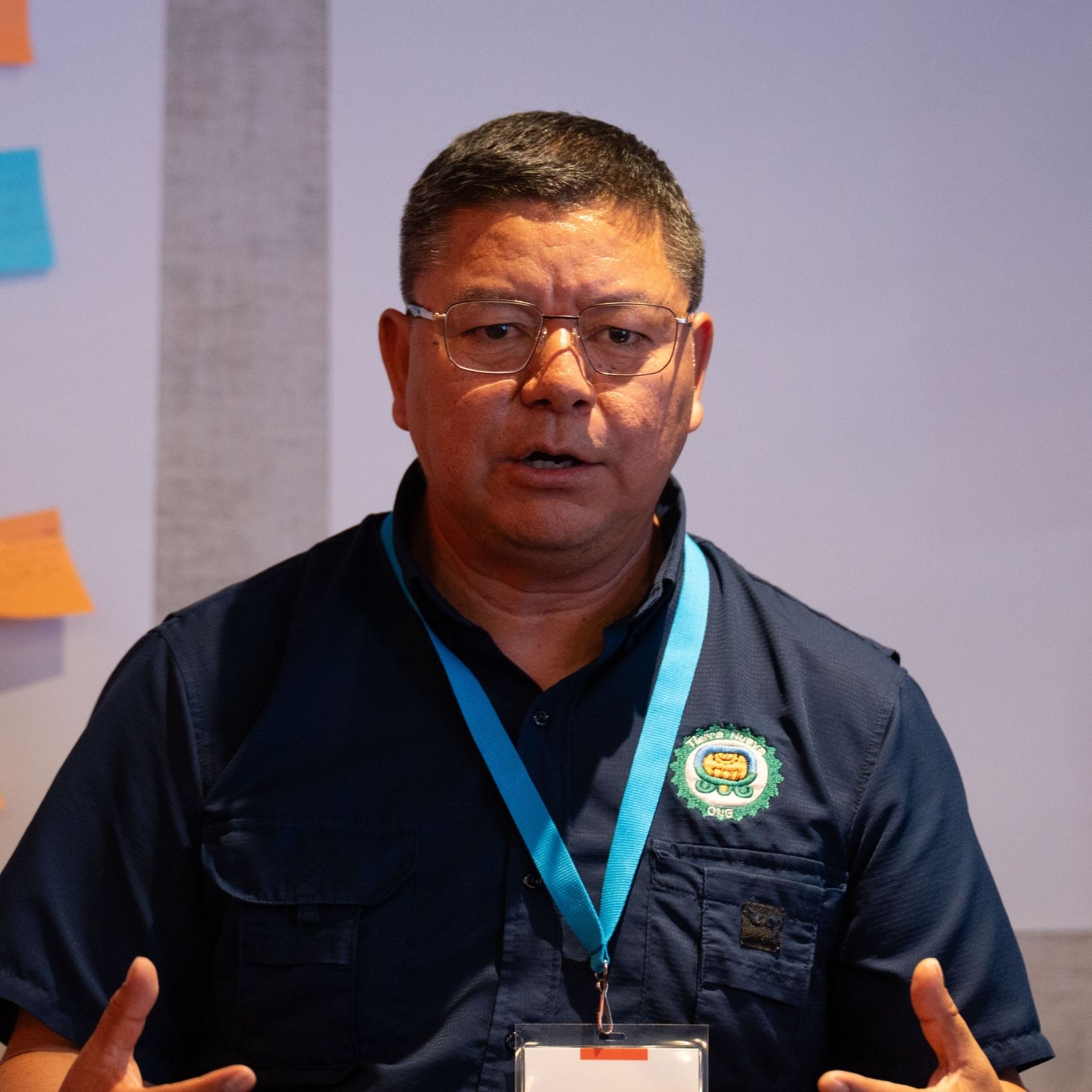
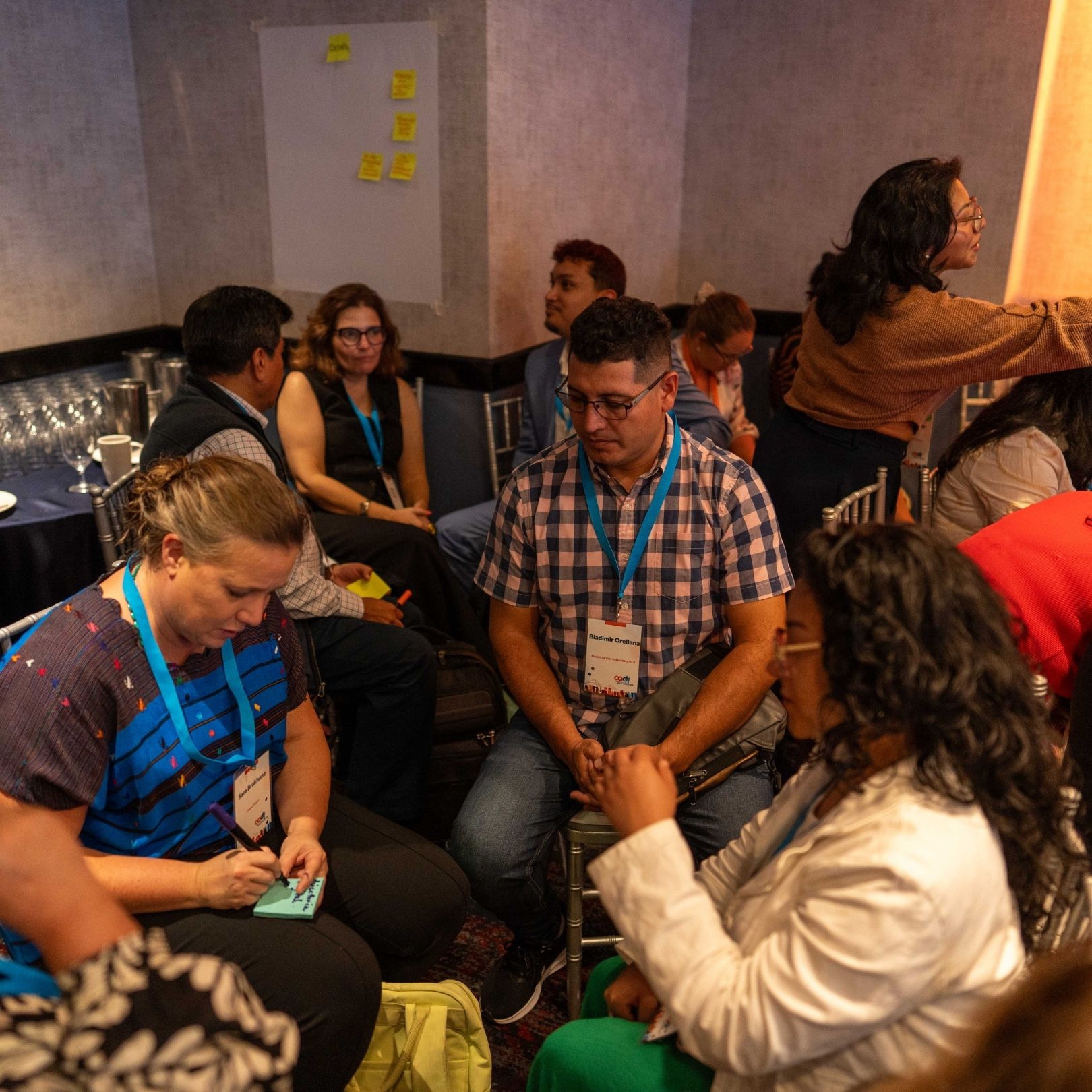
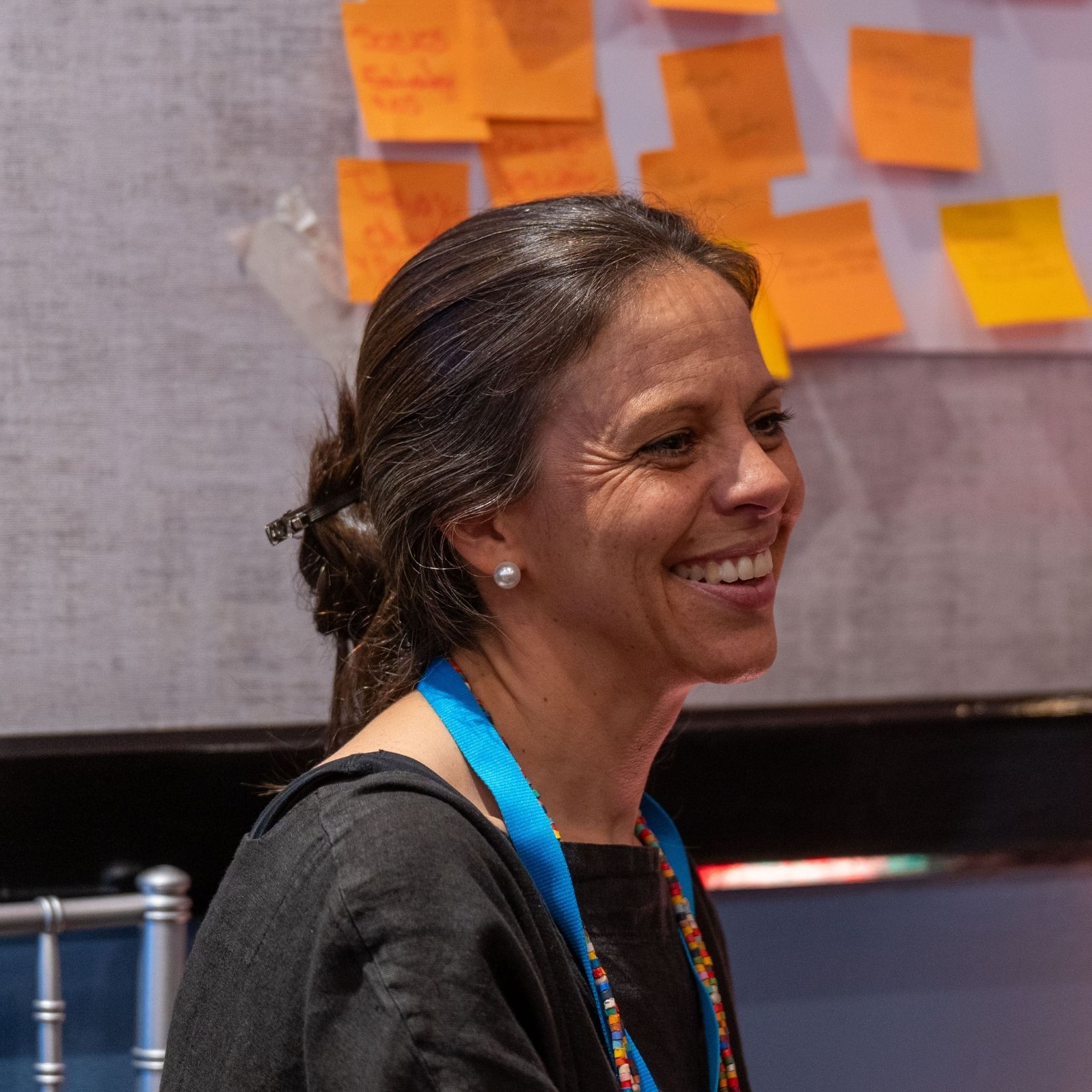
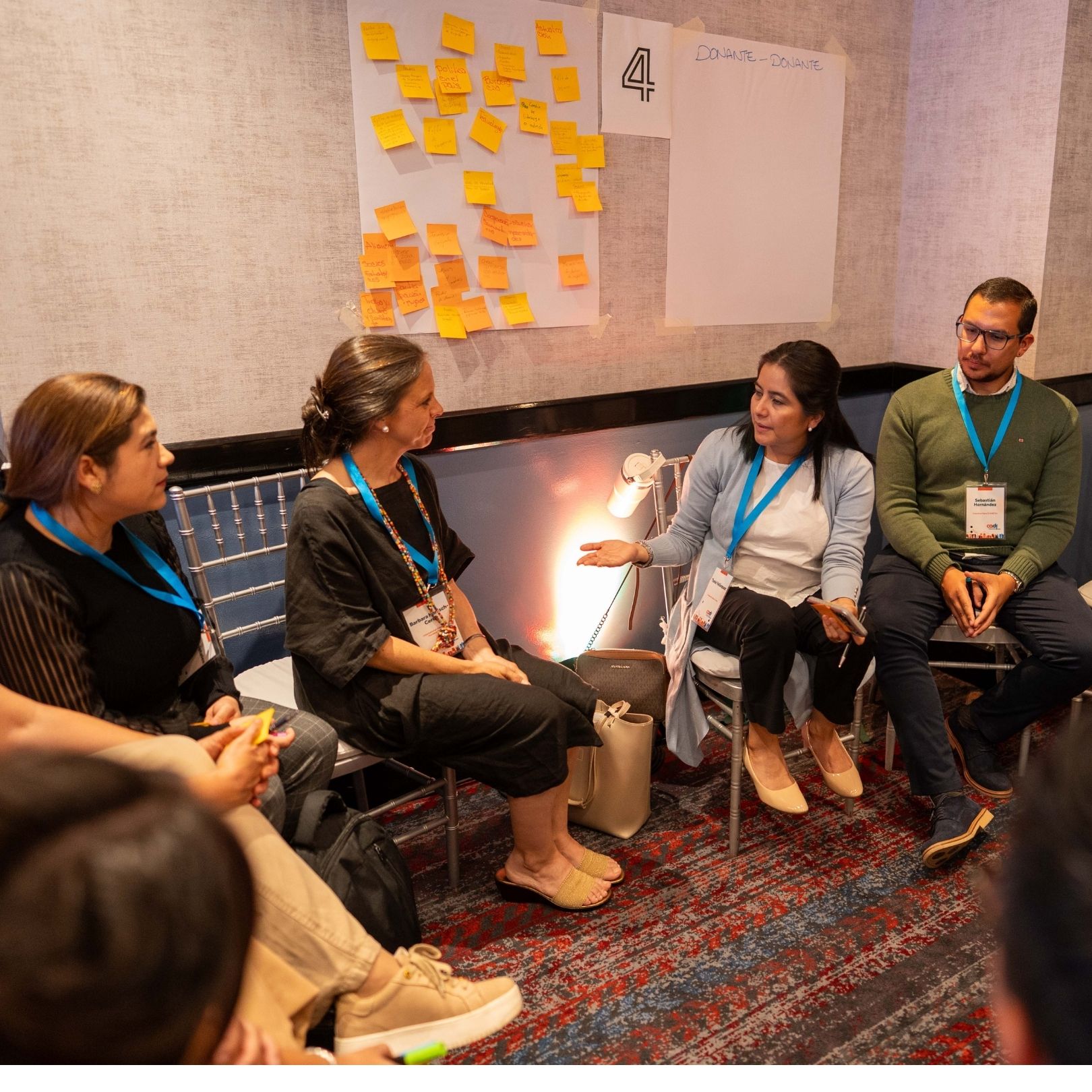
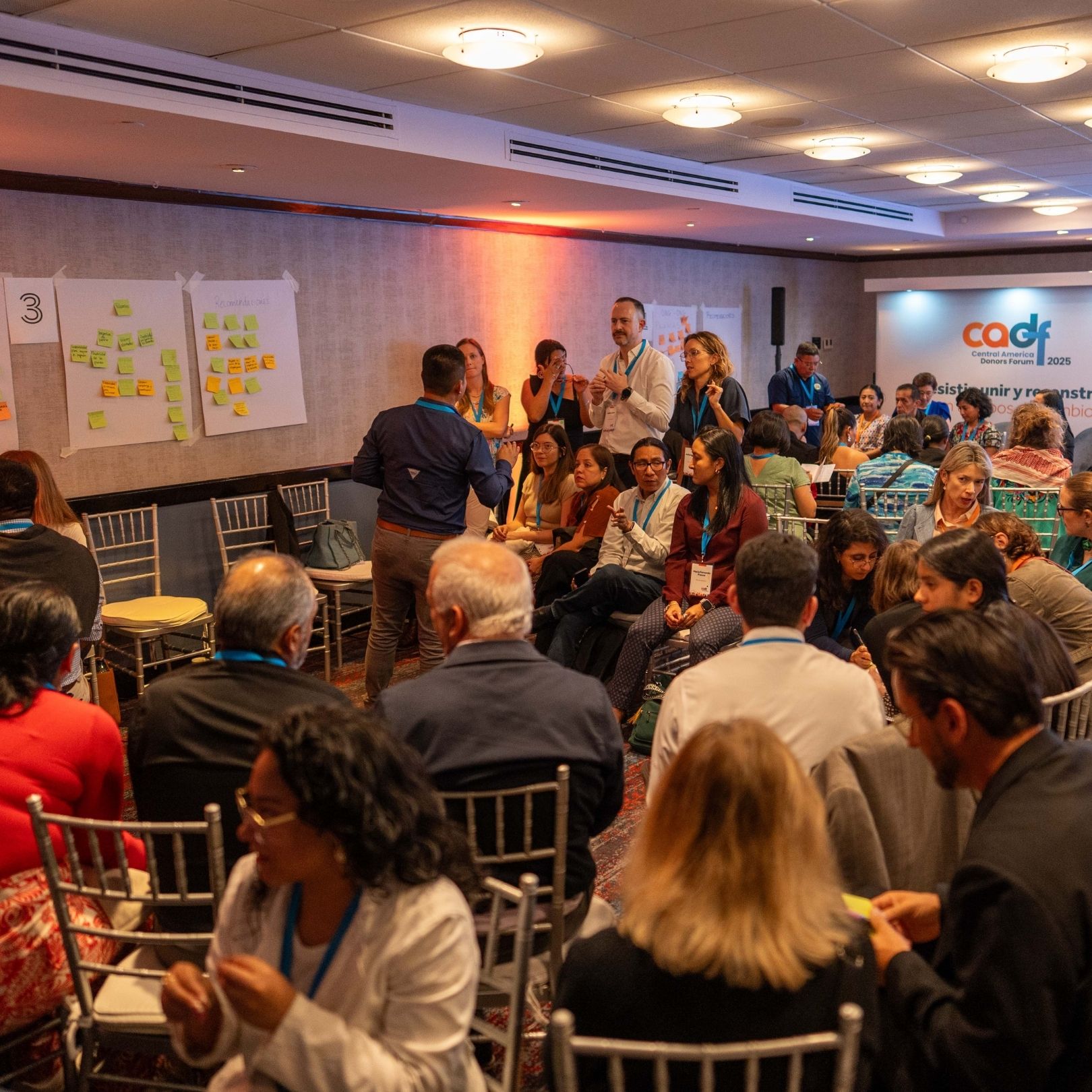
This participatory workshop identified challenges, opportunities, and mechanisms for collaboration among NGOs, donors, and government entities in the current context of shrinking international aid and closing civic space in Central America. Participants analyzed cases, obstacles, and levers to strengthen partnerships, highlighting issues such as competition for funds, lack of trust, bureaucracy, leadership turnover, and rigid funding, as well as the importance of transparency, flexibility, and value alignment. Recommendations included fostering long-term collaborations, joint planning, and creating dialogue spaces between donors and organizations.






Luis von Ahn Foundation
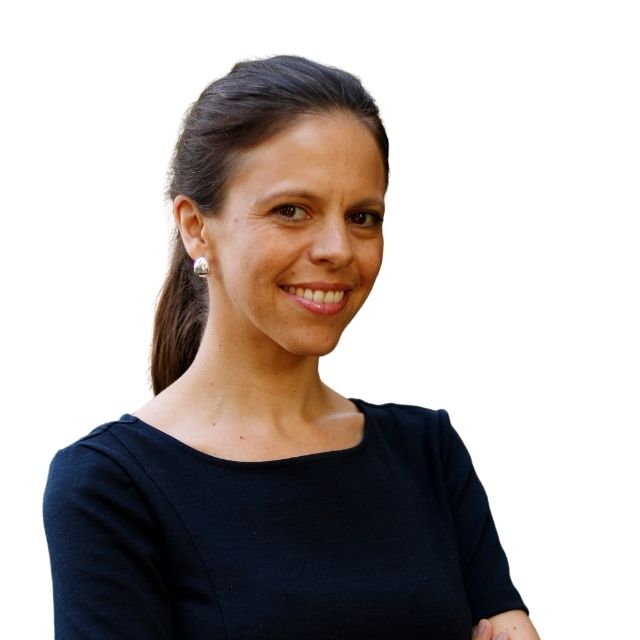
International Education Funders Group (IEFG)

Xch’ool Ixim

Tierra Nueva ONG
Tinker Foundation
“We know there are examples of good partnerships, but we often fail to share them and learn from others’ experiences.”
“Money is power, and that makes collaboration complicated, especially when there’s inequality in the relationship between donors and local organizations.”
“Sustainable partnerships require time, communication, and flexibility. They don’t happen in a single project; they’re built over time.”

“CADF is a moment when we can come together with several partners we support, meet new organizations, and hear directly from their perspectives about what’s happening in the region—what challenges they’re facing and where they’re finding hope to keep confronting them.”
Mónica Enríquez-Enríquez, Program Officer, Foundation for a Just Society
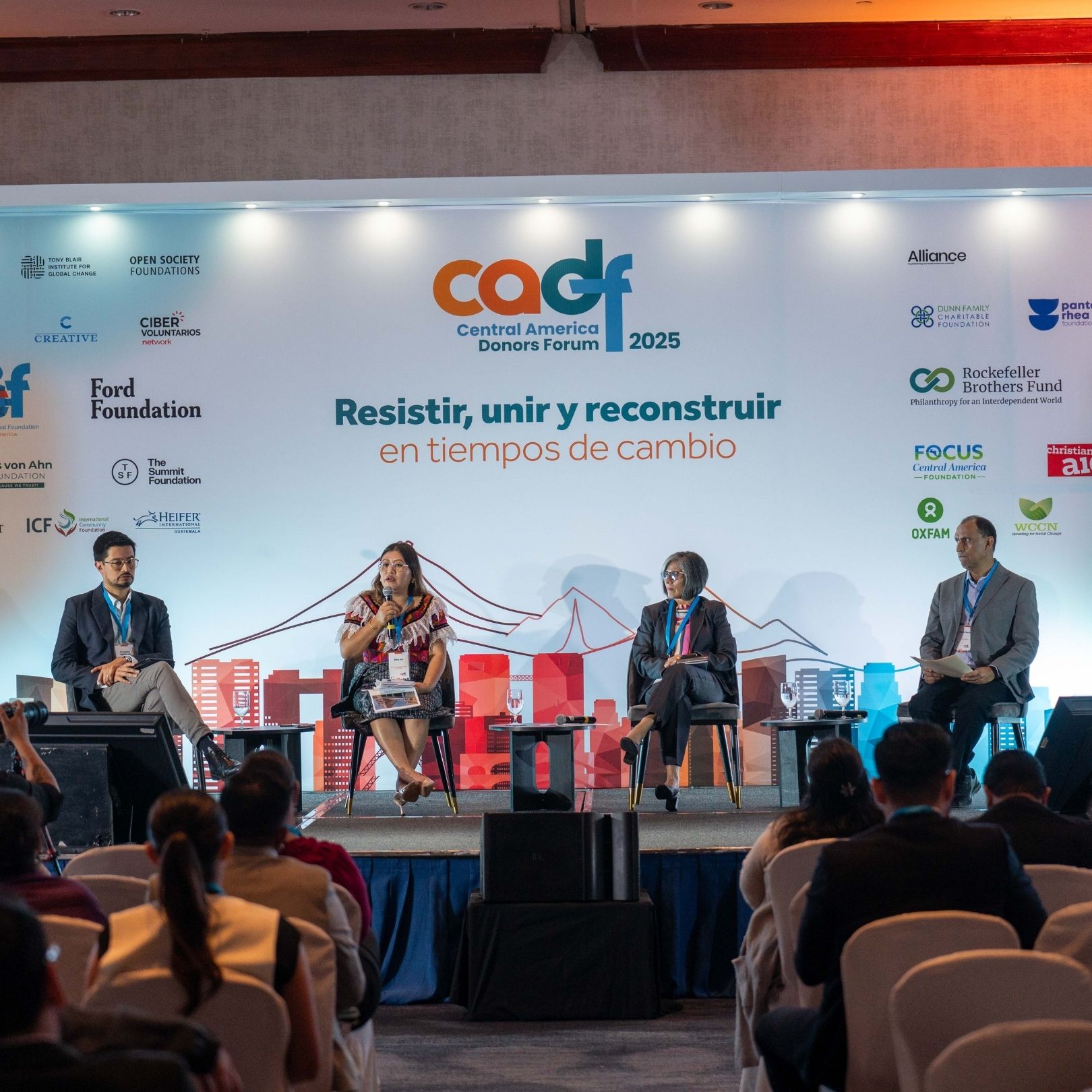
This panel discussed the importance of the 2026 selection processes for Guatemala’s top authorities in the Public Prosecutor’s Office, Constitutional Court, Supreme Electoral Tribunal, and General Comptroller’s Office, stressing that the country’s democratic future depends on the integrity of these processes. Key risks identified included the instrumentalization of the Public Prosecutor’s Office, the influence of corruption networks in nomination commissions, and professionals’ fear of participating in these processes. The discussion called for overcoming fragmentation, strengthening citizen oversight, supporting honorable candidates, and using strategic communication.


Plaza Pública
Indigenous Mayor's Office of Santa Lucía Utatlán, Solola

Lawyers Without Borders Canada

Impunity Watch
“It’s the role of the press to name names and identify those making these decisions.”
“We are at a crucial moment in Guatemala to prevent the coup dreamed of by dark forces in 2023 from becoming a reality.”
“We cannot be blind. What’s at stake is political and judicial control of the country. And without a doubt, mafia groups are pulling every string to maintain that control. Political action and coordination are critical.”

In this session, panelists discussed the need to rethink traditional funding models for civil society in Central America. They acknowledged the global contraction of funds and stressed the importance of channeling resources more directly, fostering partnerships with the private sector, and adopting strategies focused on rights, democracy, and environmental sustainability. The conversation examined the impact of funding withdrawals on small organizations and underscored the need to invest in local leadership and institutional strengthening. Panelists emphasized the urgency of flexible, multi-year funding to ensure long-term change processes and concluded with a call to build trust, promote regional collaboration, and keep hope as a driving force for transformation.




Embassy of Sweden
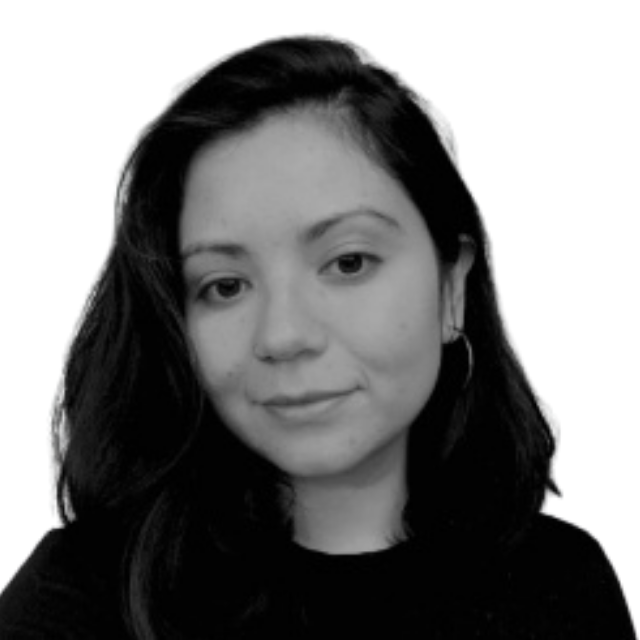
Fondo Centroamericano de Mujeres (FCAM)

El Directorio Guatemala
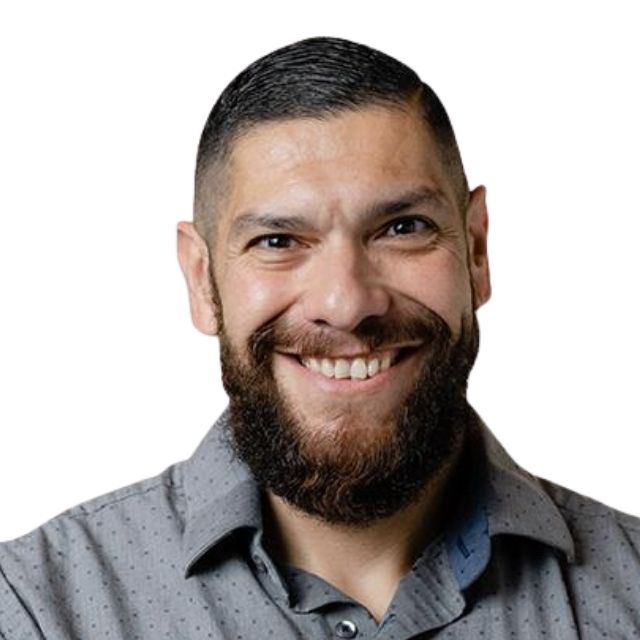
Rockefeller Brothers Fund (RBF)

Luis von Ahn Foundation
“Many organizations are so small that they struggle to be visible to major donors.”
“We need to engage more with the private sector and build partnerships that combine resources and knowledge. This way, we can generate more direct and sustainable impacts in communities.”
“One of the most important lessons for funders in Central America is to learn that we must finance enabling conditions, not just activities.”
“Social change will be made by all of us here. If we join forces, we make a difference. We disrupt, even briefly, some historical trend.”
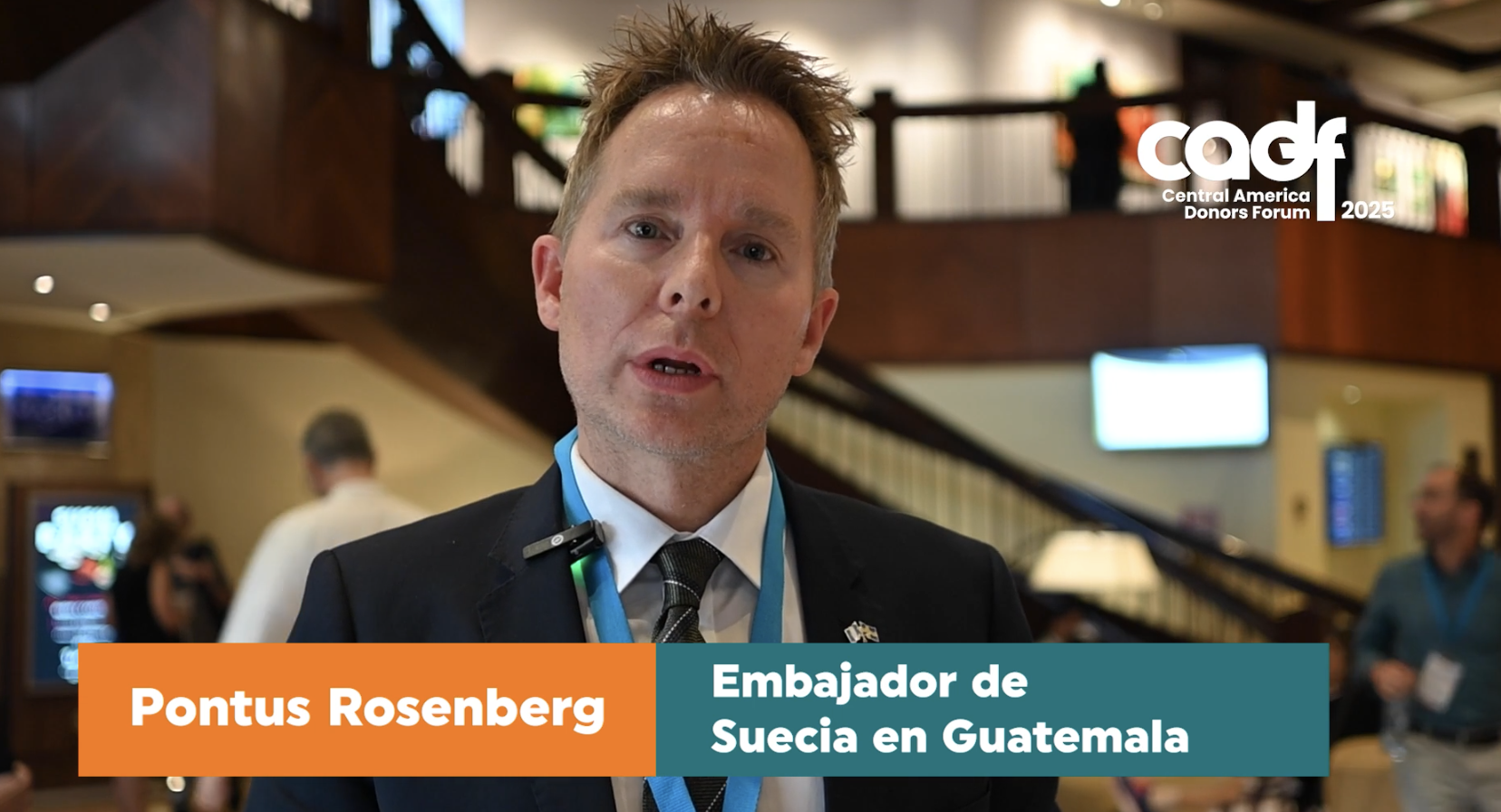
“We’re here to listen, to learn, to engage in dialogue, to refine our own policies, and to explore new ways of cooperating. One of those new approaches is reaching out to other actors in the cooperation space—not just the traditional ones, but also philanthropy, as is the case here.”
Pontus Rosenberg, Ambassador of Sweden to Guatemala
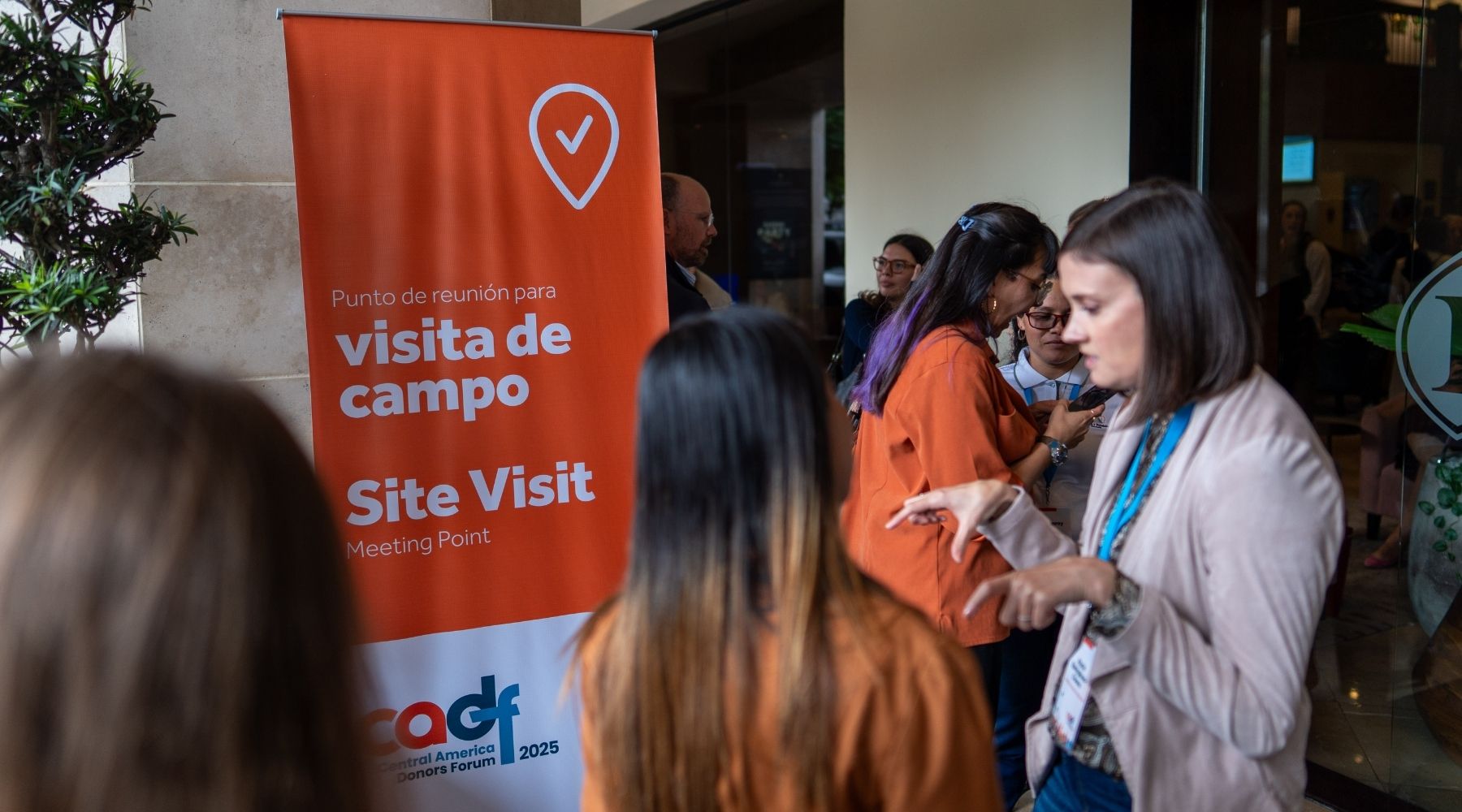
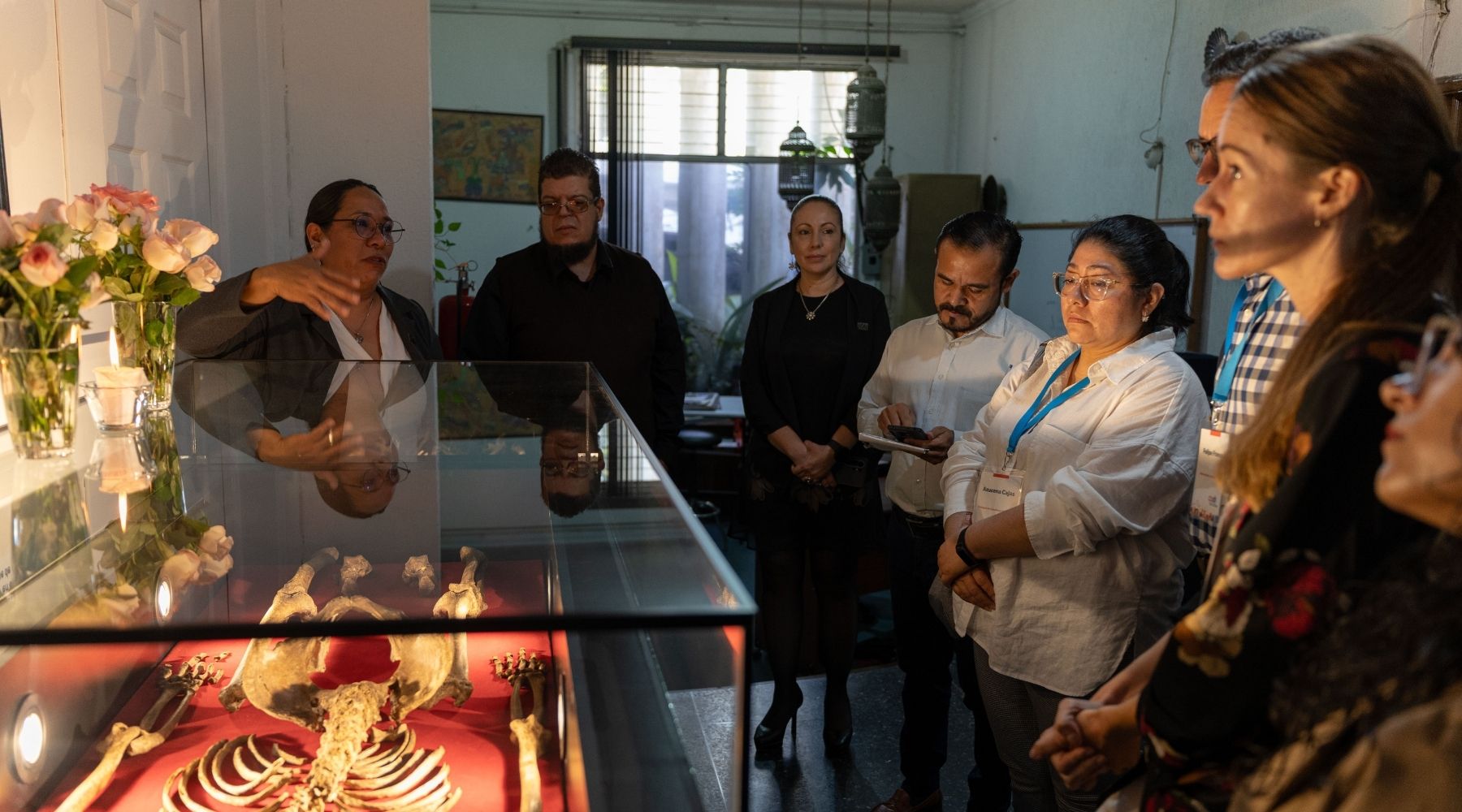
– The Guatemalan Forensic Anthropology Foundation (FAFG), where participants toured its laboratory and learned about its work model, which includes field data collection and the process of identification and restitution to families.
– Communities around the Zone 3 landfill in Guatemala City and the projects led there by Camino Seguro, Creamos, Iniciativa Guatemala, and Plantando Semillas, which promote equity and social justice.
– The United Nations Park and the Amatitlán Lake basin, organized by the Fundación Defensores de la Naturaleza.




The enthusiasm of the CADF sessions and activities are captured in the CADF 2025 videos.
Watch CADF 2025 videosAt CADF 2025, attendees used the Sustainable Development Goals (SDGs) to navigate networking opportunities, as well as meet potential partners and allies.
Check out which SDGs attendees are most working towards below:


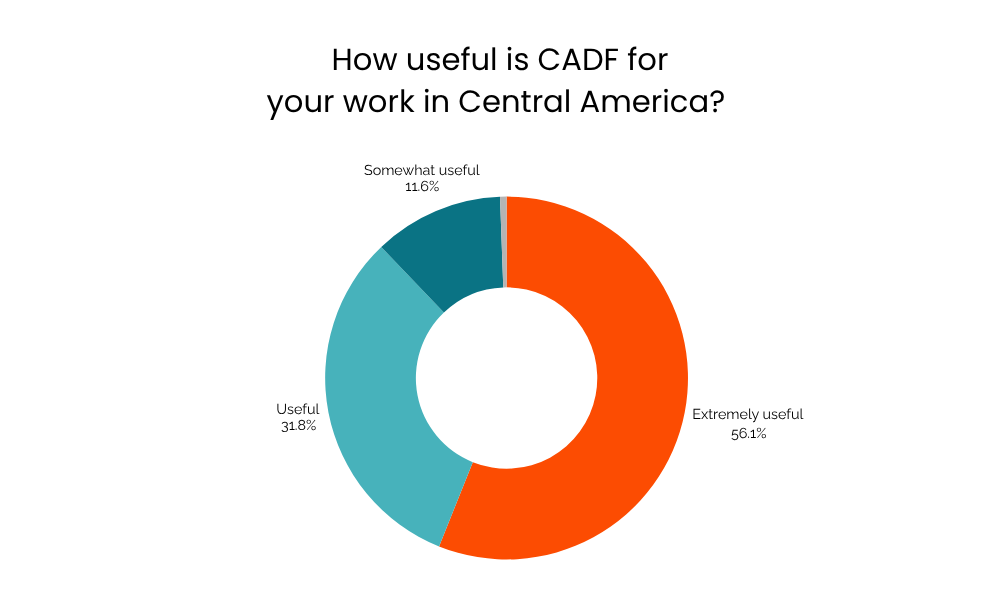
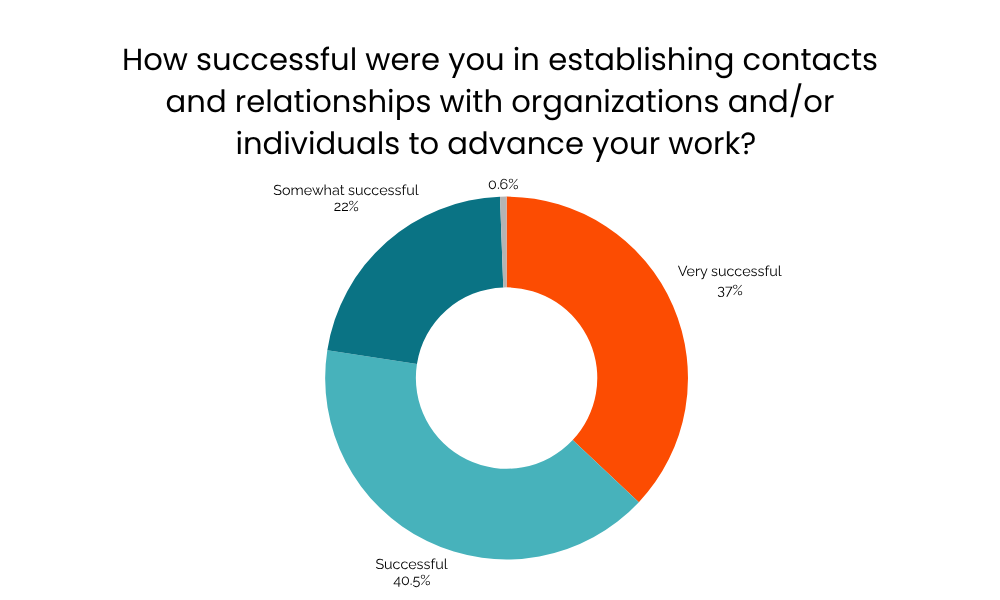
Based on feedback from 175 attendees, CADF remains a useful networking space for leaders in Central America. 99.4% of surveyed attendees expressed satisfaction with the Forum, while the same amount indicated that the event was useful for their work in Central America.
Forum attendees ranked networking events, panels and workshops as equally valuable.










The Central America Donors Forum (CADF) returns to Guatemala in a world marked by growing uncertainty and rapid change. As the Central America region grapples with weakening democracies, the destructive impacts of climate change and increasing funding instability, the need for strategic adaptation has never been more urgent.
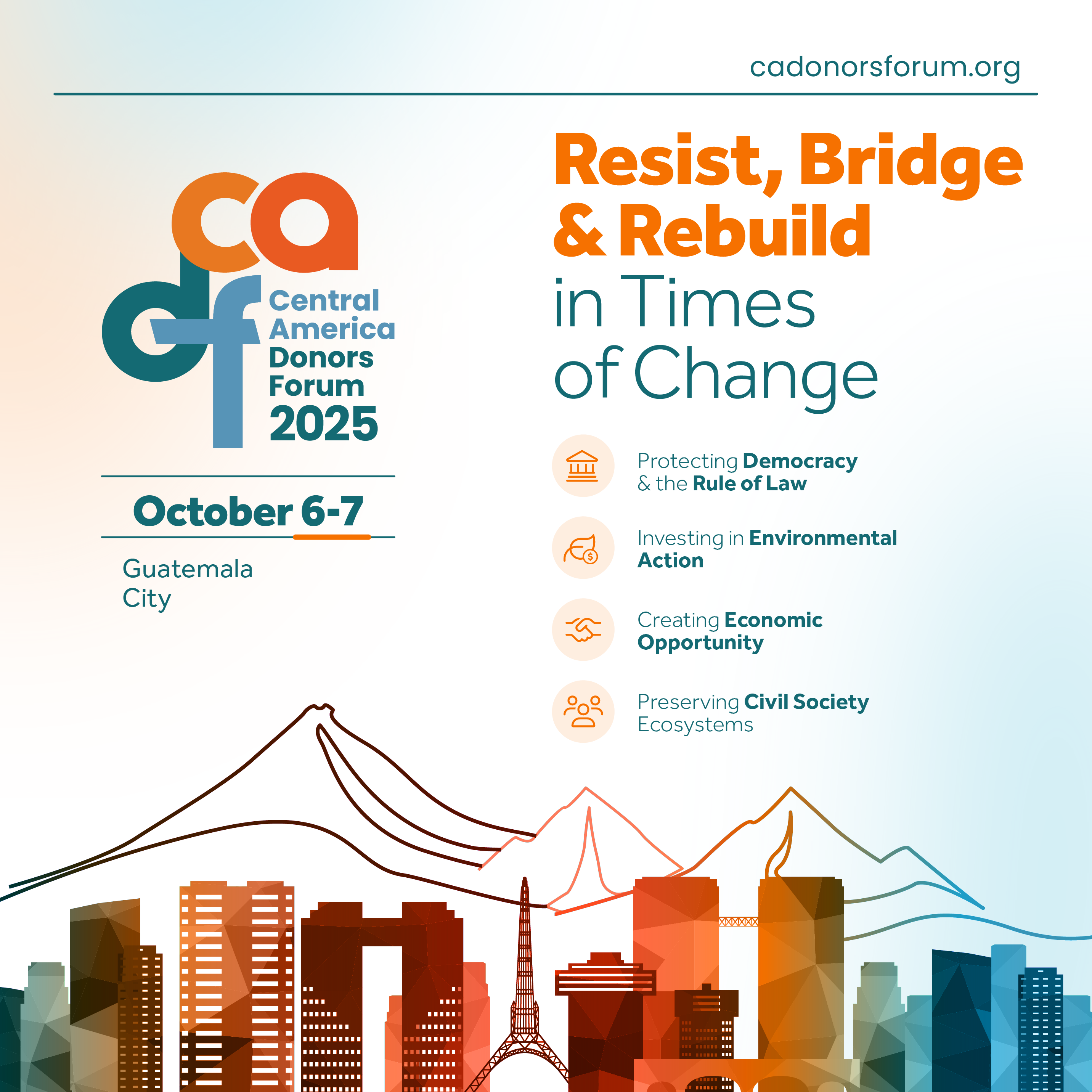
Under this year’s theme, Resist, Bridge & Rebuild in Times of Change, attendees will gather over two days to design and share solutions to protect democracy and the rule of law, invest in sustainable environmental action, create economic opportunities and address sustainable resource mobilization that protects civic space.
Join hundreds of civil society, philanthropic, corporate and government leaders and experts on October 6-7 to advance development and adaptation efforts in Central America.
Democracies are under threat in Central America from a variety of actors. As authoritarianism continues to rise, unchecked political ambition, corruption and the weakening of democratic institutions in the region have led to reduced access to public information, the erosion of the rule of law, shrinking civic space, and increased threats and attacks on civil society leaders and human rights defenders. Furthermore, international cooperation to buttress democracy has sharply declined.
In response to this crisis, panels and workshops at CADF 2025 will analyze factors contributing to growing authoritarianism and evaluate initiatives to counter these trends. Topics include fighting systemic corruption, defending human rights, monitoring the region’s faltering justice systems, and evaluating electoral processes. Speakers will discuss strategies for countering authoritarian tendencies and efforts to strengthen the rule of law, good governance, independent media and protections for human rights advocates.
Central America’s environment is experiencing profound challenges. From an expanding dry corridor and food vulnerability to rising sea levels and difficulty accessing water, environmental problems affect every aspect of the region’s wellbeing. Extractive industries, predatory and unregulated resource depletion and over-reliance on fossil fuels are among many factors impacting the health, livelihoods and culture of all Central Americans. Democratic weakness exacerbates the impacts of environmental decline and further undermines efforts to address climate change.
Preserving and protecting its fragile environment are necessary to build a better future for Central America. This track is a space to explore innovative approaches from the technical and scientific, to solutions based in traditional and grassroots organizing among native peoples, Afro-descendants, and the Garifuna peoples. Urban approaches for addressing transportation, congestion, pollution, waste management through smart city initiatives and neighborhood organizing will also be considered. Finally, financing for environmental action is of upmost importance in this time of dramatic change.
Central America stands at a crossroads of economic opportunity and pressing challenges. While limited job prospects and lack of economic mobility are powerful factors in migration decisions, shifts in global markets also present new possibilities for the region. This track will focus on how investment in job creation, skills development, and education can support the economic reintegration of returned migrants and lessen migration pressures driven by lack of opportunity.
With global supply chains realigning, there is a critical need to foster an environment that attracts investment, promotes economic sustainability, and guarantees labor rights and descent working conditions. This track will convene experts, practitioners, investors, public officials, workers, and donors to explore strategies to leverage these global trends to build resilient economies, generate good jobs, and expand opportunities for inclusive growth across Central America.
Amid shifting global dynamics, civil society faces a wide range of legal, political and security threats. Attacks on freedom of expression, efforts to stigmatize and silence activist narratives, and the sudden disappearance of funding sources have accelerated strategies used by antidemocratic leaders to weaken independent organizations.
In response, concerted efforts by philanthropic foundations and international donors are vital to preserve civil society ecosystems and social movements that fight for justice and equality. Sessions in this track will address the ongoing funding crisis and turbulent policies affecting every facet of development in Central America today.


Interested in participating in CADF 2026? Please reach out to Seattle International Foundation (SIF) to learn more.
Attend CADF 2026CADF 2026 announced

Sponsorship opportunities available
Theme and tracks released
Request for session proposals begins
Honorary Host Committee announced
Request for session proposals closes
Agenda released
CADF 2026




 Noti7
Noti7