

2025 Agenda
Sunday, October 5
Registration
 4:00pm - 8:00pm
 Networking
 Spanish & English
 Lobby
Lobby
Let your first stop be our registration desk!
Have you picked up your badge yet? Do you need help activating Whova, this year’s networking app? Are you interested in joining a site visit or have a question about a session?
Early Arrival Welcome Reception
6:30pm - 8:30pm
Networking
Spanish & English
Blue (5th floor)
Join Seattle International Foundation at the InterContinental Hotel for drinks to unwind after a long day of travel. A perfect way to meet and catch up with other participants before CADF 2025 begins.
Pick up your CADF badge first from the registration table to grab a free drink!
Monday, October 6
Registration
7:00am - 5:00pm
Networking
Spanish & English
Lobby
Welcome to CADF 2025!
Let your first stop be at our registration desk, where you can pick up your badge. Do you need help activating Whova, this year’s networking app? Are you interested in joining a site visit or have a question about a session?
Stop by our registration desk and let our friendly staff help you prepare for a productive two days at #CADF2025.
Building Democracy Across Borders in a Time of Political Exile
7:30am - 8:45am
Panel
Spanish & English
Amate (2nd Floor)
As authoritarianism deepens across Central America and the U.S., immigrants face mounting threats to their rights and livelihoods, while civic leaders, journalists and legal professionals are increasingly forced into political exile. Yet these communities continue to play vital roles as organizers, educators and bridge-builders—linking their countries of origin with the communities where they live and work.
This session explores how Central American immigrants and those in exile are engaging in grassroots networks, education and advocacy. It will include testimonies, reflections on the evolving experience of exile and research efforts like the first census of Salvadorans in exile. We’ll also share lessons from Know Your Rights campaigns, civic leadership and popular education programs. Participants will examine cross-border strategies that defend democracy, assert agency and strengthen leadership in the democratic process.
Note: Coffee, tea and select breakfast snacks will be available in this session. Full breakfasts will not be provided. Space is available on a first-come-first-served basis.

Francisco Segovia
Communities Organizing Latine Power and Action (COPAL)

Loida Martínez Avelar
Independent

Bertha Deleón
Crossroads Working Group

Carlos Ruiz
Crossroads Working Group

Riahl O’Malley
Learning to Transform
Indigenous Women Strengthening Their Climate Resilience and Livelihoods
7:30am - 8:45am
Panel
Spanish
Guayacán (3rd Floor)
This session will share an equitable, comprehensive model of climate resilience where women and young people play a leading role, and which promotes local governance in the management and use of sustainable livelihoods.
In Guatemala, one of the countries most vulnerable to climate change, Indigenous women face the greatest environmental and social risks. This session will present the Ixoquib’ Juyub (Women of the Mountain) model, an innovative experience that strengthens climate resilience, gender equity and sustainable livelihoods in communities in the western highlands. Through early warning systems, agroecology, training of female leaders, adaptation plans and spaces for dialogue with authorities, it has been demonstrated that climate justice is only possible with social justice and active citizenship. More than 5,360 people have benefited from this model, 76% of them women. This initiative demonstrates that it is possible to support democracy, inclusion and environmental sustainability from the local level, promoting viable alternatives to exclusionary and extractive models. This discussion will highlight an ethical and transformative route to confront the climate crisis from within the territories.
Note: Coffee, tea and select breakfast snacks will be available in this session. Full breakfasts will not be provided. Space is available on a first-come-first-served basis.

Martha Julia Tax
Helvetas Swiss Intercooperation

Lourdes Pérez
National Forest Institute (INAB)

Guillermo Santillana
Armadillo Theater Group

Maricela Chic Barreno
Women's Group of Casa Blanca Community, Santa María Chiquimula, Totonicapán

Lidia Irene Sacalxot
Helvetas Swiss Intercooperation
Feminist & Community Transformation for Democracy, the Environment & Dignity
7:30am - 8:45am
Panel
Spanish
Caoba (2nd Floor)
The session will highlight the leadership of peasant women in processes of resistance, environmental justice and democratic reconstruction through community feminism and grassroots accompaniment.
In a context of forced migration, land dispossession and authoritarian regression, this session will showcase the transformative role of organized Nicaraguan peasant women in exile. Through the alliance between Subversivas and Asociación Popol Na, participants will share lived experiences of resistance, environmental justice, and democratic reconstruction rooted in rural communities in Costa Rica.
The session will present tools for political education, solidarity economy, territorial defense and feminist memory—strategies developed through sustained community accompaniment. It will explore lessons learned, obstacles faced, and the alliances woven to sustain women-led processes of change in historically marginalized territories.
In a context of shrinking civic space and limited funding, the session will underscore the importance of interorganizational alliances to sustain action. With a participatory approach, this space will offer replicable practices to strengthen grassroots democratic fabrics and foster cross-border collaboration across Central America.
Note: Coffee, tea and select breakfast snacks will be available in this session. Full breakfasts will not be provided. Space is available on a first-come-first-served basis.

Brisa Bucardo
Indigenous Women’s Movement of Nicaragua

Meyling Paz
Nicaragua Feminist Collective Las Subversivas

Francis Silva
Popol Na Association

Francisca Ramírez
Las Melinas Rural Community

Tayling Orozco
Las Melinas Rural Community
Salvador Station: The Country that Doesn’t Count on Bukele’s Propaganda
8:00am - 5:00pm
Exhibit
Spanish & English
Lobby
“El Salvador Station: The Country that Doesn’t Count on Bukele’s Propaganda” is a visual tour that transports CADF attendees to a country that power wants to keep hidden, but which has been uncovered from the territories, with courage and rigor, by independent media and journalists who are currently suffering persecution and exile for their work.
The images and stories presented here tell the story of the last six years of El Salvador. Here, through a set of stations, the victims of the state of emergency, violations of the rule of law, rampant corruption, environmental damage, gender violence, militarization, forced displacements, human rights violations, and dark pacts with gangs speak.
This journey aims to highlight the significance of journalism in the face of authoritarian regimes. It encourages people to defend democracy by supporting the journalists in El Salvador who risk everything to prevent it from disappearing.

Daniel Valencia
Intermedios

Loida Martínez Avelar
Intermedios
Welcome & Opening Remarks
9:00am - 9:10am
Keynote
Spanish
Grand Roble Ballroom (3rd Floor)
Join Adriana Beltrán, Executive Director of Seattle International Foundation, as she welcomes our audience to the 15th annual Central America Donors Forum. Adriana will open CADF 2025 and invite you to take your seat at the table during two days of discussion on development, justice and equity in Central America.

Adriana Beltrán
Executive Director, Seattle International Foundation (SIF)
Protecting Democracy: Resist, Bridge & Rebuild
9:10am - 9:10am
Plenary
Spanish
Grand Roble Ballroom (3rd Floor)
We are living through a period of upheaval. In this world of uncertainty, one thing is clear: the urgent need for coordinated, collective action to protect democracy.
BlockBridgeBuild offers a framework—grounded in the theory and practice of conflict transformation, civil resistance, and democratic renewal—that seeks to resist harm, block authoritarian advance, facilitate dialogue across divides, bridge differences, and build more inclusive, resilient futures. This is particularly critical in the face of the global spread of authoritarianism.
These approaches within civil society often exist in tension, yet they can also be profoundly complementary. This plenary will explore opportunities for convergence among civil society leaders, organizers and activists who work across these three strands of action. Too often, civic actors remain in a single lane—pursuing one approach in isolation, without engaging or complementing others. The central question before us is: How do we foster greater cooperation at this moment of democratic crisis, when threats are multiplying across the globe?
Note: The Grand Roble Ballroom is expected to reach maximum capacity. Attendees who purchased General Admission tickets will first be allowed into the room. Attendees with other ticket types will be allowed if space permits.

Gabriela Castellanos
National Anti-Corruption Council (CNA)

Claudia Ortiz
Deputy, Salvadoran Legislative Assembly

Michael Reed Hurtado
Guernica 37

Miguel Pizarro
Espacio Crítico

Enrique Roig
Seattle International Foundation (SIF)
Inaugural Keynote with President Bernardo Arévalo
10:10am - 10:30am
Keynote
Spanish
Grand Roble Ballroom (3rd Floor)
President Bernardo Arévalo will provide the inaugural address to the audience of the 2025 Central America Donors Forum.
Note: The Grand Roble Ballroom is expected to reach maximum capacity. Attendees who purchased General Admission tickets will first be allowed into the room. Attendees with other ticket types will be allowed if space permits.

Bernardo Arévalo
President of Guatemala
Coffee Break
10:30am - 11:00am
Networking
Spanish & English
Coffee Break Location
Network and exchange session takeaways with fellow CADF attendees while enjoying refreshments and light hors d’oeuvres.
Collaborative Philanthropy: A Strategy for Socio-Environmental Impact Investing
11:00am - 12:00pm
Fishbowl
Spanish
Grand Roble Ballroom (3rd Floor)
This session seeks to propose responses to current challenges for sustaining and strengthening investments in environmental actions. Speakers will promote reflection on factors that strengthen the stakeholder ecosystem for environmental efforts. They will highlight the need to reconsider various forms of philanthropy and recognize that no single sector or actor can sufficiently invest to close development gaps in the territories; rather, joint action is required. Contributions will be recognized based on roles, knowledge and capacities, which are often overlooked, yet remain key to enabling the actions of civil society, social movements and the private sector to address climate change both inclusively and sustainably. In addition to this panel discussion, attendees will be encouraged to highlight their own lessons learned, proposals and challenges.

Víctor López
Ford Foundation

César Caté
The Nature Conservancy (TNC)

Iliana Monterroso
Climate and Land Use Alliance (CLUA)

Sonia Solís
Luis von Ahn Foundation
Facing Authoritarianism, Central America Resists
11:00am - 12:00pm
Panel
Spanish
Amate (2nd Floor)
This session will bring together social movements from Central America to discuss the challenges of authoritarianism and strengthen strategies for resistance and justice.
Central America is at a critical juncture: authoritarian regimes are consolidating, weakening the rule of law and the system of checks and balances between powers, and co-opting justice systems. Judicial independence is being eroded, and with it the rights of hundreds of defenders, journalists, justice operators and community leaders, who are victims of criminalization, arbitrary detention and forced exile. Added to this is the closure of civic space, with attacks on the press and laws that stifle civil society. But in the face of this situation, Central America is not giving up. It is resisting, organizing and proposing paths of hope. This panel will bring together voices from Central American social movements that, despite a hostile environment, continue to defend justice and human rights. They will share their struggles, strategies, proposals, and needs to sustain resistance and reimagine a democratic future. It is an urgent call to listen, connect and act.

Angélica Cárcamo
Central American Journalists Network

Lydia Alpízar
Mesoamerican Initiative of Women Human Rights Defenders (IM-Defensoras)

Amarilis Acevedo
Casa Centroamérica

Dina Juc
Indigenous Mayor's Office of Santa Lucía Utatlán, Solola

Florinda Yax
Jotay ACTuando Juntas

Marcela Martino
Center for Justice and International Law (CEJIL)
Feminist & Territorial Initiatives to Address the Climate Crisis
11:00am - 12:00pm
Panel
Spanish
Guayacán (3rd Floor)
Central American organizations will share feminist strategies and practices that are deeply rooted in their local contexts whose goal is to promote structural transformations and climate innovation.
In a region where environmental and climate impacts deepen existing inequalities, it is critically important to highlight the transformative responses emerging from local communities and organizations. These initiatives holistically integrate climate and gender justice, and although they are fundamental to building sustainable futures, they continue to be marginalized, underrecognized and lack the necessary funding to expand their reach and impact.
During this session, attendees will learn about innovative experiences that confirm it is possible to develop sustainable climate actions, with a feminist perspective, from the territories. Through the voices of those leading these processes, we will explore how collective work, territorial defense, and ancestral knowledge intertwine to build more just, resilient, and harmonious alternatives.

Carmen Aliaga
Red Latinoamericana de Defensoras de Derechos Sociales y Ambientales

Guadalupe Figueroa
Cooperativa Integral Agrícola “Organización de Trabajadores por la Resistencia y la Autonomía” (OTRA R.L. Cooperative)

Mercedes García
Asociación de Mujeres Intibucanas Renovadas (AMIR)

Elizabeth Ibarra
Asociación Coordinadora Comunitaria de Servicios para la Salud (ACCSS)

Claudia Samcam
Fondo Centroamericano de Mujeres (FCAM)
From Risk to Shared Value: Partnerships for Safe & Sustainable Workplaces
11:00am - 12:00pm
Panel
Spanish
Caoba (2nd Floor)
Central America is one of the most dangerous regions for women, and this violence is reflected in the workplace. Central American countries routinely rate as the deadliest in the world for union activists. In sectors such as garment, agriculture and domestic work, workers face harassment, discrimination, death threats and other forms of retaliation for organizing.
This session explores the vital and complementary roles of the private sector, government, trade unions and civil society to prevent and address workplace violence in a comprehensive way, promote decent work and generate business benefits. Through concrete case studies, it will present strategies that align private sector interests with worker rights.
In the context of nearshoring and growing pressure for responsible supply chains, Central America has a key opportunity to position itself as a safe and sustainable region. The session highlights practical tools, women’s and worker leadership, and how to turn dialogue into action.

Laura Macías
Reimagining Industry to Support Equality (RISE)

Lorenzo Pérez
National Council of Displaced Persons of Guatemala (CONDEG)
Sofía Espinosa
Network of Labor Rights Defenders of Guatemala

María Victoria Peneleu
Ministry of Labor and Social Welfare of Guatemala

Rogelia Soto
CARE

Alexis De Simone
Solidarity Center
Simultaneous Workshop │ Resilience through Legal Representation: Pro Bono in Times of Crisis
11:00am - 12:00pm
Interactive Workshop
Spanish
Encino (2nd Floor)
As civil society in Central America faces escalating threats, from sweeping regulatory reforms to drastic government funding cuts, pro bono legal support stands as a vital lifeline for frontline organizations and human rights defenders.
By leveraging the resources and expertise of the private legal sector, these cross-sector partnerships help organizations stay compliant, safeguard operations, and continue defending the communities that need it most. However, many civil society actors are unfamiliar with available pro bono options, or don’t know how to access them.
The Vance Center and its regional partners draw on over 20 years of experience connecting civil society with vital legal services, in Central America and globally. This session will show how pro bono goes beyond immediate legal relief: it builds legal resilience and mobilizes institutions, strengthening the ability of civic actors to protect their communities, demand transparency and advance equitable civic participation.
Note: This room has capacity for approximately 20 participants. Attendees will be allowed into this workshop on a first-come-first-served basis. Due to the room size, this session will not include simultaneous interpretation.

Jaime Chávez Alor
The Vance Center

Andrea Barrios
Colectivo Artesana

Ignacio Obando
Pro Bono Network of the Americas

María Isabel Luján
Guatemalan Pro Bono Association
Simultaneous Workshop │ Stopping Abusive Deportations: Connecting Regional Advocates with U.S. Litigators
11:00am - 12:00pm
Interactive Workshop
Spanish & English
Irayol (2nd Floor)
This session will explore how Central American human rights groups can feed their findings and analysis into U.S. litigation challenging abusive deportations of migrants and asylum seekers.
The Trump administration in the United States has increased arrests of migrants and asylum seekers, and has promised to launch “the largest deportation program in American history.” The administration has already deported thousands of people to Central America, including over 700 third-country nationals sent to El Salvador, Costa Rica and Panama. Many have been subjected to grave human rights violations.
This session will connect Central American civil society groups with civil rights lawyers in the United States, to explore how documentation of human rights violations in the region can support litigation that upholds the rights of migrants and asylum seekers in the United States. Participants will gain insights into current litigation in the United States and discuss strategies to bolster the role of courts in protecting human rights. Expert speakers will discuss successful outcomes and lessons learned.
Note: This room has capacity for approximately 20 participants. Attendees will be allowed into this workshop on a first-come-first-served basis. Due to the room size, this session will not include simultaneous interpretation.

Ashley Tabaddor
Former U.S. Citizenship and Immigration Services (USCIS)

Juanita Goebertus
Human Rights Watch (HRW)

Noah Bullock
Cristosal

José Luis Sanz
Independiente
Lunch
12:00pm - 2:00pm
Networking
Spanish & English
Cortez (2nd Floor), Jacaranda (2nd Floor), Cedro (2nd Floor), Grand Roble Ballroom (3rd Floor), Ciprés (3rd Floor) & Rosul (3rd Floor)
Pull up a seat at any lunch table and network with new connections. Find a table card featuring a Sustainable Development Goal (SDG) that interests you to meet potential allies for your work.
Panel │ Trusted Ecosystems: Collaborative Philanthropy & Community Resilience
12:30pm - 1:30pm
Panel
Spanish
Caoba (2nd Floor)
What if trust were the new motor of philanthropy? Recarga and donors share how community ecosystems transform collaboration with efficiency, mutual care and co-responsibility.
This panel will present the experience of Recarga, an initiative of Global Fund for Children and a network of collaborative donors that brings together 15 grassroots organizations in Guatemala and Honduras through a collaborative and efficient model based on mutual care.
This session invites attendees to rethink traditional philanthropic practices and explore more horizontal, sustainable and equitable models to strengthen community ecosystems. Through testimonials, reflections and open dialogue, Recarga and donors share how a community education network has strengthened the social fabric, consolidated strategic alliances with each other and public sector actors, and transformed the way in which projects are financed and managed from the local level with efficiency and co-responsibility.
Note: Lunch will not be served in this session room but will be available before and after this panel.

Xeomara Santos
Centro Indigenista de Capacitación Artesanal Intibucano (CICAI)

Marta Chicoj García
Peronia Adolescente

Isa LaPorte
ConnectED

Kathy Hall
The Summit Foundation

Jerohan Santos
Global Fund for Children
Site Visit to Forensic Anthropology Foundation of Guatemala: The Science Behind Truth
1:00pm - 3:30pm
Site Visit
Spanish & English
Site Visit Meeting Point
Zones 3 and 7 of Guatemala City are dynamic communities, historically marked by the municipal landfill and stigmatized by classism and territorial discrimination. Despite these challenges, their residents have woven networks of care and community solutions.
For a long time, NGOs implemented welfare-based approaches that excluded local voices and fostered competition among NGOs. This is now changing. Several organizations are restructuring their models to recognize community leadership, hire local staff and foster equity-based partnerships.
In this site visit, participants will visit four organizations which challenge traditional paradigms in their sector. Visitors will hear directly from local leaders about how they are promoting more participatory models. This experience invites reflection on the current role of NGOs, authentic partnerships and the power of collective memory and organization as drivers of transformation.
Duration: 2.5 hours
Departure time: 1:00 pm
Departure location: InterContinental Real Hotel
Time on bus: 30 minutes
Language: Spanish
Snacks and drinks will be provided
Maximum capacity: 40 people
Is there still space in this site visit? Yes
Register: To participate in this site visit, attendees must sign up directly via Safe Passage. Please register to participate via this form and reach out to [email protected] with any questions.
Registration is only available to CADF 2025 attendees.

Fredy Peccerelli
Forensic Anthropology Foundation of Guatemala (FAFG)
Simultaneous Panel │ Beyond the Border: Exile & Transnational Repression from Nicaragua
2:00pm - 3:00pm
Panel
Spanish
Grand Roble Ballroom (3rd Floor)
Transnational repression has become a form of persecution of freedom of opinion and action for Nicaraguans in exile. This reality must be made visible and confronted.
Central America has evolved toward political models that persecute dissent and increasingly hinder the exercise of individual and collective freedoms. This pattern has broken down national borders, and there are already facts demonstrating that persecution of civil society organizations and individuals is being carried out from other countries in the region.
This conversation with members of Nicaraguan civil society organizations in exile aims to shed light on the systematic pattern of transnational repression exercised by the Nicaraguan state against political exiles, especially in countries like Costa Rica, in order to present the current situation, its impacts and the regional context in which it occurs.
This session also aims to strengthen exchanges and collaboration with civil society organizations and media outlets in other countries, sharing the Nicaraguan experience of exile and promoting regional solidarity networks.

Katherine Ramírez
Fundación Sin Límites

Claudia Vargas
Arias Foundation for Peace

Claudia Pineda
United Association of Legal Defense, Registry and Memory for Nicaragua (AUDJUDRNIC)

Azahalea Solís
Autonomous Women's Movement

Xavier Ruiz
Fons Català de Cooperació al Desenvolupament
Simultaneous Panel │ Regenerating Power: Climate Justice, Local Power & Adaptive Futures in Honduras
2:00pm - 3:00pm
Panel
Spanish
Amate (2nd Floor)
Indigenous and Afro-descendant communities in Central America are not only resisting climate collapse, land dispossession and challenging governance systems—they are rebuilding futures rooted in ancestral knowledge and peacebuilding traditions.
This dynamic panel explores how forest communities across Latin America are responding to the climate crisis with resistance, innovation and respect. From regenerative agriculture and ancestral stewardship to regional advocacy ahead of COP30 in Brazil, panelists will share lessons from community-led responses that challenge extractive systems, build local adaptive capacity and reimagine resilience. Drawing on Christian Aid’s work with partners across the region and the Adaptation Fund, this session will spotlight strategies for unlocking climate finance, building movement power and ensuring that climate action in Latin America is just, equitable, adaptive and locally led.

Estefanía Jiménez
Adaptation Fund

Edy Méndez
Mennonite Social Action Commission (CASM)

Ana Monroy
Las Cuchillas Rural Community

Dominic Brain
Christian Aid
Simultaneous Panel │ Stories of (Im)mobility: Dignifying Journeys of Displacement & Belonging
2:00pm - 3:00pm
Panel
Spanish
Guayacán (3rd Floor)
More than 139,000 returned migrants in 2024 demand a reenvisioning of reintegration rooted in a regional focus, evidence, and the territories. This session will share effective models and inclusive, replicable proposals.
The reintegration of returned migrants in Central America faces challenges such as limited funding, institutional fragmentation, and a lack of varied approaches. A total of 80% of programs are aid-based, and international cooperation has declined. There is no regional monitoring system nor effective accords with transit and destination countries.
Specialized reintegration units, regional one-stop shops, and evidence-based models—such as Trickle Up’s graduation approach or Tierra Nueva’s productive initiatives—are potential solutions. Speakers will propose a regional agenda with a data platform and a reintegration fund. Key focuses will include inclusion of territories, regional cooperation, and priority attention to women, youth, and Indigenous people.
Marcela Martino
Center for Justice and International Law (CEJIL)

Ivanna Herrán
Ayuda en Acción Regional

José Ramón Ávila
Association of Non-Governmental Organizations (ASONOG)

Lesly Banegas Frazier
ERIC-Radio Progreso

Douglas Juárez
American Friends Service Committee (AFSC)
Simultaneous Panel │ Strategies of Economic Inclusion from the Territories
2:00pm - 3:00pm
Panel
Spanish
Caoba (2nd Floor)
More than 139,000 returned migrants in 2024 demand a reenvisioning of reintegration rooted in a regional focus, evidence and the territories. This session will share effective models, and inclusive and replicable proposals.
The reintegration of returned migrants in Central America faces challenges such as limited funding, institutional fragmentation and a lack of varied approaches. A total 80% of programs are aid-based, and international cooperation has declined. There is no regional monitoring system nor effective accords between with transit and destination countries.
Specialized reintegration units, regional one-stop shops and evidence-based models, such as Trickle Up’s graduation approach or Tierra Nueva’s productive initiatives, are potential solutions. Speakers will propose a regional agenda with a data platform and a reintegration fund. Key focuses will include inclusion of territories, regional cooperation, and priority attention to women, youth and indigenous people.

Ingrid Pop
Trickle Up

Daniel Hernández Aldaco
Innovations for Poverty Action (IPA)

Enoc Pozadas
PILARH

Álvaro Gómez
Tierra Nueva ONG

Verónica Yat
Focus Central America Foundation
Simultaneous Workshop │ Lessons Learned for the Sustainability of Movements in Central America
2:00pm - 3:00pm
Interactive Workshop
Spanish & English
Sauce (2nd Floor)
In this closed workshop, IM-Defensoras and FAU-LAC will present concrete lessons for protection, overall security and collective care in the face of authoritarianism and violence against organizations in Central America.
In times of multiple crises, the closure of civic space and the deepening of authoritarianism in Central America, it is vital to sustain the key work carried out by organizations and movements committed to human rights and justice in the region.
In this closed, invitation-only space, facilitators will explore concrete case studies rooted in comprehensive feminist protection and sustainable activism for women defenders and their communities in countries with high levels of risk, such as heavy criminalization, arbitrary detentions, banishment and exile. This workshop will include concrete examples of how to implement rapid response support and accompaniment, particularly risk analysis, safe homes and emergency shelters, and support in exile, as well as communication and advocacy for protection, mobilization and international solidarity.
Note: This session is by invitation only. To request to participate, please reach out to Mónica Enríquez-Enríquez at [email protected].
Lydia Alpízar
IM-Defensoras

Sofia Marcia
Fondo de Acción Urgente para América Latina y el Caribe (FAU-LAC)

Quimy de León
Prensa Comunitaria

Mónica Enríquez
Foundation for a Just Society (FJS)
Simultaneous Workshop │ Institutional Strengthening for Financial Sustainability
2:00pm - 3:00pm
Interactive Workshop
Spanish & English
Encino (2nd Floor)
This workshop will provide tools to strengthen internal financial capacities and the strategic challenges that civil society organizations in Central America face in achieving sustainability.
In this session, facilitators will explore financial sustainability as a crucial strategic capacity for civil society organizations to address the challenges of an adverse context. Through a series of exercises, we will analyze how factors such as the decline of international funding, restrictive legislation, and changes in the political environment impact sustainability.
Facilitators will focus on strategies for resource mobilization and financial management, including diversifying funding sources, building strategic alliances and effective communication to demonstrate the value of their work. We will also focus on the importance of medium-term financial planning and internal institutional strengthening, recognizing that sustainability is not only economic but also a political and collective issue that requires the support of the entire team.
Note: This room has capacity for approximately 20 participants. Attendees will be allowed into this workshop on a first-come-first-served basis. Due to the room size, this session will not include simultaneous interpretation.

Atzimba Baltazar
Colectivo Meta (COMETA)

Sebastián Hernández
Colectivo Meta (COMETA)
Coffee Break
3:00pm - 3:30pm
Networking
Spanish & English
Coffee Break Location
Network and exchange session takeaways with fellow CADF attendees while enjoying refreshments.
Keynote
3:30pm - 3:40pm
Keynote
Spanish
Grand Roble Ballroom (3rd Floor)
The Spanish ambassador to Guatemala will give a keynote address for the CADF 2025 audience on international commitment to democracy, human rights and the protection of human rights defenders.

María Clara Girbau Ronda
Ambassador of Spain to Guatemala
Plenary │ How to Build a Democratic Future for El Salvador: The Short- and Long-Term
3:30pm - 4:30pm
Plenary
Spanish
Grand Roble Ballroom (3rd Floor)
In just six years, Nayib Bukele has consolidated an authoritarian regime in El Salvador that represses any form of dissent and systematically violates human rights. Faced with international silence, arbitrary arrests of ordinary citizens, political opponents and civil society actors, threats against journalists and reports of torture in prisons continue. The country has now spent three years under a state of emergency, without judicial guarantees and while legalizing spying on the opposition. How can civil society continue to operate within El Salvador? And what of those forced into exile? How can political pluralism be rebuilt while a virtually single-party system operates and the president maintains an extremely high level of popularity? From the perspective of those fighting for the rule of law and human rights, what democratic horizon exists for El Salvador?
Claudia Ortiz
Legislative Assembly of El Salvador
Noah Bullock
Cristosal

Astrid Valencia
Amnesty International

José Francisco Quinteros
Colegio Médico de El Salvador
José Luis Sanz
Independent
Off-Site Panel │ “Night of Failures 4.0”: Accountability & Humility in Philanthropy
6:00pm - 8:00pm
Panel
Spanish
Cadejo Brewing Company
The session invites leaders in philanthropy and cooperation to share their failures as an act of accountability and collective learning based on vulnerability and transformative listening.
The ‘Night of Failures’ is a safe space where participants practice vulnerability by sharing stories of failure and the lessons learned. This gathering will shift focus to leaders in philanthropy, international cooperation, NGOs, and intermediaries, giving them the opportunity to share their failures as a step toward accountability, reparation, and humility. This gathering does not seek to celebrate mistakes, but rather to recognize how decisions, omissions, or positions taken from positions of power have affected communities, movements, and organizations.
We invite those who lead these sectors to take center stage—not to justify themselves, but to listen to themselves and to those who have been on the margins of these decisions. Because accountability can also be an act of courage and transformation.
Estimated time to arrive: Less than 5 minutes walking from InterContinental Real Hotel
Address: Cadejo Brewing Company, 13 Calle 4, Zona 10, Guatemala City (Google Maps)
Note: This session is limited to 80 participants and registration is required. To register, please click here.

Daniela Bueso
Trees, Water & People

Florencia García
Glasswing International

Emilio López
Tinker Foundation

Lucía Solórzano
El Directorio Guatemala
Networking │ Social Event at Cadejo Brewing Company
7:00pm - 9:00pm
Networking
Spanish & English
Cadejo Brewing Company
En la primera noche del CADF 2025, únase a un evento de networking en la cercana cervecería Cadejo, reconocida por su cultura cervecera artesanal local. Este evento es la oportunidad perfecta para relajarse, hacer contactos y disfrutar del animado ambiente de la Ciudad de Guatemala. Este espacio de networking estará abierto todo el día y comenzará después de la sesión anterior.
Precio estimado de comida y bebida: Q150 (US$20)
Tiempo estimado de llegada: menos de 5 minutos a pie desde el Hotel Real Intercontinental
Dirección: Cadejo Brewing Company, 13 calle 4, zona 10, Ciudad de Guatemala, Guatemala (Google Maps).

Cadejo Brewing Company
Ciudad Guatemala
Tuesday, October 7
Simultaneous Panel │ Equitable Access: Civil Society & Sexual & Reproductive Rights
7:30am - 8:45am
Panel
Spanish
Guayacán (3rd Floor)
As democratic institutions weaken, international assistance disintegrates, and civic space shrinks in Central America, equitable access to sexual and reproductive health remains a challenge, especially for women, youth, and Indigenous communities. This session will showcase how civil society can resist setbacks and drive systemic change through Acceso, a model developed by Population Action International (PAI) and its partners in the region.
Acceso promotes partnerships between youth, Indigenous organizations, civil society and local governments, including those outside the health sector, to transform systems and find rights-based solutions. Through the use of local evidence, community engagement, and long-term partnerships, advances have been made in contraception and comprehensive sexuality education. Panelists will share cases, tools and lessons learned on how unexpected partnerships strengthen civic resilience and advance reproductive justice.
Note: Coffee, tea and select breakfast snacks will be available in this session. Full breakfasts will not be provided. Space is available on a first-come-first-served basis.

Fernando de la Torre
Population Action International (PAI)

Benilda Batzín
Center for Studies on Equity and Governance of Health Systems (CEGSS)

María Luisa Méndez
Asociación Paz Joven Guatemala

Guillermina Juárez
The Community Studies and Strengthening Center Mano Vuelta

Magdalena Cortez
Fundación Maquilishuat
Simultaneous Panel │ Voices at Risk: Protecting Civil Society Expression, Activism & Movement Building
7:30am - 8:45am
Panel
Spanish
Amate (2nd Floor)
In Central America, civil society organizations that promote democracy, human rights, and independent media are at great risk– along with the communities that they serve. With most USAID projects canceled in the region, it remains unclear which actors and initiatives maintain capacity to revive civic engagement.
On this panel, Creative and Metropolitan Group will reflect on what has been lost – political cover against authoritarianism, knowledge exchange, and support for CSO missions – along with contextual risks to democratic values faced by their local partners, and examples of canceled interventions that remain vital.
Based on experience operating in non-permissive environments, panelists will share approaches and models to support civil society in closing civic spaces. To close, panelists will pose recommendations for a mapping initiative to reinvigorate a regional civil society ecosystem, inform donor investment decisions, and restore momentum to unfinished civic work.
Note: Coffee, tea and select breakfast snacks will be available in this session. Full breakfasts will not be provided. Space is available on a first-come-first-served basis.

Javier Calvo Echandi
Creative Associates International

Luz Lainfiesta
Independent

Ximena Canseco
Impacto Social Metropolitan Group

Anabella Rivera
Instituto Centroamericano de Estudios para la Democracia Social (DEMOS)

Alycia Ebbinghaus-Owens
Creative Associates International
Photo Exhibit │ Salvador Station: The Country that Doesn’t Count on Bukele’s Propaganda
8:00am - 5:00pm
Exhibit
Spanish & English
Lobby
“El Salvador Station: The Country that Doesn’t Count on Bukele’s Propaganda” is a visual tour that transports CADF attendees to a country that power wants to keep hidden, but which has been uncovered from the territories, with courage and rigor, by independent media and journalists who are currently suffering persecution and exile for their work.
The images and stories presented here tell the story of the last six years of El Salvador. Here, through a set of stations, the victims of the state of emergency, violations of the rule of law, rampant corruption, environmental damage, gender violence, militarization, forced displacements, human rights violations, and dark pacts with gangs speak.
This journey aims to highlight the significance of journalism in the face of authoritarian regimes. It encourages people to defend democracy by supporting the journalists in El Salvador who risk everything to prevent it from disappearing.
Daniel Valencia
Director, Intermedios
Loida Martínez Avelar
Intermedios
Welcome to Day 2
9:00am - 9:10am
Keynote
Spanish
Grand Roble Ballroom (3rd Floor)
Welcome to the final day of CADF 2025! Following multiple morning sessions, join us in the Grand Roble Ballroom as we gather for the final exciting sessions of the year.
Keynote
9:10am - 9:20am
Keynote
Spanish
Grand Roble Ballroom (3rd Floor)
Daniel Valencia, a Salvadoran journalist living in exile, will speak on the persecution, criminalization and exile experienced by Salvadoran, Nicaraguan and Guatemalan journalists. Additionally, he will address the difficulties of practicing independent journalism in Central America, as well as how alliances in journalism can be built to confront authoritarianism and democratic setbacks in the region.
Daniel Valencia
Intermedios
Simultaneous Panel │ Reimagining the Model: Some Darwinian Ideas for Journalism’s Survival
9:20am - 10:30am
Panel
Spanish
Grand Roble Ballroom (3rd Floor)
The problems are well known: authoritarianism, the closure of spaces, digital changes, misinformation and critical sustainability challenges. In this discussion, speakers will look beyond this diagnosis. They will imagine new possible futures, solutions, and shortcuts to sustain independent journalism in Central America. Each journalist will exchange solutions based on what works and what does not.
Four media leaders from Central America—Agencia Ocote (Guatemala), ARPAS (El Salvador), Criterio (Honduras), and Confidencial (Nicaragua)—will expose the harsh reality, sure, but they won’t stop there. They will share how they confront these issues and how they envision the future.
Is there a viable business model? What forms of financing can sustain journalism? What alliances can be built between civil society, donors, and the private sector? This is not a typical panel. It is an invitation to all attendees to think about new paths towards stable sustainability models that allow journalists to continue producing ethical, rigorous, useful and transformative journalism.

Emy Padilla
Criterio.HN

Óscar Orellana
ARPAS

Alejandra Gutiérrez Valdizán
Agencia Ocote
Coffee Break
10:30am - 11:00am
Networking
Spanish & English
Coffee Break Location
Network and exchange session takeaways with fellow CADF attendees while enjoying refreshments and light hors d’oeuvres.
Simultaneous Panel │ When Democracy Surrenders: Building a New Economic & Governance Path for Guatemala
11:00am - 12:00pm
Panel
Spanish
Grand Roble Ballroom (3rd Floor)
In Guatemala, the challenge is not only economic or institutional—it is comprehensive. Amid territorial inequality, institutional weakness, and a highly exclusionary productive model, there is an urgent need for a transformation pathway that combines sustainability, inclusion and productivity with effective governance to deliver tangible results for citizens.
This session will begin with a clear diagnosis: for democracy to deliver results, it must reform its institutional architecture, territorialize development and activate strategic sectors—agroforestry, renewable energy, sustainable tourism and decentralized financial services—under a culture of accountability and effective execution.

Yara Tobar
National Business Council (CNE)

Jean-Roche Lebeu
Innovaterra

Enrique Naveda
Oxfam

Samuel Pérez
Congress of Guatemala
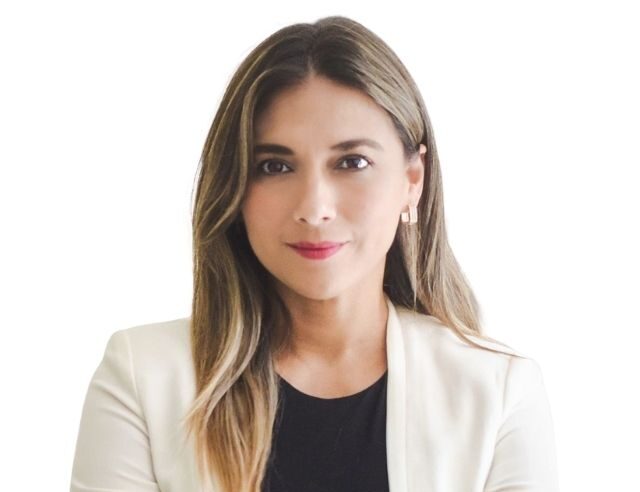
Dulce Veras
National Business Council (CNE)
Simultaneous Panel │ Territory, Culture & Philanthropy: Keys to Sustaining Democracy
11:00am - 12:00pm
Panel
Spanish
Amate (2nd Floor)
This session will highlight the transformative power of local leadership and the role of culture, audiovisual media, alliances and philanthropy in strengthening democracy from the ground up.
In a context of shrinking civic space and reduced funding for civil society, this session will center the transformative power of local and community leadership, especially that of women and youth. Through film, culture and strategic partnerships, these leaders have managed to sustain democratic processes and territorial organization amid contexts of repression and institutional neglect.
This session will bring together individuals with extensive experience in philanthropy, Indigenous governance, cultural production and community work to reflect on models of shared responsibility and territorial justice that emerge from the grassroots. Participants will share lessons learned, challenges, and practical tools to strengthen the social ecosystems that continue to resist from within the territories.

Arturo Aguilar
Rockefeller Brothers Fund (RBF)

Ketzali Pérez
Fundación Ixcanul

Martín Toc
Guate Conecta

Lídia Oxi
Guate Conecta y World Connect Guatemala

Carolina Escobar Sarti
Casa Alianza
Simultaneous Panel │ Feminist Action and Funding in Times of Antidemocratic Threats
11:00am - 12:00pm
Panel
Spanish
Guayacán (3rd Floor)
In a context of shrinking civic space, anti-rights backlash and defunding in Central America, this session centers those who, with limited resources, uphold rights, communities and transformative agendas. Although only 2% of official development assistance reaches feminist and women’s organizations directly, they are the ones ensuring tangible progress in the most challenging areas of the region.
This session will bring together feminist leaders and allied international organizations to outline—through data, experiences and collective learning—a clear map of the obstacles they face and, most importantly, to propose concrete pathways to redistribute power and transform funding into a tool that strengthens their autonomy, resilience and collective capacity for action.
Supporting feminist and women’s organizations is not only an act of justice—it is a political commitment to defend democracy, ensure equality and sustain civil society ecosystems in the region.

Natalia Marsicovetere
Walking the Talk

Larissa Reyes
Optio

Liliana Caballero
Ipas Latin America and the Caribbean

María Teresa Blandón
La Sombrilla Centroamericana

Natalia Lozano
Seattle International Foundation
Strategic Roundtable │ The Democratic Thermometer: Lessons from the LGBT Resistance
11:00am - 12:00pm
Strategic Roundtable
Spanish
Caoba (2nd Floor)
Authoritarians attack LGBT movements to divide society and create “marginalized” groups to consolidate power. These attacks serve as an early warning of broader democratic decline, and as such, the fight for LGBT rights is inseparable from the defense of democracy.
In this session, representatives of LGBT rights organizations that have pioneered the creation of resilient and decentralized networks will discuss resistance movements and present models for countering authoritarianism and divide-and-rule strategies.
The audience will learn that supporting these movements is not merely an act of solidarity with a group, but also a fundamental strategic necessity to protect the entire democratic ecosystem.

Ana Lanz
Visibles

Carlos Valdés
Lambda Association

Alex Castillo
Colectivo de Hombres Trans Trans-Formación

Félix Endara
Foundation for a Just Society (FJS)
Simultaneous Workshop │ Reclaiming Digital Civic Space: From Grassroots to Global
11:00am - 12:00pm
Interactive Workshop
English
Encino (2nd Floor)
As digital spaces become increasingly threatened by censorship, surveillance, and oligarchy control, civil society must reimagine its digital strategies from the ground up.
In this session, facilitators will explore how to rebuild and reimagine digital civic space in order to truly serve grassroots movements and collectively push forward global advocacy.
Co-led by Access Now, Iniciativa Latinoamericana por los Datos Abiertos, and Rhizomatica, this interactive session will invite participants to examine how grassroots movements and global advocacy efforts can strengthen digital civic space. Speakers will highlight real-world examples from community-centered media and connectivity initiatives across Latin America and global digital rights campaigns, as well as offer concrete insights into decentralized approaches, community governance, and cross-border solidarity.
The session aims to foster dialogue and exchange across sectors while offering practical strategies that align with CADF’s call to resist, bridge, and rebuild in times of change.
Note: This room has capacity for approximately 20 participants. Attendees will be allowed into this workshop on a first-come-first-served basis. Due to the room size, this session will not include simultaneous interpretation.
Coffee, tea and select breakfast snacks will be available in this session. Full breakfasts will not be provided. Space is available on a first-come-first-served basis.

Sara Fratti
Iniciativa Latinoamericana por los Datos Abiertos (ILDA)

Carlos F. Baca
APC/Rhizomatica

Alejandro Mayoral
Access Now
Lunch
12:00pm - 2:00pm
Networking
Spanish & English
Cortez (2nd Floor), Jacaranda (2nd Floor), Cedro (2nd Floor), Grand Roble Ballroom (3rd Floor), Ciprés (3rd Floor) & Rosul (3rd Floor)
Pull up a seat at any lunch table and network with new connections. Find a table card featuring a Sustainable Development Goal (SDG) that interests you to meet potential allies for your work.
Site Visit to Safe Passage: Working Together in Uncertain Times
1:00pm - 3:30pm
Site Visit
Spanish
Site Visit Meeting Point
Zones 3 and 7 of Guatemala City are dynamic communities, historically marked by the municipal landfill and stigmatized by classism and territorial discrimination. Despite these challenges, their residents have woven networks of care and community solutions.
For a long time, NGOs implemented welfare-based approaches that excluded local voices and fostered competition among NGOs. This is now changing. Several organizations are restructuring their models to recognize community leadership, hire local staff and foster equity-based partnerships.
In this site visit, participants will visit four organizations which challenge traditional paradigms in their sector. Visitors will hear directly from local leaders about how they are promoting more participatory models. This experience invites reflection on the current role of NGOs, authentic partnerships and the power of collective memory and organization as drivers of transformation.
Duration: 2.5 hours
Departure time: 1:00 pm
Departure location: InterContinental Real Hotel
Time on bus: 30 minutes
Language: Spanish
Snacks and drinks will be provided
Maximum capacity: 40 people
Is there still space in this site visit? Yes
Register: To participate in this site visit, attendees must sign up directly via Safe Passage. Please register to participate via this form and reach out to [email protected] with any questions.
Registration is only available to CADF 2025 attendees.
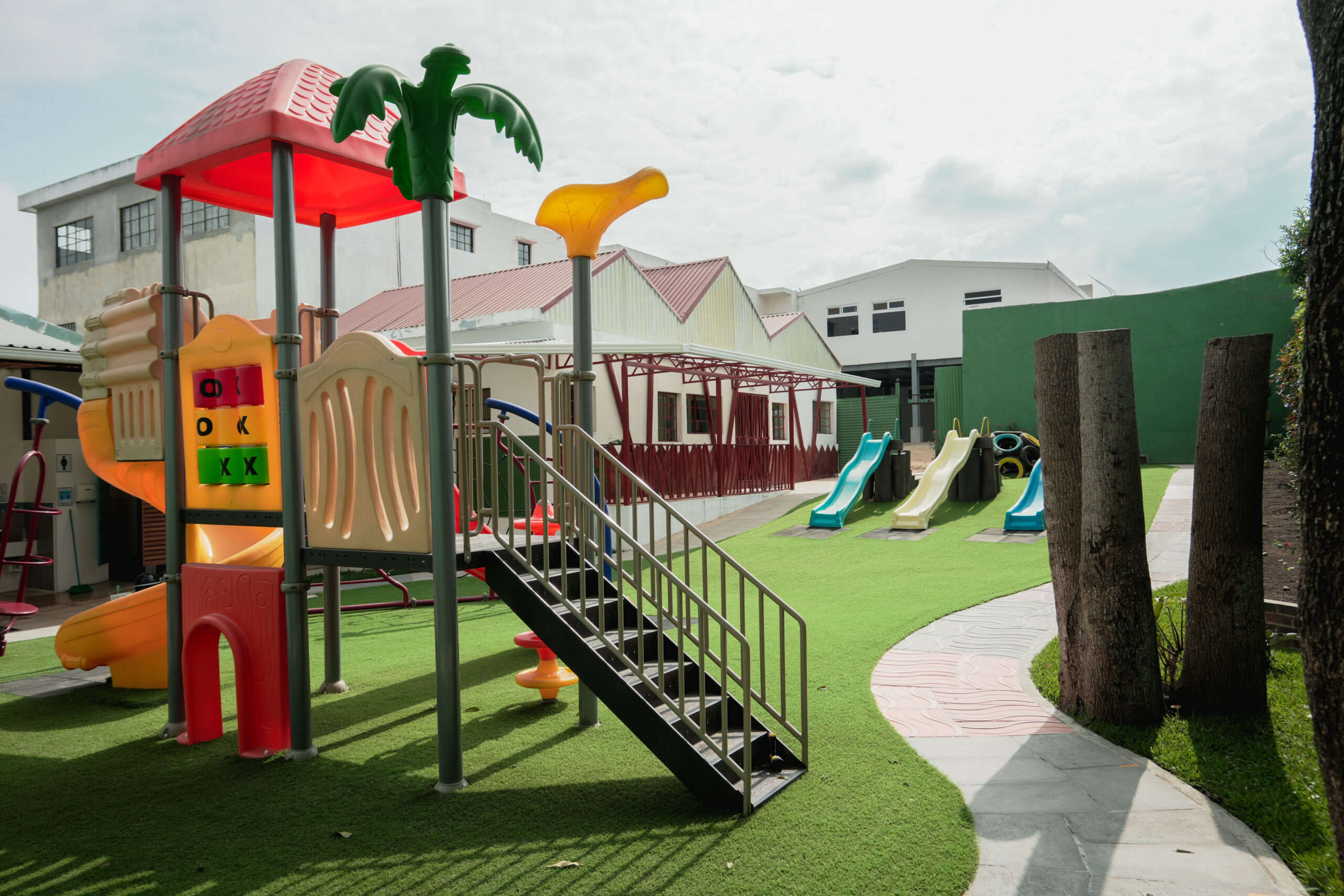
Asociación Camino Seguro
Ciudad Guatemala
Simultaneous Panel │ The Importance of the 2026 Elections for Democracy in Guatemala
2:00pm - 3:00pm
Panel
Spanish
Grand Roble Ballroom (3rd Floor)
Representatives from civil society, Indigenous authorities and independent journalists will participate in the session to reflect on the importance of the 2026 election of the Attorney General, Constitutional Court (CC), Supreme Electoral Tribunal (TSE) and the Comptroller General of Accounts. Given the co-optation of the justice system, the elections for these institutions are fundamental to the future of democracy and the rule of law in Guatemala.
Based on the experience of observing previous processes, we will analyze the challenges of these elections, the lessons learned and good practices to propose new strategies to strengthen alliances between civil society, the media, Indigenous authorities and the international community to effectively influence these election processes. Advocacy strategies will be analyzed to ensure objective and transparent elections and to ensure the election of capable and independent individuals.

Francisco Rodríguez
Plaza Públilca
Dina Juc
Indigenous Mayor's Office of Santa Lucía Utatlán, Solola

Claudia González Orellana
Lawyers Without Borders Canada

Denis Martínez
Impunity Watch
Simultaneous Workshop │ Strengthening Collaboration to Sustain Civil Society in Education
2:00pm - 3:00pm
Interactive Workshop
Spanish
Amate (2nd Floor)
This workshop explores the dynamics of funder-grantee collaborations in education, unpacking lessons from successes and roadblocks to help preserve civil society in the region.
In the face of growing threats to civil society in Central America, including political restrictions, reduced funding and weakened democratic institutions, strong, adaptive partnerships are more vital than ever. This interactive workshop led by foundations that belong to the International Education Funders Group invites funders, grassroots leaders and implementing organizations to reflect on their collaborative experiences in education: what has worked, what hasn’t, and why. Through shared analysis of real-life case studies and peer exchange, participants will co-develop practical strategies for building equitable, trust-based partnerships that sustain civic space, strengthen local leadership and advance community-driven solutions.
Attendees will leave with a set of concrete, crowd-sourced recommendations to foster resilient, purpose-driven collaboration.

Julianne Carlson
Luis von Ahn Foundation

Barbara Hanisch-Cerda
International Education Funders Group (IEFG)

Fredy Oxom
Xch’ool Ixim
Álvaro Gómez
Tierra Nueva ONG

Emilio López
Tinker Foundation
Simultaneous Panel │ Weaving Environmental Justice from the Territories
2:00pm - 3:00pm
Panel
Spanish
Guayacán (3rd Floor)
There are stories that never make the headlines, but which sustain the world around us. The connection between journalism and grassroots efforts advances the resistance against dispossession, supports the fight to protect human rights defenders and amplifies the voices of those resisting extractive models.
This session will reflect on communication as a tool for advocacy, protection and coordination, strengthening environmental justice from the territories. Attendees will be invited to think of communication not only as a narrative, but as a form of resistance.

Marixela Ramos
Independent

Vidalina Morales
Santa Marta Economic and Social Development Association (ADES)

Amalia López
National Alliance Against the Privatization of Water

Eugenia Olán
Revista La Brújula
Interactive Workshop │ The Importance of Investment in Mental Health for Advocacy Organizations
2:00pm - 3:00pm
Interactive Workshop
Spanish
Encino (2nd Floor)
Facilitators in this workshop will discuss and build upon the importance of mental health as a cross-cutting theme that can enhance development work. The absence of prioritizing mental health in political agendas can weaken and jeopardize collective actions.
Speakers will discuss the importance of mental health as a thread that sustains their activism in defense of human rights. Ensuring emotional well-being and caring for mental health while defending human rights is vital.
The collective care of mental health is an act of resistance, and mental health is a pillar that sustains productive work in Central America, where democracies are constantly at risk.
During this workshop, facilitators will seek common ground to invest strategically and sustainably, not only in the well-being of the communities they support, but also in their own well-being. Facilitators will provide information, concrete tools and proposals for including mental health as a cross-cutting theme that underpins the work of various organizations in the region.
Note: This room has capacity for approximately 20 participants. Attendees will be allowed into this workshop on a first-come-first-served basis. Due to the room size, this session will not include simultaneous interpretation.

Mariana Alpízar Guerrero
Asociación Voces Violeta

Susan Alpízar Guerrero
Asociación Voces Violeta
Coffee Break
3:00pm - 3:30pm
Networking
Spanish & English
Coffee Break Location
Network and exchange session takeaways with fellow CADF attendees while enjoying refreshments.
Plenary │ New Perspectives to Confront the Funding Context for Civil Society
3:30pm - 4:30pm
Plenary
Spanish
Grand Roble Ballroom (3rd Floor)
We have entered a new era of funding for citizen initiatives and organizations. This discussion seeks to examine and engage with various stakeholders on the future of funding for civil society. Panelists will address perspectives from private foundations in the U.S. and Europe, bilateral donors, and Central American civil society.
Pontus Rosenberg
Embassy of Sweden

Miriam Alejandra Camas
Fondo Centroamericano de Mujeres (FCAM)

Norma Baján
El Directorio Guatemala
Arturo Aguilar
Rockefeller Brothers Fund (RBF)

Mariana Castellanos
Luis von Ahn Foundation
Closing Remarks
4:30pm - 4:40pm
Keynote
Spanish
Grand Roble Ballroom (3rd Floor)
As the 2025 Central America Donors Forum winds down to its conclusion, join Adriana Beltrán, Executive Director of Seattle International Foundation, as she reflects on the conversations held and connections made over the past two days, and where we go together next in our efforts to advance development, equity and justice in the region.
Adriana Beltrán
Executive Director, Seattle International Foundation (SIF)
Closing Reception
6:30pm - 9:00pm
Networking
Spanish & English
Blue (5th floor)
Join Seattle International Foundation for music and drinks, and take in the view from the outdoor patio as we celebrate the last two days of the 2025 Central America Donors Forum.
Wednesday, October 8
Site Visit to The United Nations National Park and the Lake Amatitlán Basin: Forging Alliances for Urban Nature
8:00am - 3:00pm
Site Visit
Spanish
Site Visit Meeting Point
Discover the United Nations Park, the only national park in the heart of the Guatemalan metropolis. This natural oasis offers a unique chance to explore the challenges and opportunities of conservation in urban contexts.
On Wednesday, October 8 following CADF 2025, the visit will begin with a hike along the OroVerde Trail, with stops at viewpoints that reveal the interaction between urbanization and ecological resilience. The tour of the park will highlight current difficulties and provide an opportunity to learn about the role of civil society in protecting the park and the Lake Amatitlán watershed, amidst a context of urban growth and institutional weakness.
The day will conclude with a visit to key private sector partners, followed by a discussion with the Greater City of the South Commonwealth on water governance. This space seeks to foster dialogue between donors and organizations around rights-based solutions.
Duration: 8:00am – 3:00pm (including transit)
Departure time: 8:00 am
Departure location: Intercontinental Hotel
Time on bus: 1 hour
Language: Spanish
Cost: $10 (includes entrance to park, transportation and drinks during the visit)
There will be restaurants available for participants to purchase snacks and lunch.
Maximum capacity: 25 people
Is there still space in this site visit? Yes
Register: To participate in this site visit, attendees must sign up directly via Fundación Defensores de la Naturaleza. Please register to participate via this form and reach out to [email protected] or [email protected] with any questions.
Registration is only available to CADF 2025 attendees.

Fundación Defensores de la Naturaleza
Guatemala City