

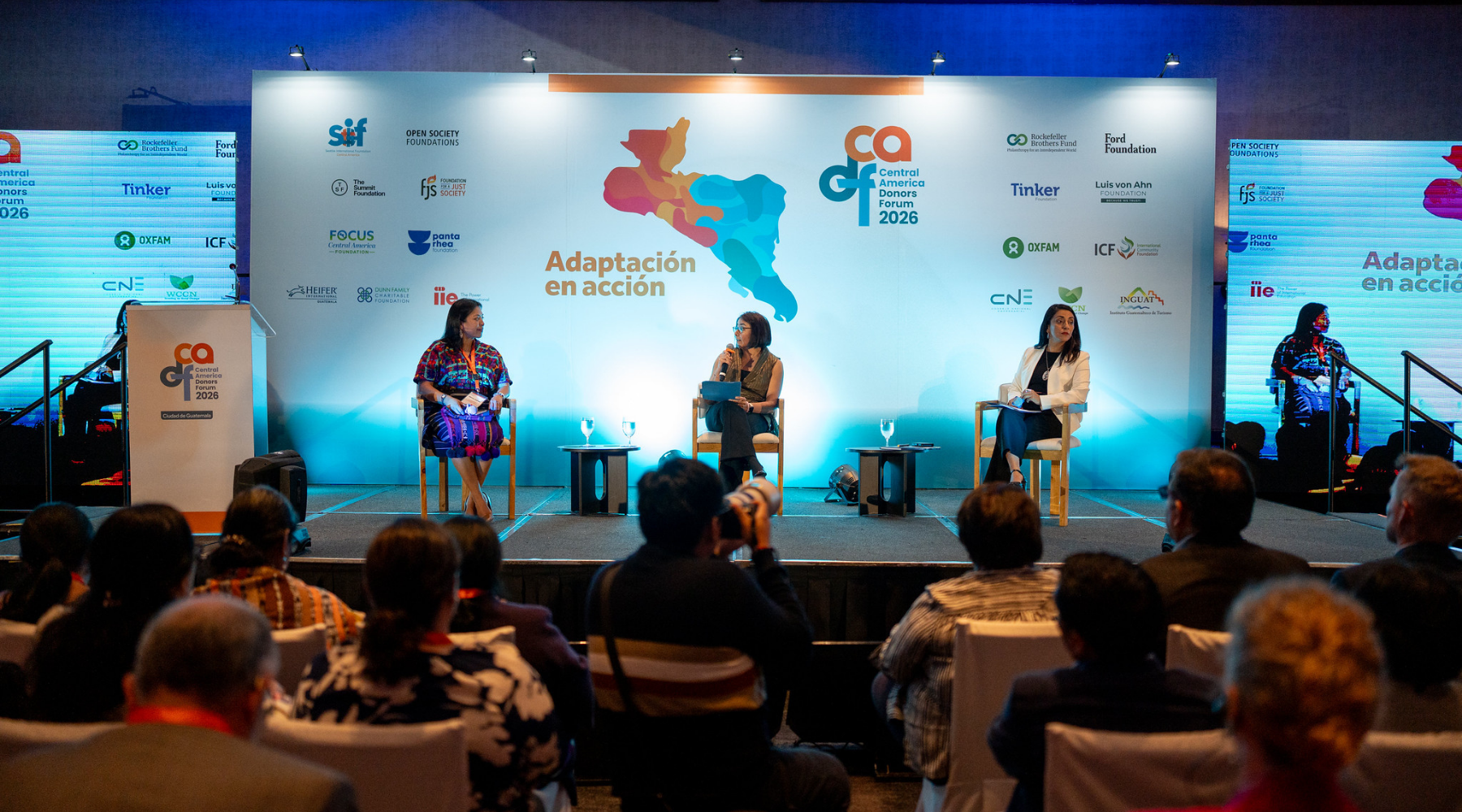
CADF 2026 Wrap-up Report
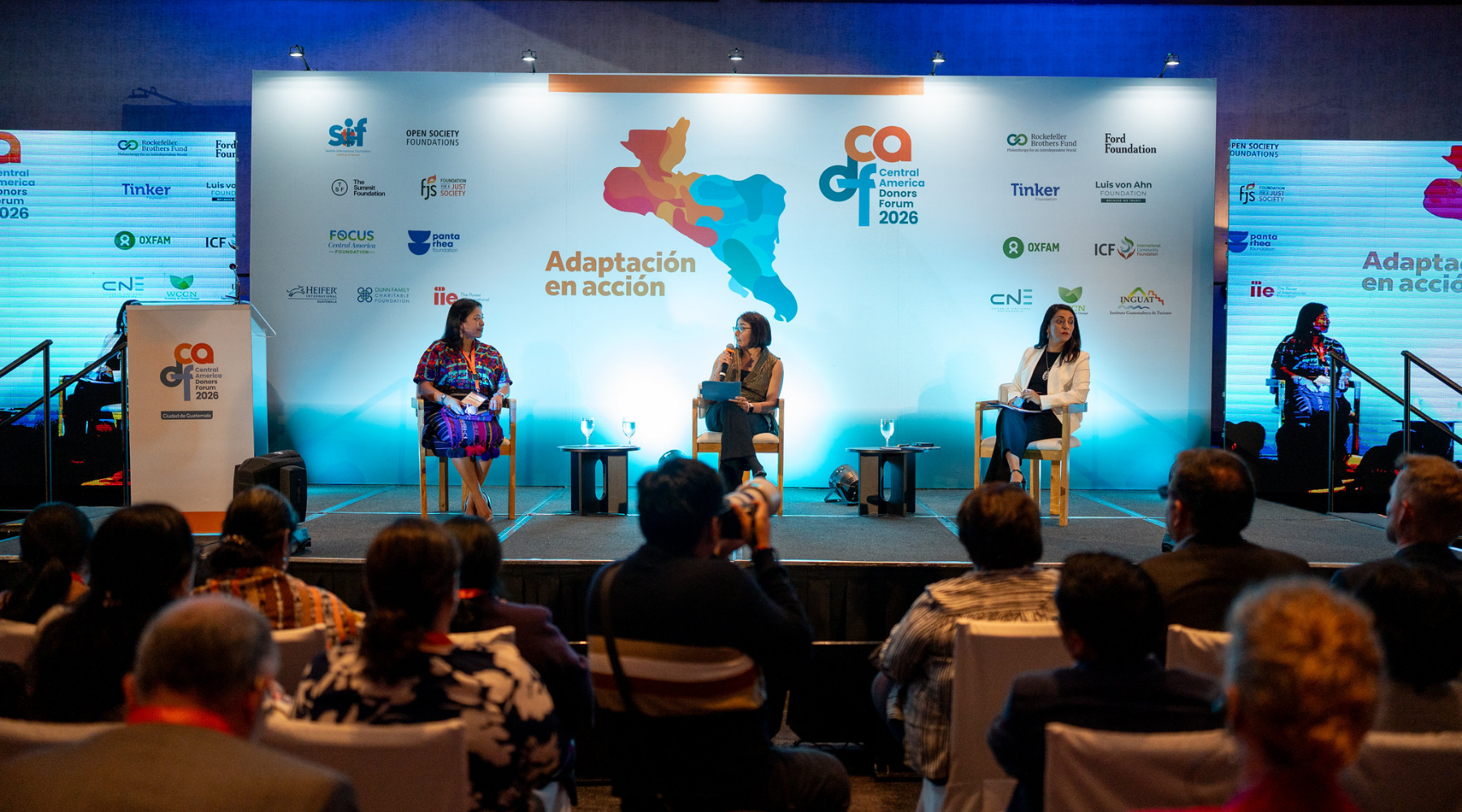
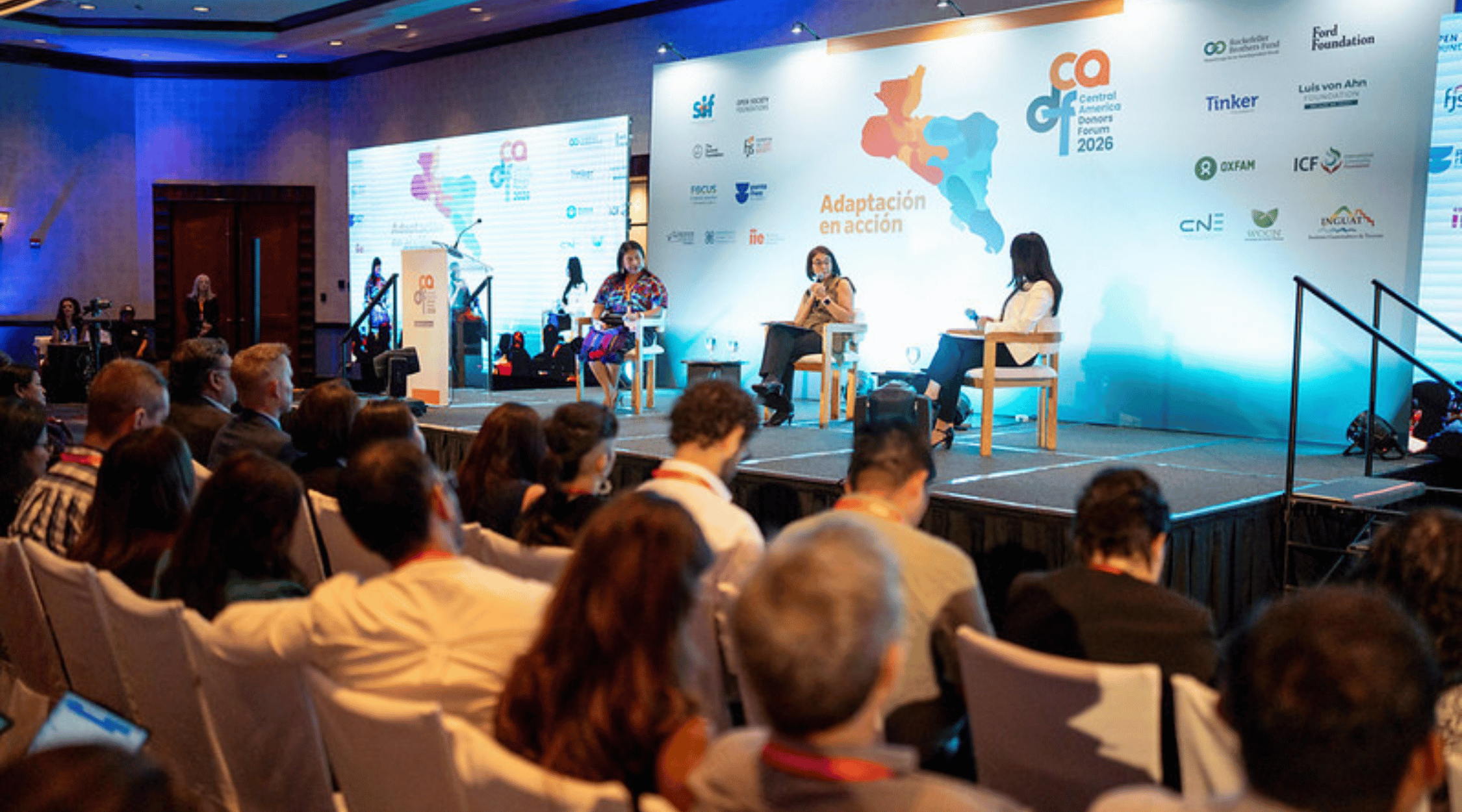
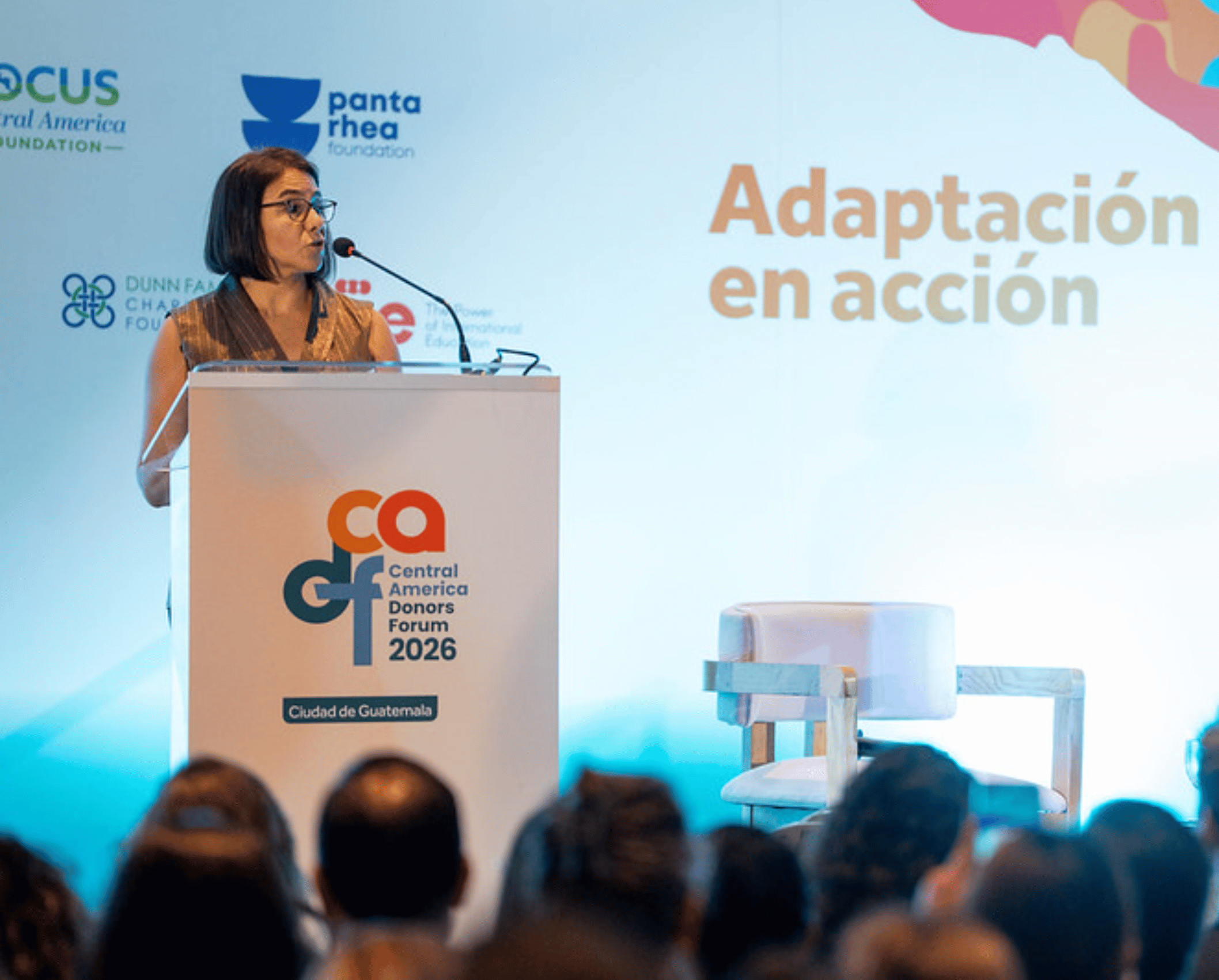
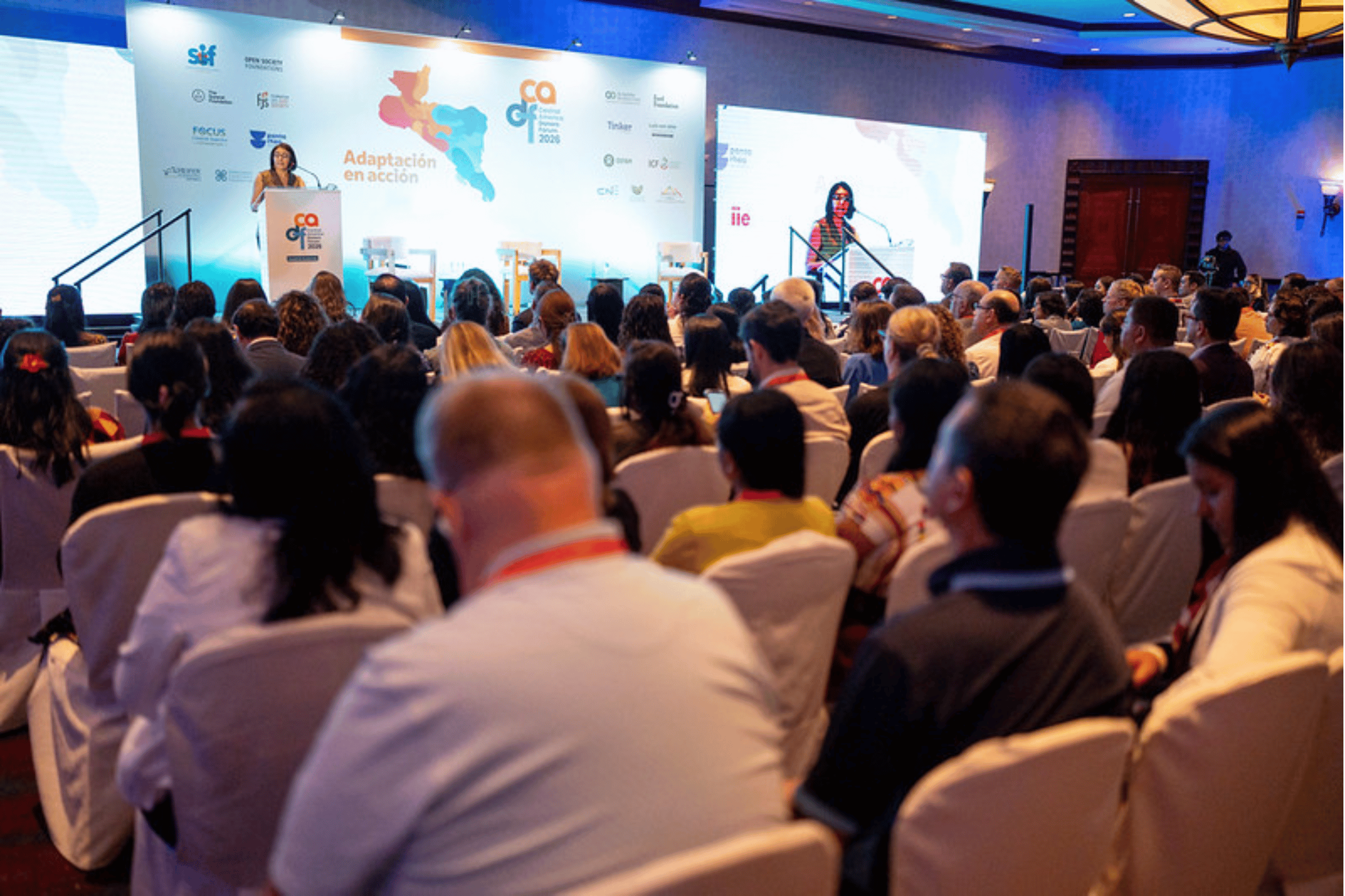
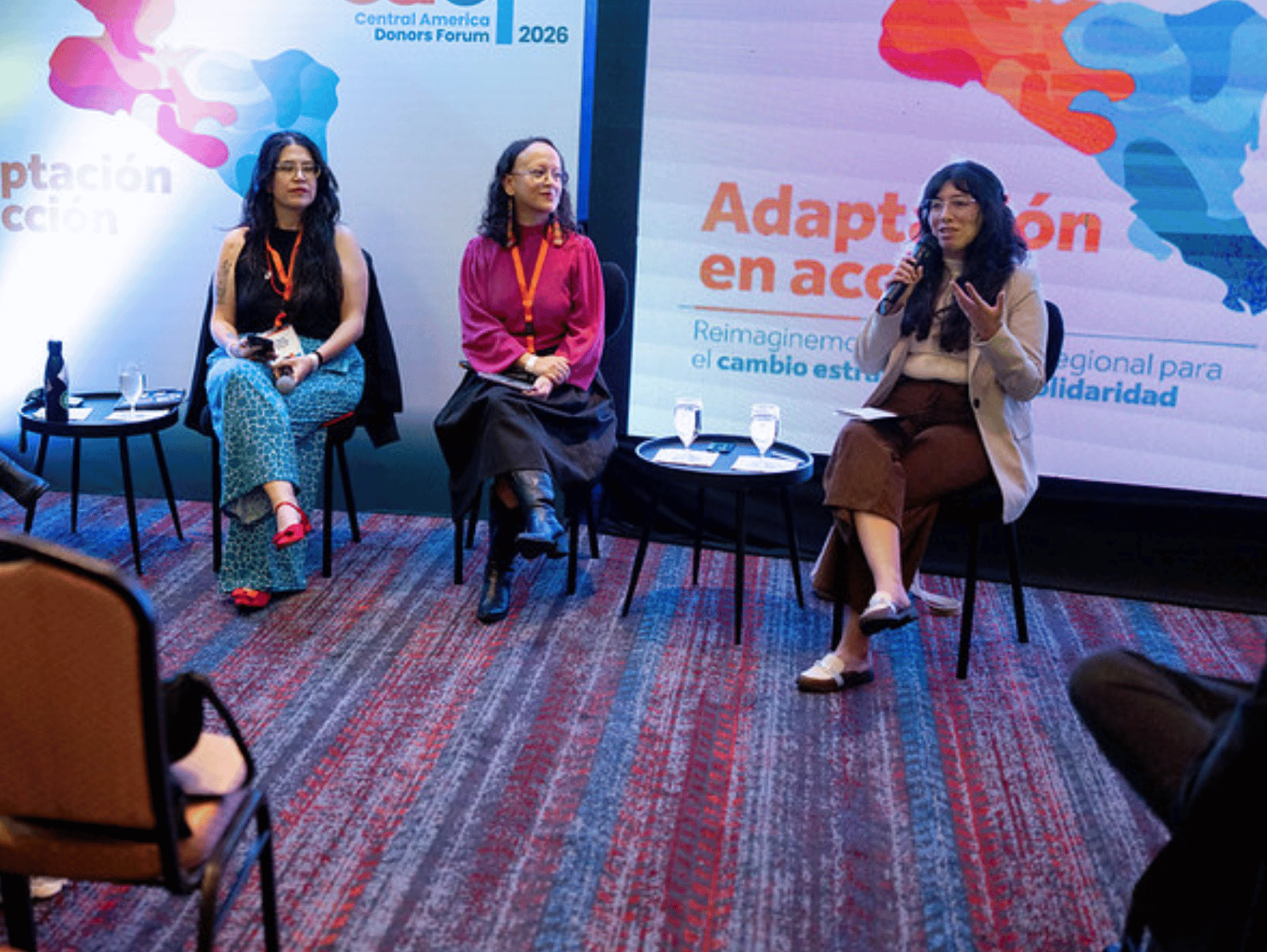
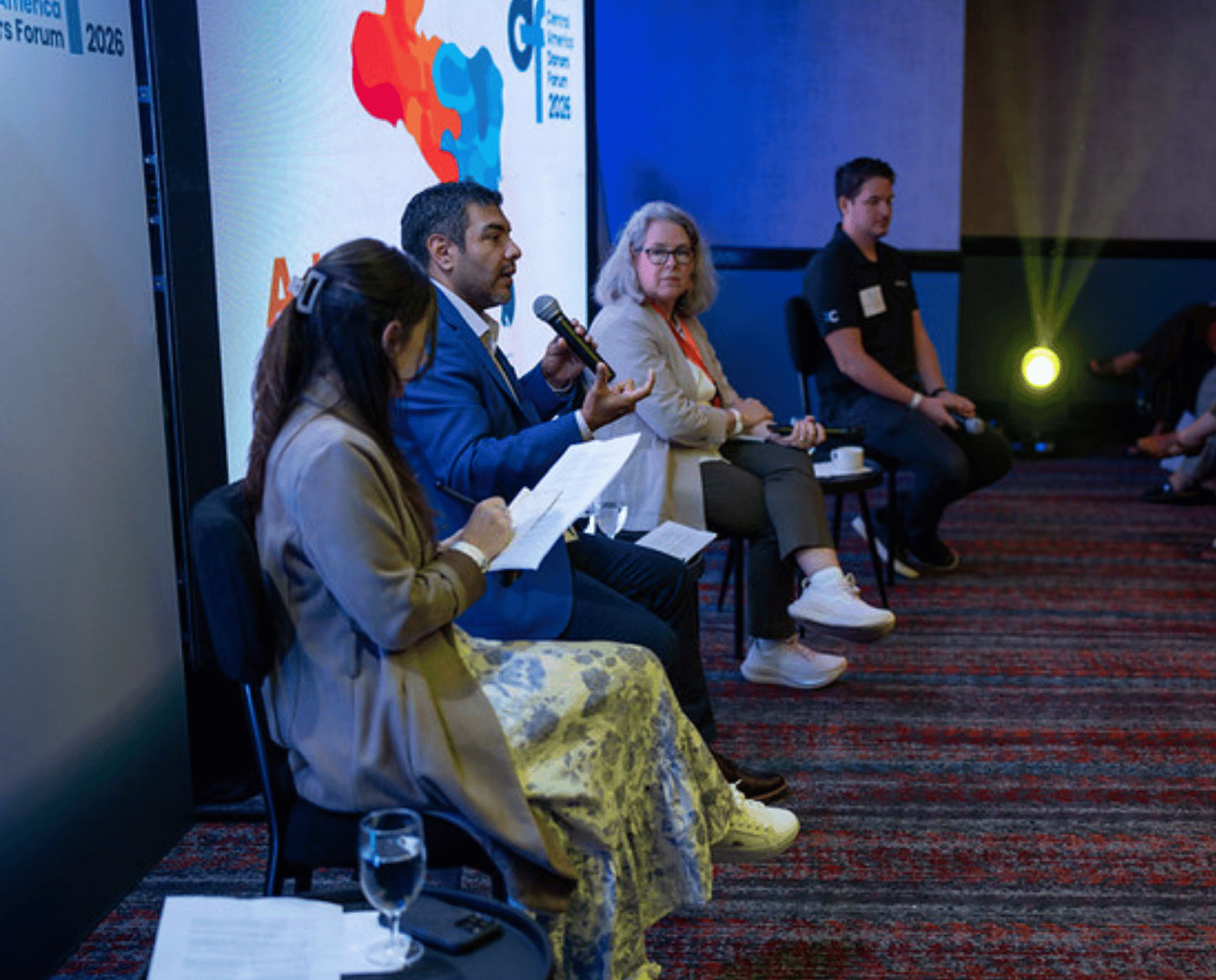
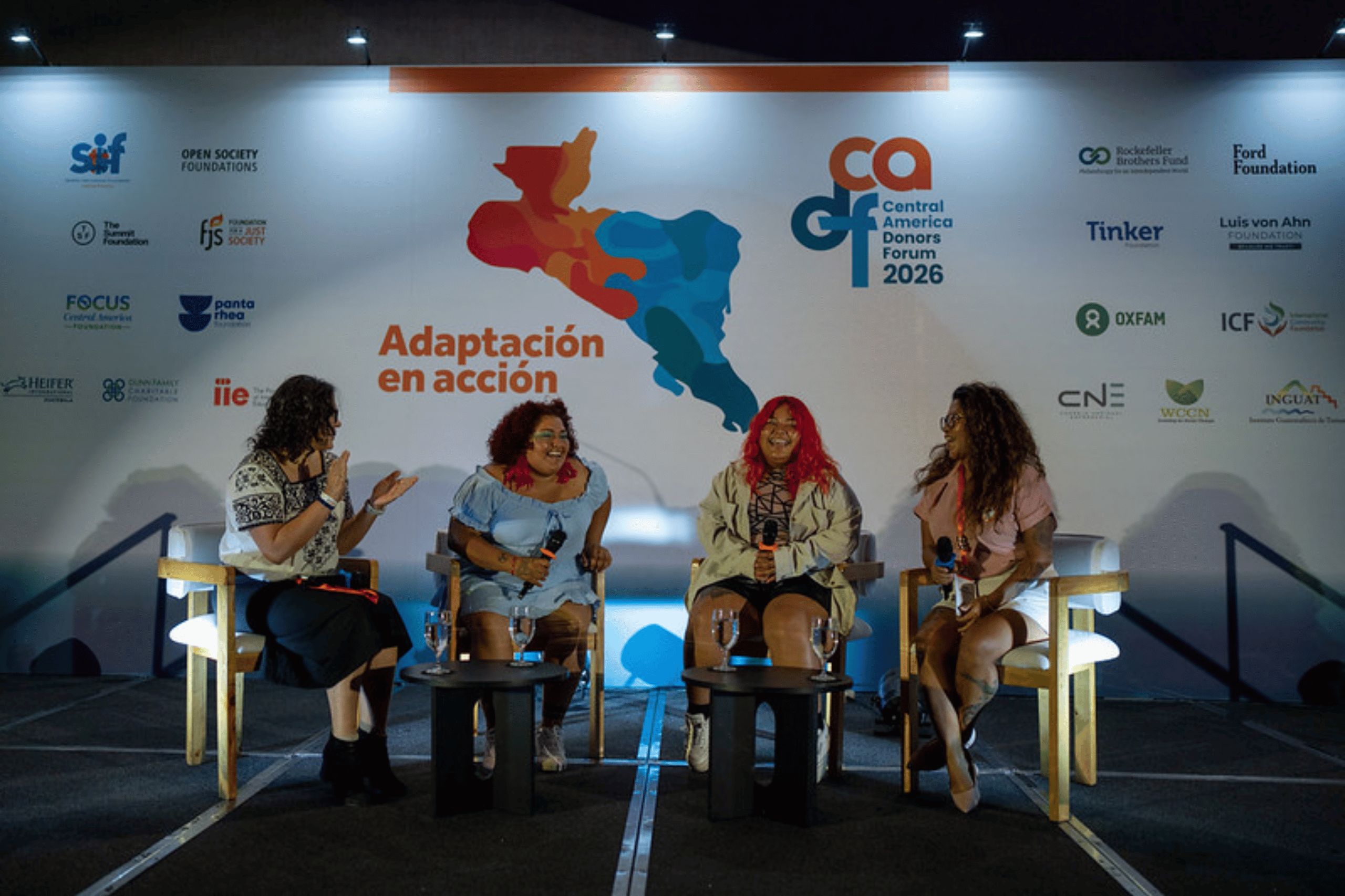
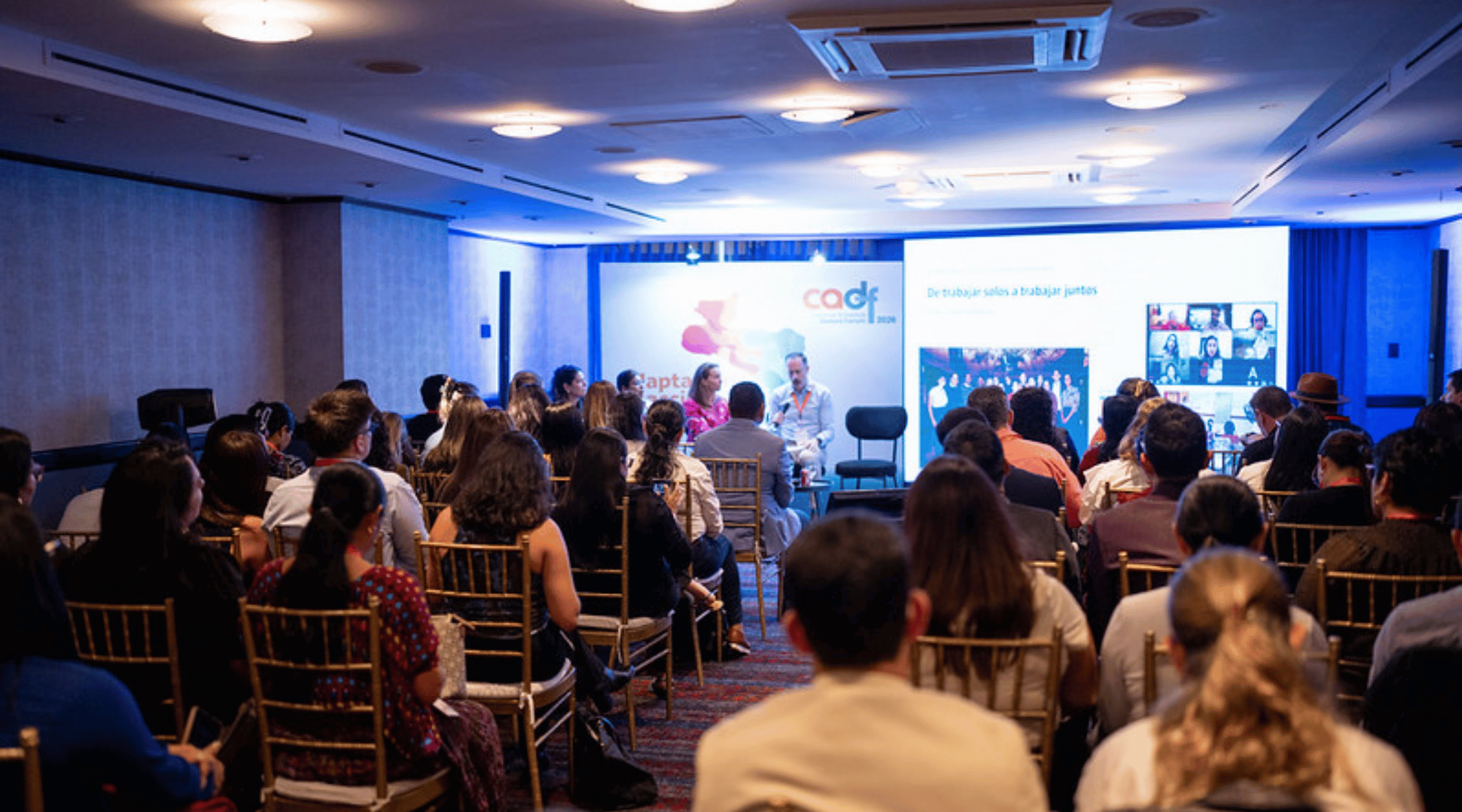
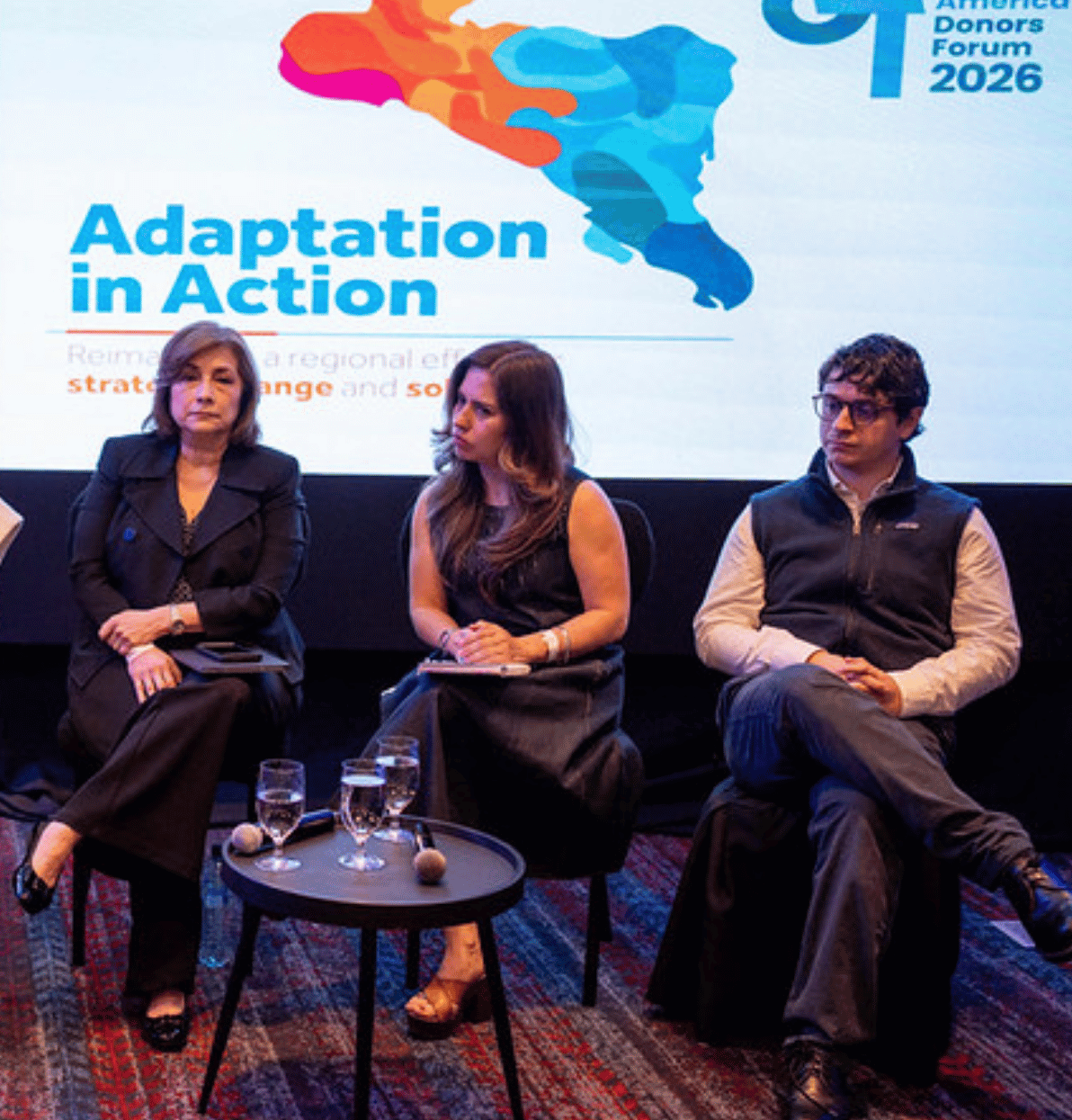
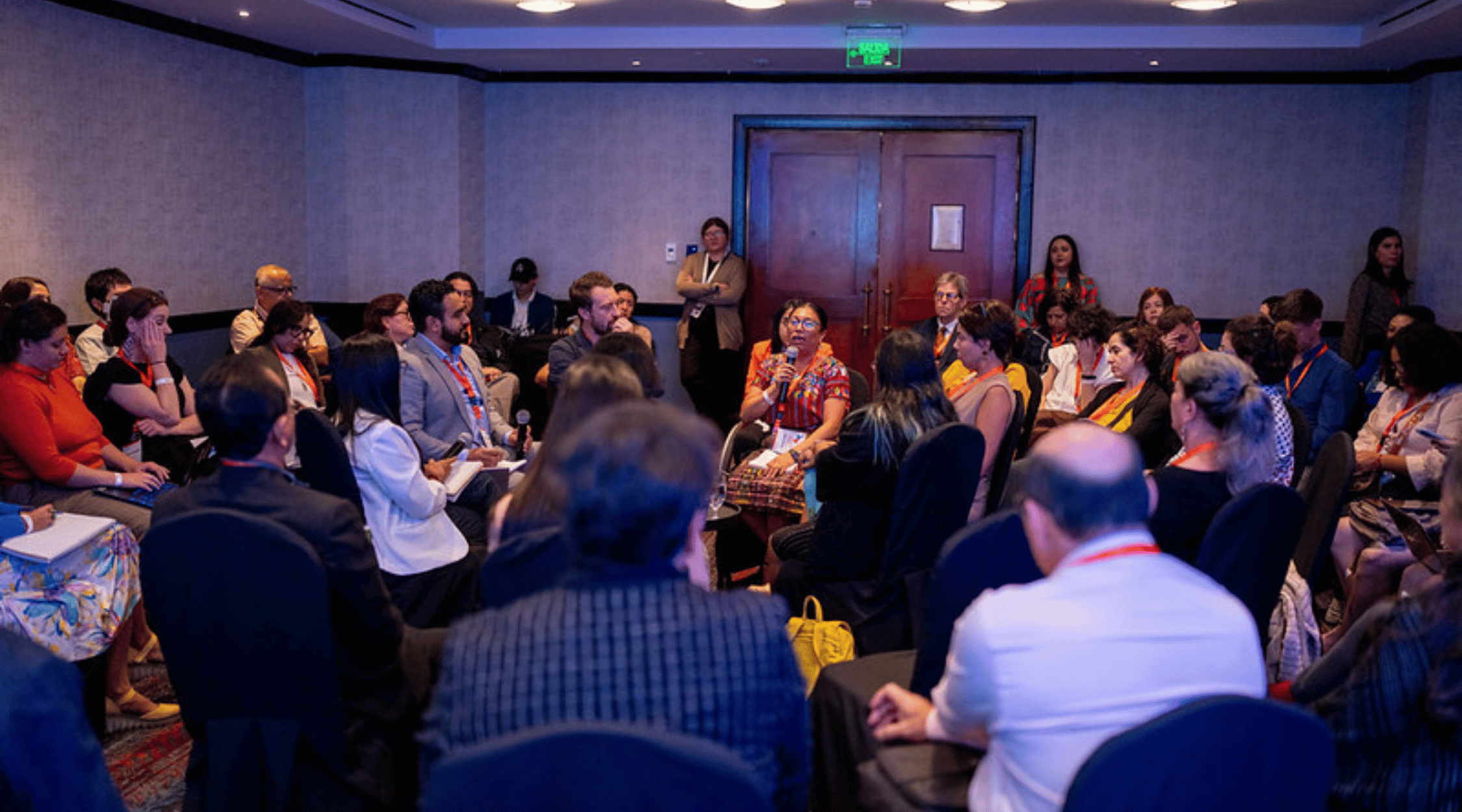
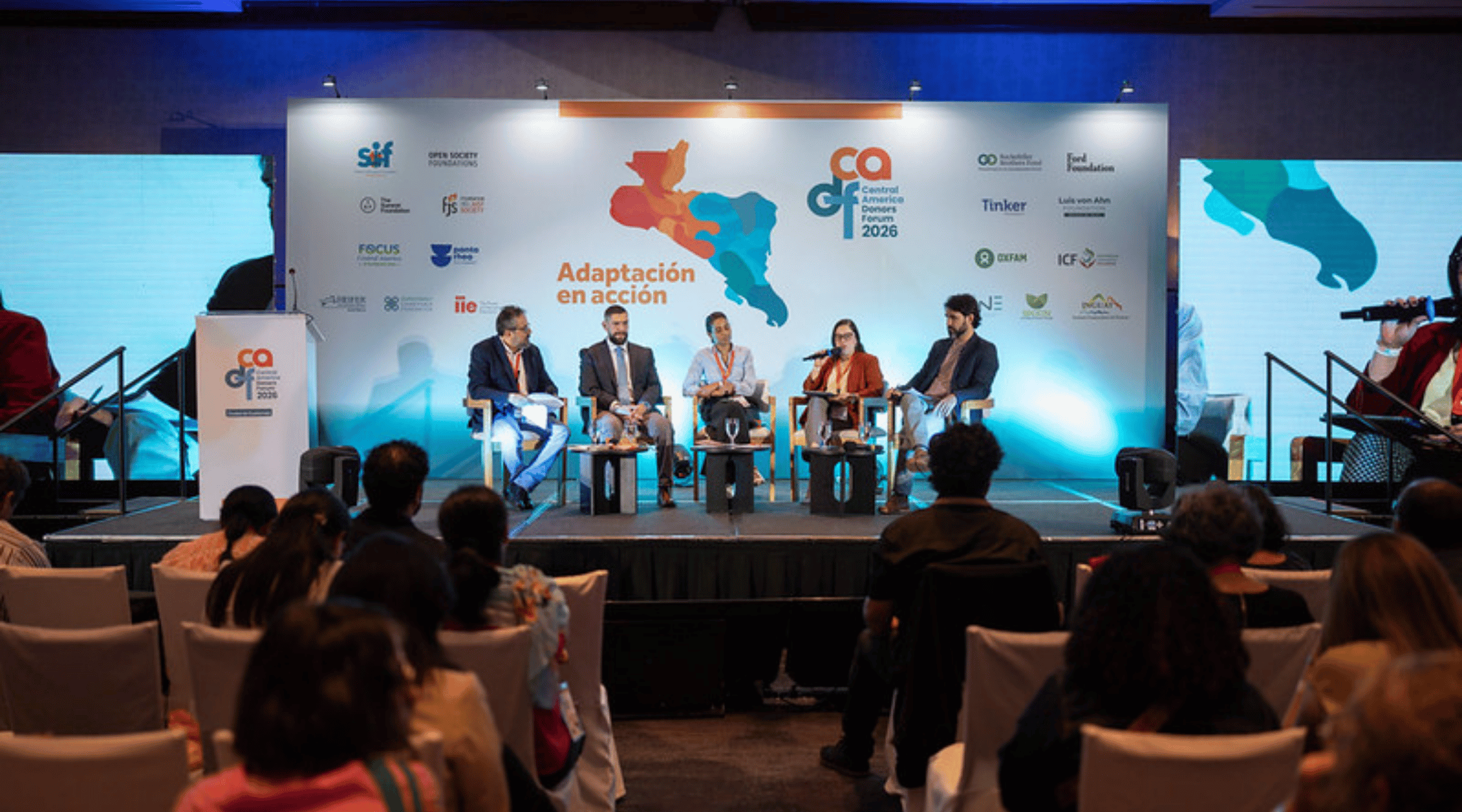
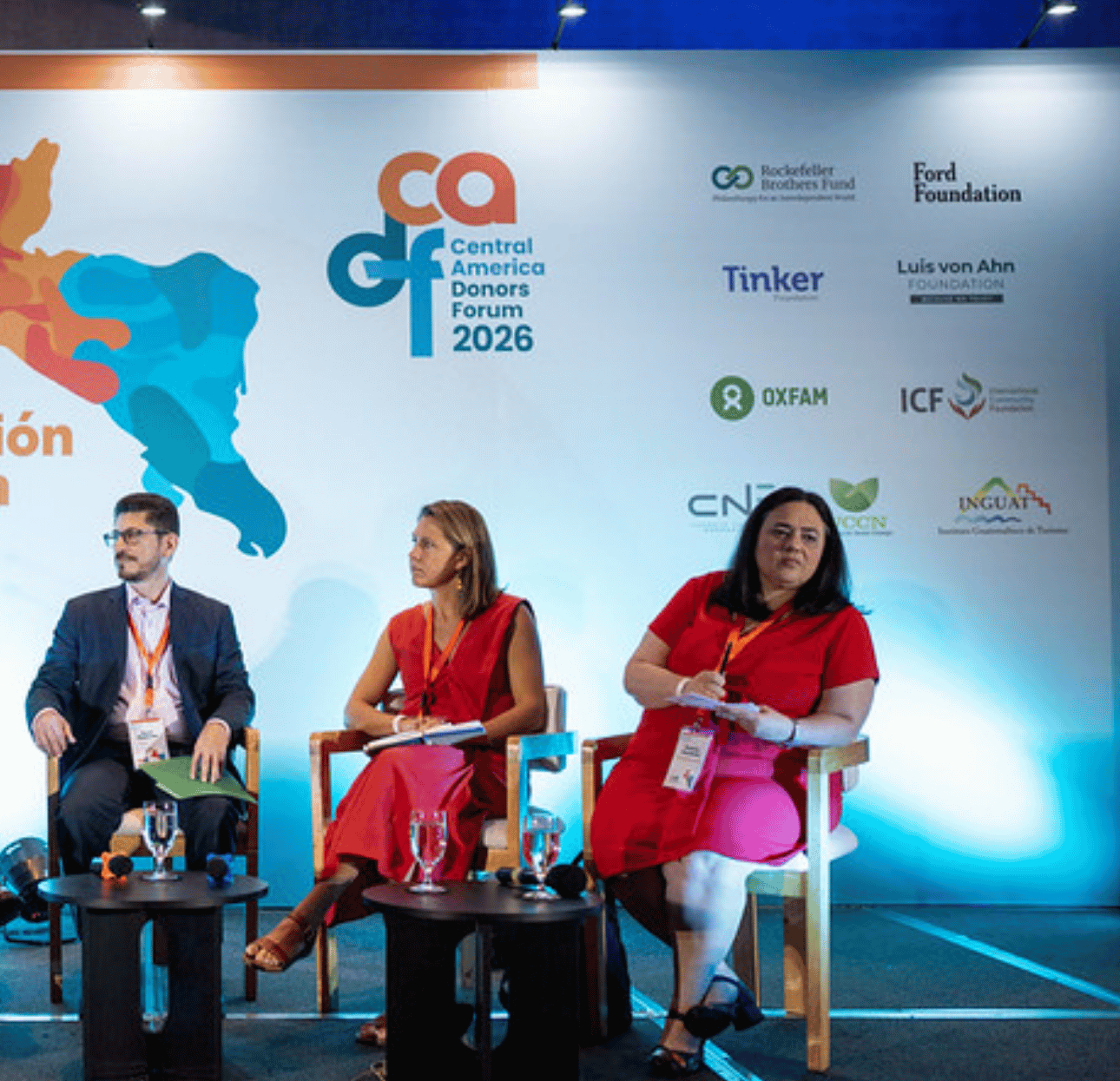
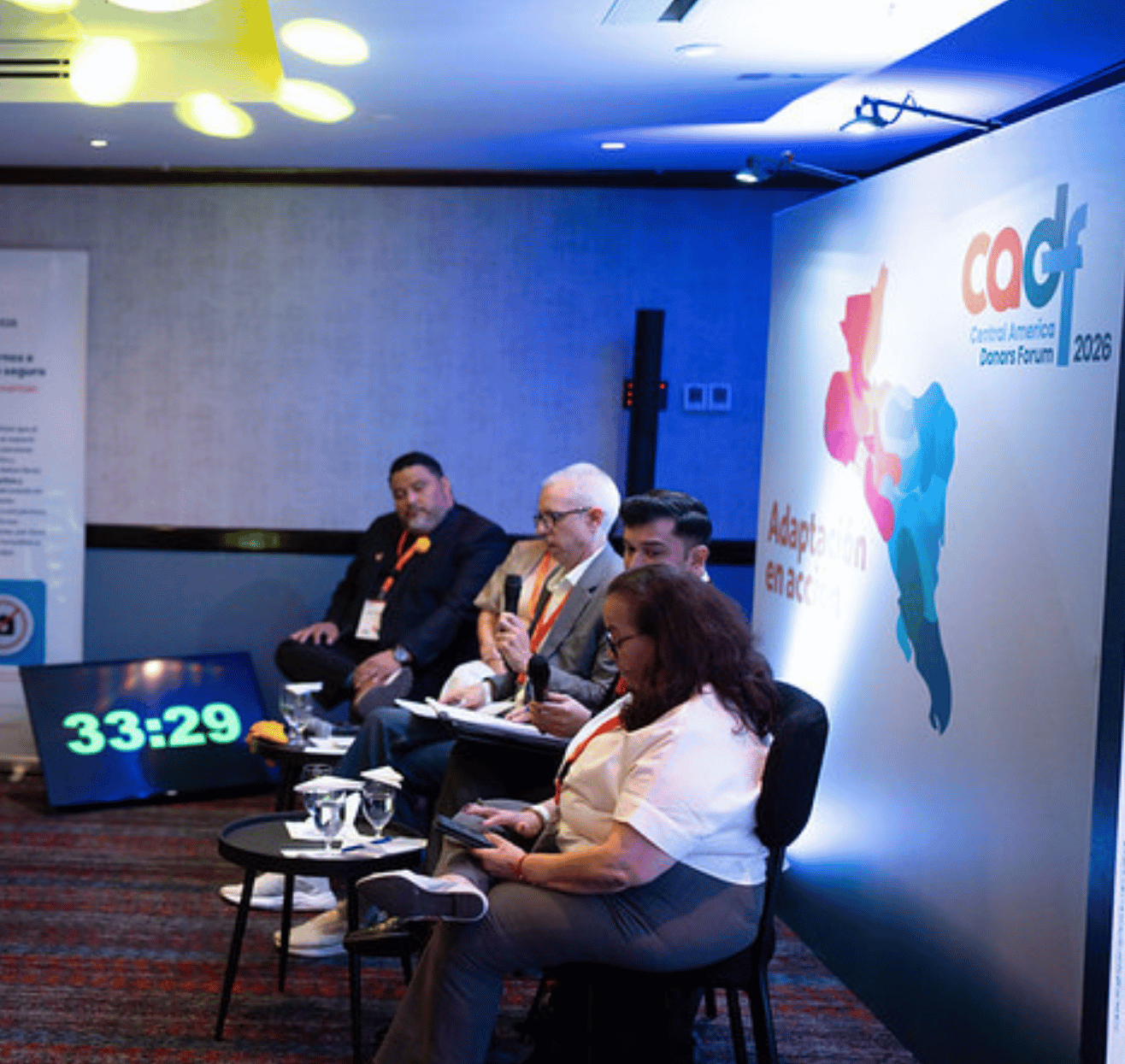
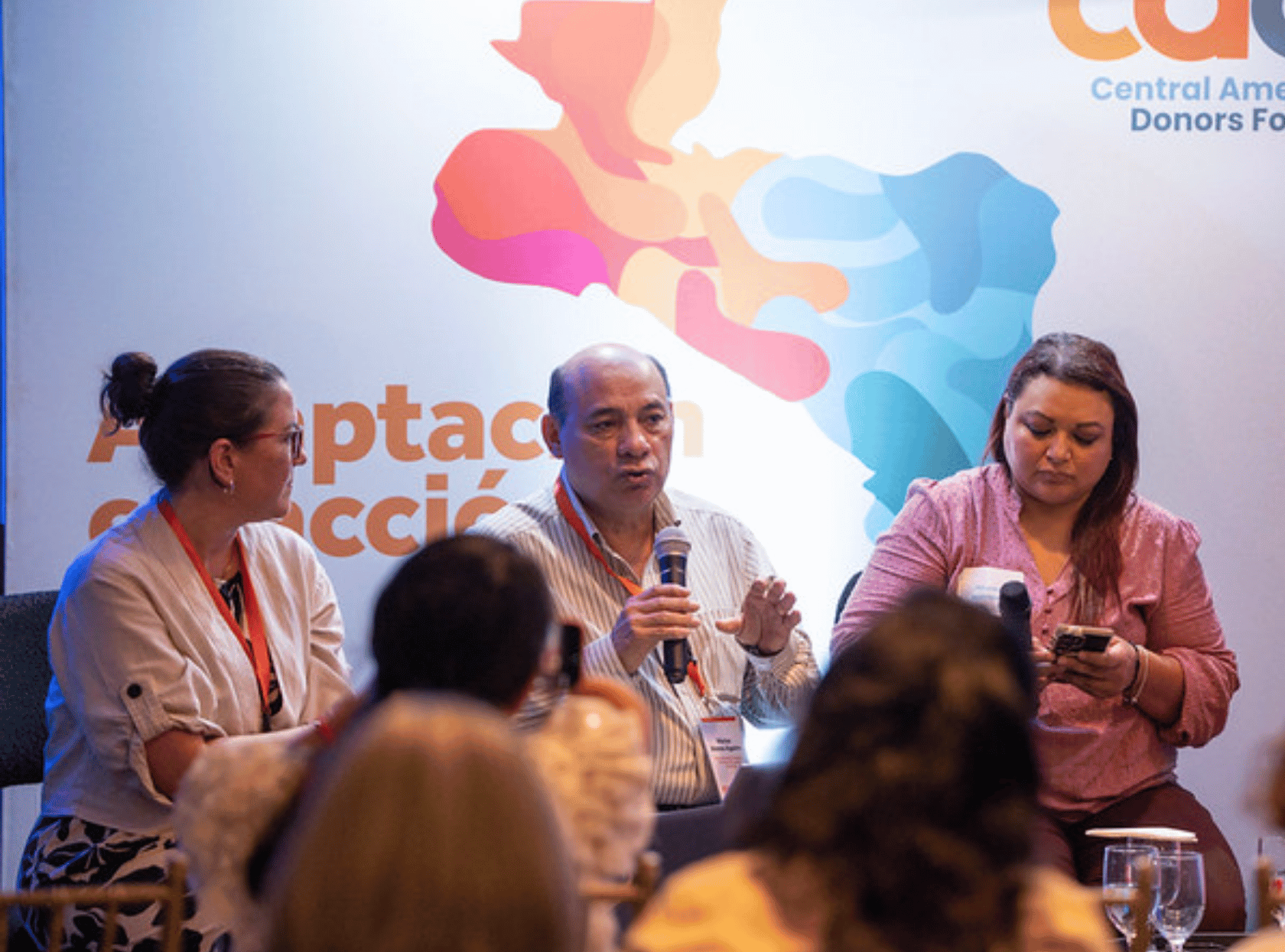
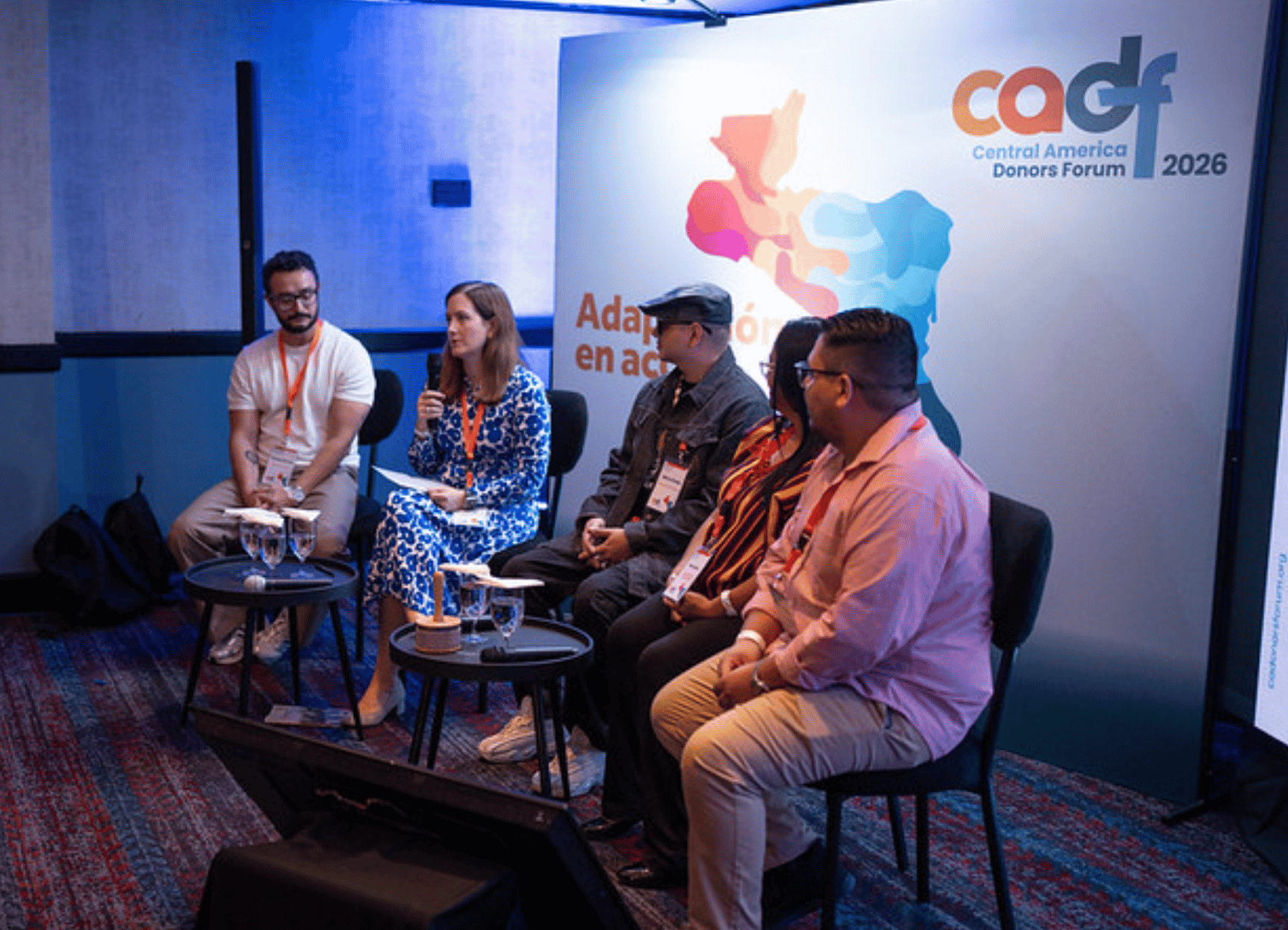
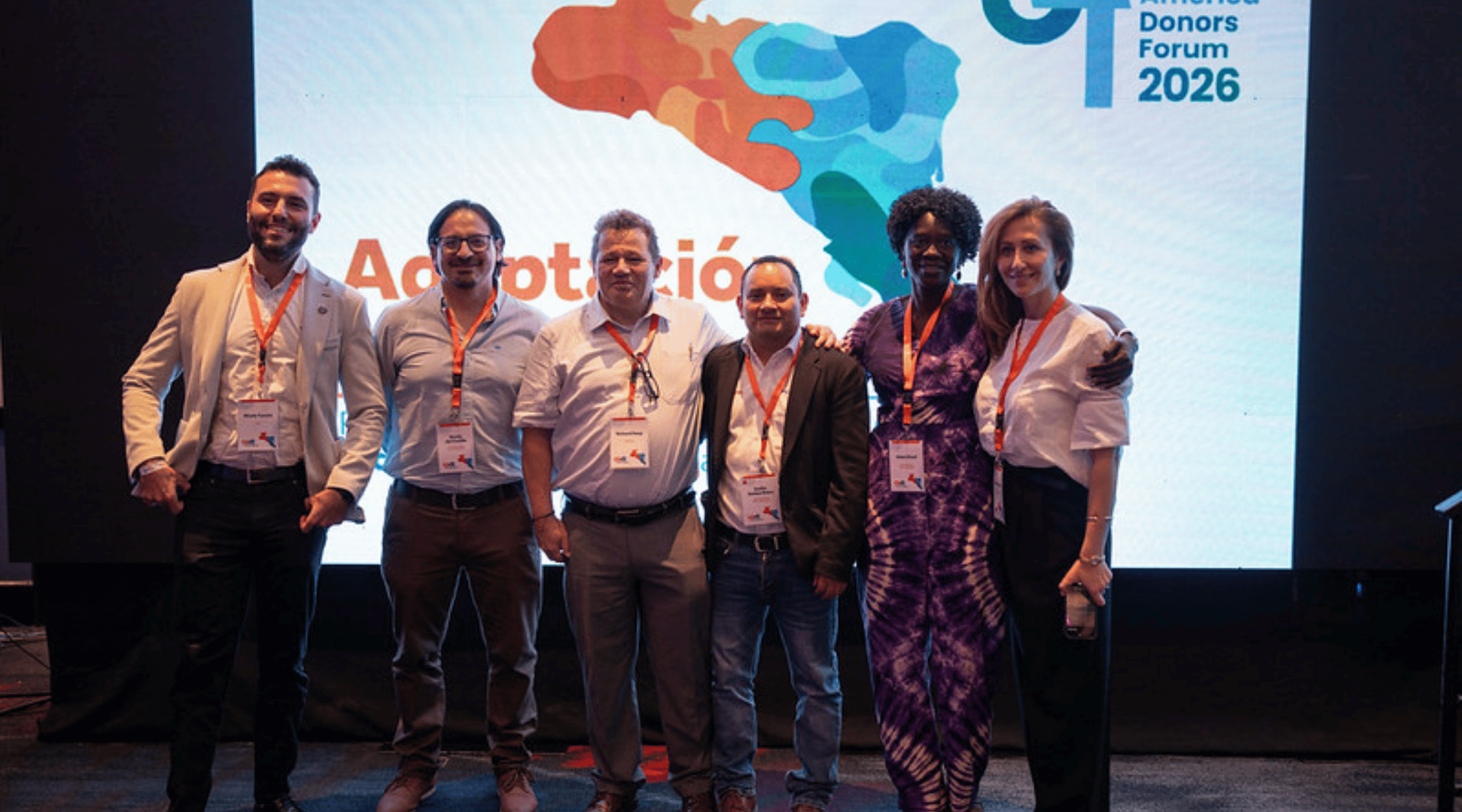
Highlights from the 2026 Central America Donors Forum in Guatemala City, Guatemala.
Highlights from the 2026 Central America Donors Forum in Guatemala City, Guatemala.
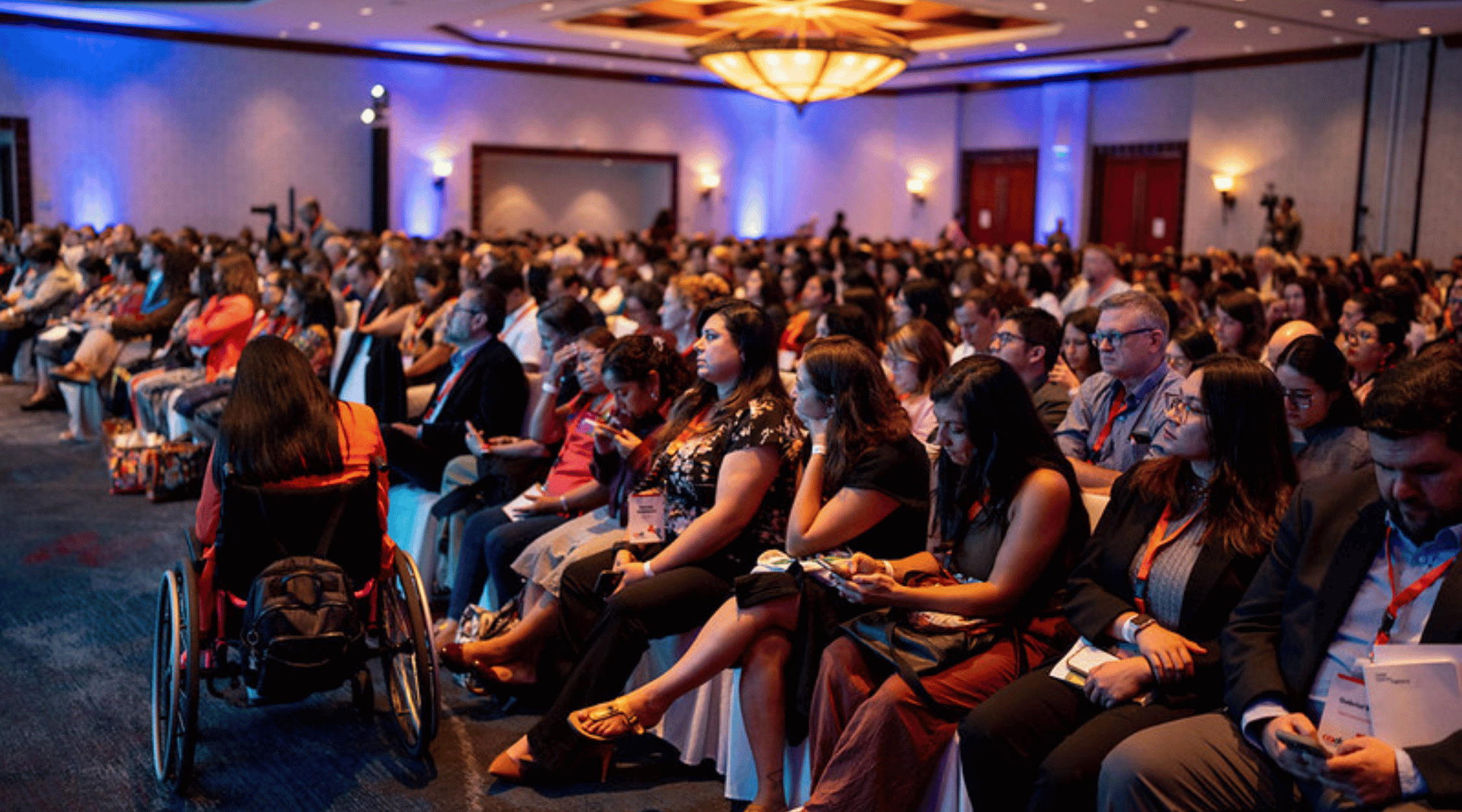
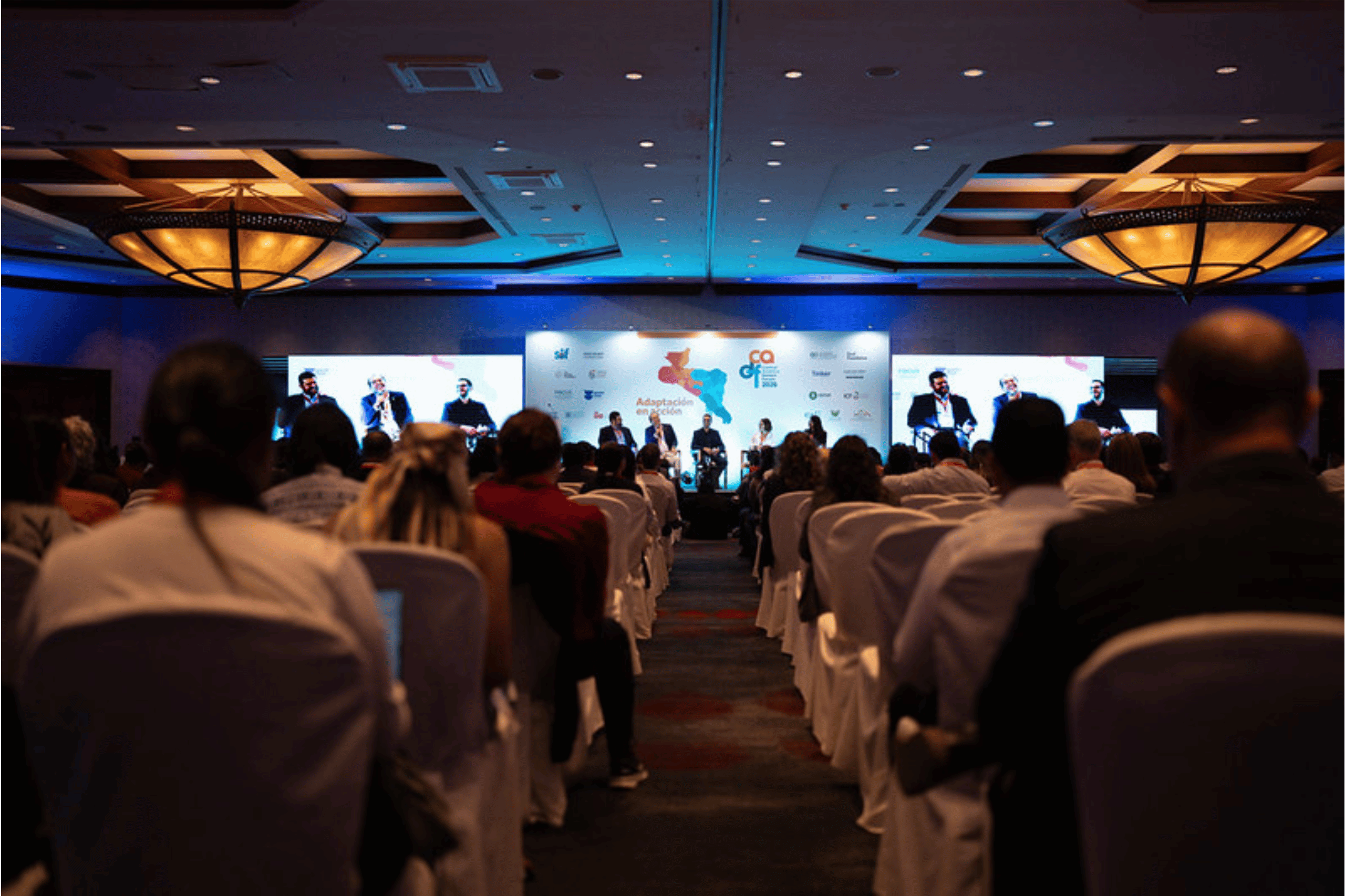
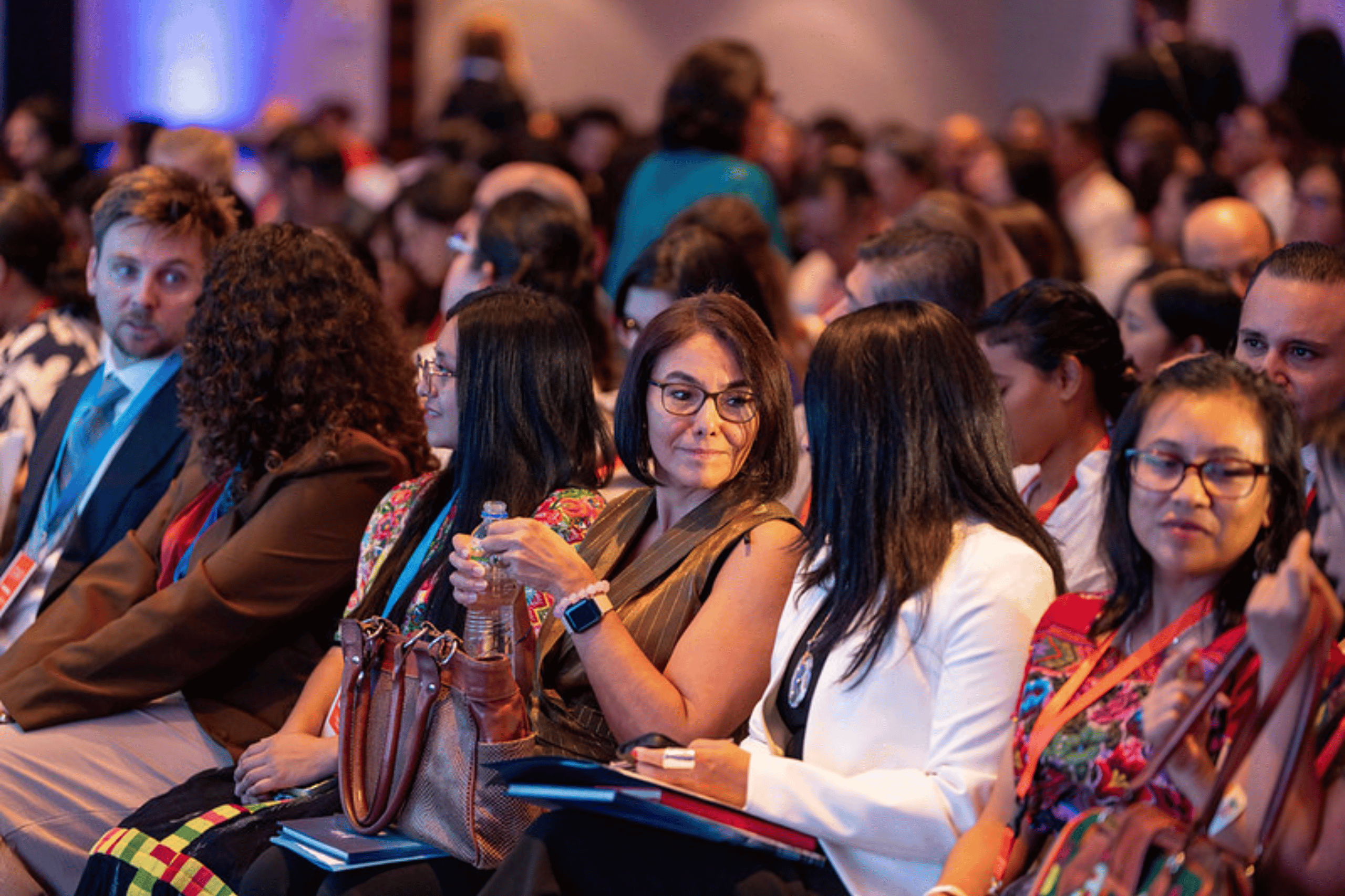
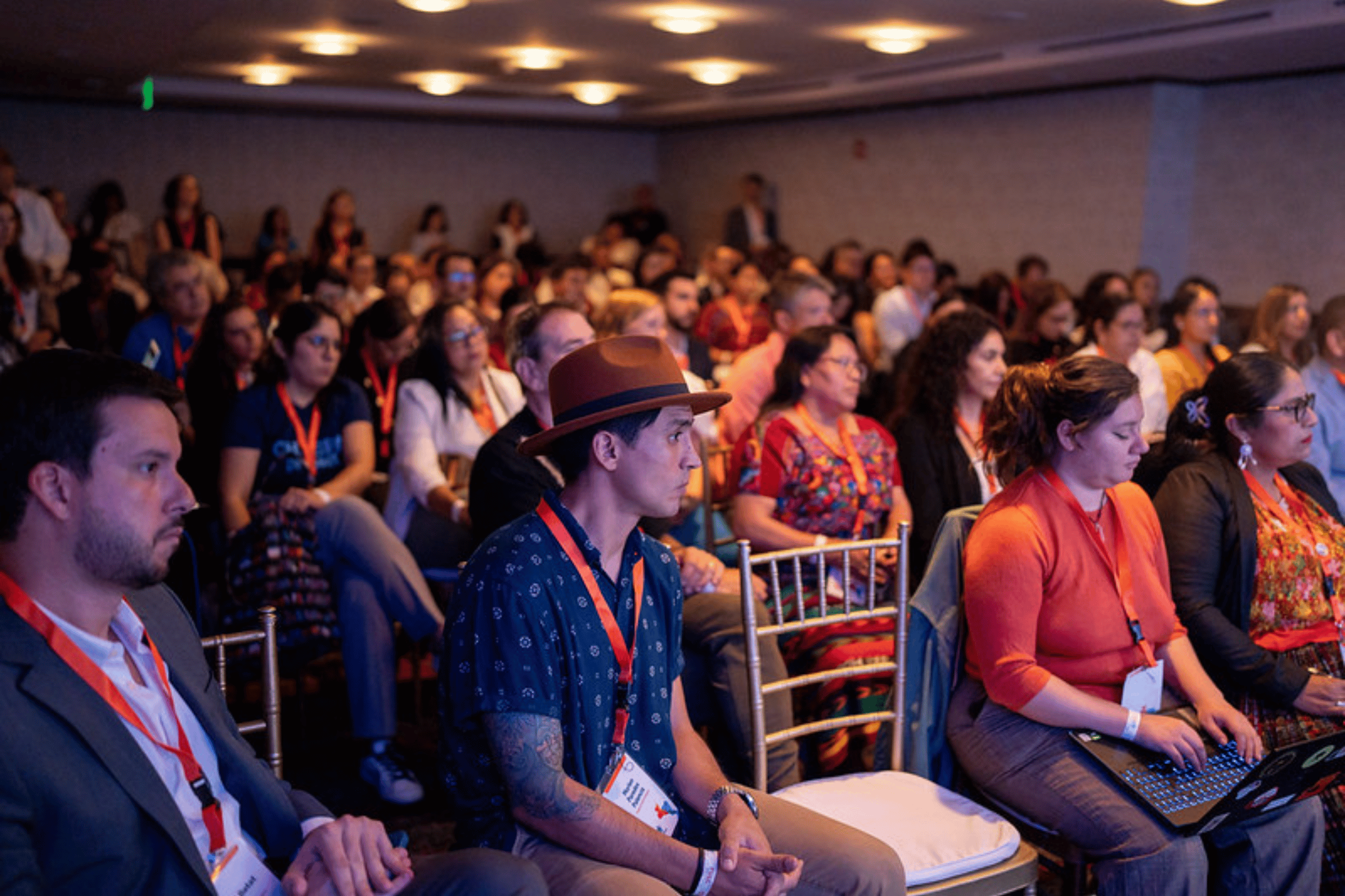
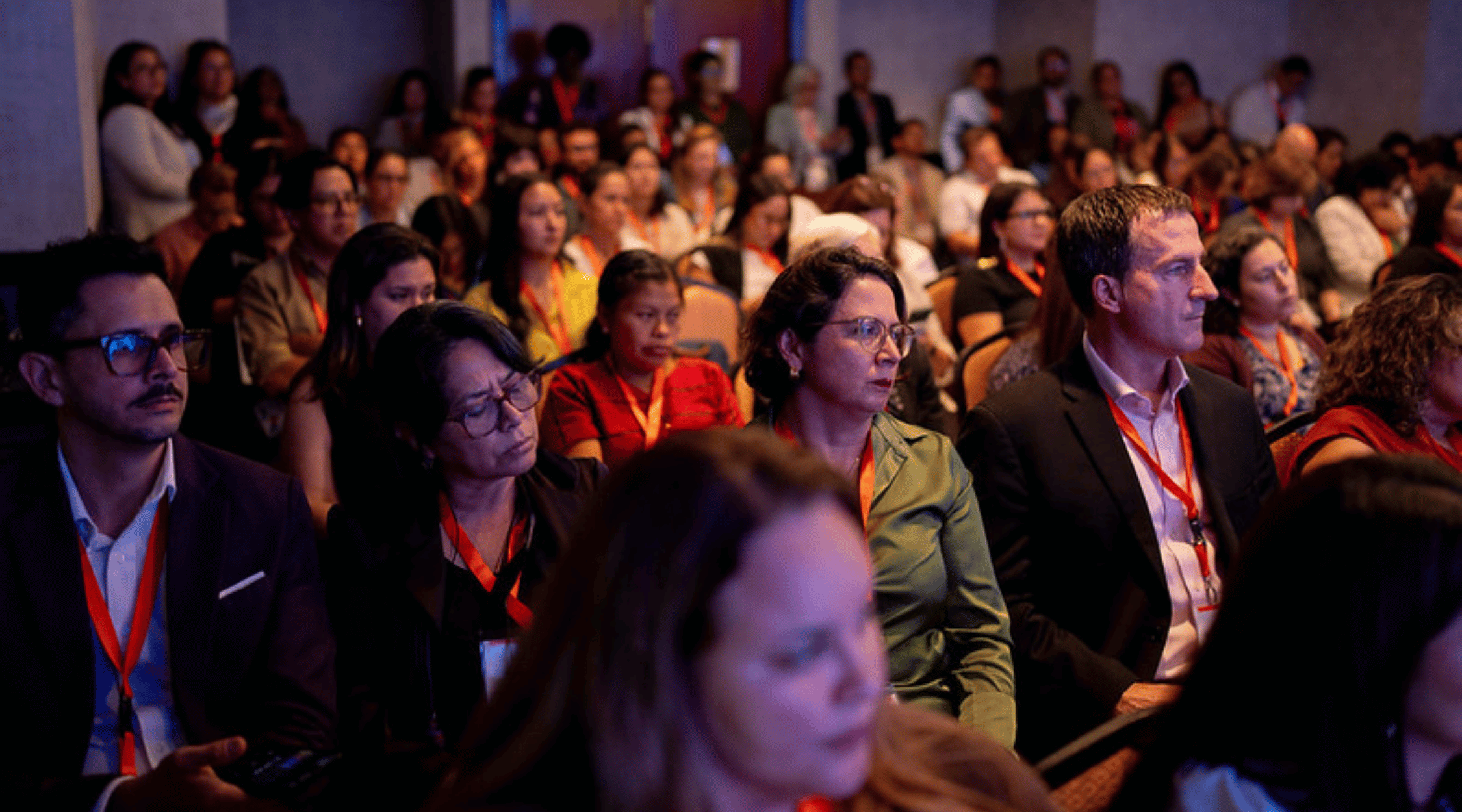
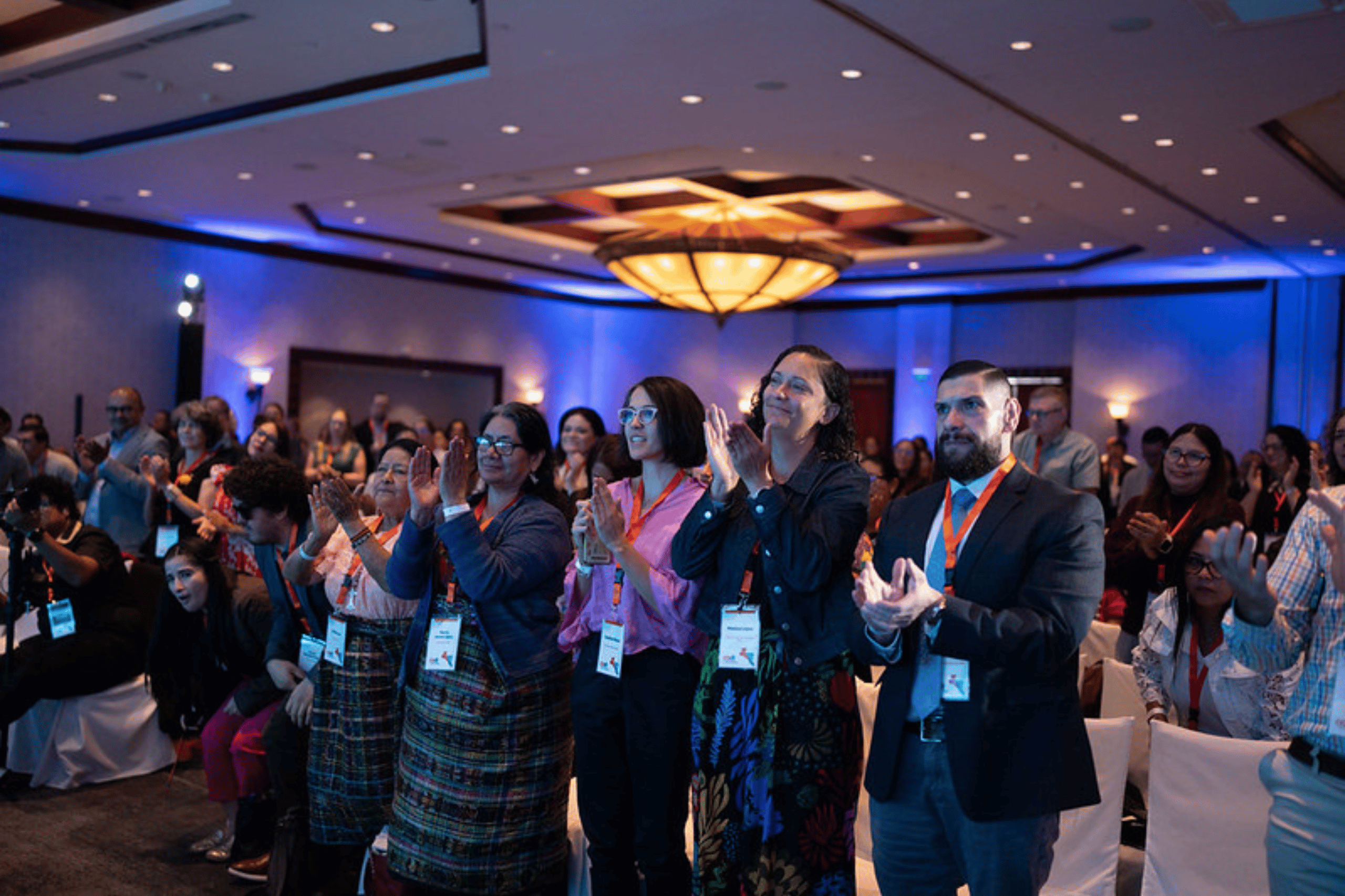
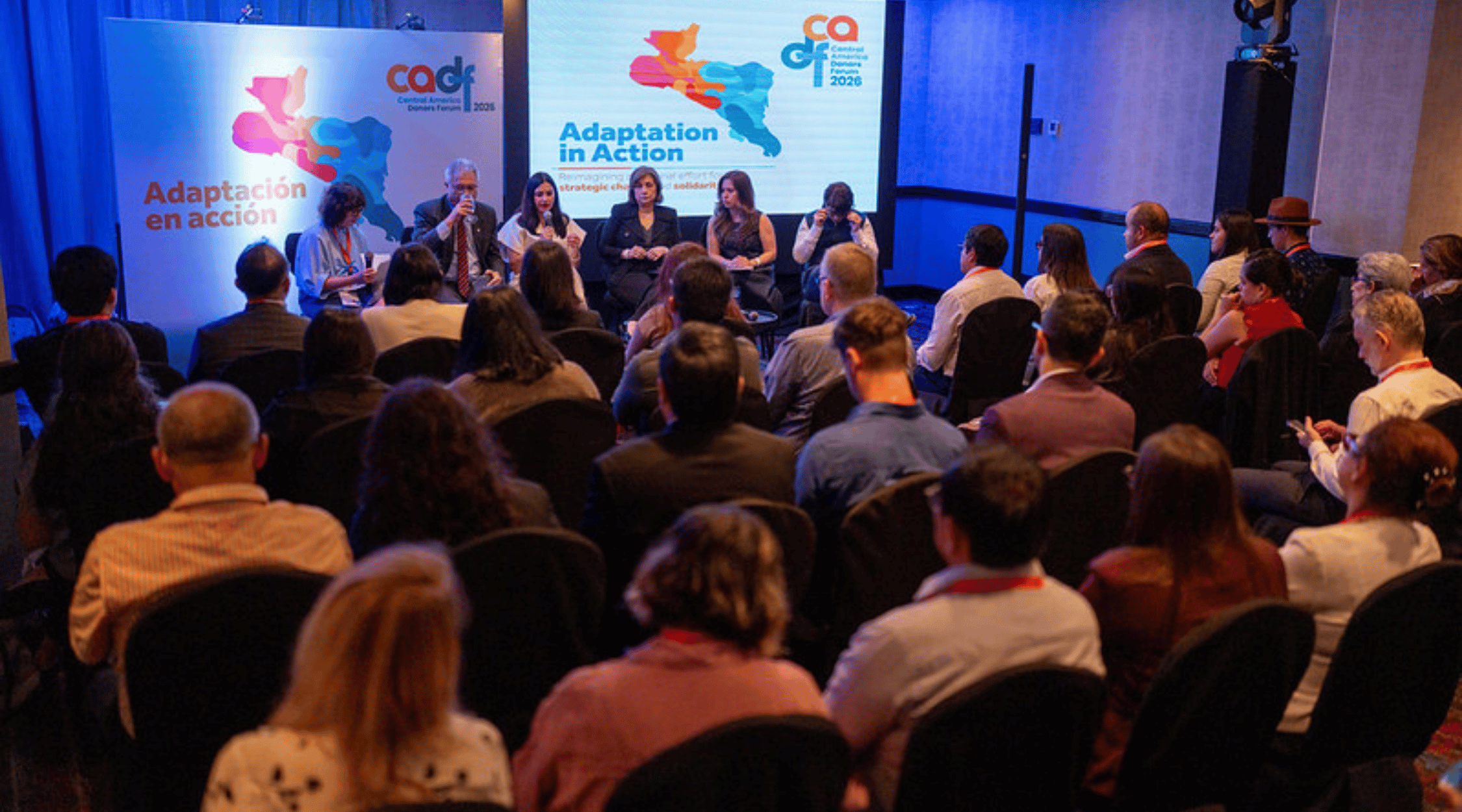
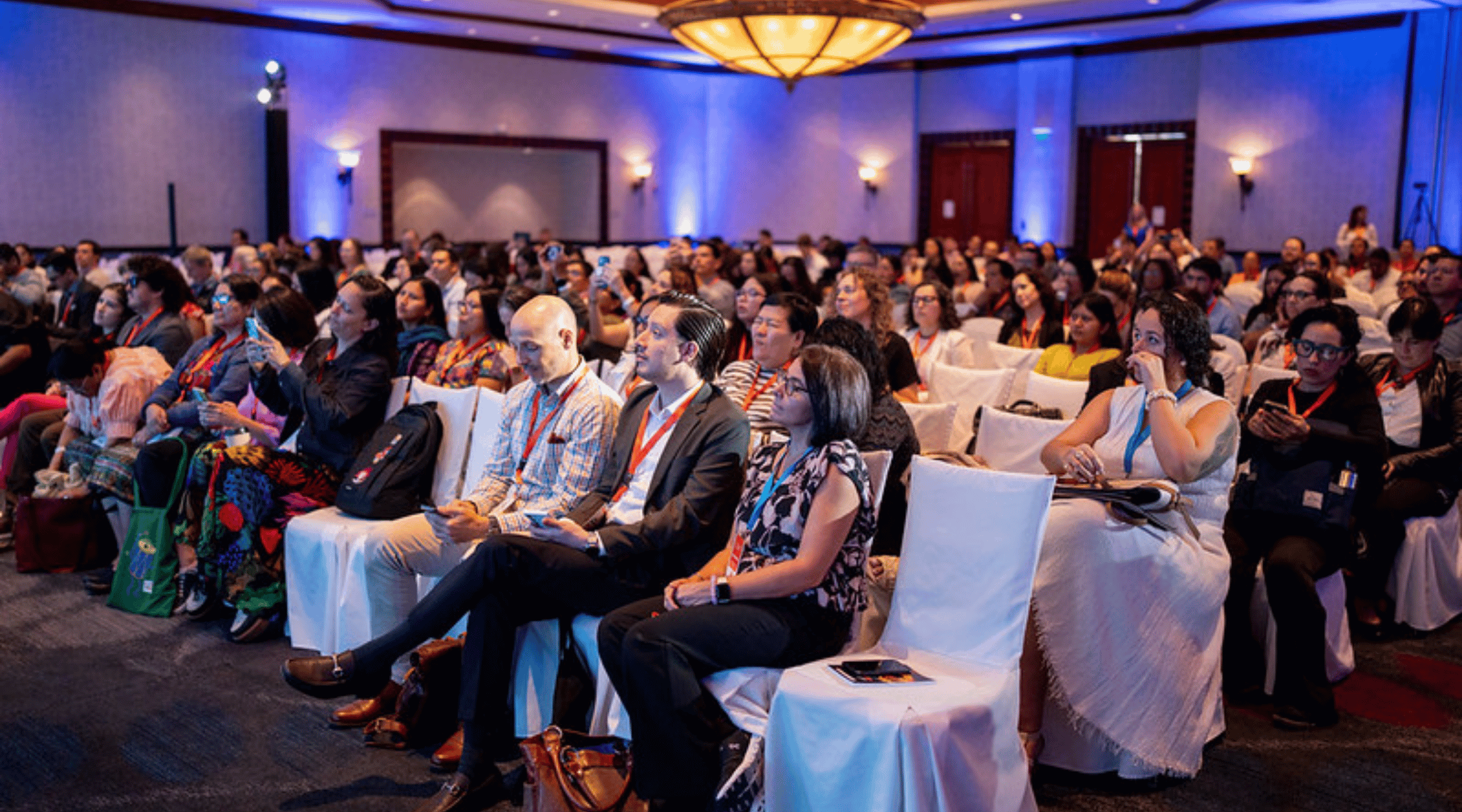
The 2026 Central America Donors Forum brought together 897 participants from 27 countries and 486 organizations in Guatemala City.
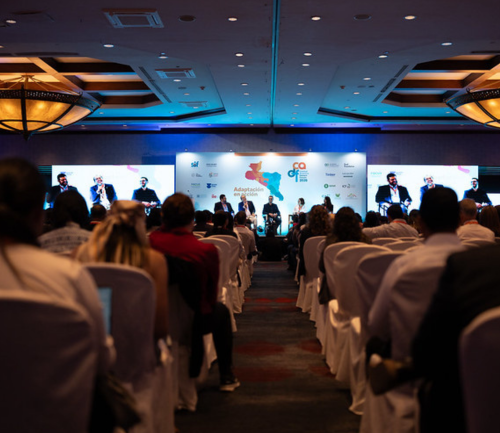
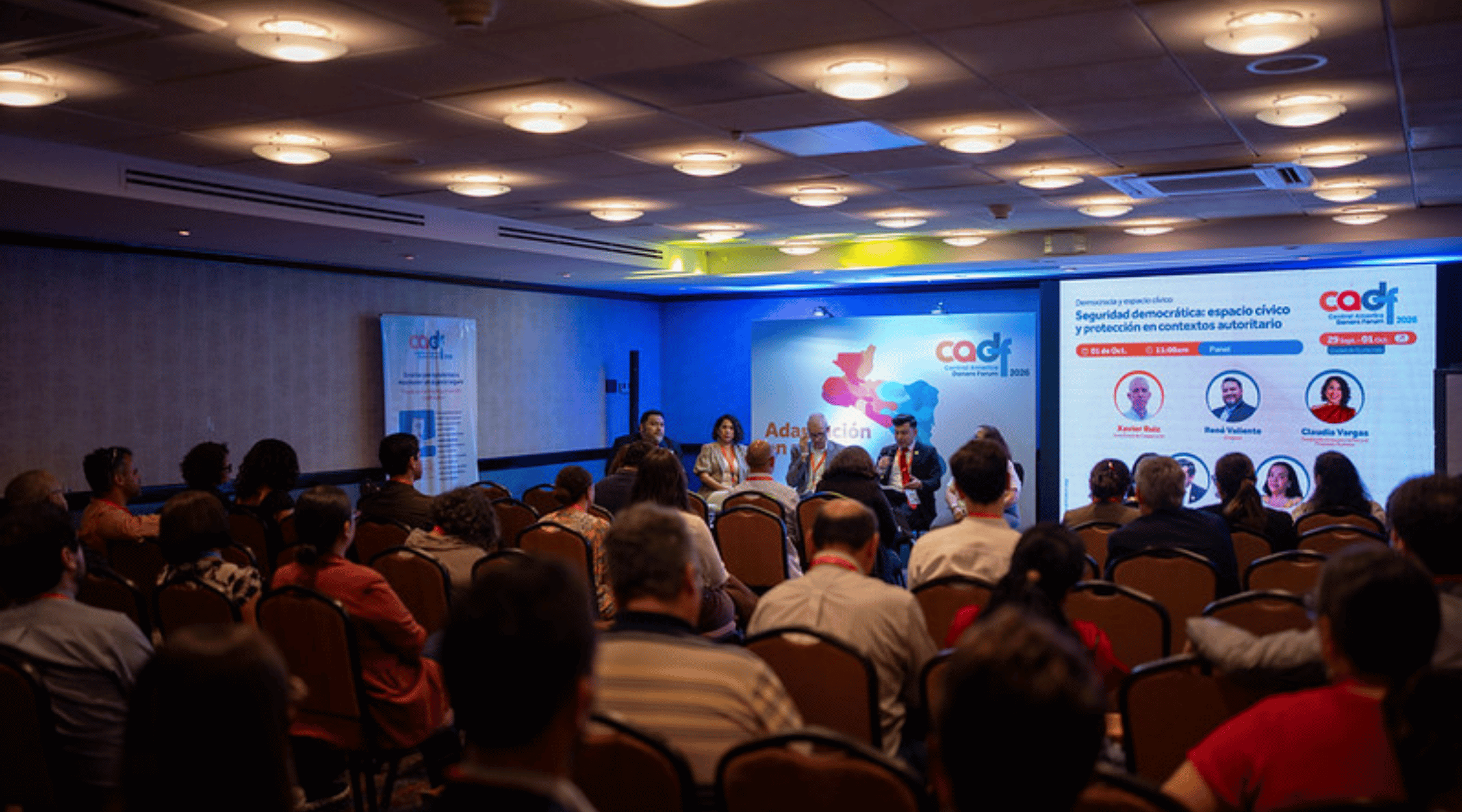
Centered on the core theme of “Adaptation in Action,” CADF 2026 hosted over 60 sessions structured around four primary tracks: Democracy & Civic Space, Education & Inclusive Economies, Environment & Territory, and Adaptation & Sustainability. These sessions directly addressed the region’s shifting funding landscapes, anti-democratic pressures, the ongoing crises of forced displacement and exile, and participatory approaches to documenting the impacts of climate change.
Over the course of CADF 2026, panelists and participants emphasized the urgency of rethinking traditional strategies to sustain civil society by forging stronger, trust-based partnerships between funders and grassroots leaders. Key discussions focused on financing climate adaptation at scale, decolonizing and democratizing philanthropic models, and building cross-sector alliances to support independent journalists, human rights defenders, and indigenous organizers in their pursuit of equitable and inclusive regional prosperity.
Below is a summary of the key highlights from CADF 2026.
The CADF 2026 agenda featured more than 60 sessions, including panels, workshops, roundtable discussions, site visits and many networking opportunities.
View full 2026 agenda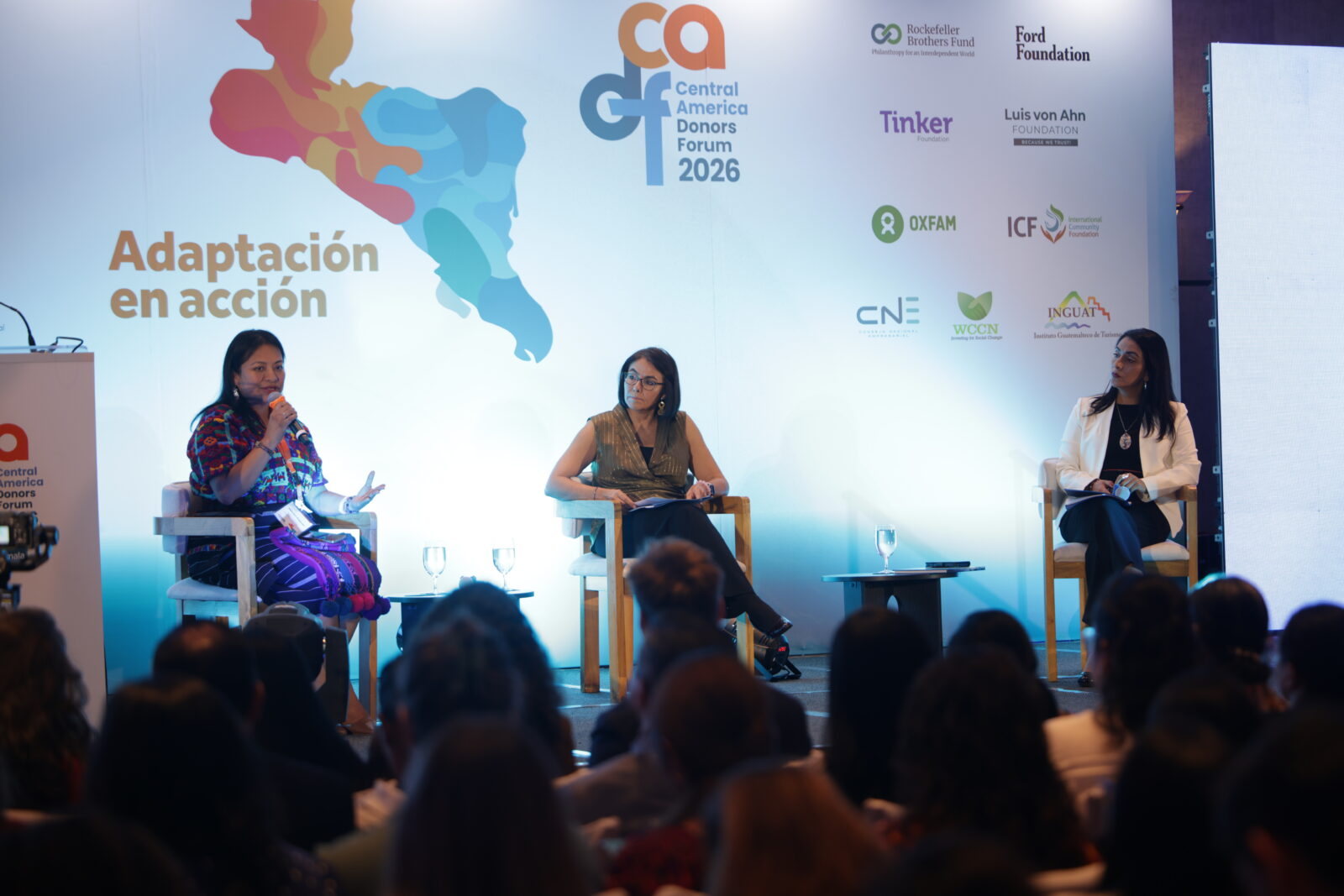

Check out clips and highlights from the official 2026 Central America Donors Forum video.
Thank you for clicking into the 2026 Central America Donors Forum (CADF) wrap-up report. Each year, Seattle International Foundation (SIF) has the honor of hosting CADF, a unique gathering that brings together hundreds of leaders and experts from civil society together with representatives from philanthropy and the public and private sectors to discuss development, justice and equity in the region.
Over the course of 3 days, CADF 2026 gathered 897 leaders from 492 unique organizations. The CADF 2026 audience arrived from 27 countries and included 180 speakers.
Check out additional key metrics below.
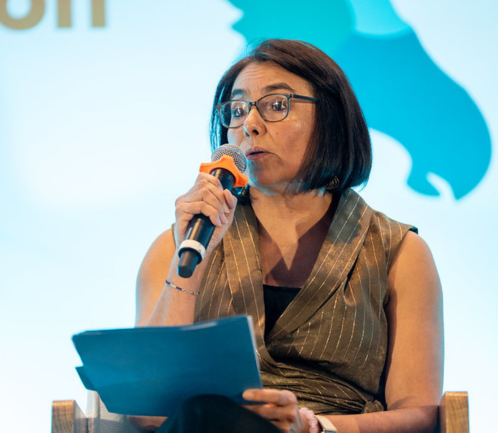
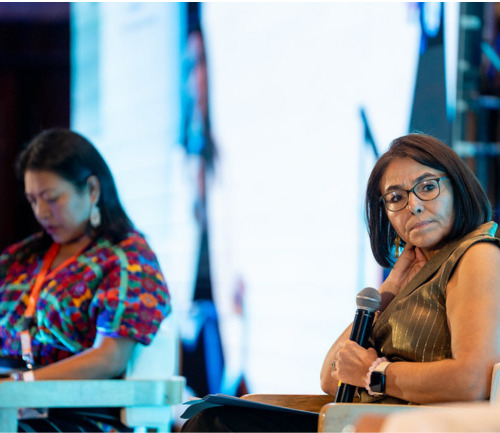
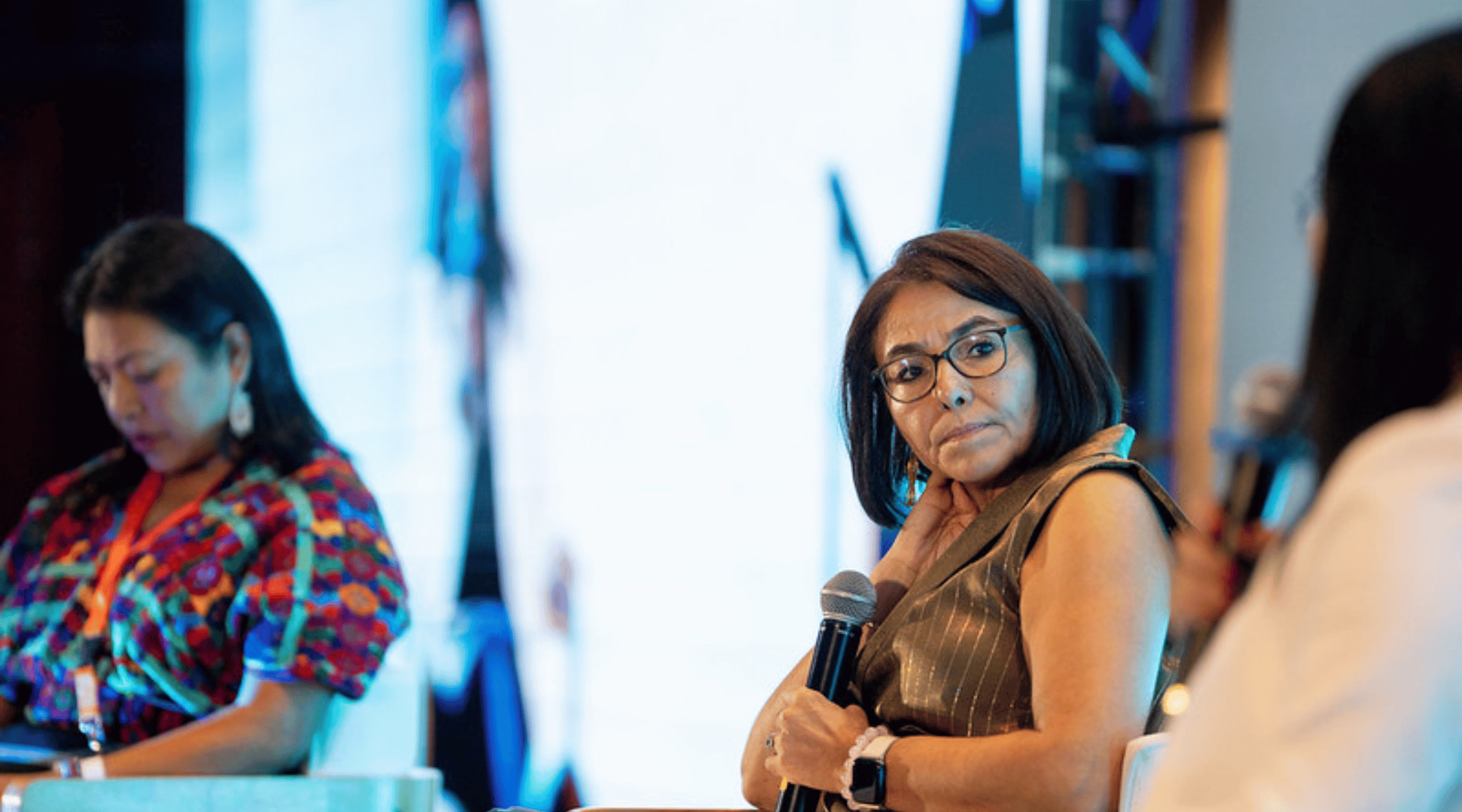
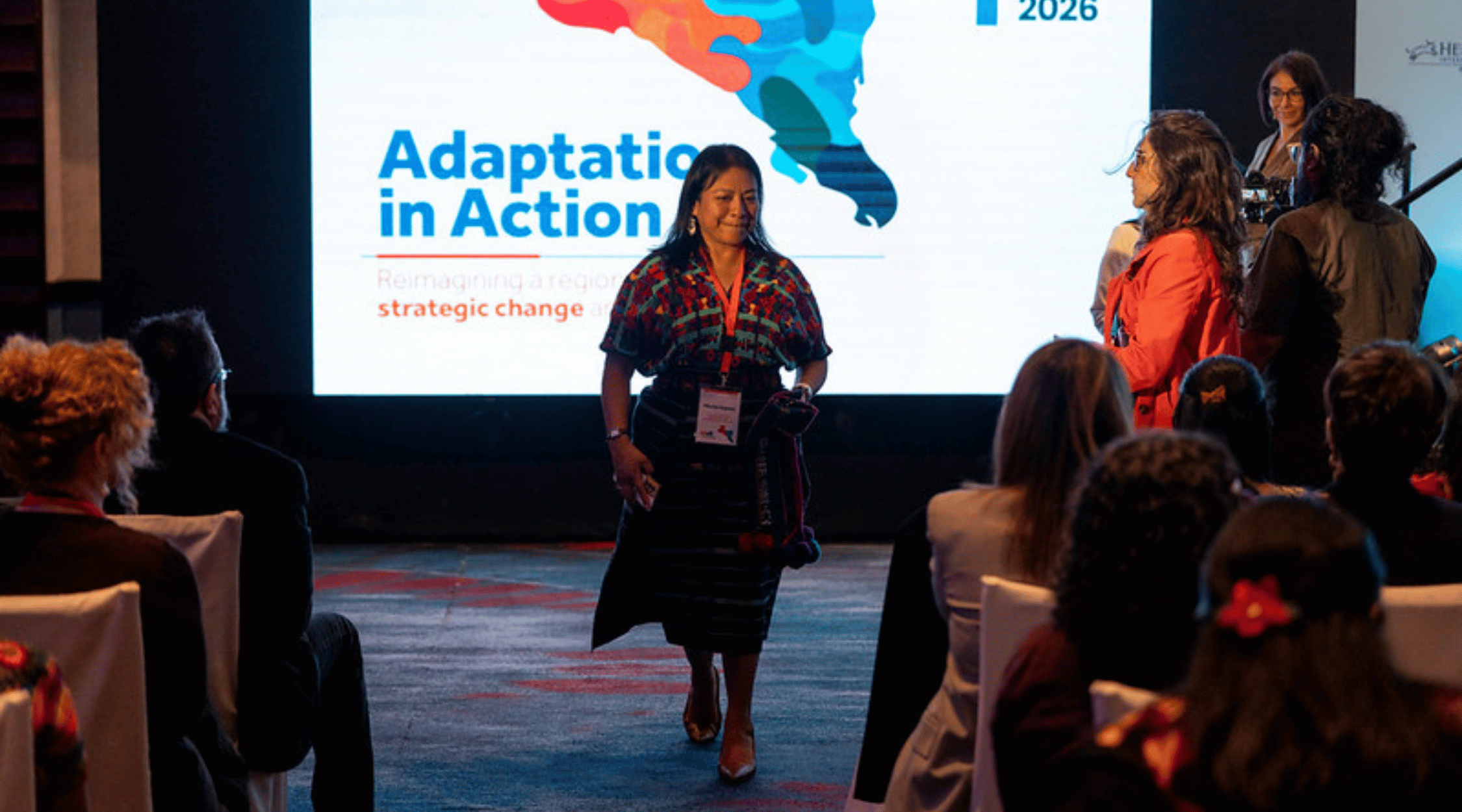
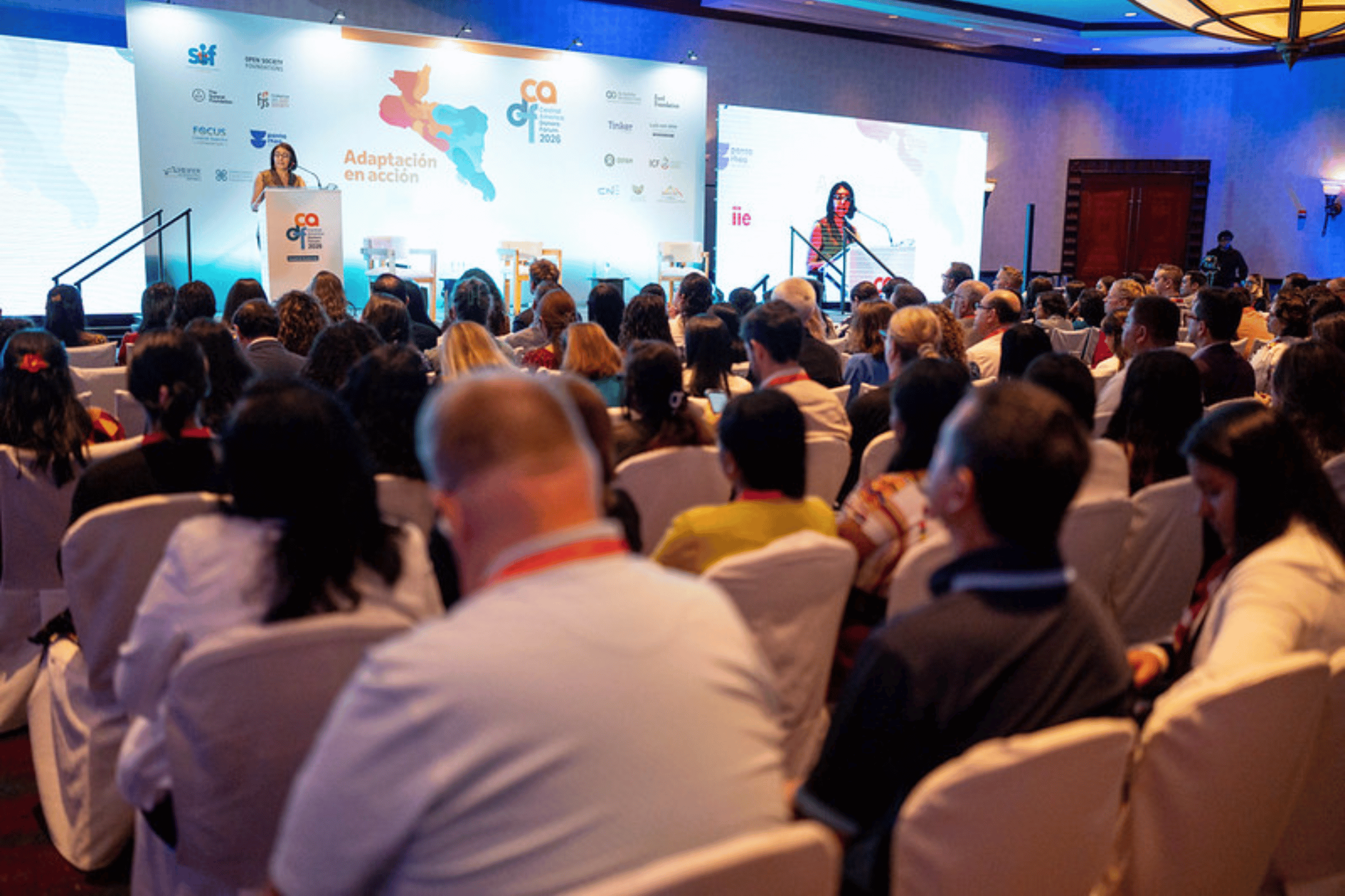
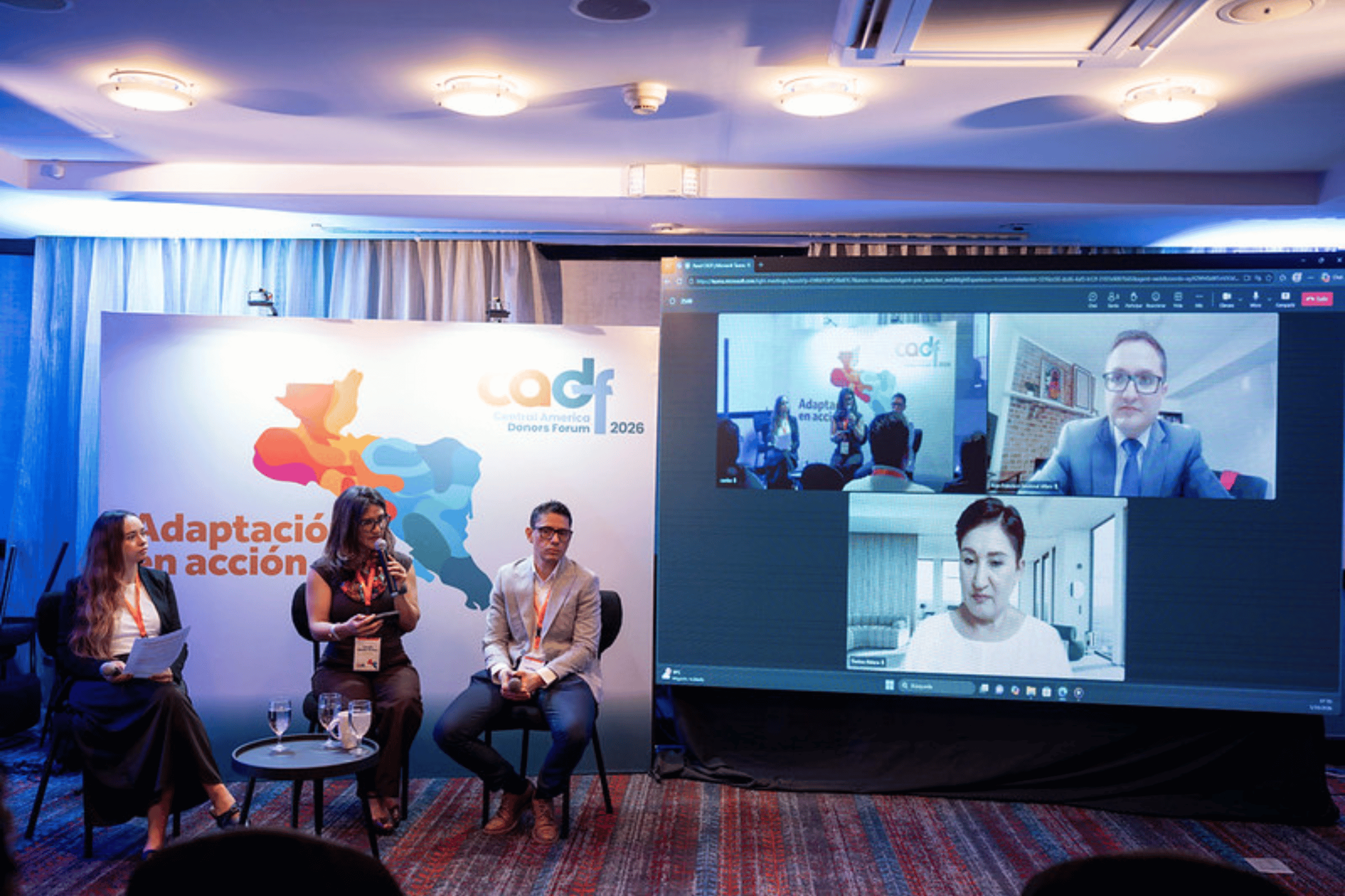
The opening of the 2026 Central America Donors Forum (CADF) focused on joint responses to shrinking civic spaces and democratic backsliding in the region. Adriana Beltrán inaugurated the event, celebrating organizational resilience under the theme “Adaptation in Action.” During the session, Presidential Undersecretary Mónica Mazariegos and Indigenous leader Milvian Aspuac analyzed Guatemala’s political transition under the Arévalo administration, highlighting the significance of monthly assemblies with ancestral authorities at the National Palace.
Both speakers discussed legislative progress, including the reform of Article 30-B of the Organic Budget Law, which now allows the state to invest public funds in communal lands. However, Aspuac noted that formidable historical barriers remain, citing the ongoing persecution of land defenders and deep distrust toward economic ministries. The session concluded by emphasizing that free, prior, and informed consent is a fundamental, non-negotiable right for building true social justice in the country.
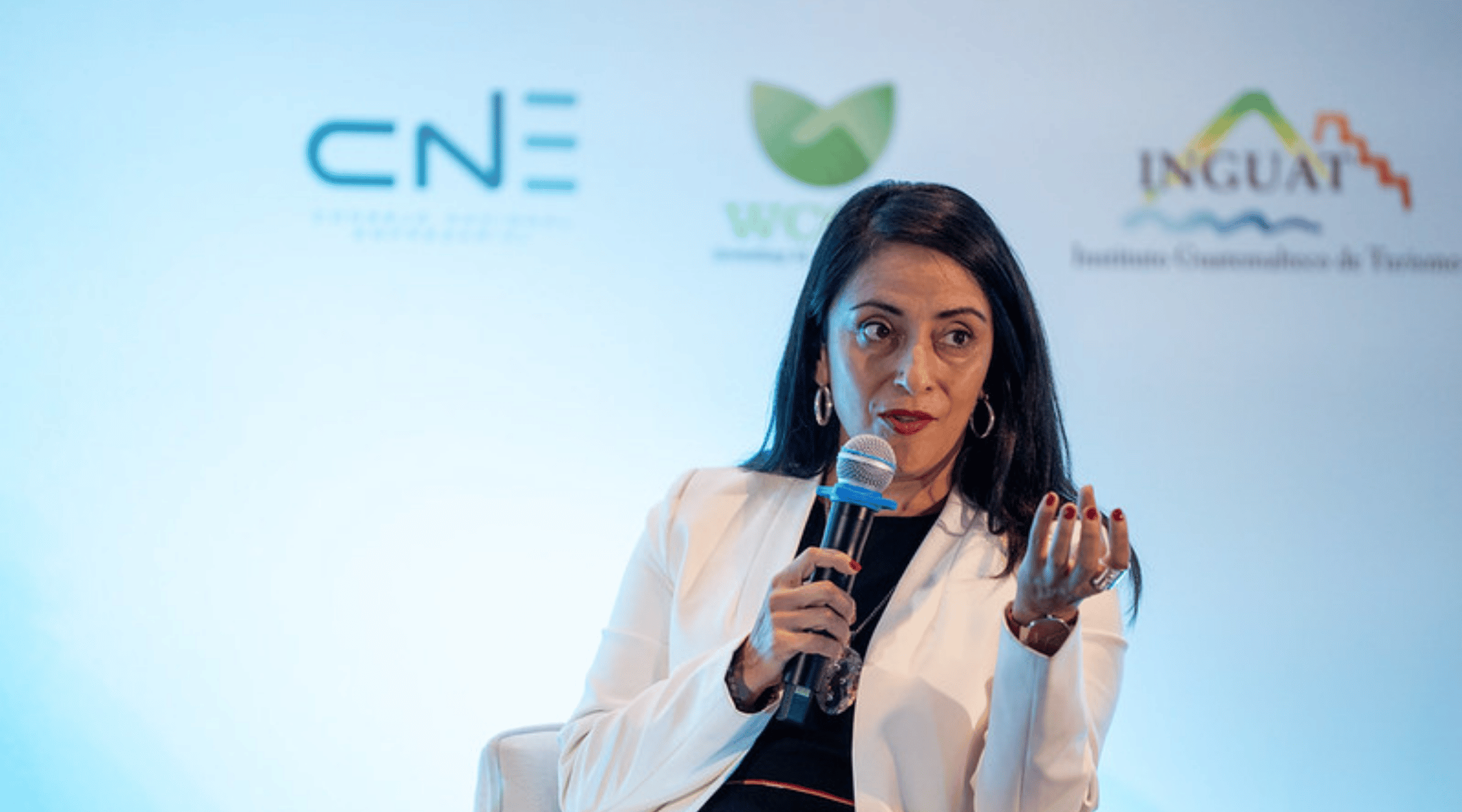
Seattle International Foundation (SIF)
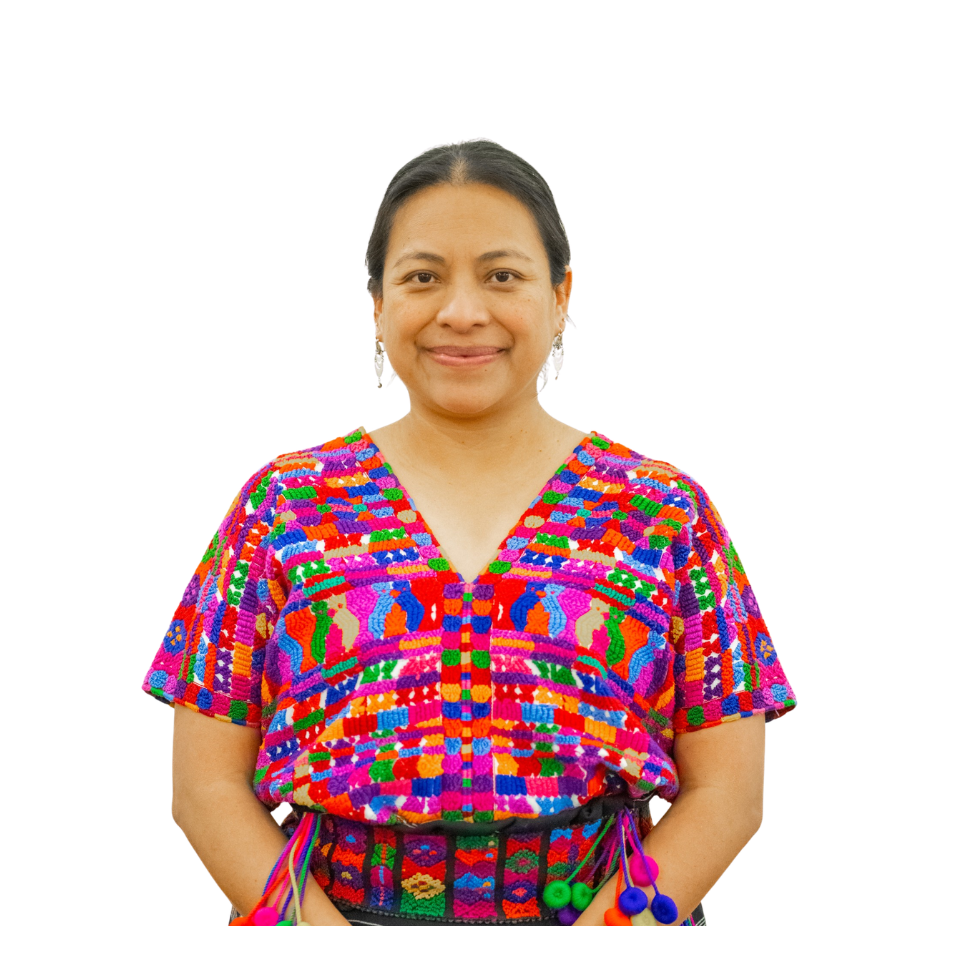
Council of Ancestral Authorities and Custodians of the Title of Santiago Sacatepéquez
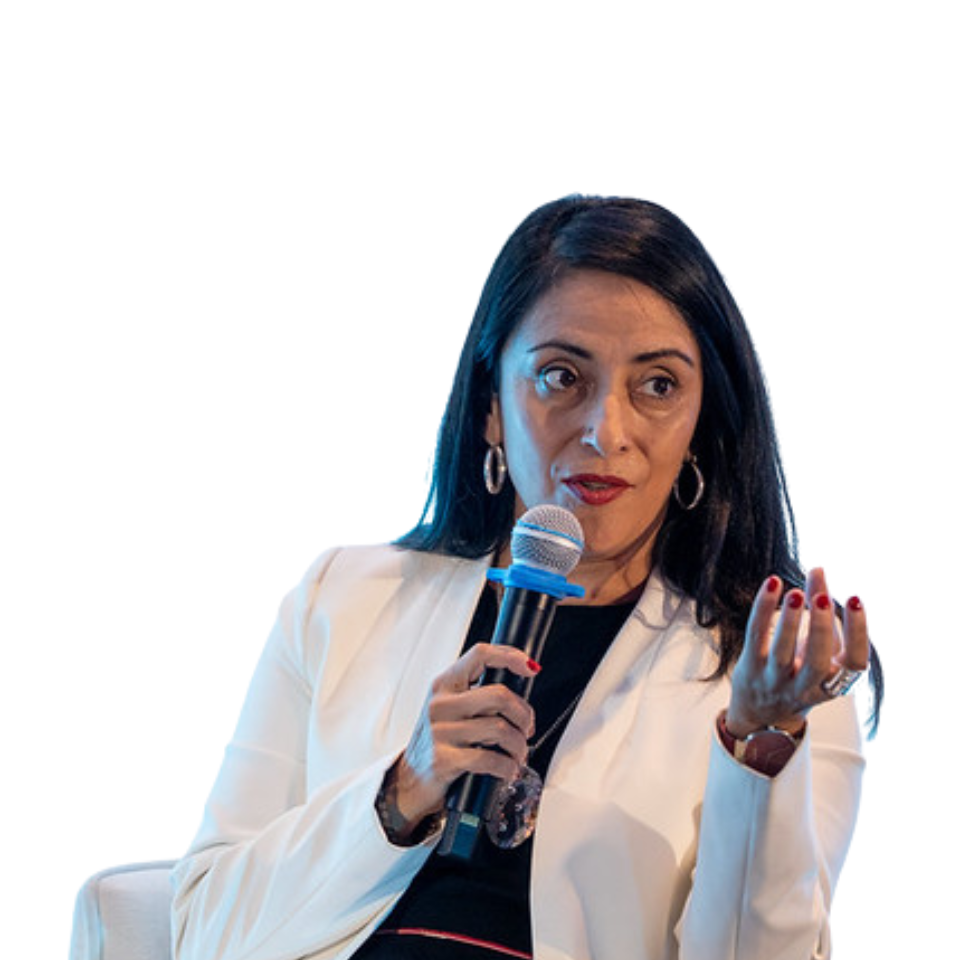
Private Secretariat of the Presidency of the Republic of Guatemala
"Dialogue for Indigenous peoples, and especially for the concept of authorities to which I belong, has been a historic opportunity to converse. It is not an end; dialogue is merely a means."
"At the National Palace, which is the center of power, monthly sessions are held with Indigenous and ancestral authorities. This positions the dialogue with Indigenous peoples as a high-level dialogue from the outset."
"Racism still permeates the minds of many officials, and consequently, proposals coming from Indigenous peoples are considered not thoroughly thought out."
"The lack of consultation has practically been the cause of a significant portion of the problems. Consultation is a tool for dialogue, not a plebiscite."
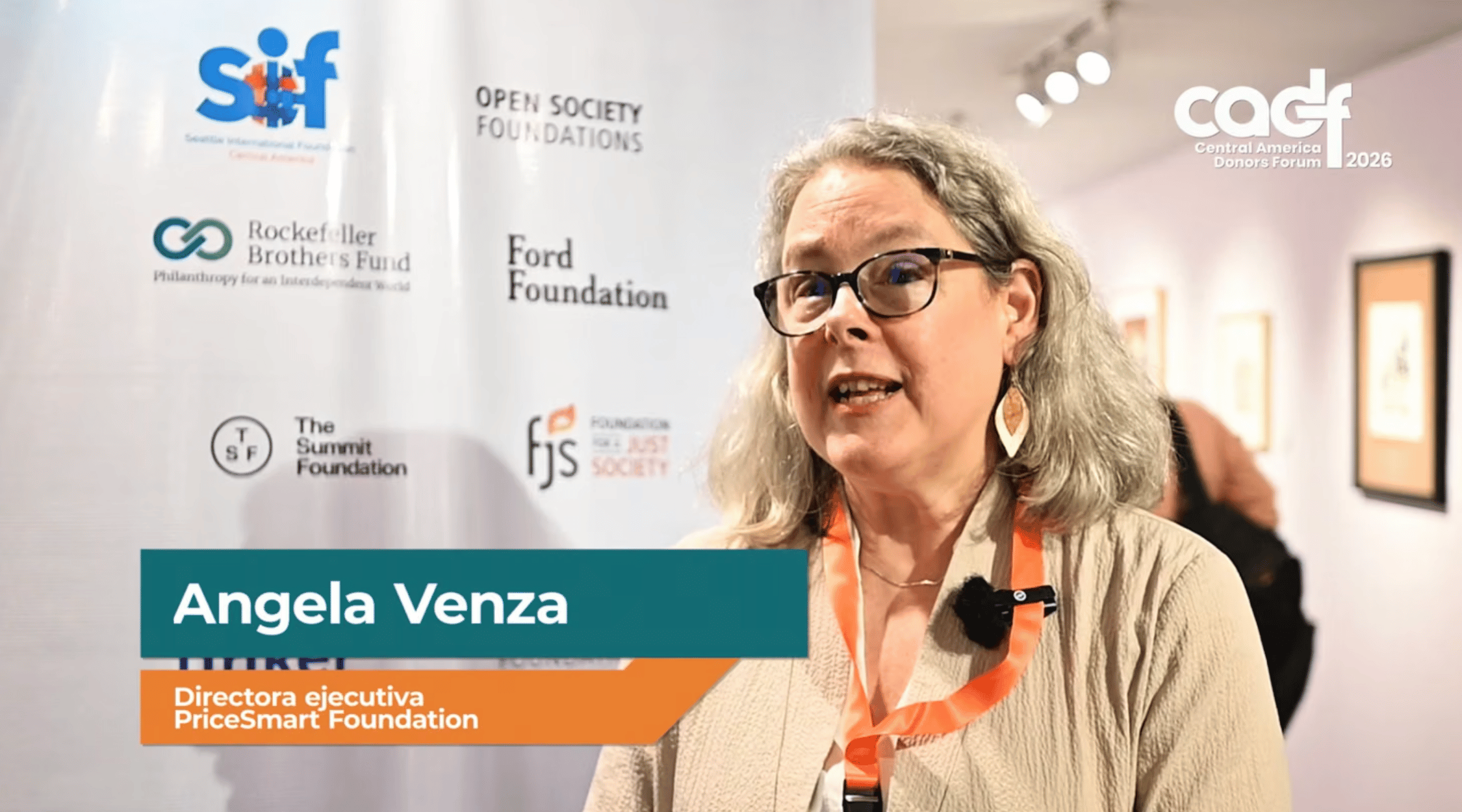
“Our work at the PriceSmart Foundation depends a lot on alliances, sharing information and exchanging ideas with other organizations. There are many donors who are also working in the region, and fortunately there is a group working in Central America which collaborates well together. It’s also important to be able to understand the issues that the region is facing, and it’s worth listening in a holistic way about the trends and challenges. This [space] is very helpful to increase and nourish our work.”
Angela Venza, Executive Director, PriceSmart Foundation
Various online news portals covered CADF 2026. The event was also widely shared on social media under the hashtag #CADF2026.
We are facing a paradigm shift in the work of defending human rights and building democratic infrastructure. This new reality has been marked by persecution, financial contraction, authoritarianism, and internal burnout. Panelists agreed that collaborative work is essential to taking meaningful action. In light of these technological and political shifts, the speakers highlighted the need to reconnect with local territories and audiences, listen to their needs, and produce knowledge grounded in their lived realities. Finally, they underscored the importance of trust-based philanthropy, fostering autonomy, and taking a long-term approach when addressing today’s challenges.

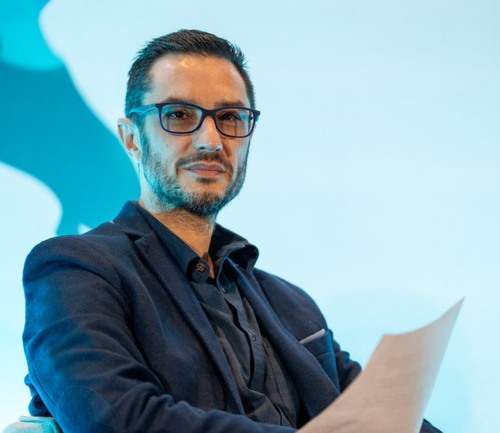

Casa Centroamérica
Agencia Ocote
Ford Foundation
José Simeón Cañas Central American University (UCA) El Salvador
Casa Centroamérica
“We, the people who sustain these causes, are also part of the democratic infrastructure. It is essential that a journalist, a human rights defender, or an exiled person be able to live with dignity, rest, think, learn, and remain safe while doing their work. There is no sustainable democratic infrastructure with people who are perpetually exhausted and living in precarious conditions.”
“Even though times change, I believe the challenge is not in altering who we are or our mission, but in finding ways to continue being who we are, despite the anguish, pain, worries, or exhaustion.”
“The essence of journalism remains important, but we suddenly need to seek out other forms of communication that build closeness and community with our audiences.”
“It turns out that nowadays, authoritarianism does not stem from a coup, but from elections. That throws us off, because our way of understanding the world comes from a model from the 80s. But today, that is probably not what we need.”
“Collaboration isn't built over coffee; it is built through working together. We have many experiences with these multidisciplinary collaborative efforts, and they turn out to be the most satisfying parts of our work.”
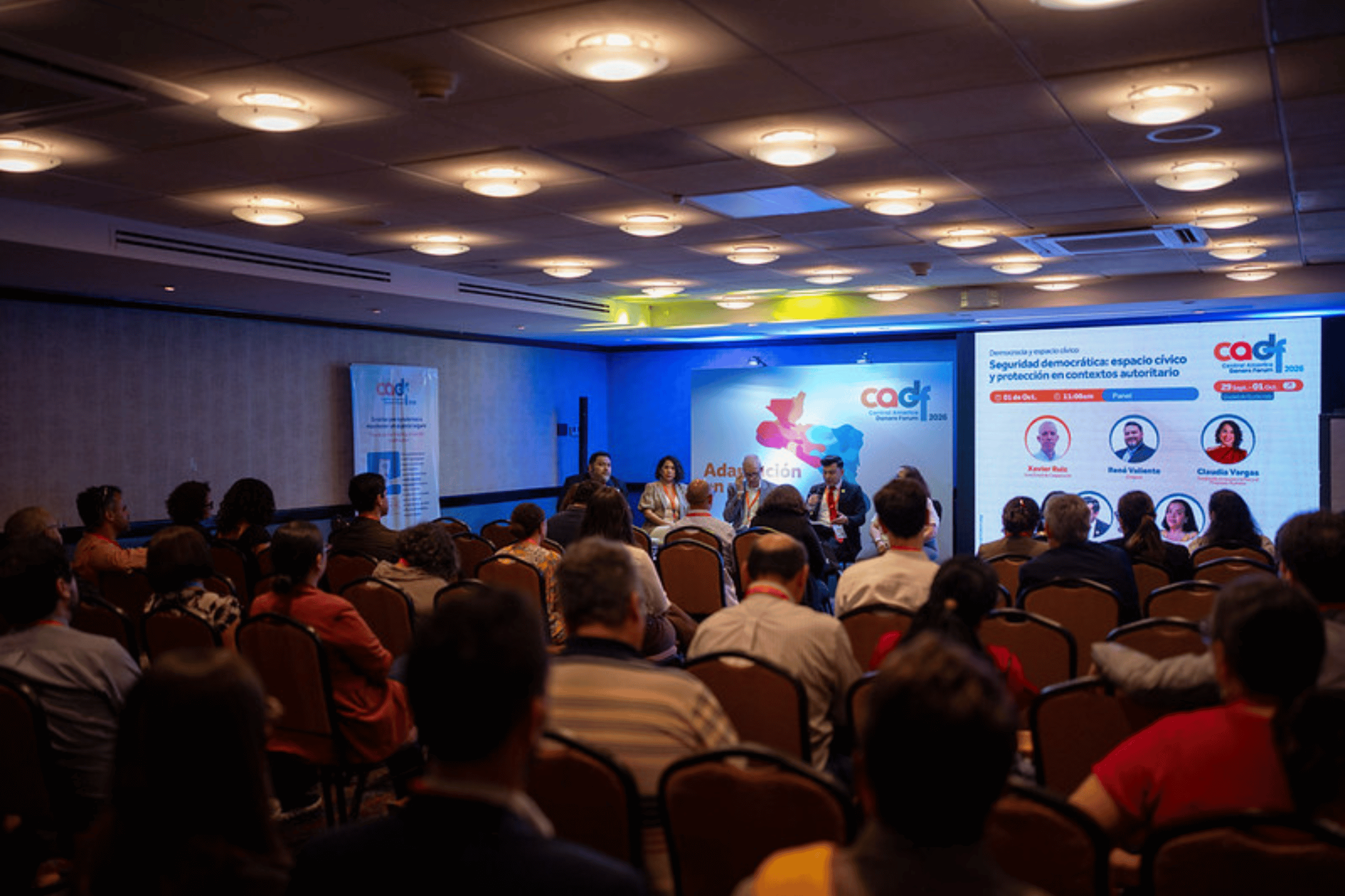
Why has the idea that democracy is an obstacle to security taken root? What can civil society, journalism, and philanthropy do about it? This conversation began by addressing a disconnect: violence has decreased in several countries, but the public does not perceive it. This gap fuels support for authoritarian solutions, especially where there is already a deep distrust of institutions, such as in Guatemala. In response, panelists argued that security is built through in-depth investigations, independent institutions, prevention, and tracking criminal money. While there are success stories, they are not being shared; therefore, taking action is not enough—we must also become better storytellers. Within this framework, philanthropic organizations were urged to support institutions that restore public trust by solving serious crimes, a press that exposes corruption, and a civil society that champions these processes.
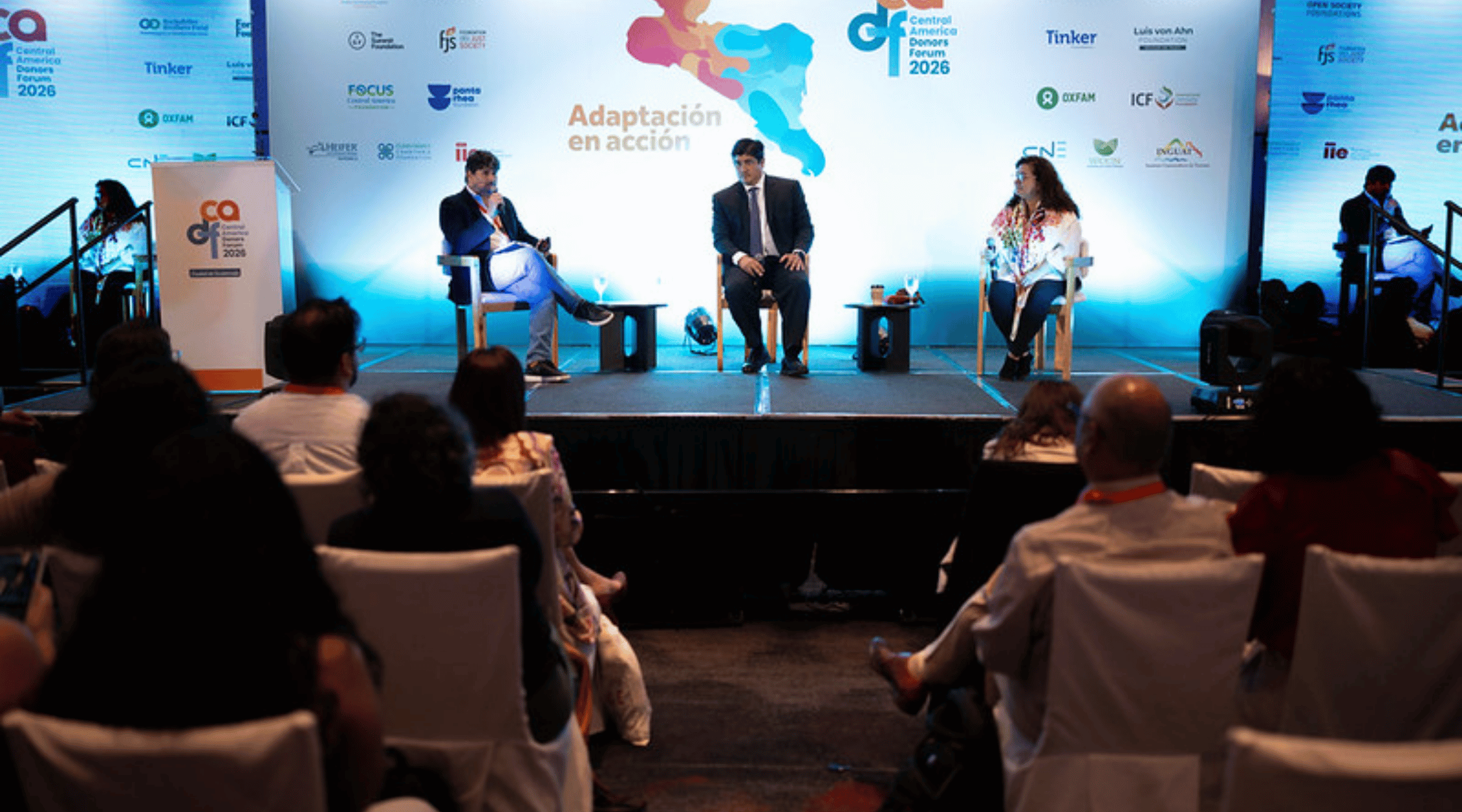
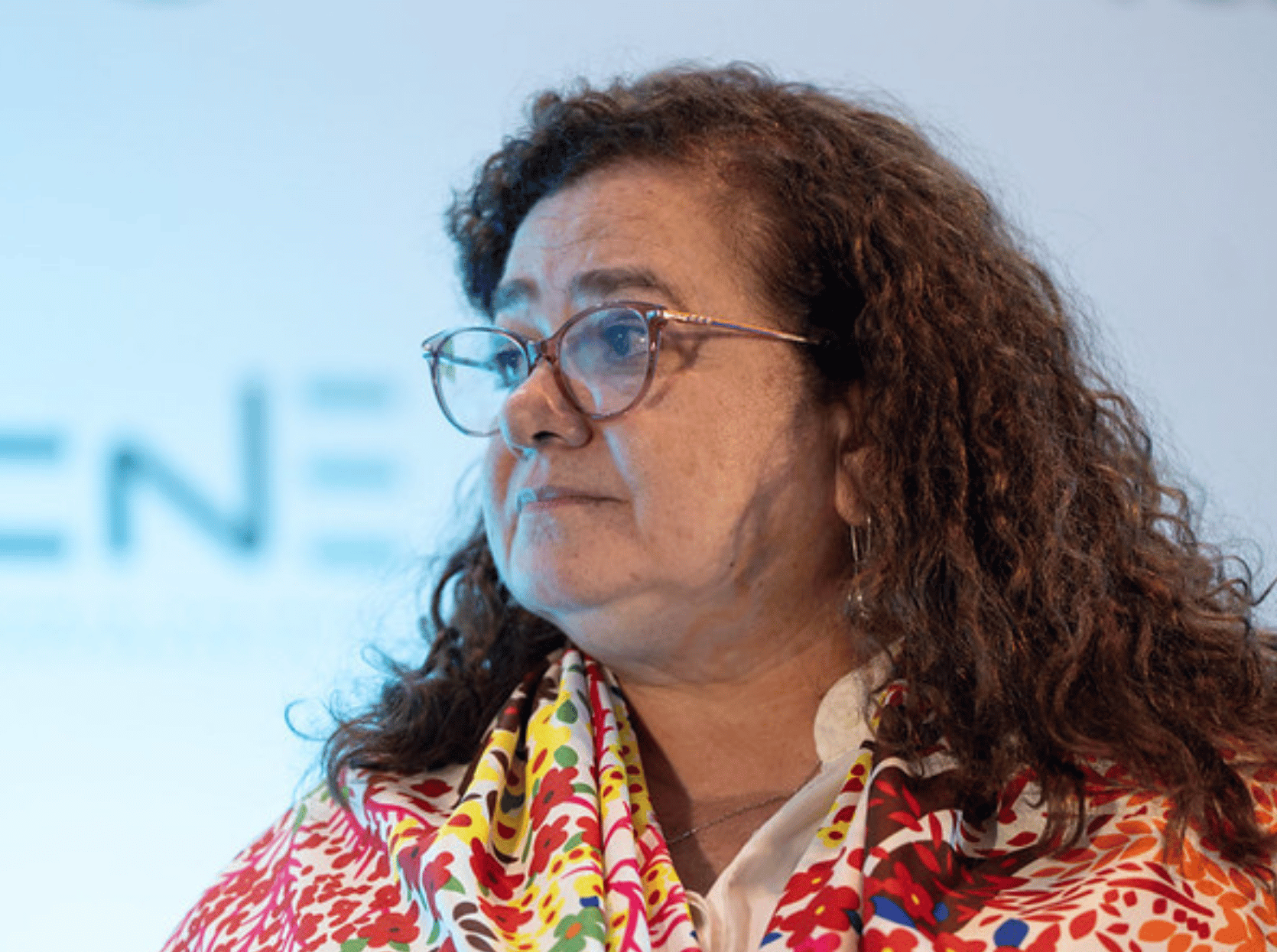
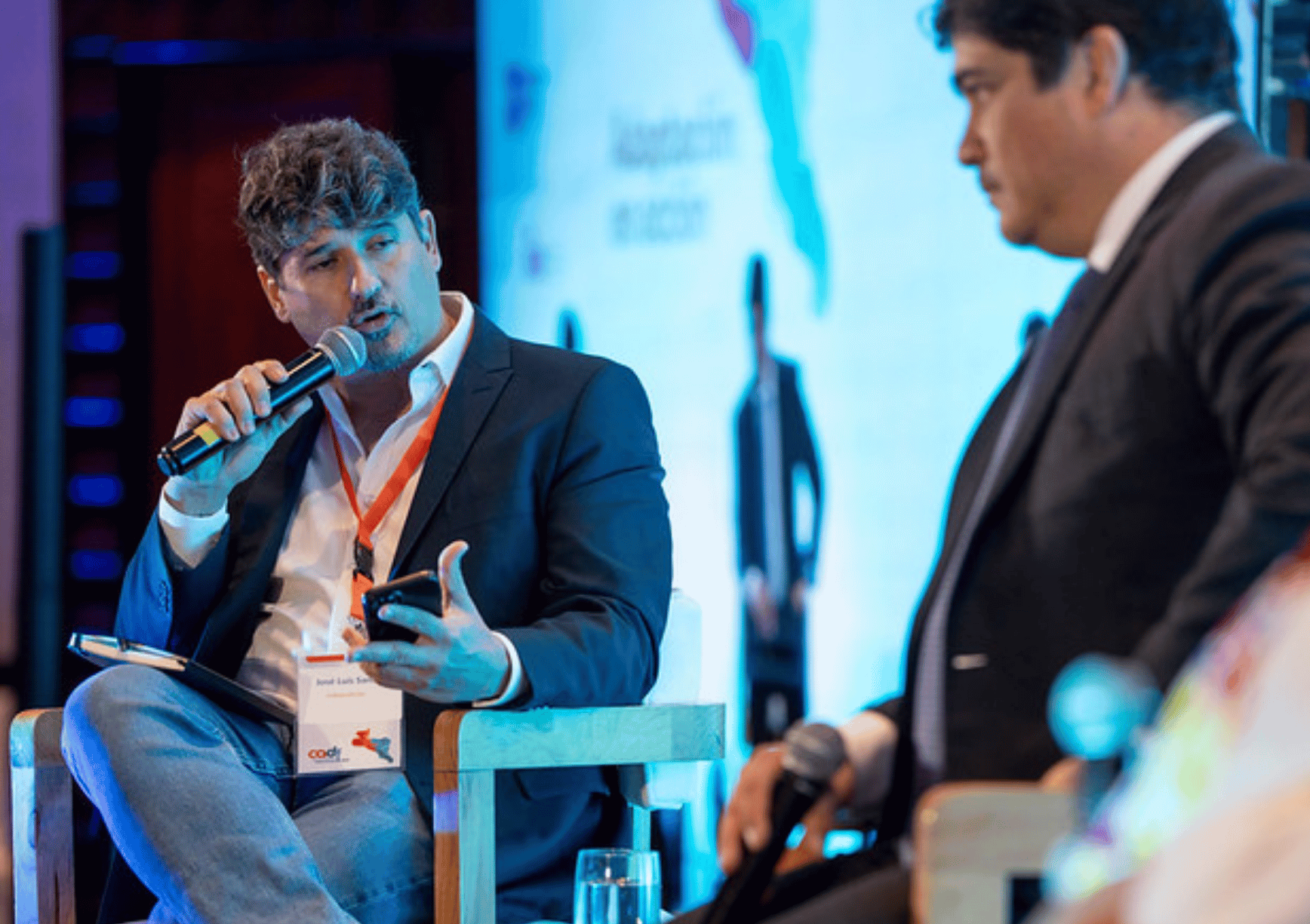

Former President of Costa Rica
Former Attorney General of Guatemala/Center for Justice and International Law (CEJIL)
Independent Journalist
"The authoritarian model is not replicable in every country, but the narrative is. That is where we are competing: in how to convey to citizens that democracy can also provide them with security."
"For me, it is crucial to have capable and independent institutions. I would bet on investigative bodies that are technically capable and politically independent, that conduct in-depth investigations and regain the population's trust."
"We have to be better at taking action, and we have to be better at telling the story. Journalism is at the center of that(...) investigations do not penetrate beyond a bubble of a certain privilege. We have to bring that truth, with ethics and not fake news, to a sphere where today we are neither playing nor competing."
"Crime is an economic activity. There is a profit behind it: how the money moves, who launders that capital. Taking them out of the equation is also a very important preventative policy."
It is essential that human rights organizations make people understand the enormous costs of authoritarian policies(...) when we reach figures of 110 homicides, as happened in El Salvador, there must be a corruption factor. It cannot be understood any other way."
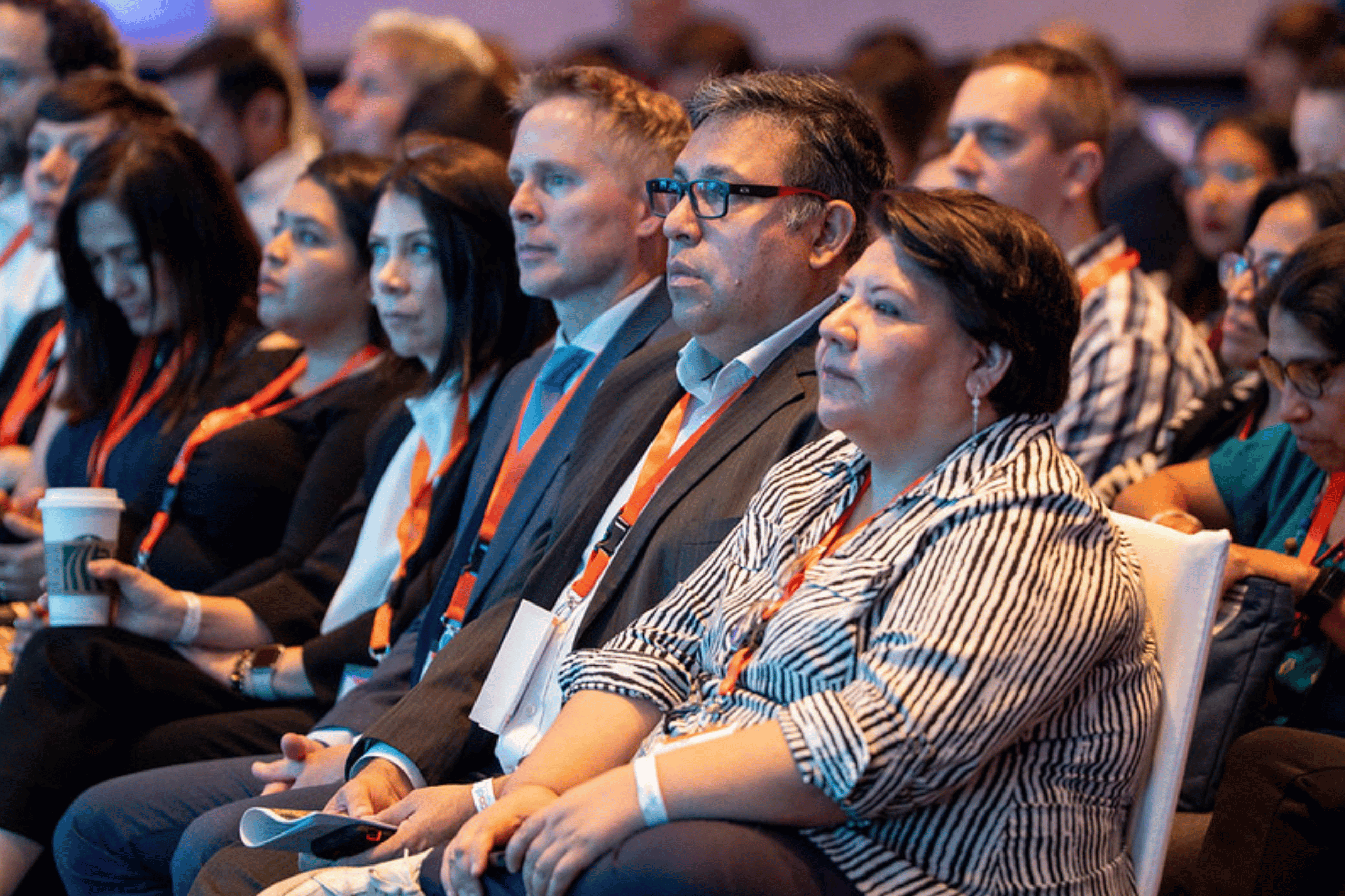
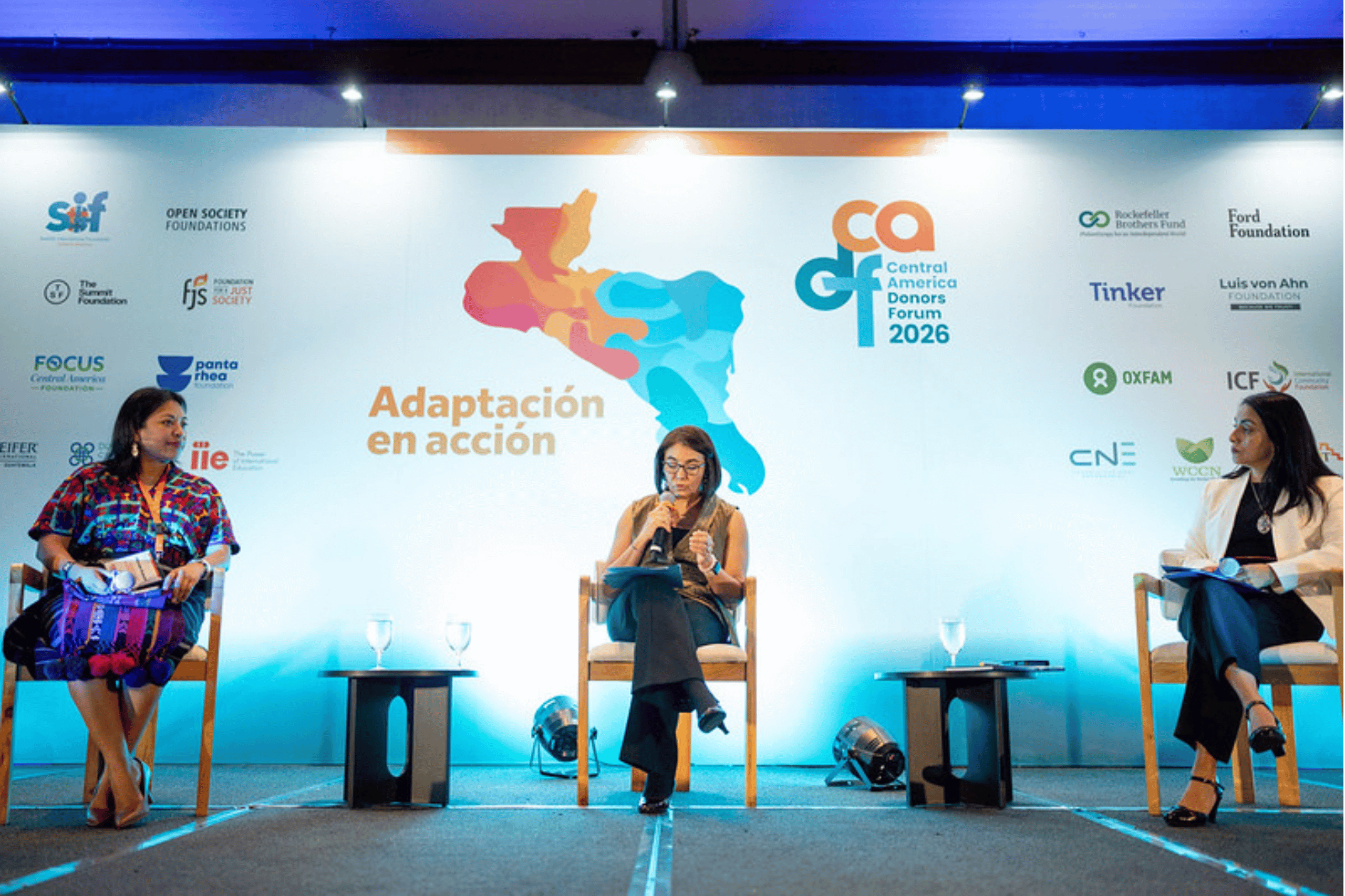
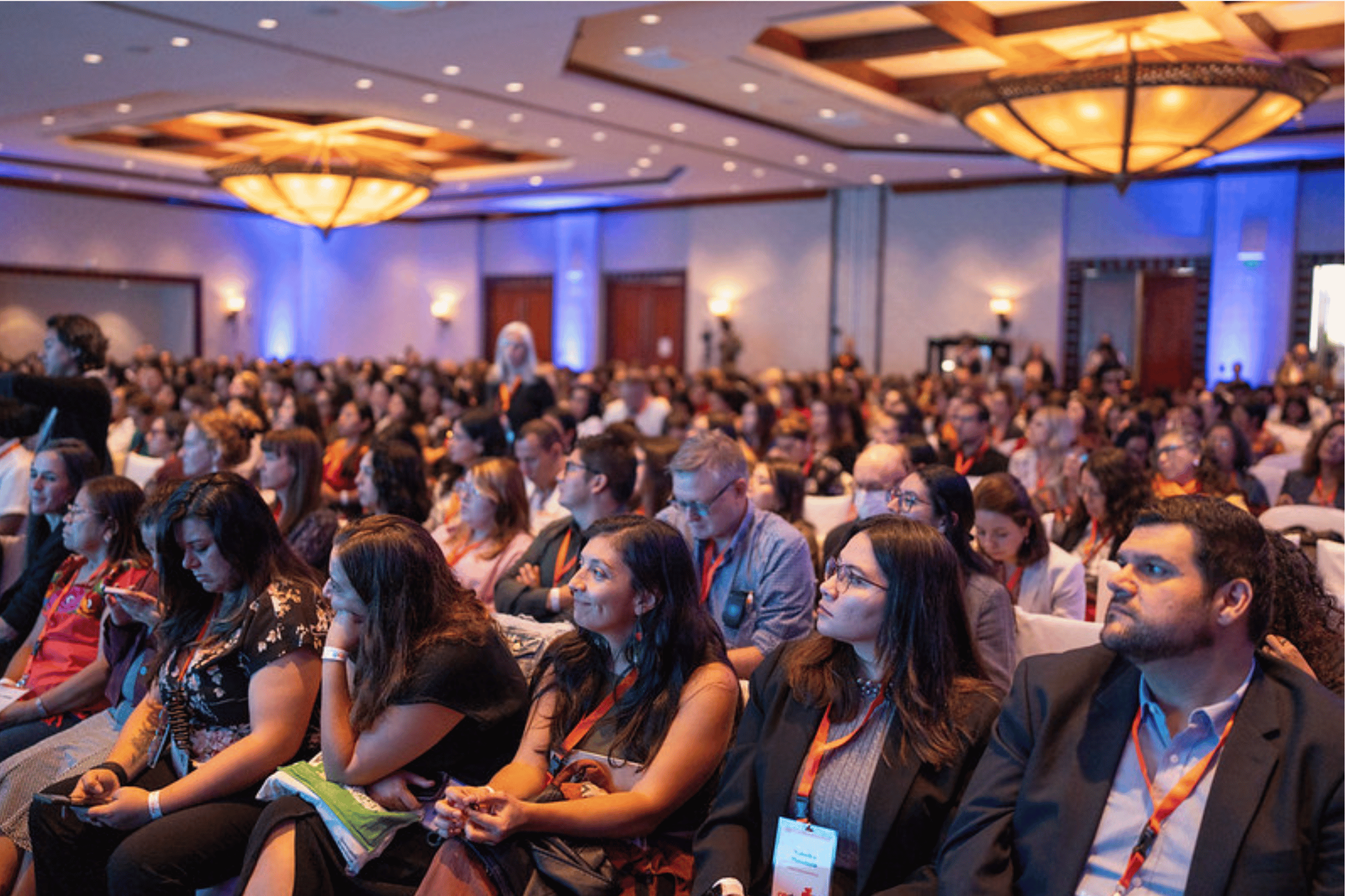
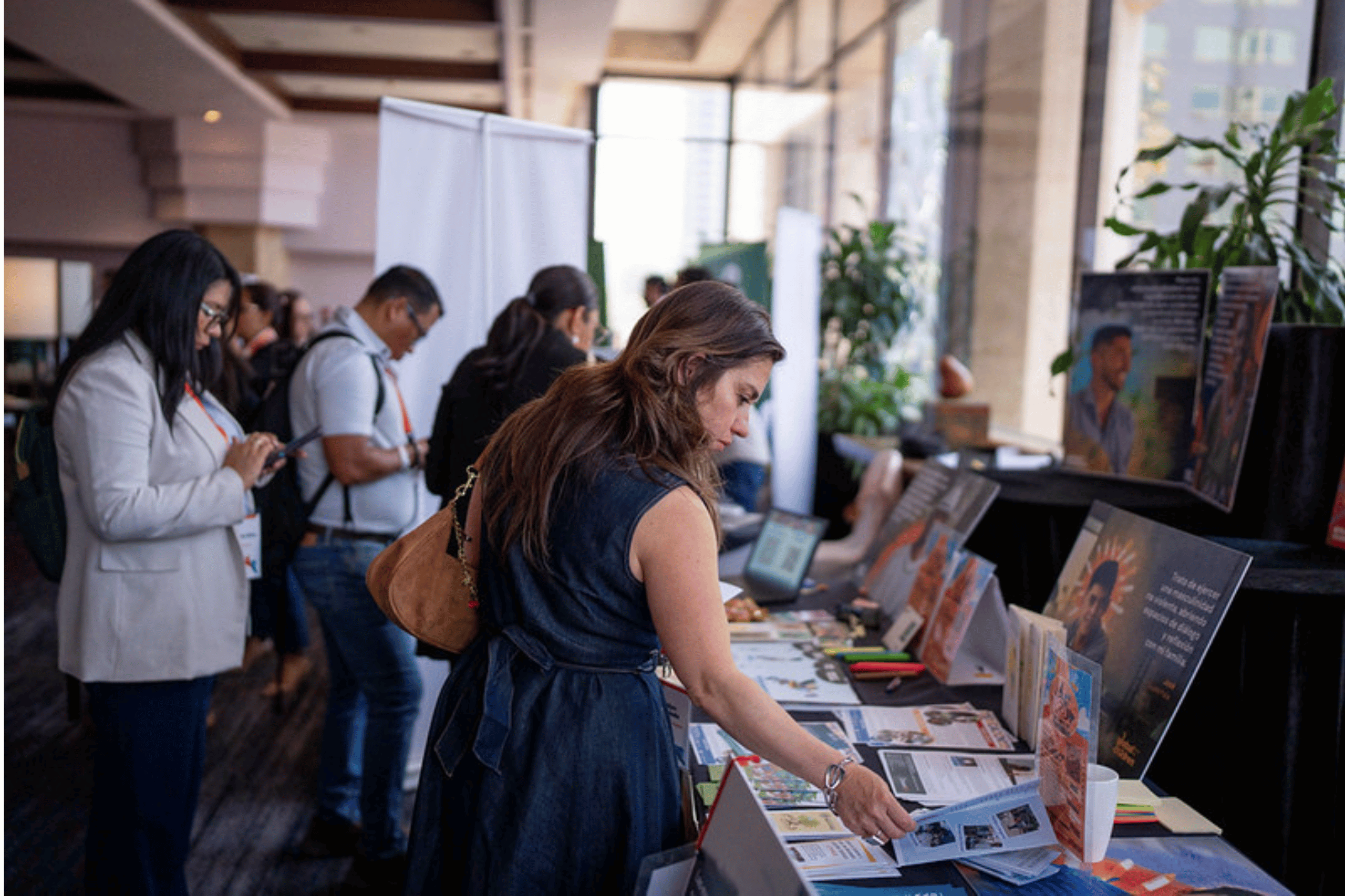
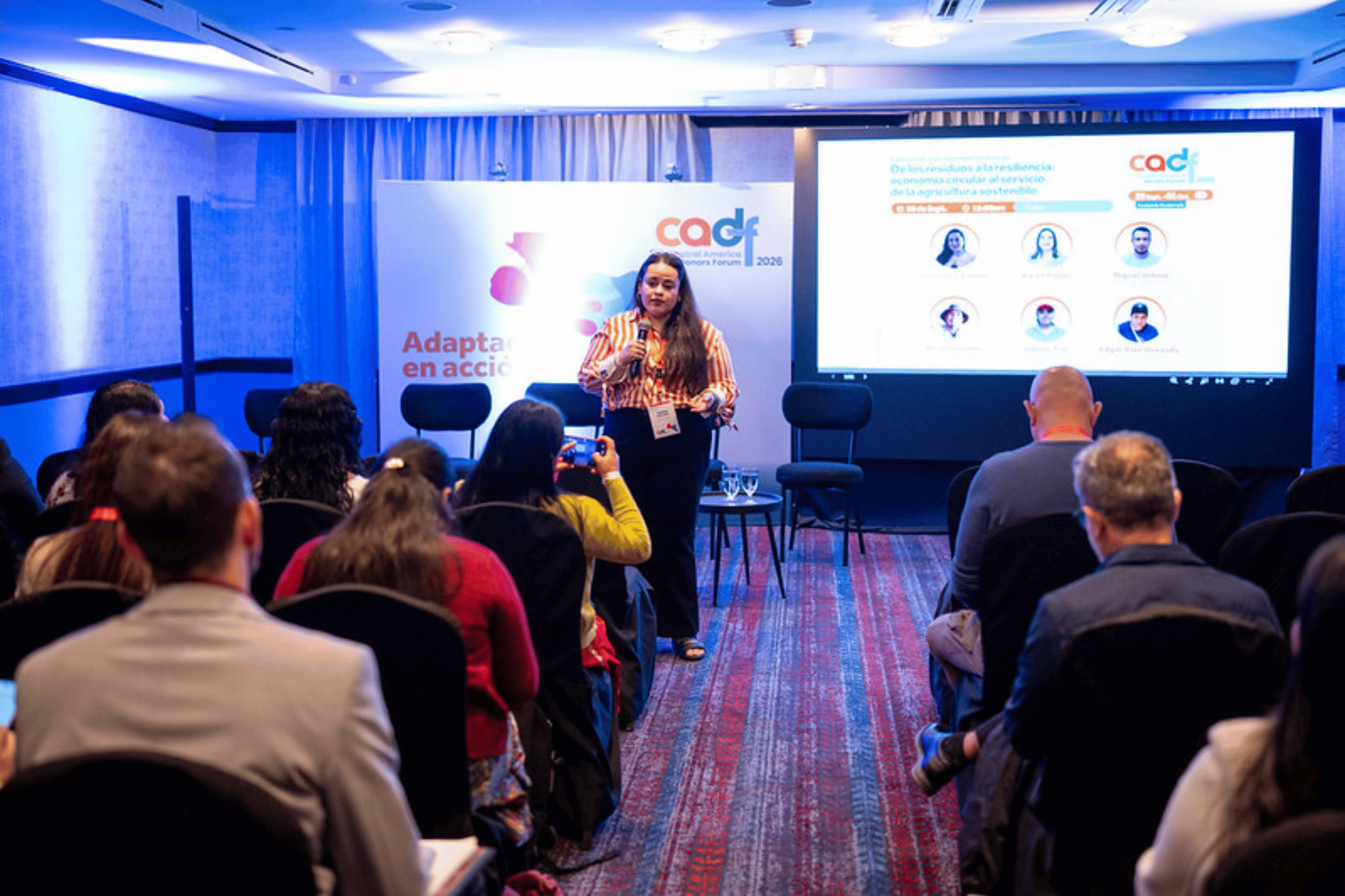
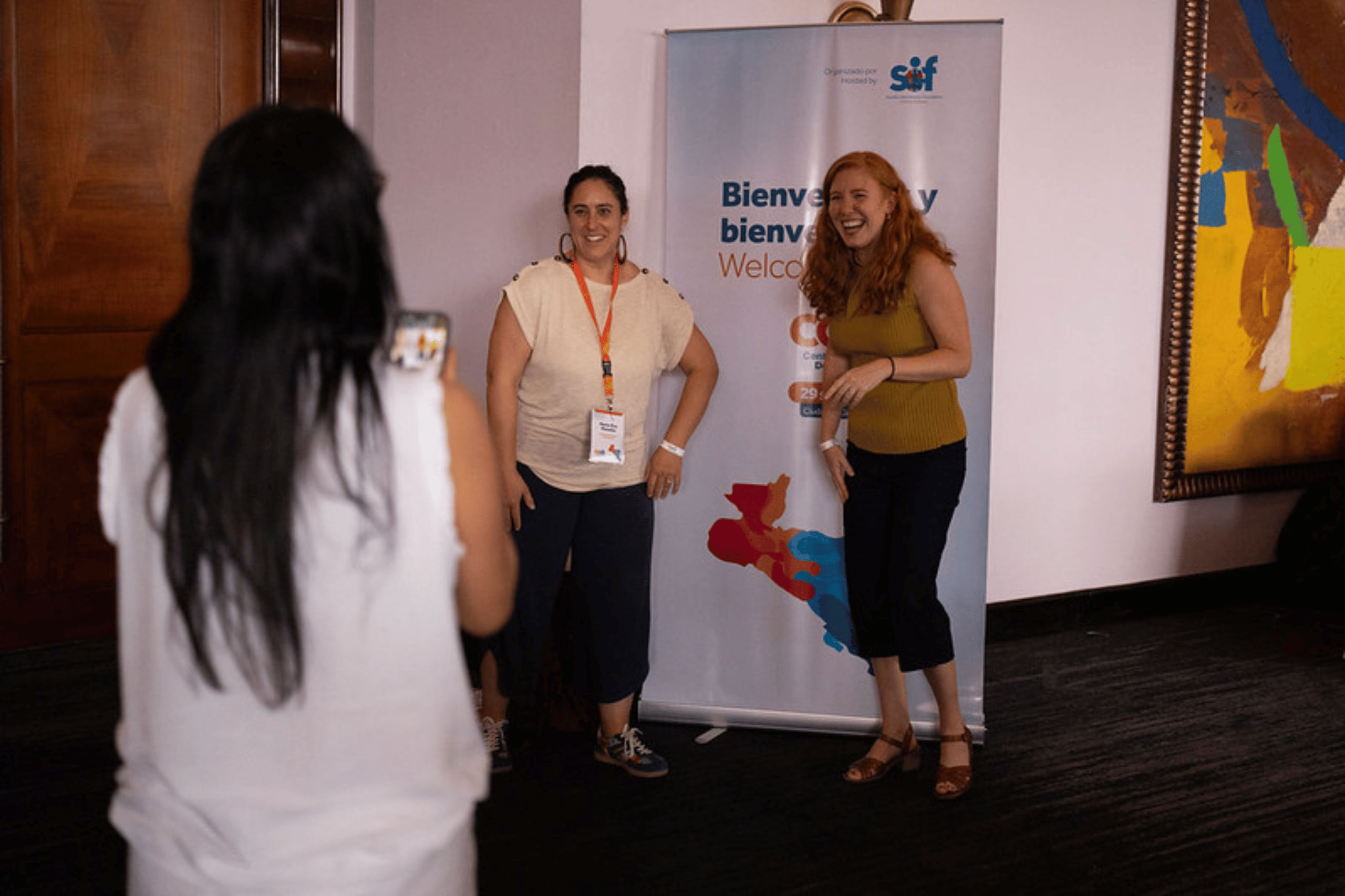
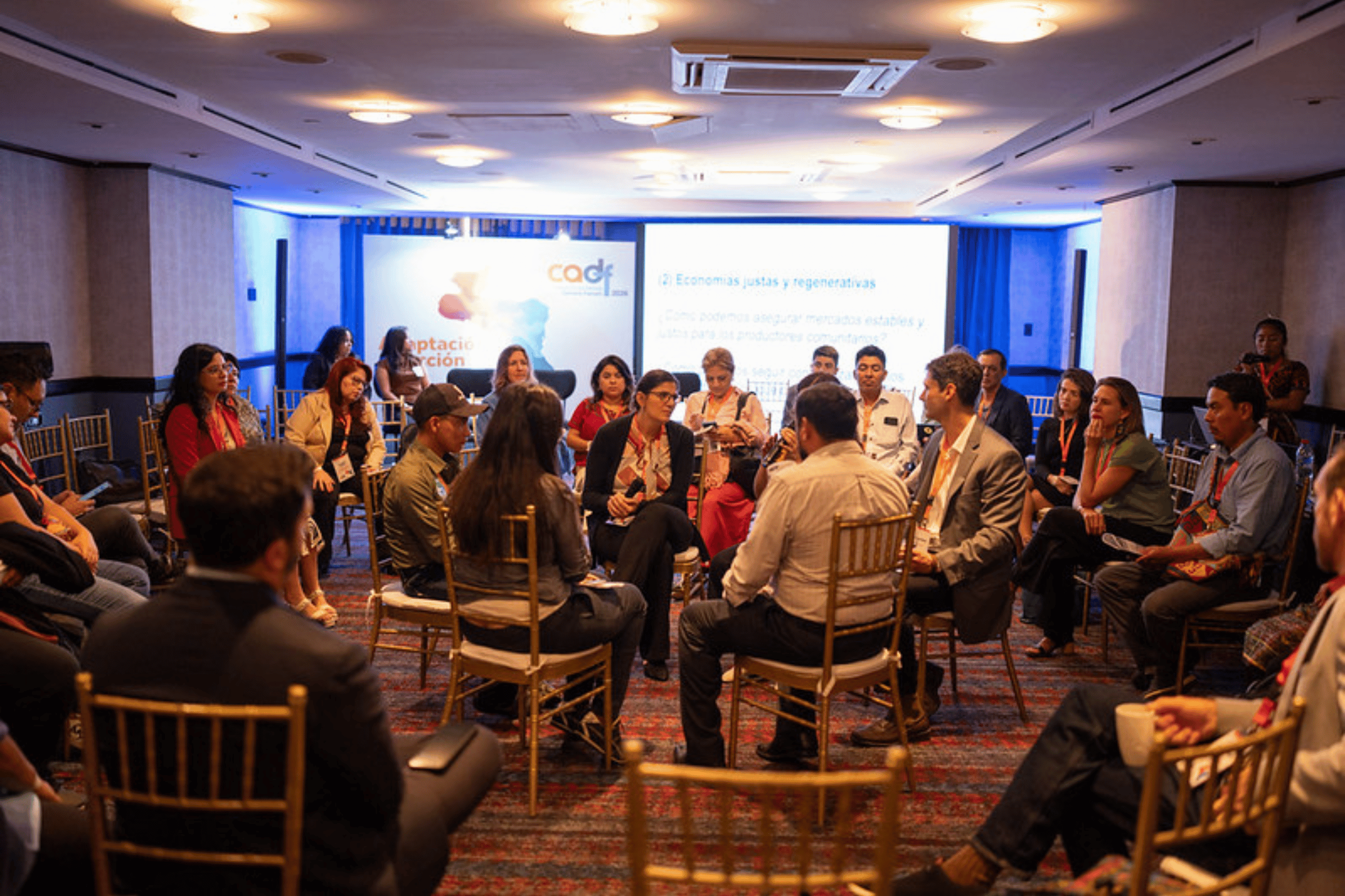
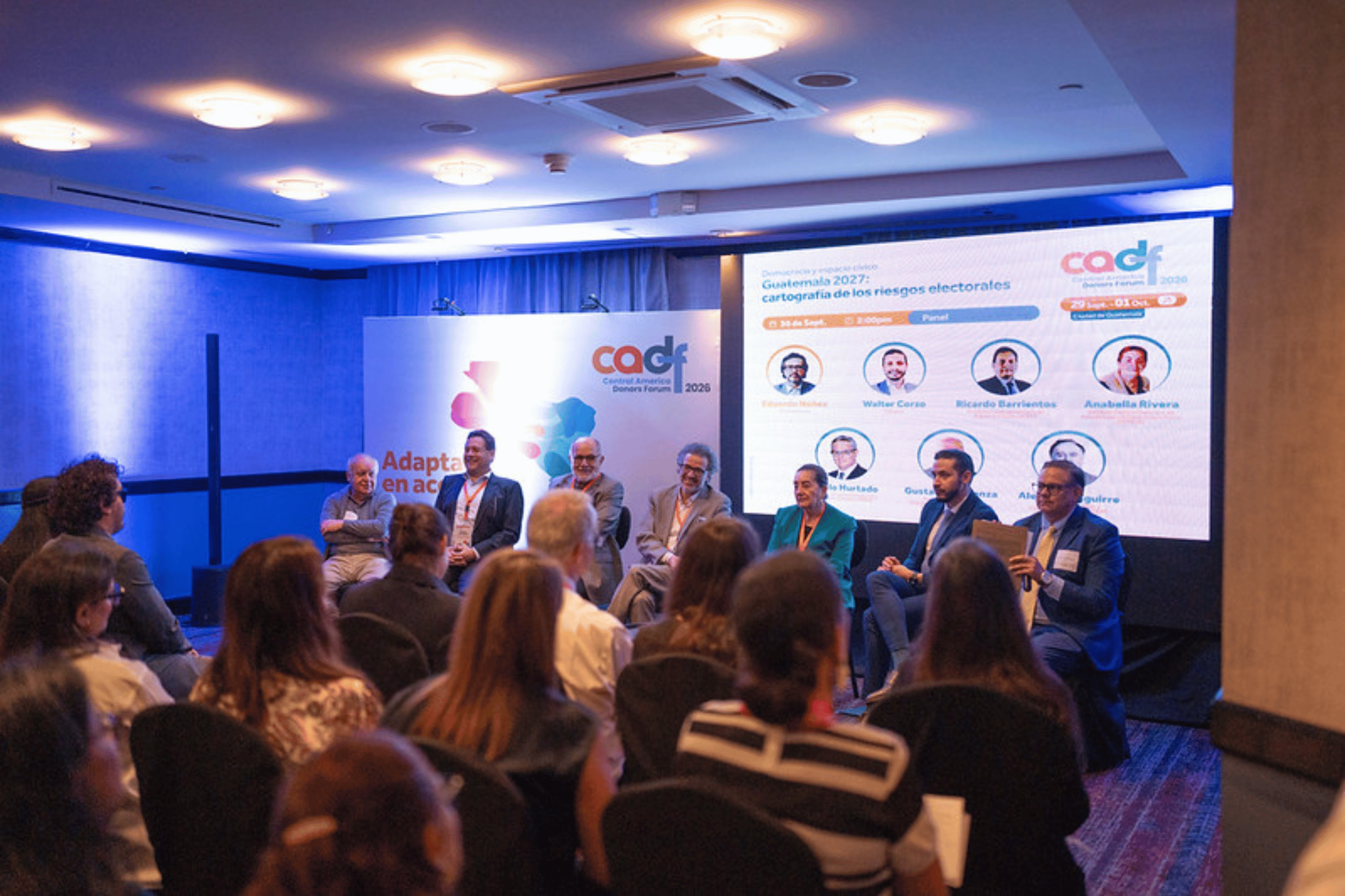
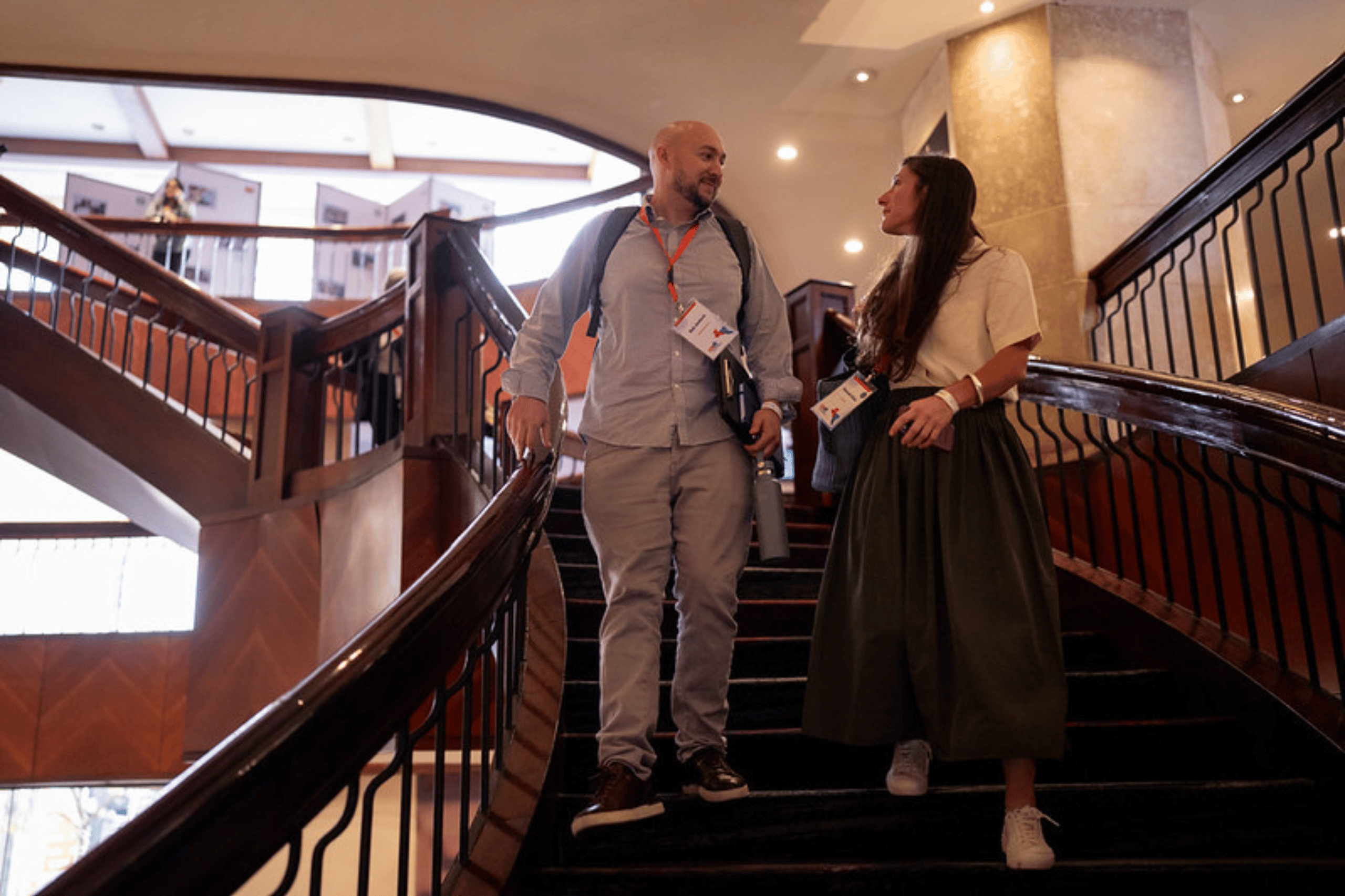
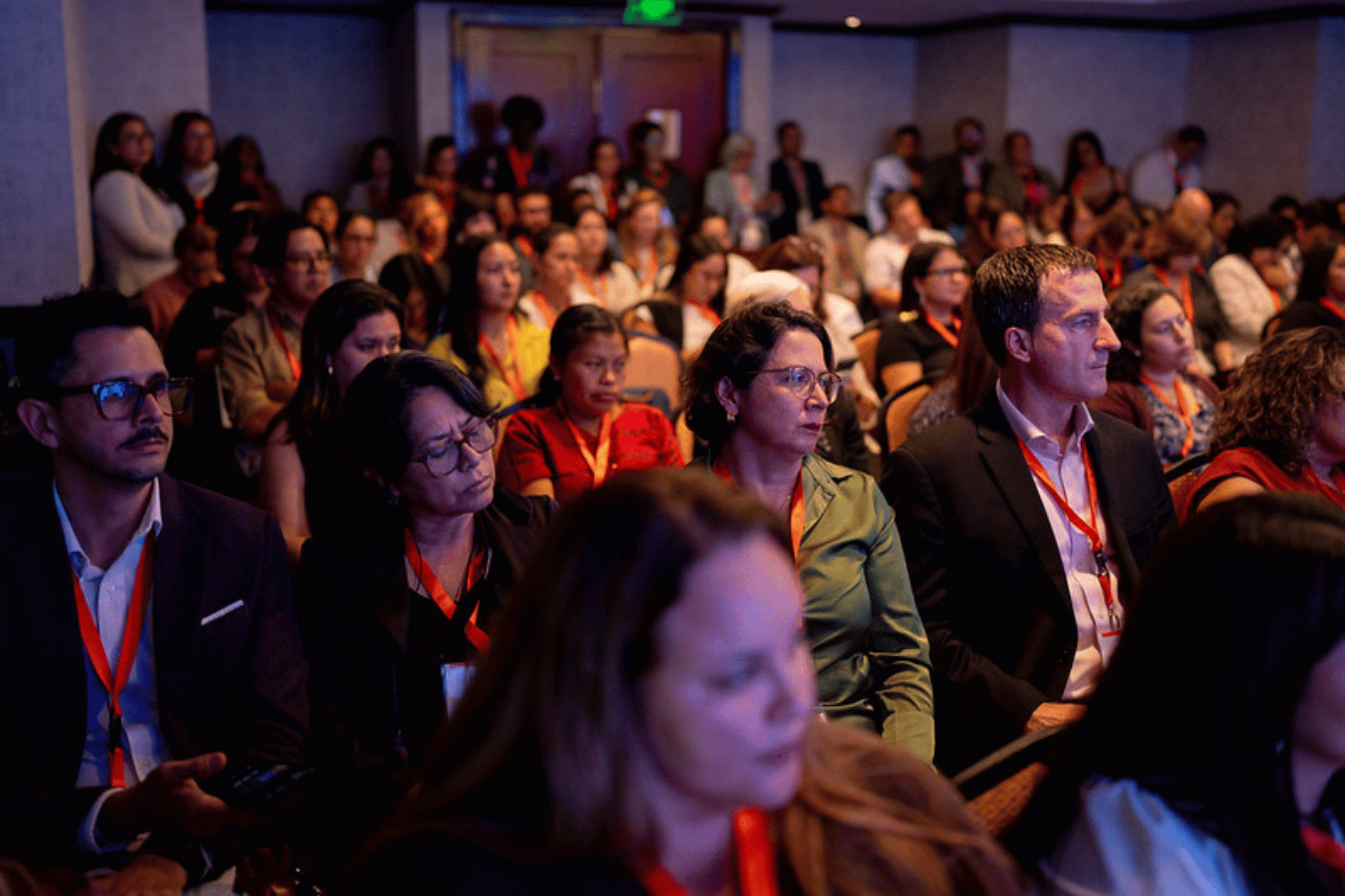
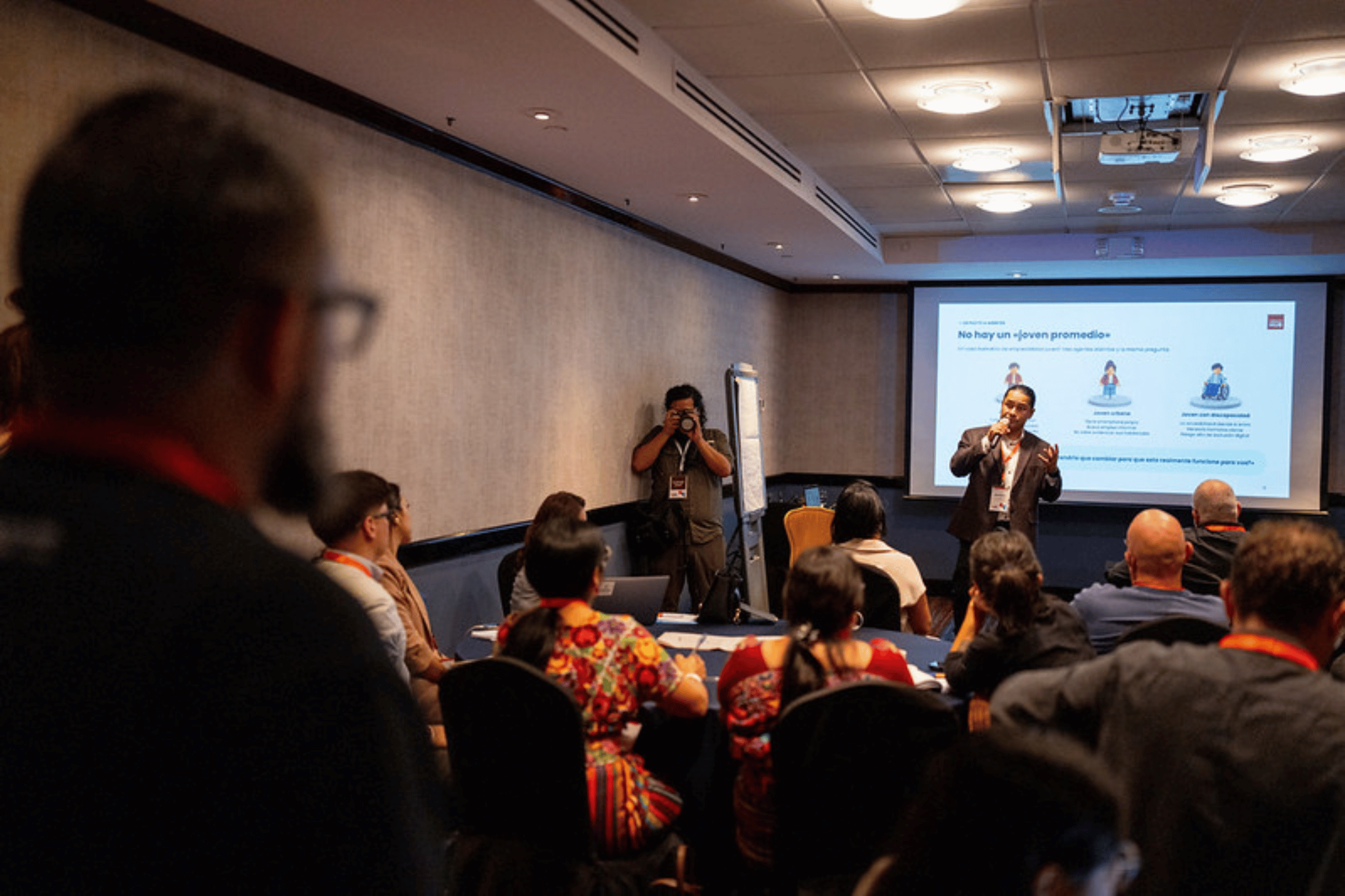
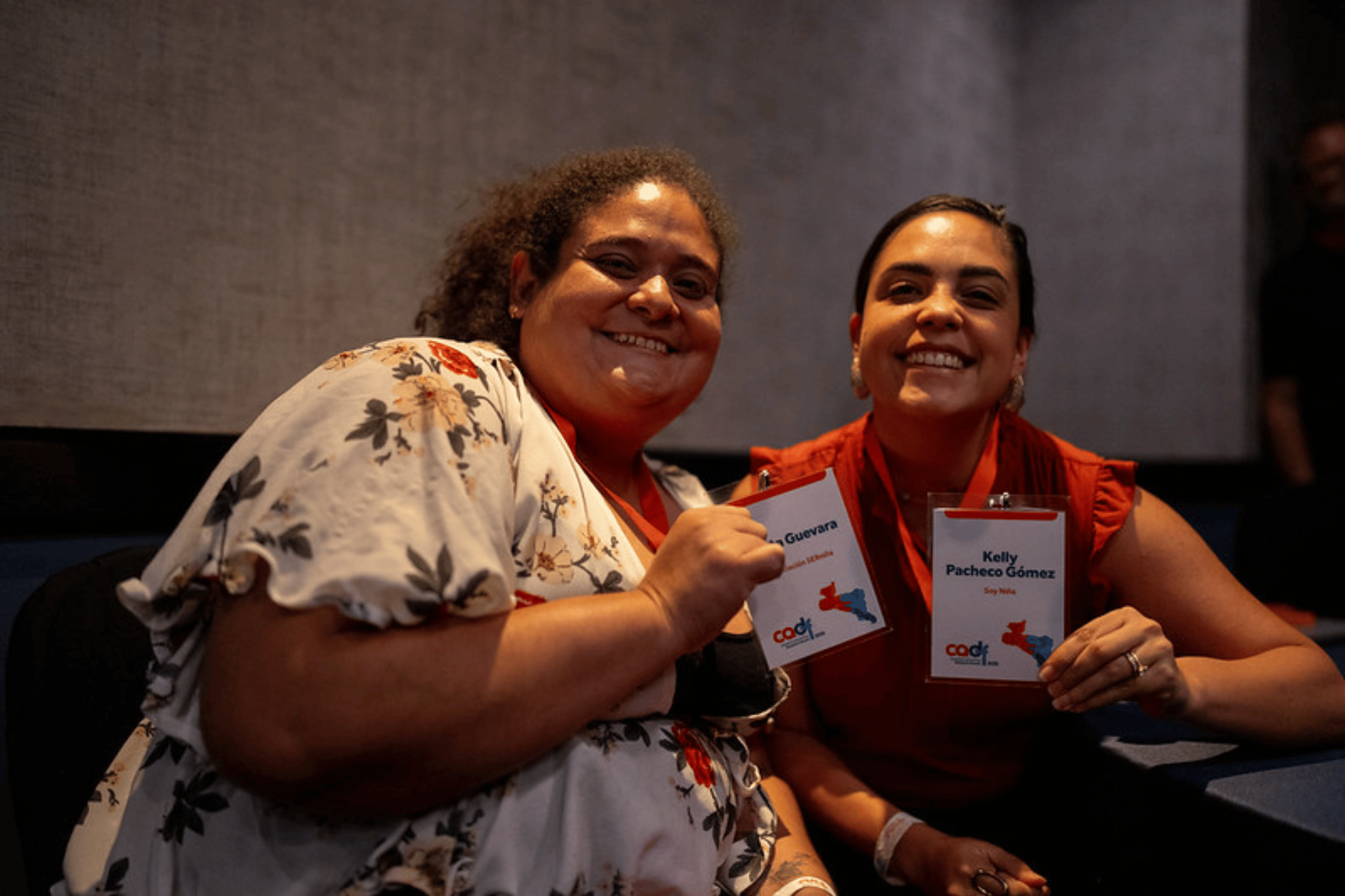
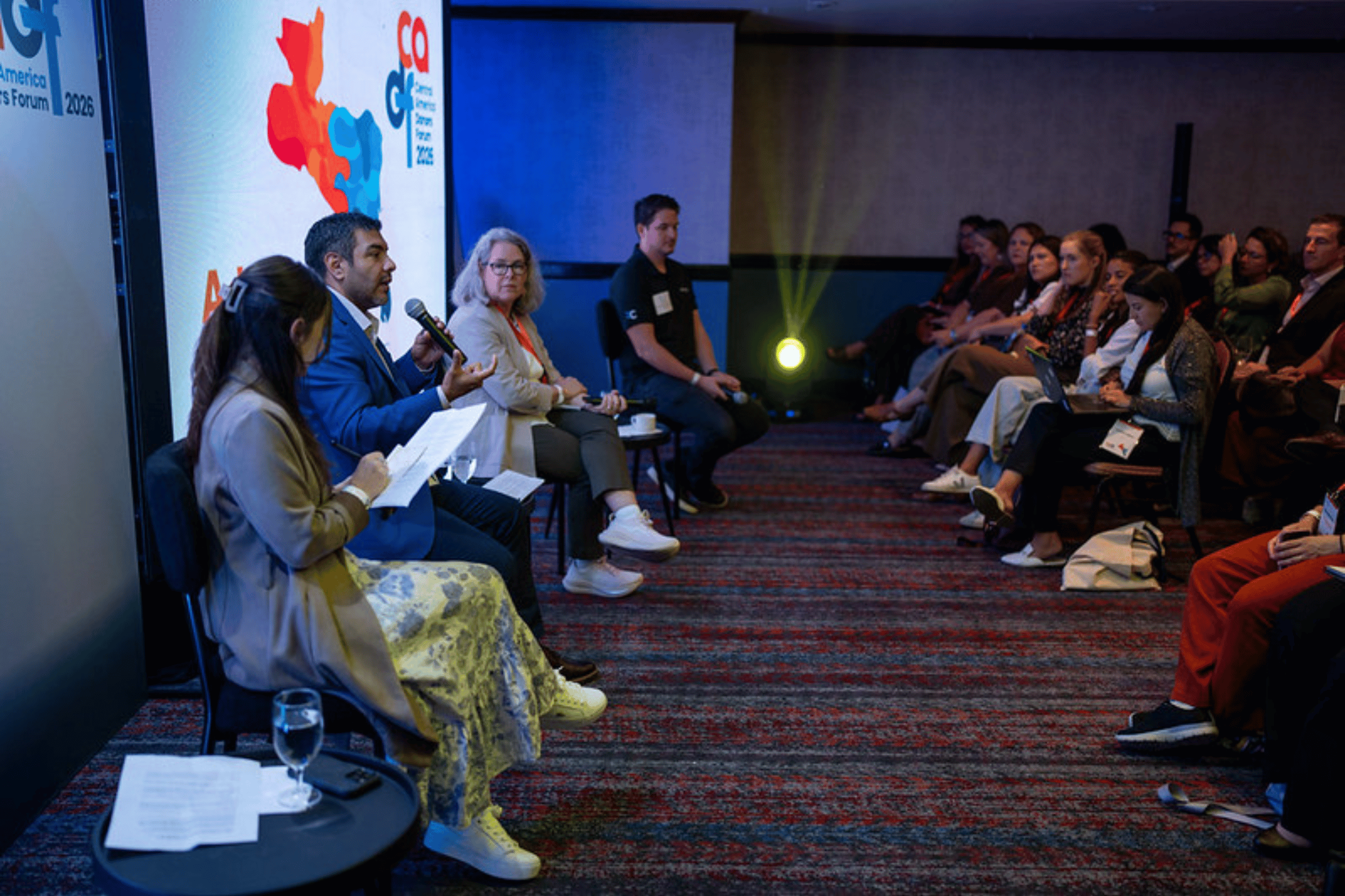
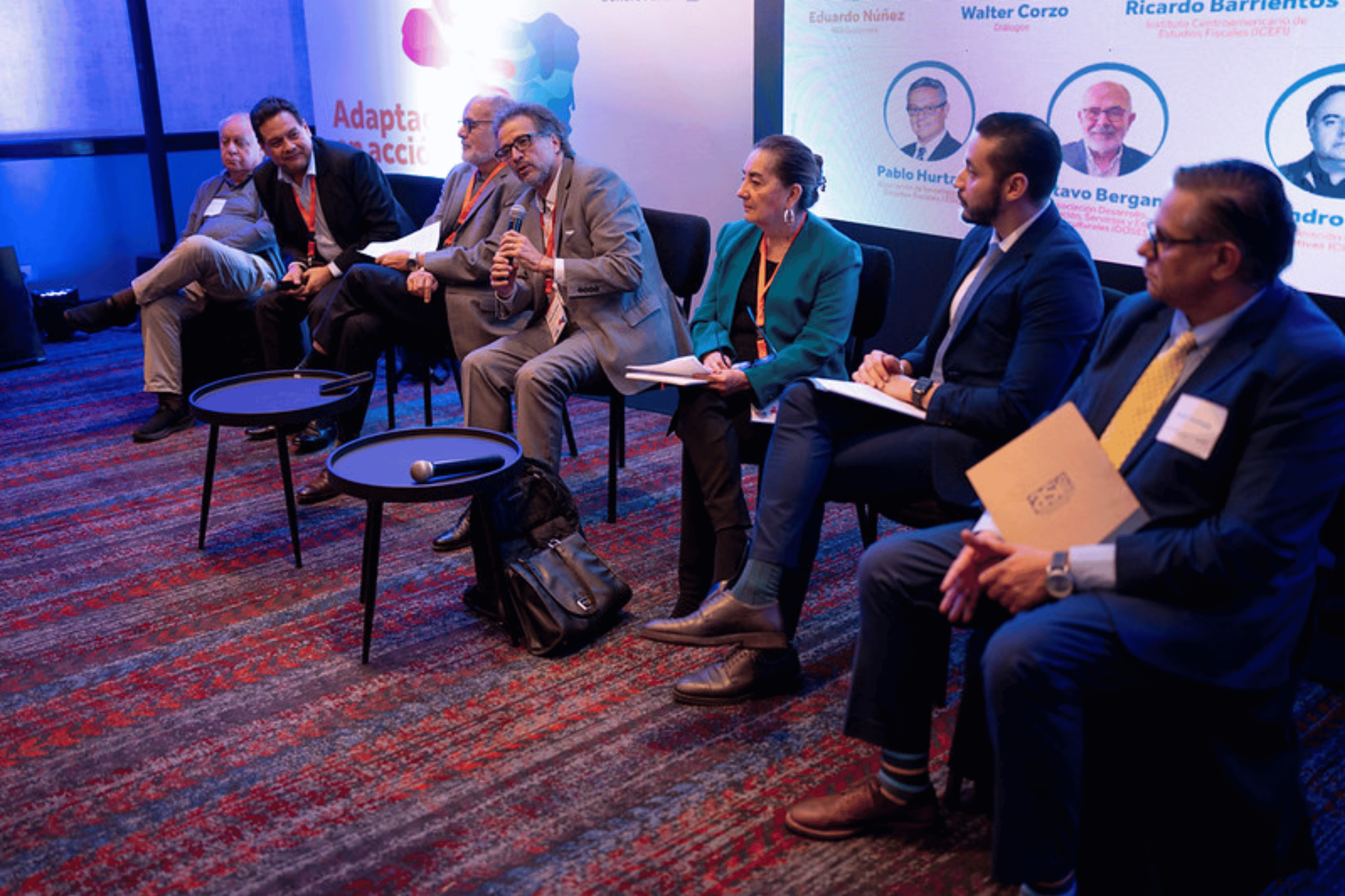
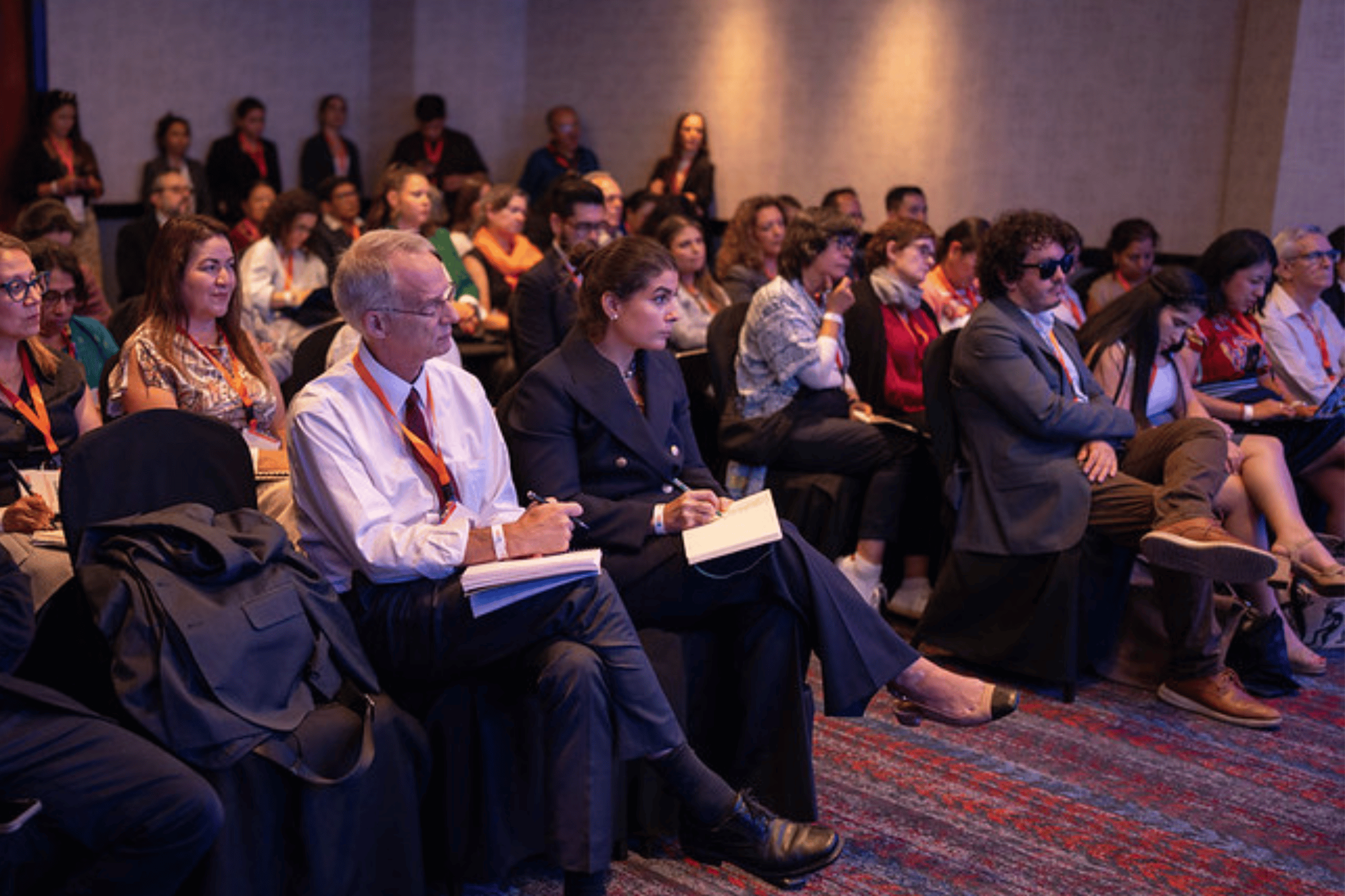
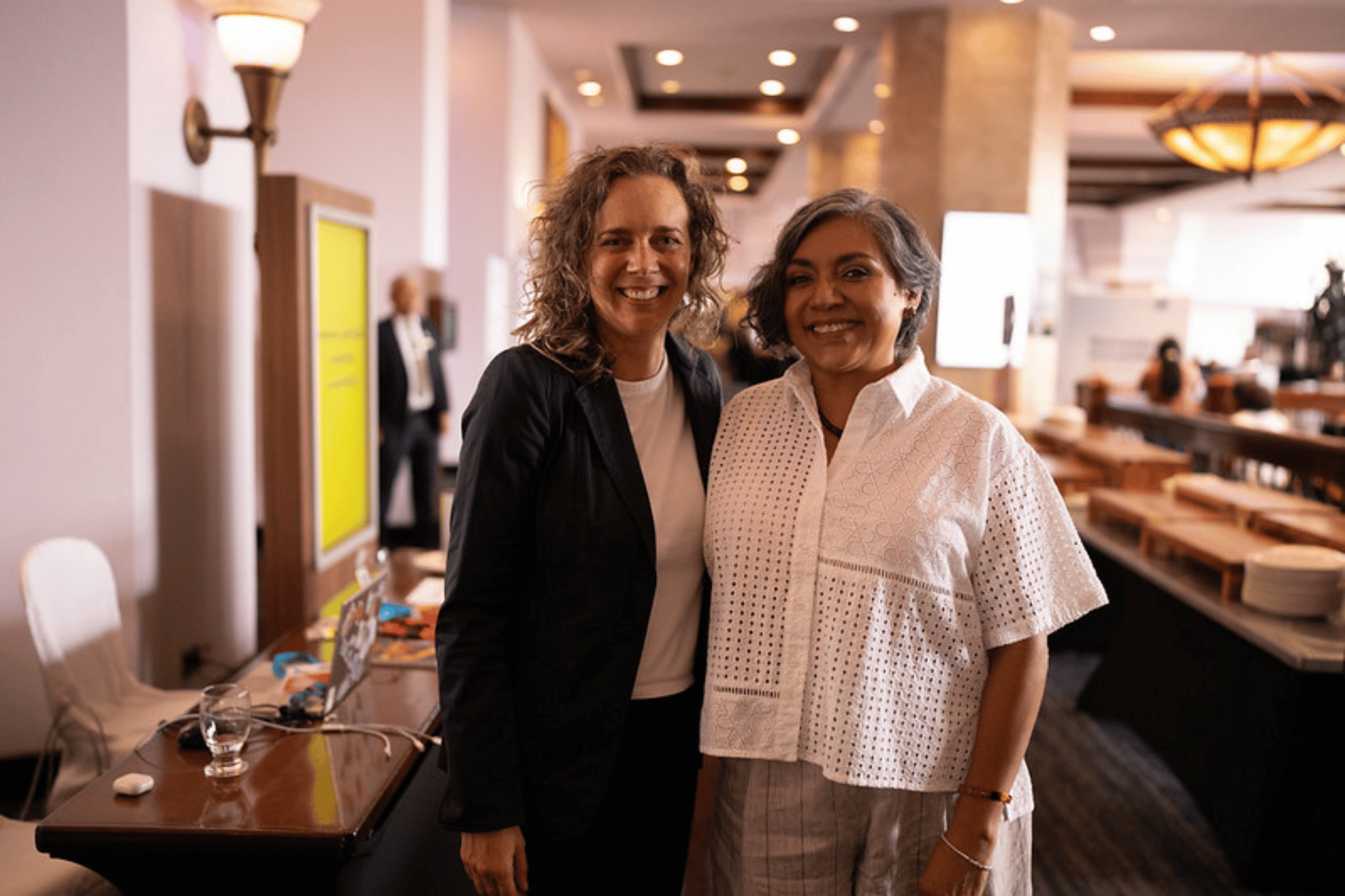
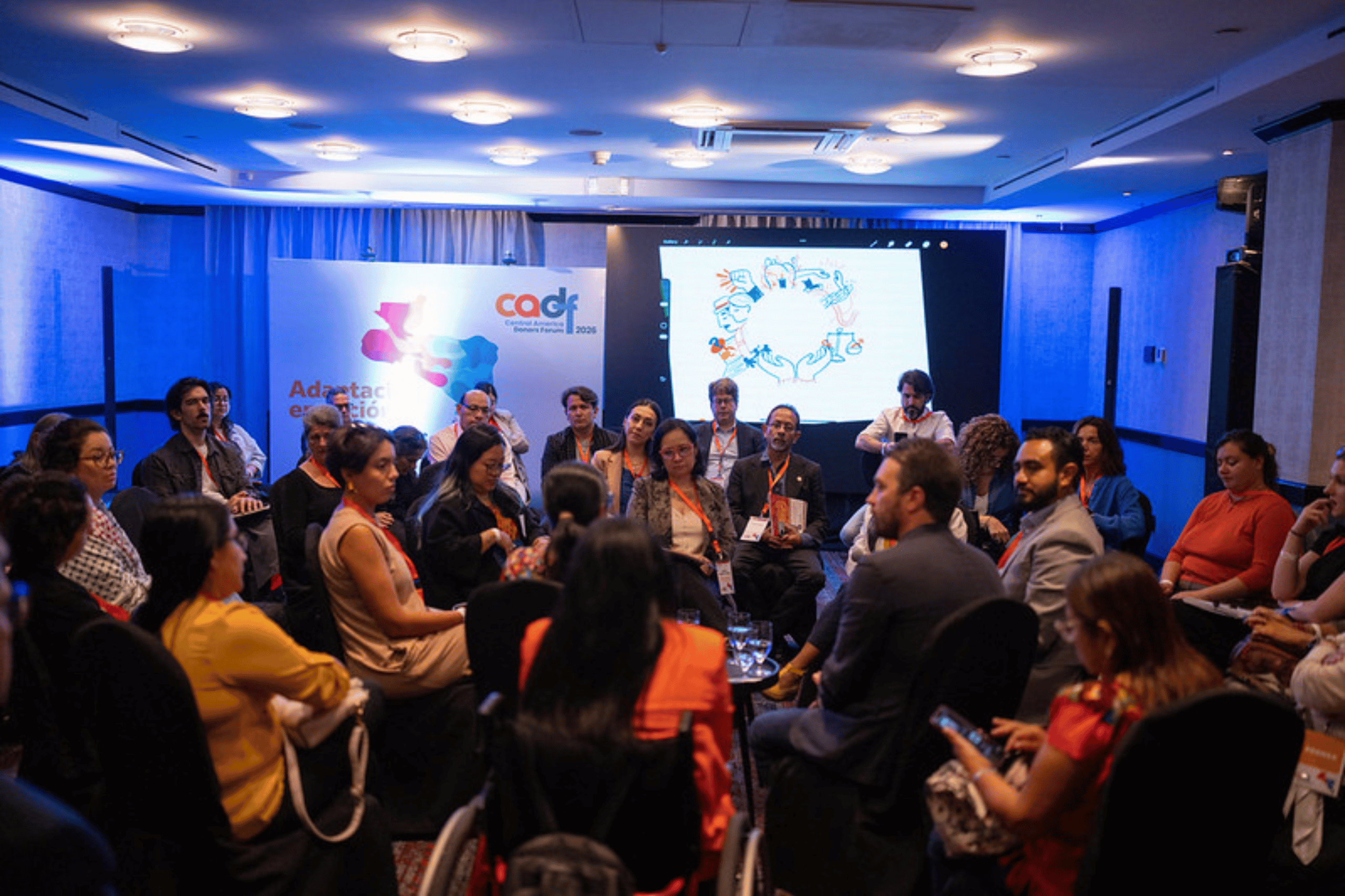
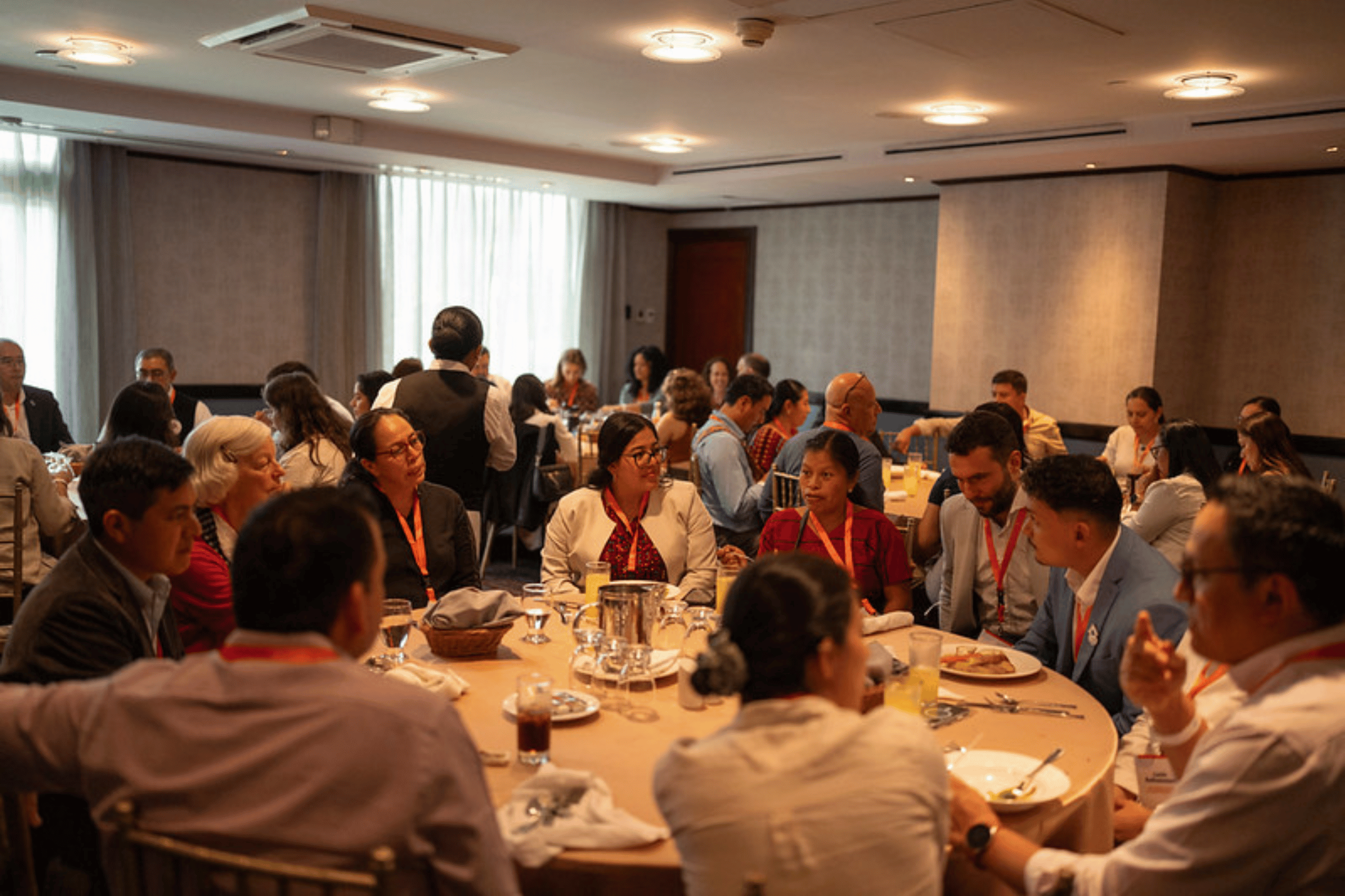
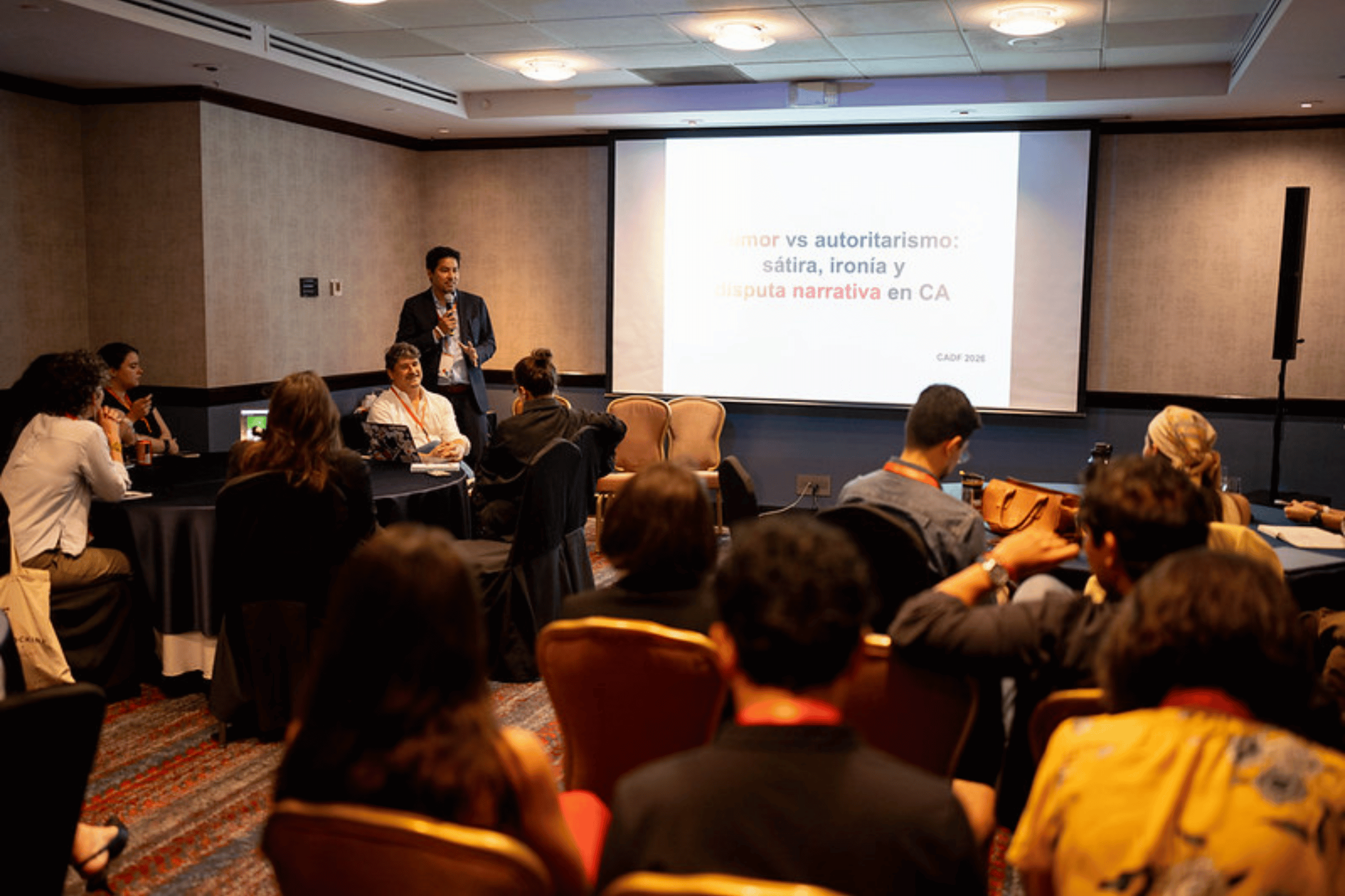
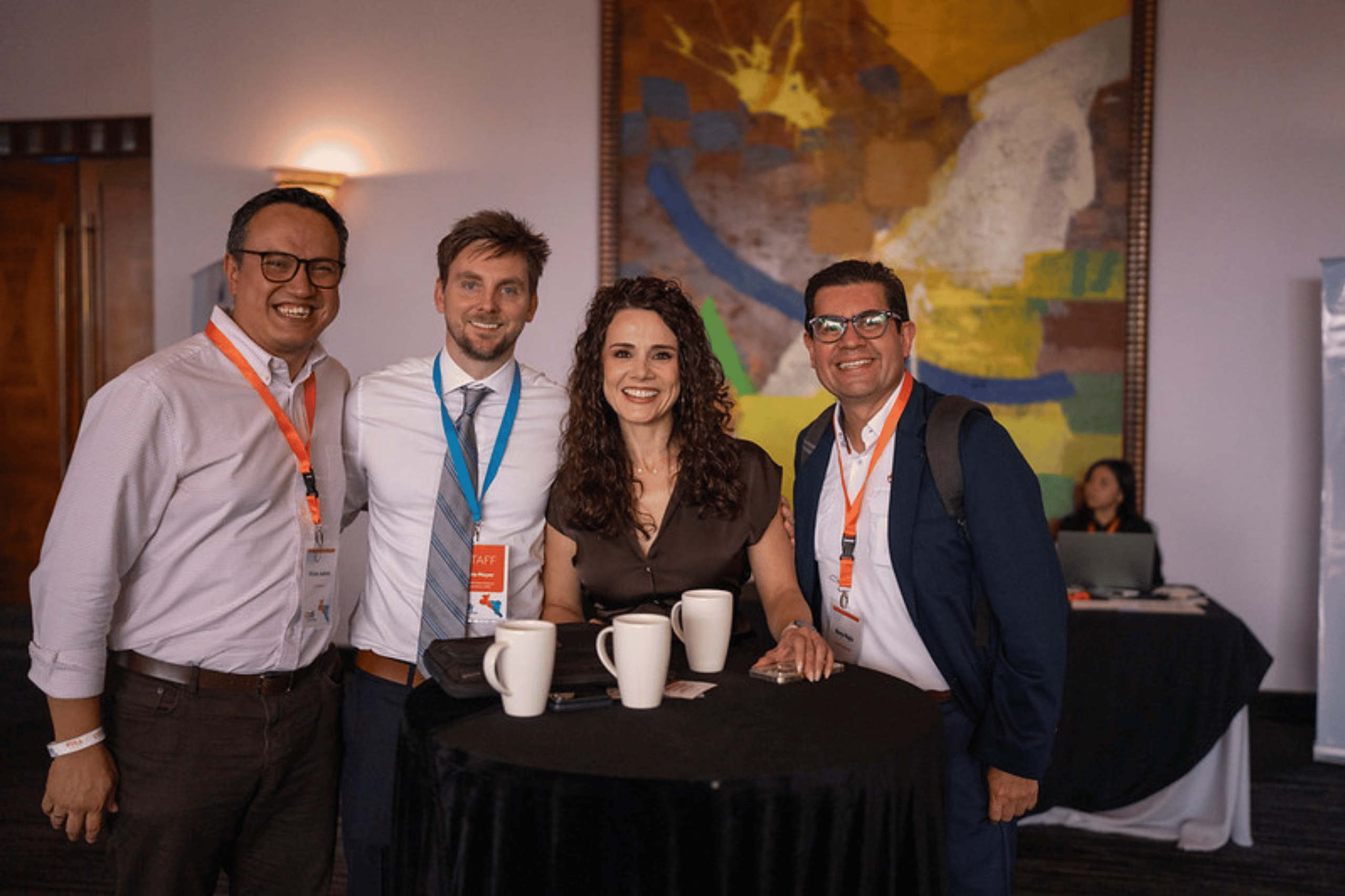

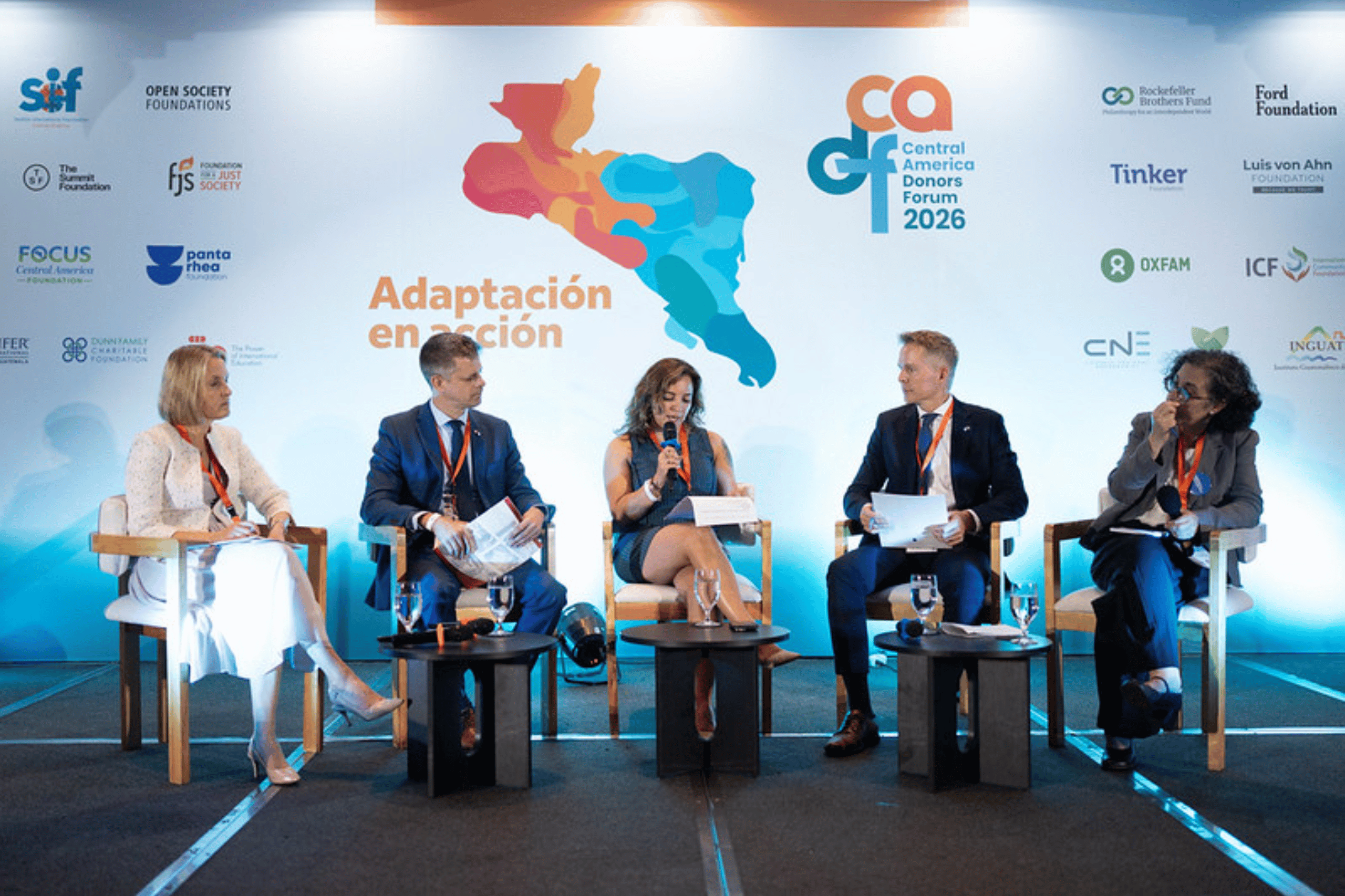
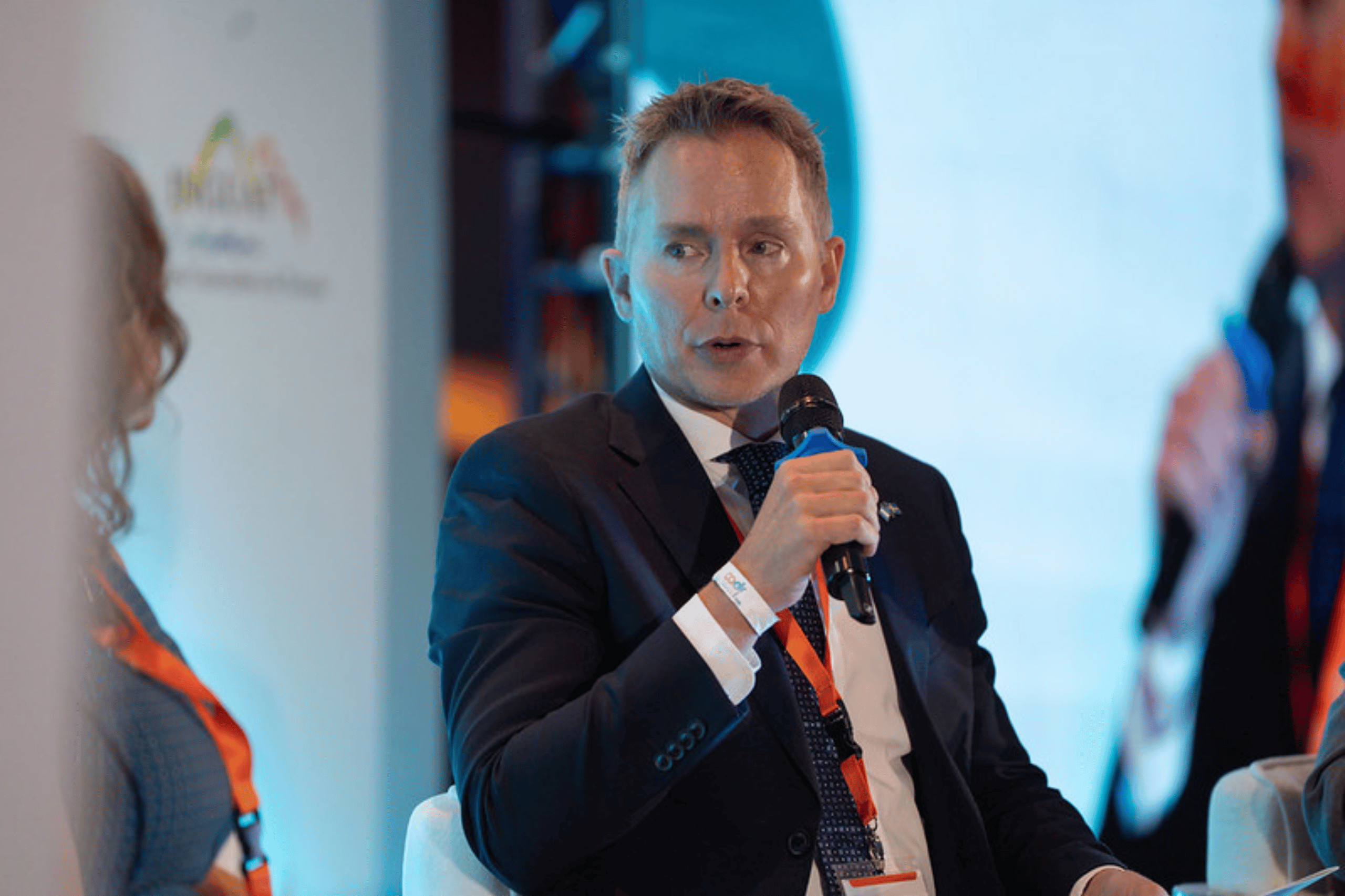
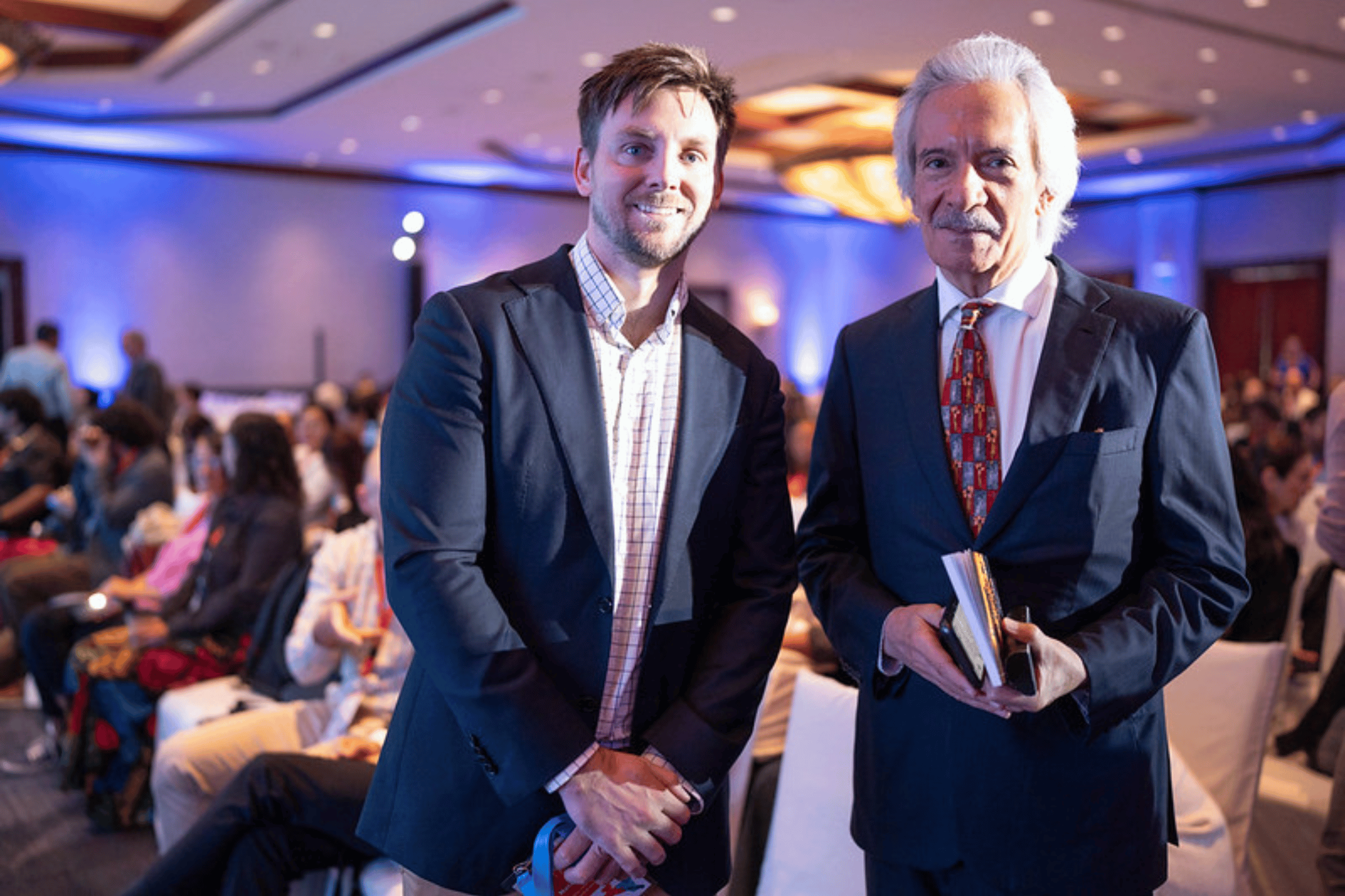
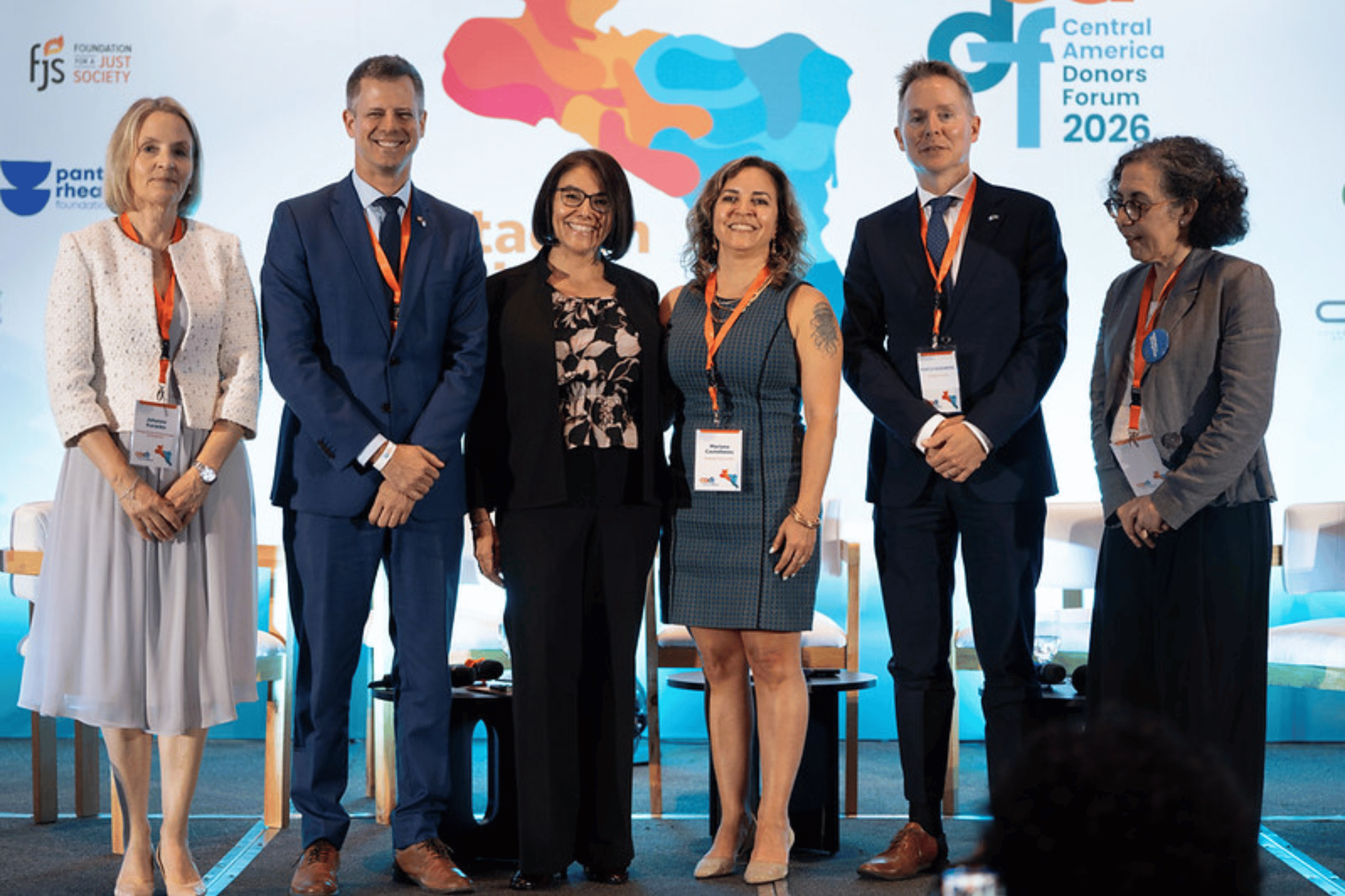
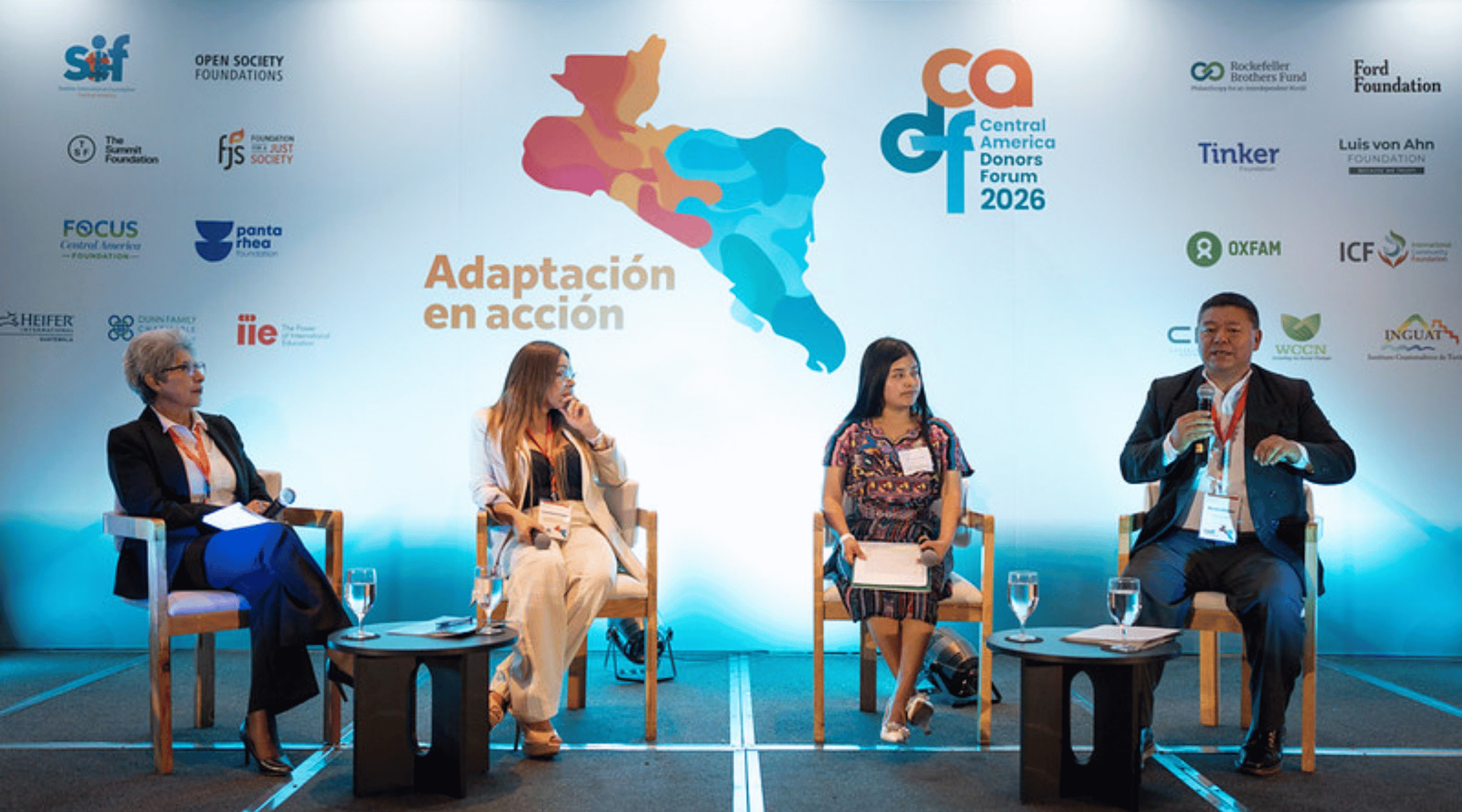
Participants discussed the modern reality facing Central American youth, including rising living costs, violence, and the perception of migration as the only viable option for survival. This panel challenged the misconception that there are no domestic opportunities and that institutions are uninterested in helping young people, while still analyzing why youth look abroad. Discussions highlighted flaws in a social infrastructure that prioritizes financial success over emotional maturity. This imbalance causes low self-esteem, disconnects from youth realities, and unfair assumptions about their lack of ambition. Analyzed through a gender lens, the conversation noted that women face distinct challenges, often burdened with caregiving while putting their own well-being last. The panelists concluded that young people need holistic development that looks beyond income-generating skills, emphasizing that youth must be heard and supported to achieve happiness and emotional fulfillment.

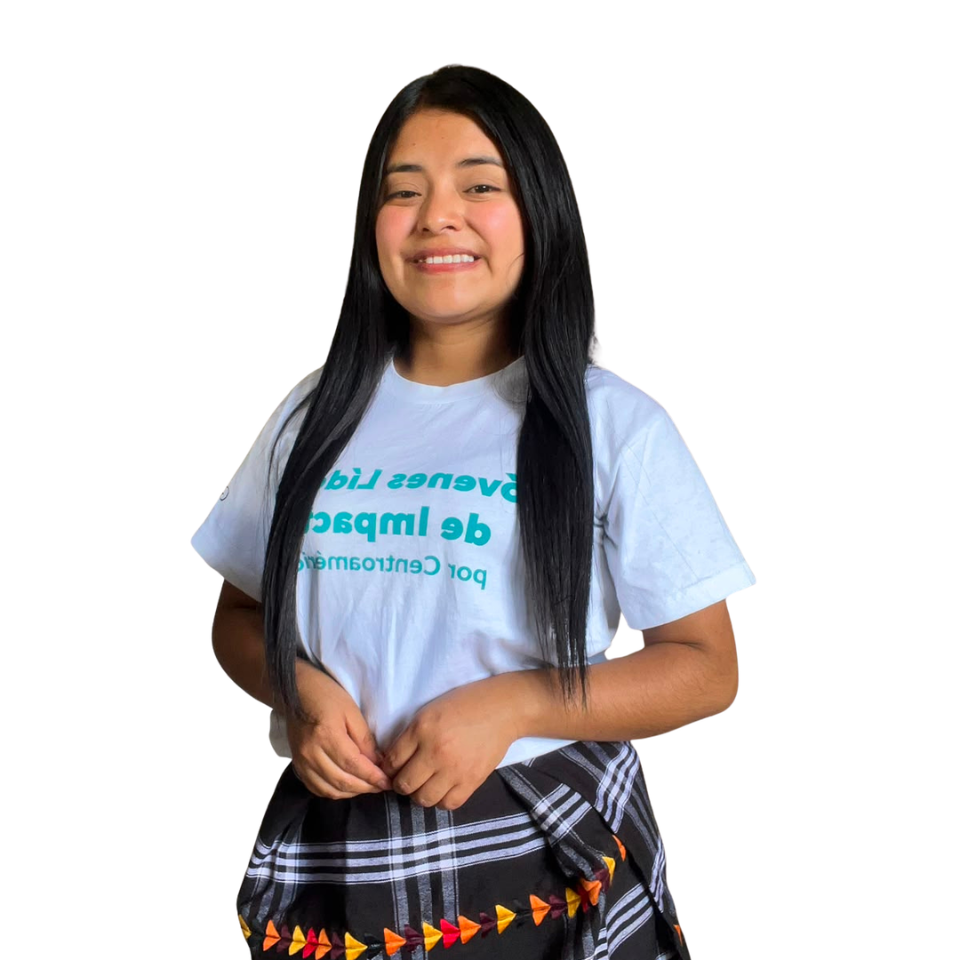
Tierra Nueva ONG
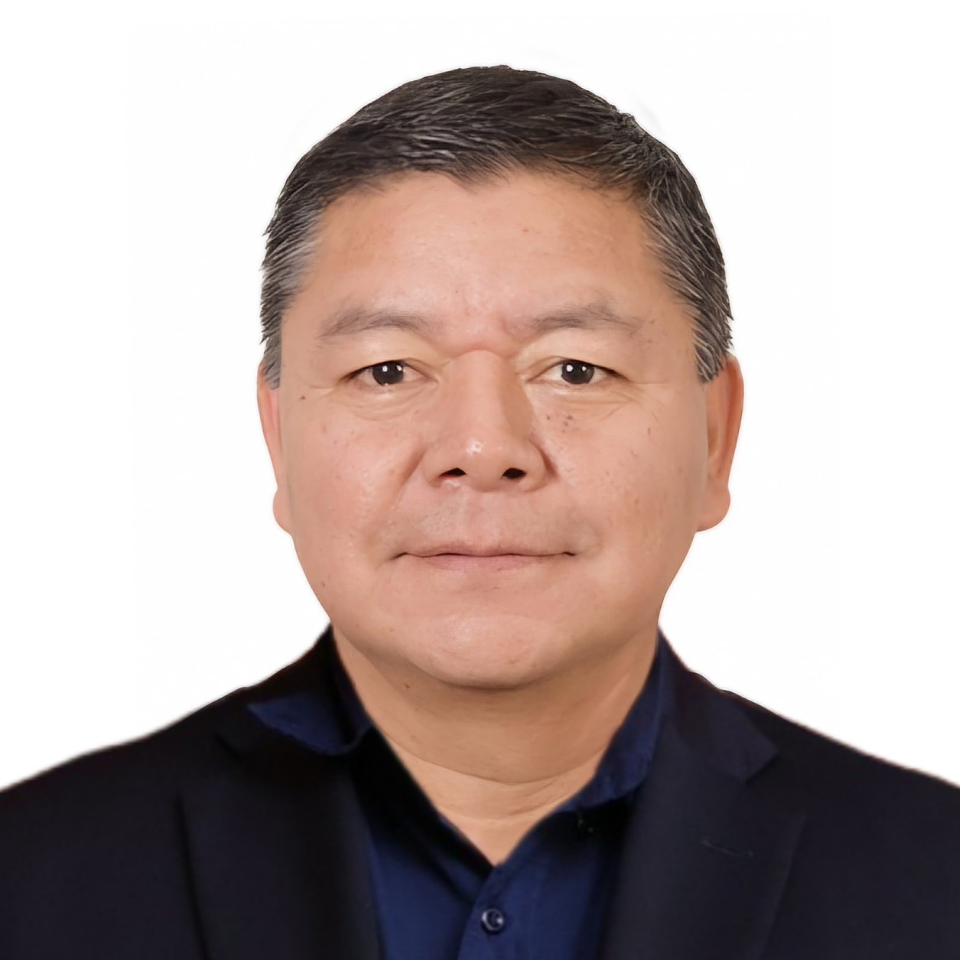
Tierra Nueva ONG
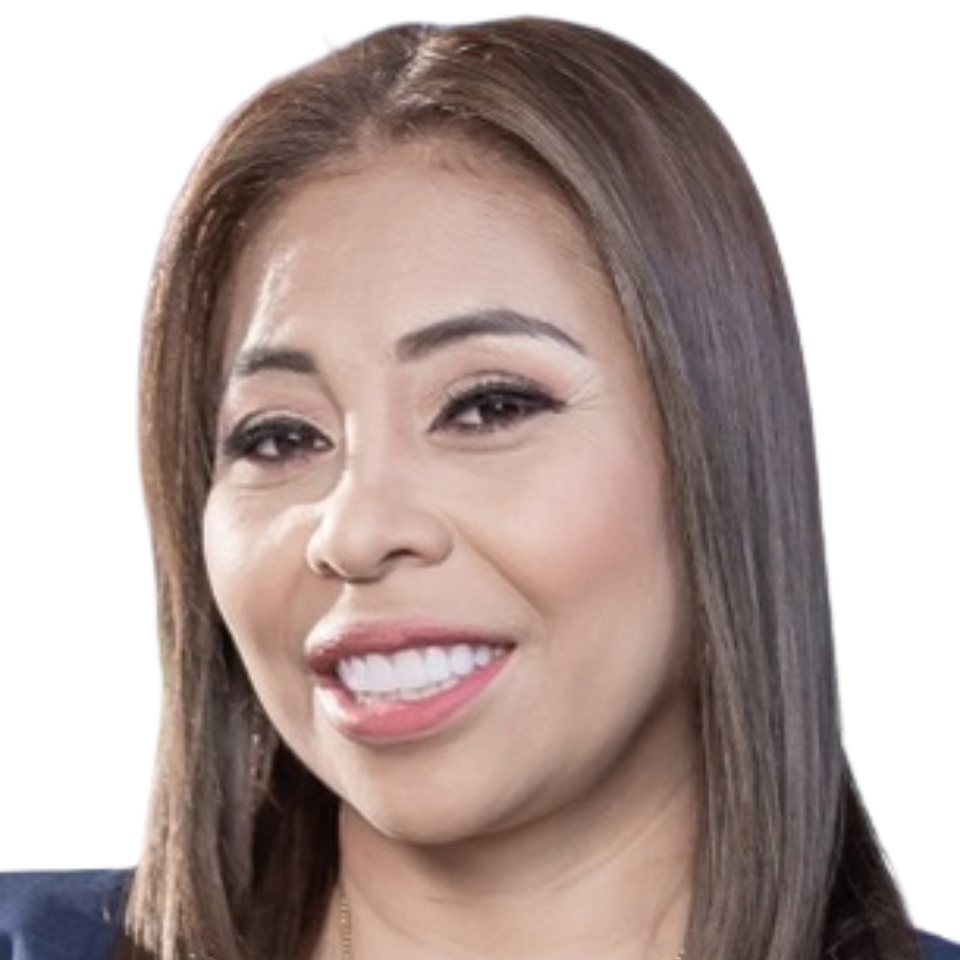
School of Teacher Training for Secondary Education (EFPEM) of the USAC
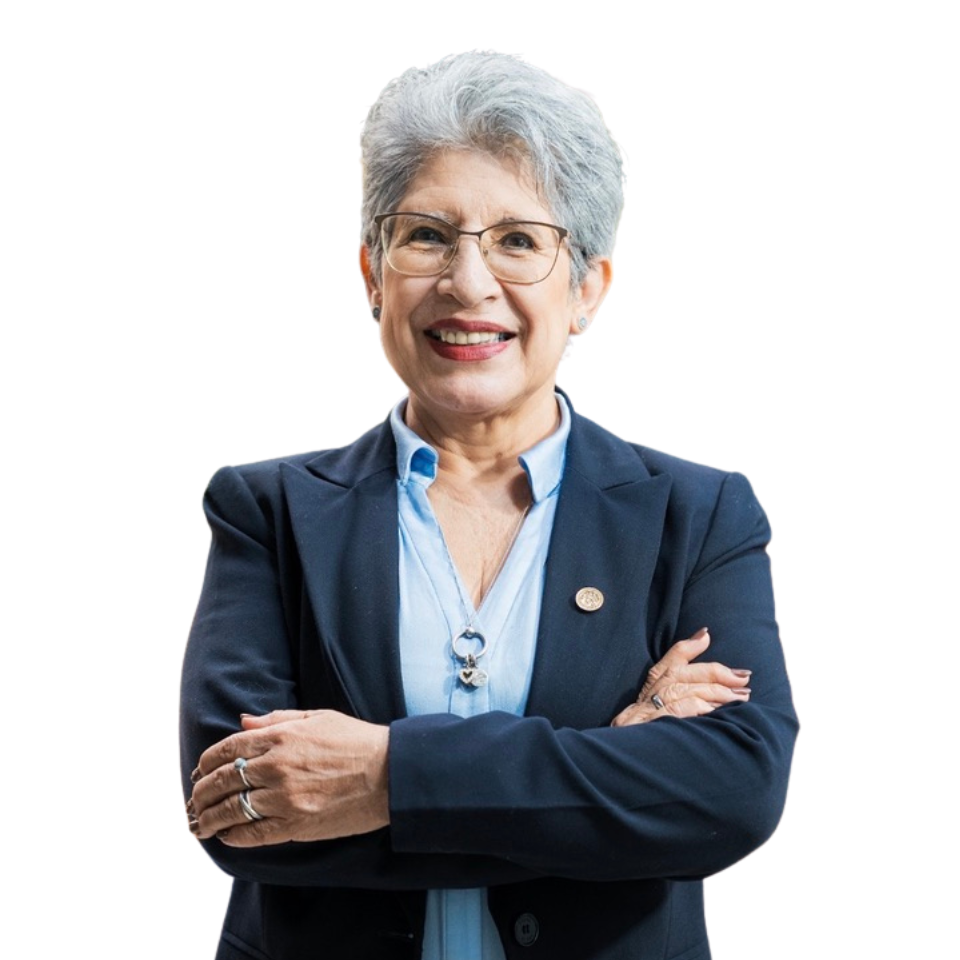
Glasswing International
"How do we teach young people that before learning to be successful, they must be happy?"
"Education must be understood as holistic, and we must realize that behind those skills, there is a human being who needs to be heard."
"As women, we are the ones in charge of raising our children, but we rarely stop to reflect on how we are feeling ourselves."
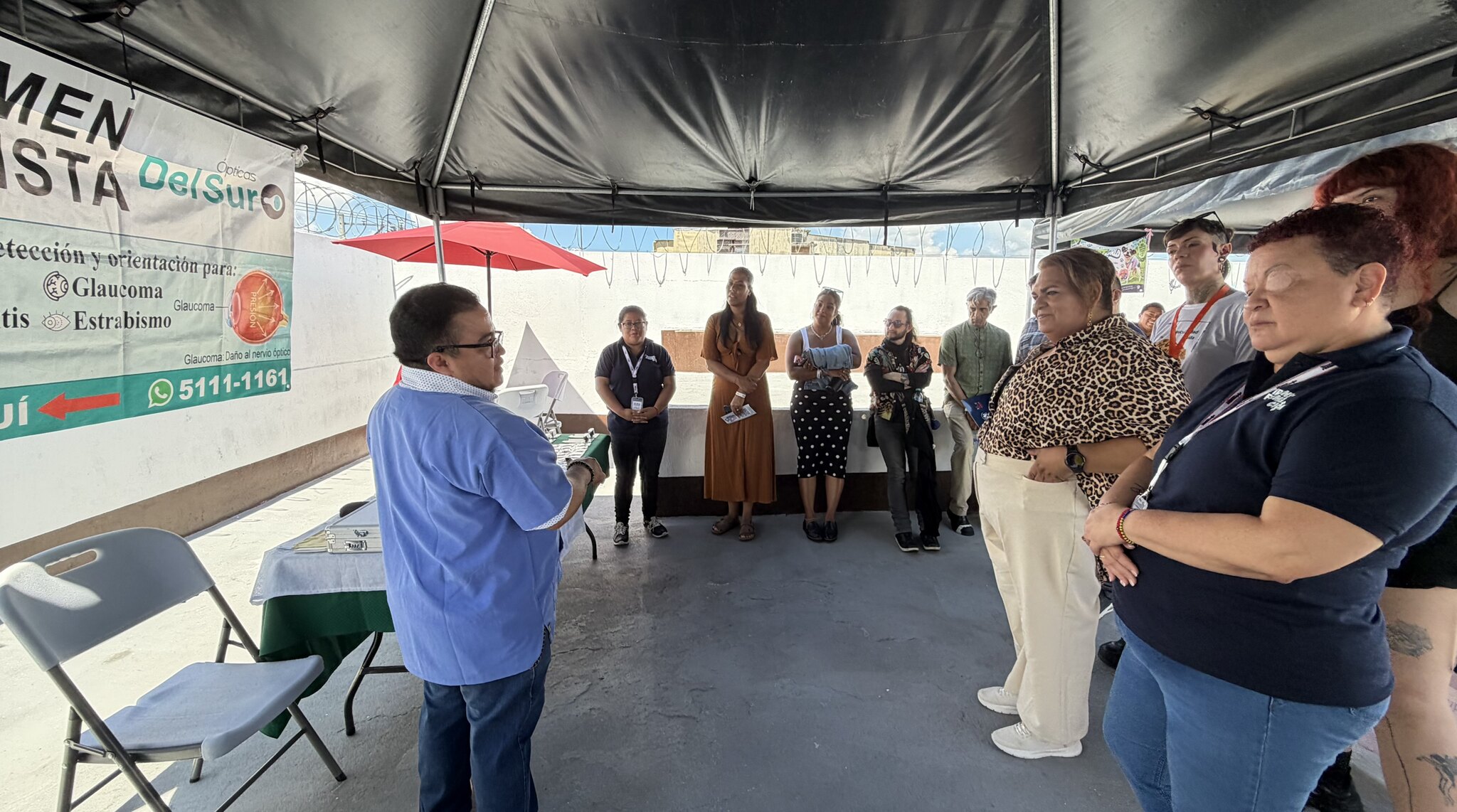
"I used to have ideas and thoughts, but I couldn't execute them or see them through. I lacked the confidence to take those first steps."
"There are young people who manage to earn a university degree, and yet, they still leave the country."
The panelists shared adaptation and innovation strategies for thriving in today’s reality, which is marked by corruption, unstable economies, and weakening human rights. They discussed what “adaptability” means for their respective organizations and shared personal experiences that shaped their approach to administrative adaptation. The speakers candidly discussed their successes as well as the failures that resulted in significant financial losses. They also explained how they leveraged various media formats to build brand recognition and positioning on both a regional and international scale. Finally, they emphasized the need to manage resources efficiently to optimize operations without neglecting social responsibility. They highlighted a shared duty to consider the broader impact of institutional decisions, noting that mutual support is not a competitive disadvantage, but rather a strategic approach that strengthens the entire sector.
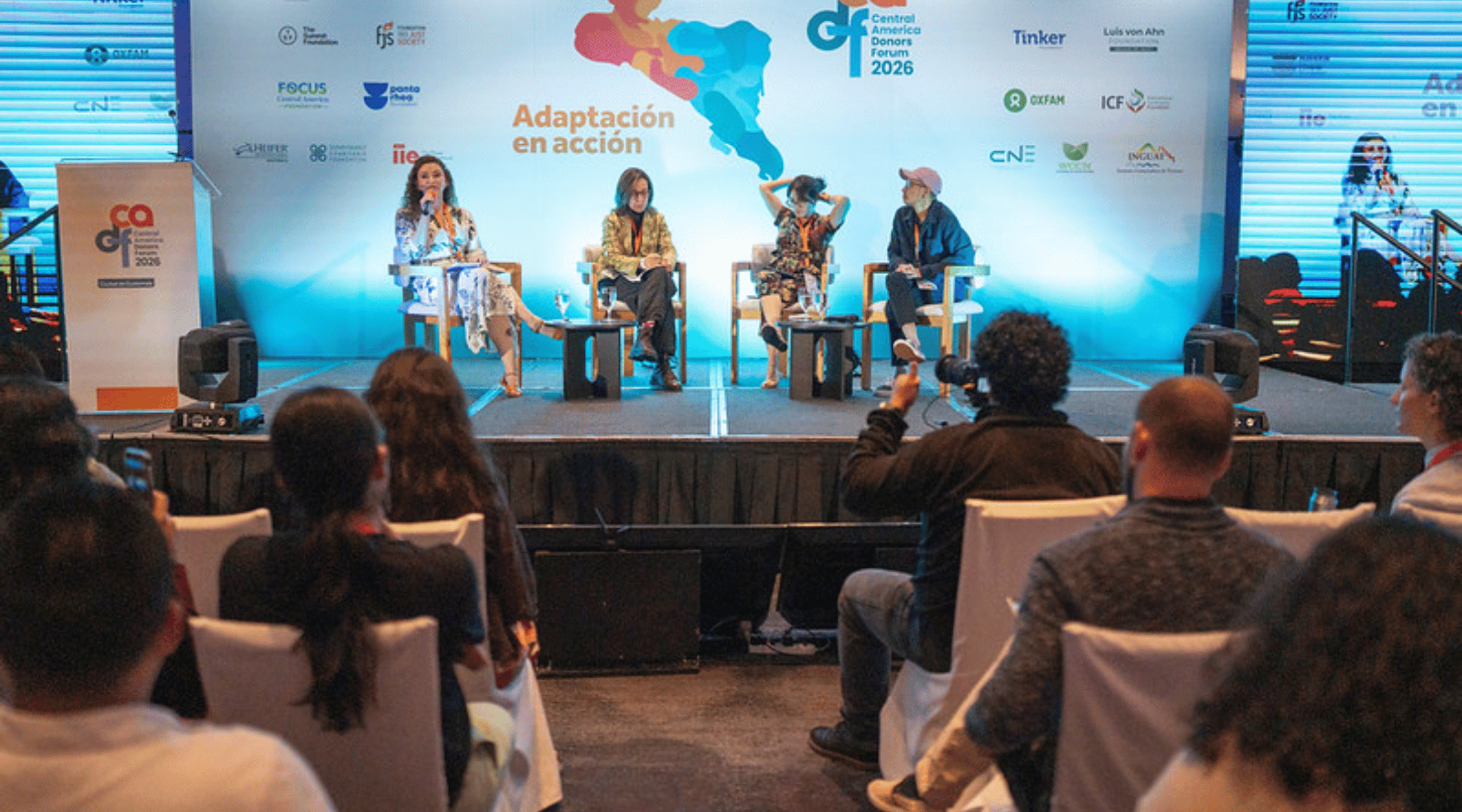


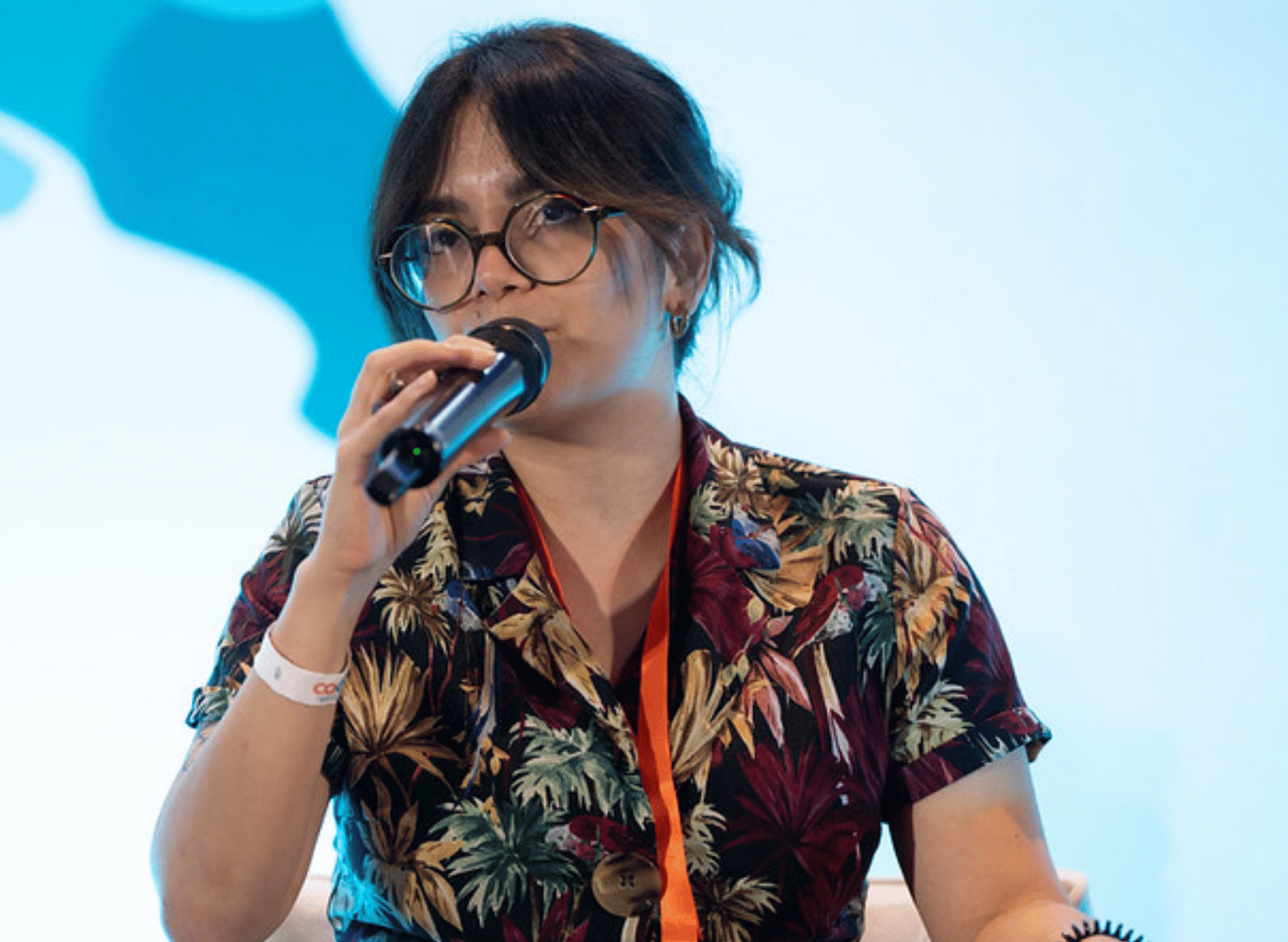
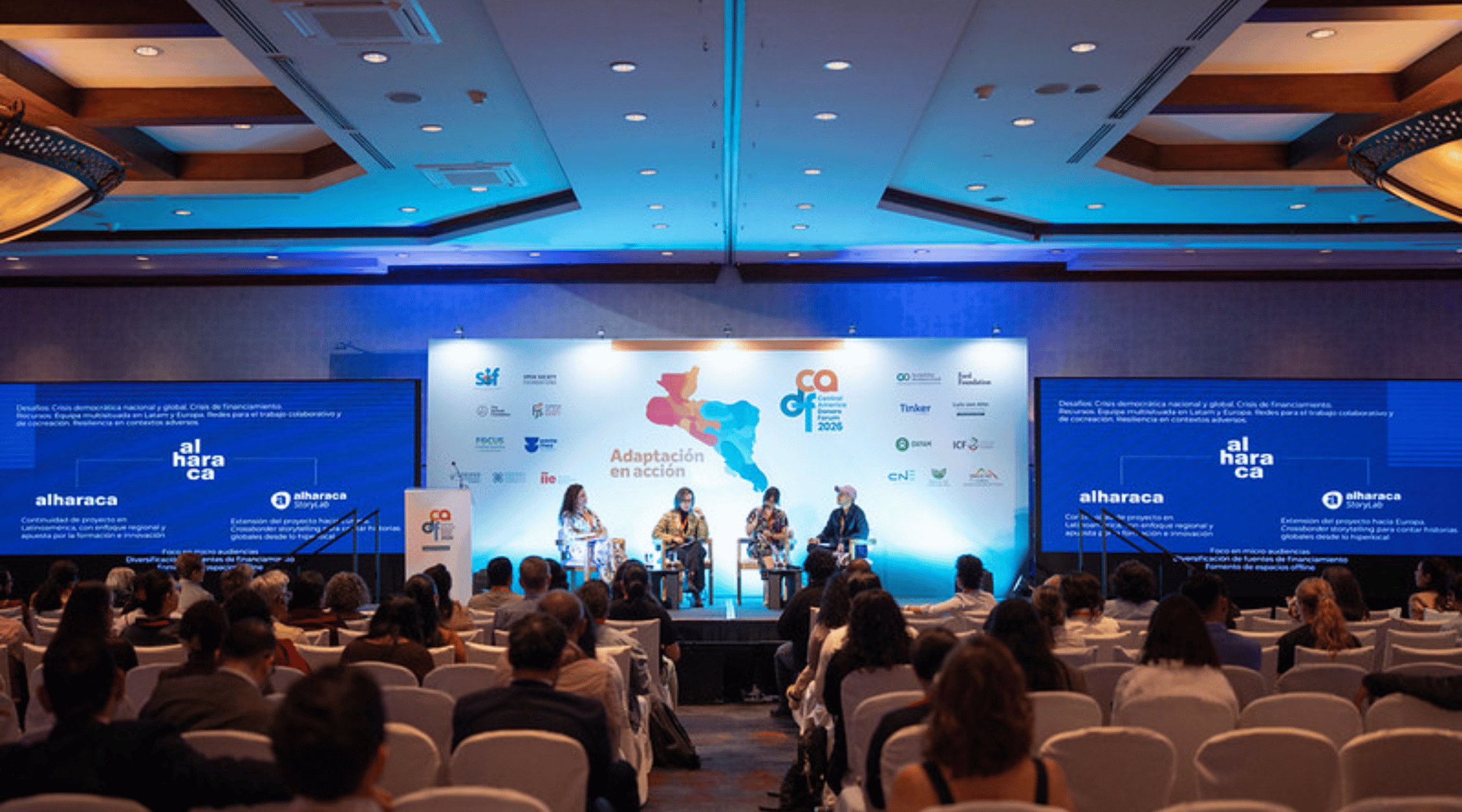
Sentiido

Alharaca
Visibles
Foundation for a Just Society (FJS)
"Human rights cannot become a luxury."
"We shouldn't become paranoid, but we must be as cautious as possible."
"We don't know how to create products, but we know how to tell stories."
"We need to change so that people buy when they truly want and need that service."
"LGBTQ+ people inhabit all spaces, and in the face of a lack of inclusion policies in dignified spaces, we try to create those spaces ourselves."
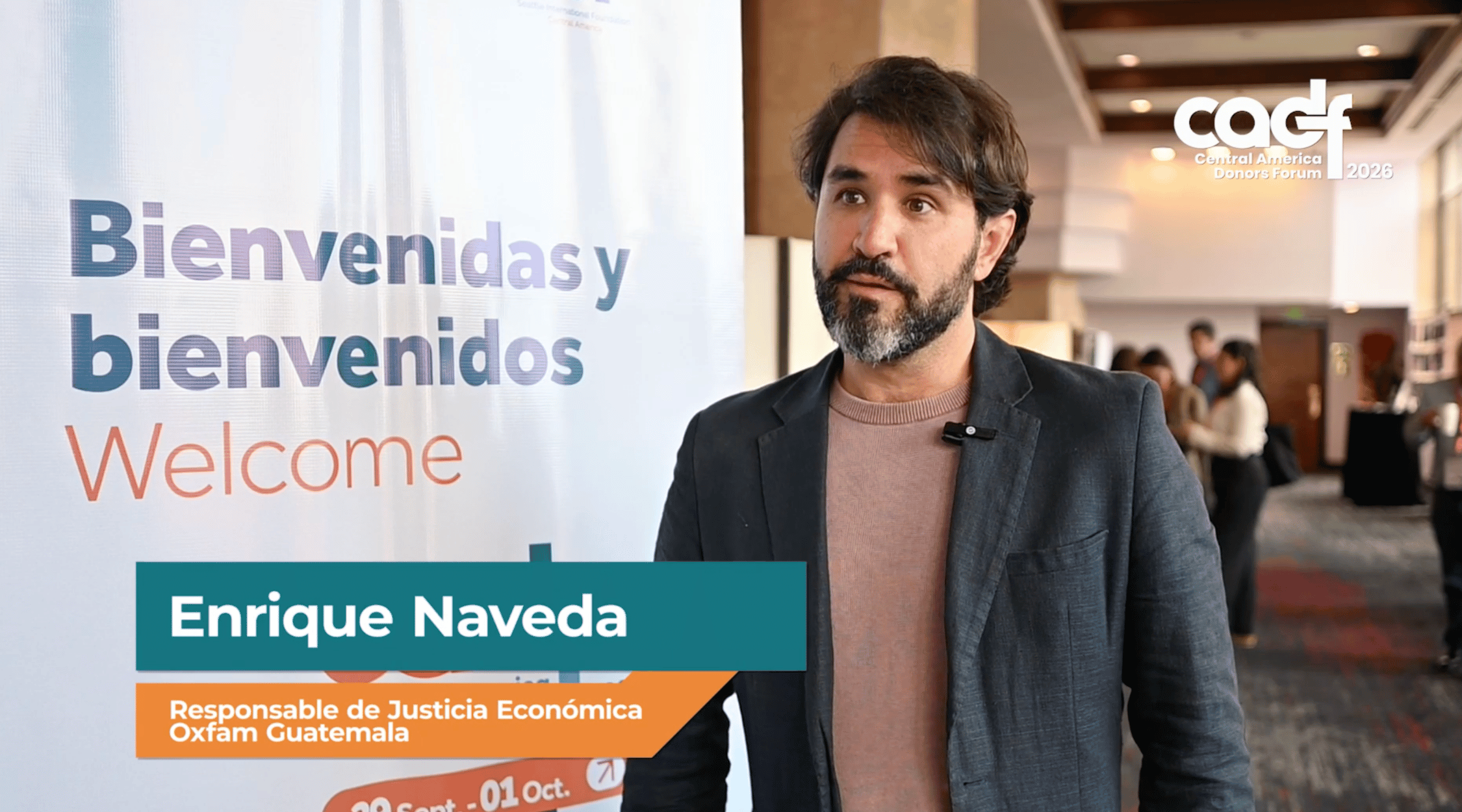
“I enjoy attending the Central America Donors Forum and I have done so repeatedly in recent years because it’s a unique and exemplary space for its diversity, the types of organizations that attend, and the gathering of this development ecosystem[…] Above all, it’s a useful space to connect with people I don’t get to see in my day-to-day life…”
Enrique Naveda, Economic Justice and Democratic Dialogue Lead, Oxfam Guatemala
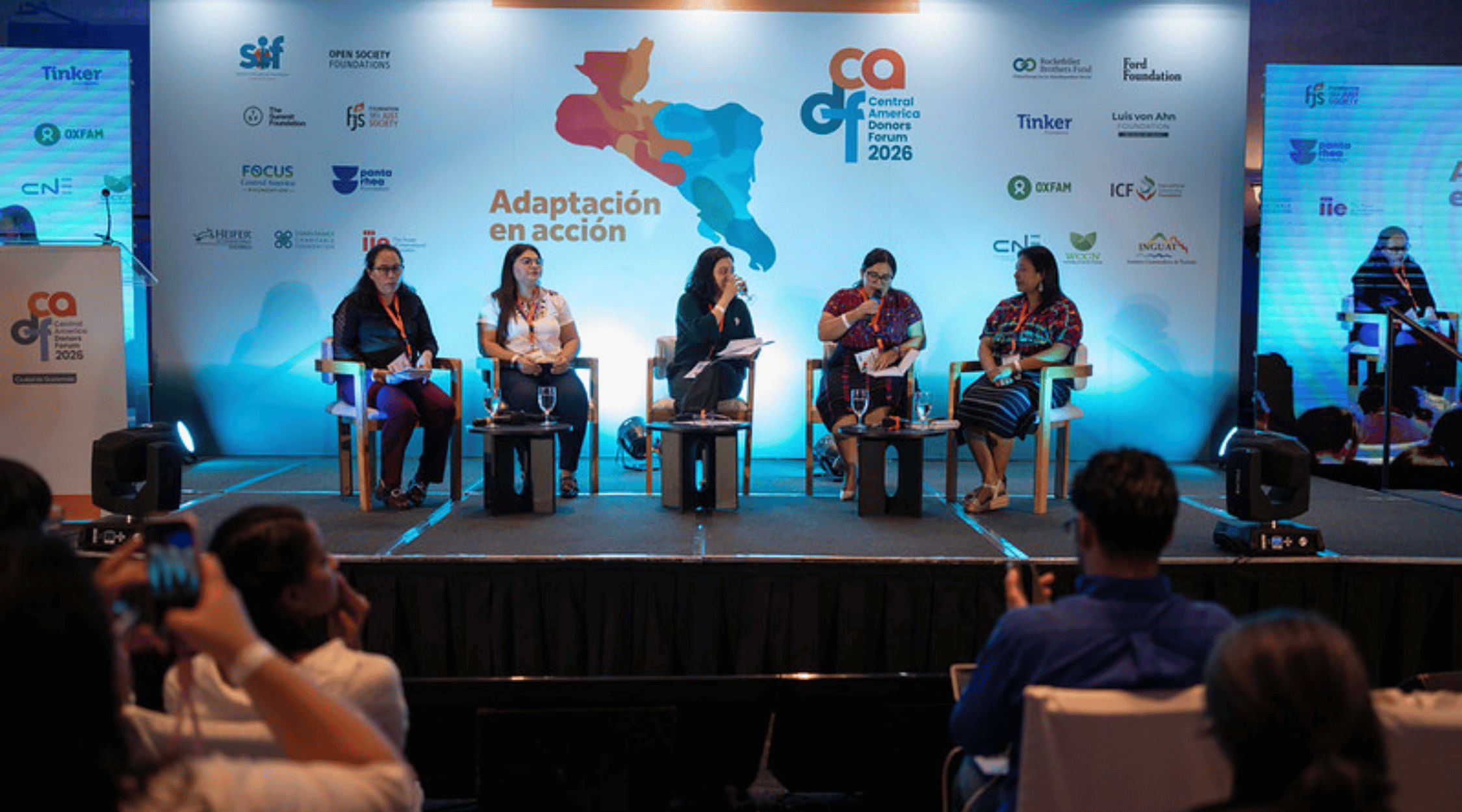
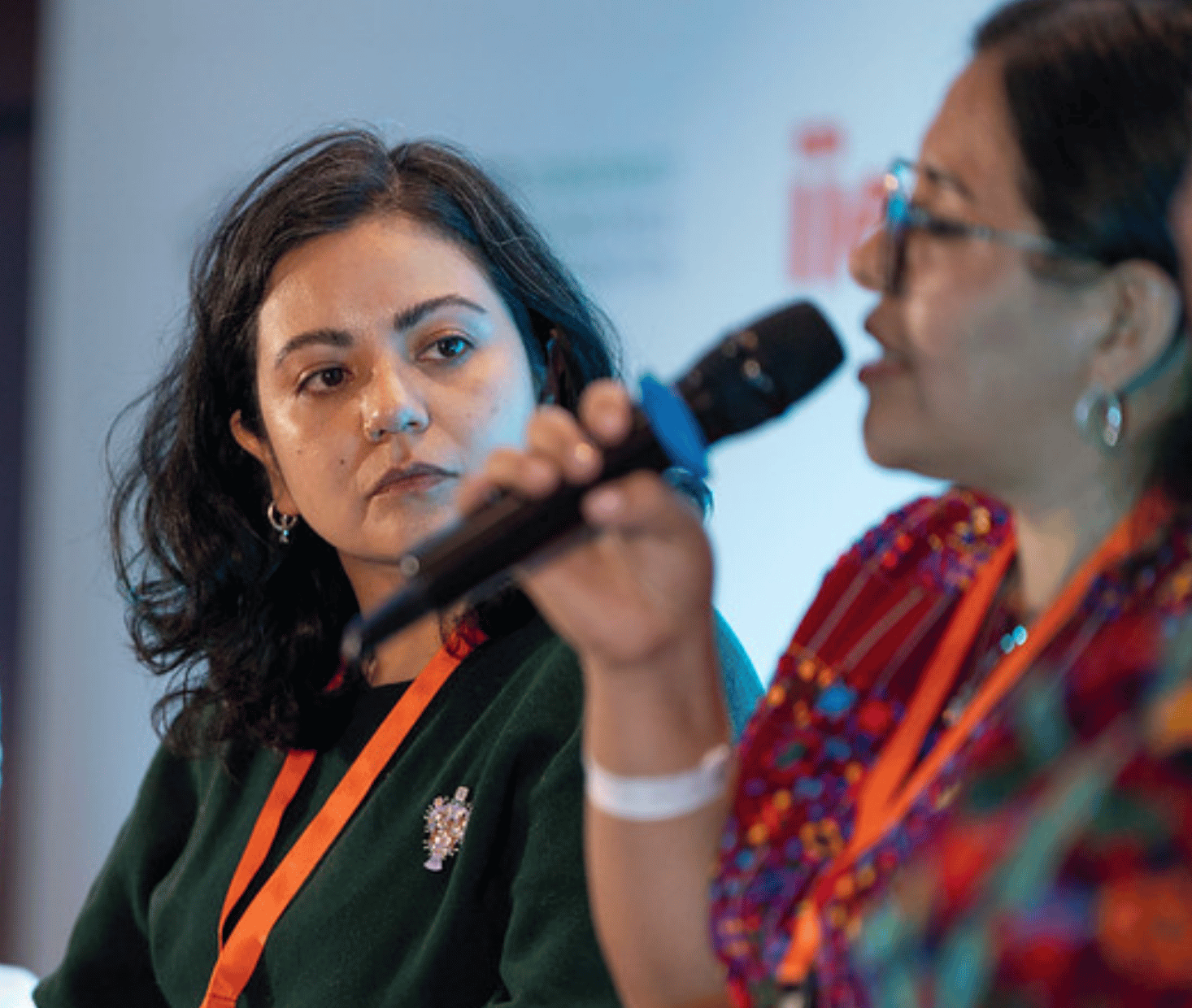
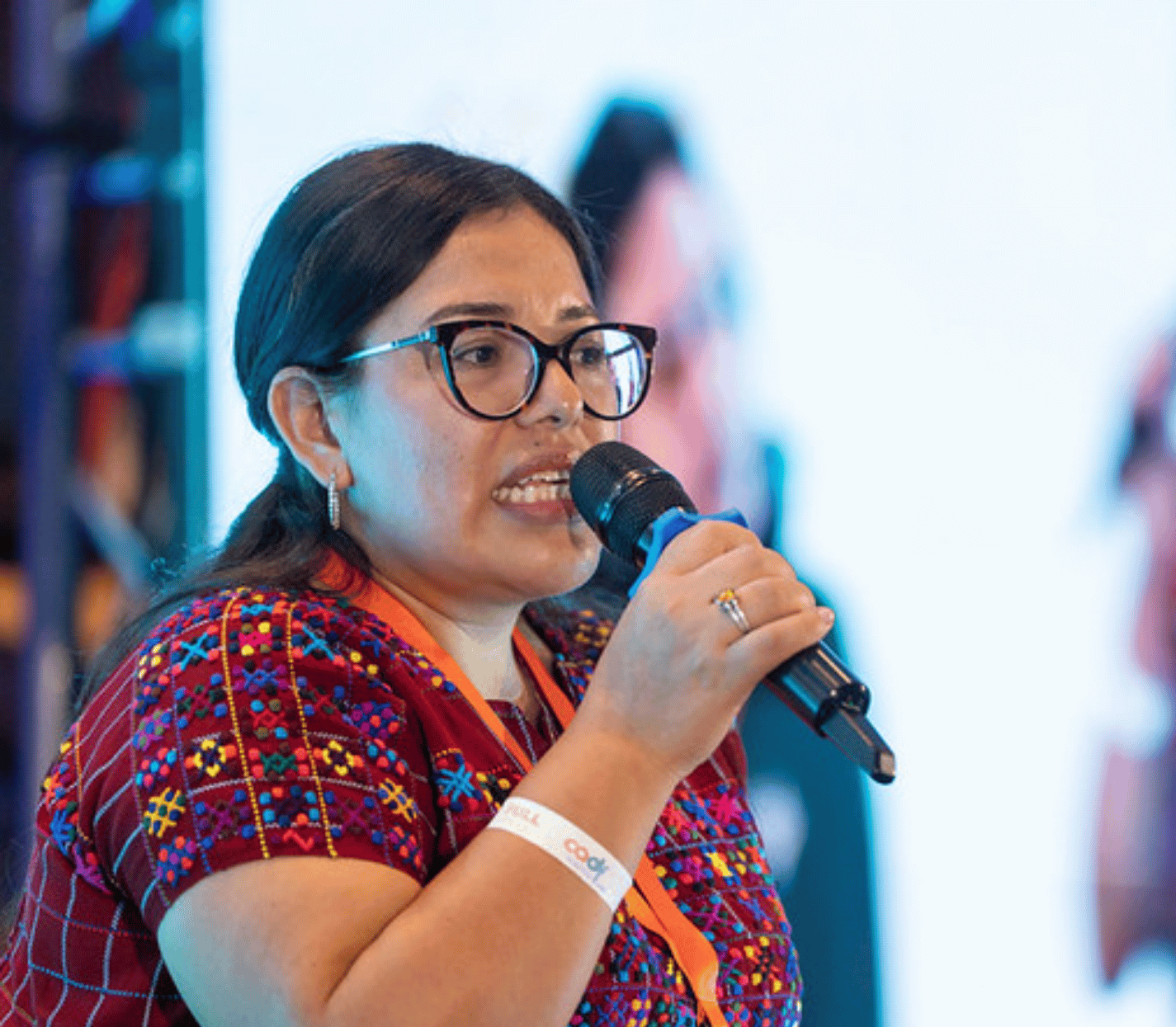
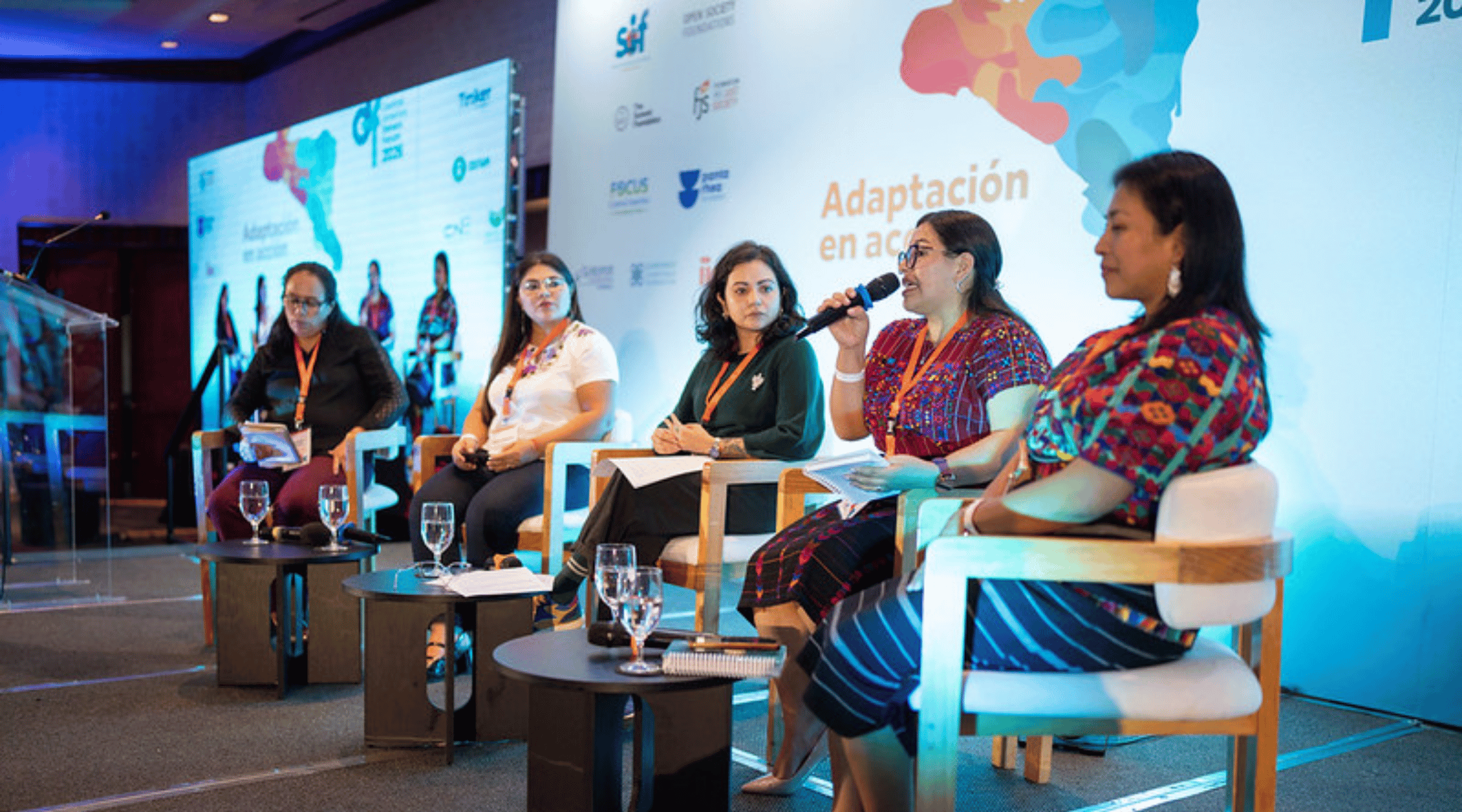
The panelists discussed the appropriation and lack of recognition of women weavers’ work, highlighted by constant price haggling and their displacement by machines. They also addressed the impact of migration on those left behind. Specifically, they noted how Indigenous women often take on disproportionate roles to fill the voids left by emigrating family members, and they questioned the root causes driving this migration. Furthermore, the speakers traced the history of textiles from a basic need for warmth to a cornerstone of the Mayan woman’s economy. This shift has unfortunately led to cultural appropriation and exploitation, exacerbating violence and inequality in the labor and resource distribution among Indigenous women. Finally, they challenged the narrative of female empowerment when it merely masks the overburdening of women who are forced to assume extra household and community responsibilities due to the absence of those who have migrated.

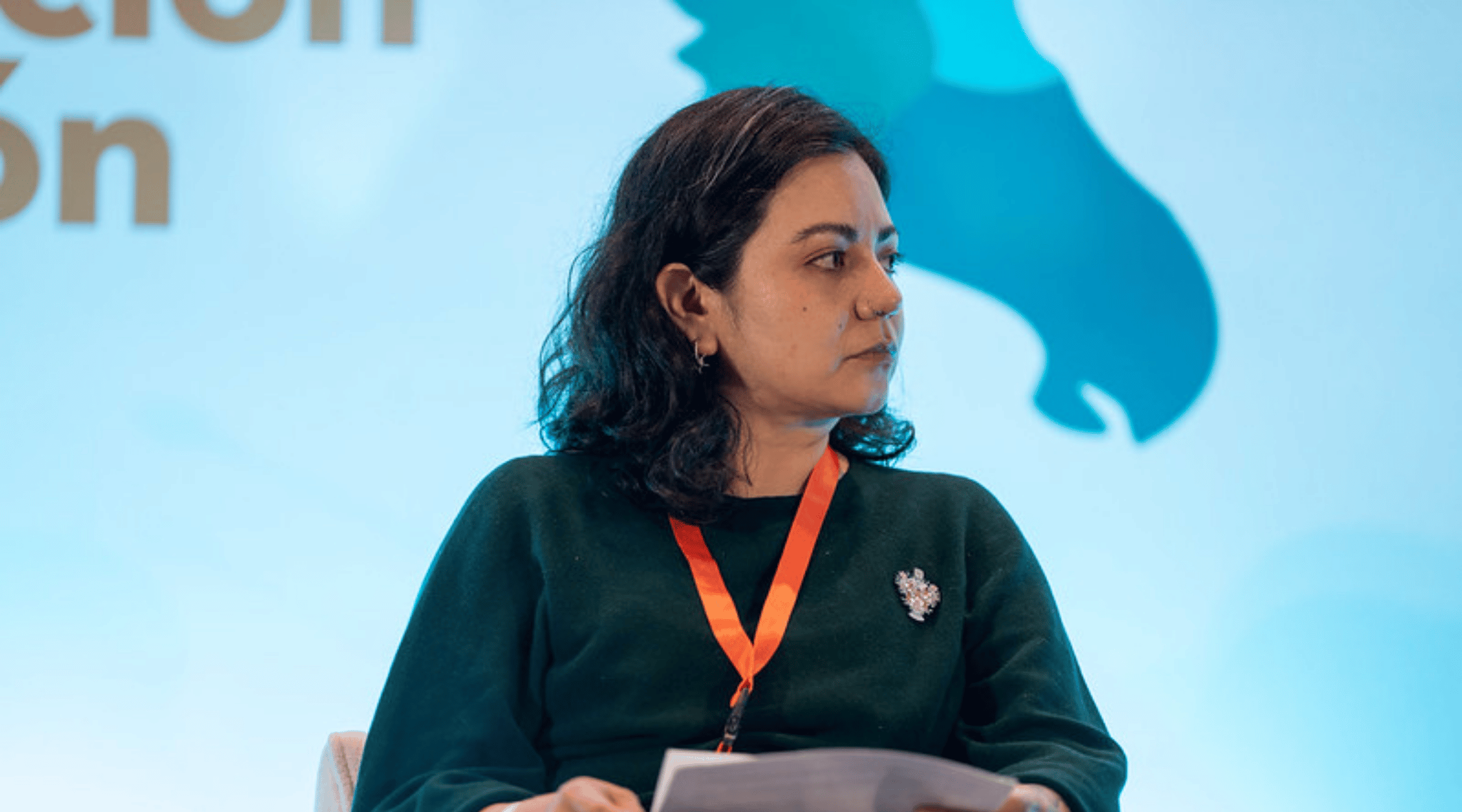
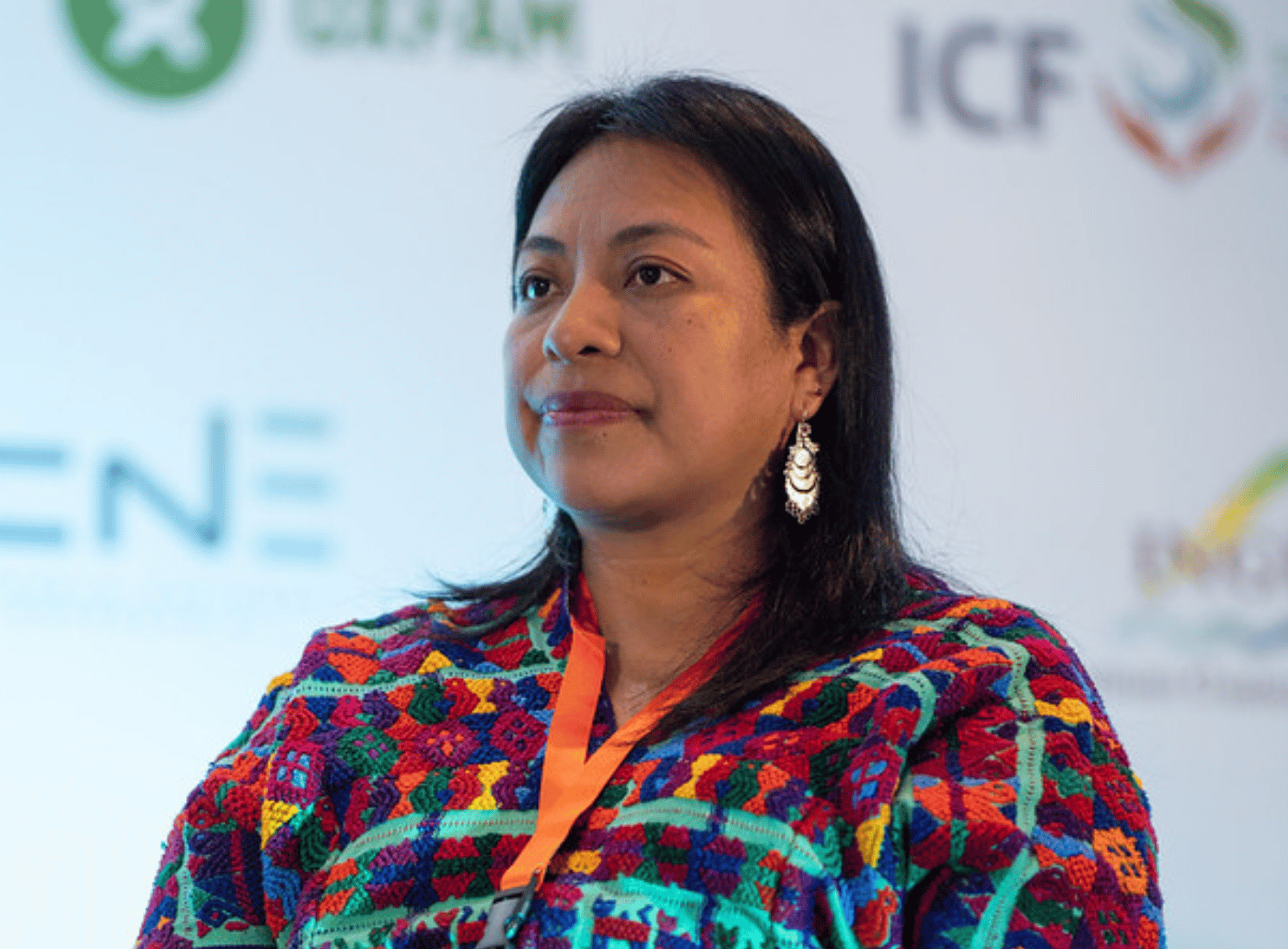
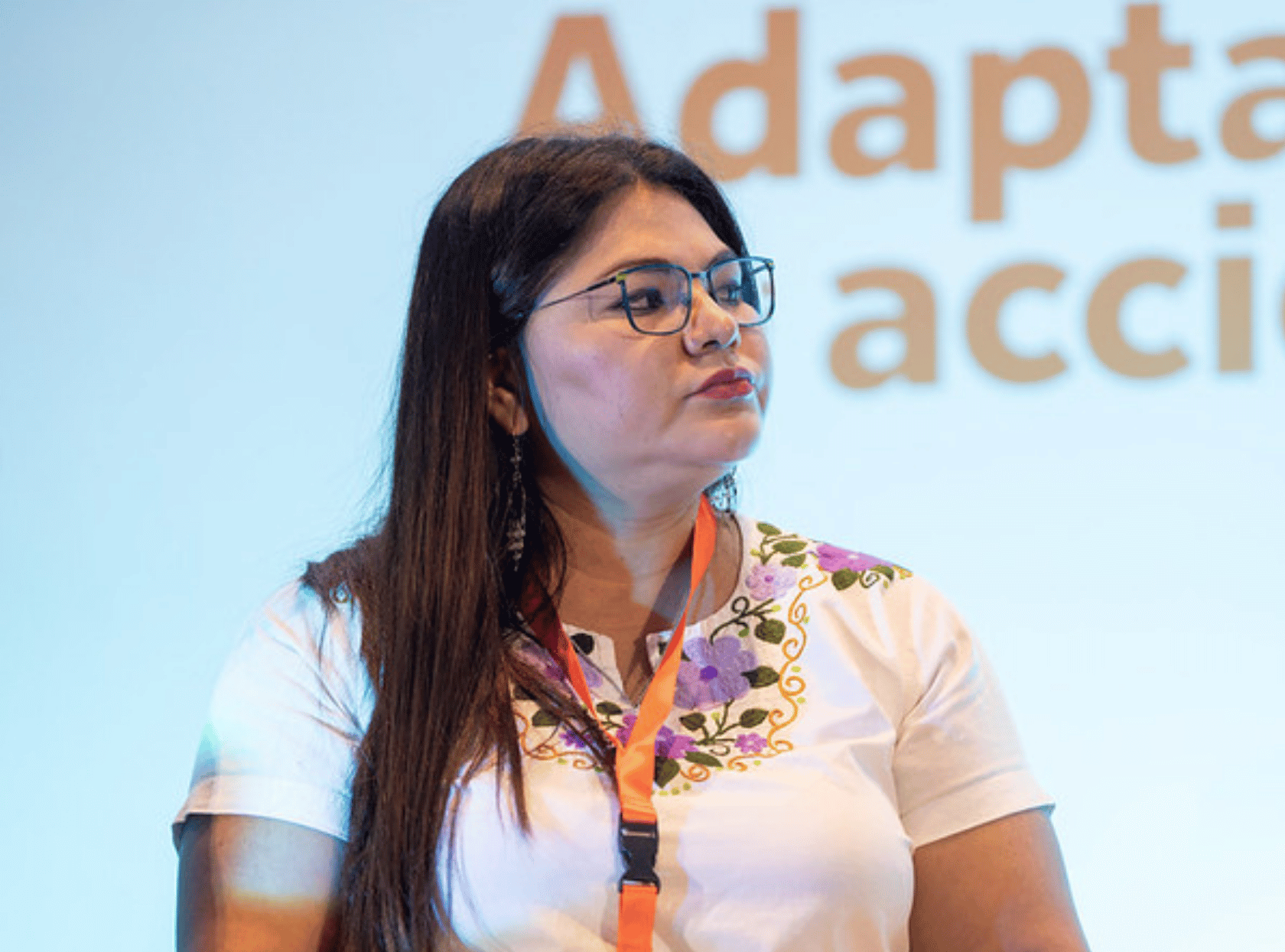
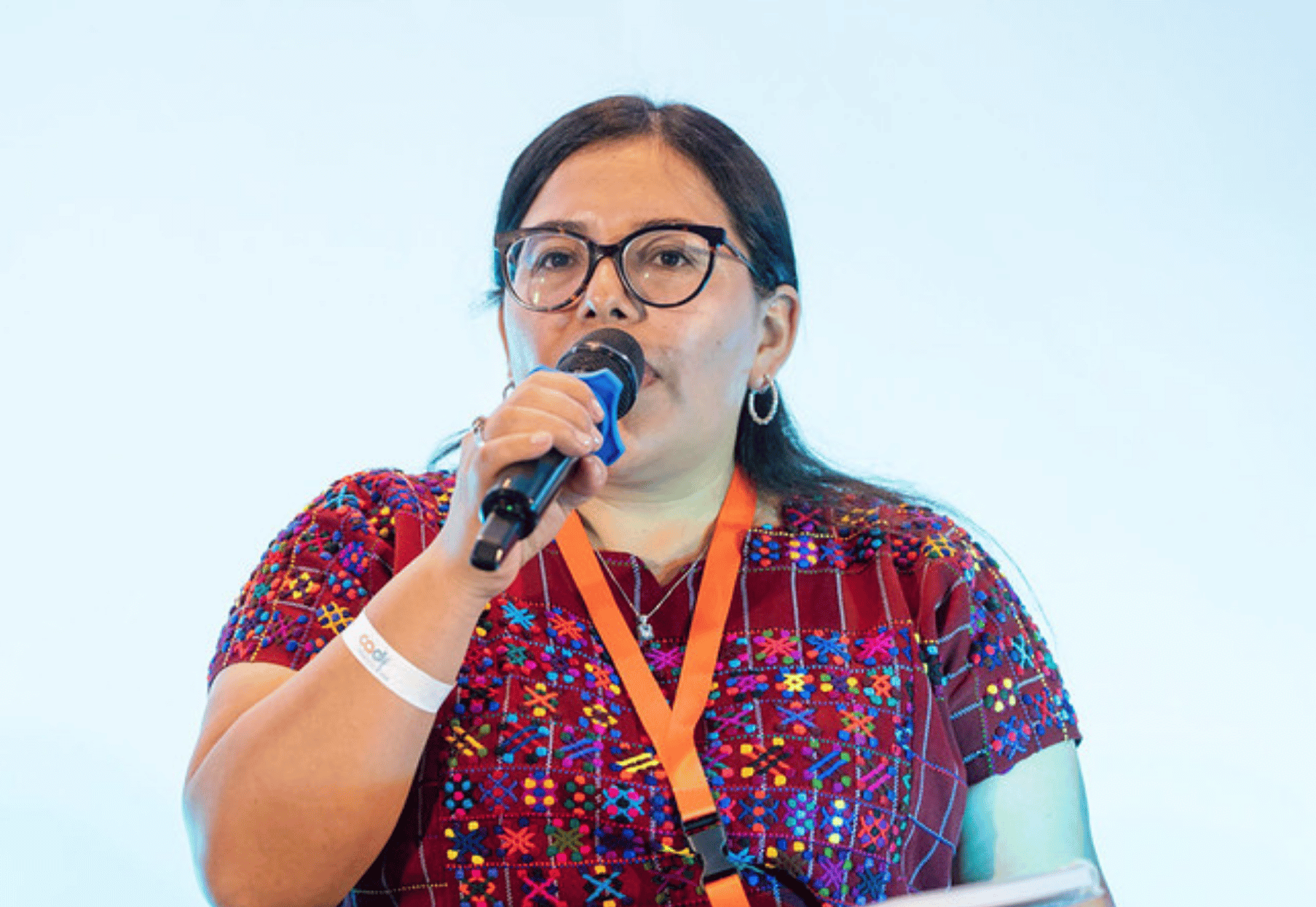
Asociación Cooperativa de Mujeres Dispuestas a Triunfar (ACOMUDT)
Unidad Ecológica Salvadoreña (UNES)
Asociación Pop No’j
Asociación Femenina para el Desarrollo de Sacatepéquez (AFEDES)
FCAM Foundation
"It is important to recognize that women's economies go beyond generating profitability from the work that they do."
"We cannot talk about economic justice if there is no social justice."
"When a family member migrates, who takes on those tasks that are left pending in the community?"
"From the perspective of economic justice, we recognize that Indigenous women are rights-holders."
"The economic inequality we experience as women neither begins nor ends with our ability to generate income; it is also related to who does or does not have access to resources, and who makes the decisions about what work is actually recognized as work."
A panel of four experts in LGBTIQ+ rights discussed the safeguarding of LGBTIQ+ youth, particularly trans children and adolescents. They addressed the specific needs of these youth, the responses from authorities, and the efforts of advocacy organizations alongside the legal limitations they face. The panel questioned what is truly required to drive systemic change, evaluating current methodologies and the harsh realities ignored by the state regarding trans youth protection. Discussions highlighted how families can often be the primary aggressors, pointing to “conversion” practices by relatives and churches regardless of their legality. They also explored how rigid school norms impose gender ideologies that leave trans children vulnerable due to state negligence. The session concluded that embracing and teaching diversity is paramount for protecting children, both behind closed doors at home and in public spaces such as schools, hospitals, and essential services.

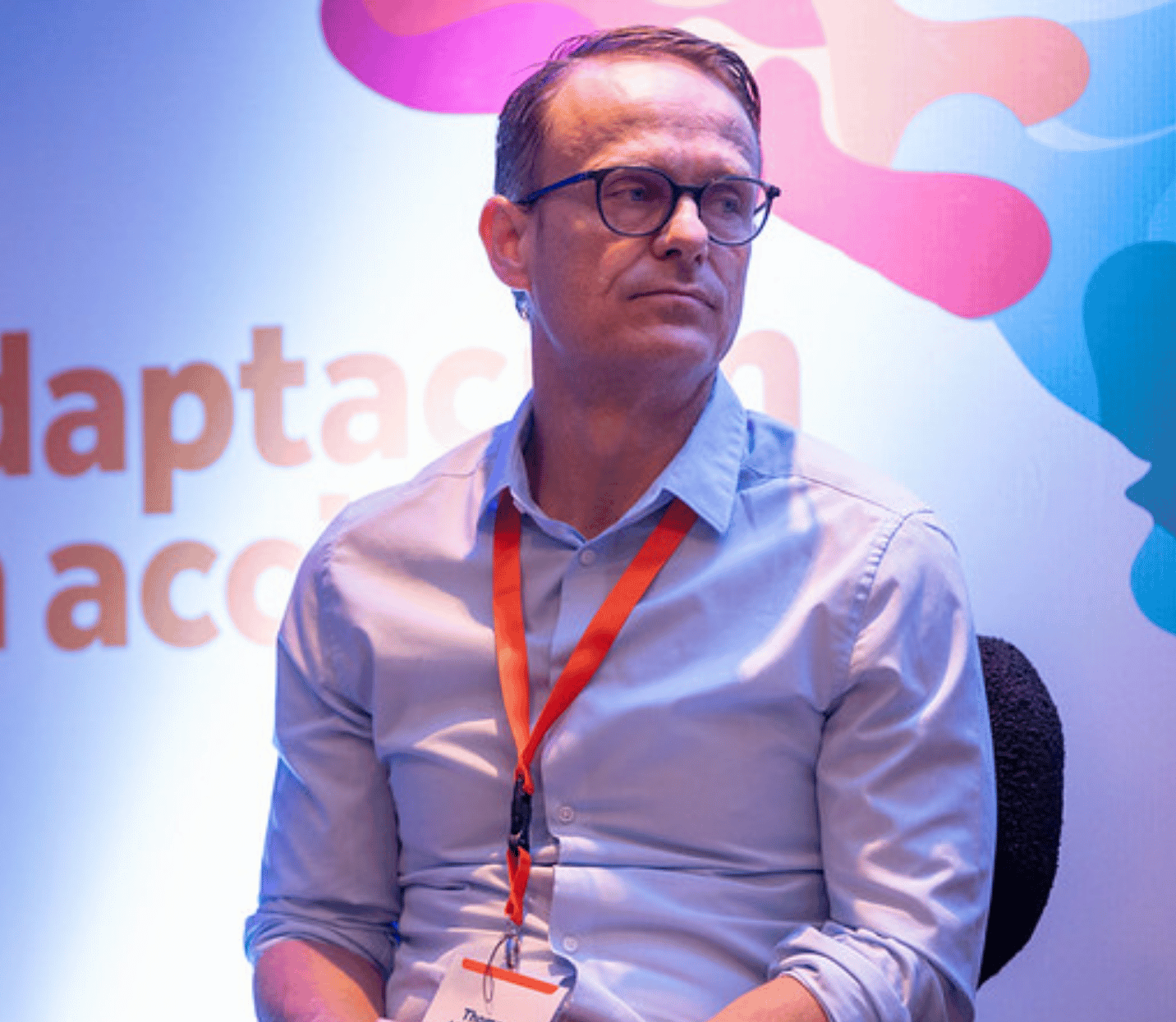
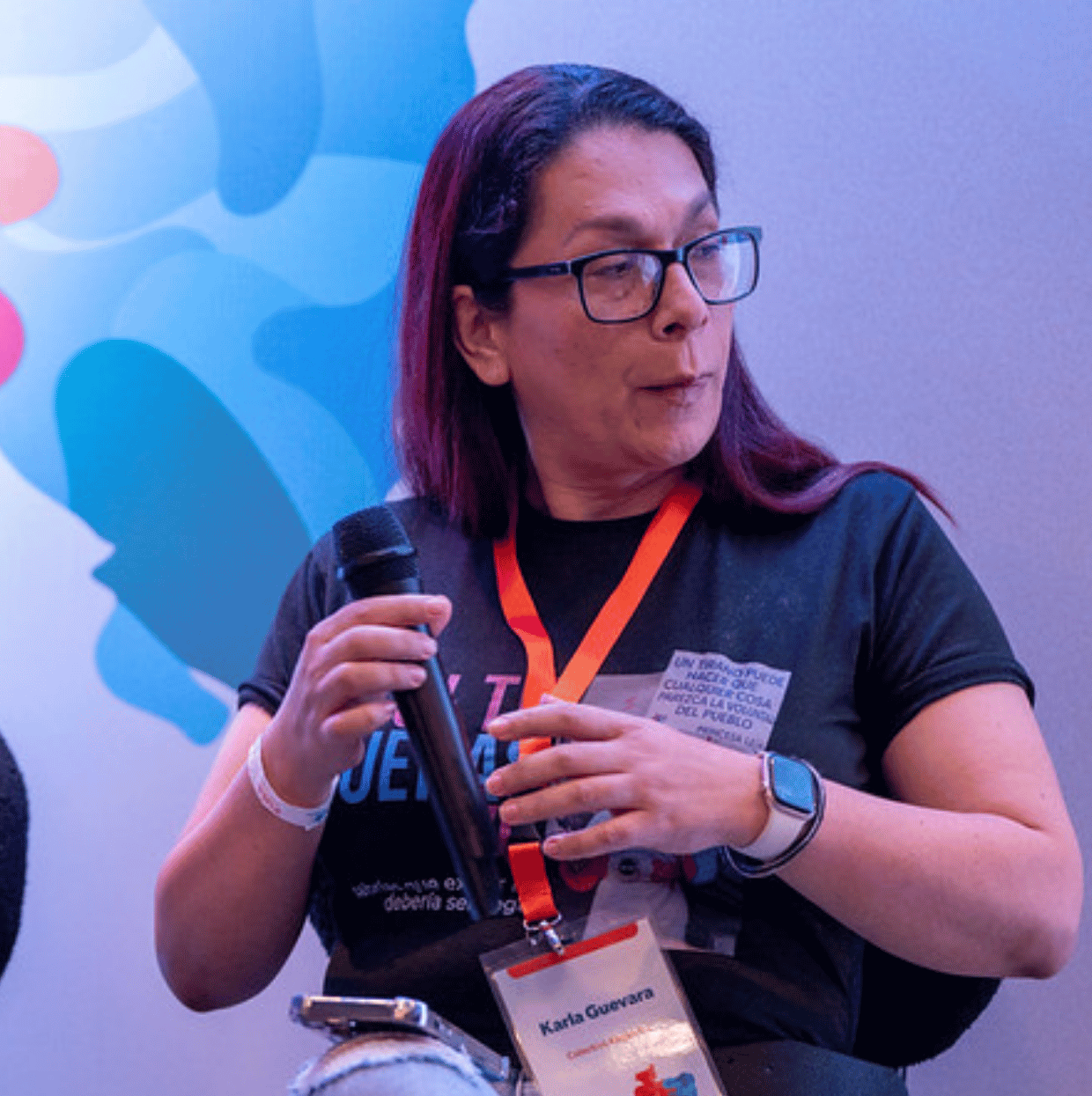
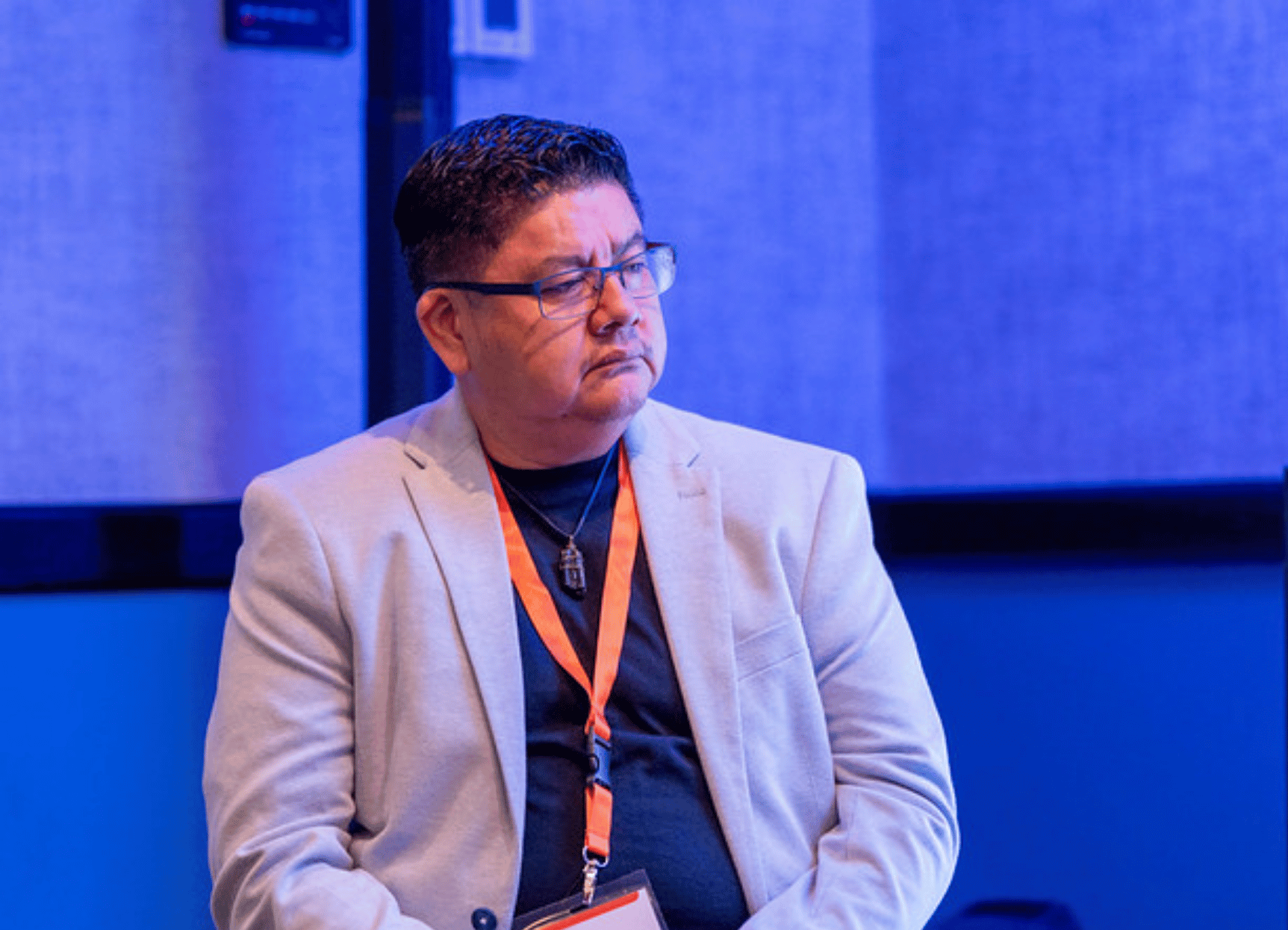
Terre des Hommes
Colectivo Alejandría
HT El Salvador
Colectivo de Hombres Trans Trans-Formación

La Brújula Magazine
"The Guatemalan government is not only submissive, but it also uses government institutions to persecute."
"There is a gap between the protection of rights and real protection."
"We need to transition from individual protection to organized protection."
LGBTIQ+ children suffer from a double burden of violence and lack of protection."
"The first step is to recognize the existence of LGBTIQ+ children and adolescents."
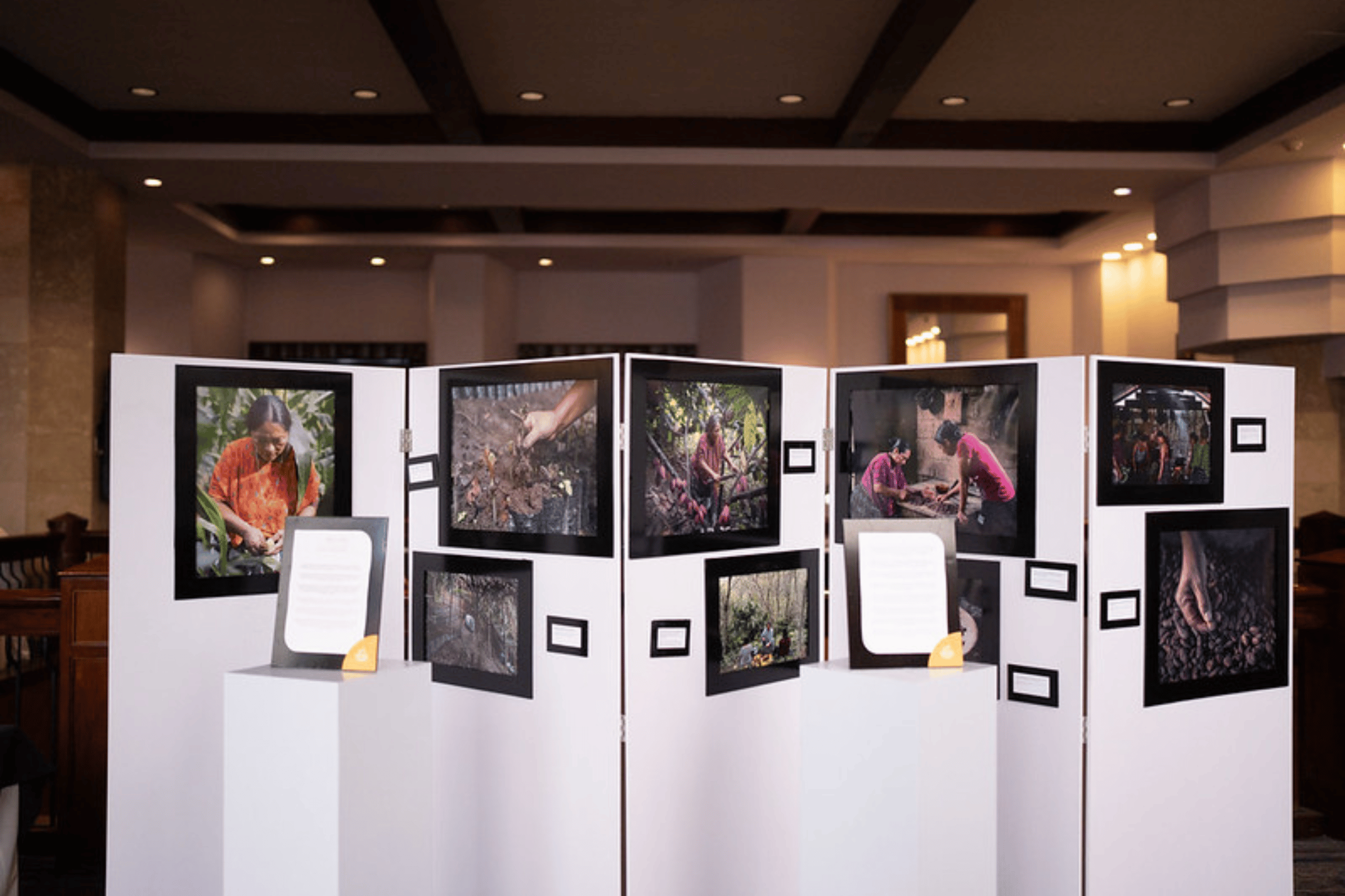
Explore, use, and share images from CADF 2026 sessions and activities.
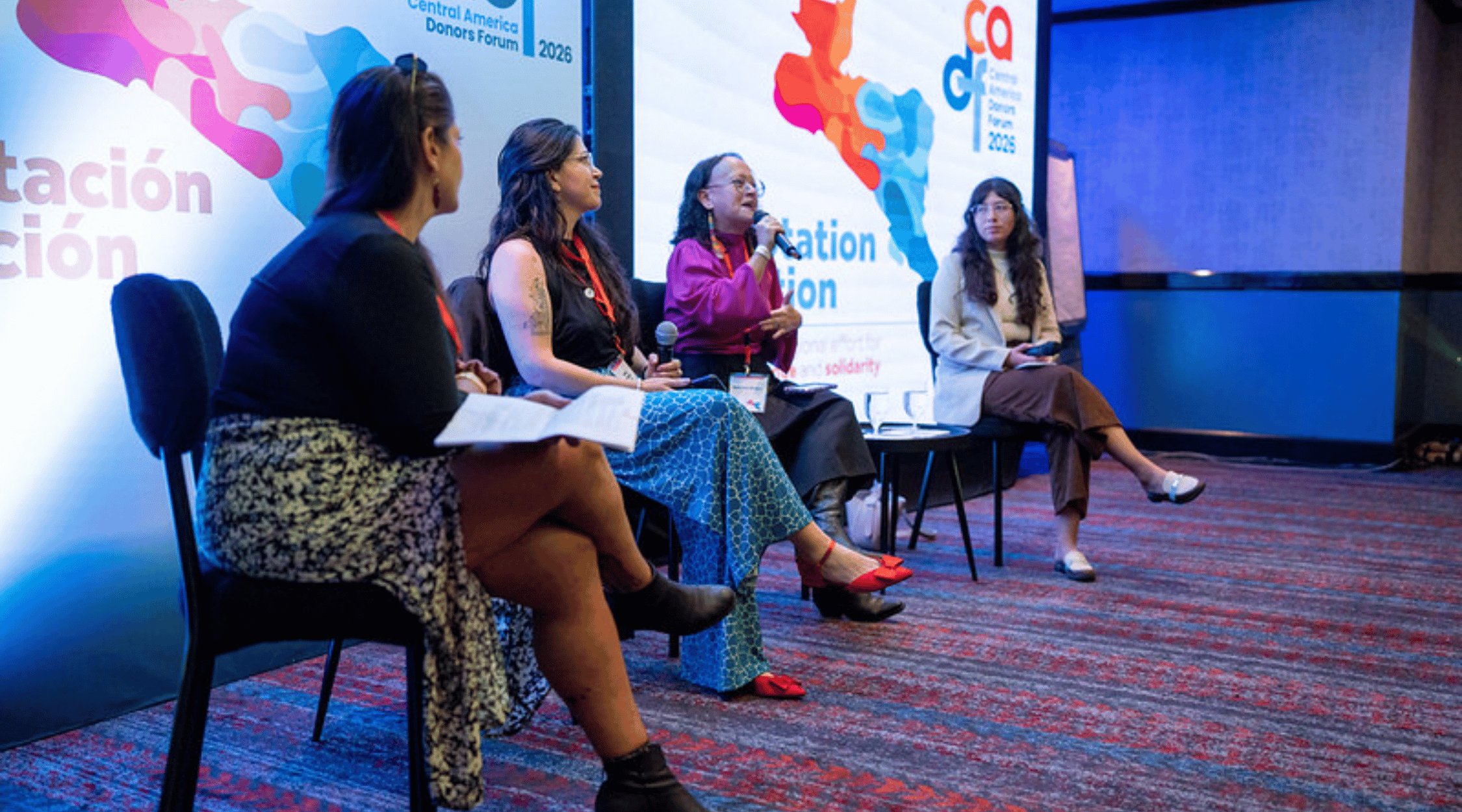
View the CADF 2026 albumA forum organized by Oxfam and the digital media outlet Quorum opened the debate on the importance of transforming traditional narratives about Central America, championing constructive journalism focused on human rights and real solutions. Participants questioned simplistic coverage that promotes polarization and erases the region’s historical context. During the session, Pía Flores and Gabriela Melgar facilitated an exchange that validated the value of digital and community media in reflecting diversity and grassroots organizational capacity. For her part, Jeanelly Vásquez highlighted that the greatest challenge today is combating misinformation on social media through active listening directly within neighborhoods. The panelists concluded that journalism must go beyond merely denouncing precarious conditions; its true mission is to highlight viable proposals for change and generate content that inspires and mobilizes civic dialogue.
Oxfam Central America
Hivos Latin America
Quorum
Quorum
"Today we are here because we believe there is another way to narrate and tell stories, from a place of empowerment, innovation, and hope (...) We develop projects to change the perspective."
"Journalism has this function of being able to [connect] with those who have grown up, perhaps to see other solutions and identify which populations were the most affected (...) using journalism to achieve representation."
The most important and fundamental thing, like for these people who wanted to tell their story (...) Where are we going to tell it from? Outside of those categorical frameworks in which we are accustomed to reading them."
"When we combine those ideas of hope or good intentions with clear paths, then things can indeed start to move (...) Journalism as evidence reveals the paths toward possible solutions."
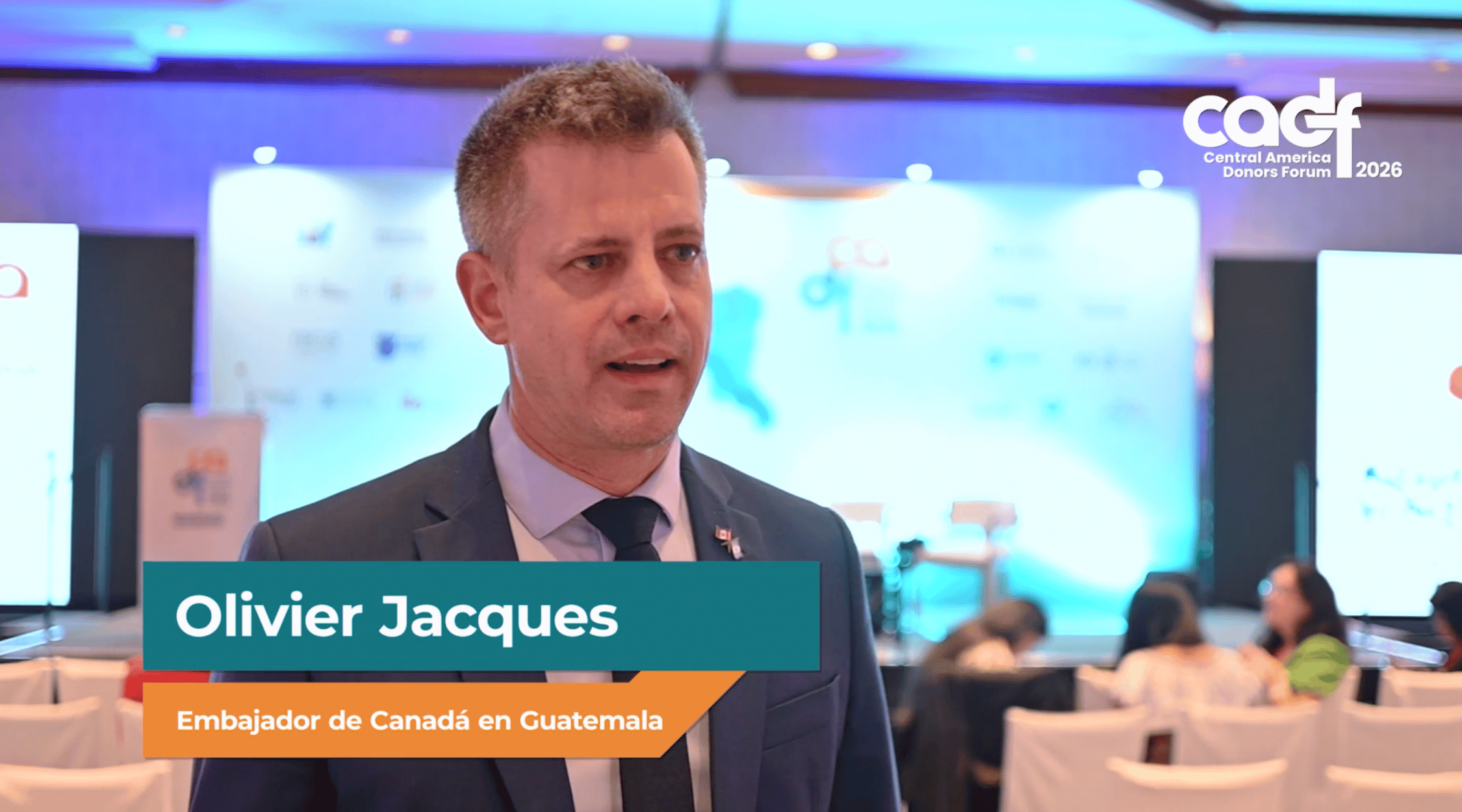
“For a donor country like Canada, being present at an event like this is extremely important as it’s a unique opportunity to connect with people from across the region, and above all, to understand the operating context here in Guatemala and other Central America countries.”
Olivier Jacques Ambassador of Canada in Guatemala

Regional Director, Mexico and Central America, Ford Foundation

President, Tinker Foundation

Co-founder and CEO, Duolingo
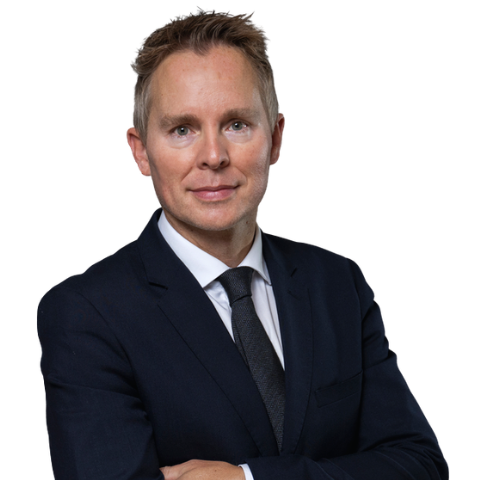
Ambassador of Sweden to Guatemala, concurrent in El Salvador, Honduras, Nicaragua, Costa Rica and Panama
Director for Central America and Mexico Program, CEJIL
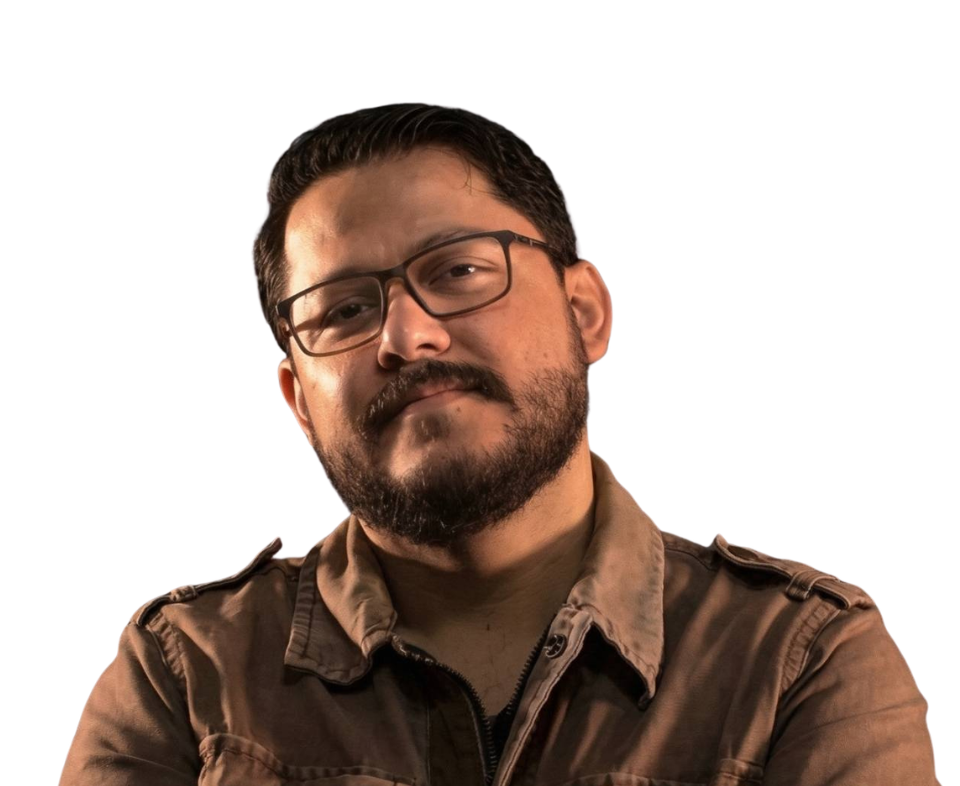
Founding Director, Redacción Regional and President, Intermedios

Ambassador of Spain in Guatemala and Belize
Co-founder, Quorum

Program Manager, Open Society Foundations
Executive Director, Cristosal
Acting Executive Vice President for Programs and Program Director, Western Balkans, Rockefeller Brothers Fund
Feminist Activist & Human Rights Defender
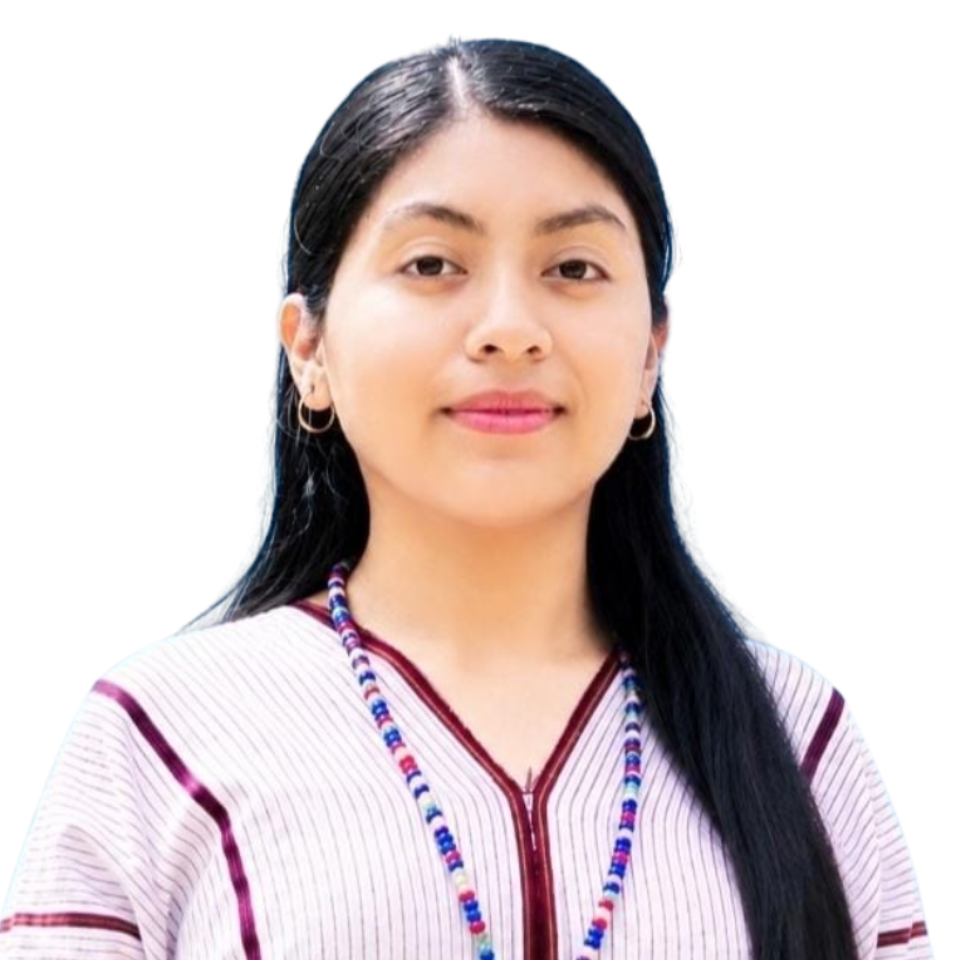
Ix Yajaw Mayab’ 2026-2027, Colectivo Representativas Culturales del Mayab’
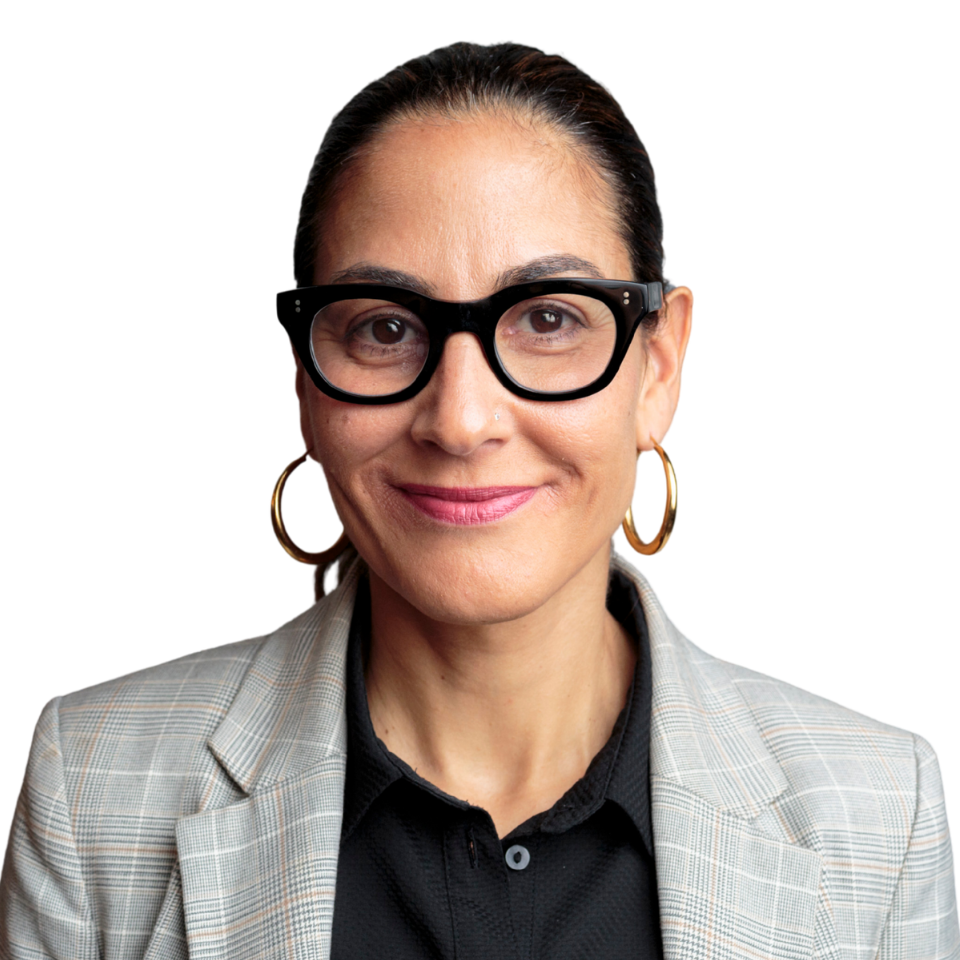
Co-CEO, Foundation for a Just Society
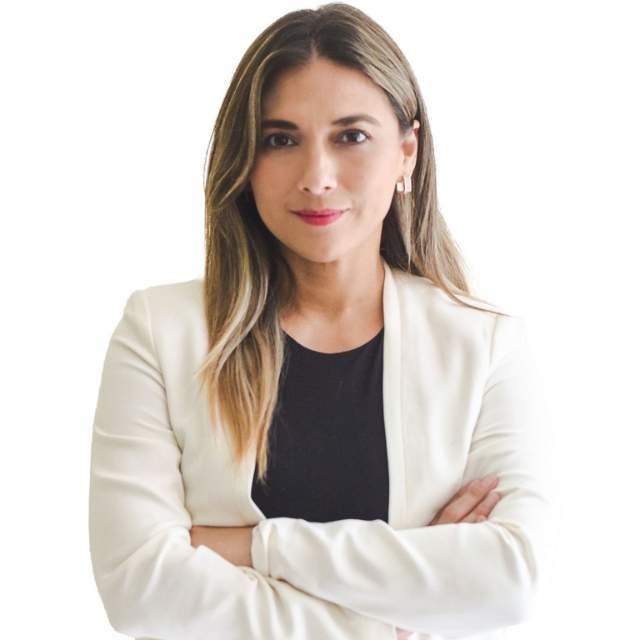
Executive Director, National Business Council (CNE)

CEO, Editorial y Librerías Piedrasanta
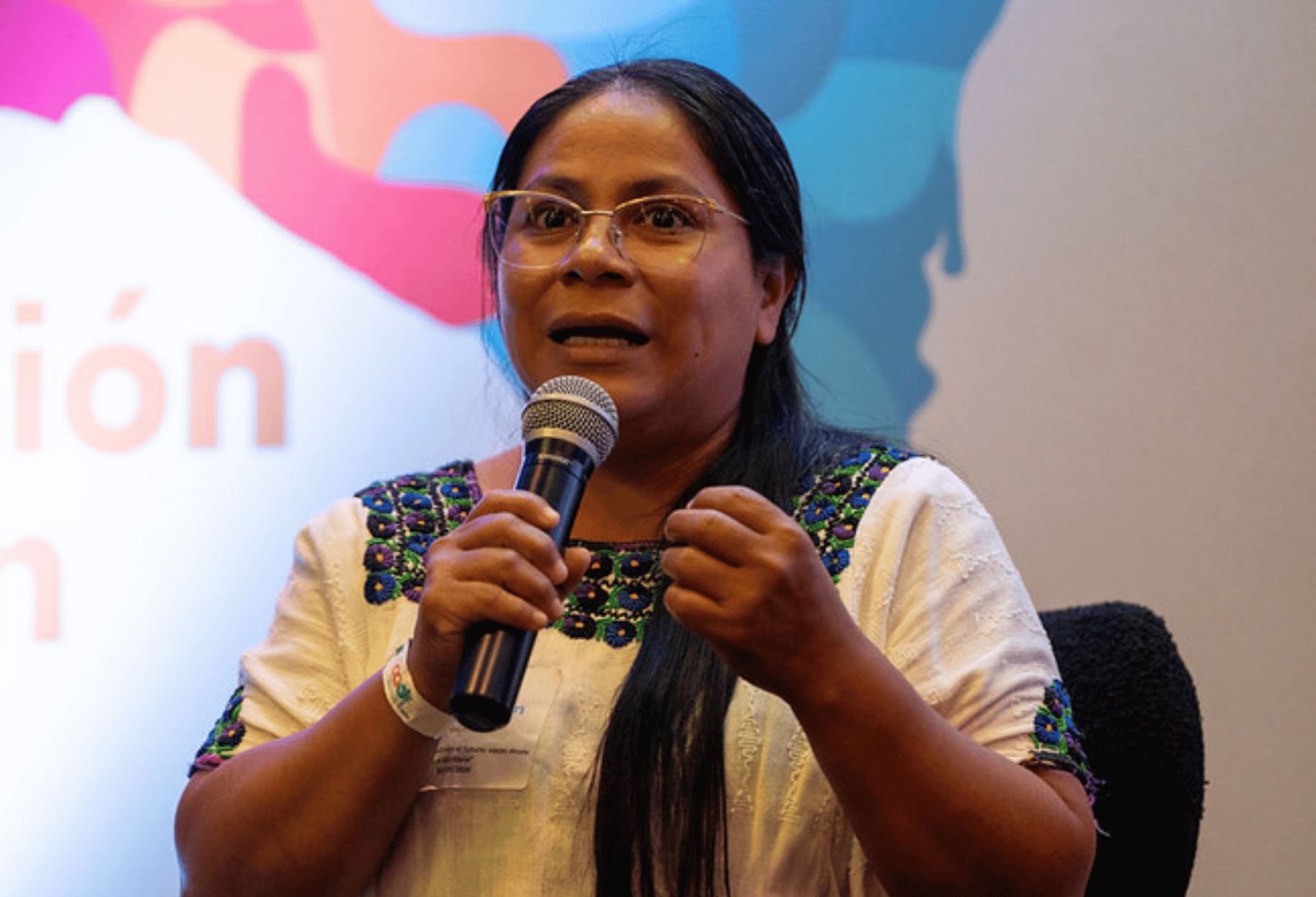
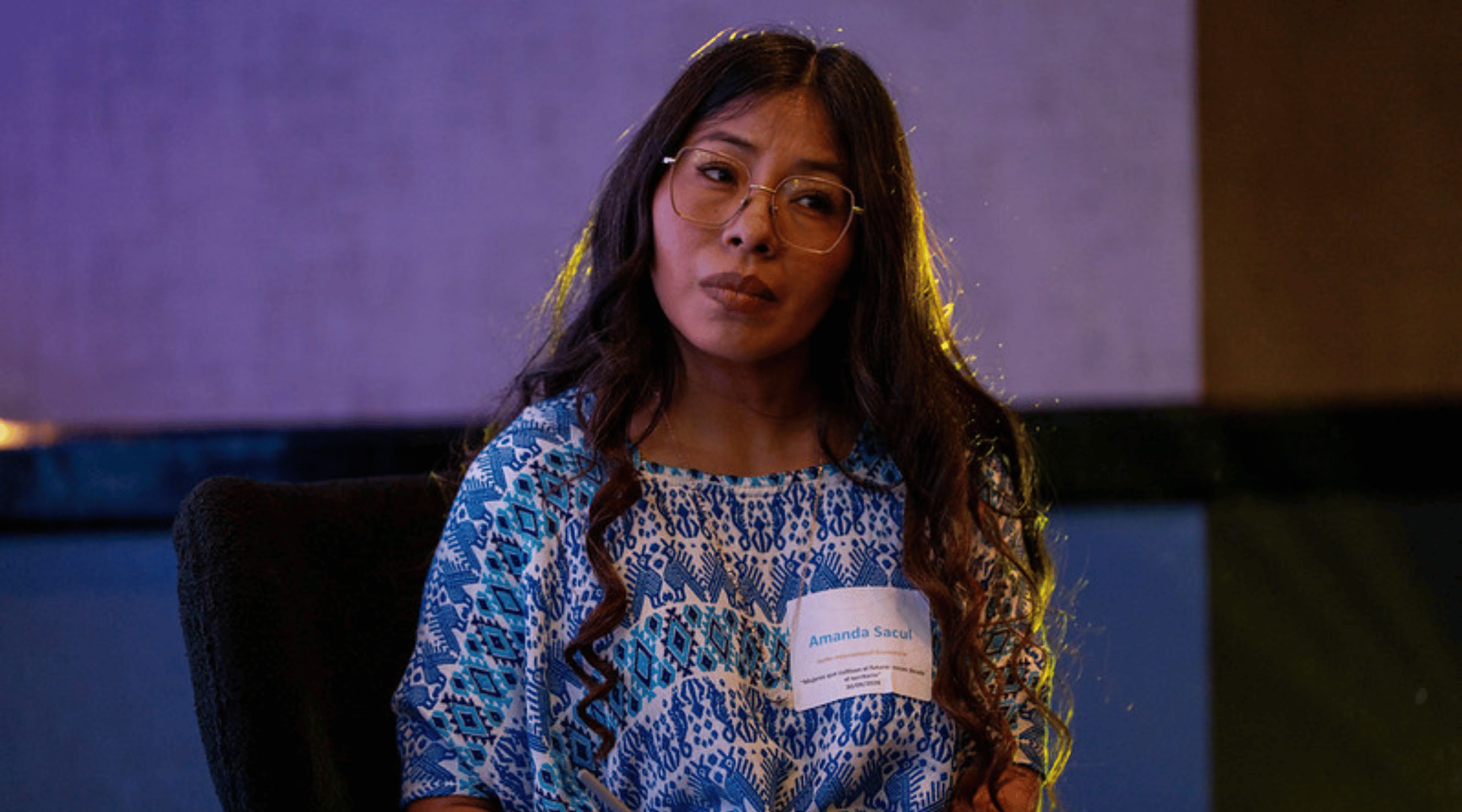
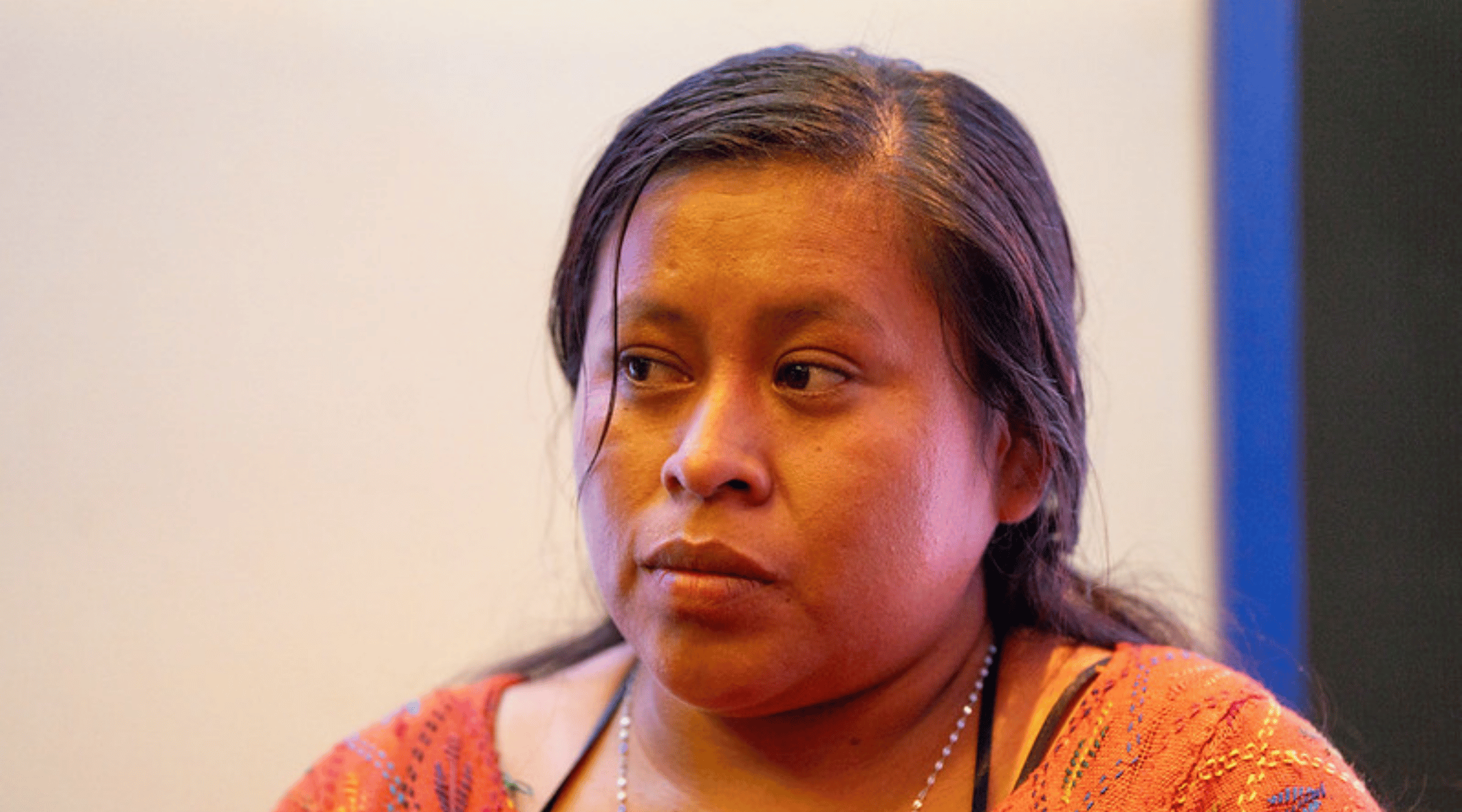
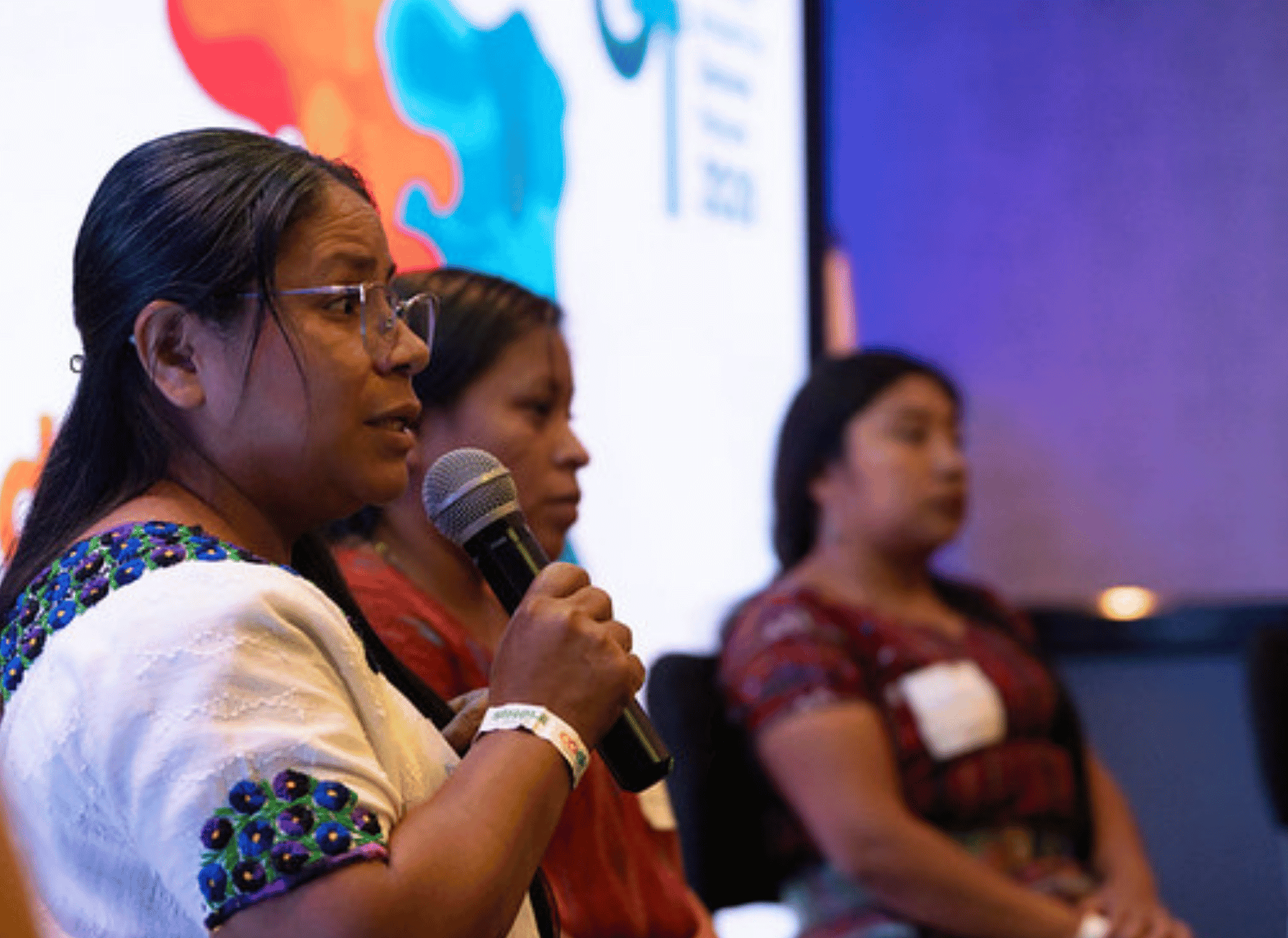
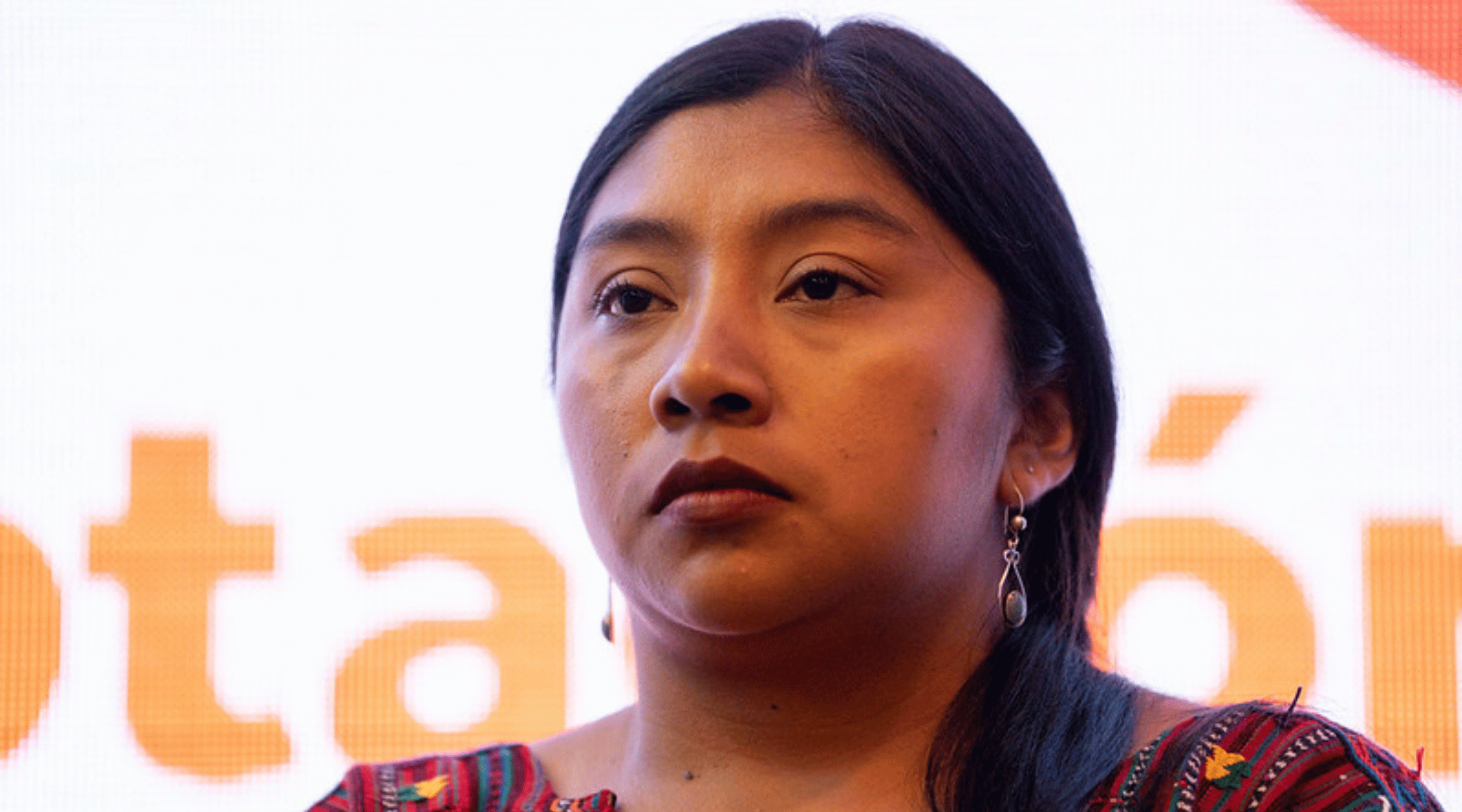
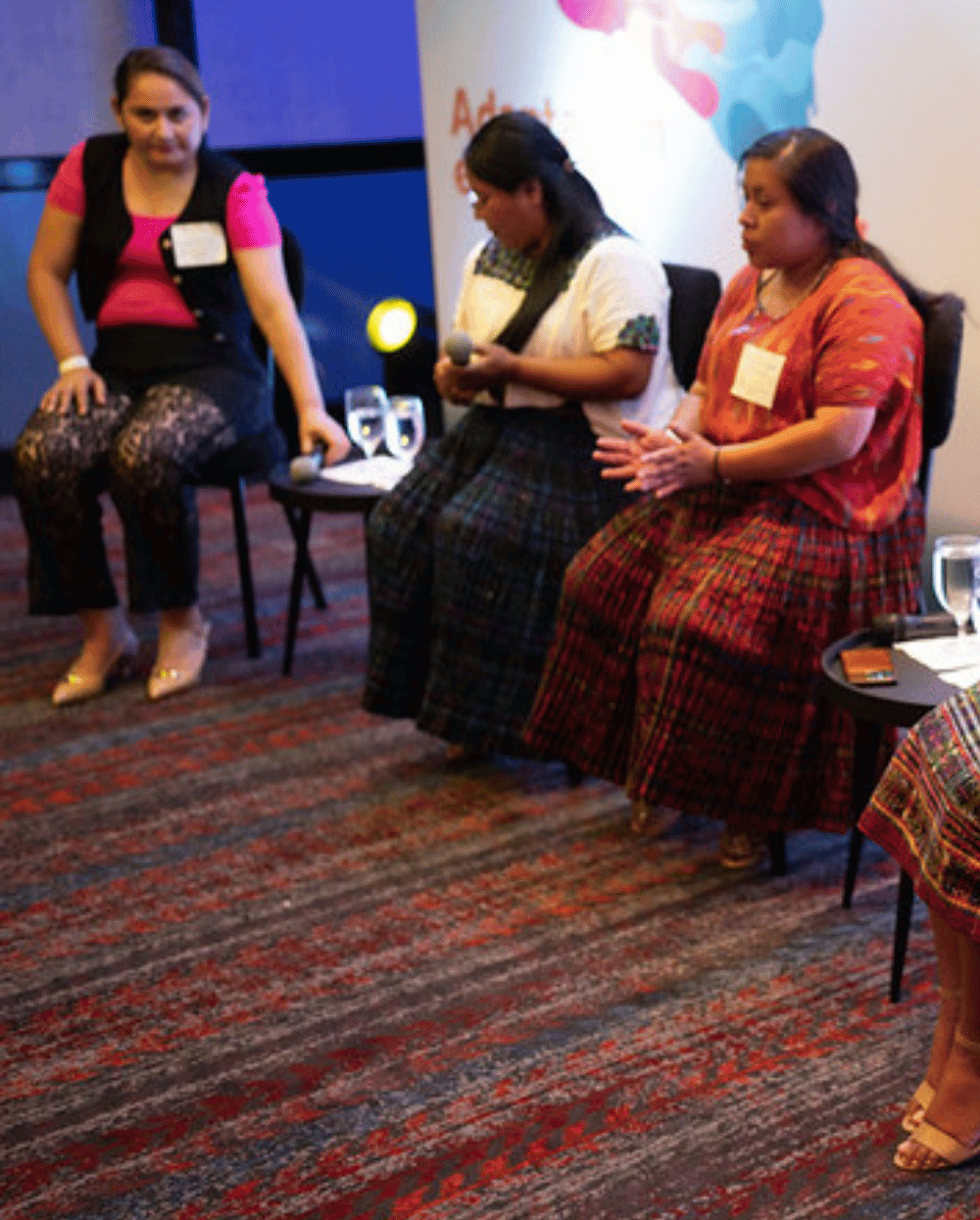
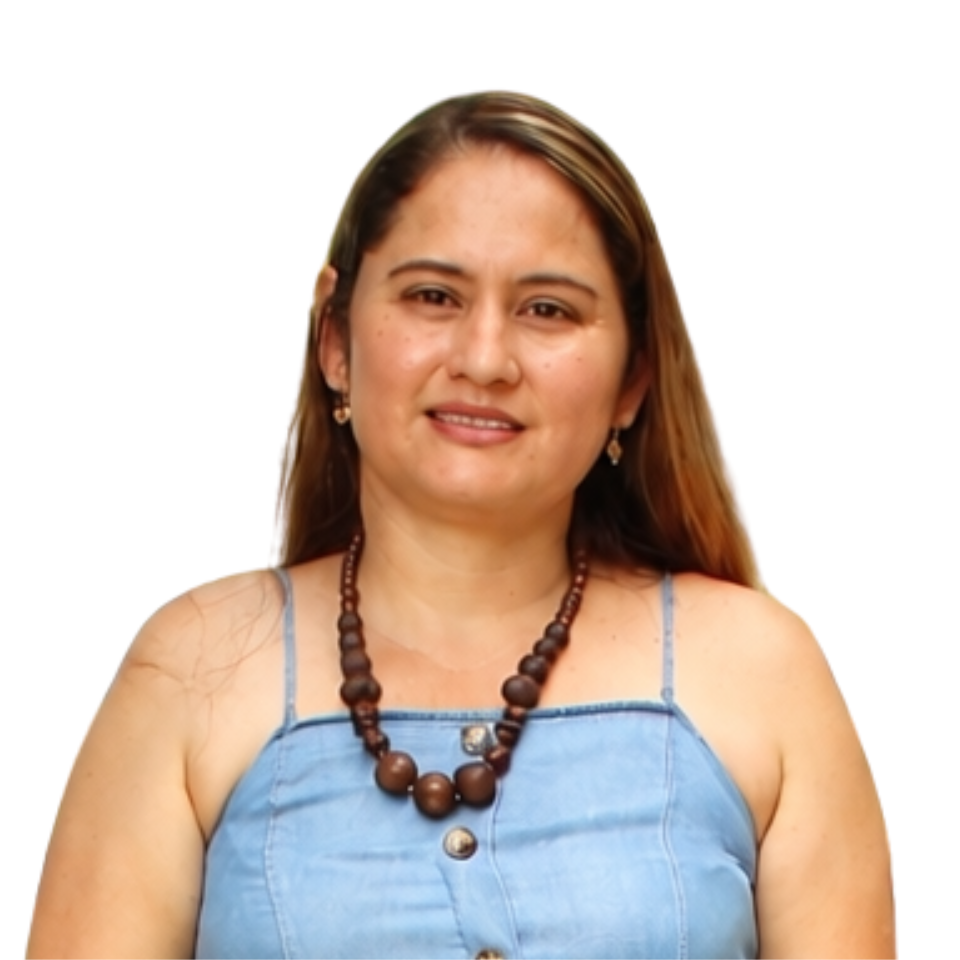
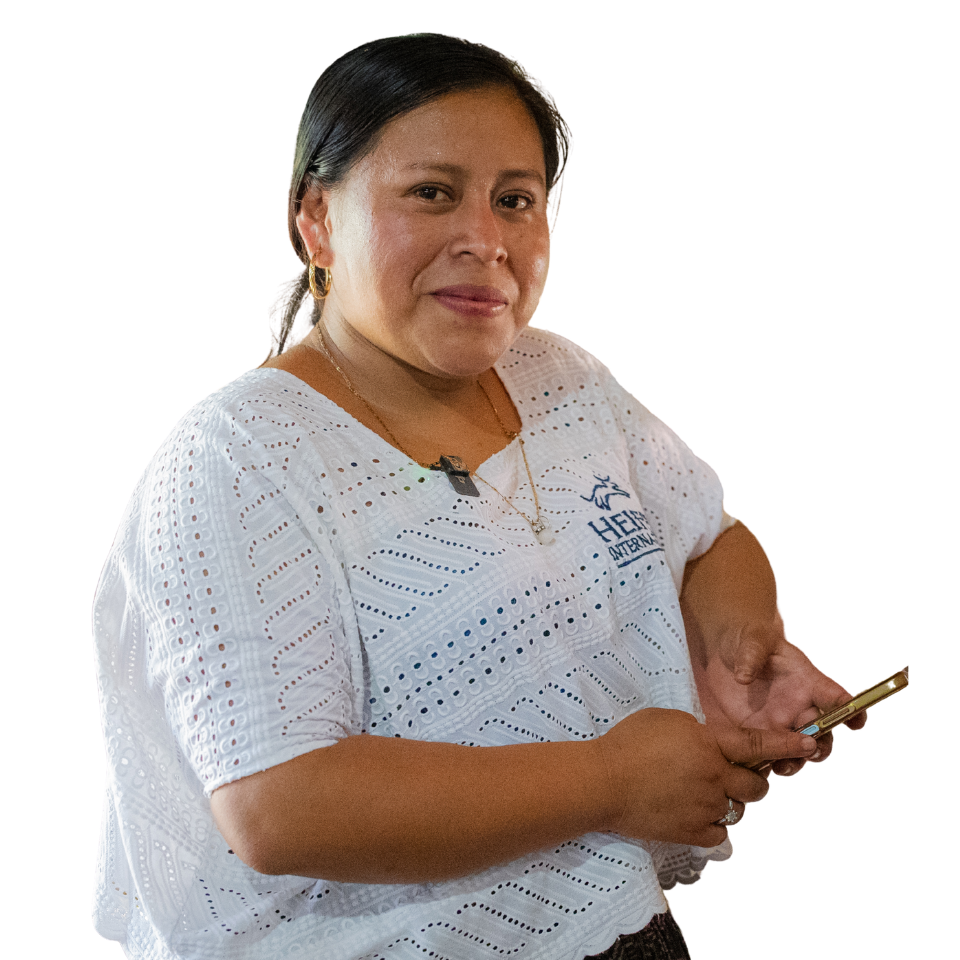
These panelists shared their experiences as women and their evolving roles within their communities. They discussed how women’s participation has expanded beyond traditional expectations to include the planting, harvesting, and selling of various regional crops. The speakers highlighted the challenges they face with buyers and how they are frequently underestimated in the agricultural sector, often denied fair prices and receiving little recognition for the labor involved in tending to their own crops.
Furthermore, they highlighted the progress and shifting role of women within male-dominated sectors like livestock farming. They noted that women are gradually taking on more comprehensive roles within the industry, prioritizing farm productivity and generating essential income for their families. The panelists expressed their gratitude to the organizations that have supported their determination, business ventures, and leadership, particularly through training on how to create value-added products using raw materials from their harvests. They concluded that overcoming timidity and stepping outside of your comfort zone is essential for growth, regardless of your circumstances.
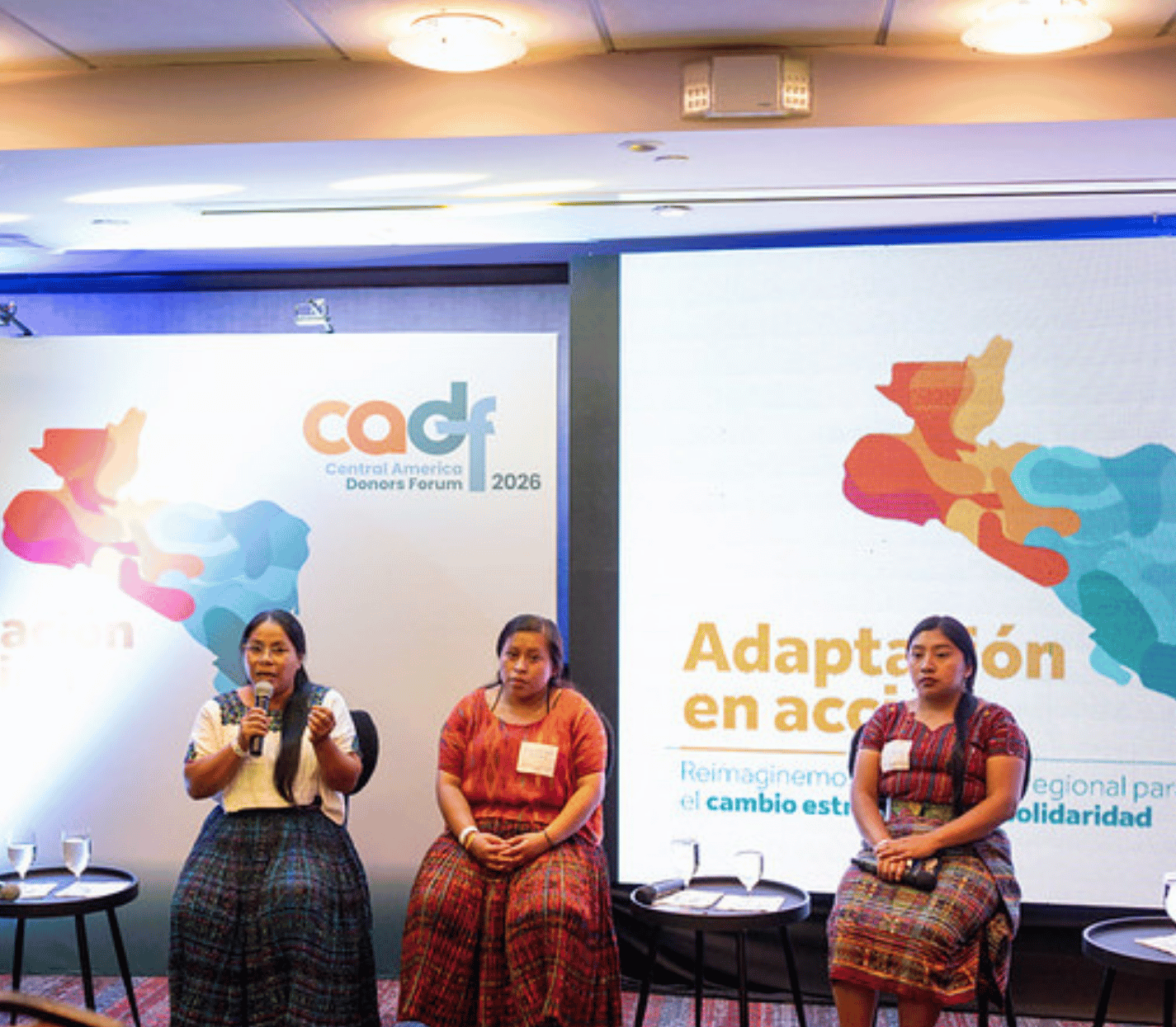
Petén Cattle Ranchers Association (ASOAGRO)
Nuevo Aquil, Cobán
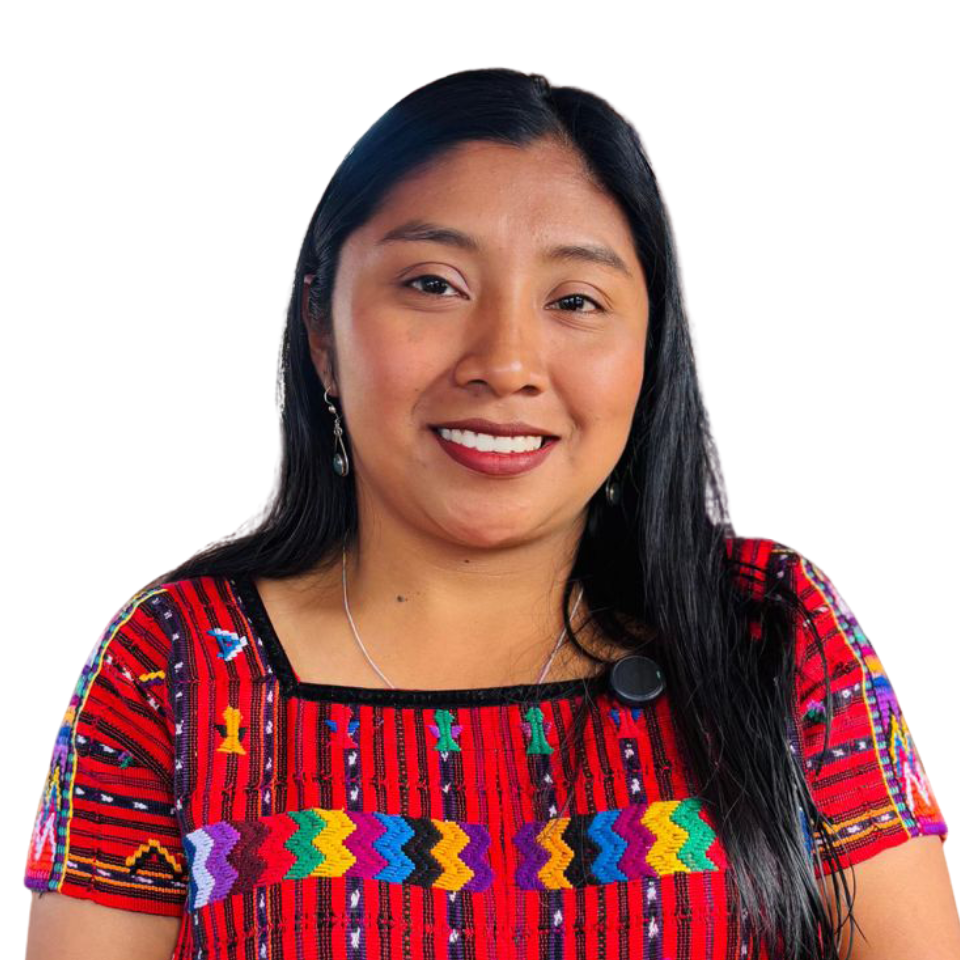
Cooperativa Integral Agrícola Tinamit Tolimán R.L.
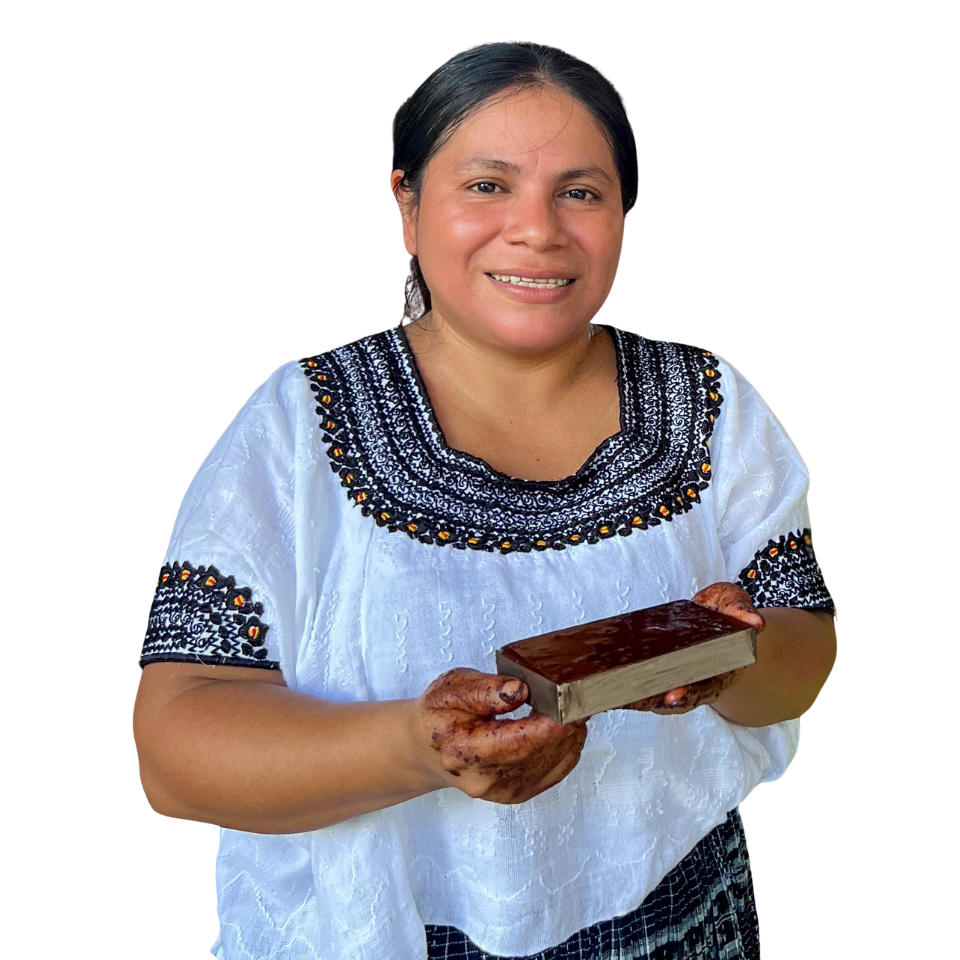
FundaLachuá
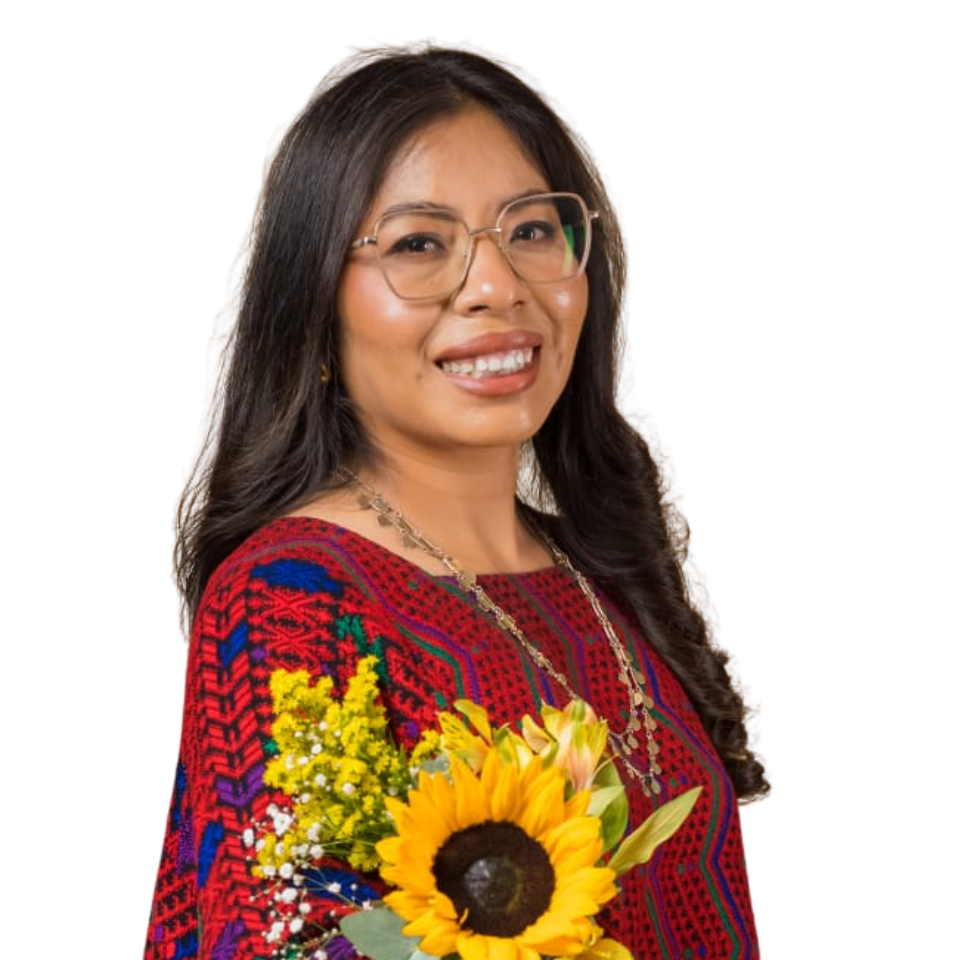
Heifer International Guatemala
"As women, the work we do in our communities is hardly valued."
"Many years ago, women's participation was minimal; now it is much more visible because we have fought for our right to participate."
"I have seen that the women who started participating began calling on others to get involved and participate; that is a very significant change."
"In the coffee cooperative, we are proving that women are capable of taking on any productive role we have within our organization."
"In the livestock project, we are working comprehensively, because the wife can also keep the books. This is not to diminish the man's work, but rather to ensure the farm is more productive."
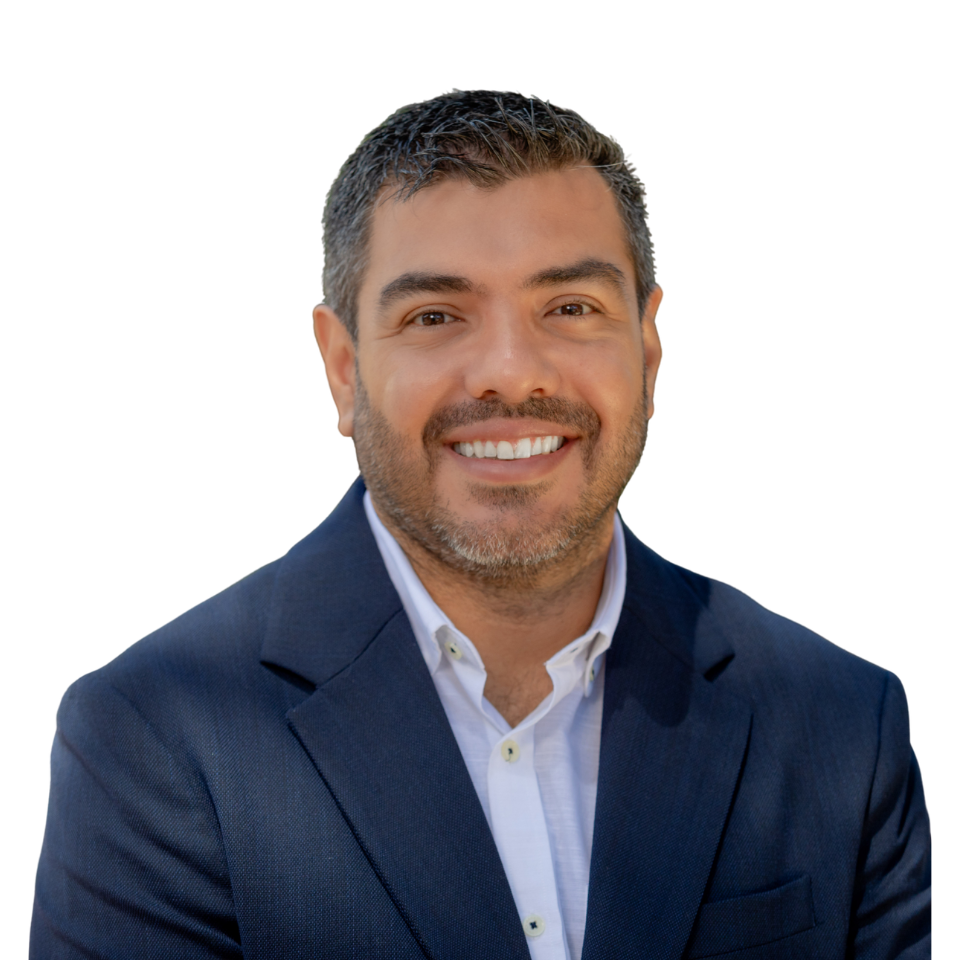
The panel analyzed the motivations driving investment in education and employment in Central America. Mauricio Miranda explained the Caricaco Foundation’s pay-for-results model in Costa Rica, noting that their main challenges have been building trust with the public sector and designing clear financial incentives that prioritize vulnerable populations. Representing the PriceSmart Foundation, Angie Benza advocated for a strategy rooted in trust and flexible, long-term support. Through this approach, they collaborate with local organizations to co-create realistic goals and directly support women-led businesses to reduce job insecurity. Finally, Bayron Salas outlined the CRUSA Foundation’s evolution into a systemic catalyst. He emphasized that to advance emerging agendas like the Silver Economy for older adults, donors must stop funding isolated projects and fully commit to addressing the root causes of systemic problems.
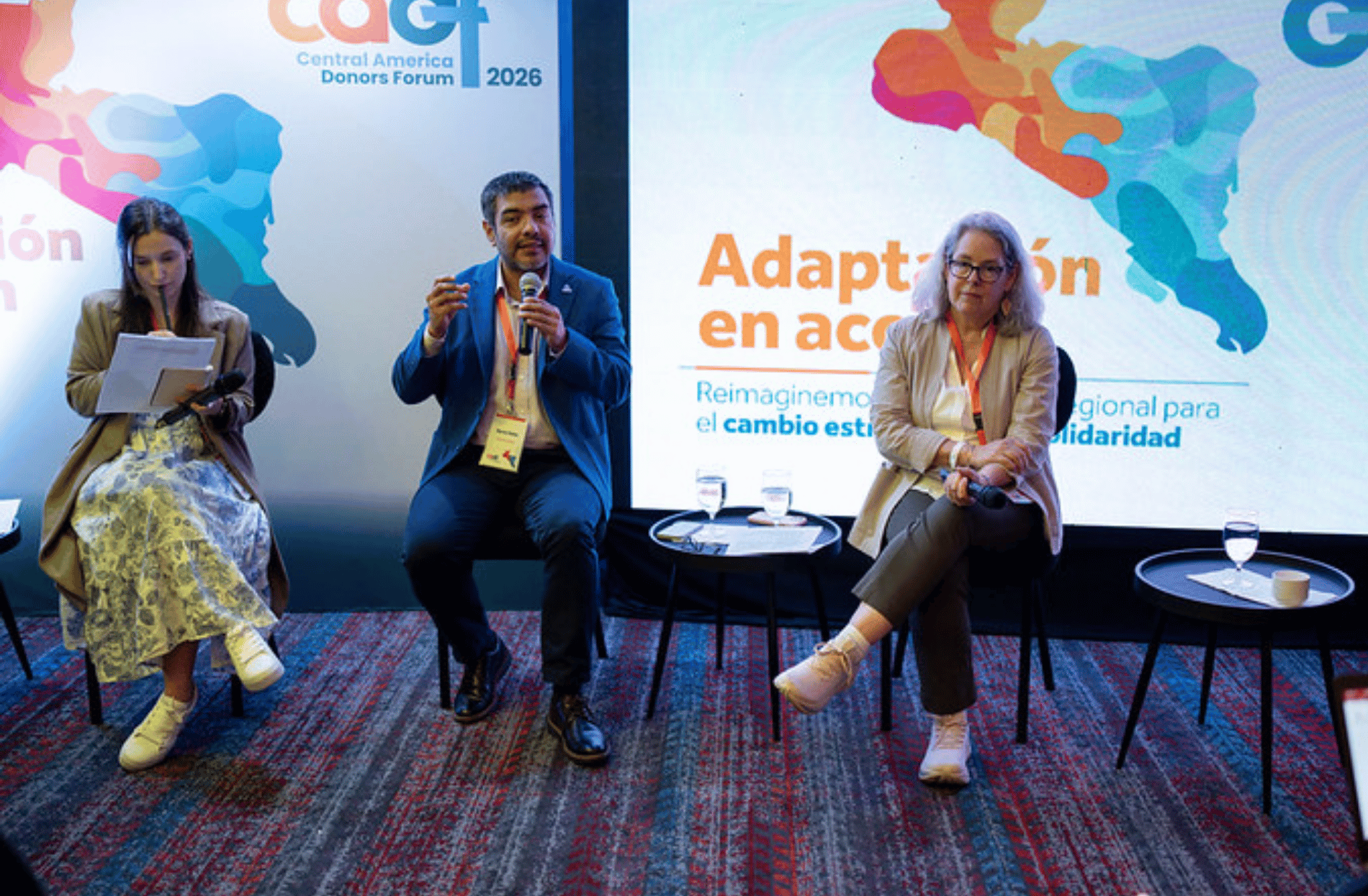

Caricaco Foundation
CRUSA Foundation
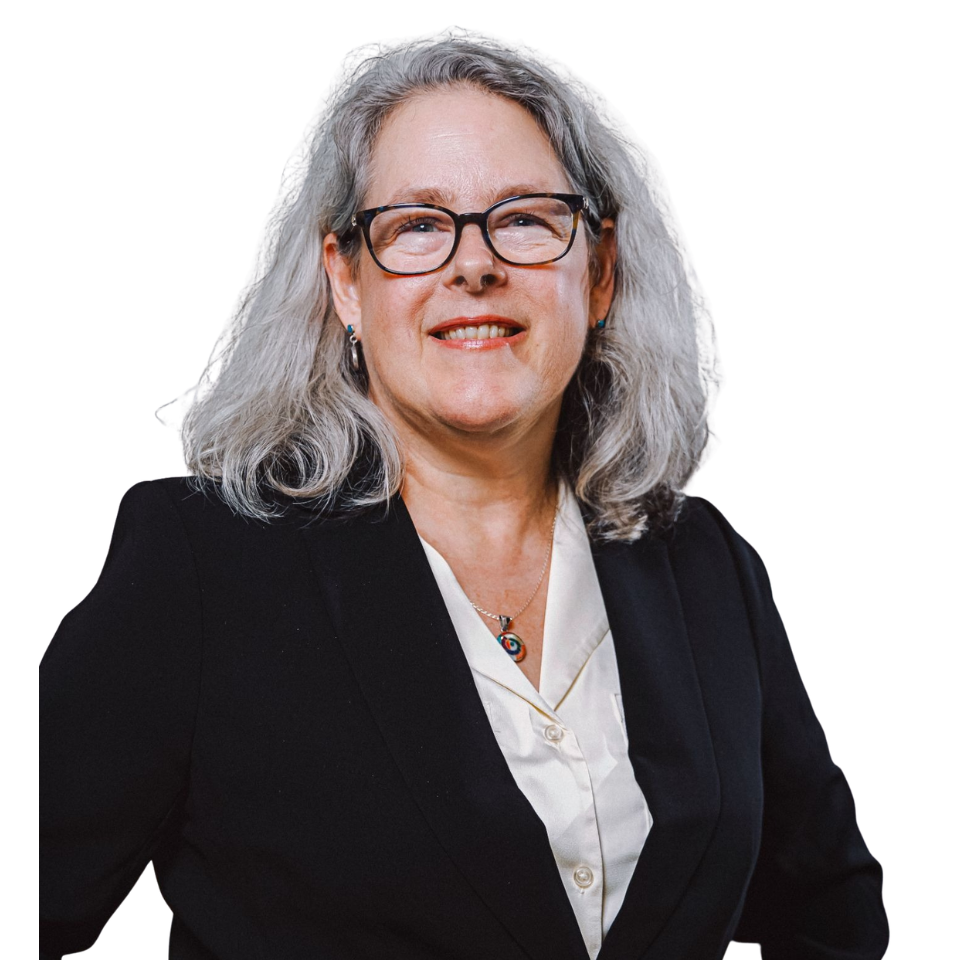
PriceSmart Foundation

Latimpacto
"The main obstacle was creating that trust and that space, and having a reasonable conversation about delivering public value."
"We start from the premise that we must have trust in the organization to which we are providing resources to do this work (...). We do not start with an initial numerical result; rather, we develop the goals together."
"A catalyst is not always visible; it doesn't always appear in the picture, but it creates conditions, removes barriers, and generates a series of more optimal conditions so that other elements can create something different."
"Results-based financing makes that very clear and very easy, meaning I pay more for the people I am most interested in getting a job. So, if it's a young man, I pay one amount. If it's a woman, I pay another."
"Usually, both those who execute and those of us who donate tend to fall in love with the solution. We have come to understand that this approach requires thinking more systemically. First, you have to fall deeply and madly in love with the problem."
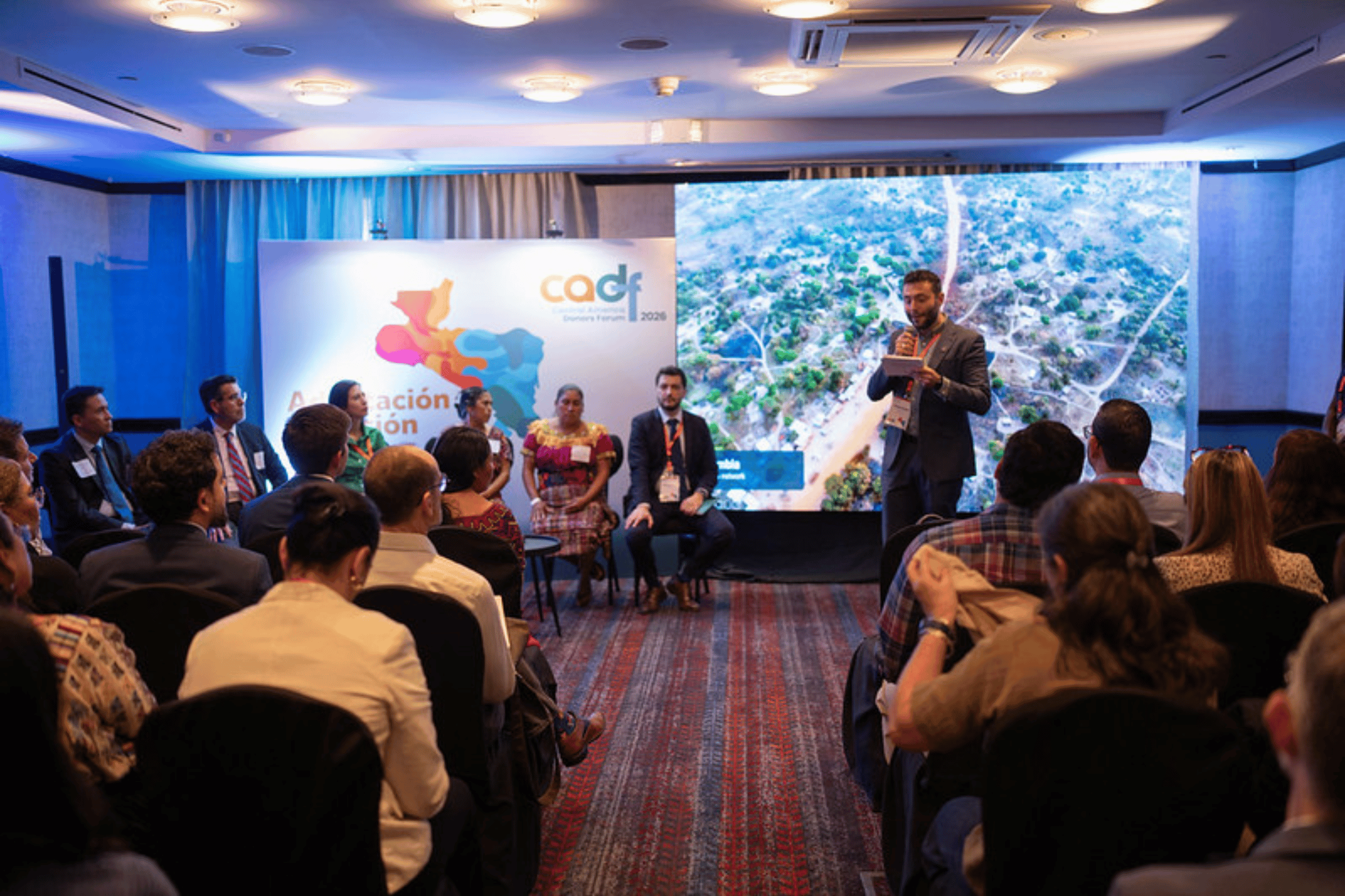
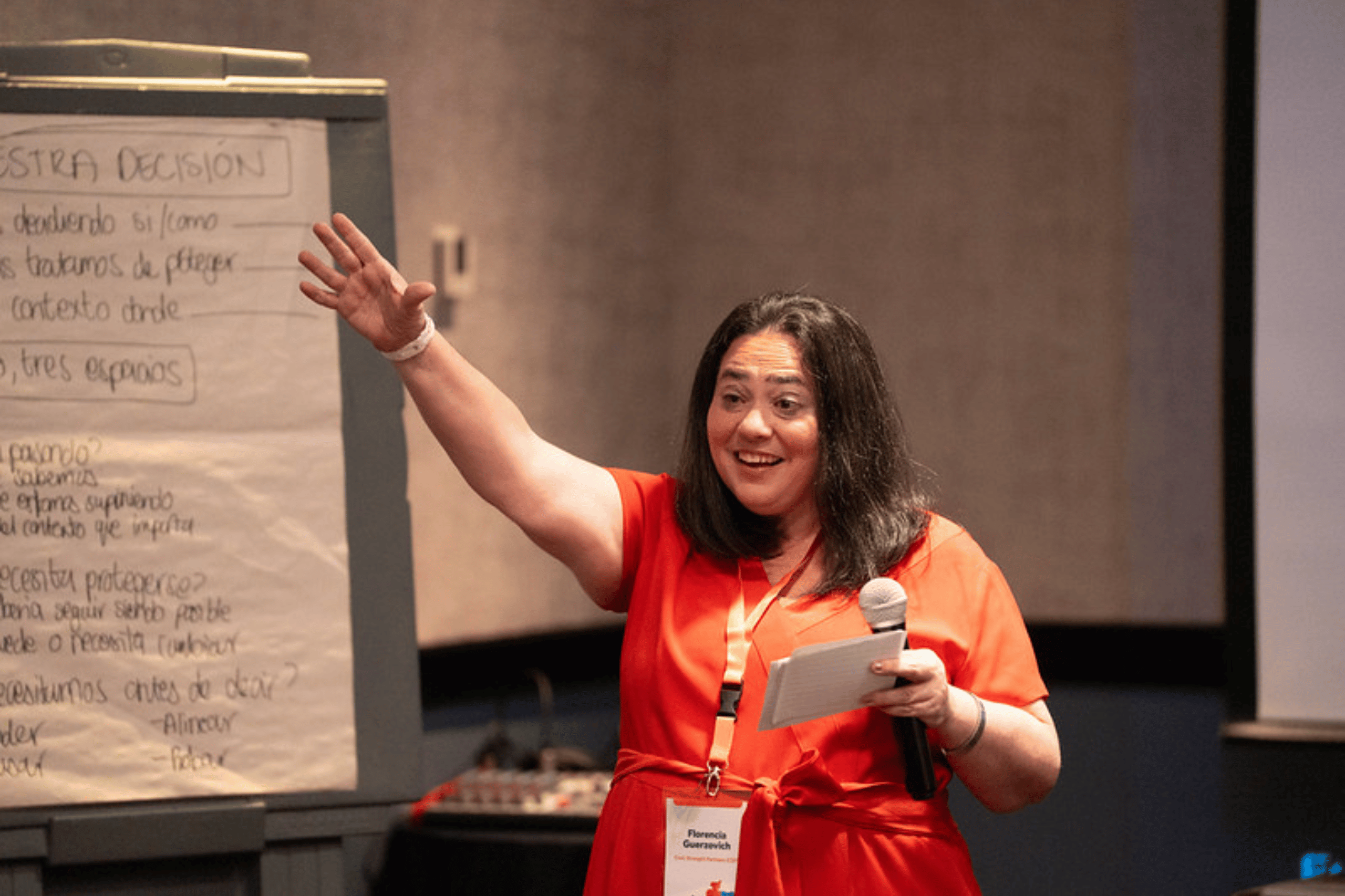
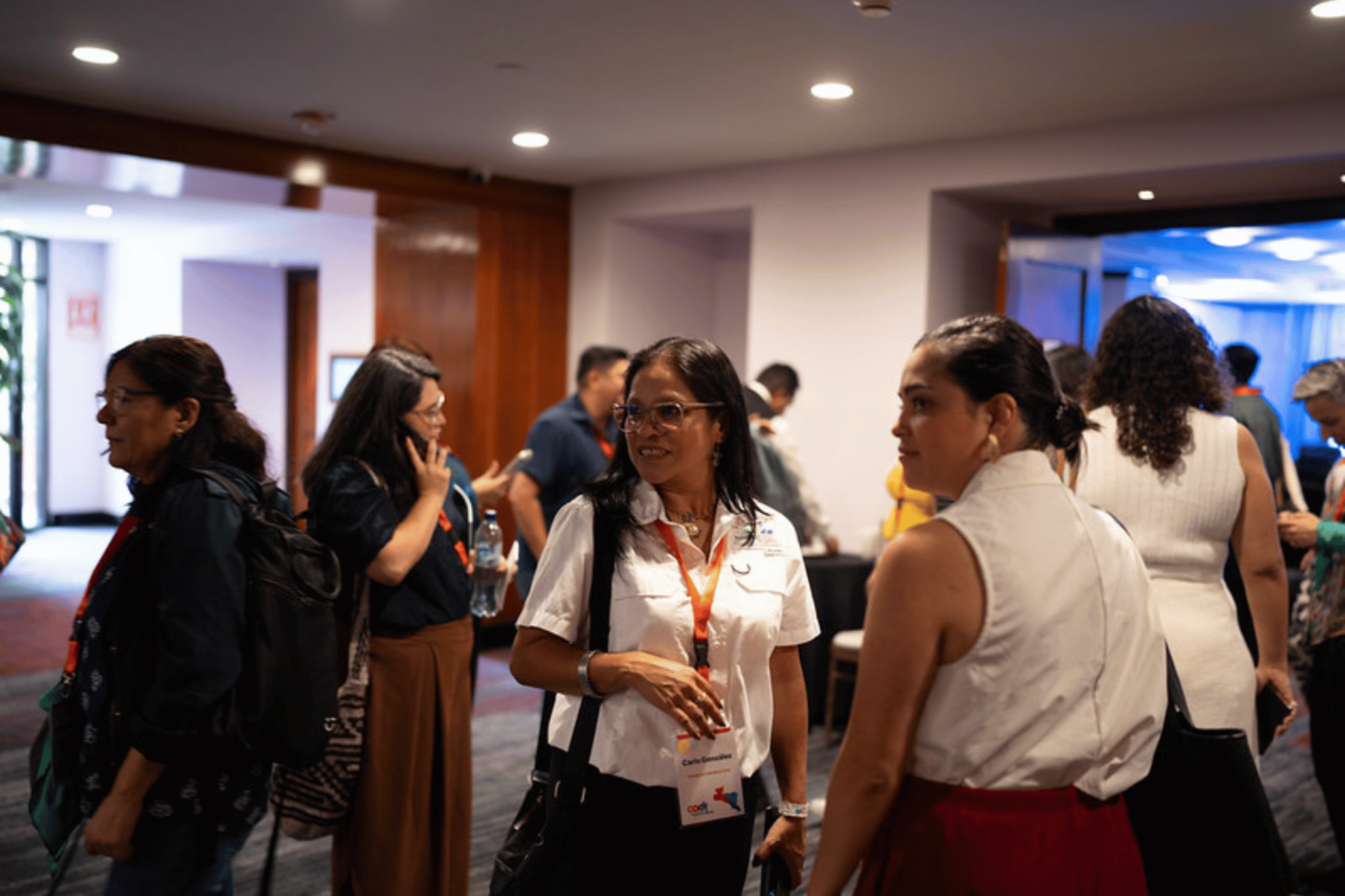
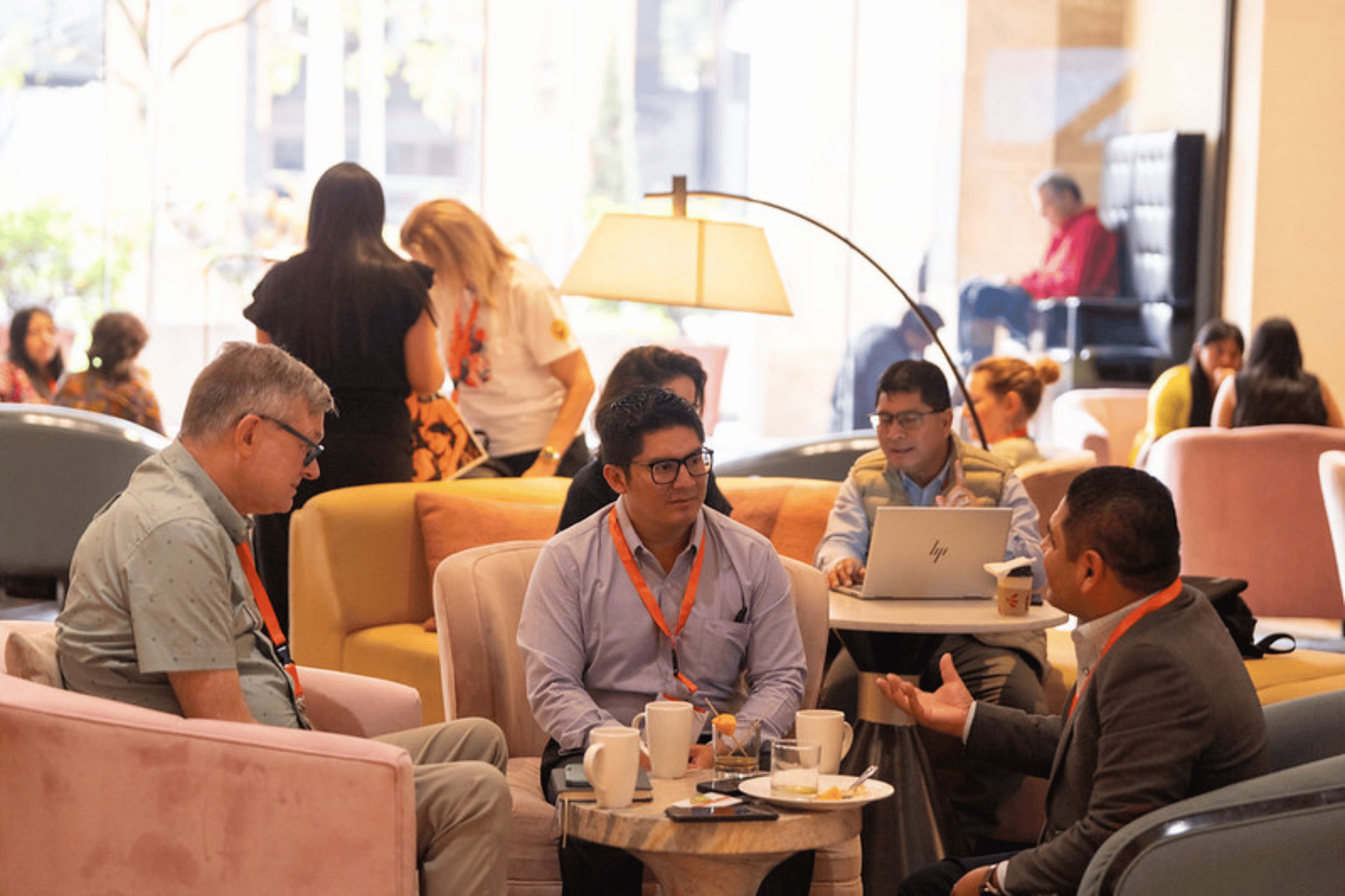
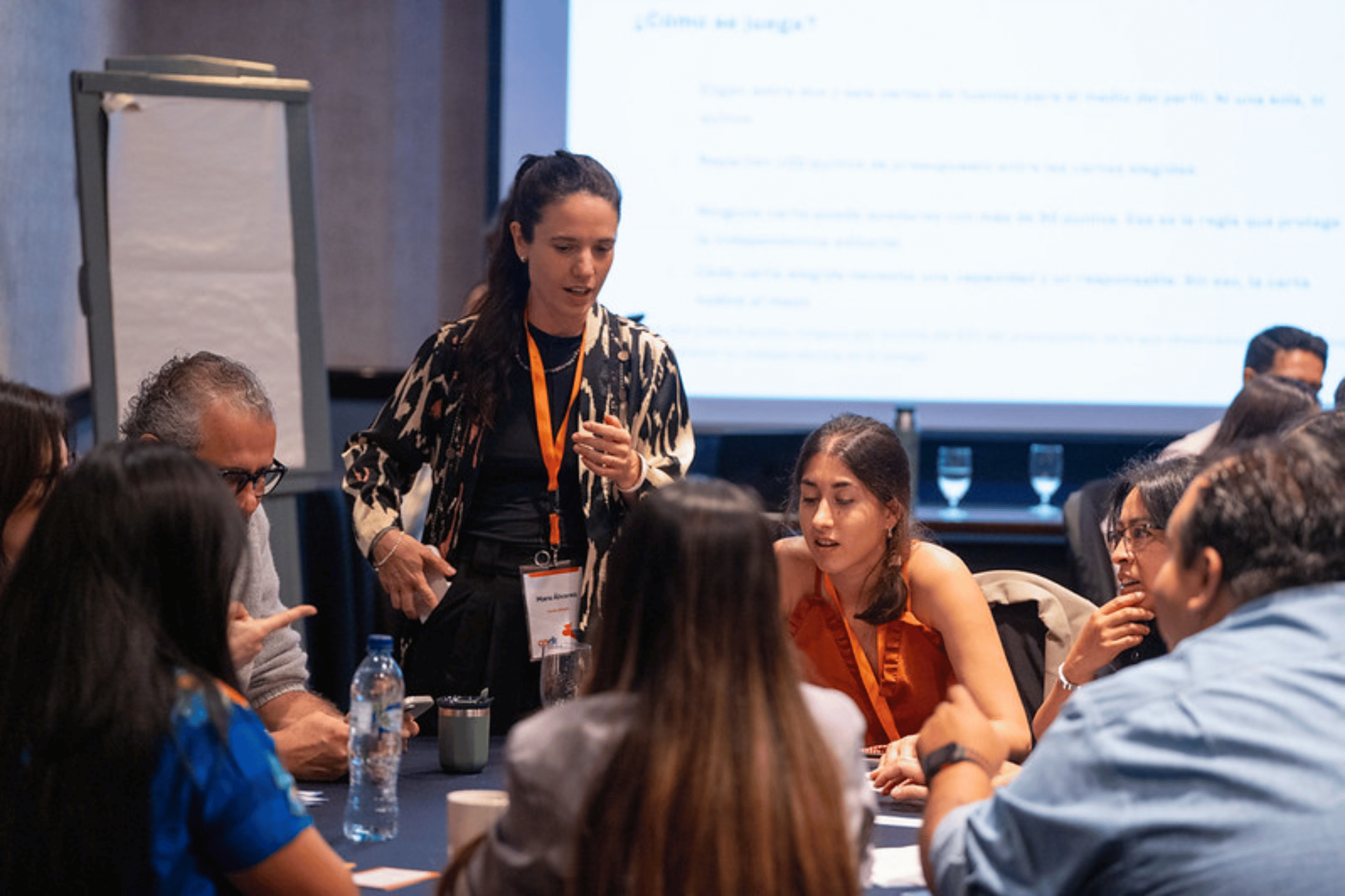
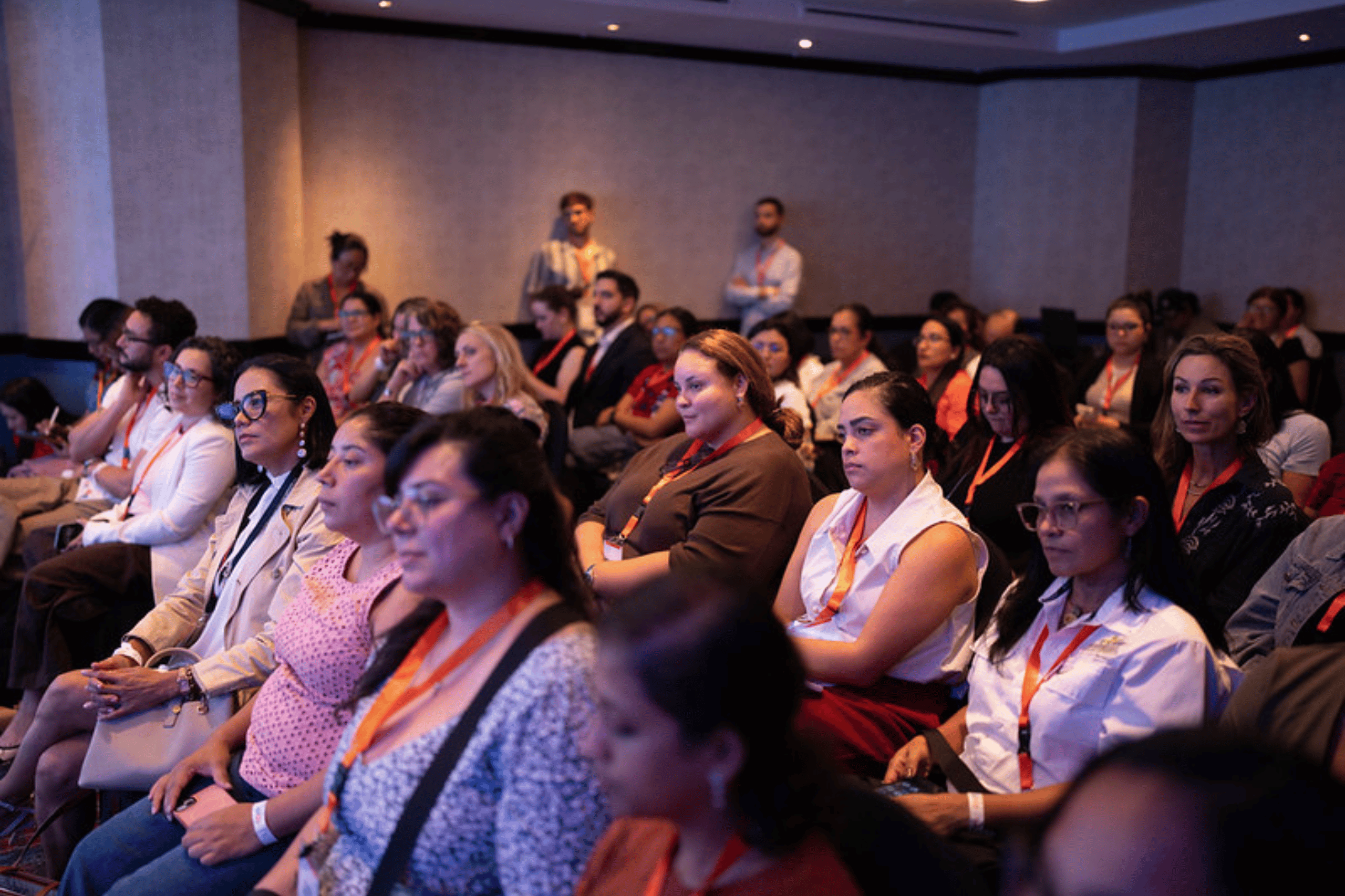
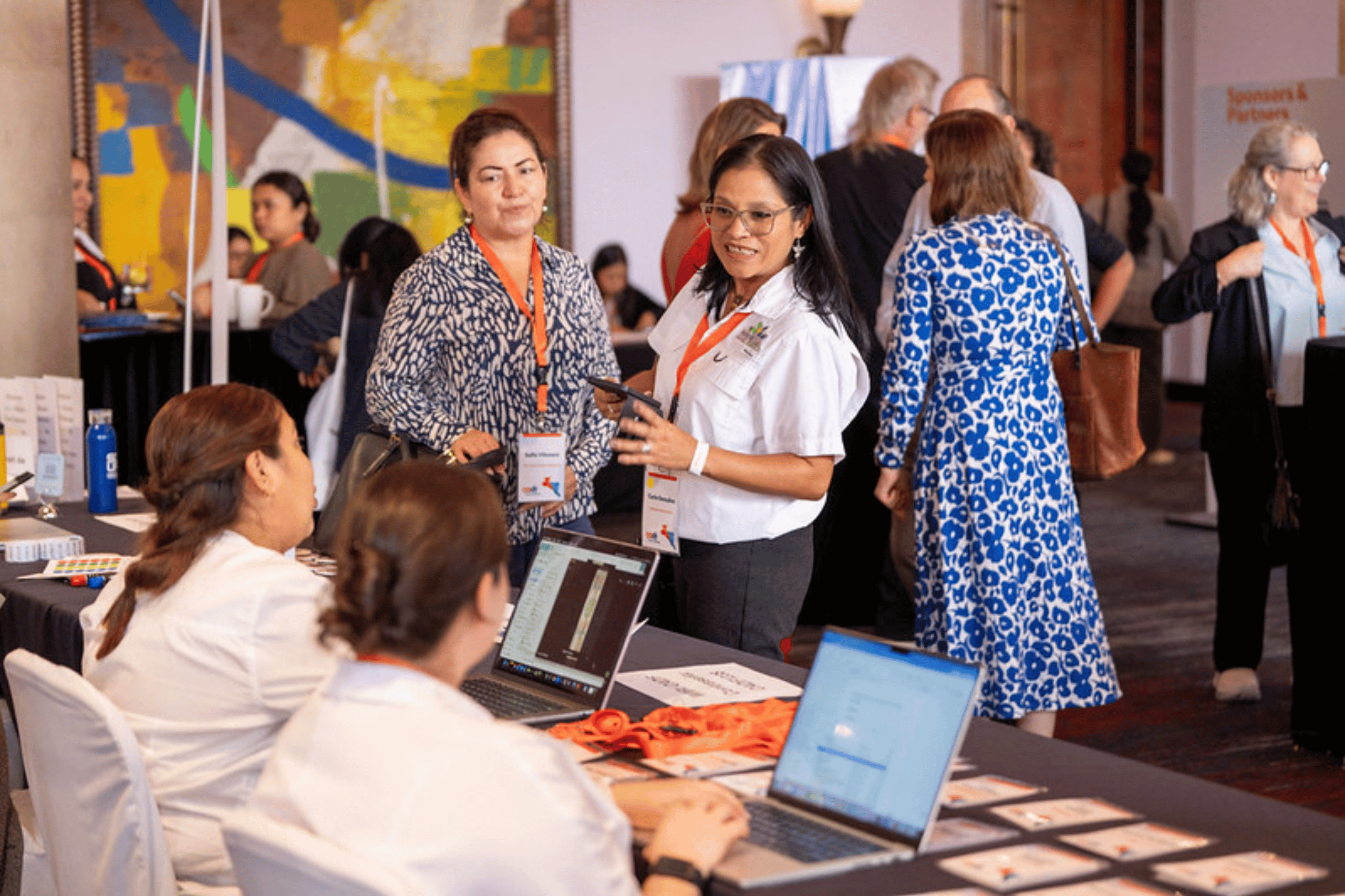
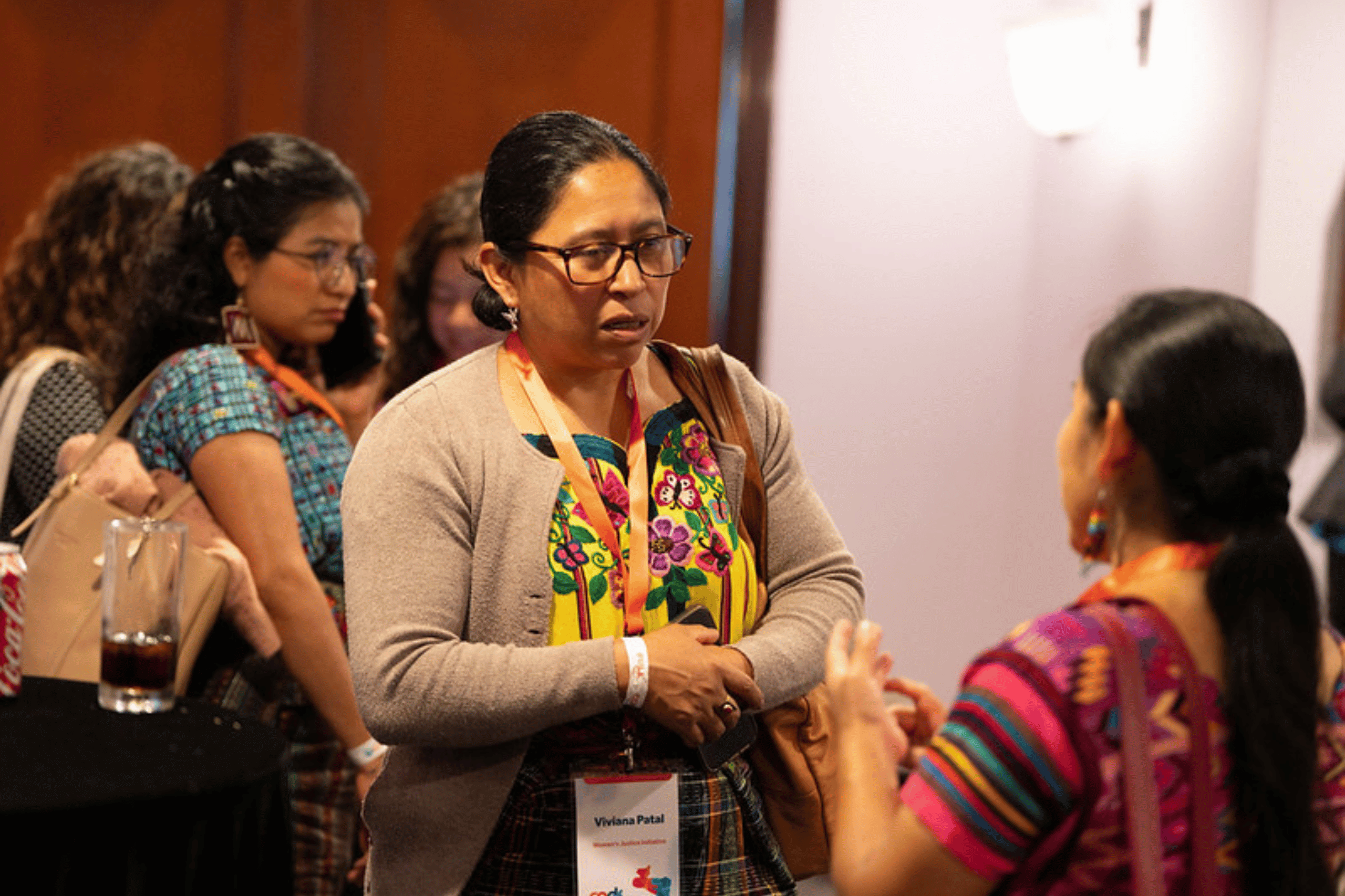
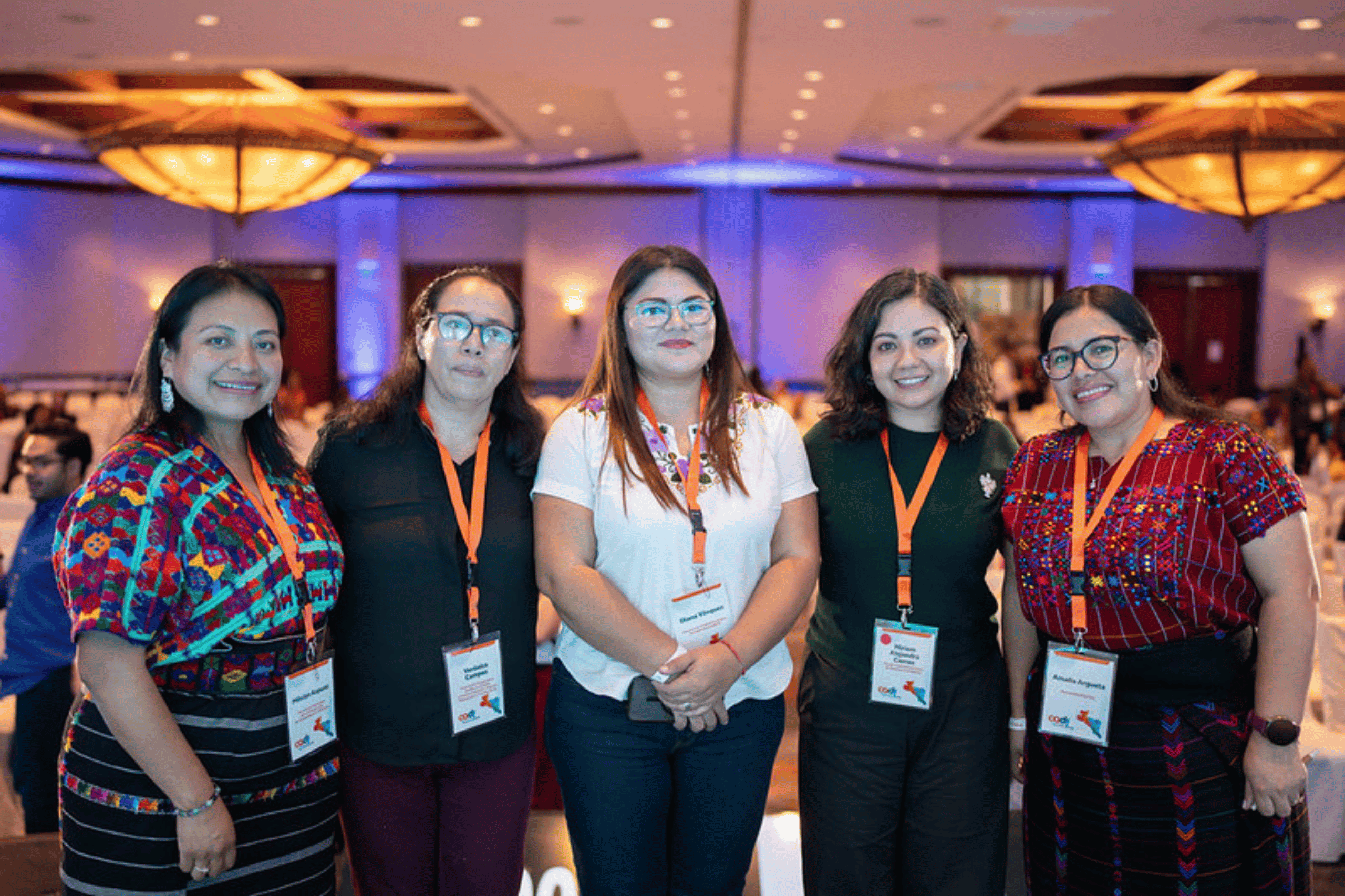
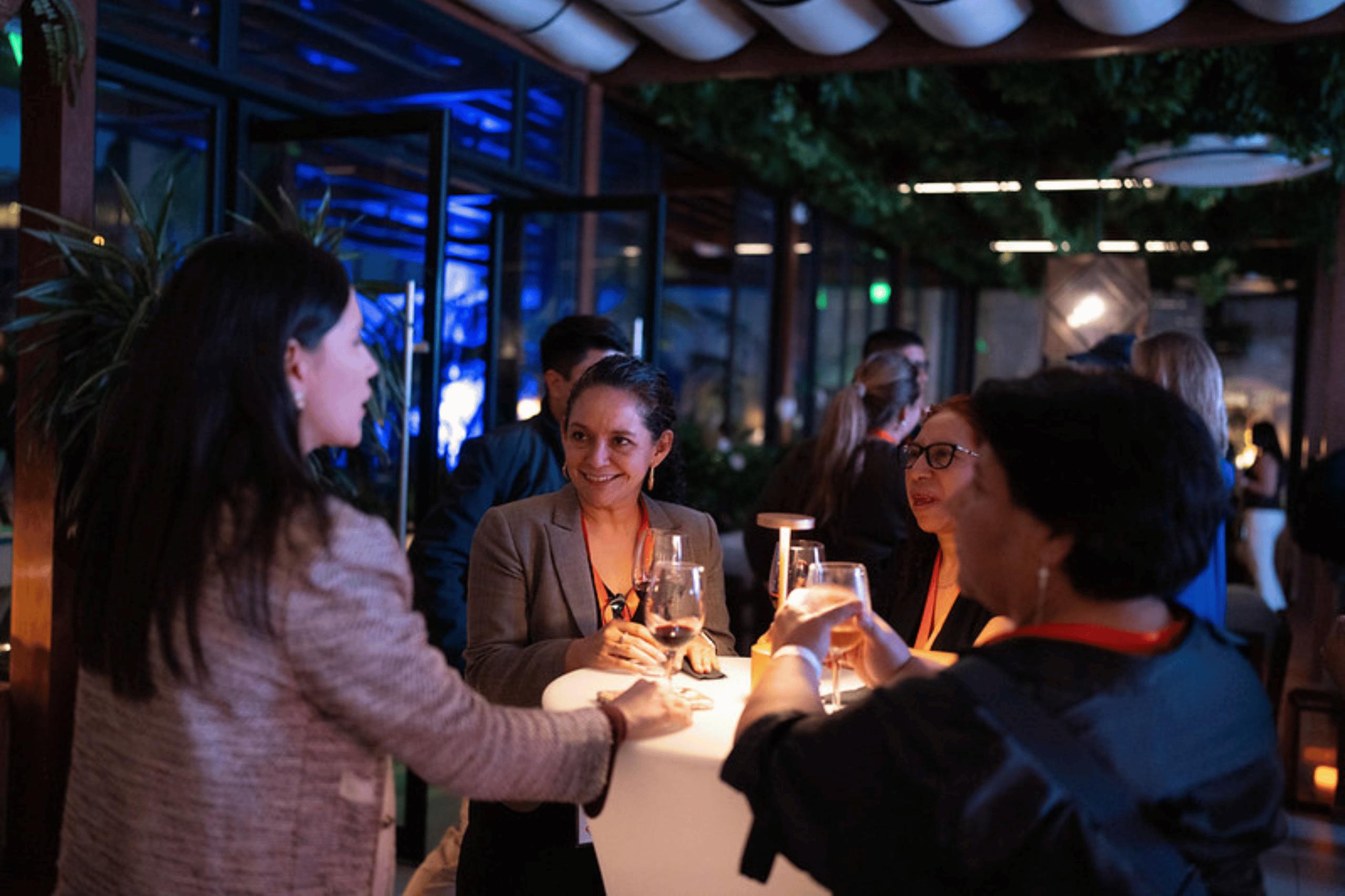

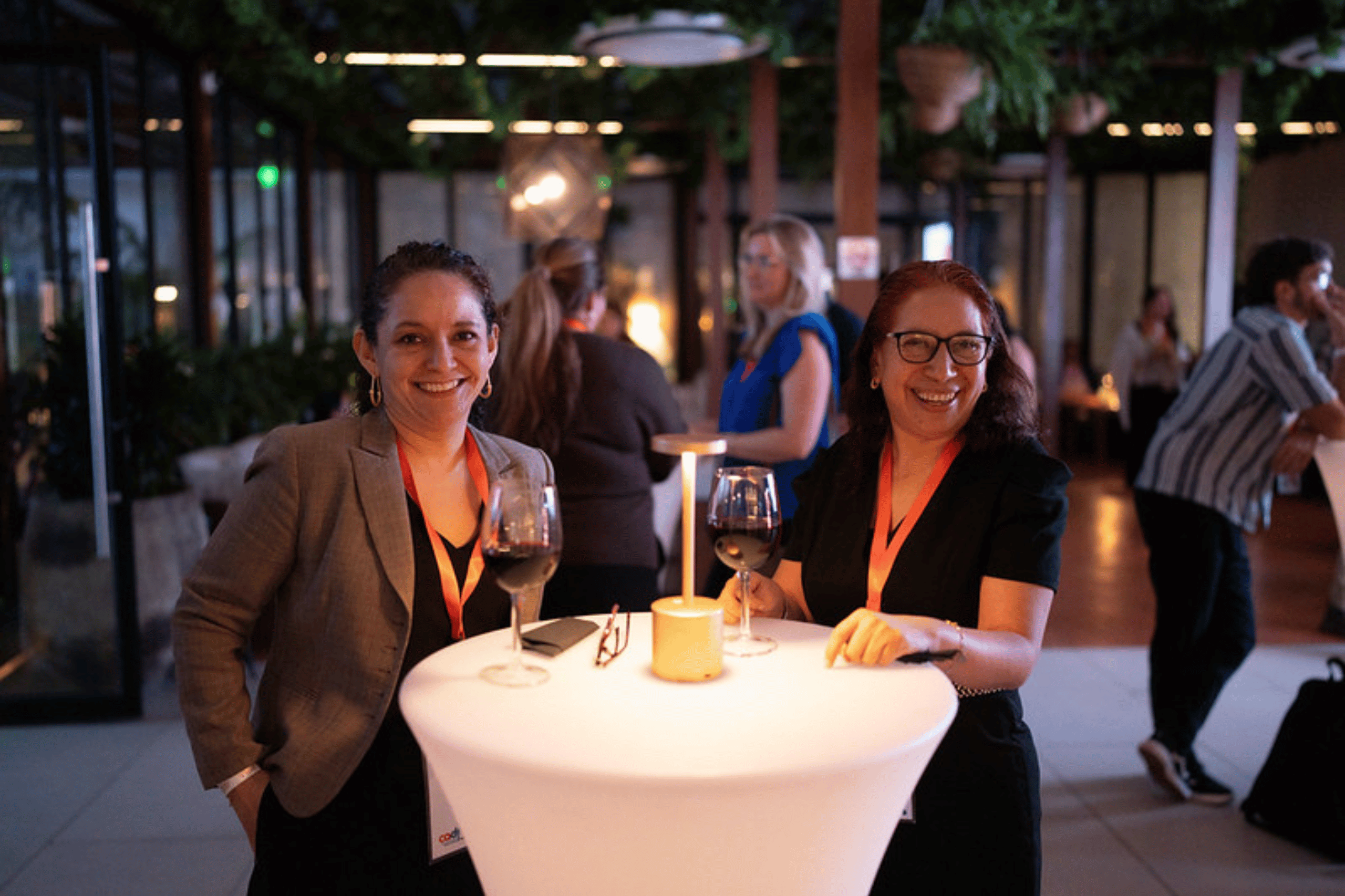

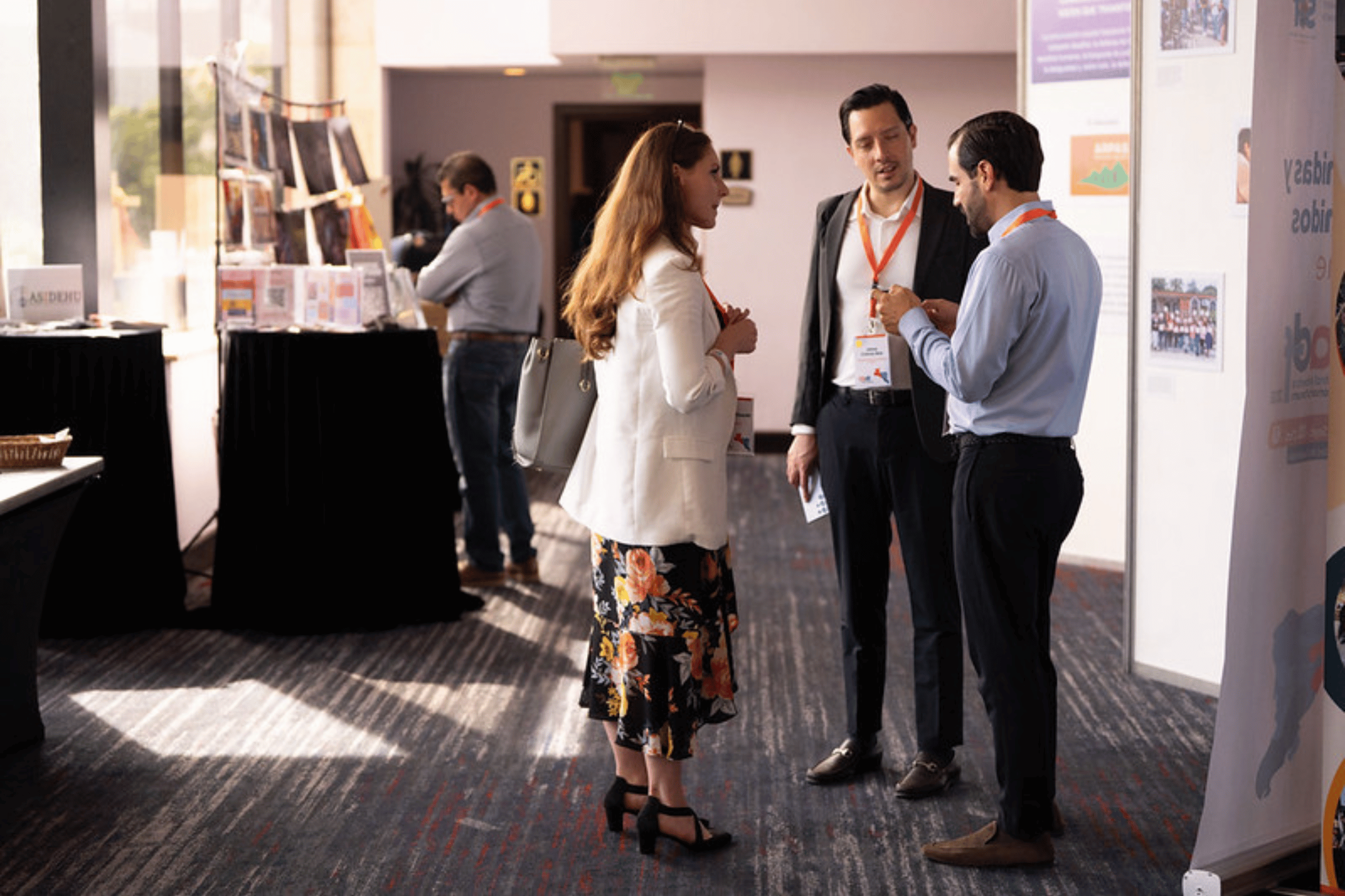

“For the Colectivo Representativas Culturales del Mayab’, the Central America Donors Forum is extremely important because it provides a space to share a challenge that originates from our territories[…] CADF is a great place to voice our agenda directly and to show organizations the importance of support based on trust, flexibility and equity.”
Evamaría Asunción Sales, Youth Community Leader, Colectivo Representativas Culturales del Mayab’
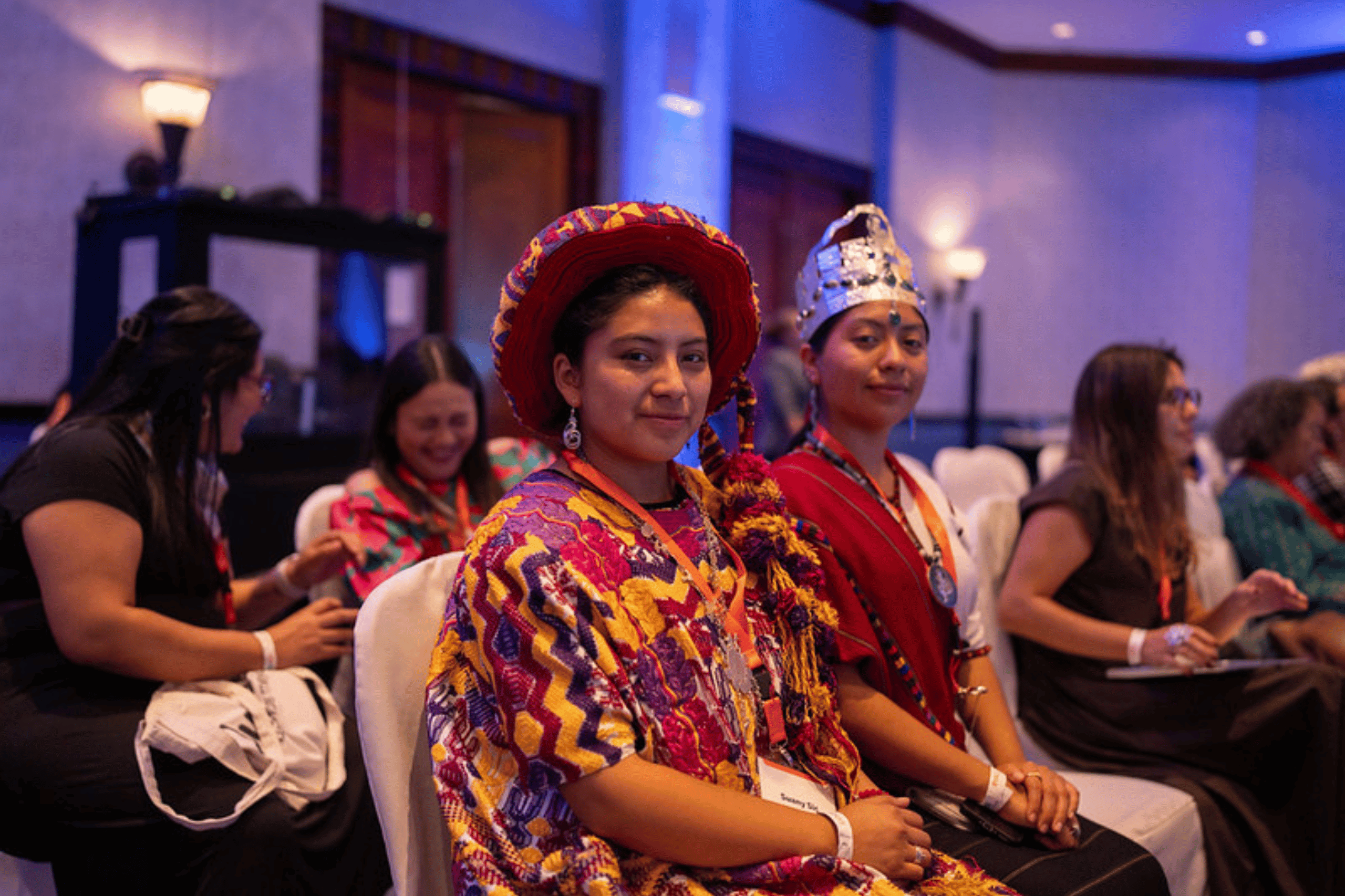
The ways in which democracy is exercised from the territories, as shared in this panel, demonstrate how community organization has long existed and continues to persist, even when not recognized on a national level. Suany Sic Alvarado, a representative from San Mateo, Quetzaltenango, shared that in her municipality, they invite youth and children to think alongside adults about new ways to support the common good of their community. Evamaría Asunción shared her experience as a cultural representative, the cultural weight she carries, and the triumphs and adversities she has faced to be heard as a young Indigenous woman. Josué Morales emphasized his reflections on Guatemala’s historical context, the survival of community mindsets, and the intrinsic value of memory held within these forms of organization and roles, such as grandfathers, grandmothers, and ancestral authorities.
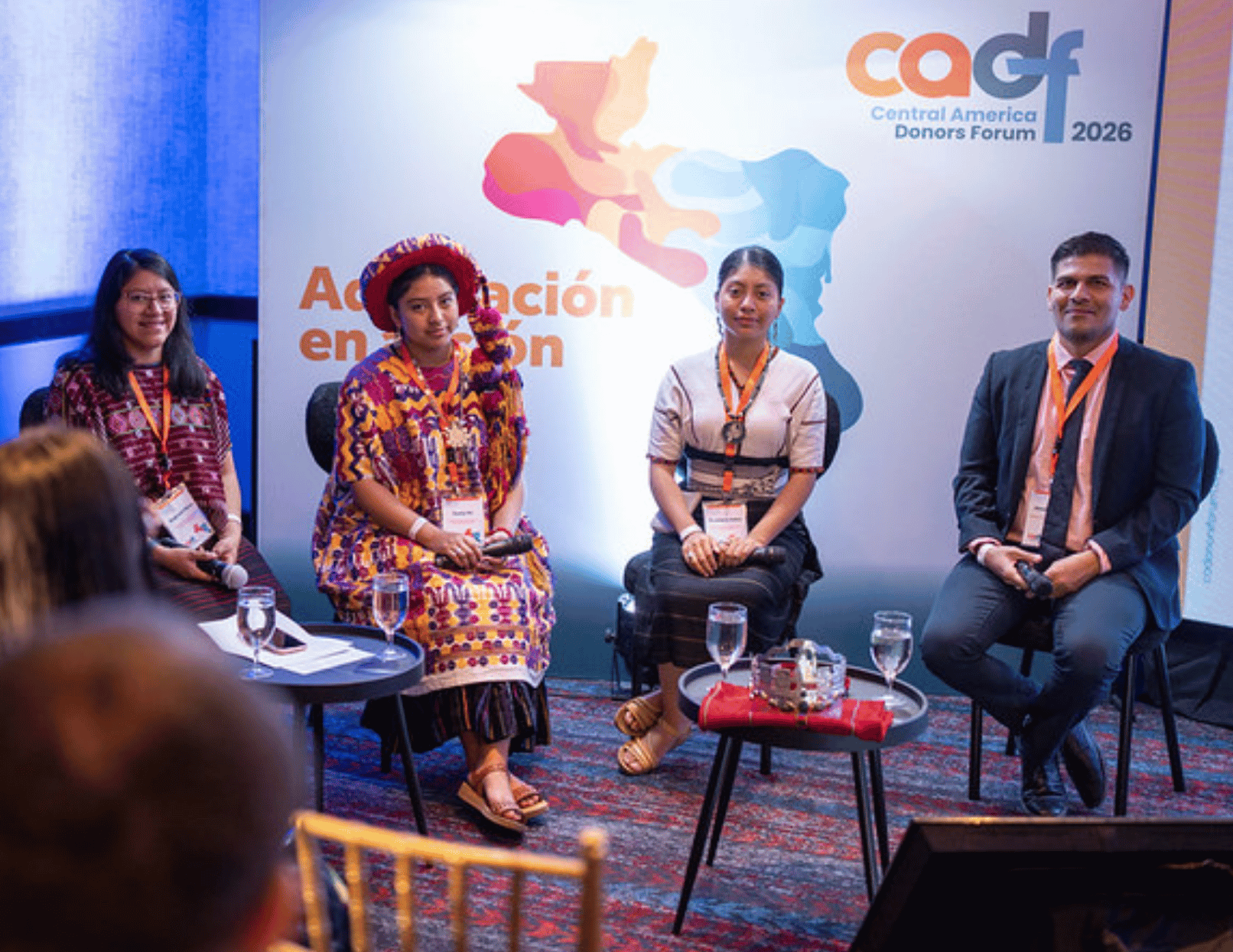
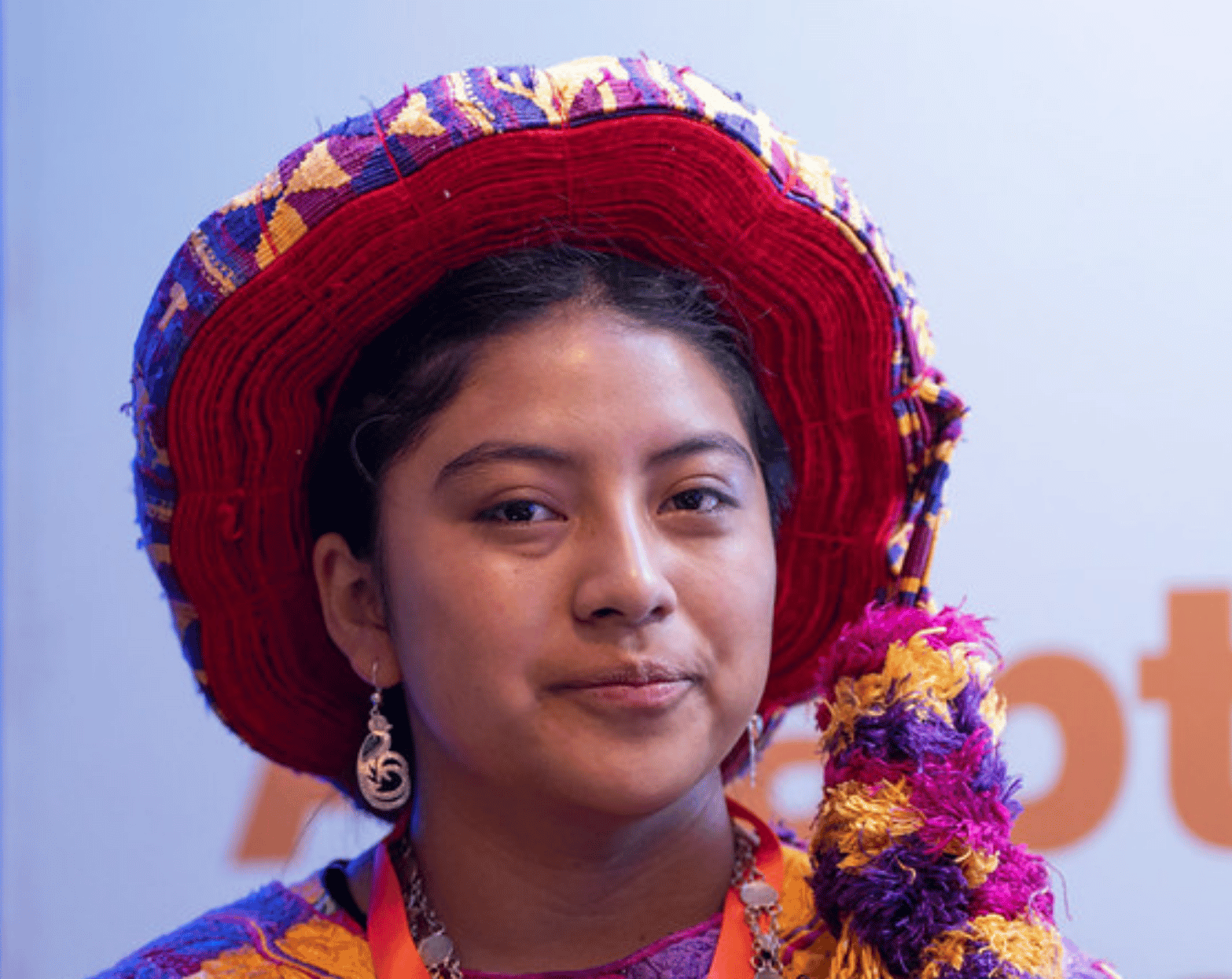
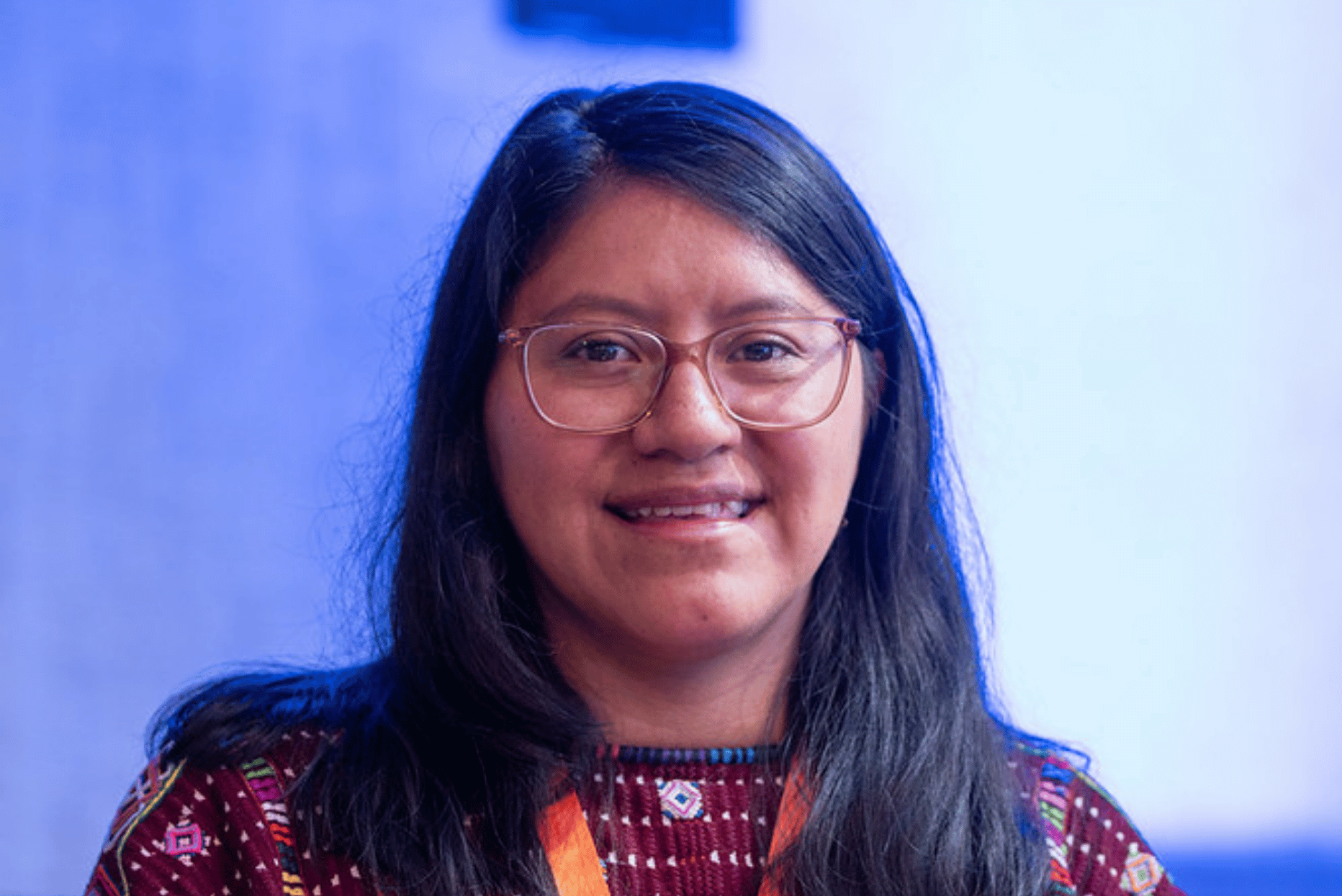

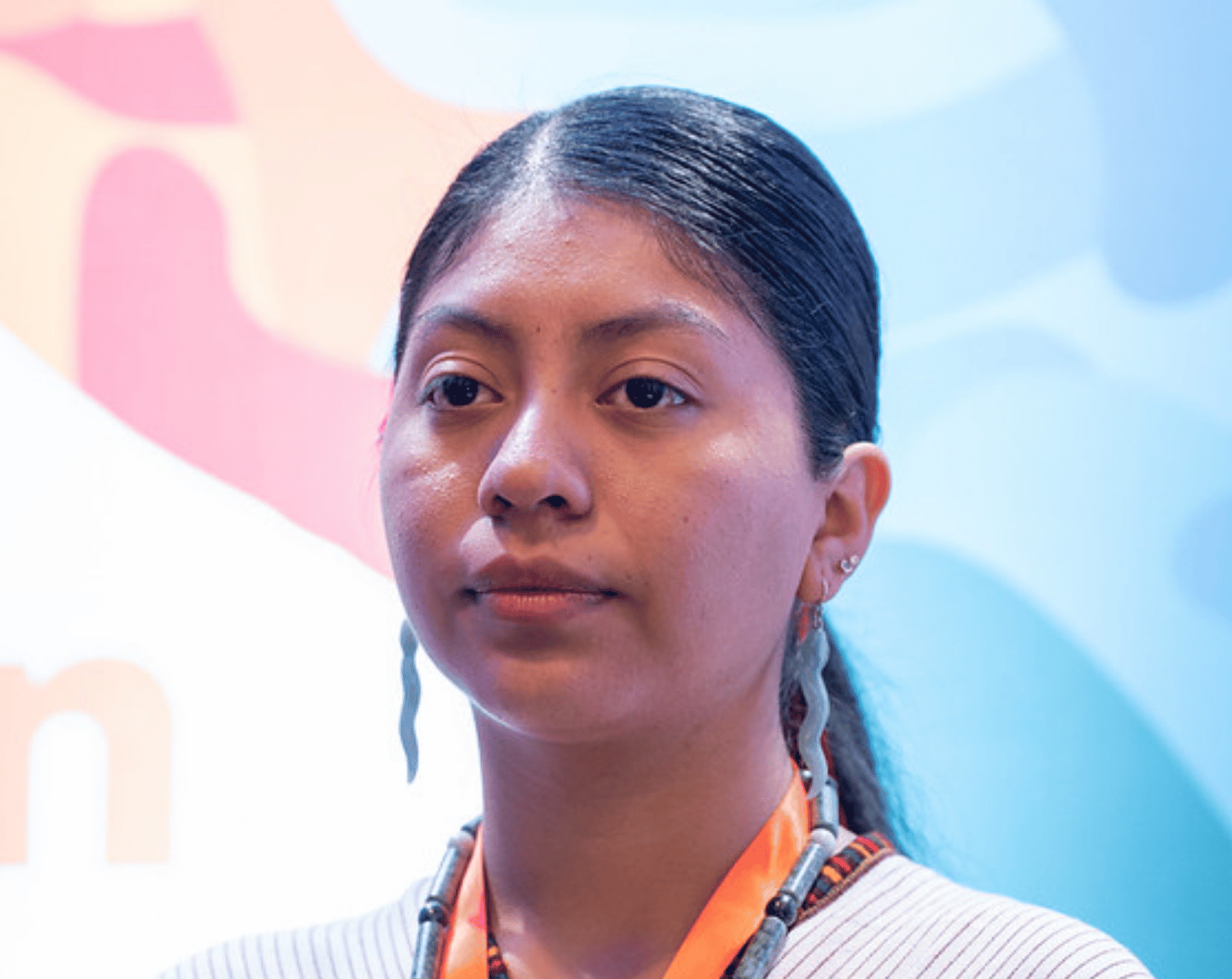
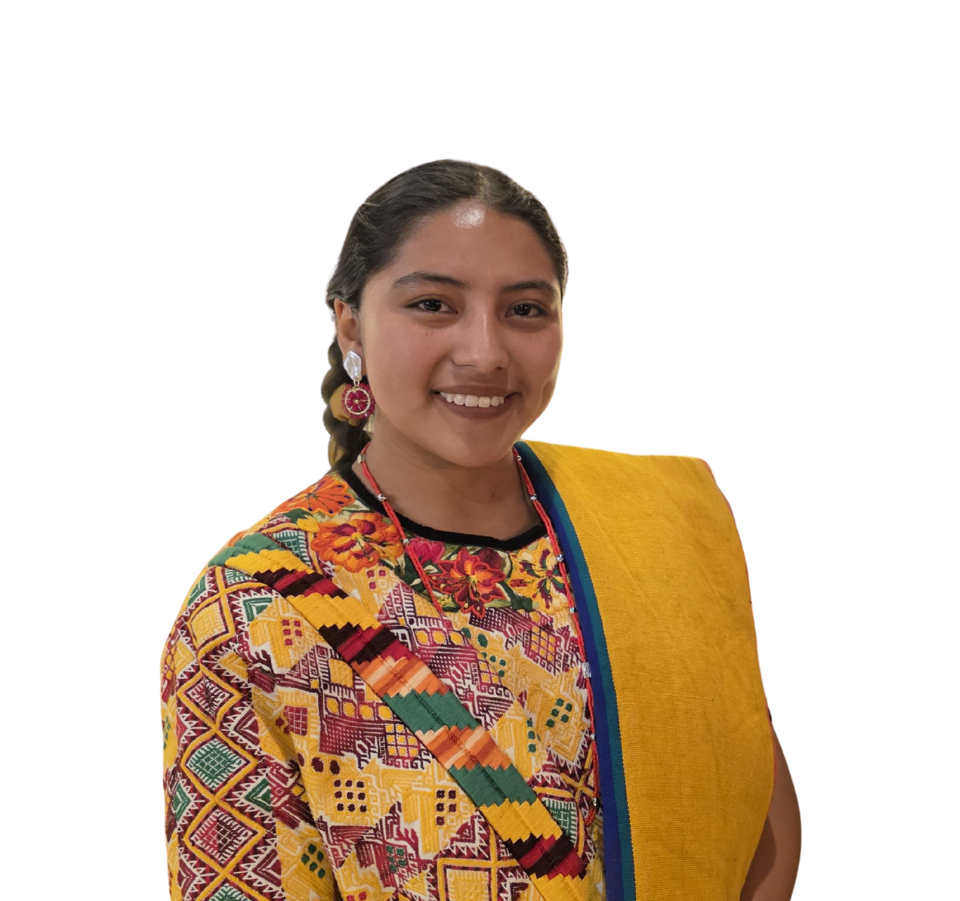
Colectivo Representativas Culturales del Mayab’
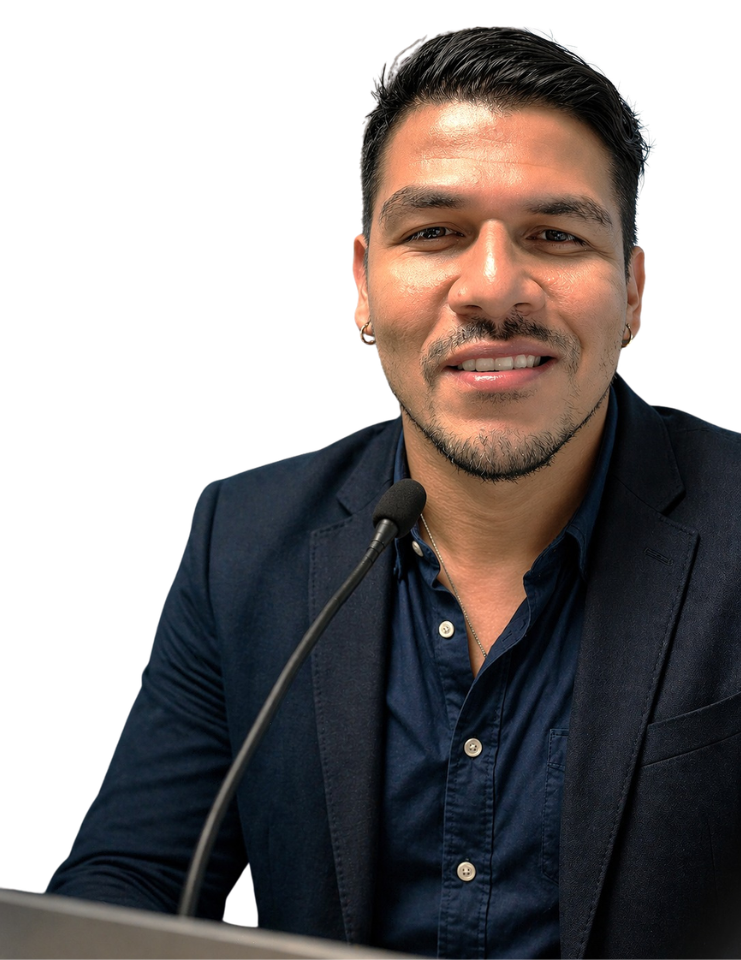
Human Rights Defender
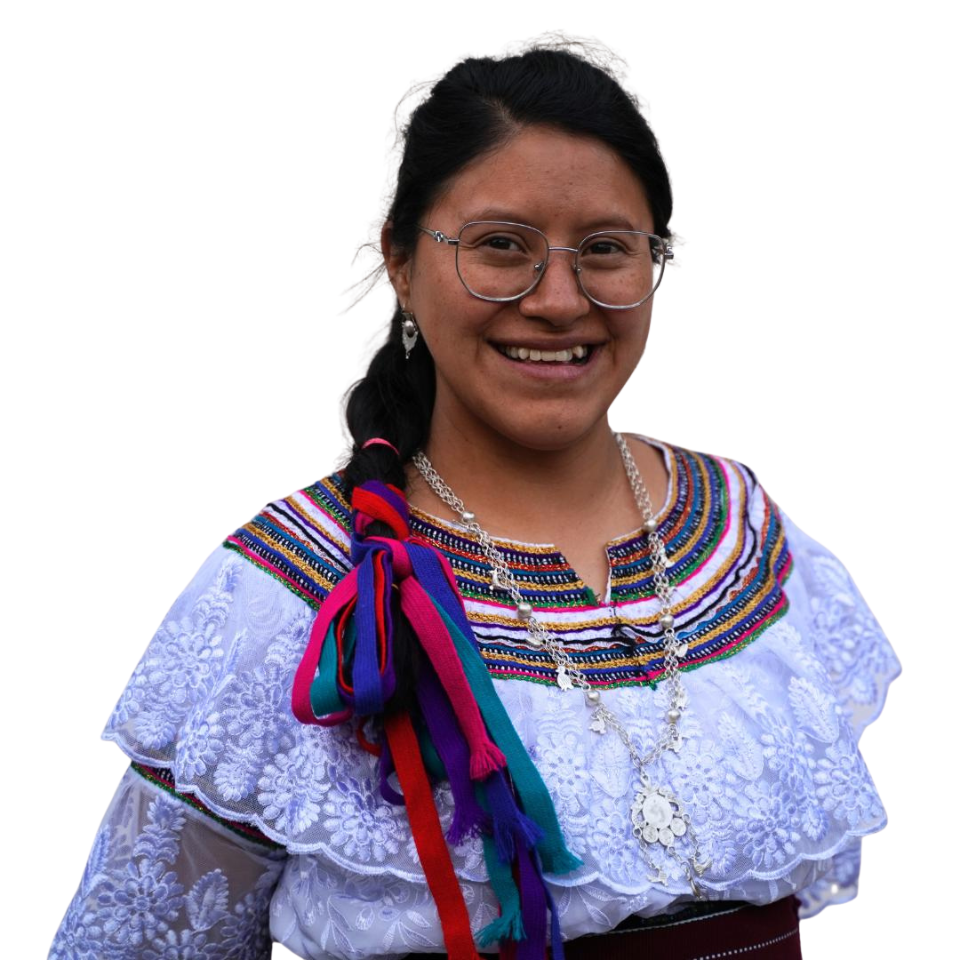
Colectivo Representativas Culturales del Mayab’
Colectivo Representativas Culturales del Mayab’
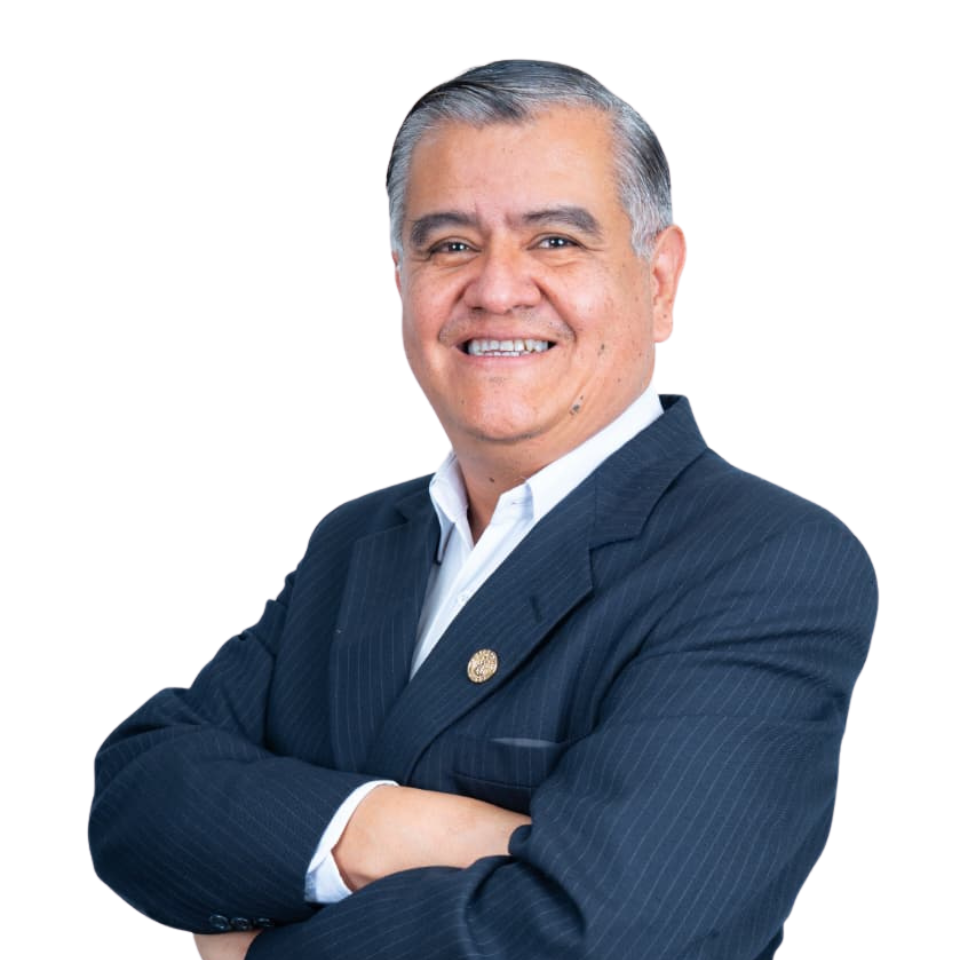
Liga Maya de Guatemala
"When the term 'democracy' is mentioned, perhaps the first thing we think of is a vote, but I believe that democracy also involves how communities organize themselves."
"The cultural representatives, the discourses, messages, and questions they bring to the table are often a reflection of what their community is questioning."
"Democracy is not lived at the ballot box. Forms of democracy and organization already existed in the territories. It is lived in the communities when they make decisions about their territories, their forms of organization, and their choices. And democracy is memory and history for all those who have raised their voices."
"The simple fact that I am at this event representing the Mayan peoples has been a great achievement, because years ago, you wouldn't see a cultural representative involved in decision-making at a forum or on a panel. They have been viewed as ornaments or something to be exhibited at folklore events once or twice a year."
"There is a context that has become a complete challenge for continuing to exercise democratic participation in the territories. Ultimately, in addition to being a learning experience that motivates us, it also invites us to reflect on how to build alliances that allow communities to continue participating according to their own logic."
In this fishbowl-style session, panelists shared their success stories in cultivating school leadership, covering everything from delegating administrative tasks to building networks among organizations tackling the same issues. The interactive format allowed the wider group to share their own experiences, emphasizing that school principals are not isolated actors, but rather the central pillar of school dynamics. Additionally, participants addressed ongoing challenges such as school dropout rates, illiteracy, and the contrasting pressures and burdens faced by the public and private education systems.
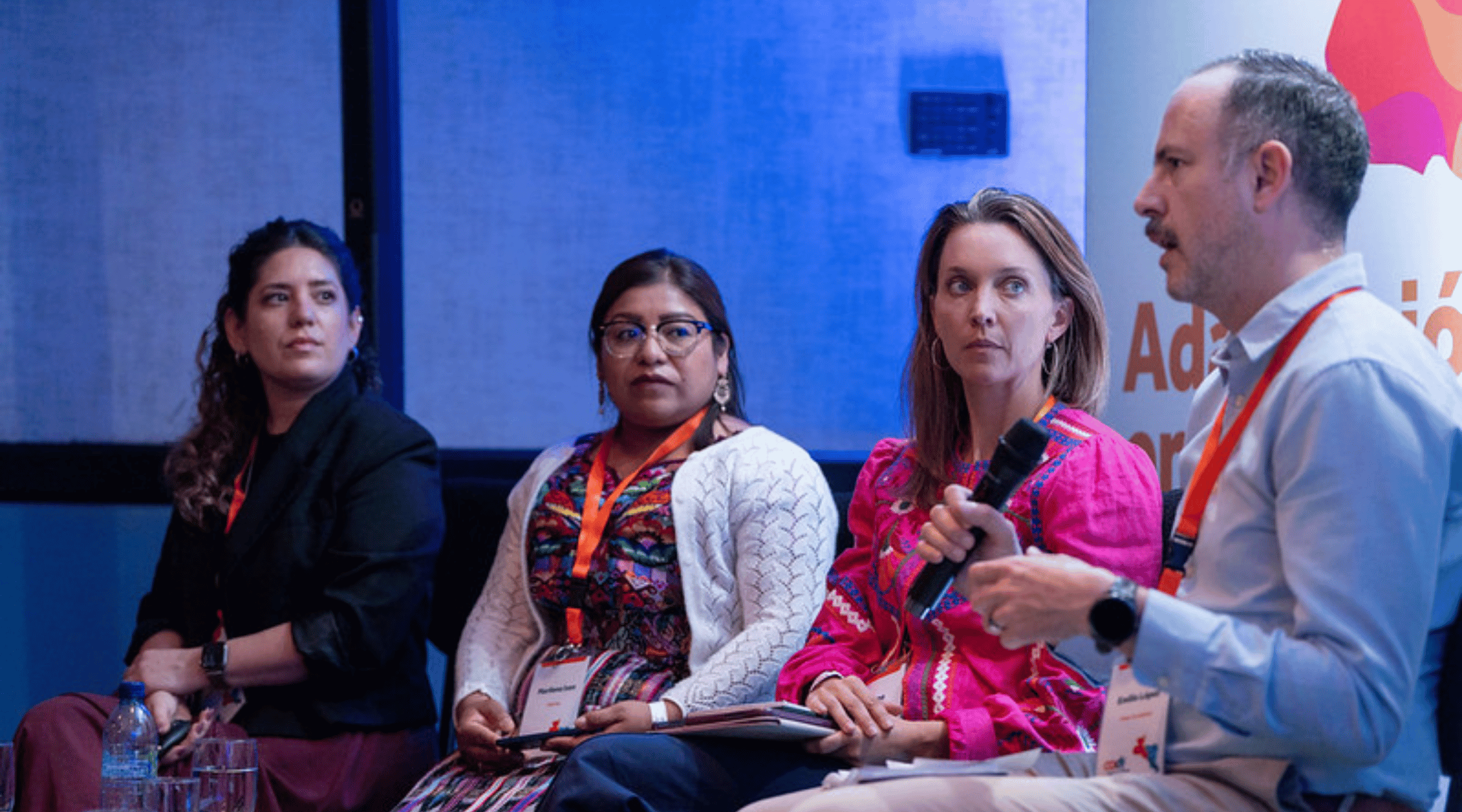
Child Aid
Tinker Foundation

Luis von Ahn Foundation
Global School Leaders
"We can learn more from each other. The idea behind networks is not to give people more work; what we want is to make their jobs easier and increase the effectiveness of the programs they are running."
"The important thing is to leverage the trust and the work that other organizations are already doing to add that component focused on principals."
"Leadership doesn't just happen in the classroom, because principals also become leaders in their communities."
"To move from evidence to action in Latin America, we need to ensure that knowledge and learning don't stay confined to a single person or organization. Instead, we must create networks and spaces to share, whether locally or nationally."
"We need to invest in and train principals because when we train a principal, we are not only making a change in that individual, but in their entire teaching staff."
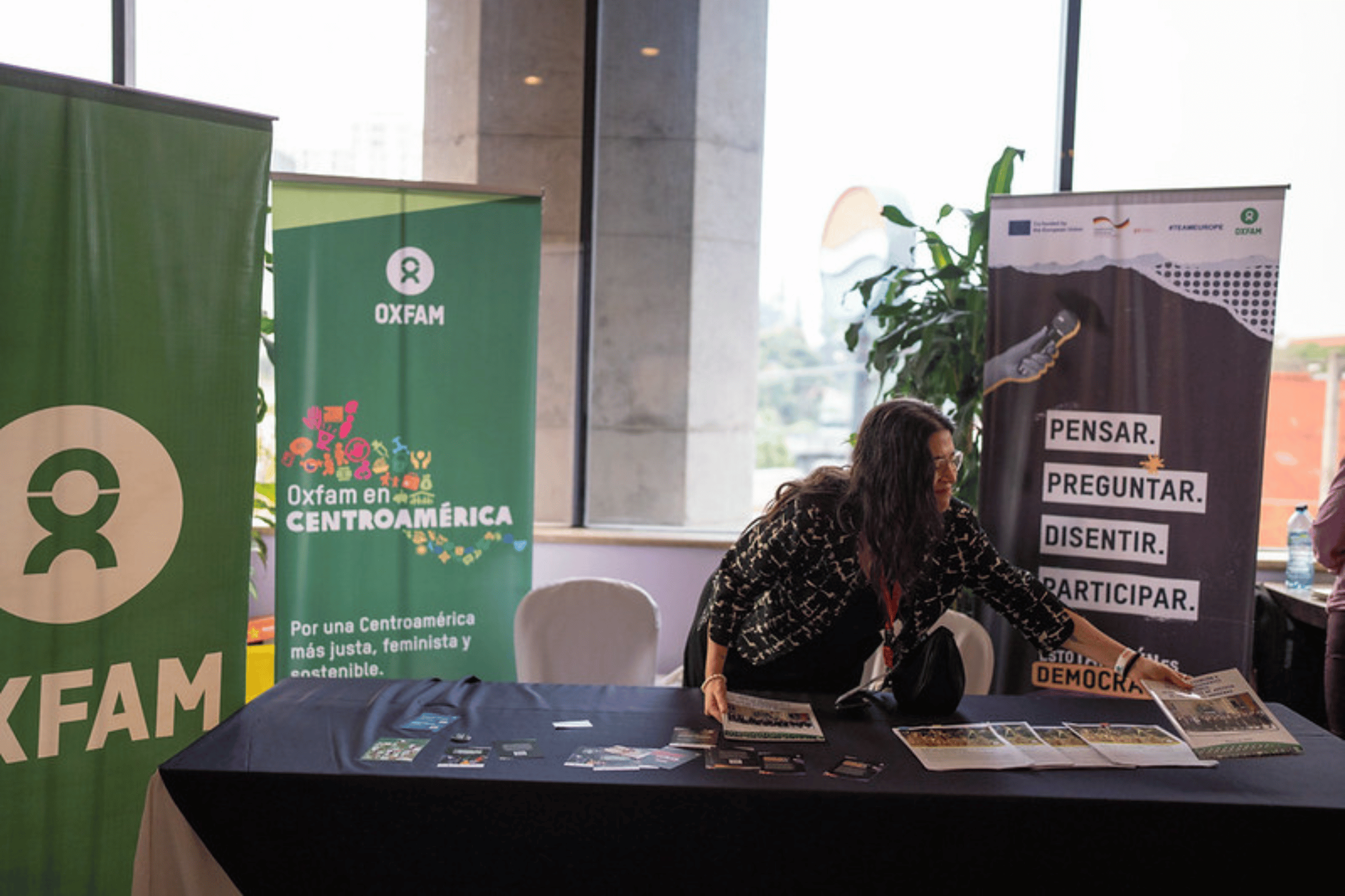
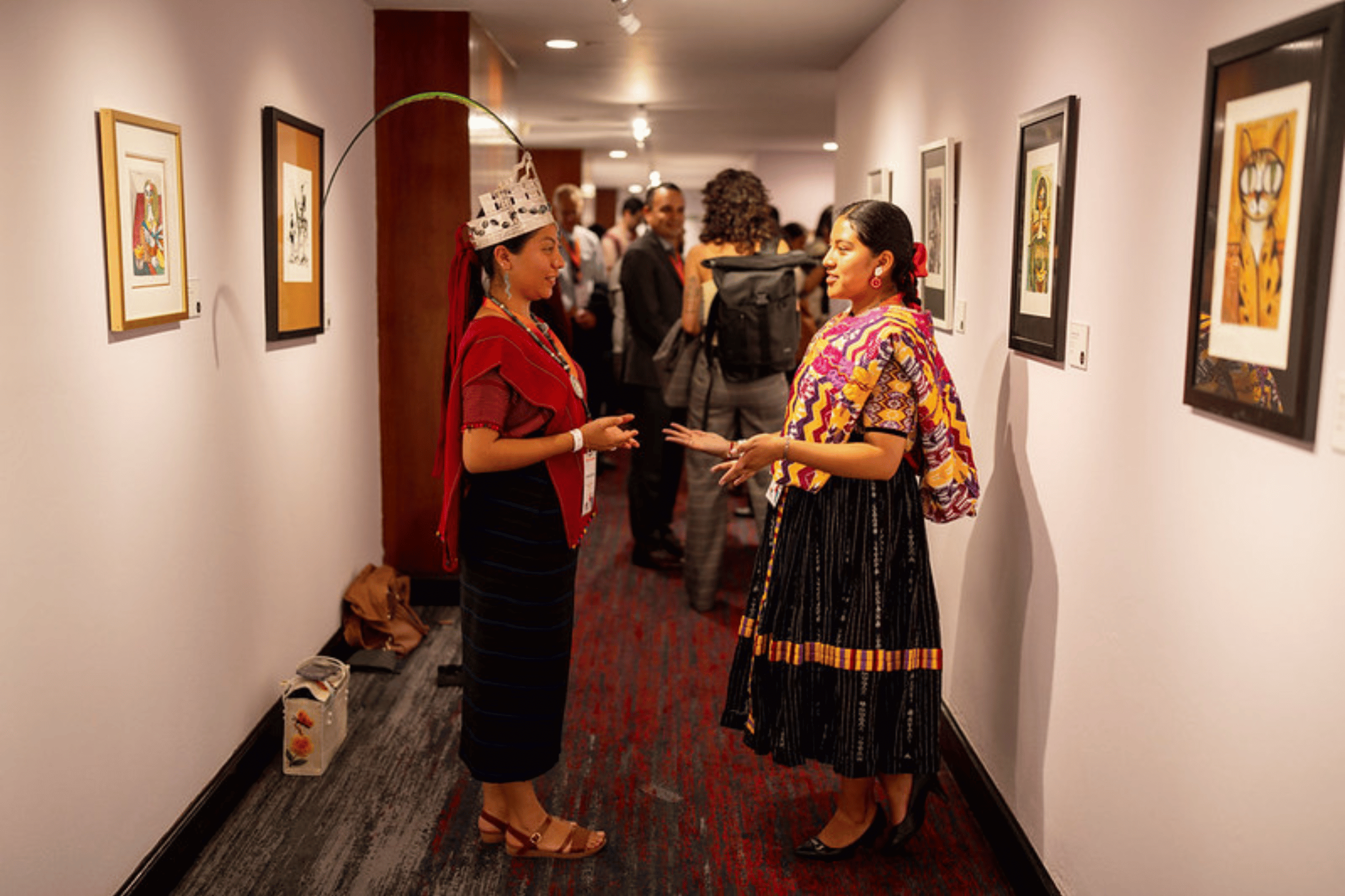
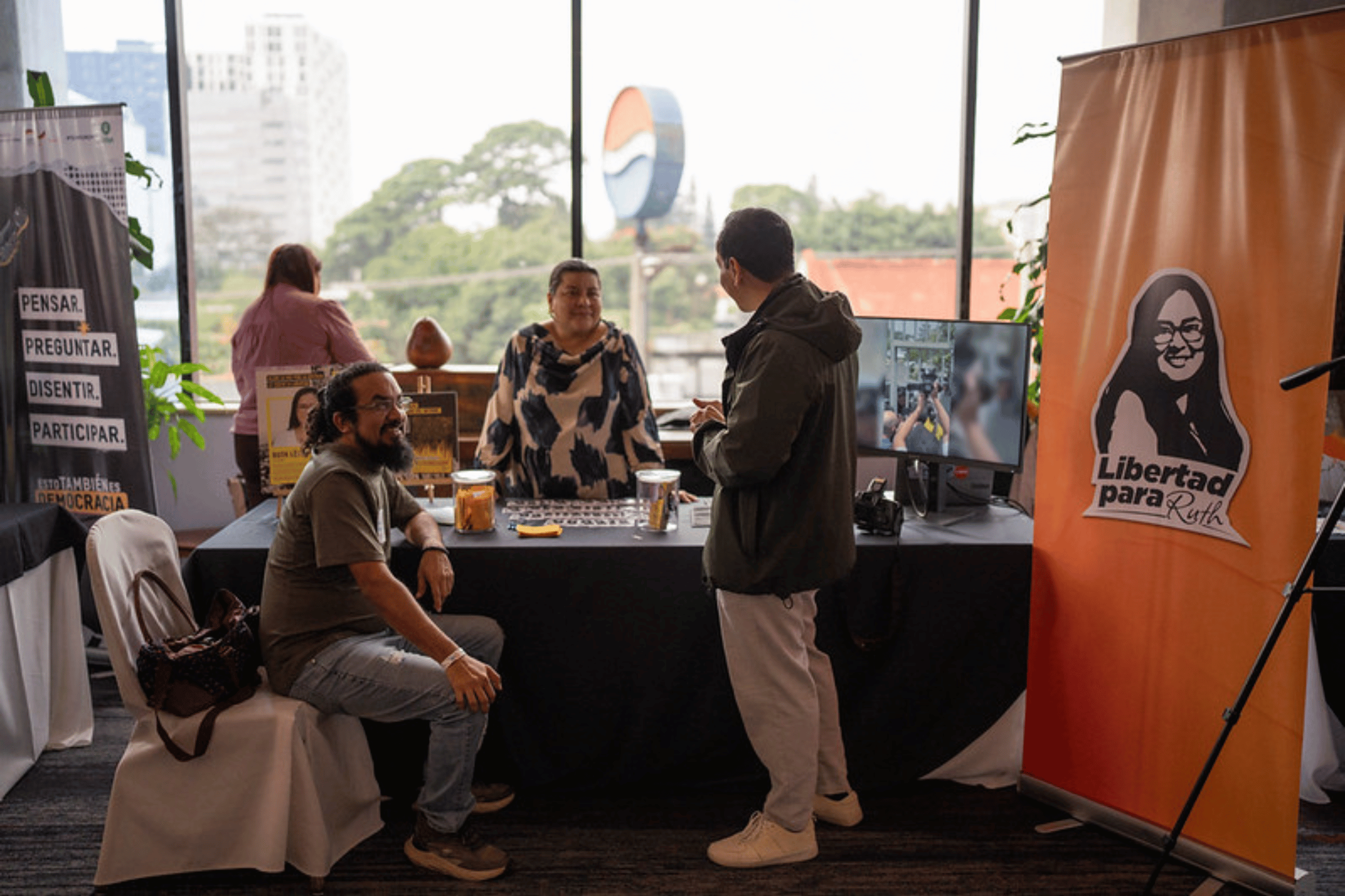
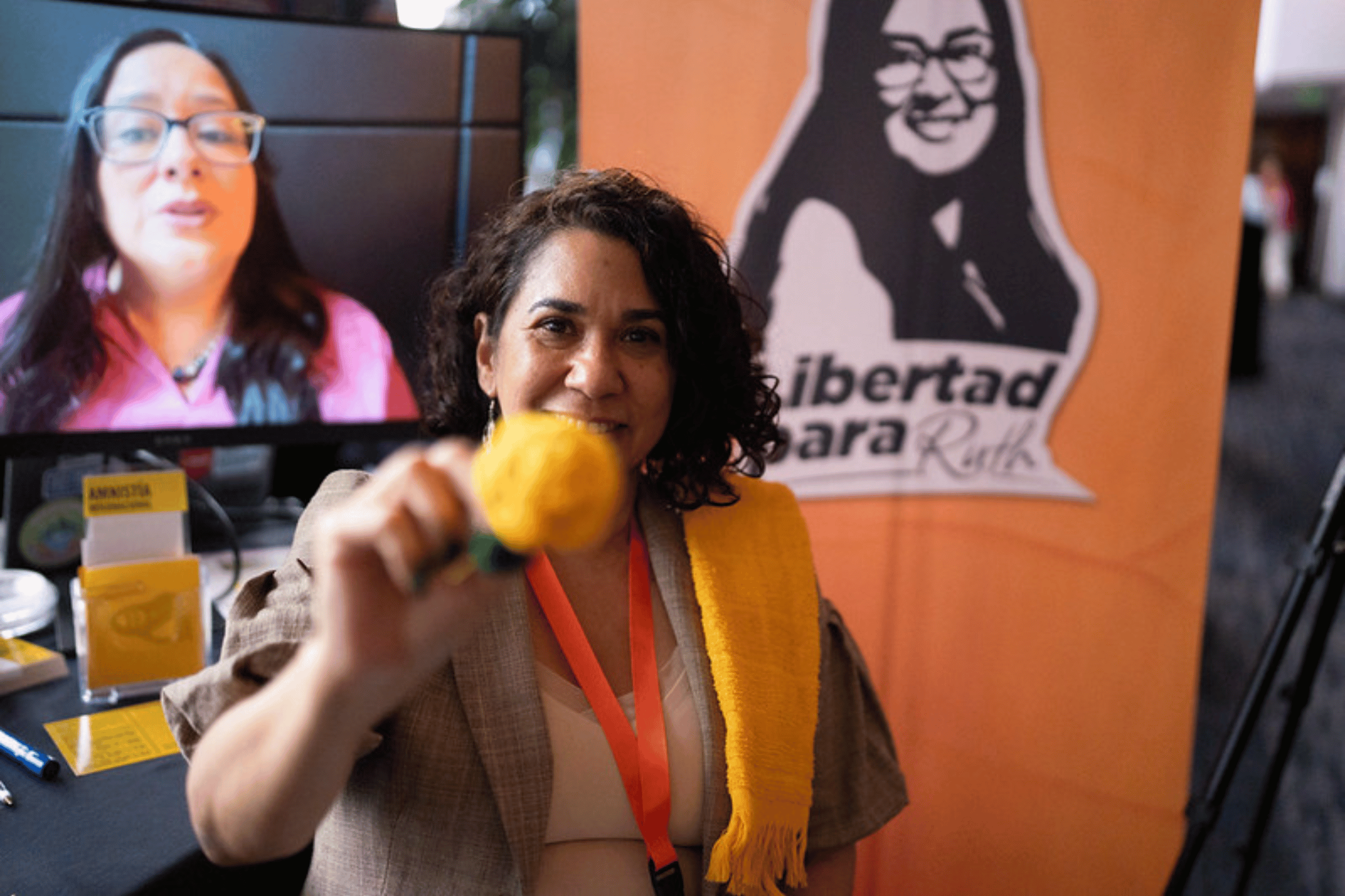
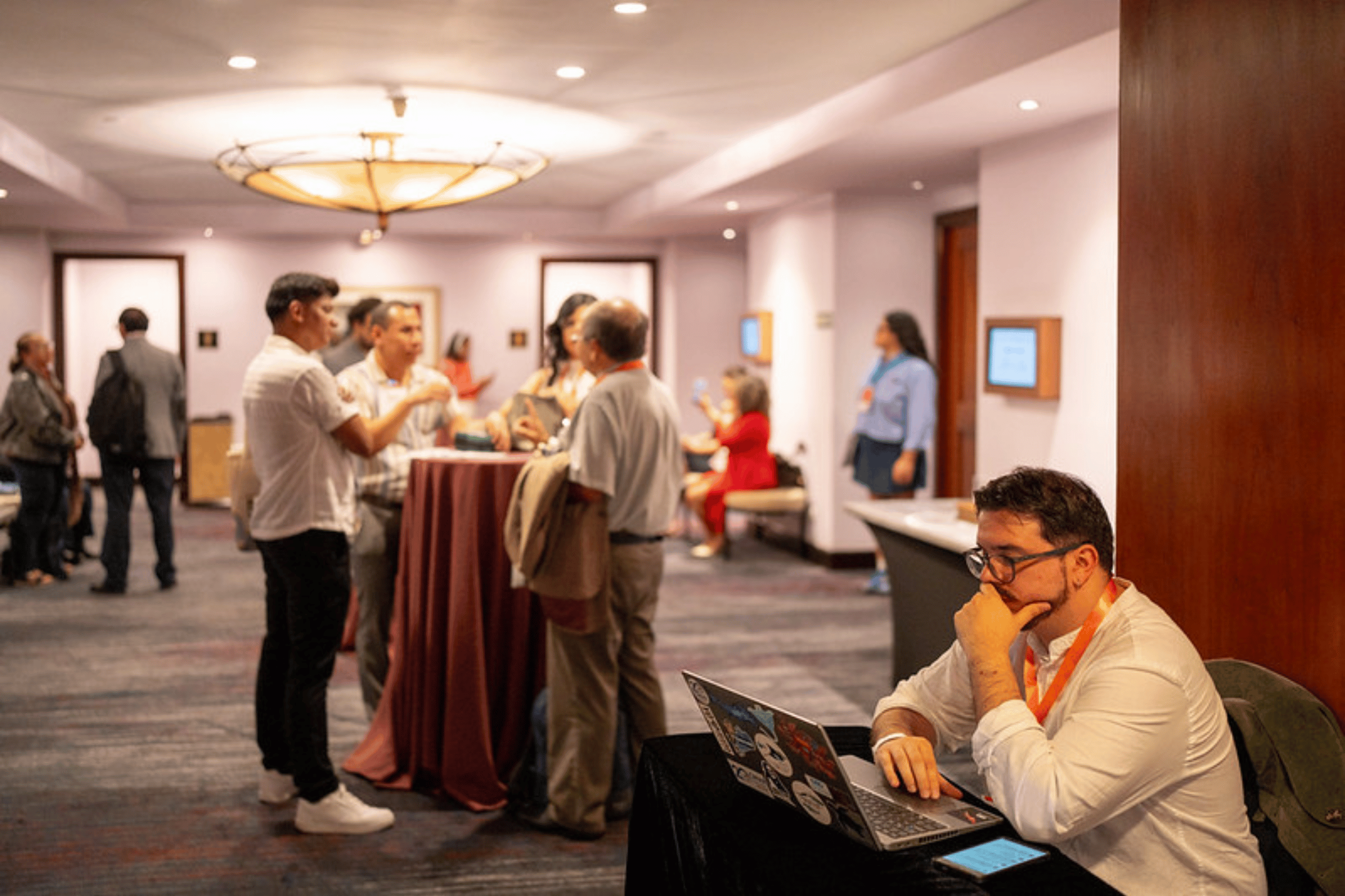
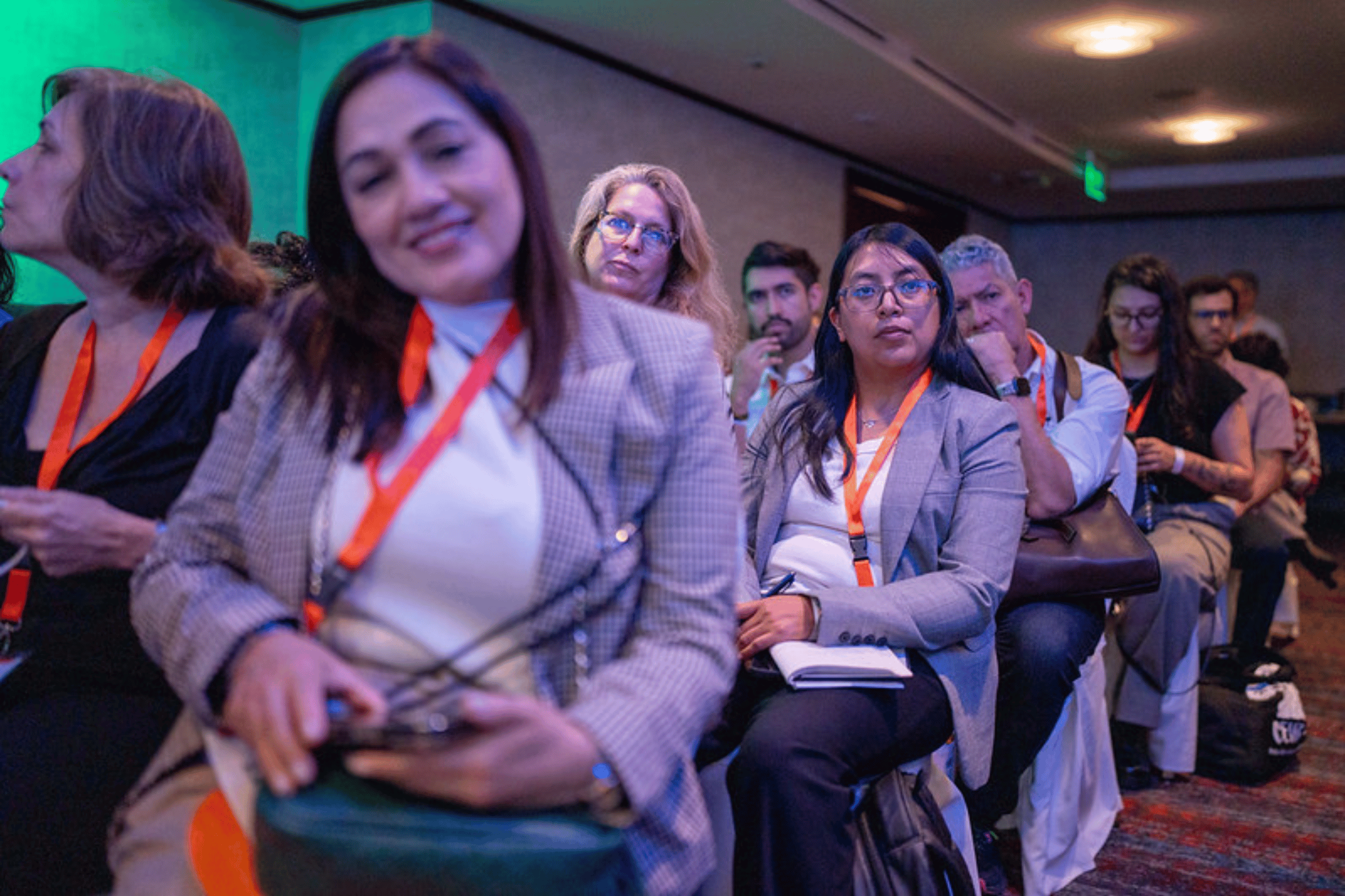
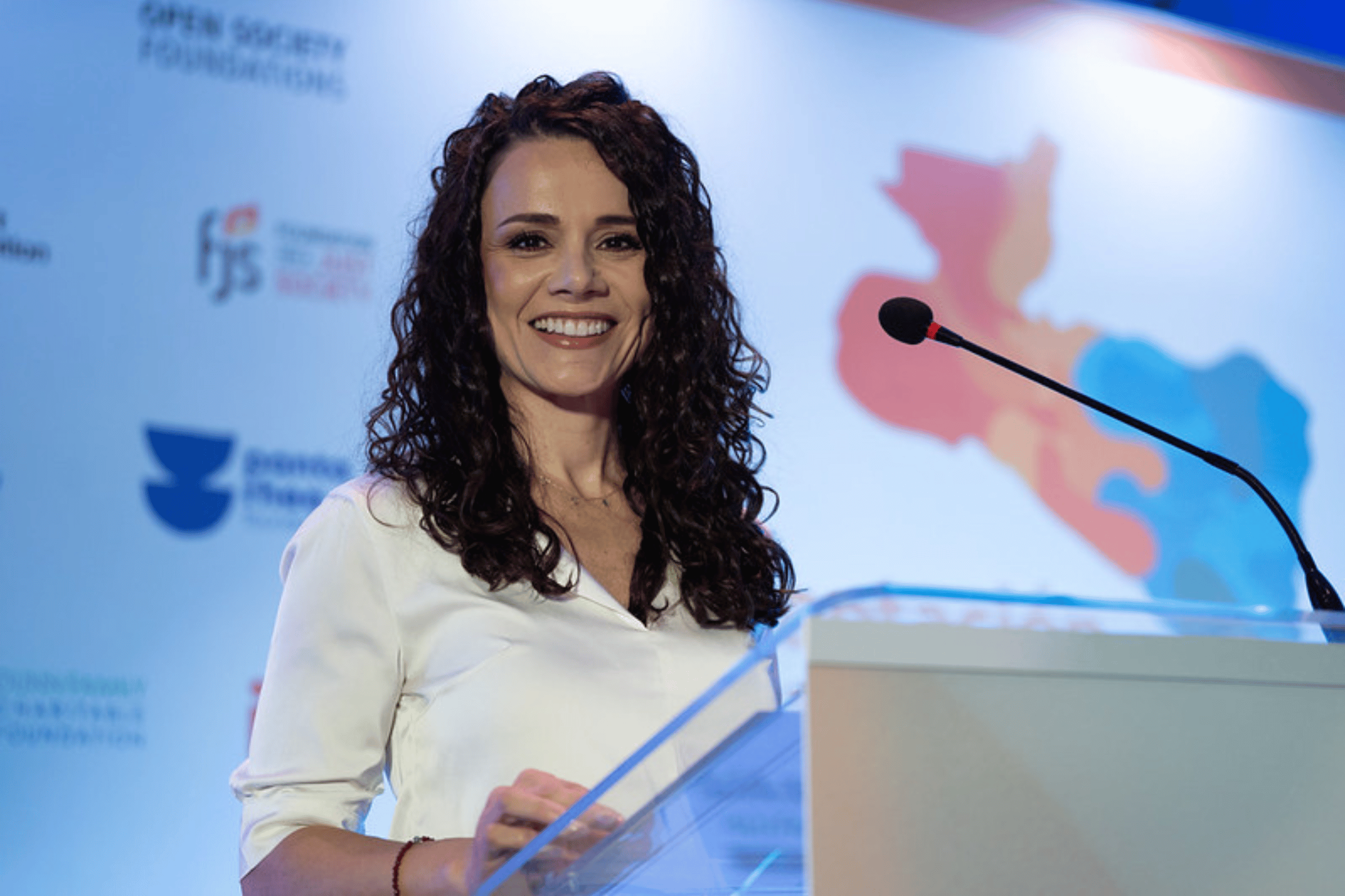
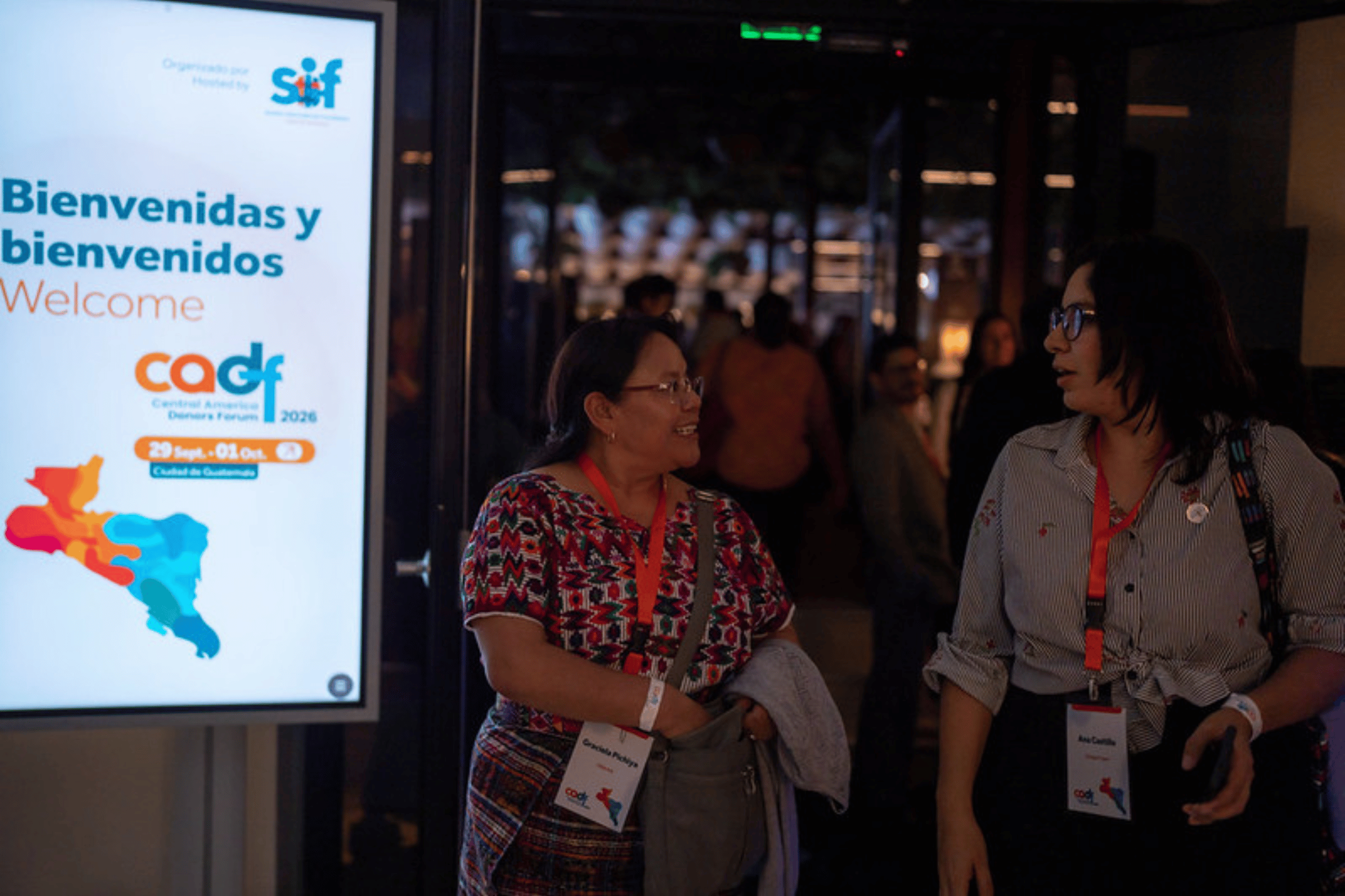

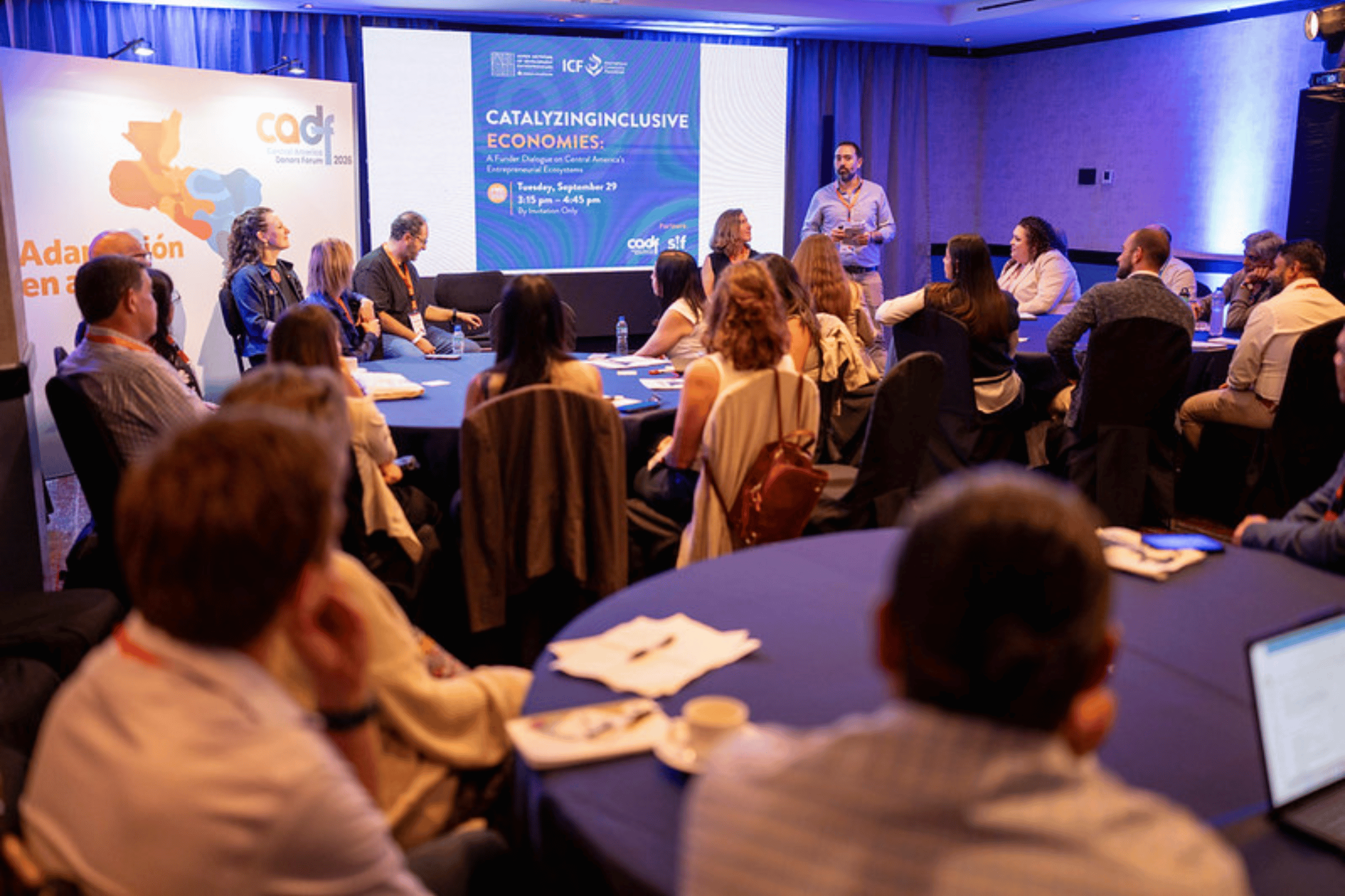
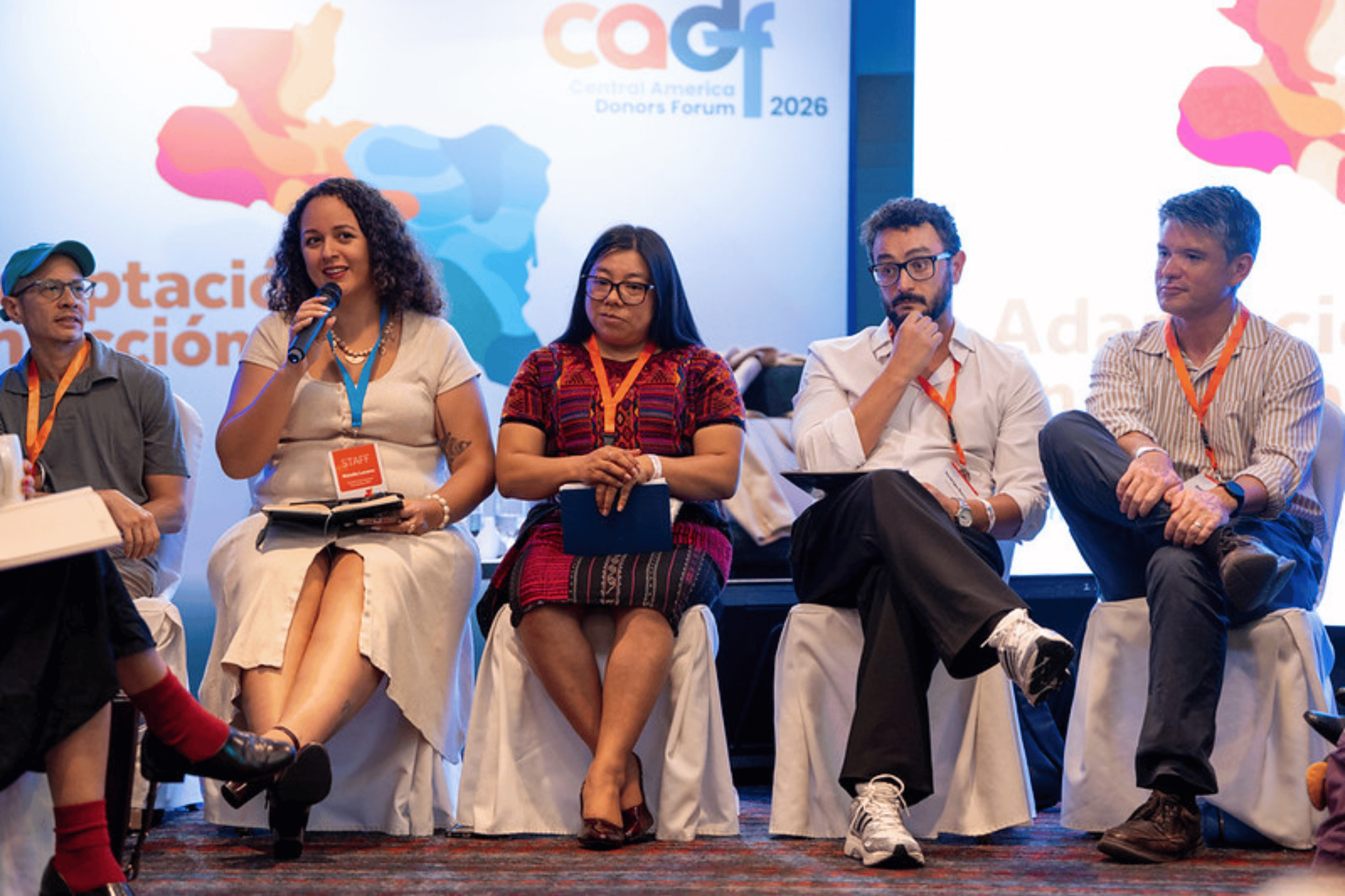
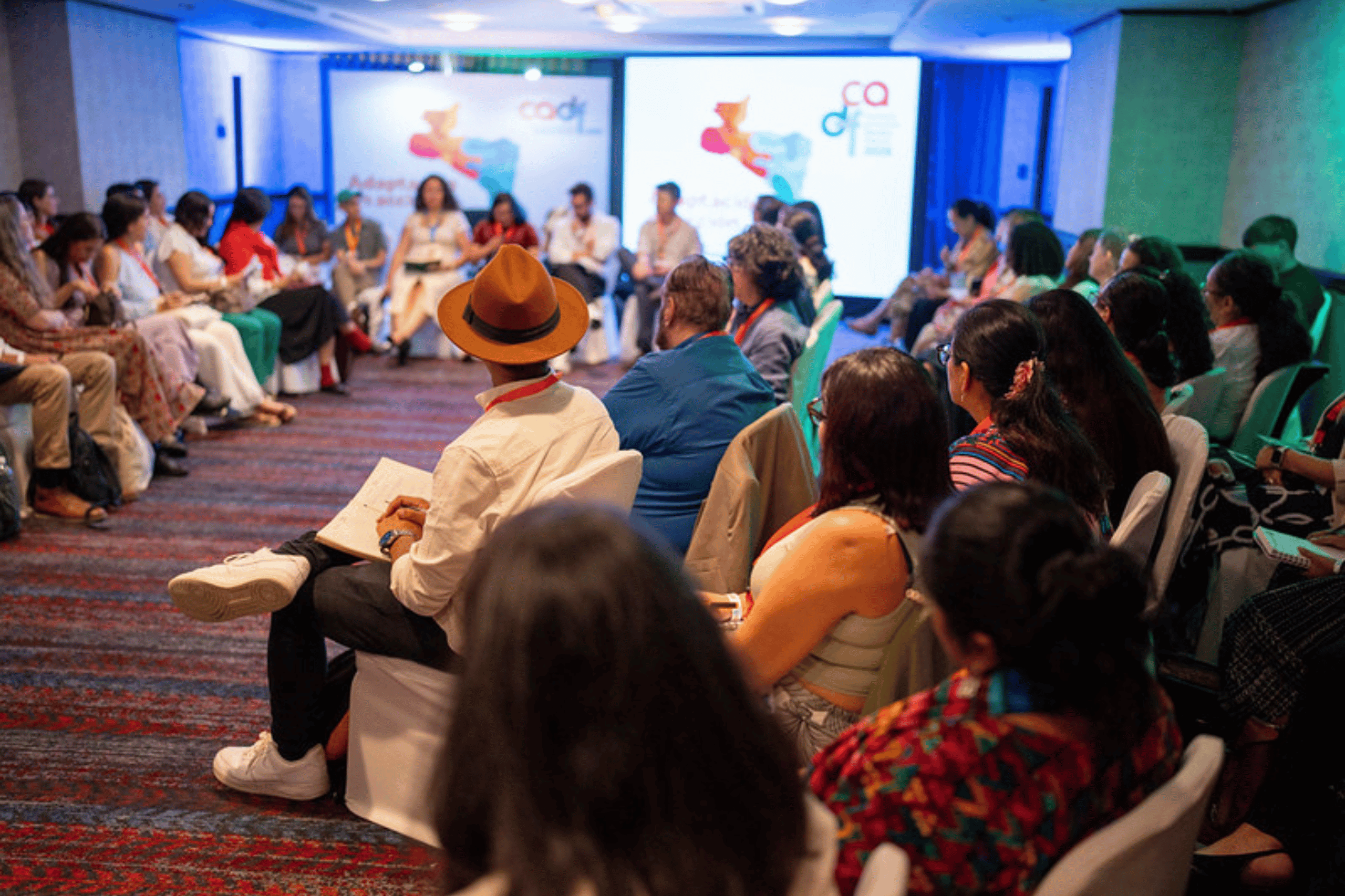
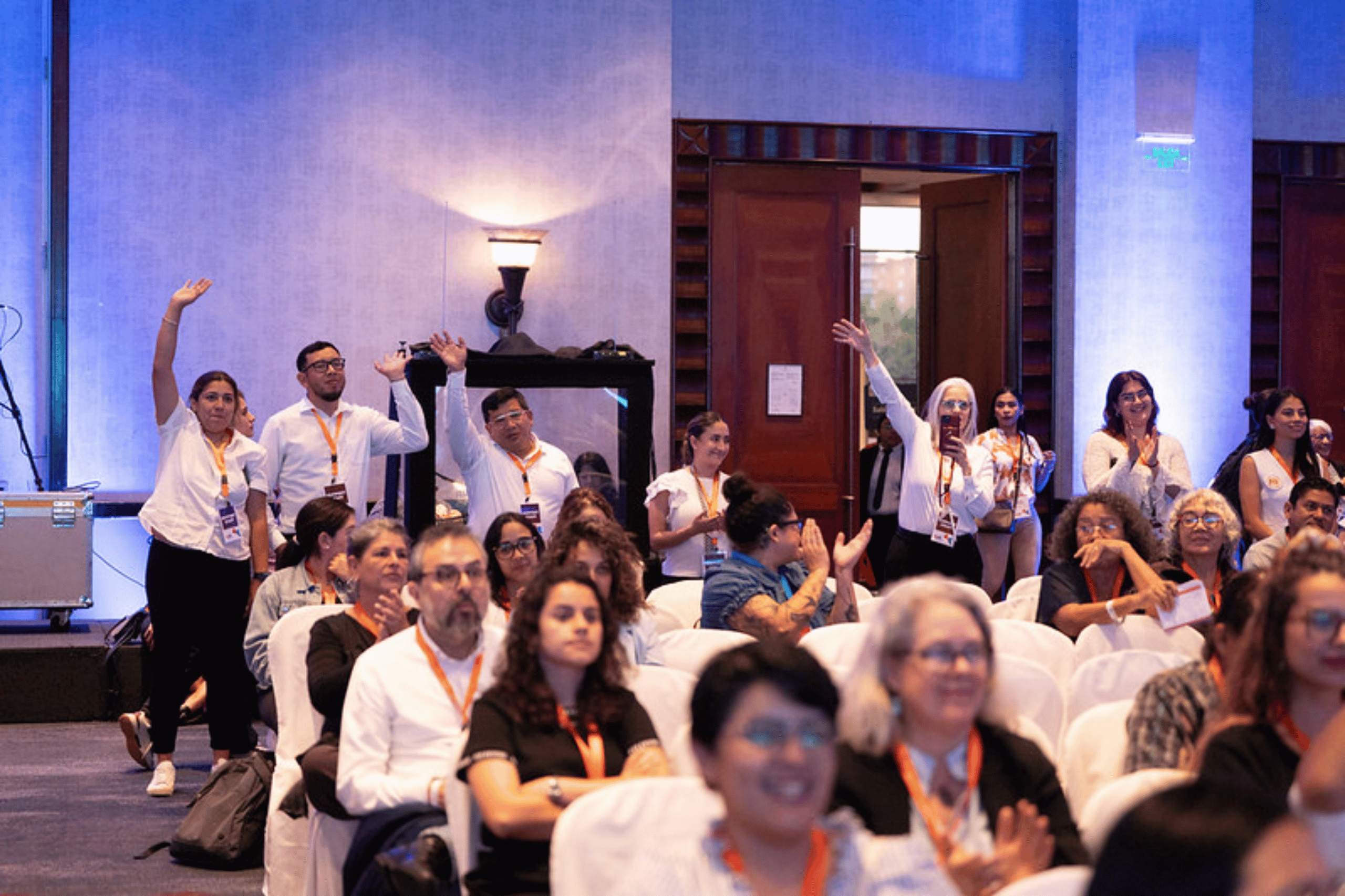
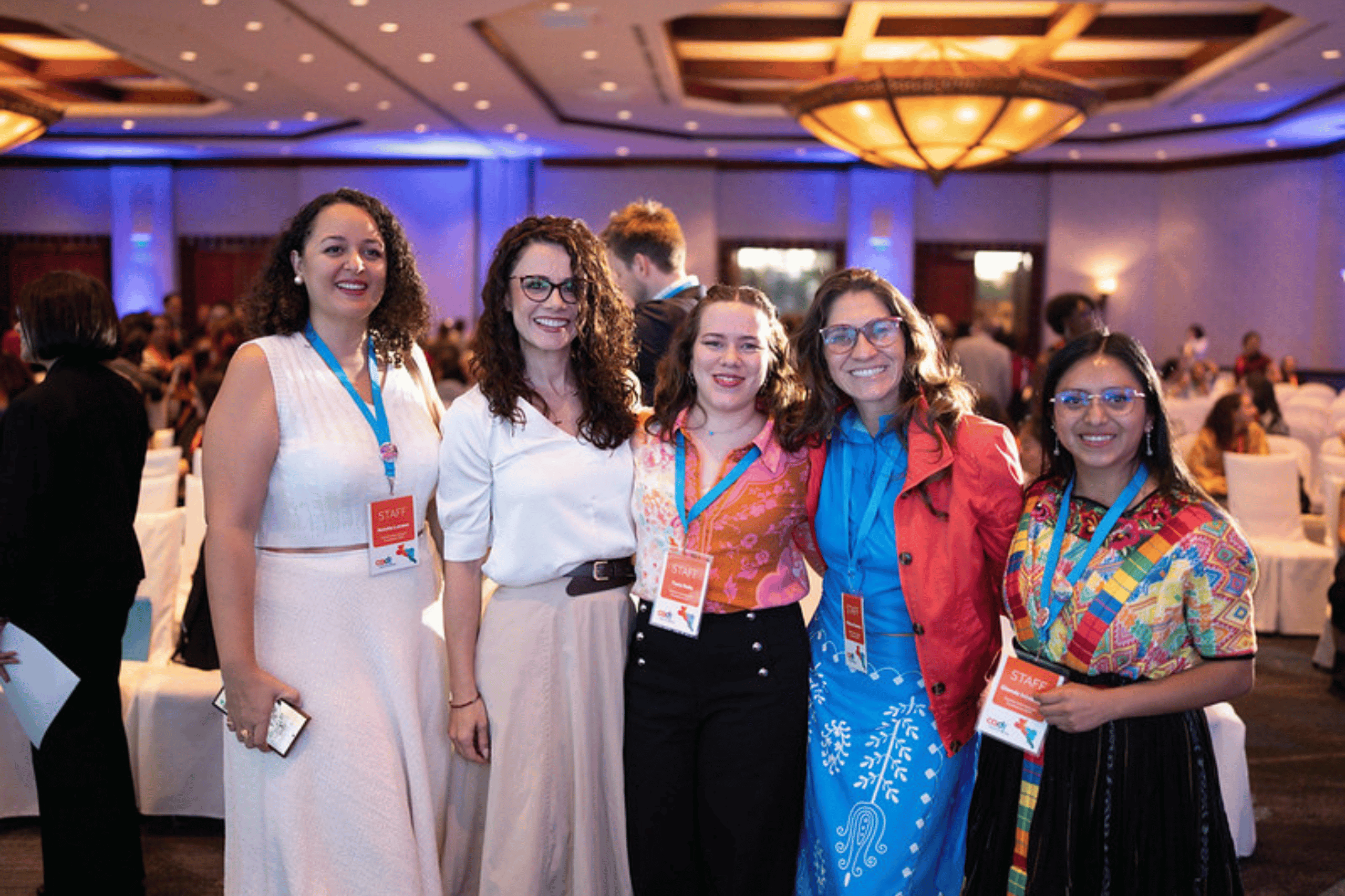
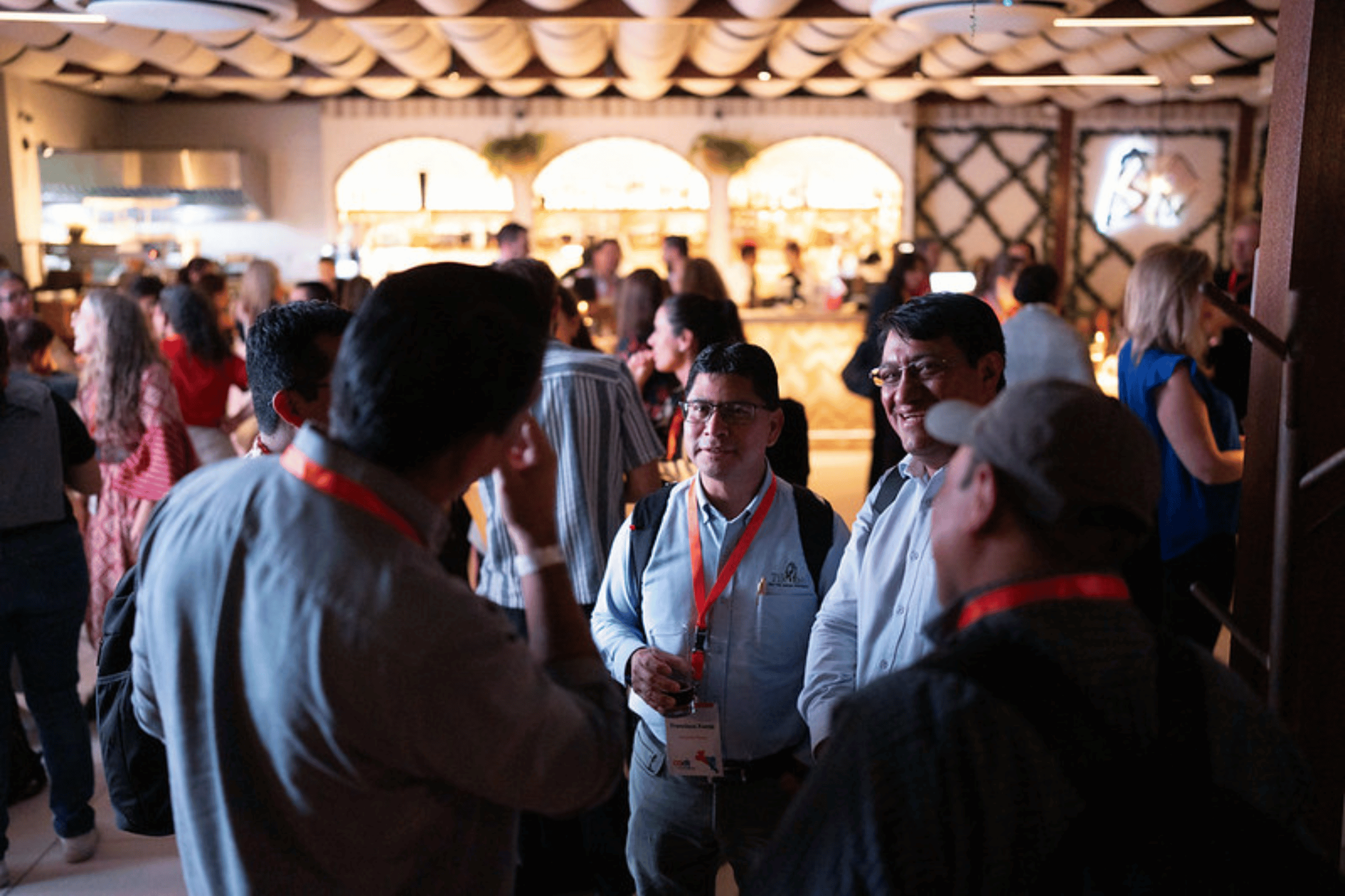
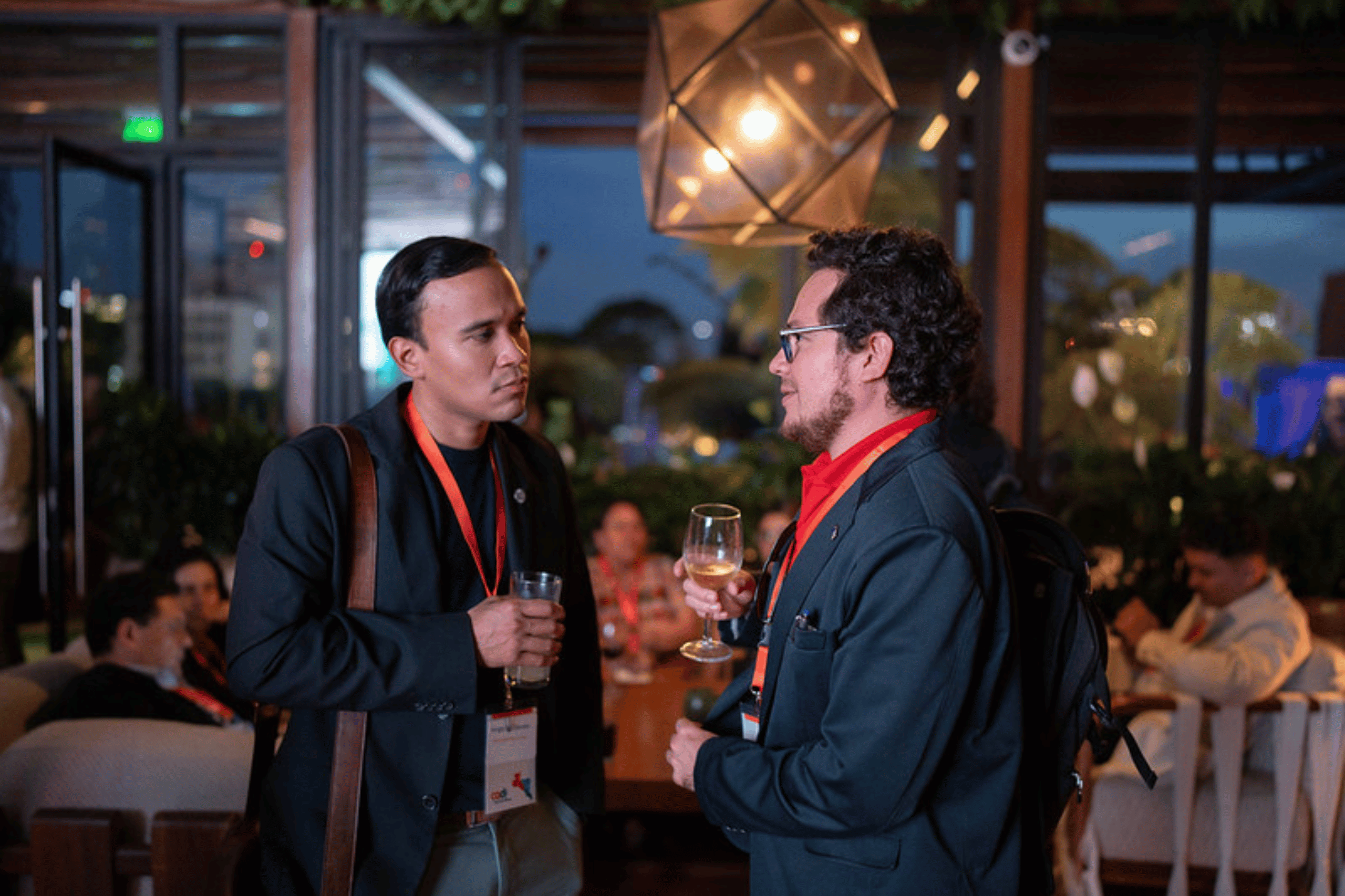
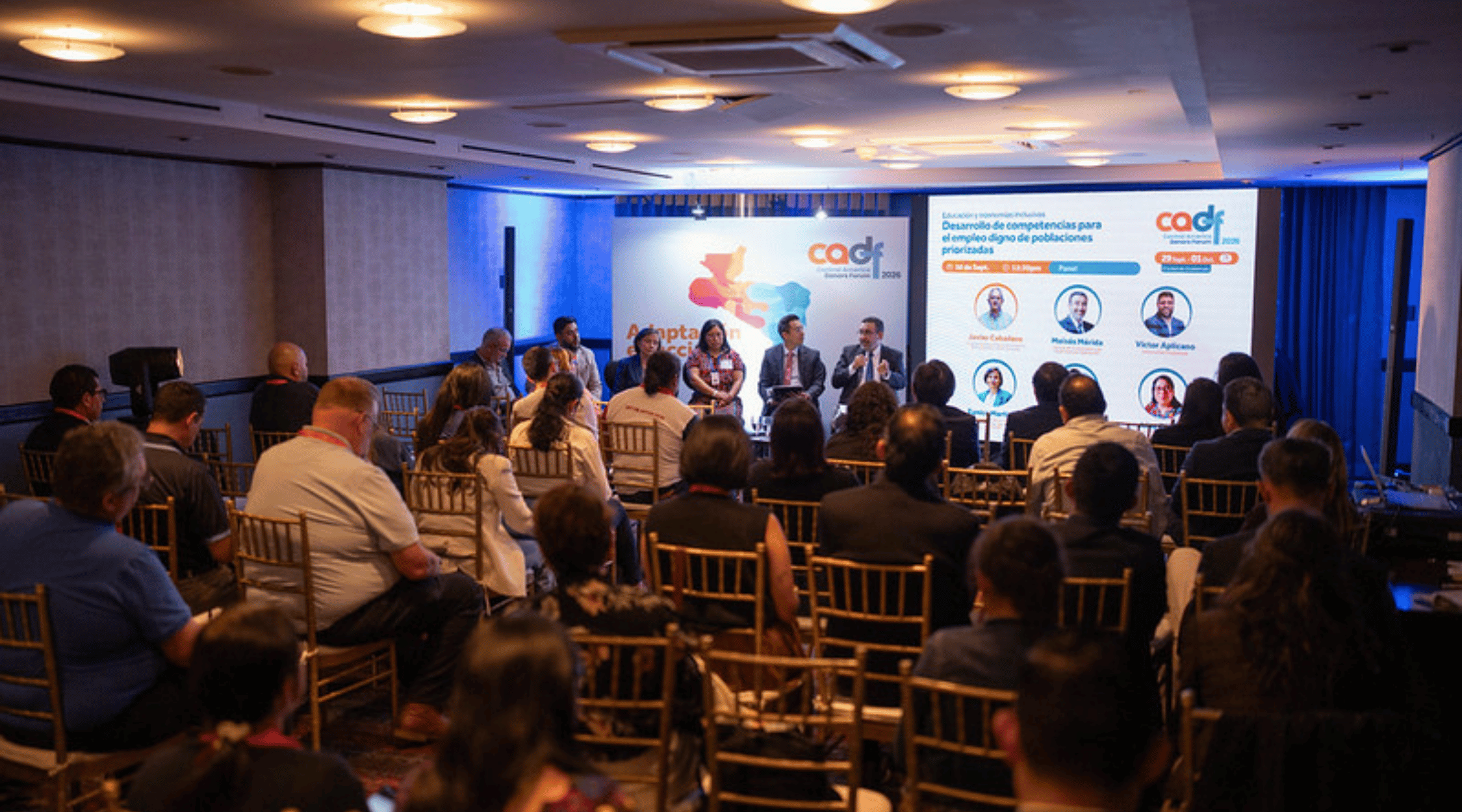
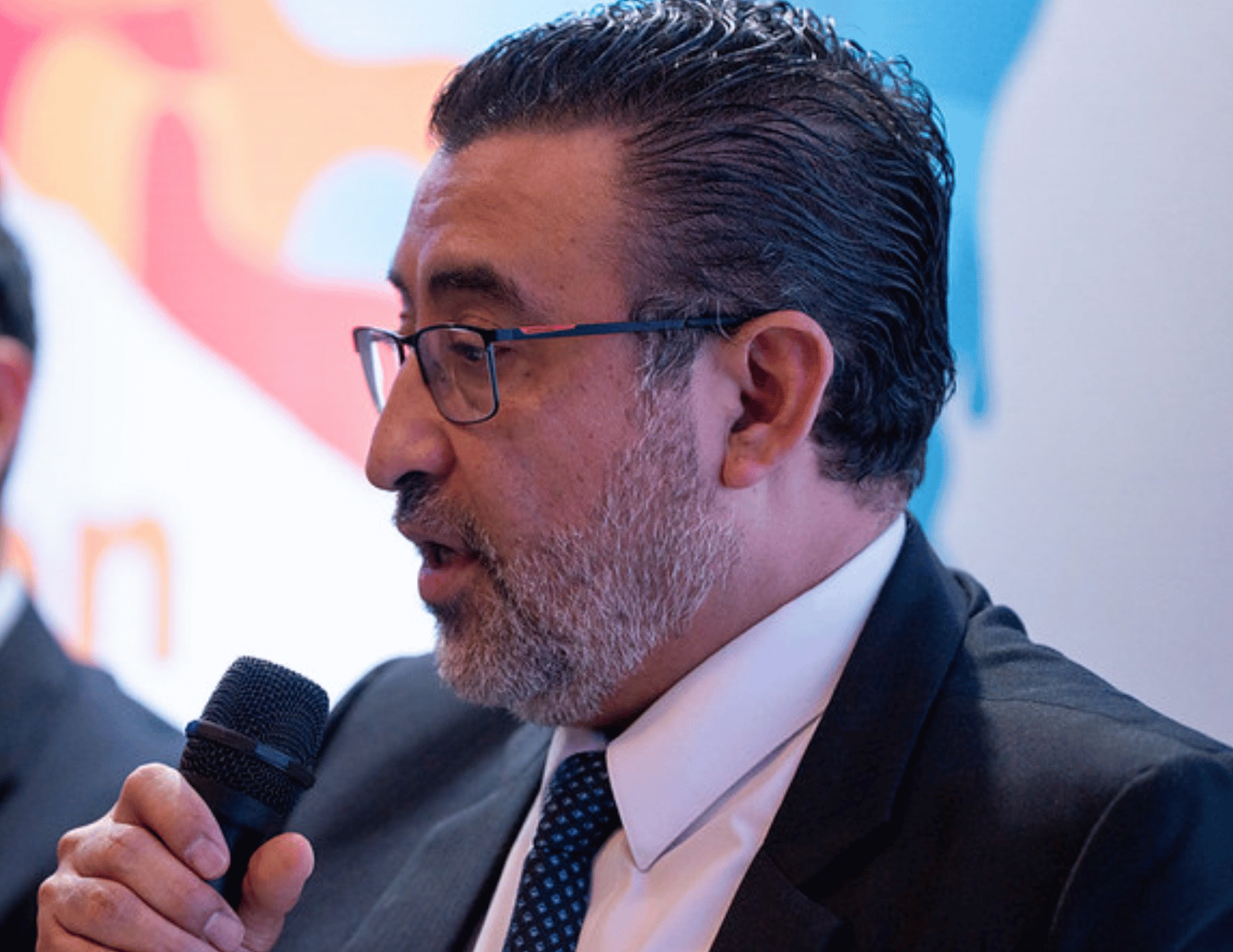
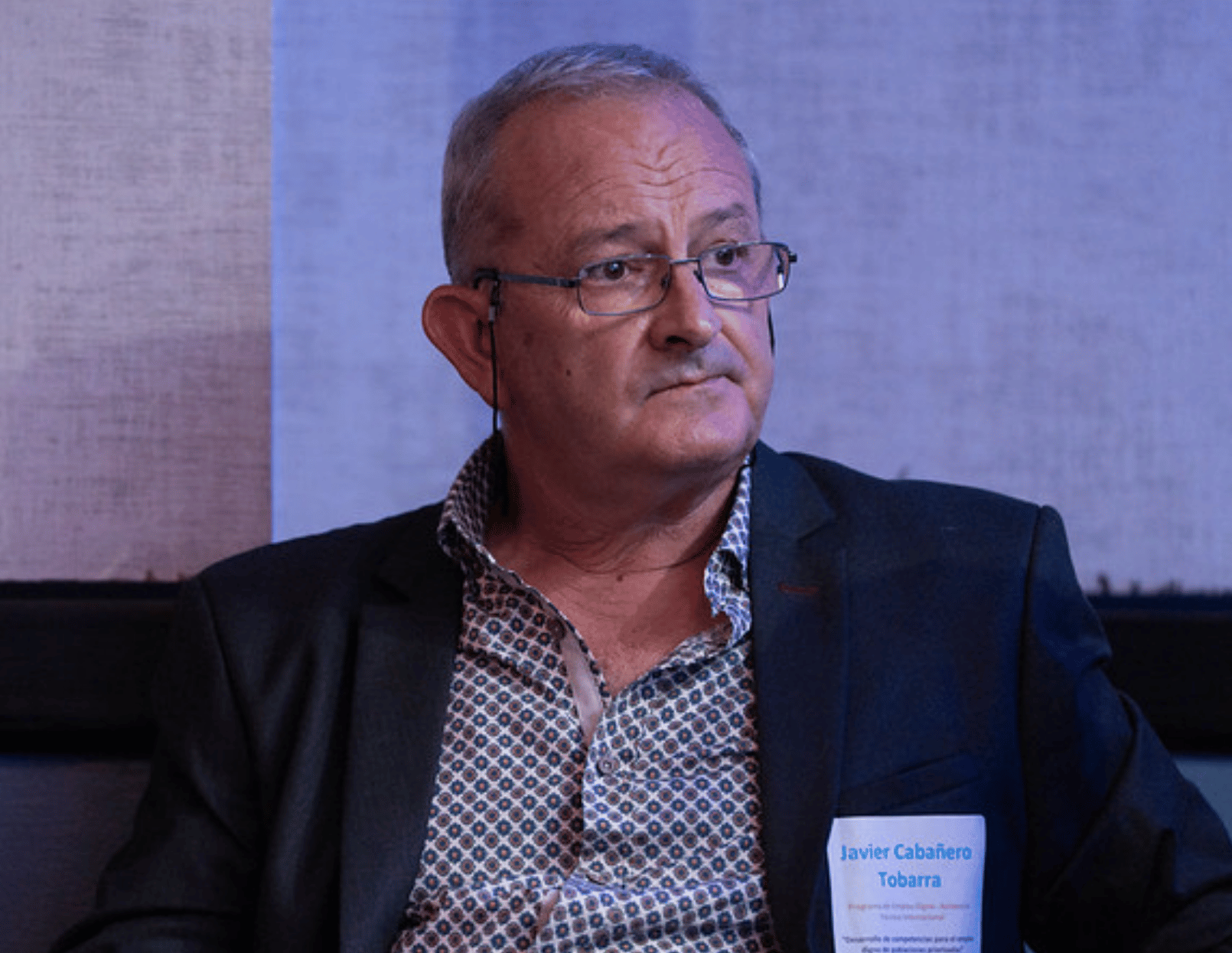
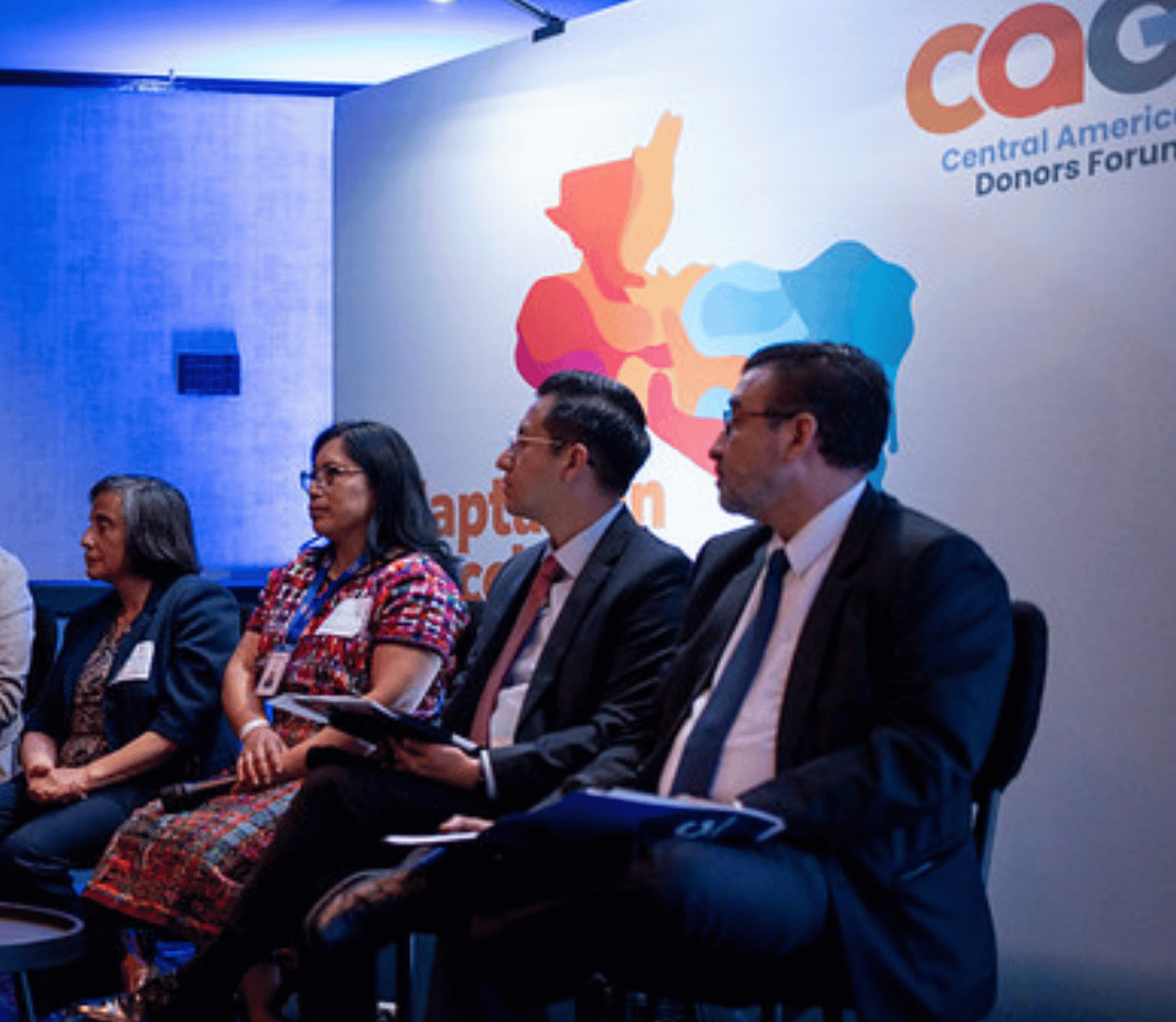
This panel, moderated by Javier Cabañero, analyzed skills development for accessing decent employment in Guatemala within the framework of the European Union’s Global Gateway strategy. The speakers agreed that for training programs to succeed, the traditional logic must change: we must first listen to the actual needs of businesses before designing courses. Along these lines, Víctor Aplícano highlighted the importance of offering personalized training and certifications that consider each person’s starting point. Meanwhile, Moisés Mérida and Eunice Martínez pointed out that methodologies must be flexible and adapted to each territory, prioritizing human and communication skills over purely technical ones. Regarding inclusion, Alba Coyote emphasized the impact of removing age and educational requirements to empower rural Indigenous women. Lastly, Johnny Hernández demonstrated how supporting microenterprises and women’s entrepreneurship are key drivers for generating sustainable income and new local jobs.
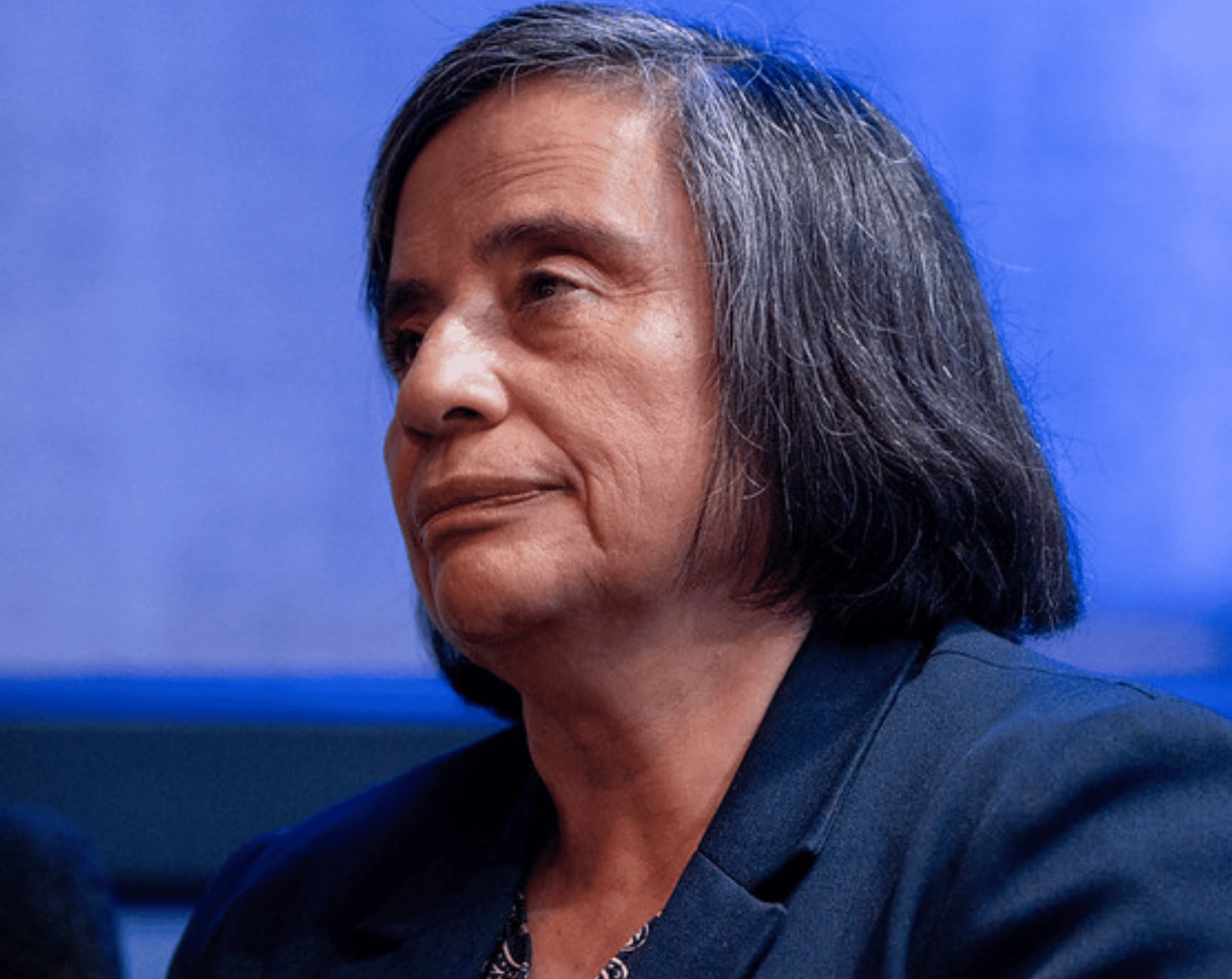
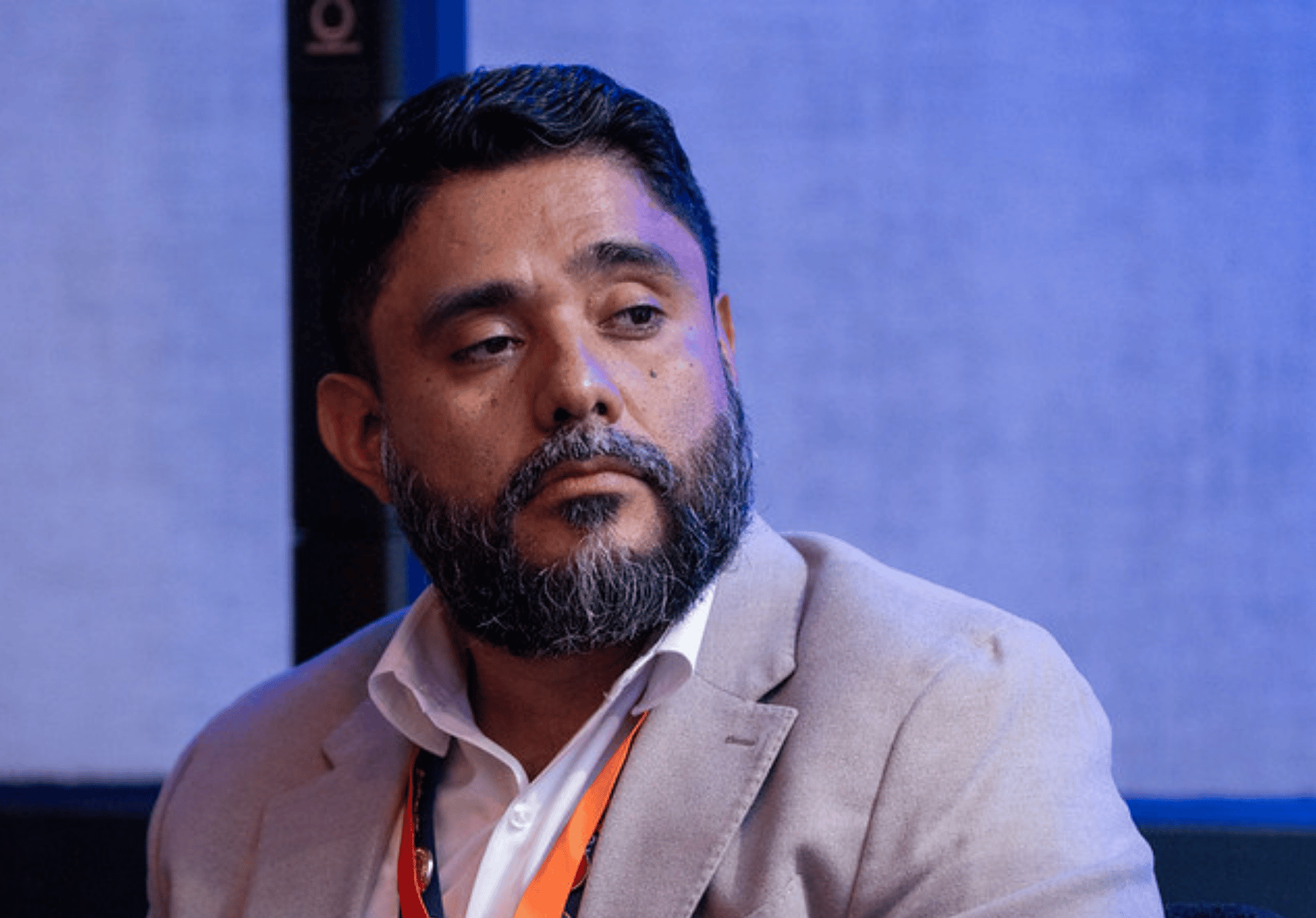
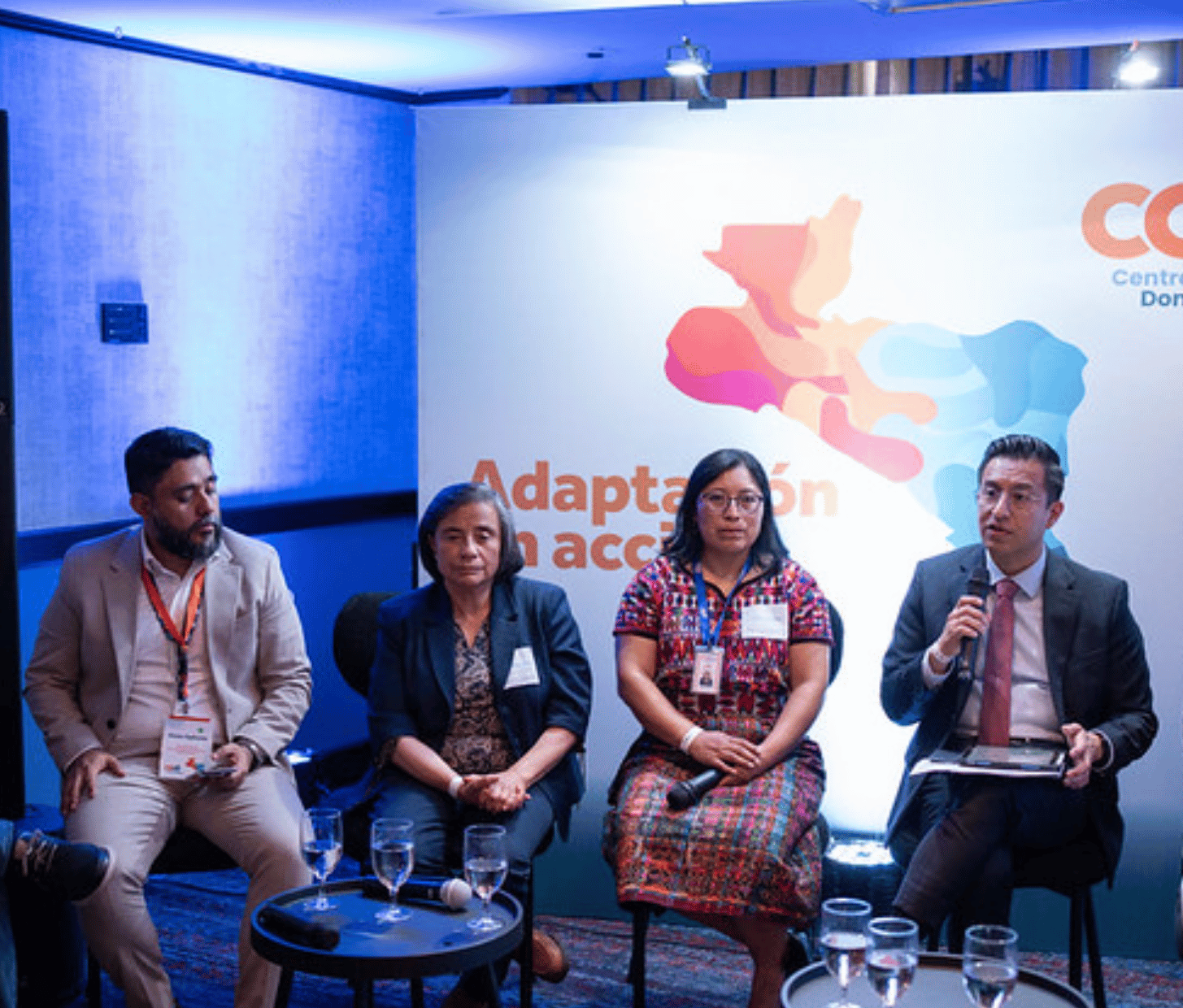
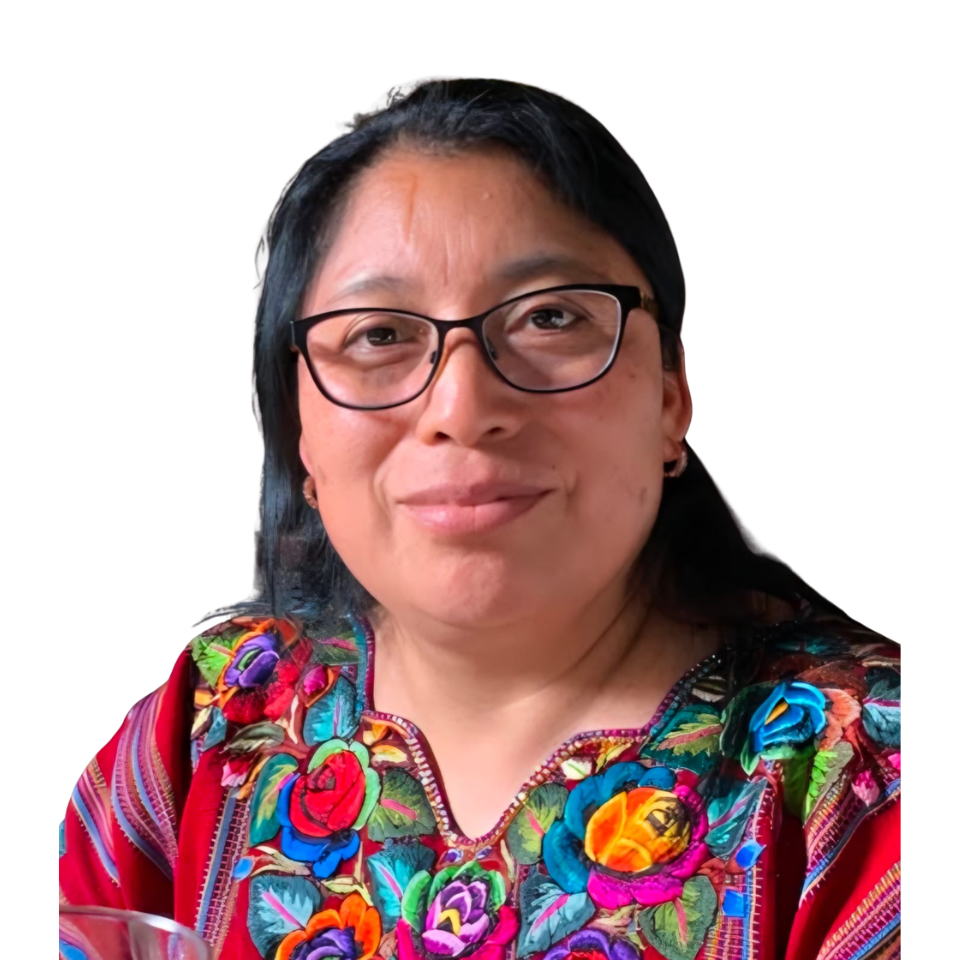
Ixoqi' Vocational Center of the Foundation for Integral Development (FUDI)
National Network of Development Groups
Foundation for the Integral Development of Socioeconomic Programs (FUNDAP)
Swisscontact Guatemala
Guatemalan Exporters Association (AGEXPORT)
Decent Employment Program of the Government of Guatemala and the European Union
"What we have learned is that a course, even if it is a good course, may not necessarily be a relevant course. The model that works best is when we think about skills development pathways rather than a one-size-fits-all training model."
"There is no single methodology; rather, it must be adaptable and have the flexibility to suit the environment. Our country has very unique geographic, cultural, and linguistic characteristics (...); skills must be addressed throughout the entire chain."
"We have discovered a common factor: business owners tell us, 'We need resourceful, creative, adaptable people.' These are soft skills that we all actually possess, and far from being soft, they are the most important ones we need to develop."
"For us, it is the last opportunity they find to learn something and generate income. We work with them using an inclusive methodology; we don't impose any academic or age barriers."
"Saying that we have inclusion of women and youth doesn't really mean just having them in a room. It really means how many of those women or youth ultimately gain access to an income, which translates to how many of them finally manage to start a new business or improve their existing business's conditions."
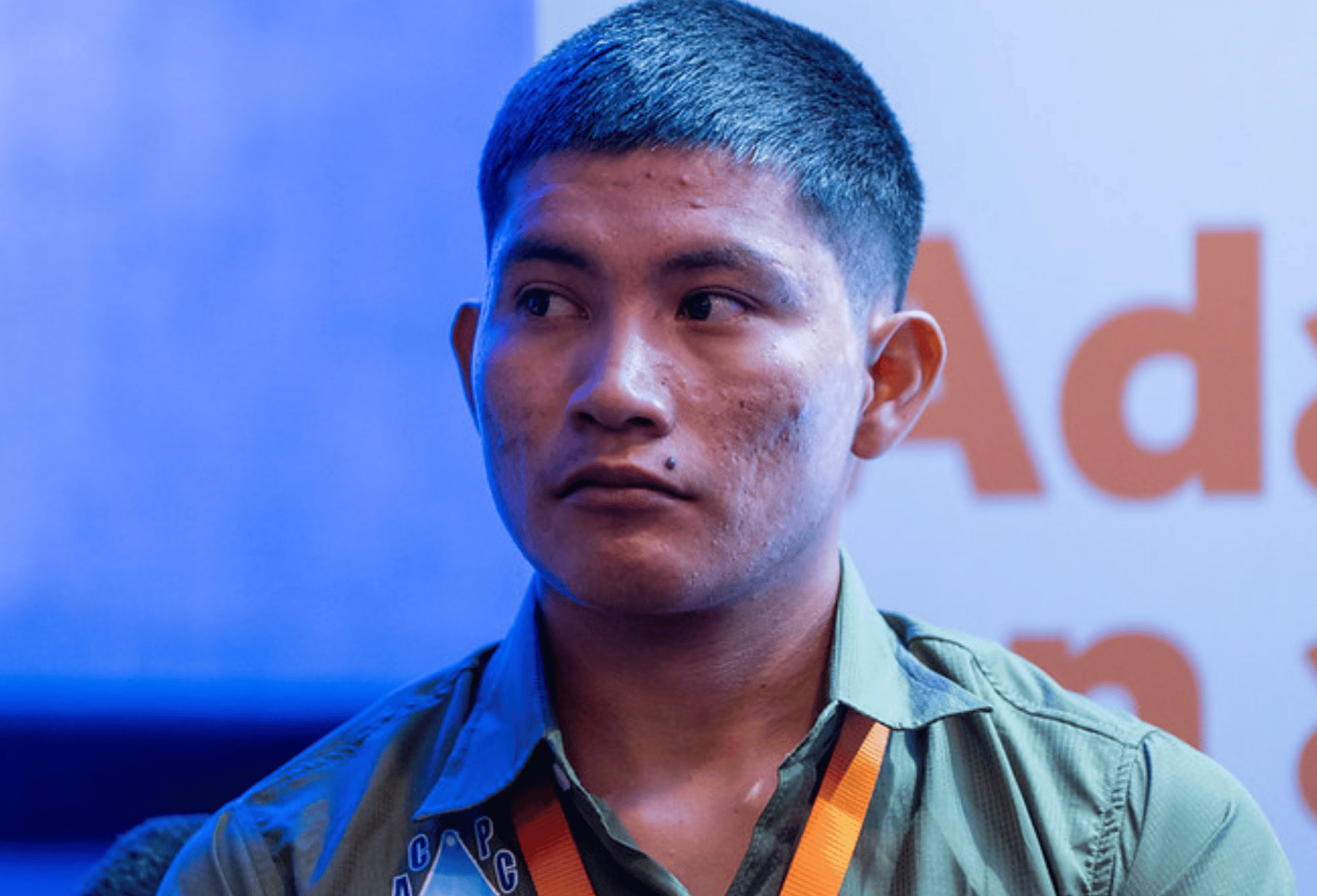
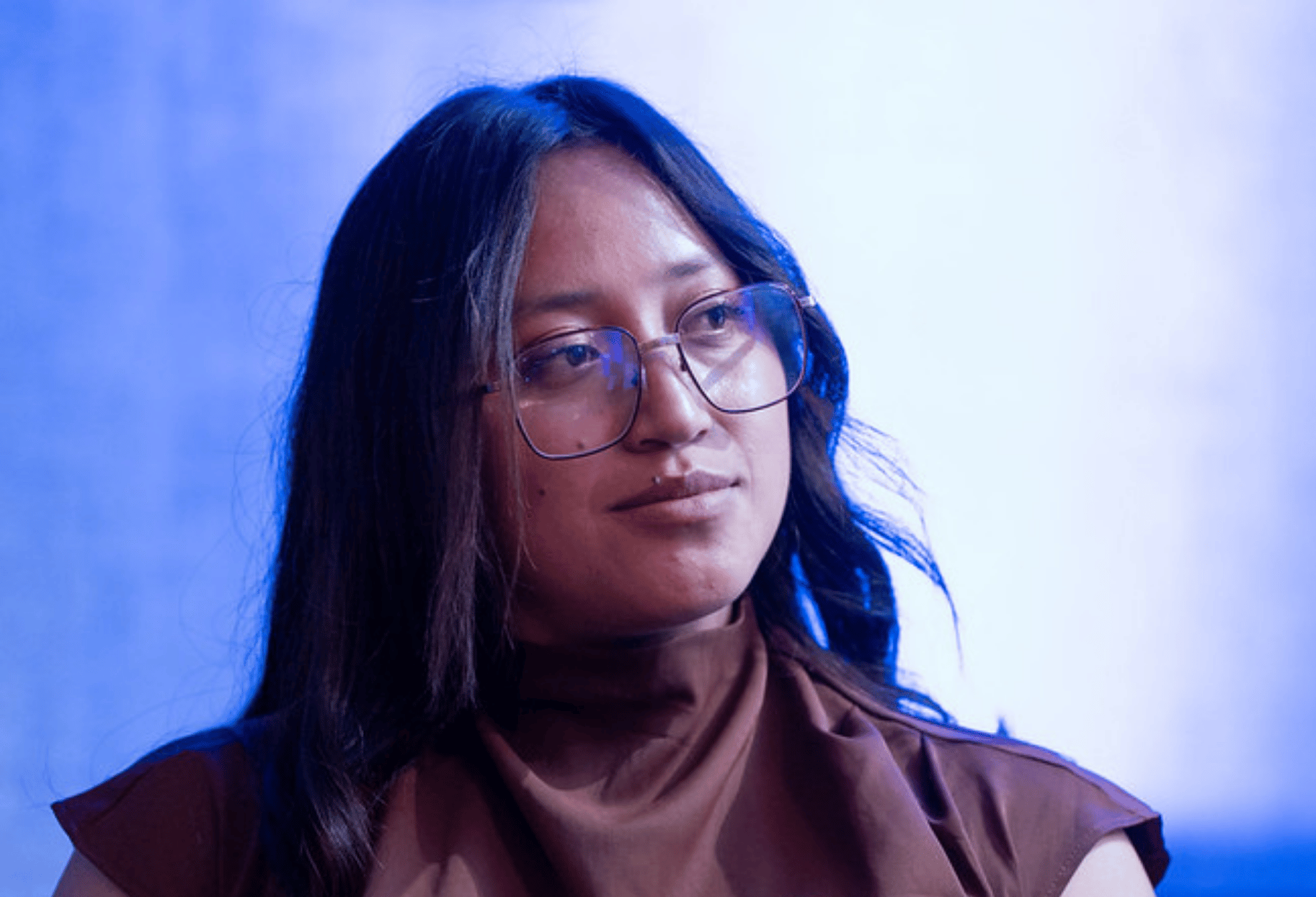
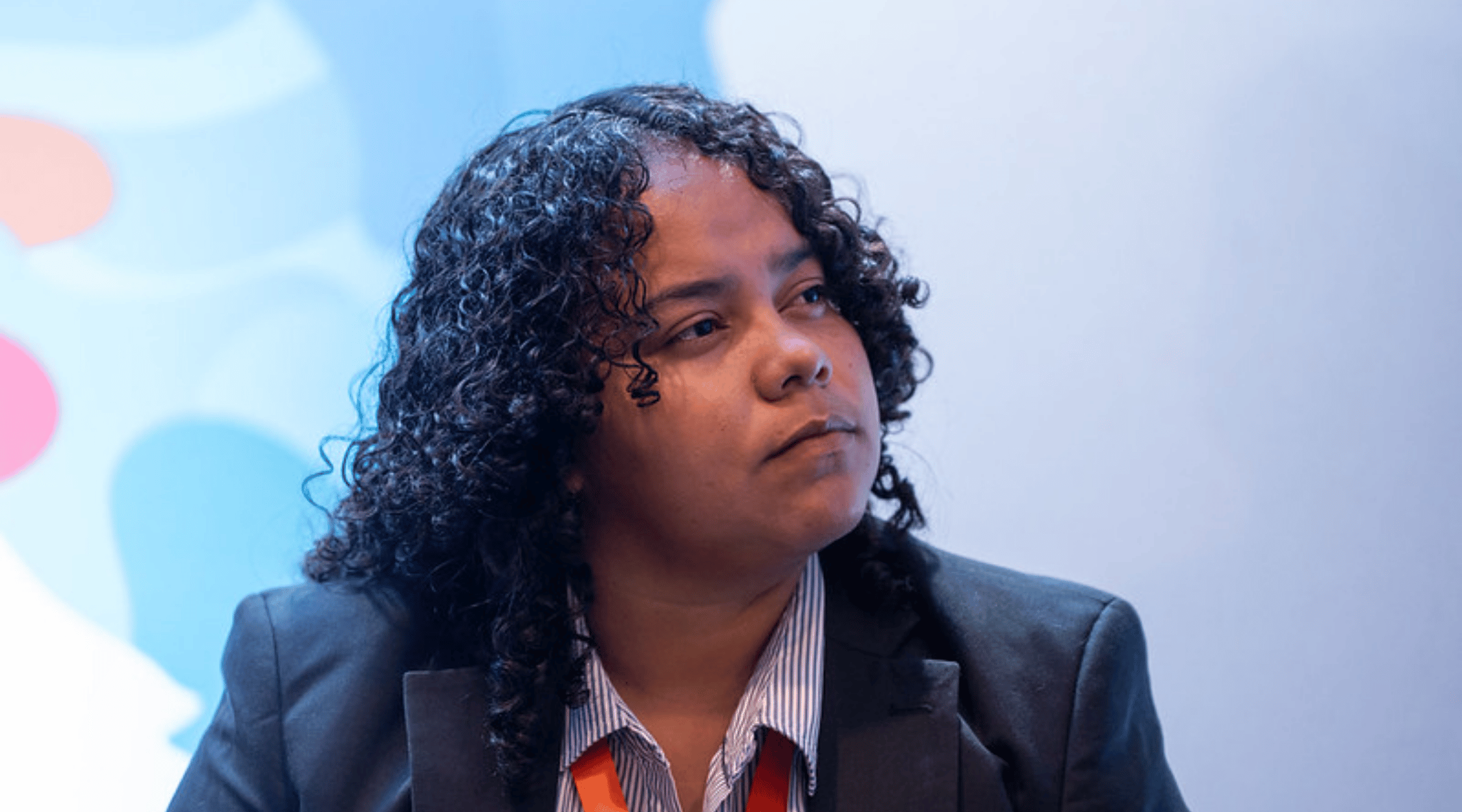
This group of young leaders opened a dialogue regarding agroecological initiatives currently being implemented across Guatemala, Honduras, and El Salvador. They are driven by a profound commitment to give back the knowledge they have acquired to those who imparted it: their communities and the land itself. The discussion covered the use of technological tools to make informed decisions about harvests, the ongoing push for environmental education, and ways to build resilience against climate events through agroforestry systems or the installation of elevated water reservoirs. They also explored practical sustainability models for producers, such as agroecological markets.
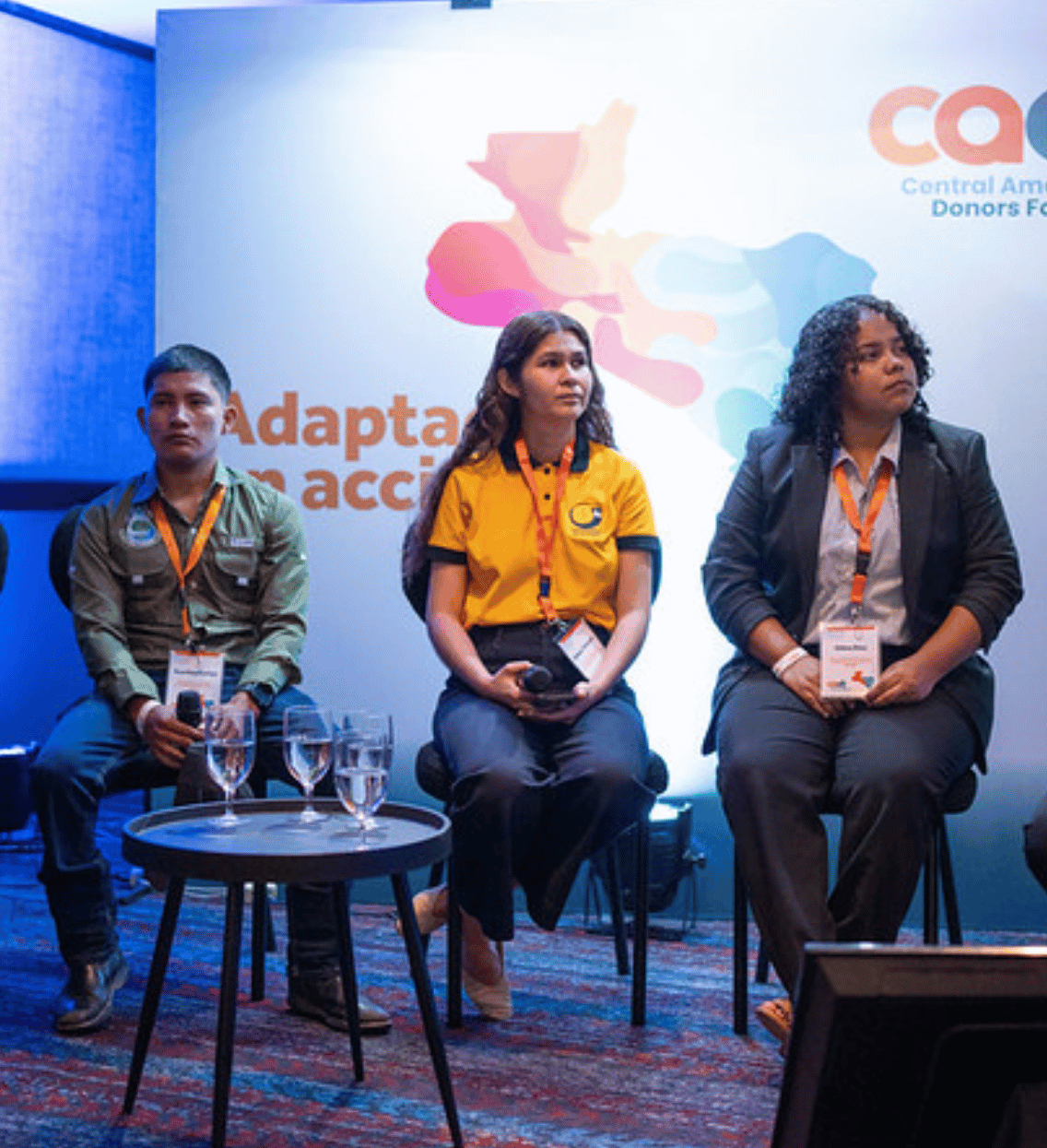
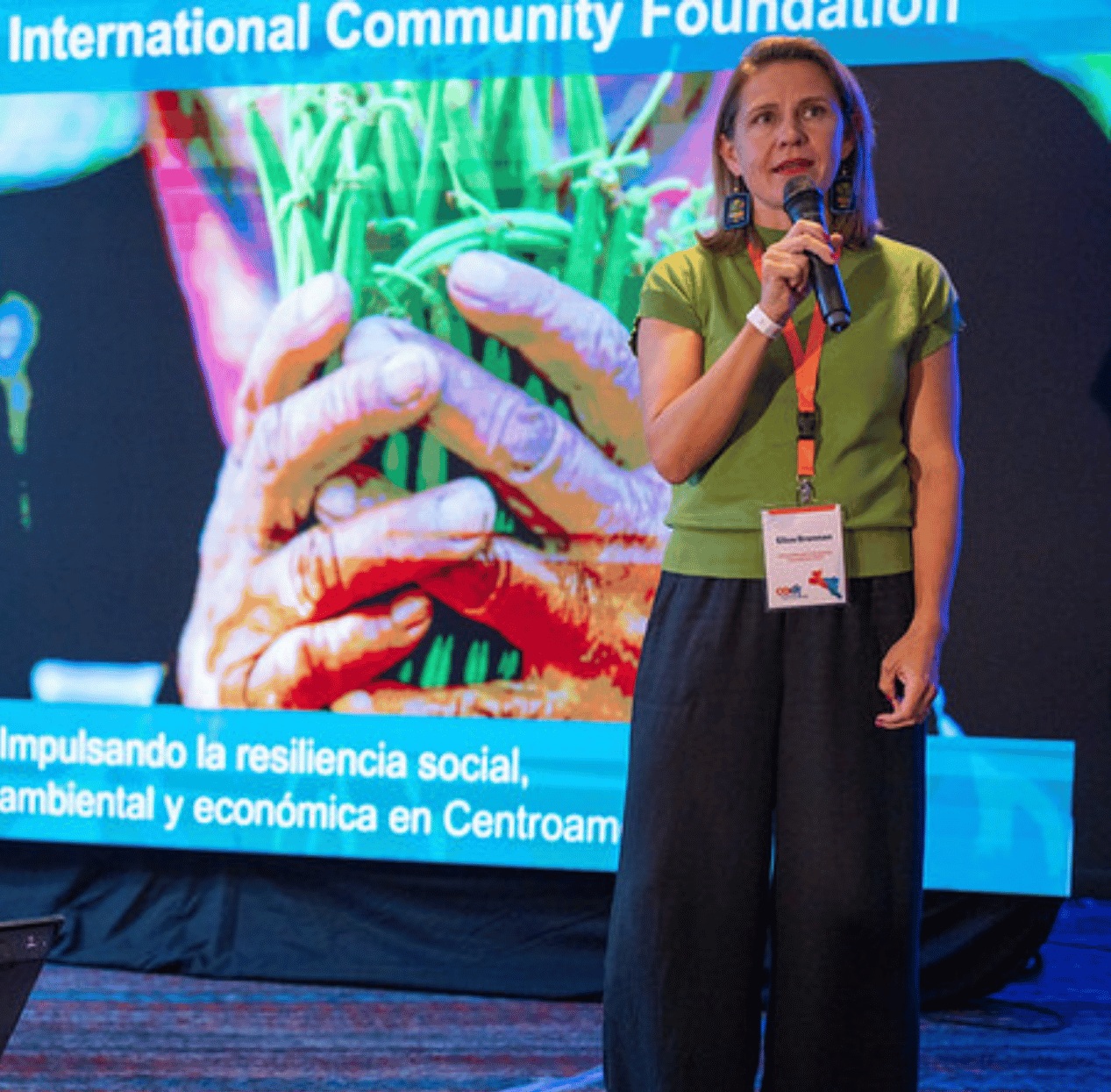
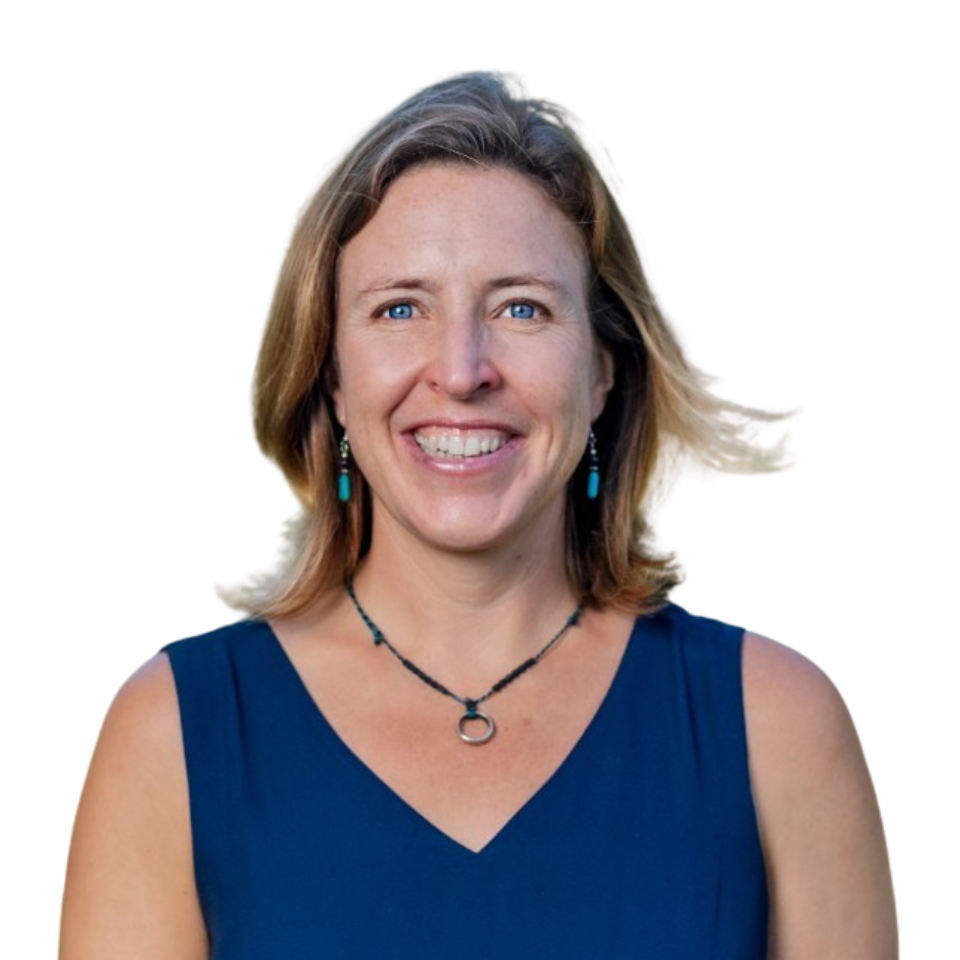
International Community Foundation (ICF)
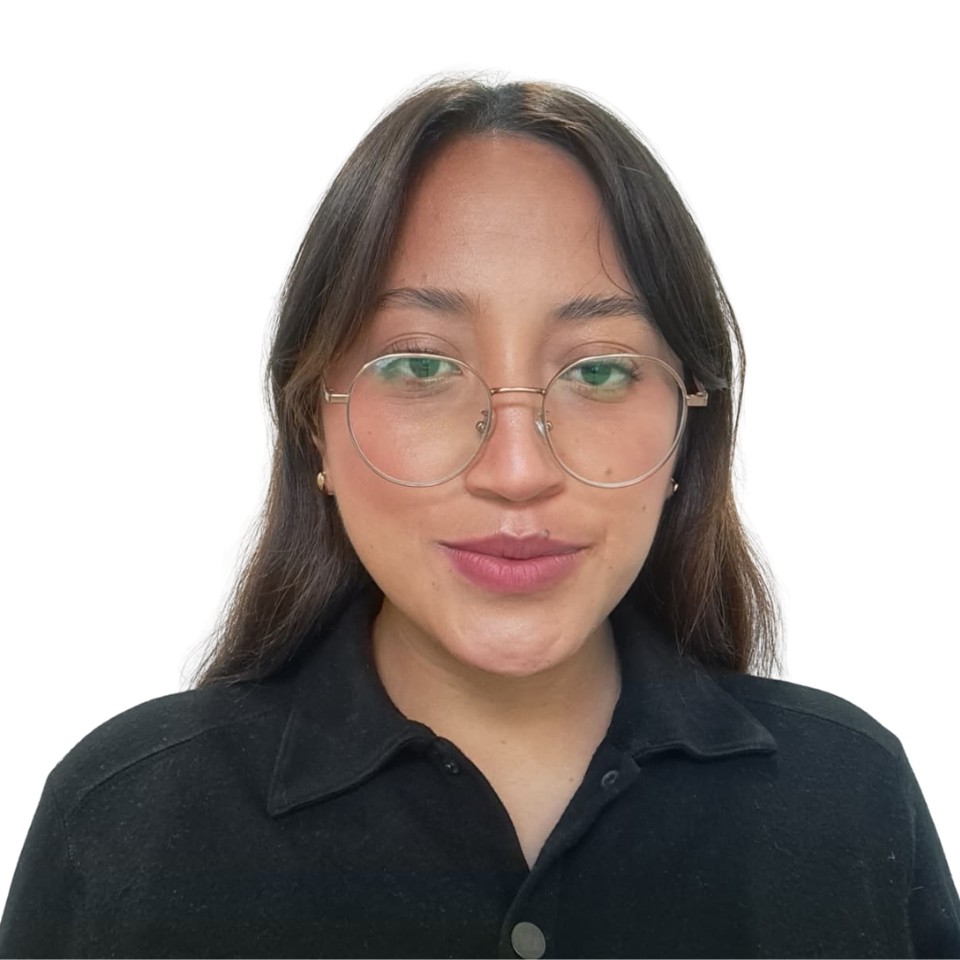
Guatemalan Community Forestry Association Utz Che’
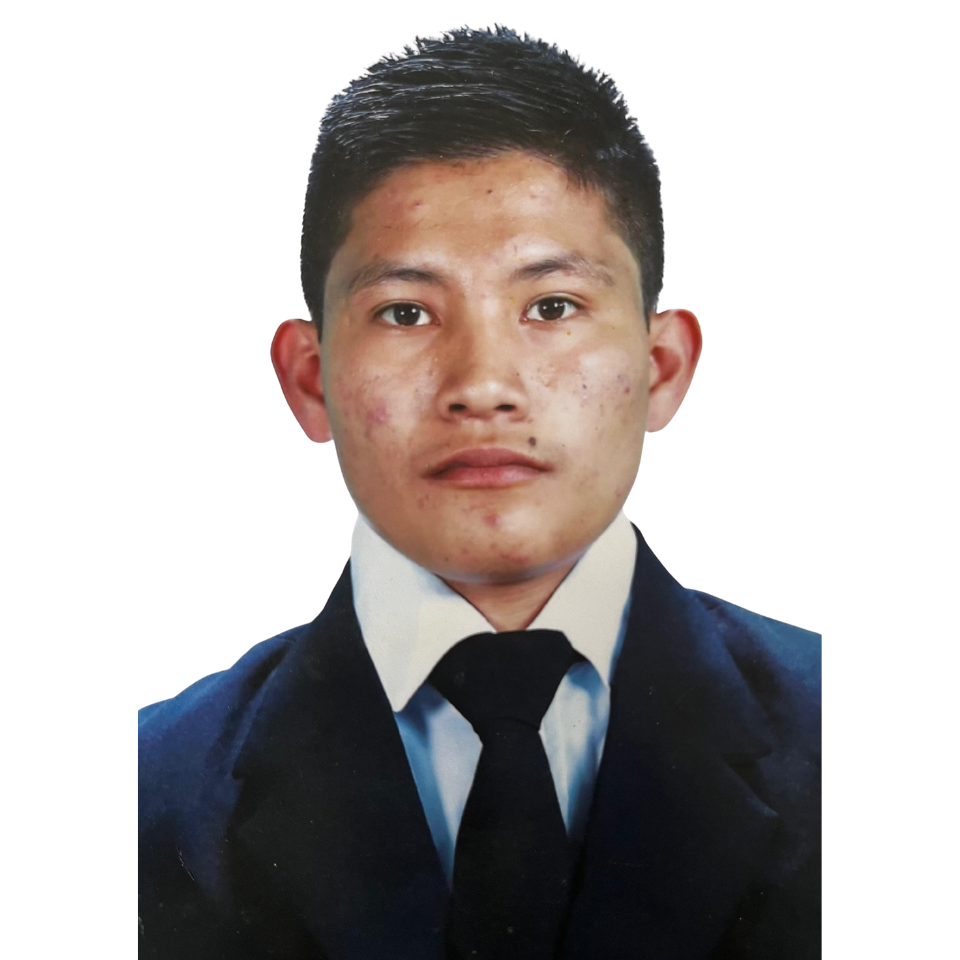
Association of Committees of Community Production (ACPC)
Association of Environmental Promoters of Honduras (APAH)
Salvadoran Association for Rural Health (ASAPROSAR)

Voces y Manos por el Buen Vivir
"I left the countryside to get an education, but I never felt I had to distance myself from it. Quite the opposite. Now is the time to return and put the tools I acquired at the service of all those who taught me how to read the land."
"We coexist with a great deal of biodiversity, and we have the responsibility to continue conserving it. When we visit schools, we give them chocolate, but we also provide a bit of environmental education."
"Currently, producers' ability to access fair markets is very limited. It is not just about producing a quality, nutritious product, but also being able to market it and ensure it reaches the people who truly need it."
"Sometimes needs emerge unexpectedly. With this networking model, we have the flexibility to exchange experiences and continually learn from one another."
"This year, everything started going up in price at the market because individual farmers' harvests failed. How have we managed to build resilience in our communities? It started with my grandparents, and we have kept innovating."
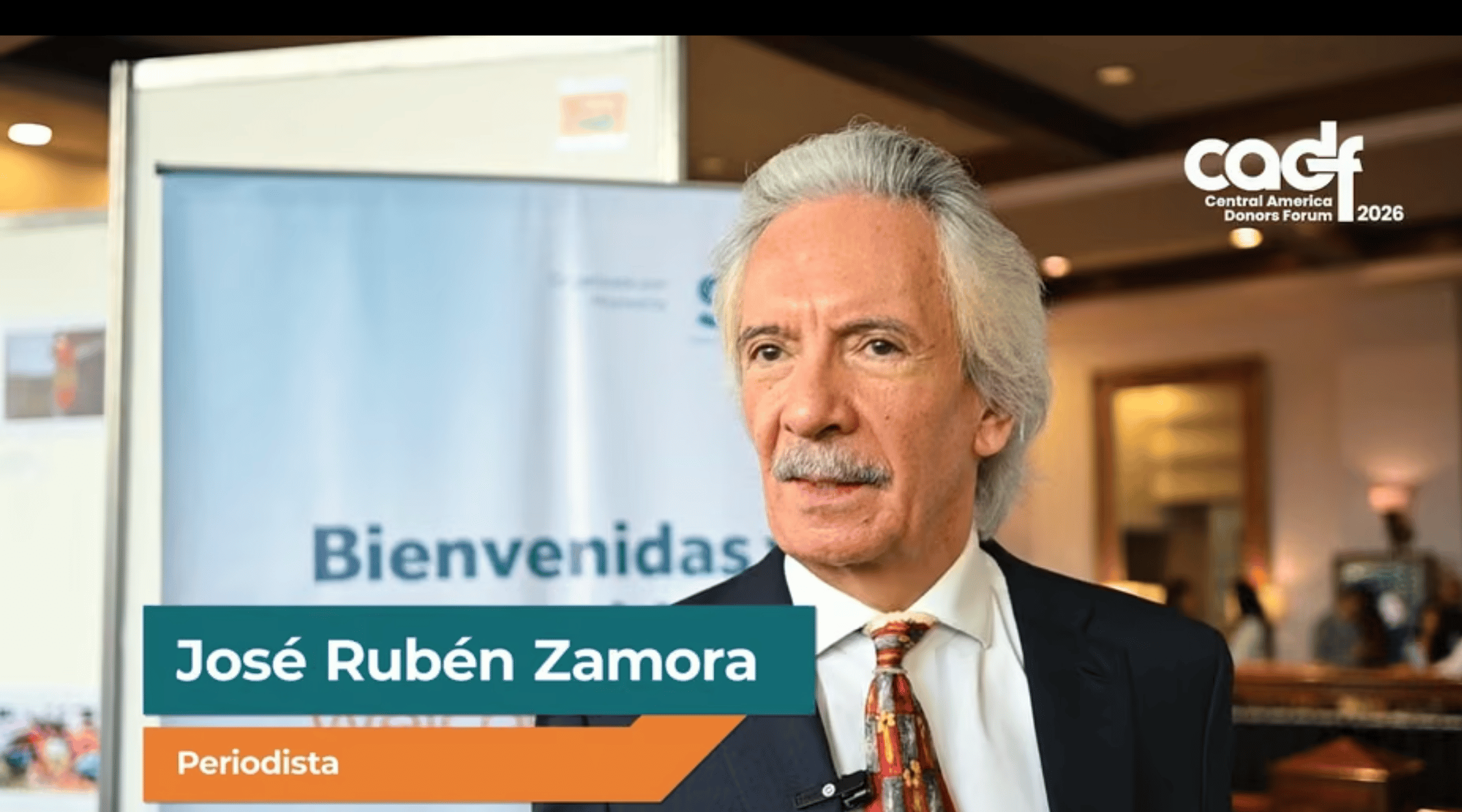
“Our society is, in a way, hijacked by the de facto power groups that have kept the state’s powers captured since 1983, and we simply cannot do it alone. The only lifeline we have had, which is not just about resources, is the outside pressure regarding our challenges and struggles, because they are sensitive to what is said about them abroad.”
José Rubén Zamora, Founder and Former Director of elPeriódico of Guatemala, Journalist
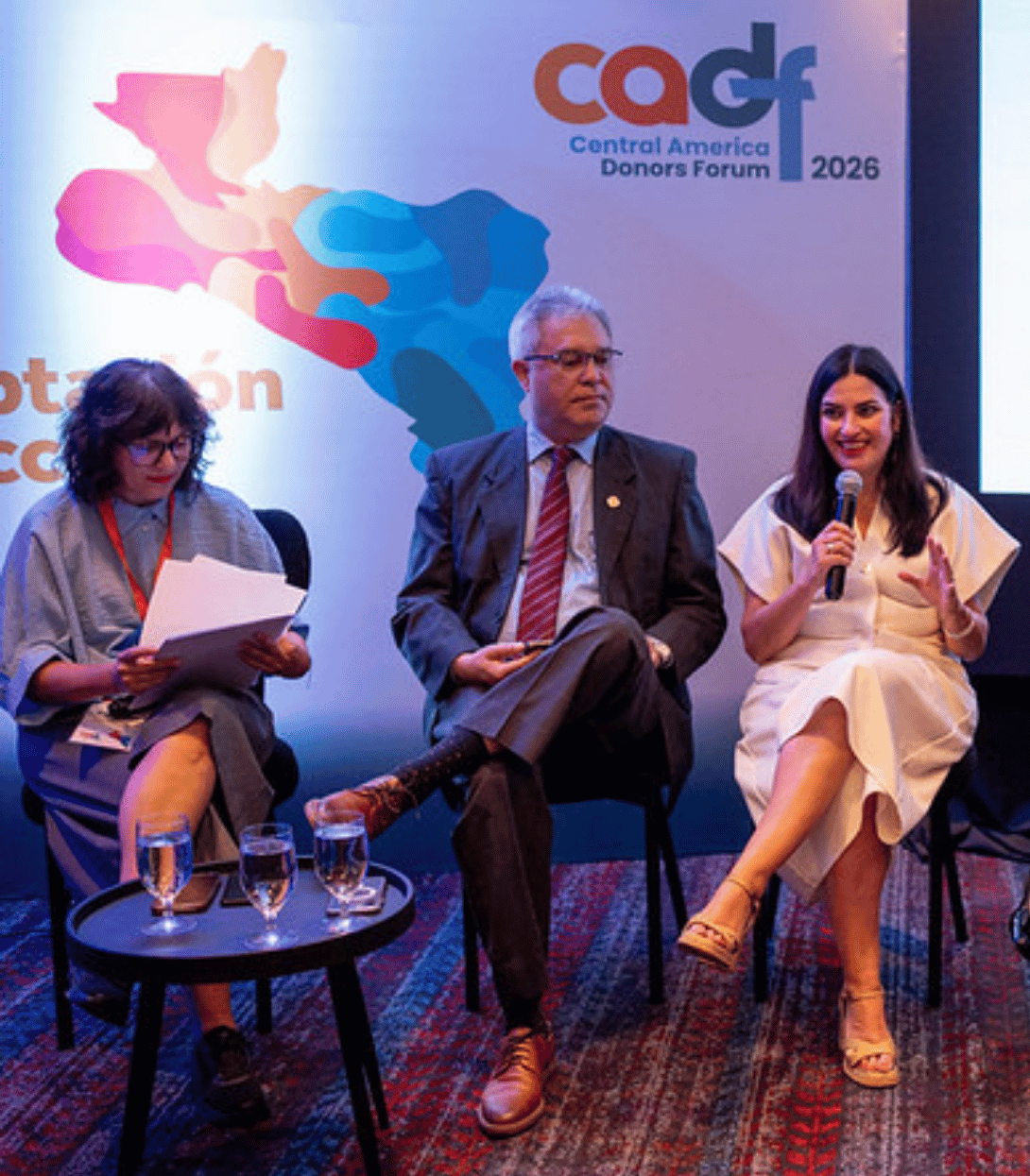
Why is digital transformation important for social organizations? How can we transition from isolated projects to sustainable, replicable models? What role do public policies, financing, and alliances play? This panel argued that the digital divide is not limited to access: many organizations supporting their communities lack the tools, processes, and guidance needed for internal management and impact measurement. Therefore, participants pointed out that funding must include capacity building, and civil society must be involved in the entire public policy cycle, from design to evaluation. The experiences shared demonstrated that technology is most effective when resources and solutions are adapted to the specific needs of each community and territory. Finally, the panel emphasized the need for trust-based alliances, long-term programs that build enduring capacity, and an active civil society involved in technological design and AI governance.

Fundación BI
CONEXIÓN El Salvador
Ministry of Communications, Infrastructure and Housing of Guatemala
Fundación Ilumina Sueños
Fundación Cibervoluntarios
Fundación Cibervoluntarios
"Connectivity is undoubtedly essential, but leveraging it requires the work of other institutions and actors: equipment, content, training, and support. That coordination is what allows the investment to have a concrete effect on people's lives."
"Our duty from civil society is to take the reins of these new technological tools, make them our own, and above all, be present in the decision-making bodies and movements."
"Real and true alliances are built on trust. That trust is the foundation of collaborative work, which is necessary for capacities to complement each other, flow, and grow stronger."
"One of the main challenges, beyond the lack of technology, is integrating digital tools strategically into our organizations: strengthening our internal management, coordinating teams, and measuring our impact to know how we are reaching communities."
"Any help one brings to a community comes from an outsider stepping in, and for that, you must have empathy and understand that needs are discovered by communicating and interacting with the community and local actors."
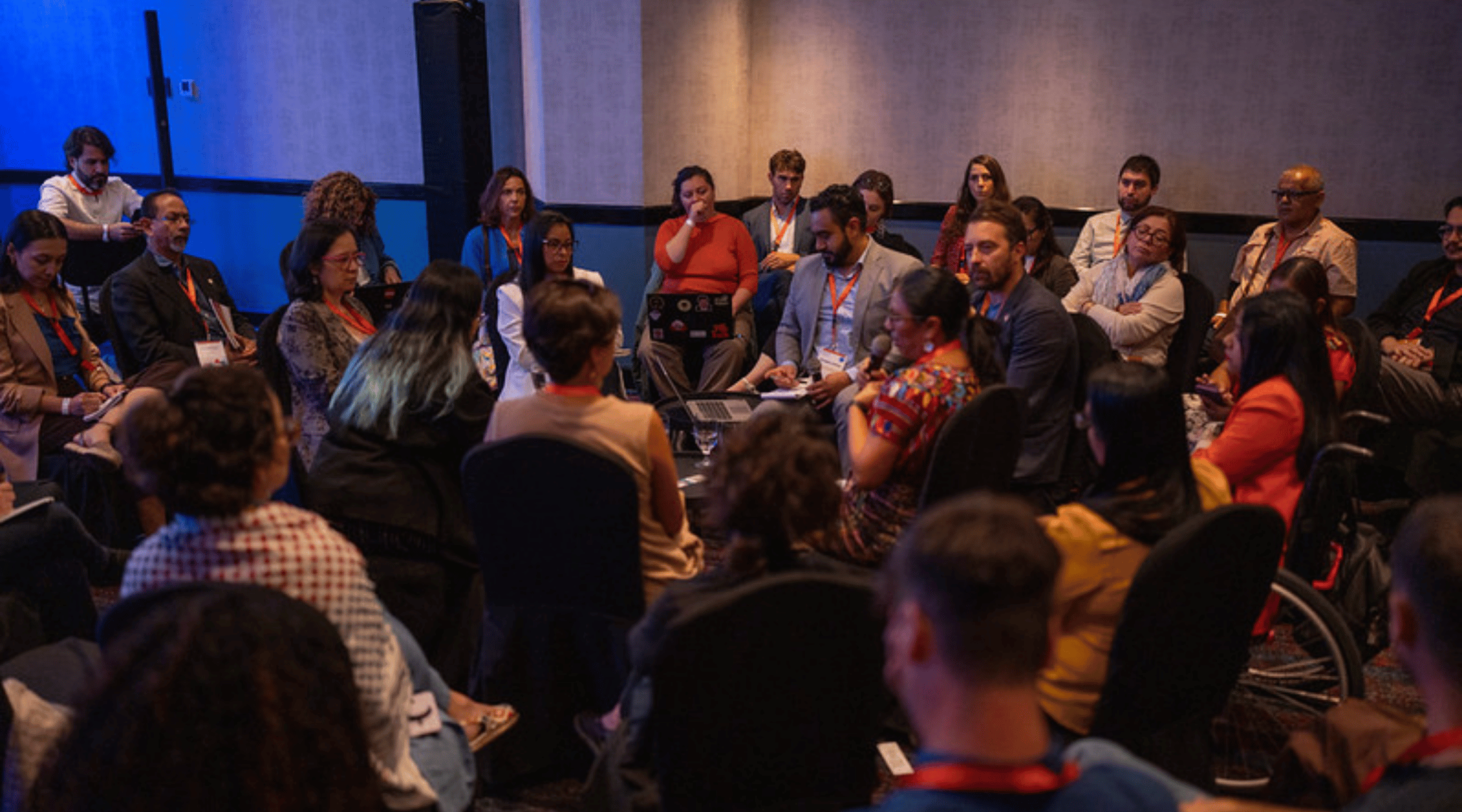
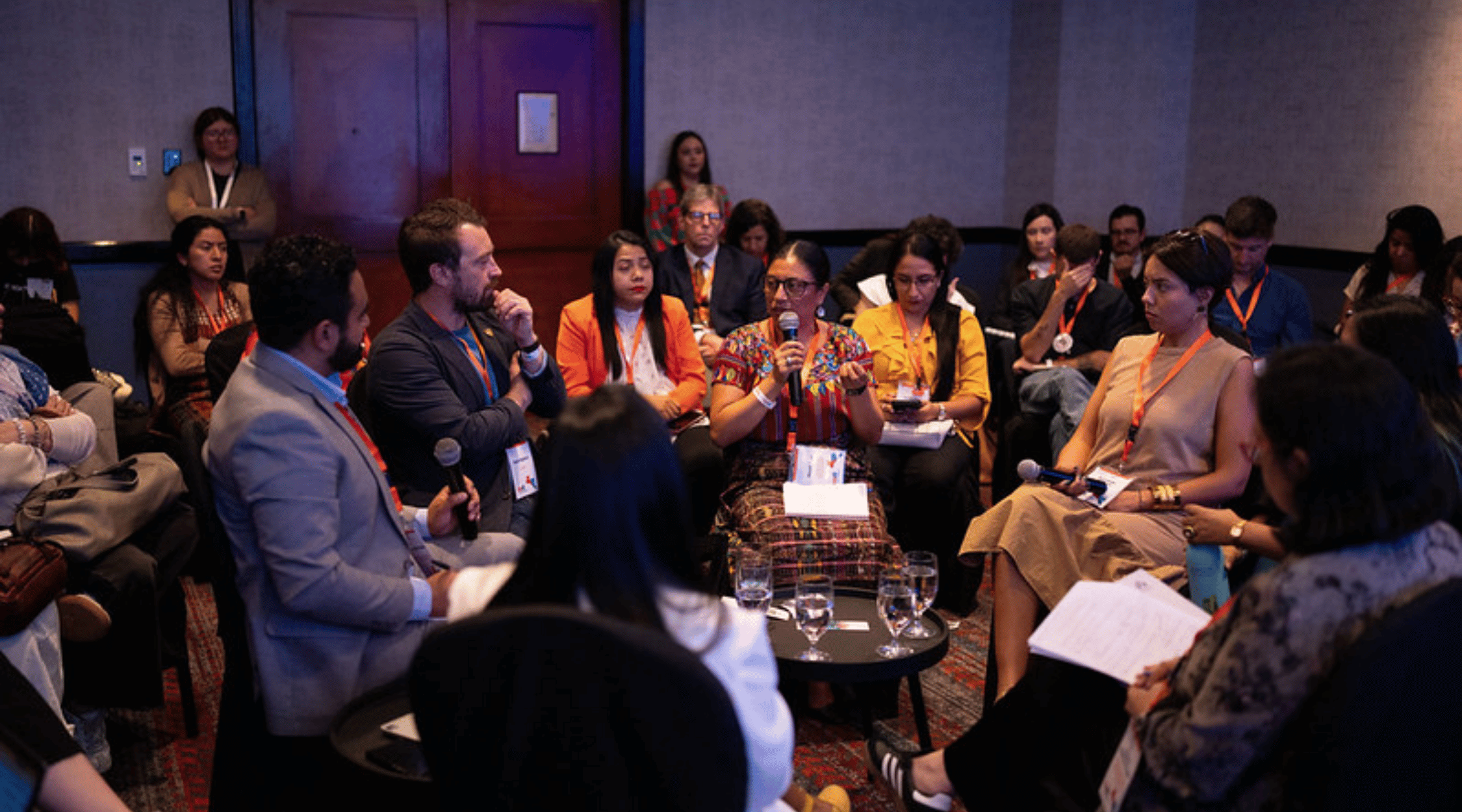
This fishbowl session was divided into two parts: the first focused on well-being and care, and the second on alliances and coordination, with innovation serving as a cross-cutting theme throughout. Regarding well-being and care, participants discussed the challenge of integrating the Mayan worldview, as many organizations operate from a predominantly Western perspective. They also highlighted the differences in supporting female versus male human rights defenders, noting that men often prefer interventions other than psychological counseling. On the topic of alliances and coordination, the panel emphasized that networking is vital—from monitoring attacks to joining forces on transitional justice cases. They concluded that communicating with other organizations to better manage resources is essential for achieving the best possible outcomes.
UN Special Rapporteur
Indigenous Women’s Movement Tz’ununija’
Cristosal
Unit for the Protection of Human Rights Defenders of Guatemala (UDEFEGUA)
American Friends Service Committee (AFSC)
"While initially we see the importance of safeguarding a defender's life and physical integrity, we now realize the broader implications of acts like criminalization. It doesn't just affect them physically, but also communally, economically, and emotionally, causing a rupture in the social fabric that stems from defense work."
"When new people join Cristosal, I tell them during their induction: 'Are you aware that you are joining a community that has suffered reprisals for our advocacy? You can be part of this, but you must be aware.' Criminalization is not natural, but it is part of the context."
"We need to think in terms of gears, how the local meshes with the national and international. What I move at the bottom moves the top. That helps us see solidarity, strength, collaboration, and to take care of one another."
"Networks save lives."
"When we reflect on the fact that promoting and defending human rights attracts criminalization, we have to state clearly that this is not normal. We must denormalize it, because it is not something that should carry consequences."
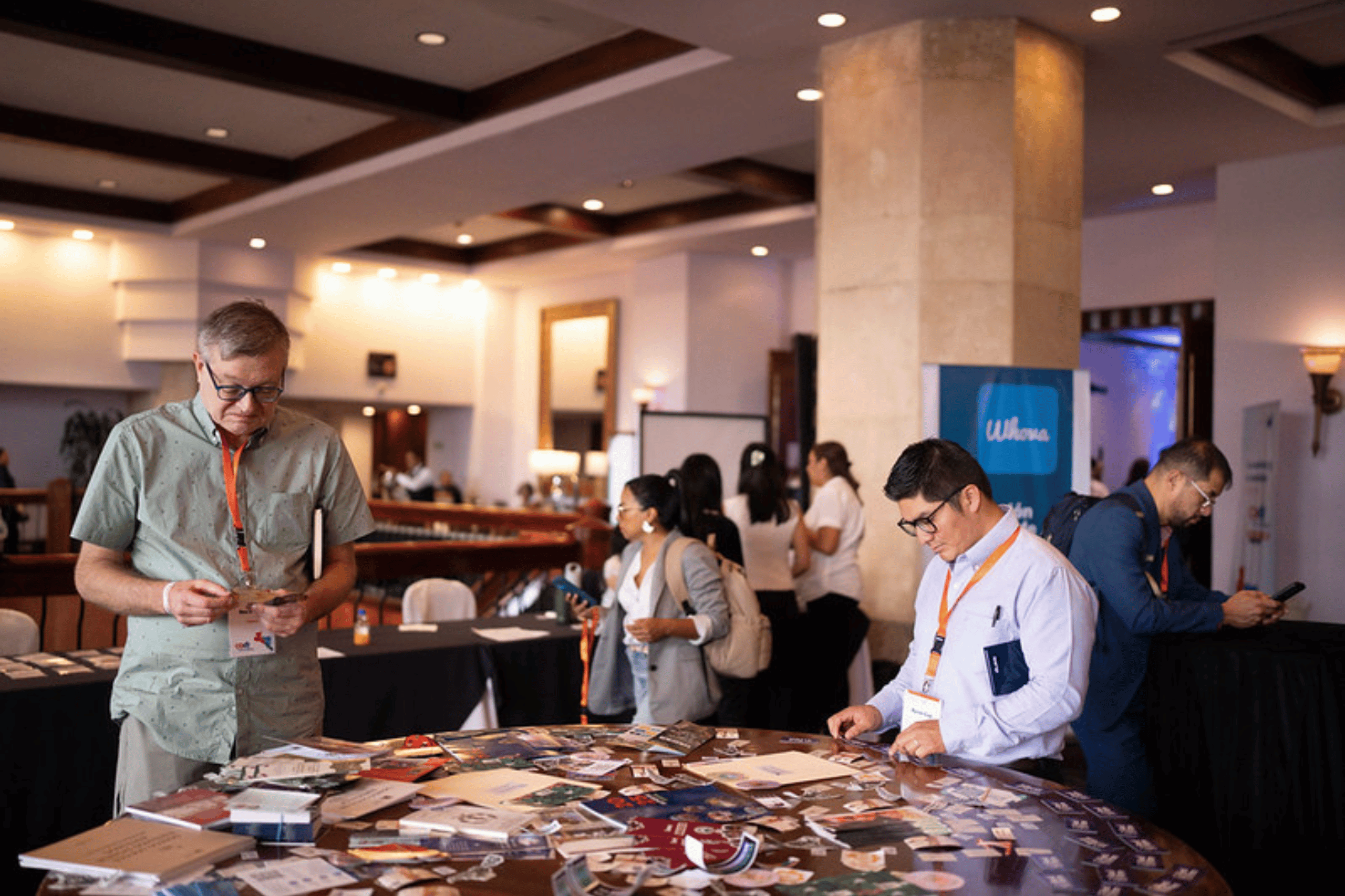
The CADF 2026 Attendee page allows you to search most attendees by name, organization type, country, SDGs and more!
The Whova app will be available to contact attendees and speakers up to three months after the event.
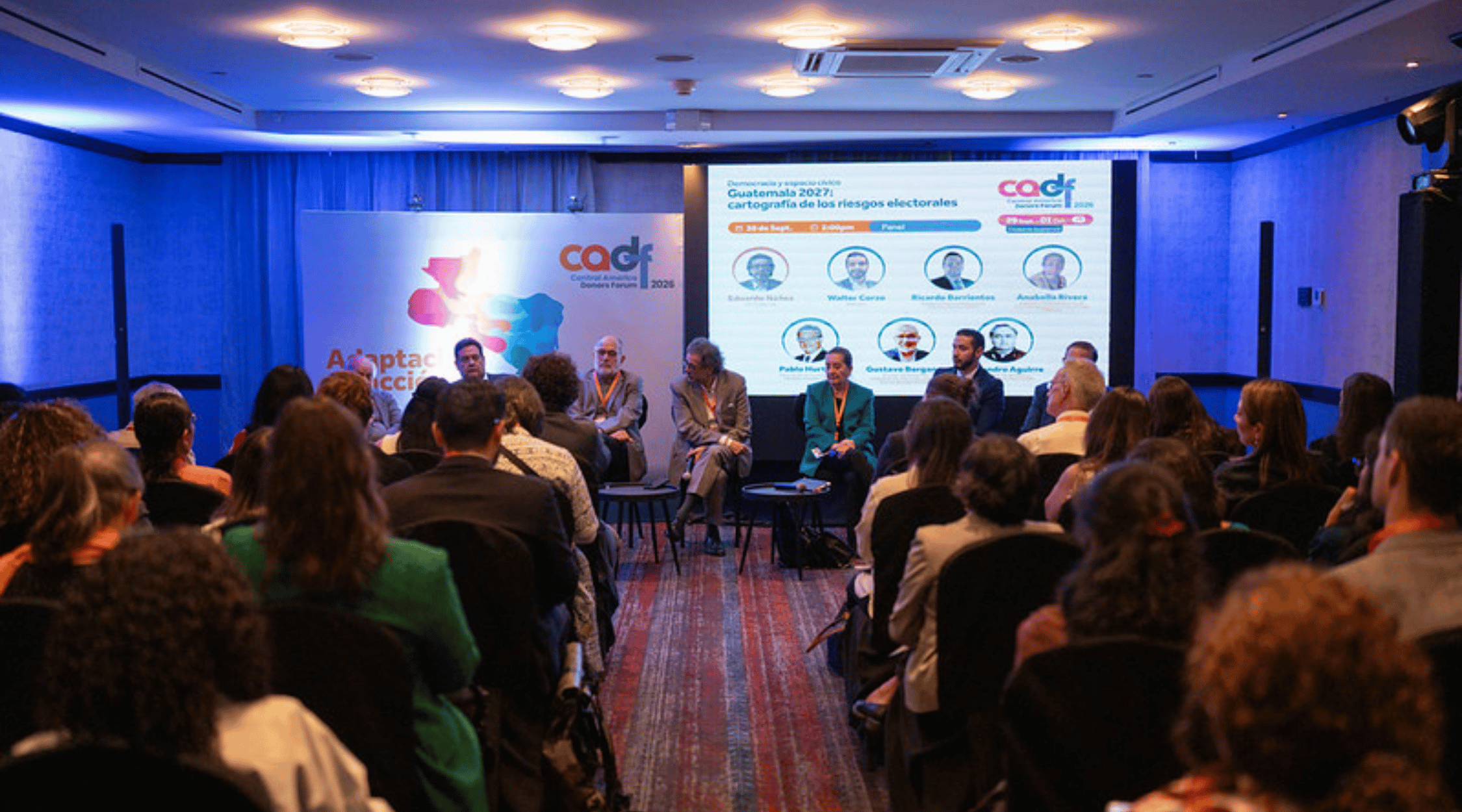
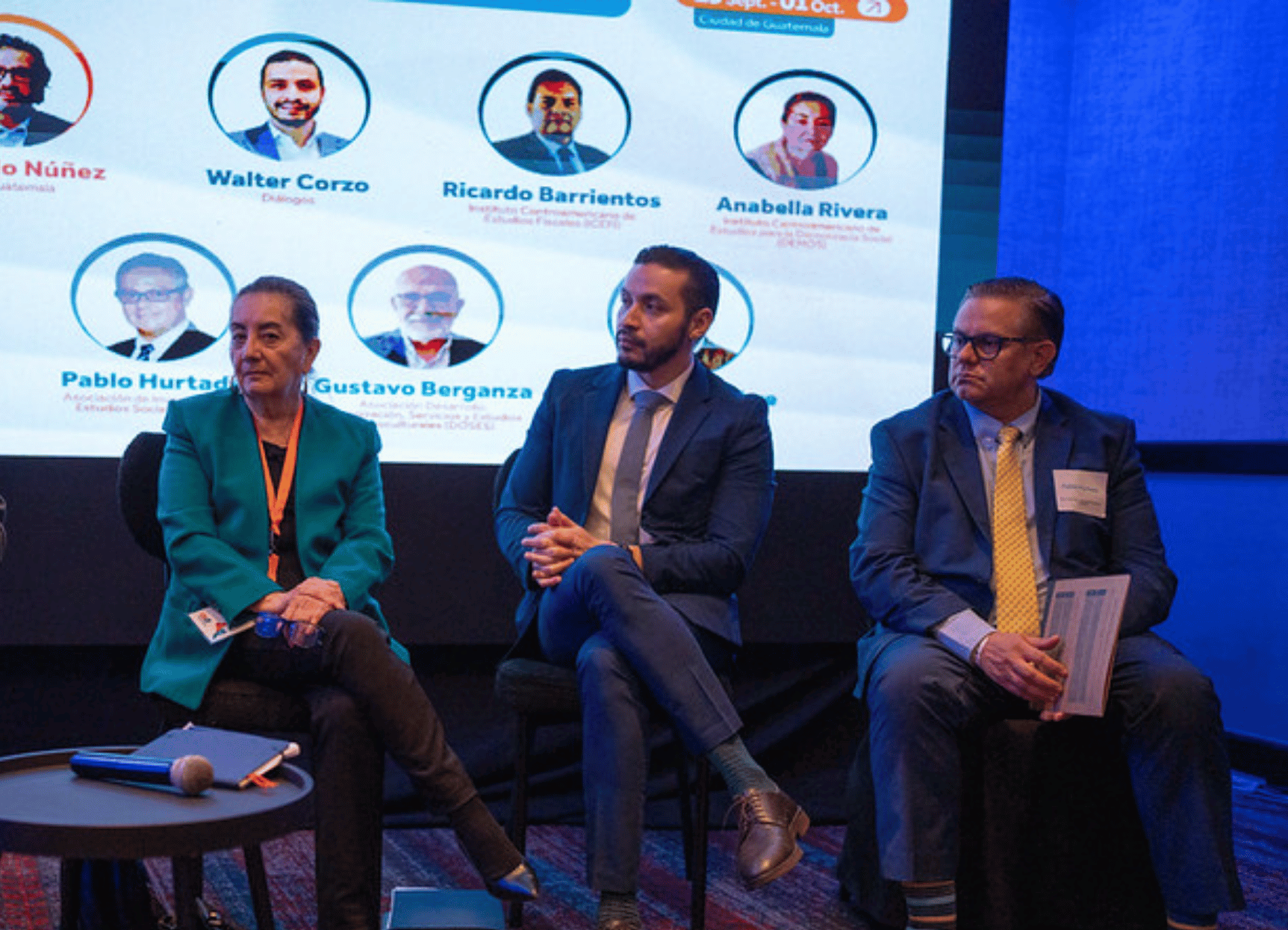
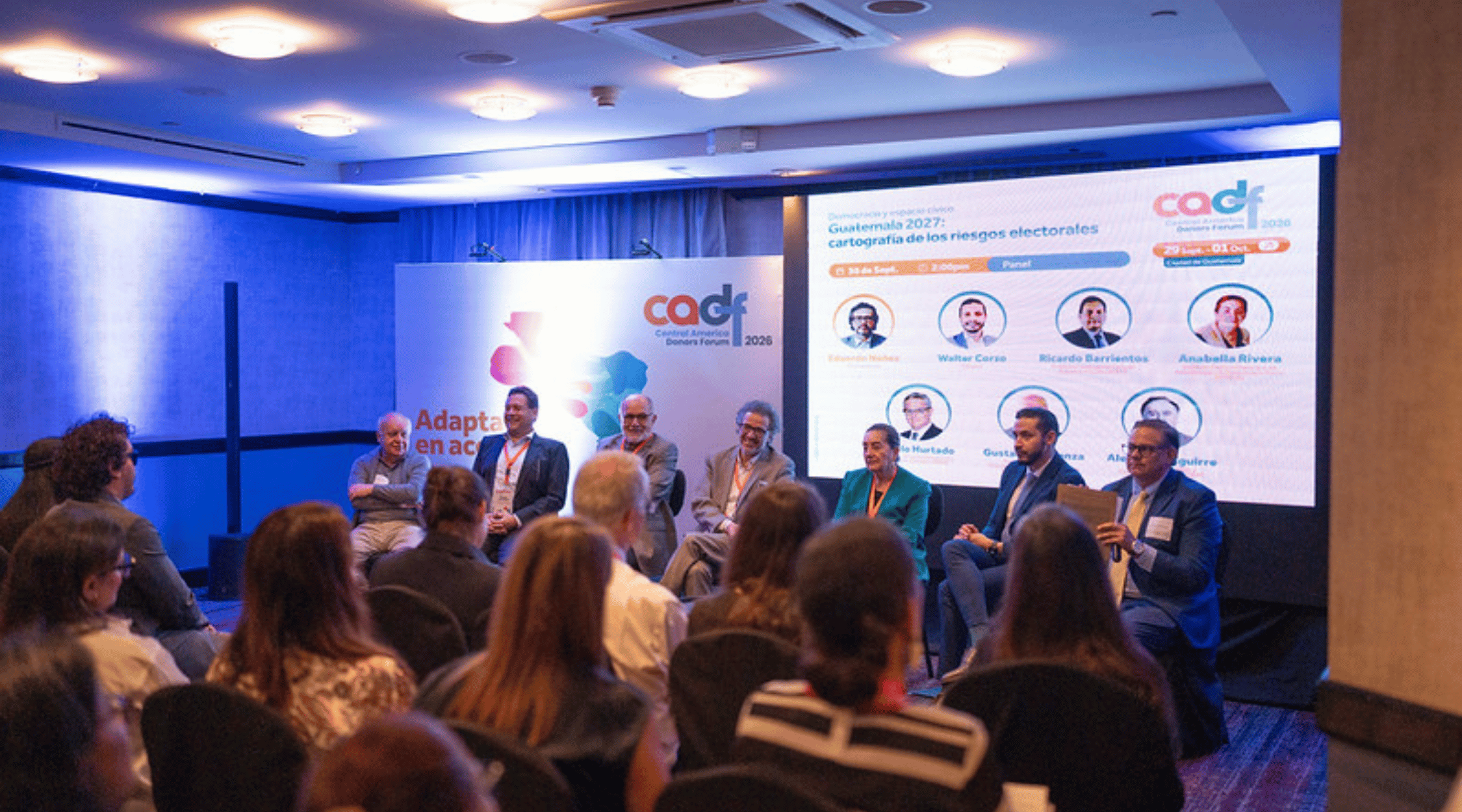
Who attended CADF 2026?What are the main risks for the 2027 elections, and how prepared is the Supreme Electoral Tribunal? First, this mapping exercise identified local risks: the departmental development councils manage 15.425 billion quetzales, but have executed only 25% of it, leaving the remaining balance highly exposed to capture and clientelism. Compounding this is electoral violence, which follows a predictable cycle, as well as disinformation fostered by concentrated media ownership. This disinformation aims to delegitimize the electoral referee in a country where 60% of the population already distrusts elections. Exclusion also persists: in 2023, women made up 54% of the voter registry but held only about 13% of elected offices, and there are over 2 million unregistered youth. Given that the Supreme Electoral Tribunal enters this period weakened and short on time, it was recommended that they apply uniform criteria for candidacies, activate violence prevention roundtables early, and begin observing the process from the moment the election is officially called. Despite these challenges, the panel urged against pessimism: the democratic recovery is advancing, though it remains vulnerable and must be safeguarded.


Coordinación de ONG y Cooperativas (CONGCOOP)
Asociación Desarrollo, Organización, Servicios y Estudios Socioculturales (DOSES)
Asociación de Investigación y Estudios Sociales (ASIES)
Instituto Centroamericano de Estudios para la Democracia Social (DEMOS)

Instituto Centroamericano de Estudios Fiscales (ICEFI)
Diálogos
NDI Guatemala
"The departmental development councils have executed only 25% of their annual budget. Budgetary rules allow the remaining balance to carry over to the following year. In the middle of an election year, that balance is highly vulnerable to manipulation and capture."
"Institutions play a key role in responding to and planning to prevent electoral violence and conflict. The TSE [Supreme Electoral Tribunal] must activate prevention roundtables early to help manage the relationship between the Ministry of the Interior and the Public Ministry."
"Baseless narratives of fraud do not have the ultimate goal of winning an election, but rather of weakening the acceptance of any result."
"In Guatemala, when we intersect Indigenous belonging, gender, youth, and territory, exclusion stops being just a statistic and becomes a demonstration of what an unequal citizenry looks like."
"Structural and current problems, such as the drought and the cost of living, cause political clientelism to manifest. That is the main risk we see in the territory, and it is already manifesting itself."
"Guatemala is not in the same place it was in 2023, and it is not worse off than in 2020. It made a U-turn from a process of authoritarianism to one of redemocratization, but that U-turn is not armored. It must be protected."
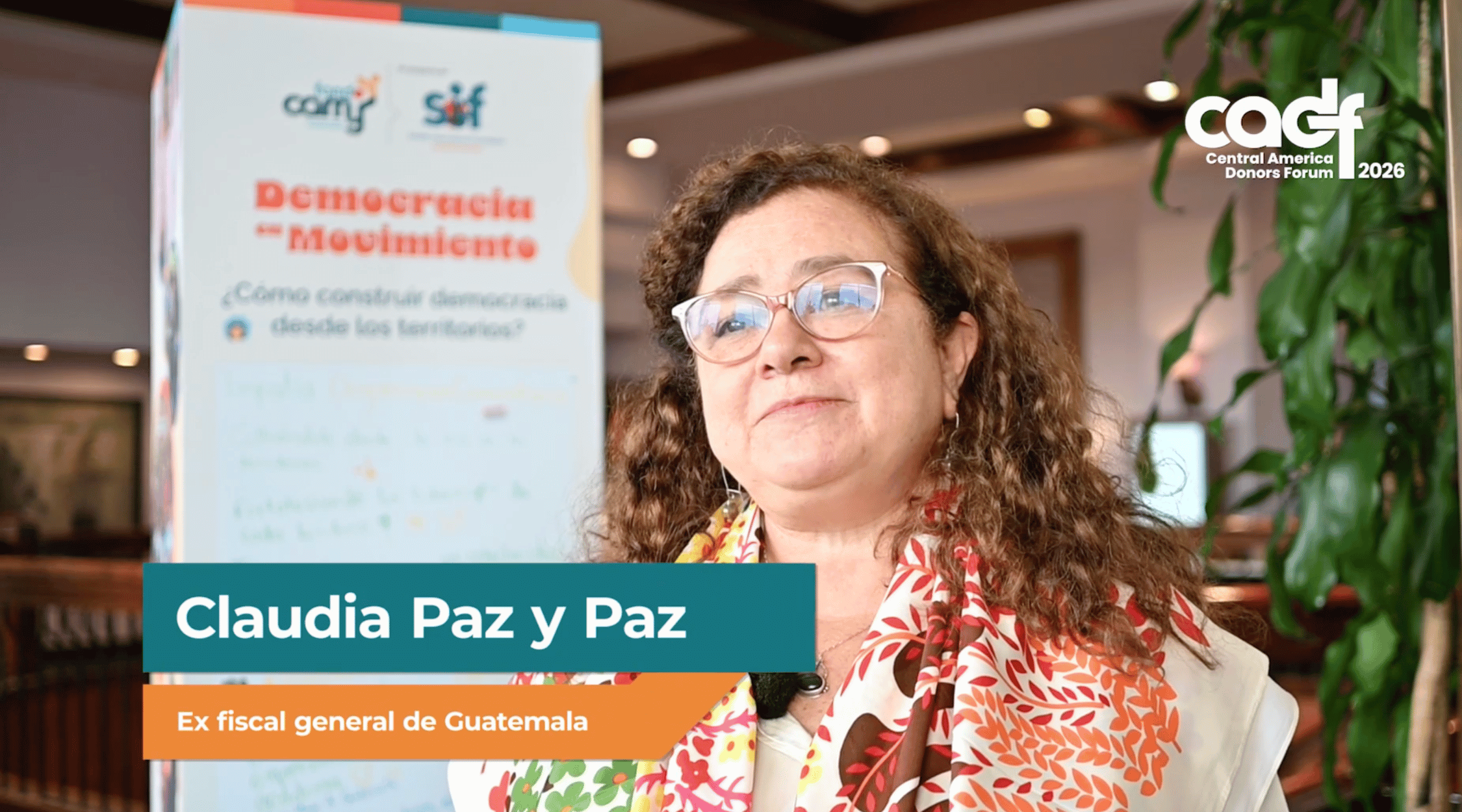
“[CADF] is important because all of us who work in the region on the rule of law, human rights, democracy, and development come together. In just a few days and in a single place, you can meet the diverse people with whom we work and coordinate. And it’s a time to build common agendas—what we want, how we see the region, and what we are committing to.”
Claudia Paz y Paz, Former Attorney General of Guatemala / Director, Mexico and Central America Program, Center for Justice and International Law (CEJIL)
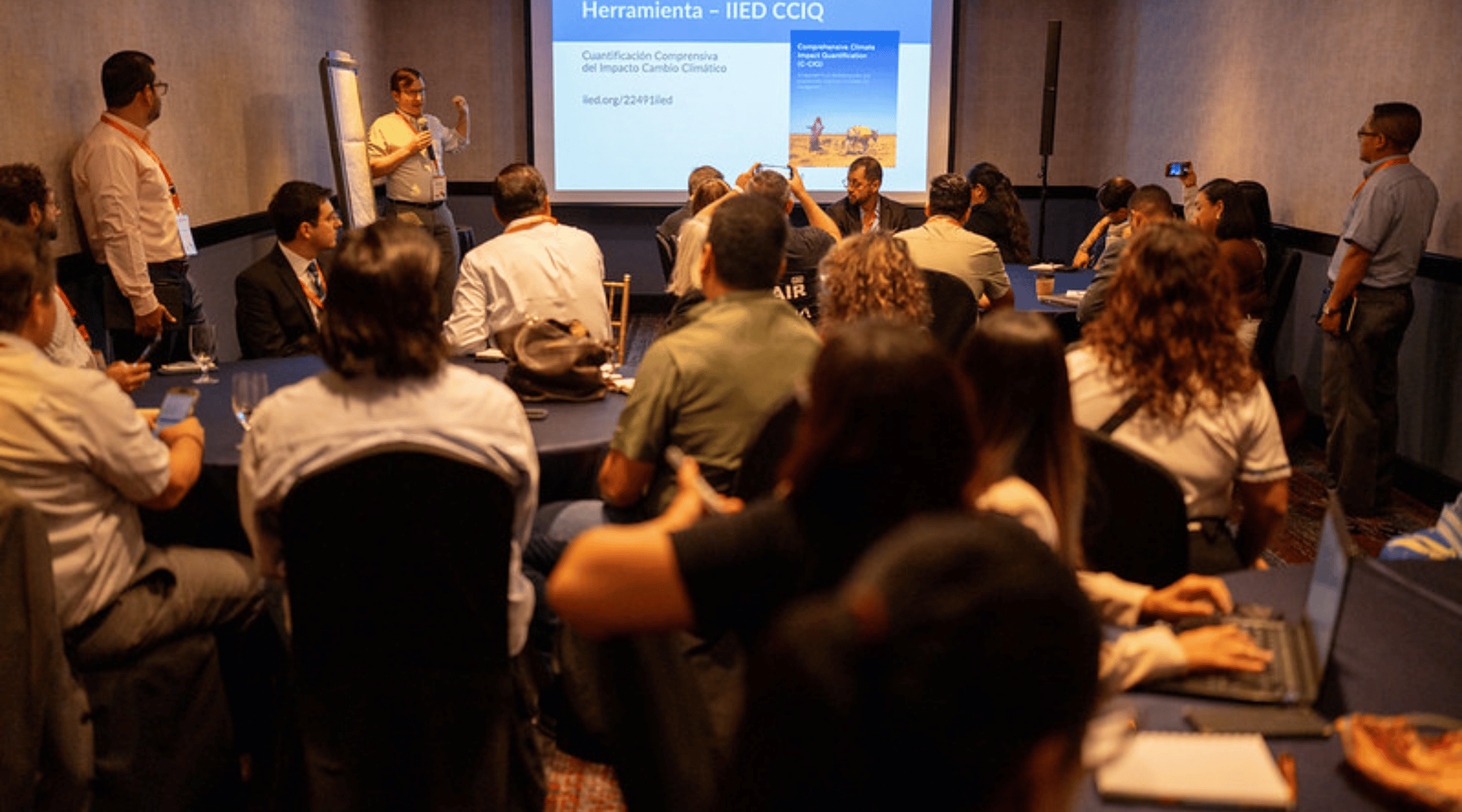
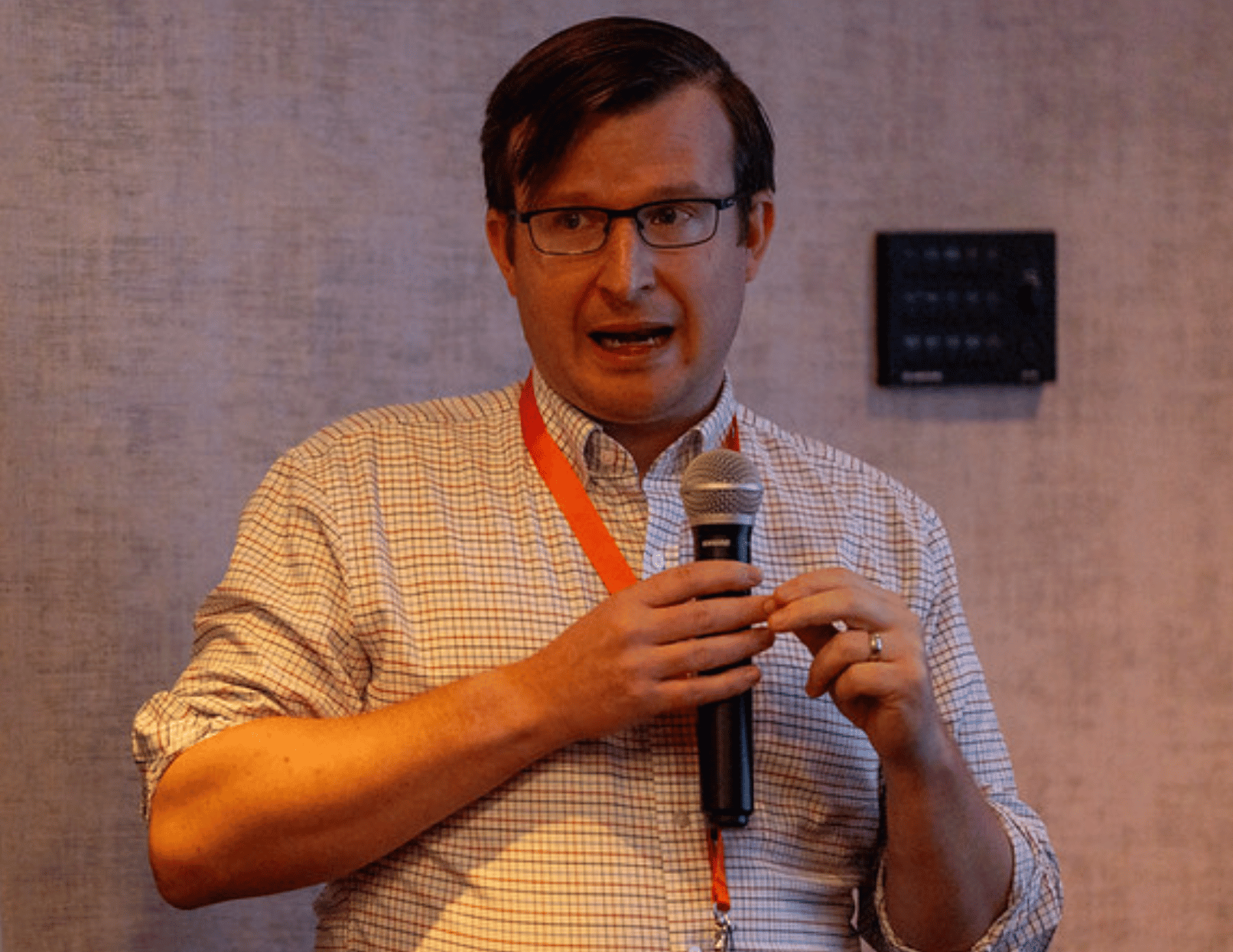
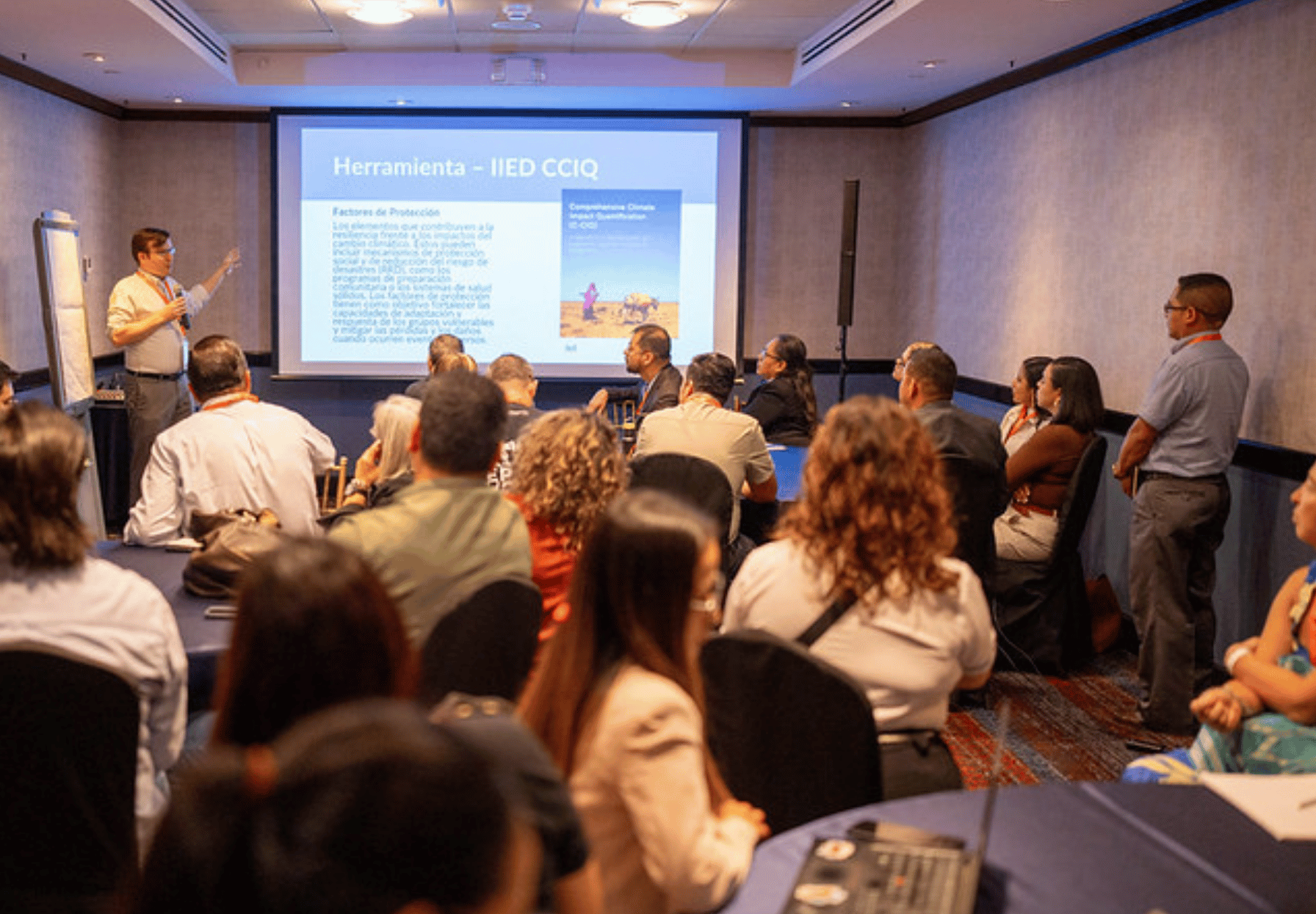
This session analyzed the regional impacts of the climate crisis using Amali Tower’s methodological guide. Alex Morse noted that historical poverty magnifies these impacts, detailing how extreme droughts from May to July 2026 were detected via the Fusnet satellite system. Representatives from Guatemala, Nicaragua, and Honduras shared alarming accounts of forest fires, water source depletion in Alta Verapaz, ocean acidification, and rising migration to Costa Rica.
Additionally, CWS, CASM, and Comunidad Cateyes presented an economic proposal for the Loss and Damage Fund targeting three Honduran municipalities. Data showed annual basic grain losses hitting $4.85 million. They also warned that water scarcity increases school dropout rates for girls, while agricultural debt triggers domestic violence. The forum concluded by urging the decentralization of international climate funds to ensure they reach communities directly instead of large global NGOs.
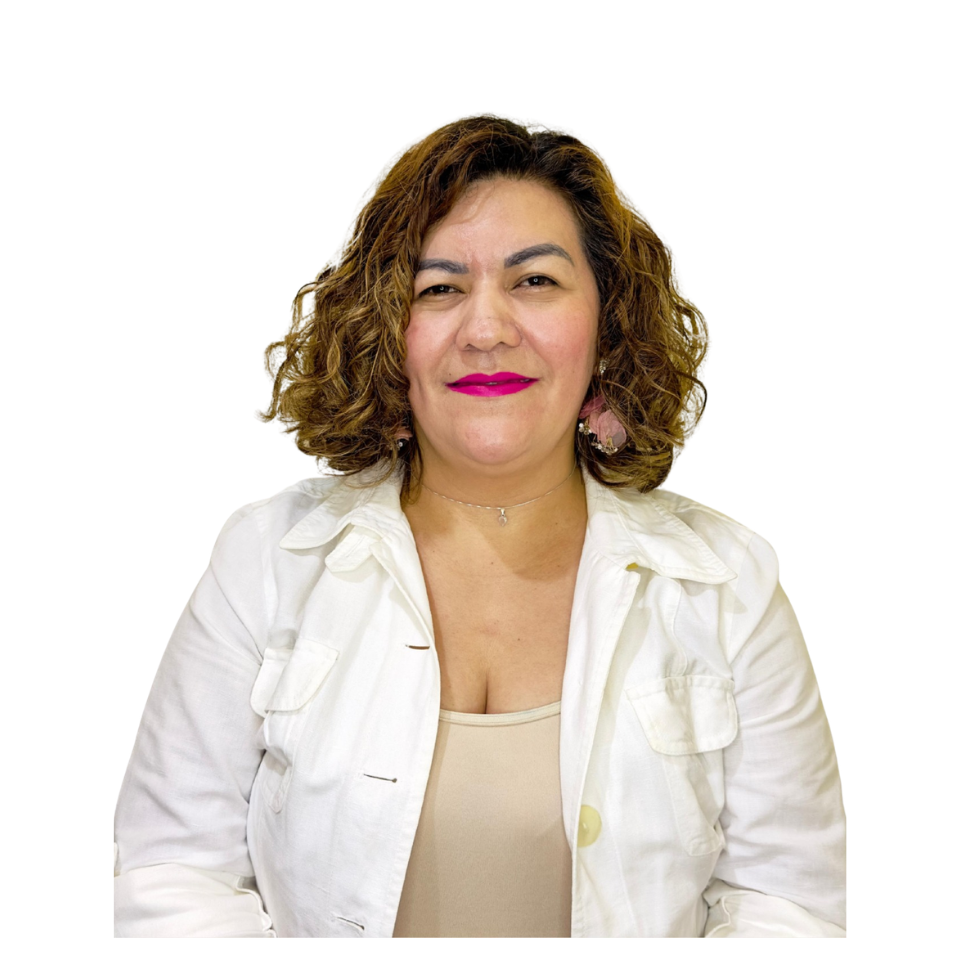
Mennonite Social Action Commission (CASM)
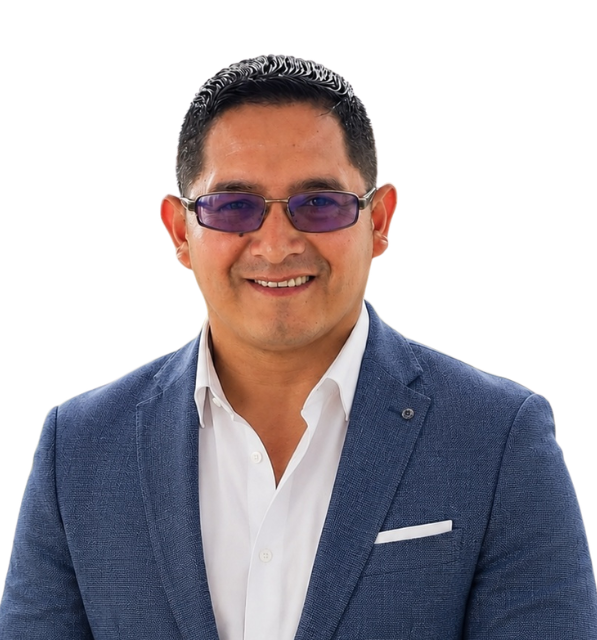
Mancomunidad CAFEG de Lempira, Honduras
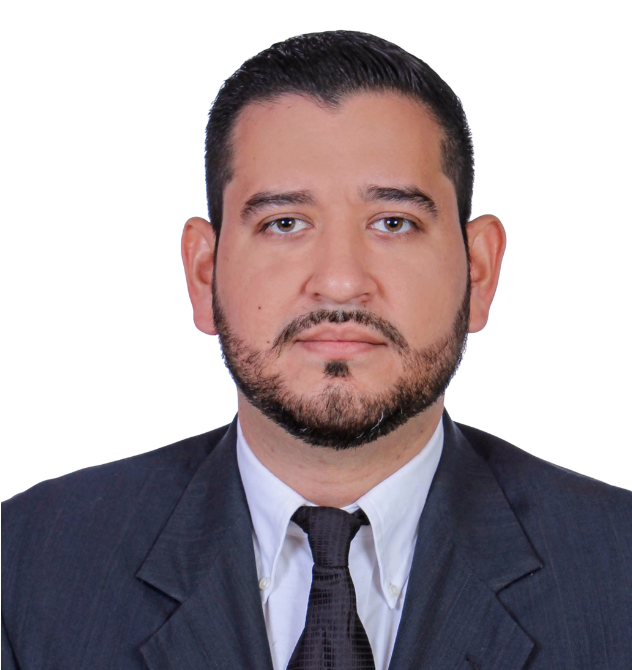
Mennonite Social Action Commission (CASM)
Church World Service (CWS)
"There are economic losses and damages that can be quantified monetarily, and there are non-economic losses and damages that cannot be easily quantified: loss of life, health, human mobility, cultural heritage, ecosystems(...)"
"In Central America, across all of Central America, the majority of the economy is informal and agricultural, and that means that ecosystem services are essential for the economy and for people's lives."
"We found differentiated impacts on women, with significant increases in the time dedicated to the task of fetching water (...) The daughters of these women were no longer attending school because they had to help their mothers."
"As local organizations, we are competing with much larger ones, and suddenly it is these organizations that have access to these funds. How do we make the distribution of resources equitable?"
"In rural areas, what we are seeing is that unquantifiable loss of migration(...) What we are doing to mitigate this impact of forest and soil loss is like a drop in the ocean compared to the damage we are causing."
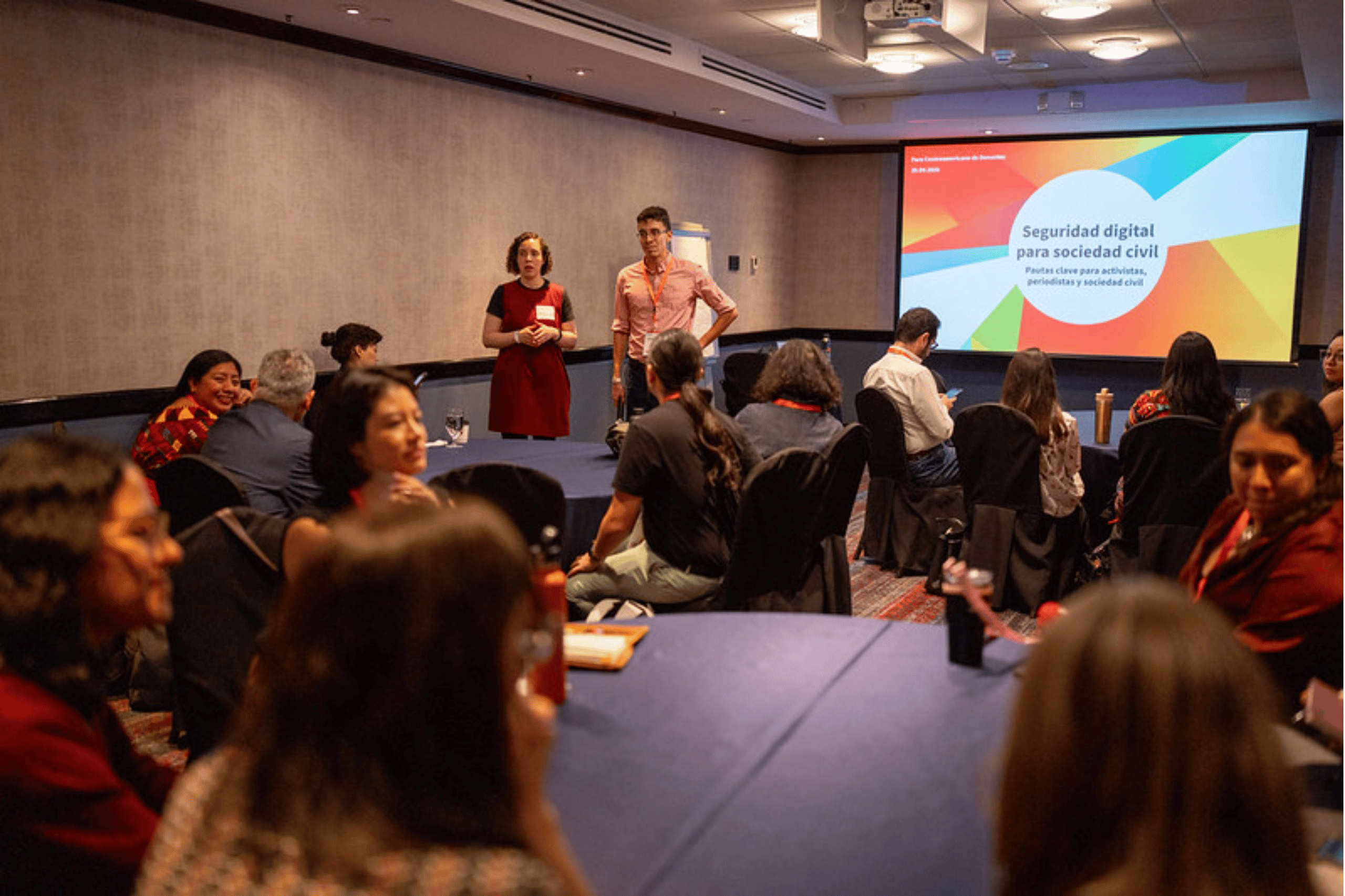
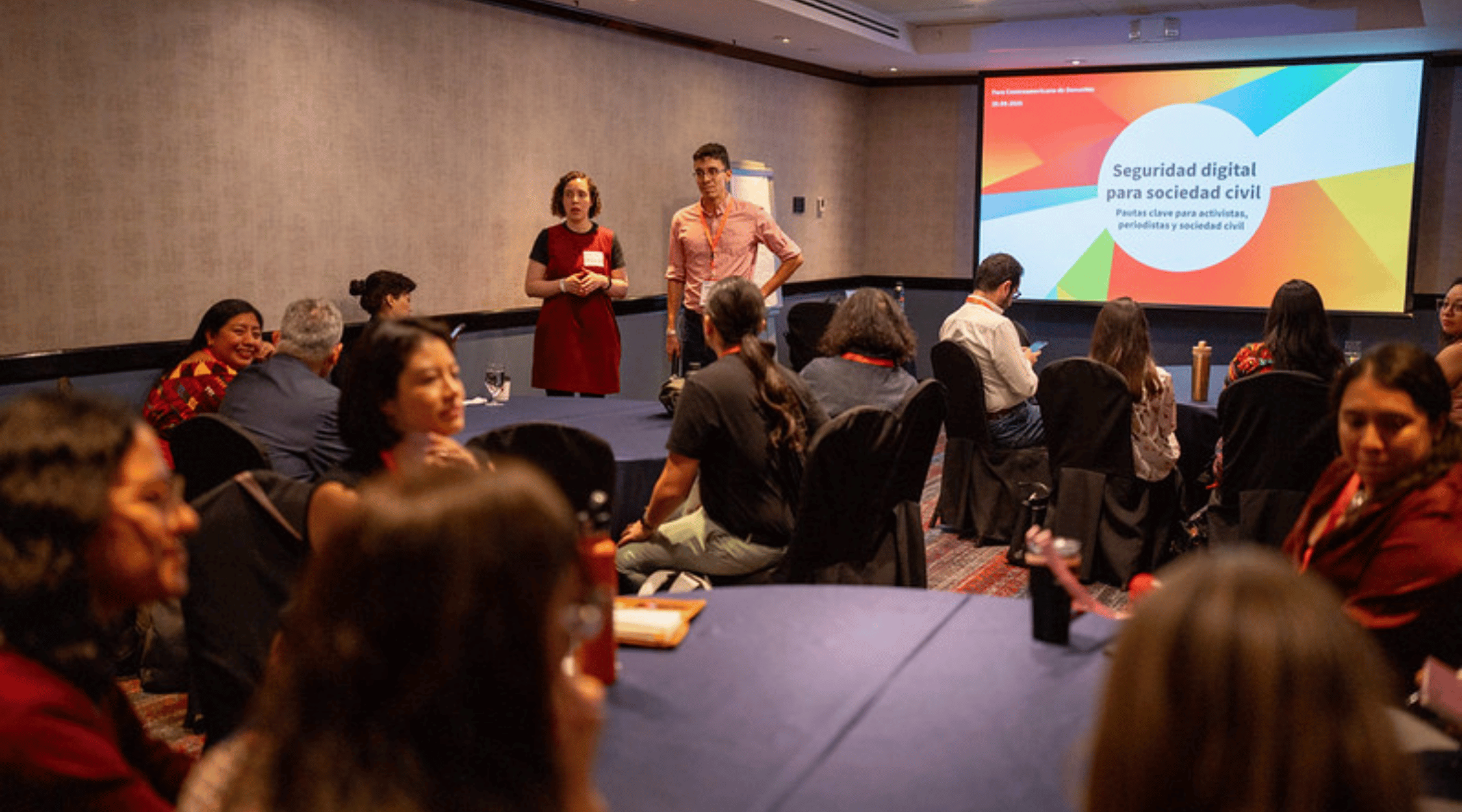
Digital Security for Civil Society: Key Guidelines for Activists and Journalists
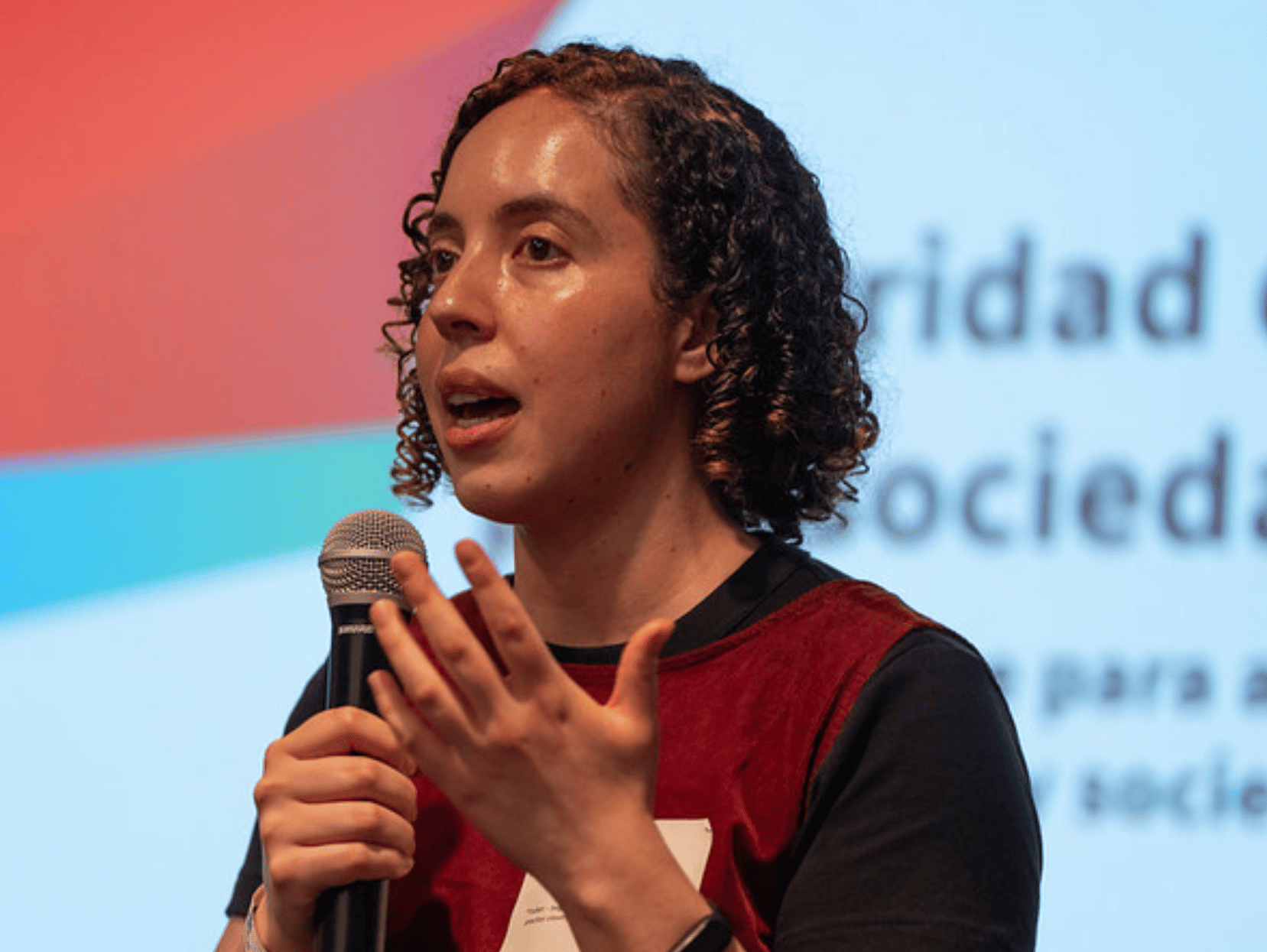
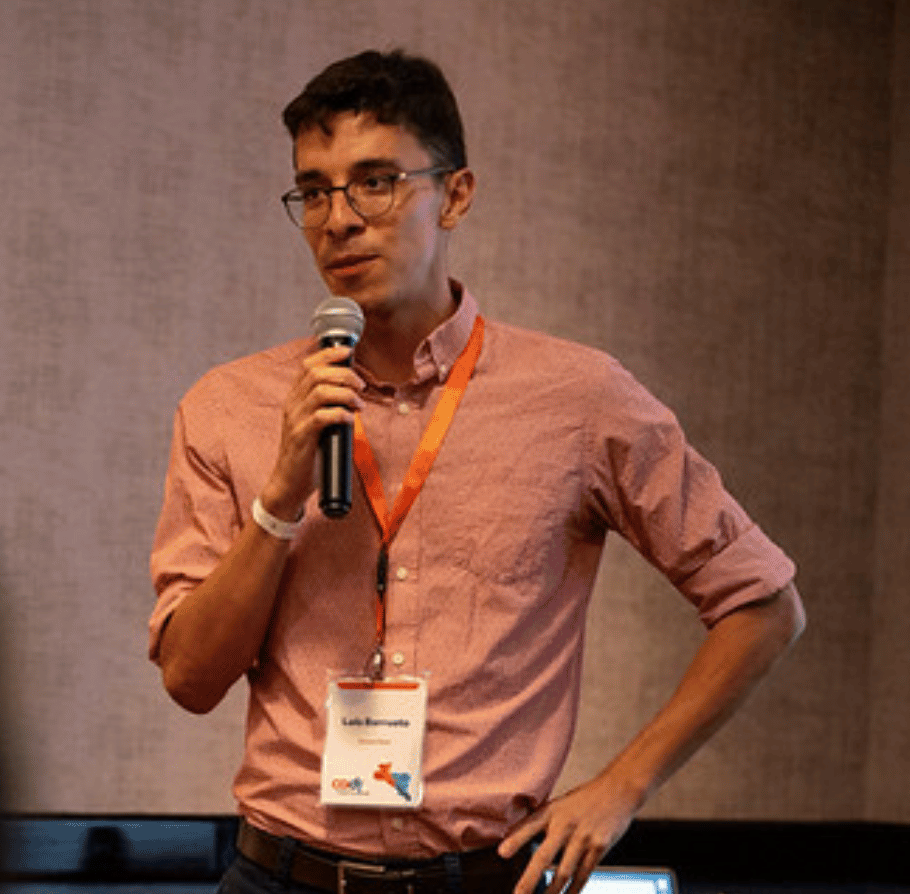
How can activists and journalists protect their communications? What structural barriers limit digital security? Digital security depends, first and foremost, on understanding the business models of tech platforms. For example, while WhatsApp uses a secure protocol, it lacks Signal’s mission-driven commitment and is motivated by corporate incentives to capture data. Therefore, in high-risk contexts, panelists recommended using lower-cost, open-source tools and applications explicitly designed for activists. Furthermore, structural barriers compound these issues—such as zero-rating, which restricts access to a tiny fraction of the internet, and a reliance on services that change their terms of use after hoarding data. The panel stressed that there is no single solution, but rather complex, multi-level responses that must include public policy. Ultimately, security was framed as a culture: even during in-person meetings, it is advisable to leave phones in another room and approach risk with mindful awareness.
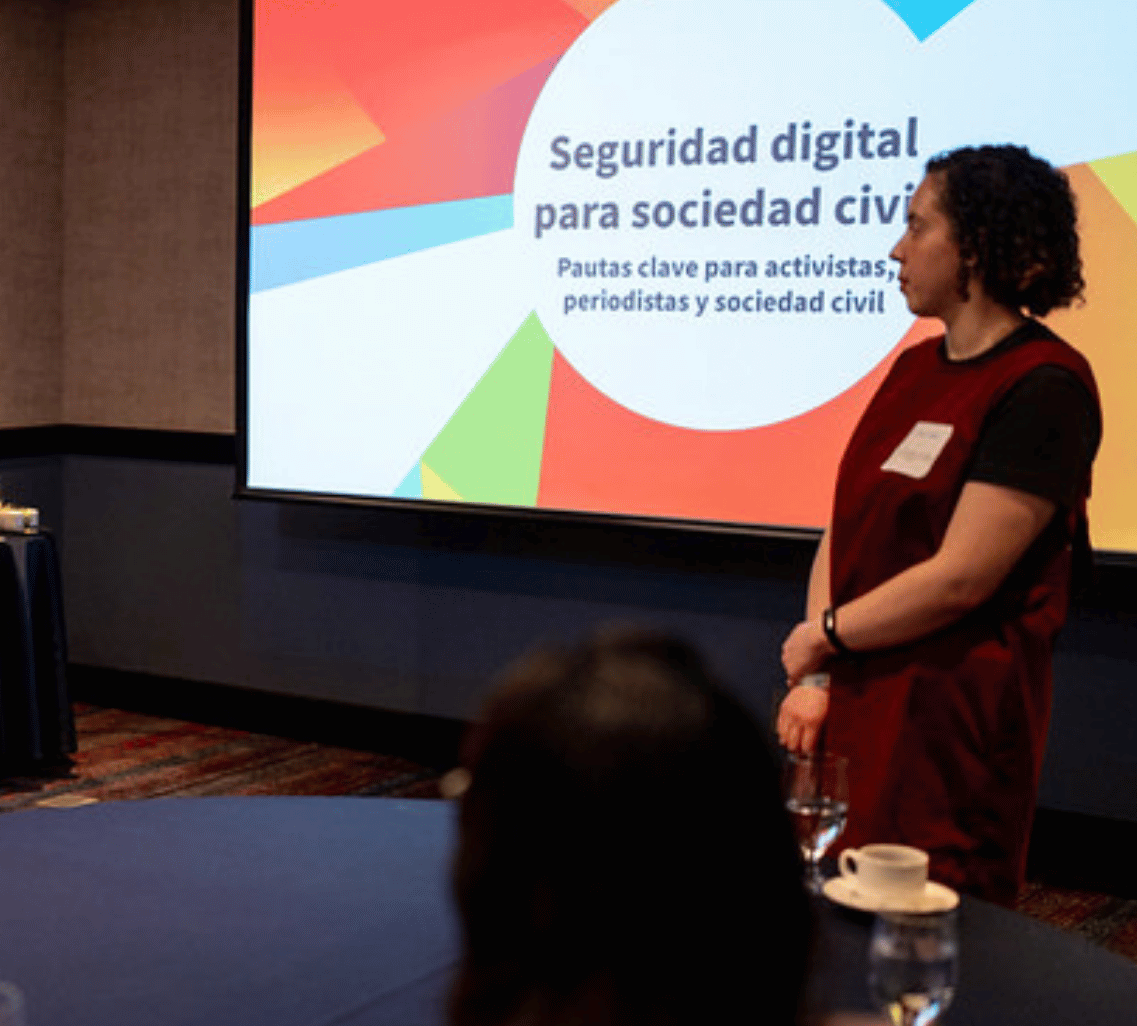
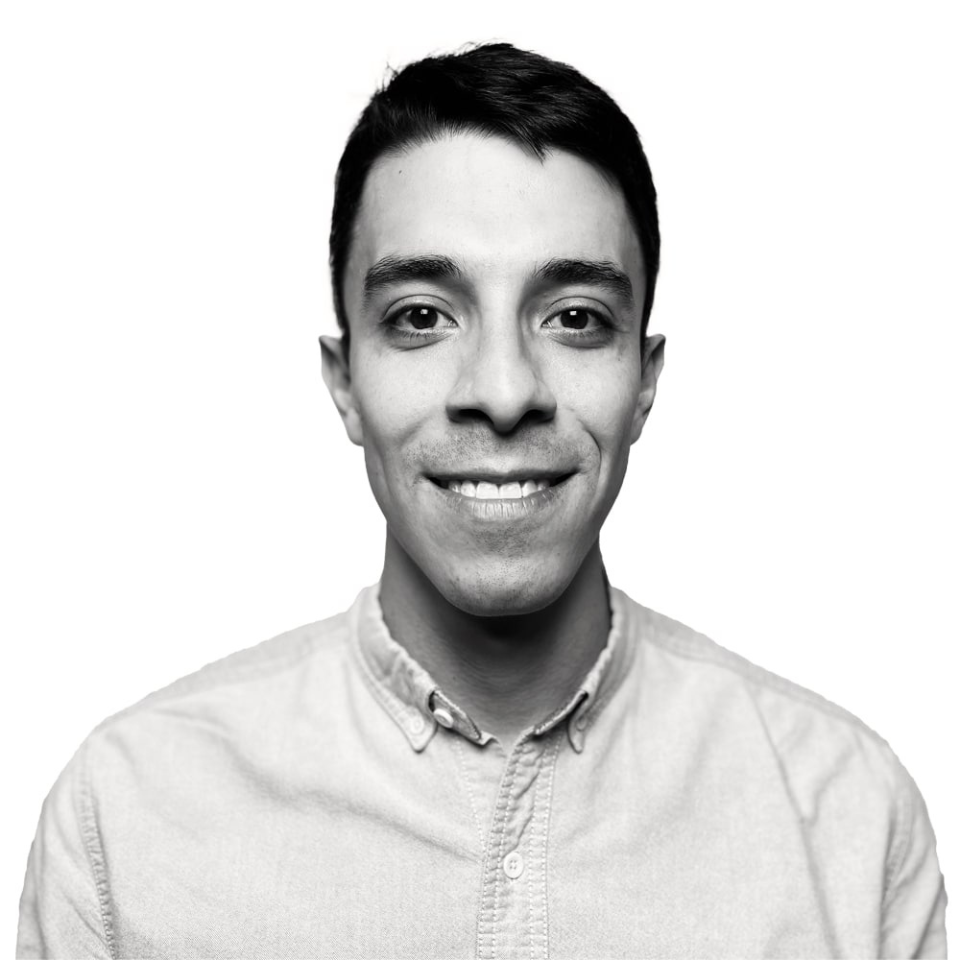
Access Now
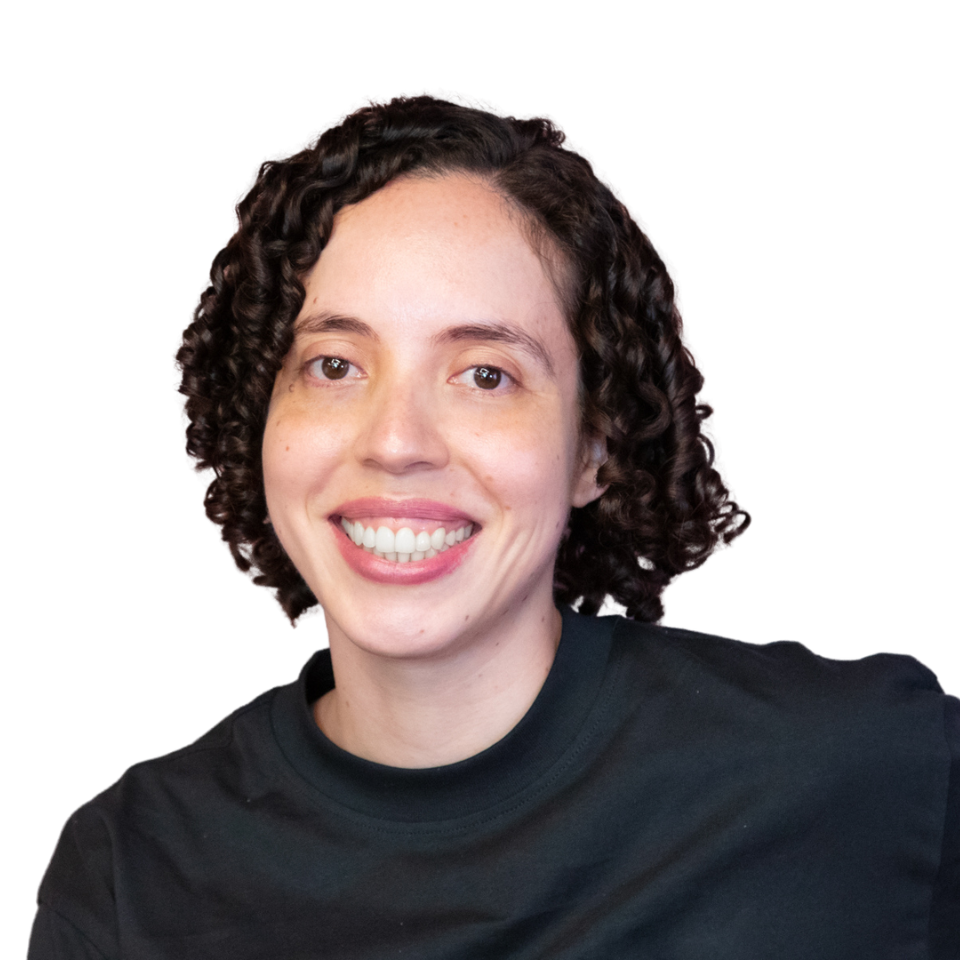
Iniciativa Latinoamericana por los Datos Abiertos (ILDA)
"We live in a platform capitalism where capturing your data is precisely the business model."
"Zero-rating means we only have access to a very small part of the internet. At the end of the day, whoever holds the data holds the power."
"There are many unfamiliar tools out there, built on free software and open source, designed for activists with basic needs and without certain costs."
"Companies, in economic and even political collusion, prioritize certain applications over others. This means that, by default, you have to buy a new phone with certain free apps already installed."
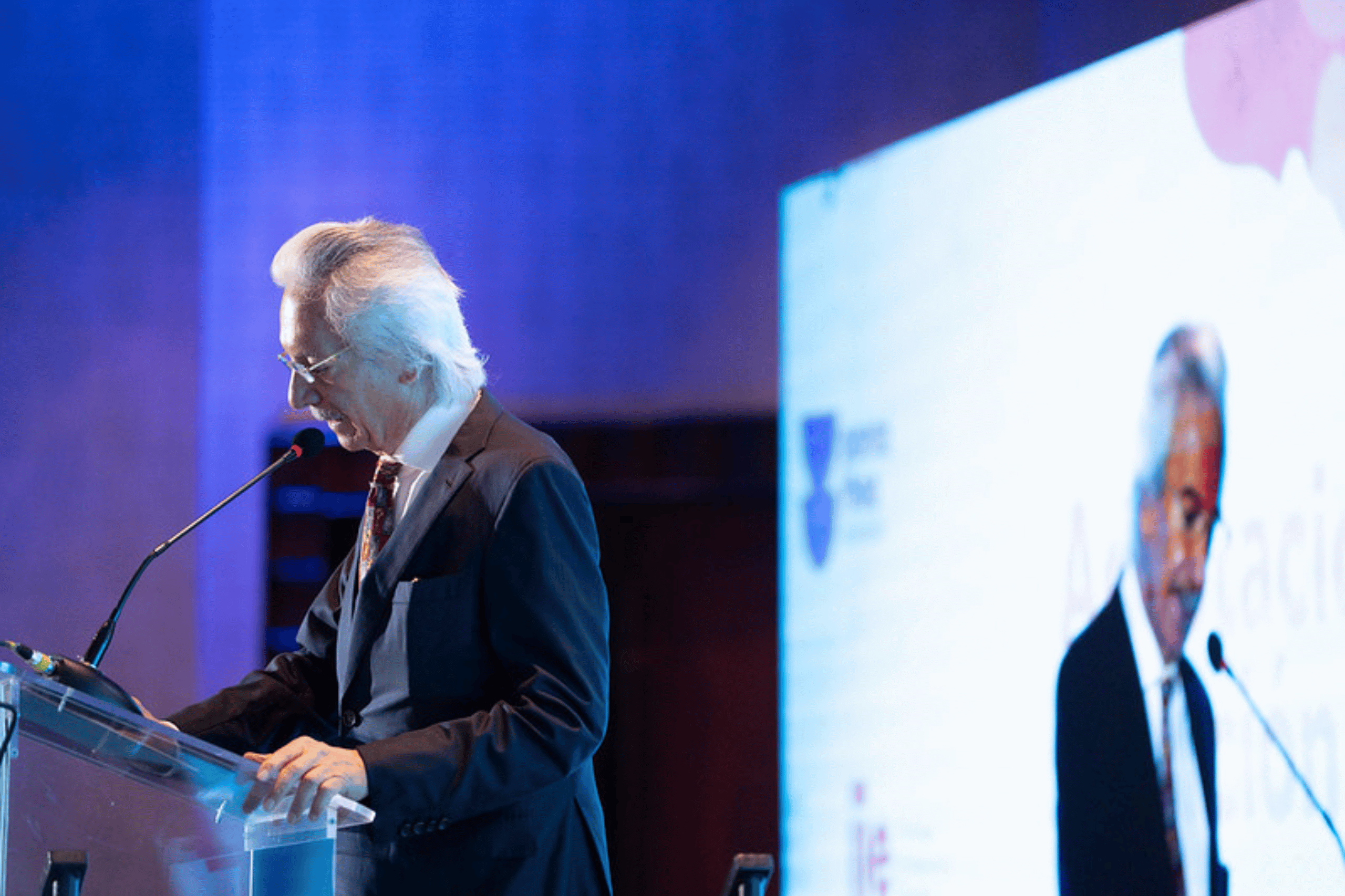
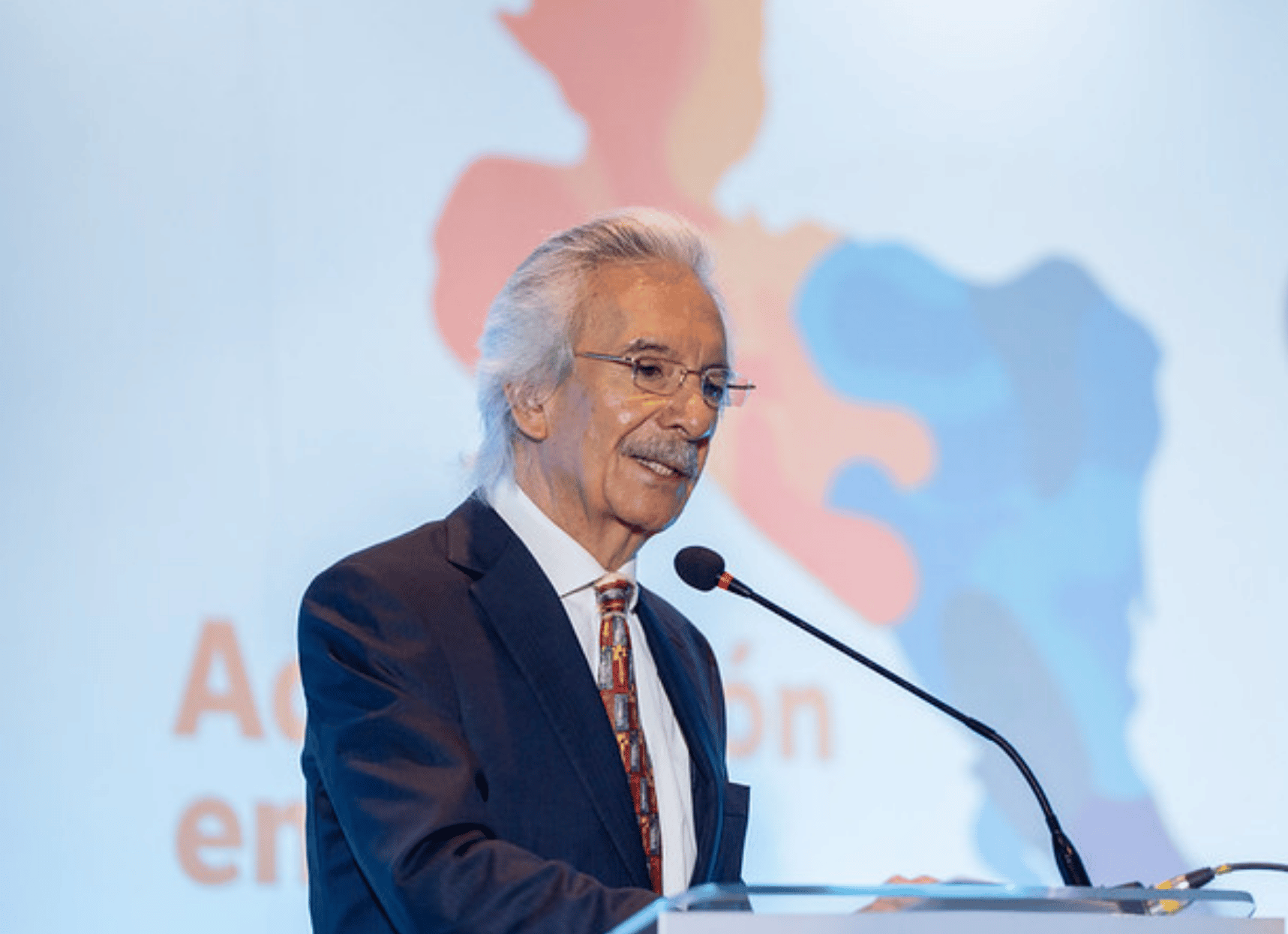
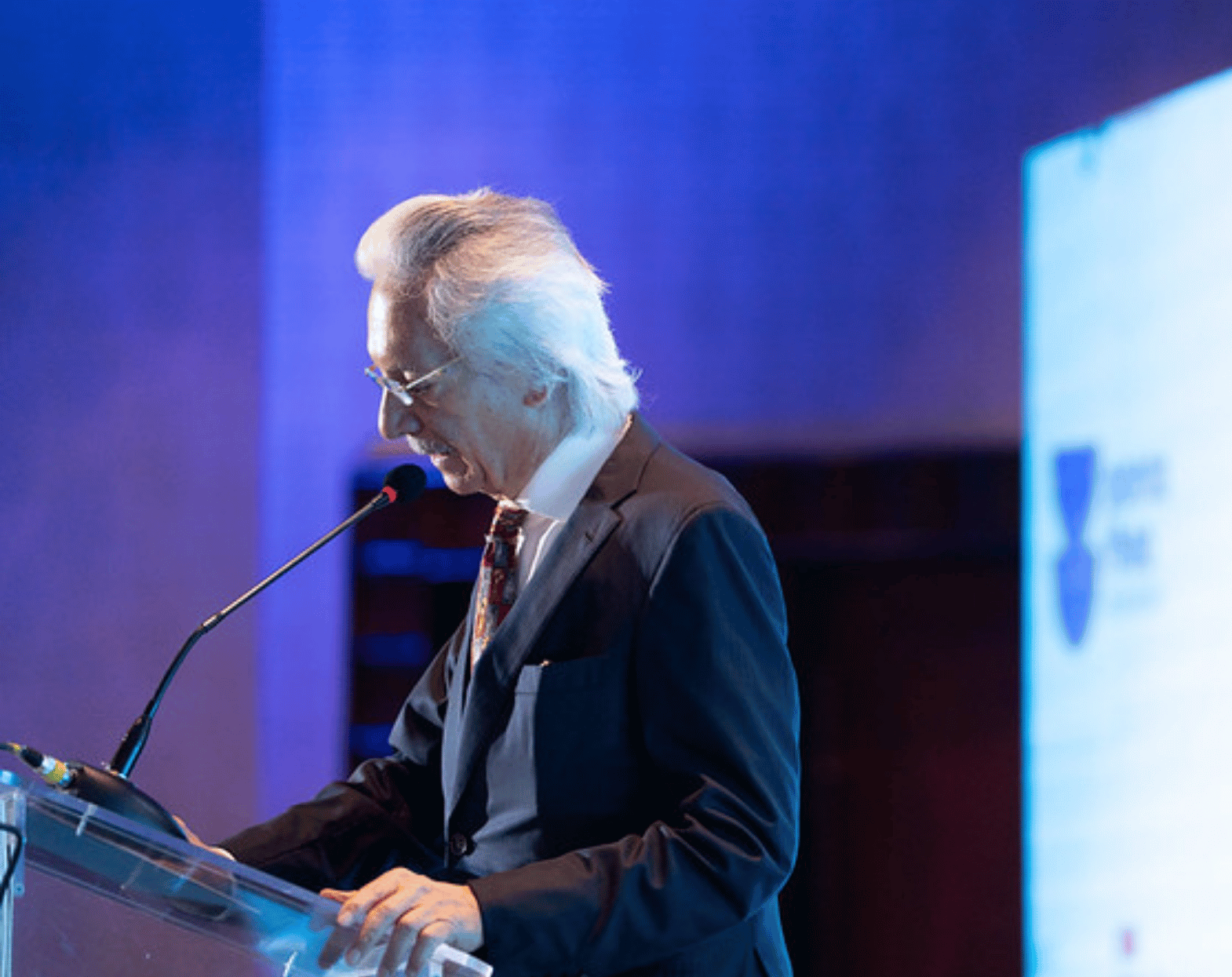
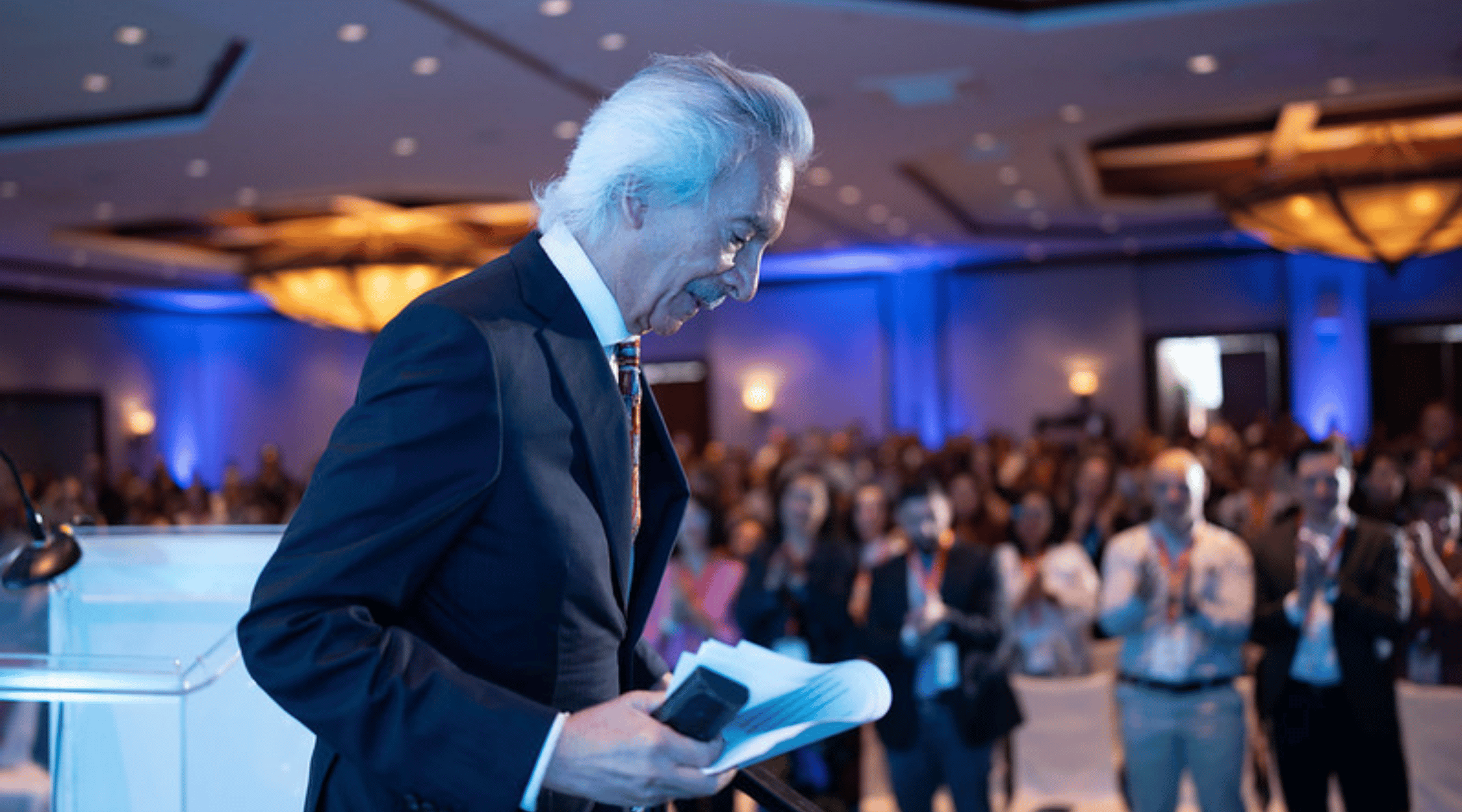
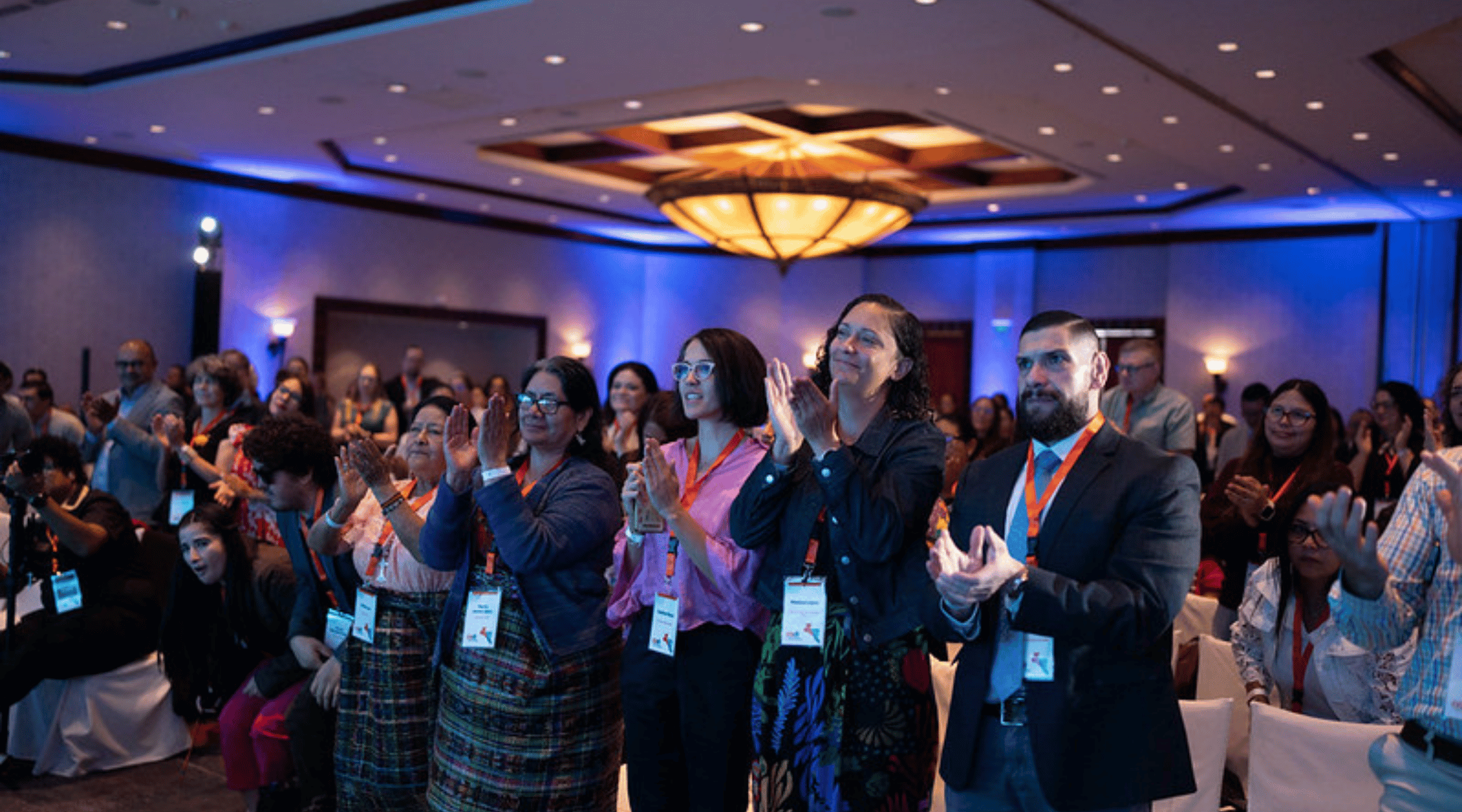
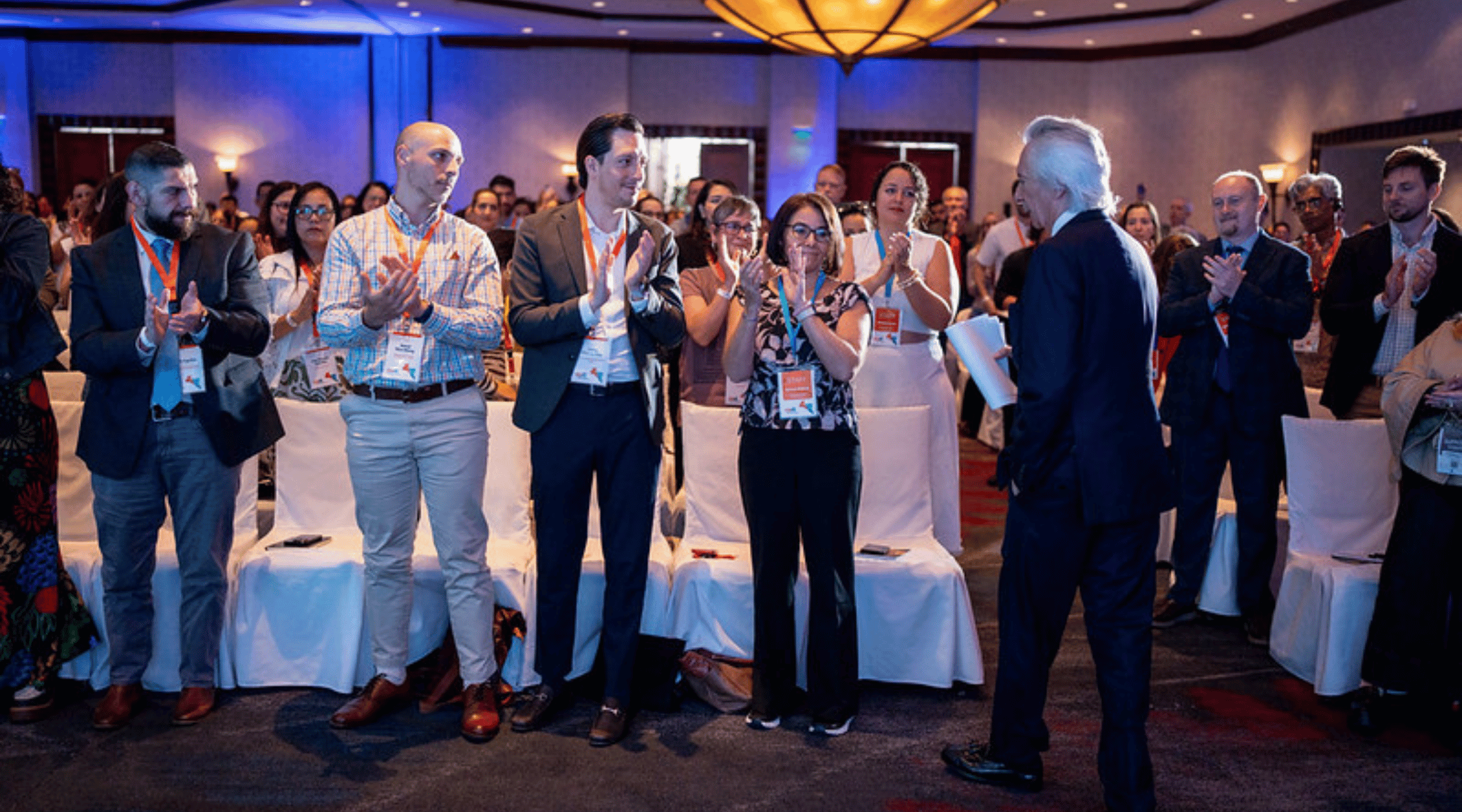
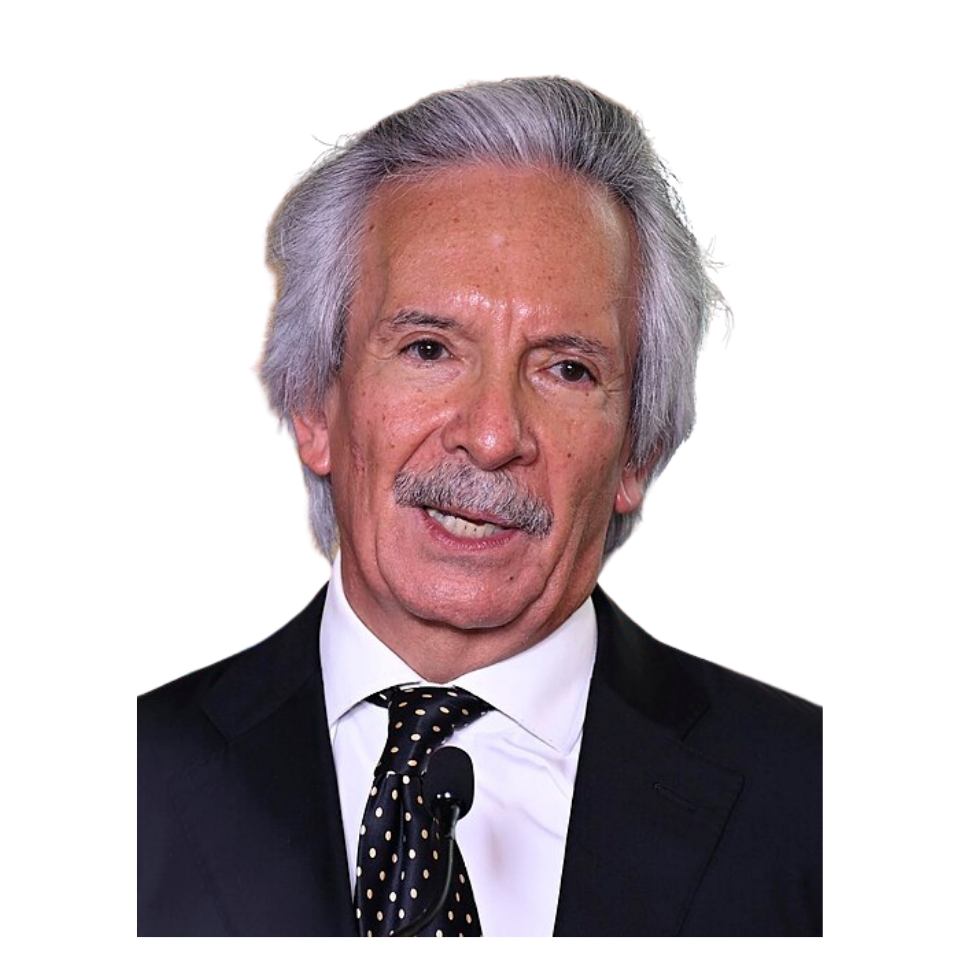
Renowned journalist José Rubén Zamora recounted the high personal and professional cost he has paid for investigating state corruption in Guatemala. During his speech, he detailed enduring threats, attacks, and prolonged pretrial detention intended to silence him. Zamora stated that his imprisonment served to unmask the Guatemalan state, which he described as a criminal structure captured by intelligence mafias and drug traffickers. The journalist attributed his survival and current conditional freedom to the constant international pressure exerted by press and human rights organizations. In closing, he called on the international community to ensure long-term, flexible funding for independent journalism, guarantee legal defense for those who have been criminalized alongside their families, and coordinate a regional approach to combat criminal networks.
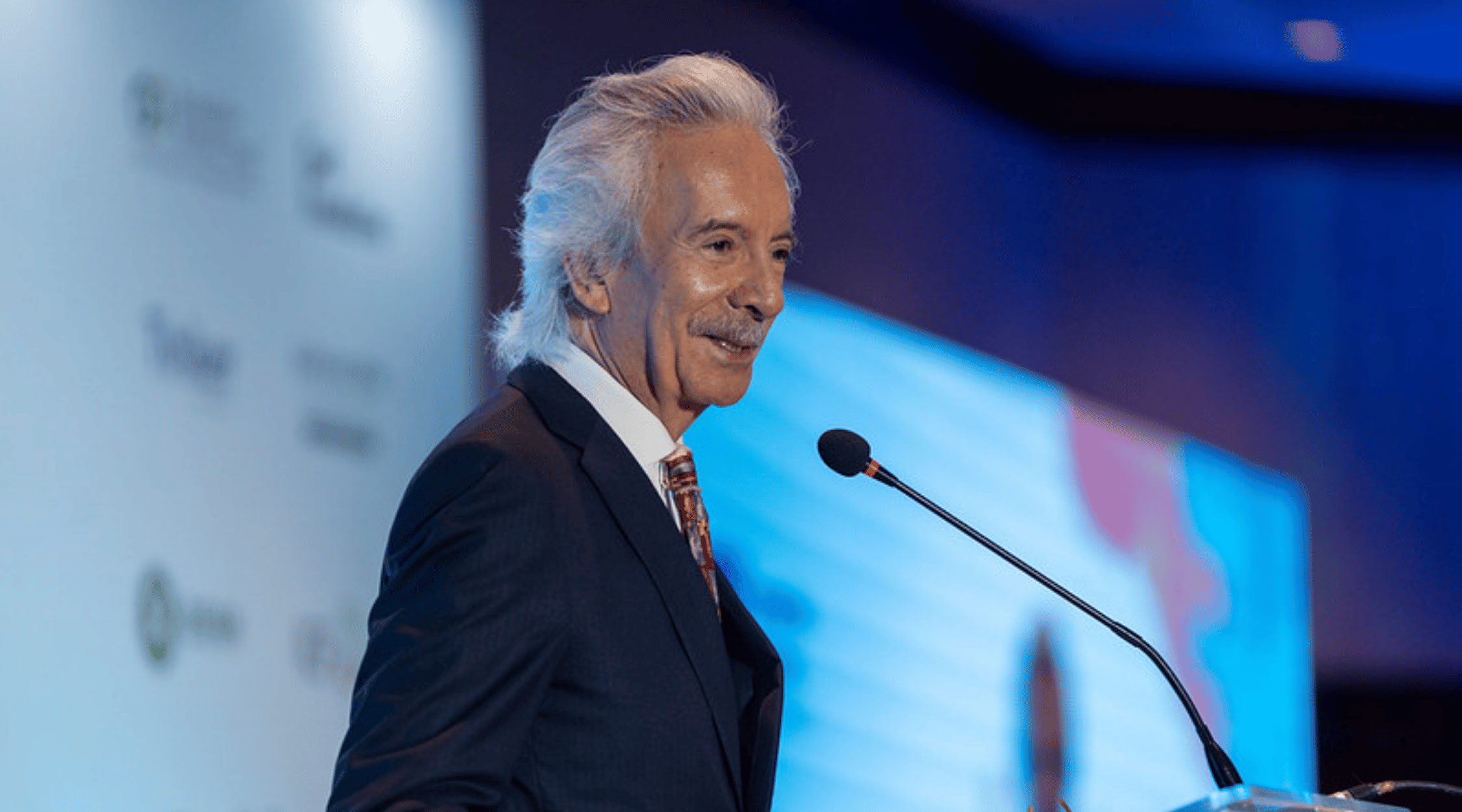
Journalist
"I speak as a man who is still not free. It is true, I served the anticipated sentence for crimes I never committed(...) But I remain under house arrest, facing fabricated criminal proceedings that they have now managed to extend and freeze."
"Perhaps the greatest achievement of my career was being imprisoned, because my incarceration laid bare the reality of Guatemala (...) It transparently exposed what is really there: a paleofascist narco-kleptodictatorship."
"Civil society cannot survive without you (...) In Guatemala, as in the rest of Central America, there are no financial resources to fund journalism that makes power uncomfortable, nor is there a state willing to protect those who hold it accountable."
"When the dilemma is between fear and the truth, there is no dilemma either. The truth is the only option."
Honduran journalist Jennifer Ávila of Contracorriente interviewed Andrea Bolaños, the Special Rapporteur on the situation of human rights defenders, exploring how international mandates address the criminalization and persecution of these advocates. Bolaños clarified that international mandates complement state protection, as states bear the primary responsibility for ensuring the protection and respect of human rights. When state protection fails and international measures fall short, Bolaños emphasized the importance of being on the ground and maintaining a constructive dialogue with the stakeholders involved. Furthermore, in light of new dynamics that precede criminalization, such as stigmatization on social media, the role of tech platform owners and authoritarian governments has been called into question. Given this context, it is essential to consider how to accurately communicate the work of human rights defenders and shift the current narrative surrounding human rights.
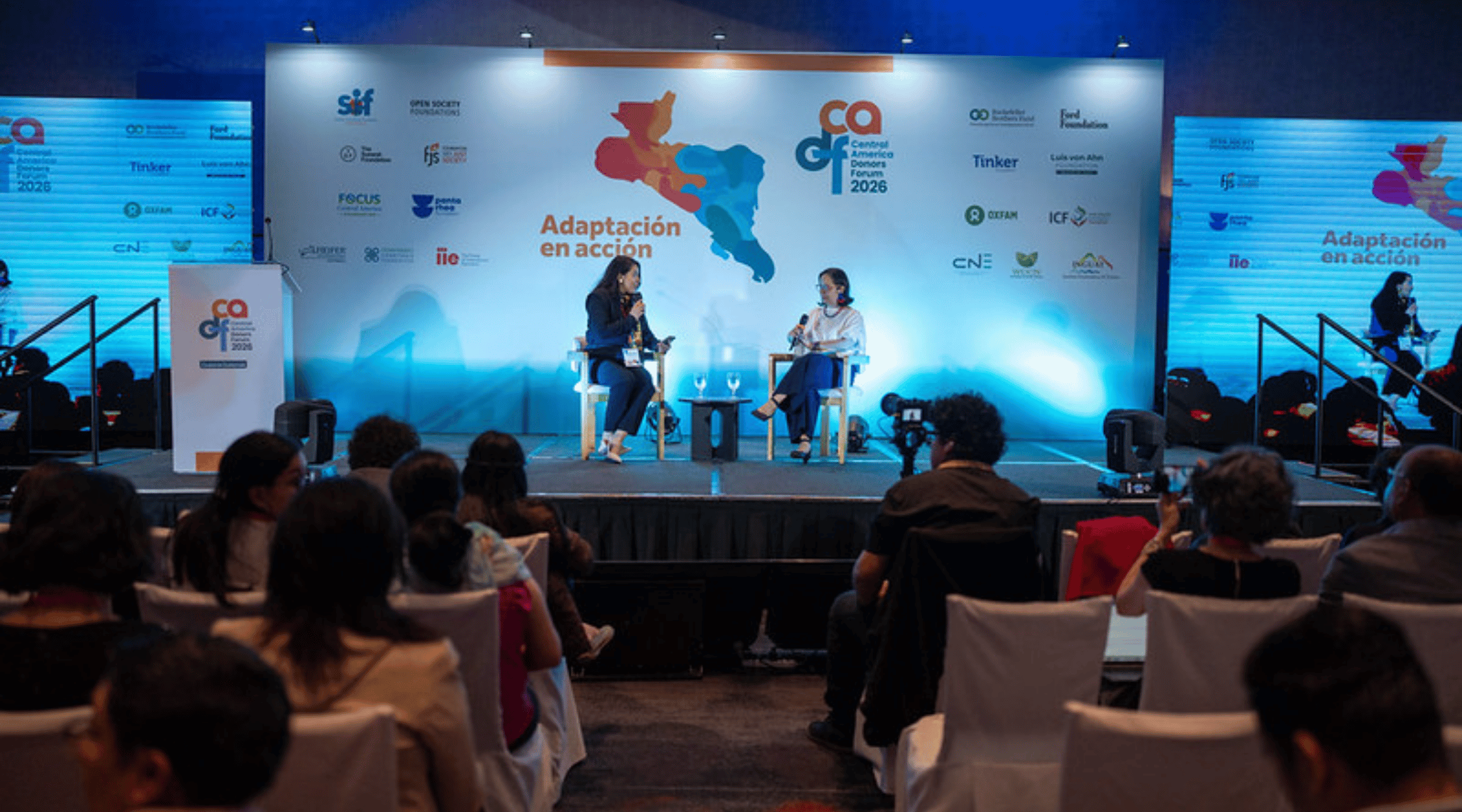
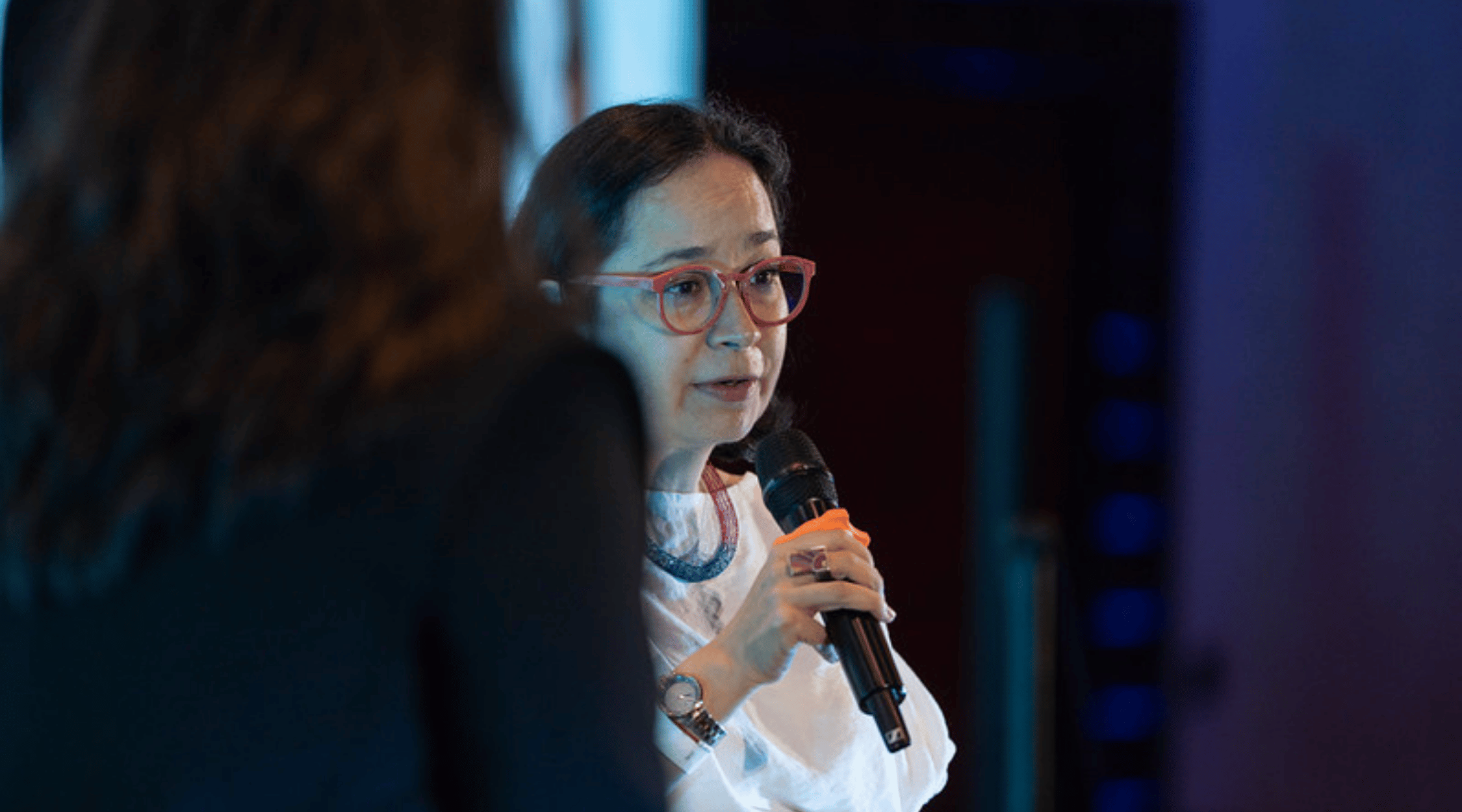
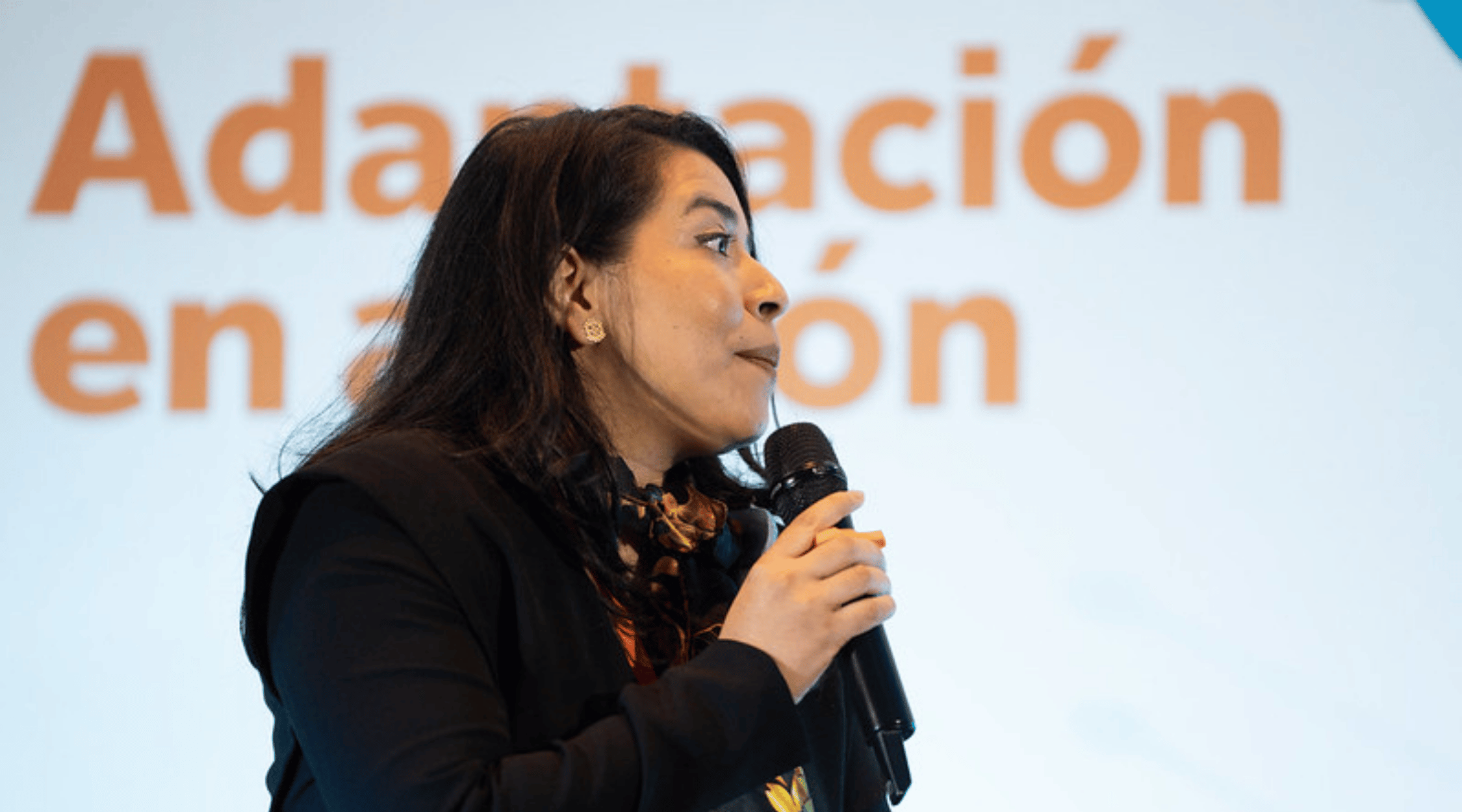
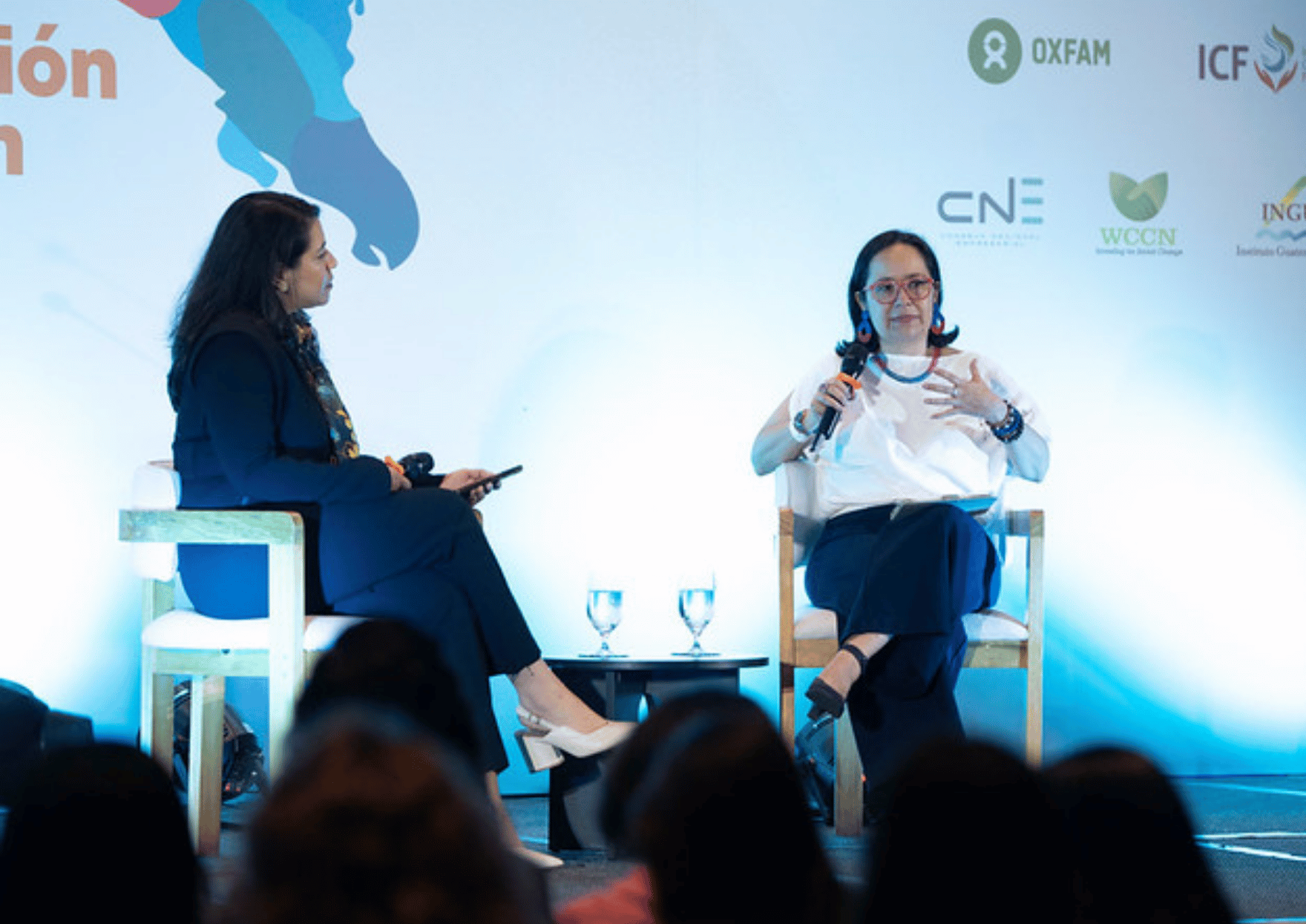
UN Special Rapporteur
ContraCorriente
"What we call criminalization is inherently a crime against human rights defenders; it begins with a narrative phase, it begins with stigmatization."
"Even those rights are at stake when a human rights defender is attacked, or when the very concept of human rights is attacked."
"Protection is like a set of gears, ranging from communicating on the ground to the international level."
"Although it may sometimes feel that international mechanisms do not operate as quickly as one would like, the call for accountability rests with the states."
"We are the ones on this side who must drive new narratives and new understandings."
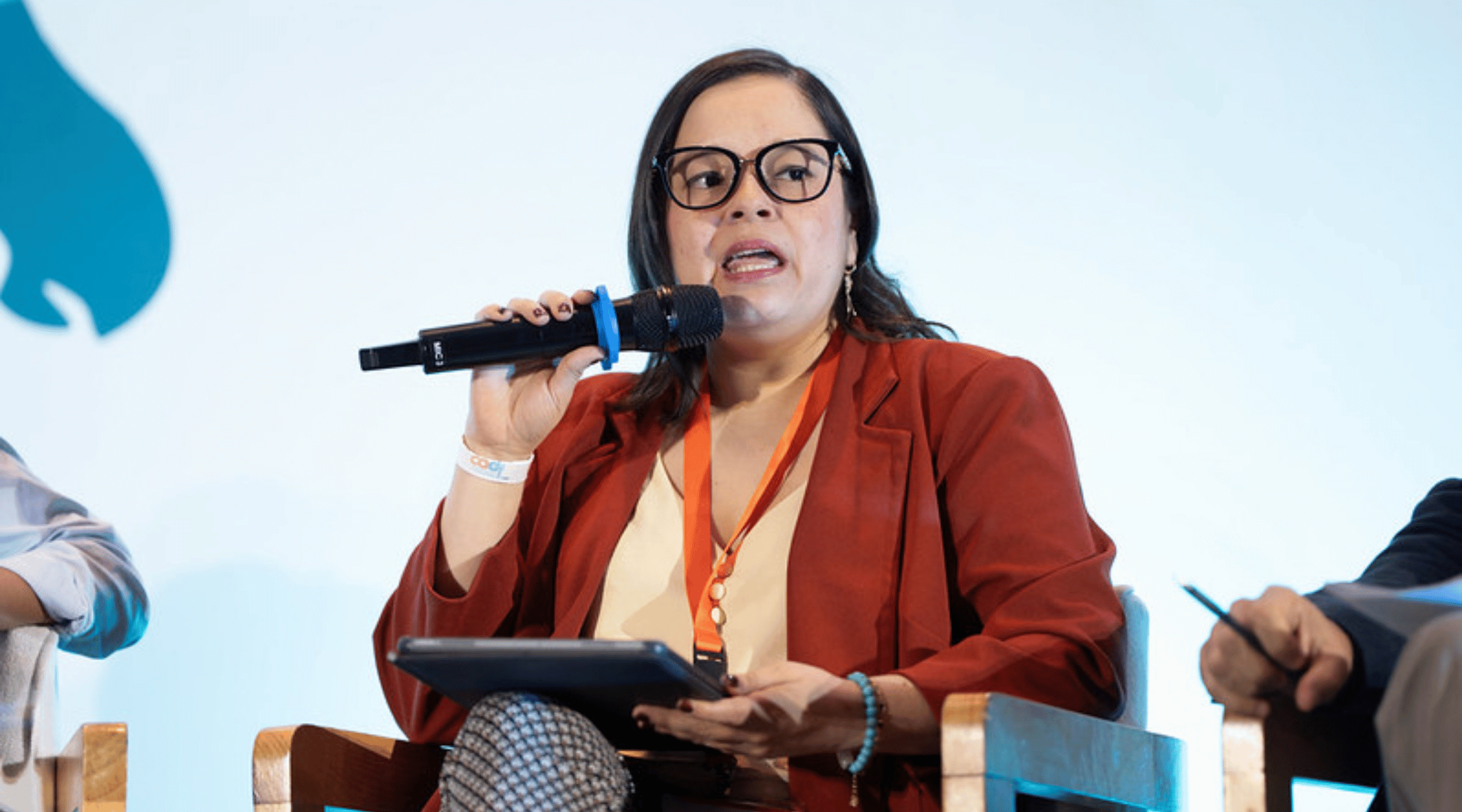
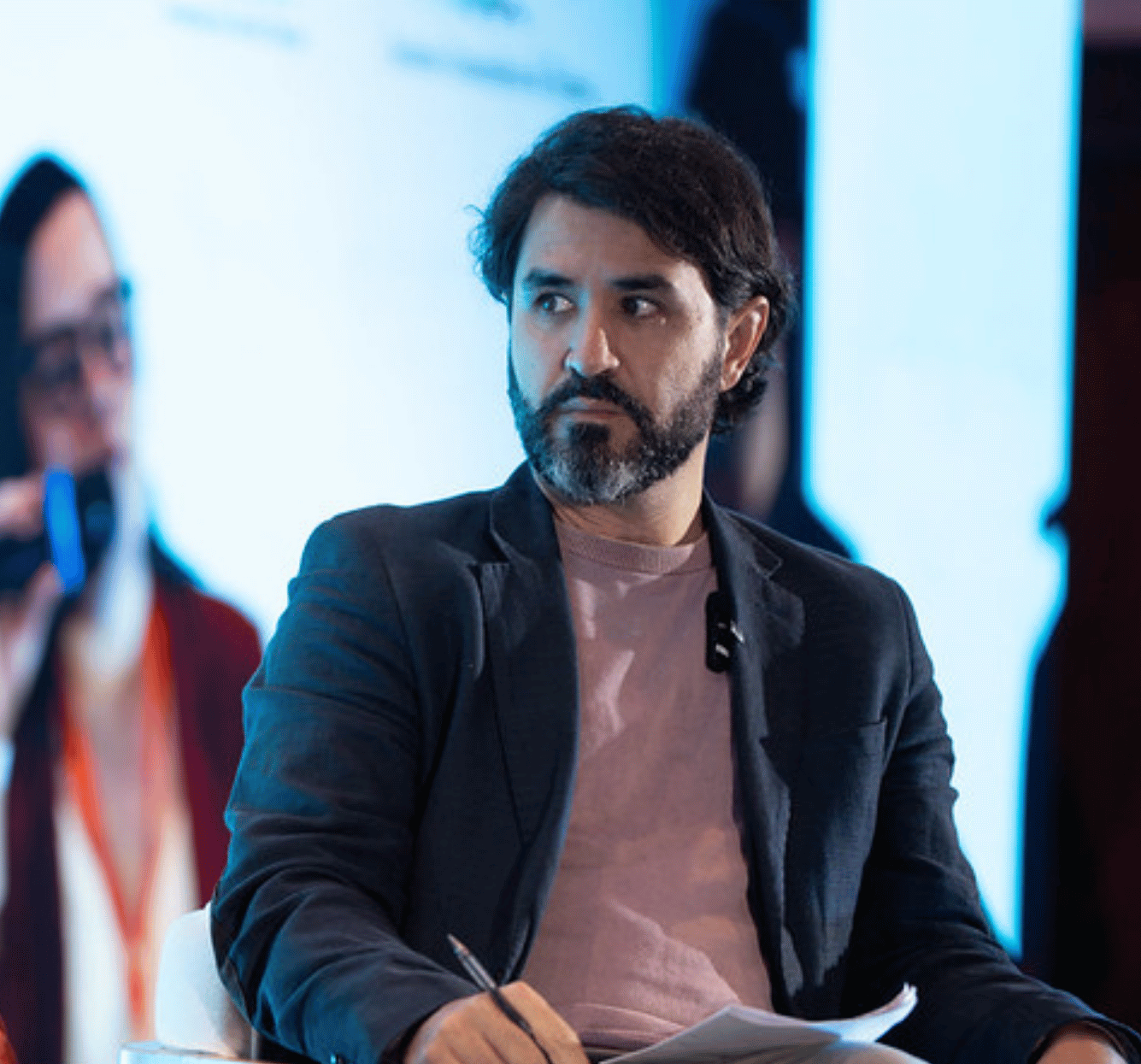
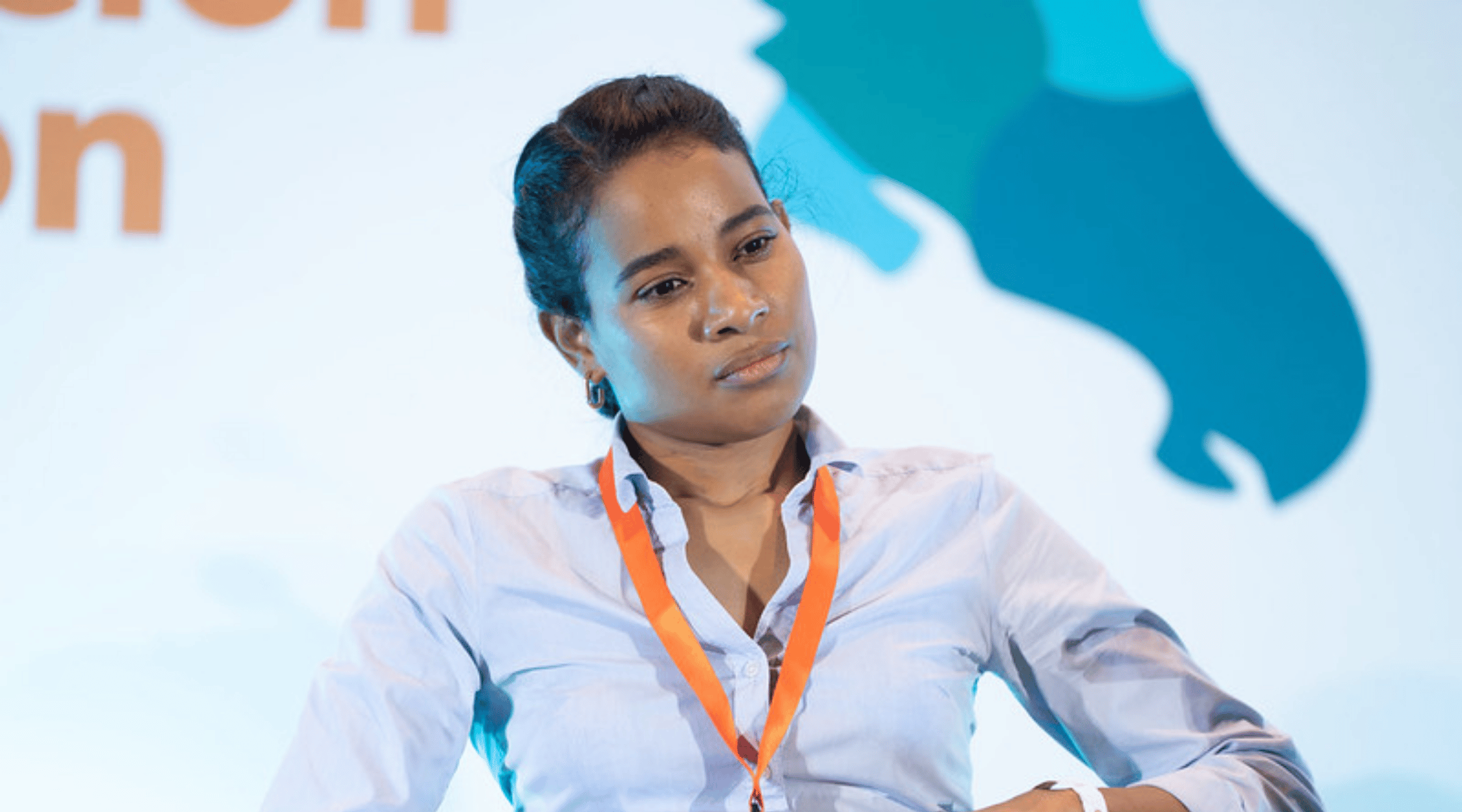
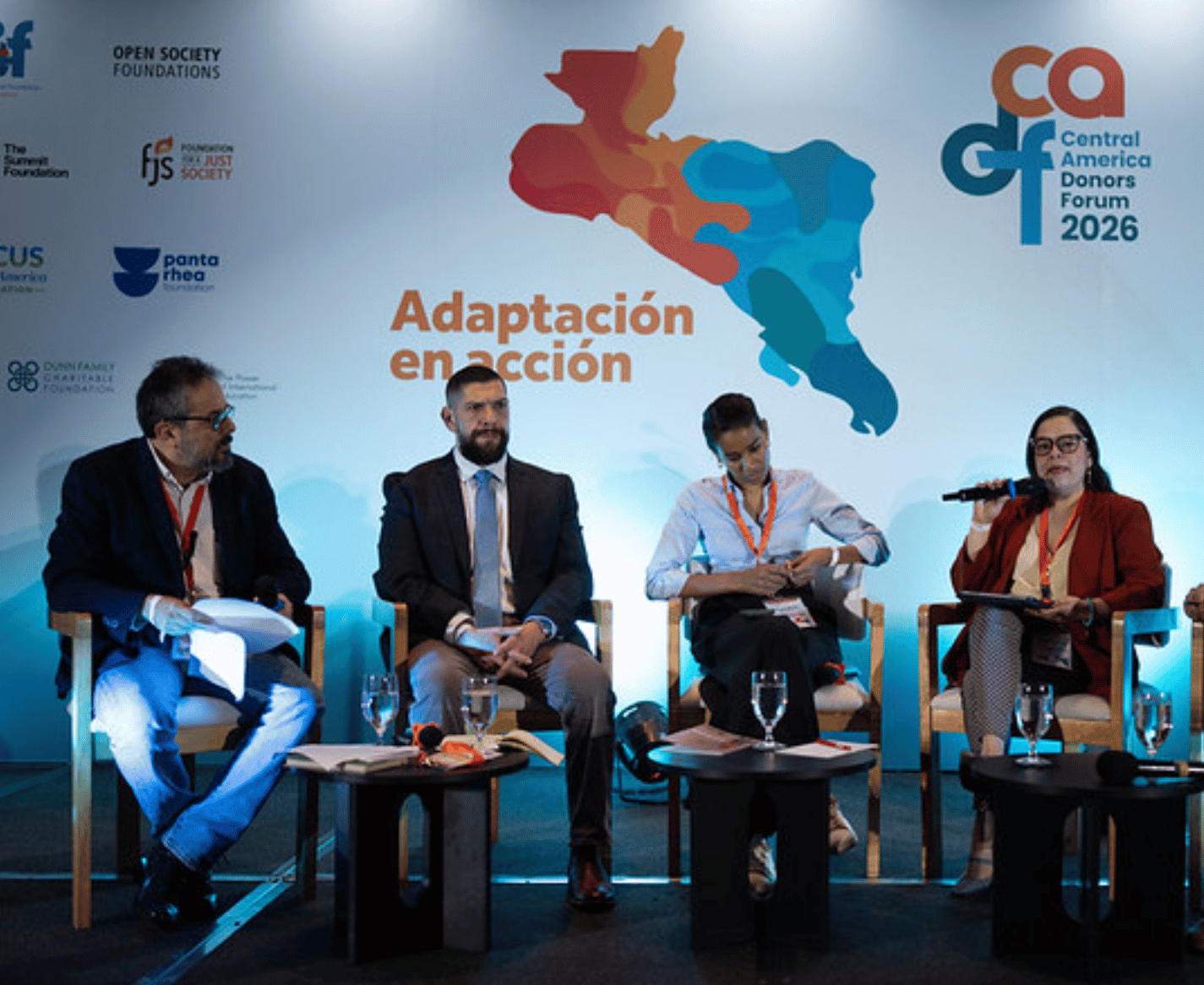
How do youth view democracy? Who comprises anti-democratic networks, and how is democracy contested? Democracy faces a paradox: we must defend institutions that fail to deliver adequate participation, representation, or results. Furthermore, youth show ambivalence: in El Salvador, 76% accept limiting rights for security, while in Honduras, 70% would tolerate authoritarianism if social rights were guaranteed. This occurs amid economic precariousness and digital environments that heavily shape perceptions. Meanwhile, in Guatemala, actors with divergent interests align without a formal pact to sustain counter-majoritarian politics, falsely blaming democracy for insecurity and poverty. Their power relies on brute force rather than sophistication. In response, panelists proposed listening to citizens, building an independent agenda, and regulating digital spaces. Ultimately, they urged a fundamental rethinking of the kind of democracy the region truly needs.
Instituto Universitario de Opinión Pública (Iudop) de la Universidad Centroamericana de El Salvador
Centro de Estudio para la Democracia (CESPAD)
Oxfam Guatemala
Rockefeller Brothers Fund (RBF)
Oxfam
"There is a very strong trend, with very well-constructed narratives, claiming that democracy is guilty of two things: that you, as a citizen, lack security, and that you are poor."
"We must transition from an ethic of resistance to an ethic of conquering the future, an ethic of proposal and hope, an ethic of victory."
"Neoliberalism points toward individualism. We have become fragmented, we have left coordination by the wayside, and dialogue has diminished. We need to reclaim those spaces for dialogue and consensus."
"Almost 80% of youth still hold democratic values, and these are young people who have gone through educational processes. We must continue with that education, but no longer in the way we used to, because it is a different context."
"Quantitative evidence shows that we must start from two truths: democracy is being lost, and the democracy that is being left behind was not perfect either; it had deep gaps and injustices."
"In the face of authoritarianism and dictatorships, it is necessary to defend a democratic institutional framework that does not fully satisfy us. The agenda is to defend that democracy, but in order to transform it."
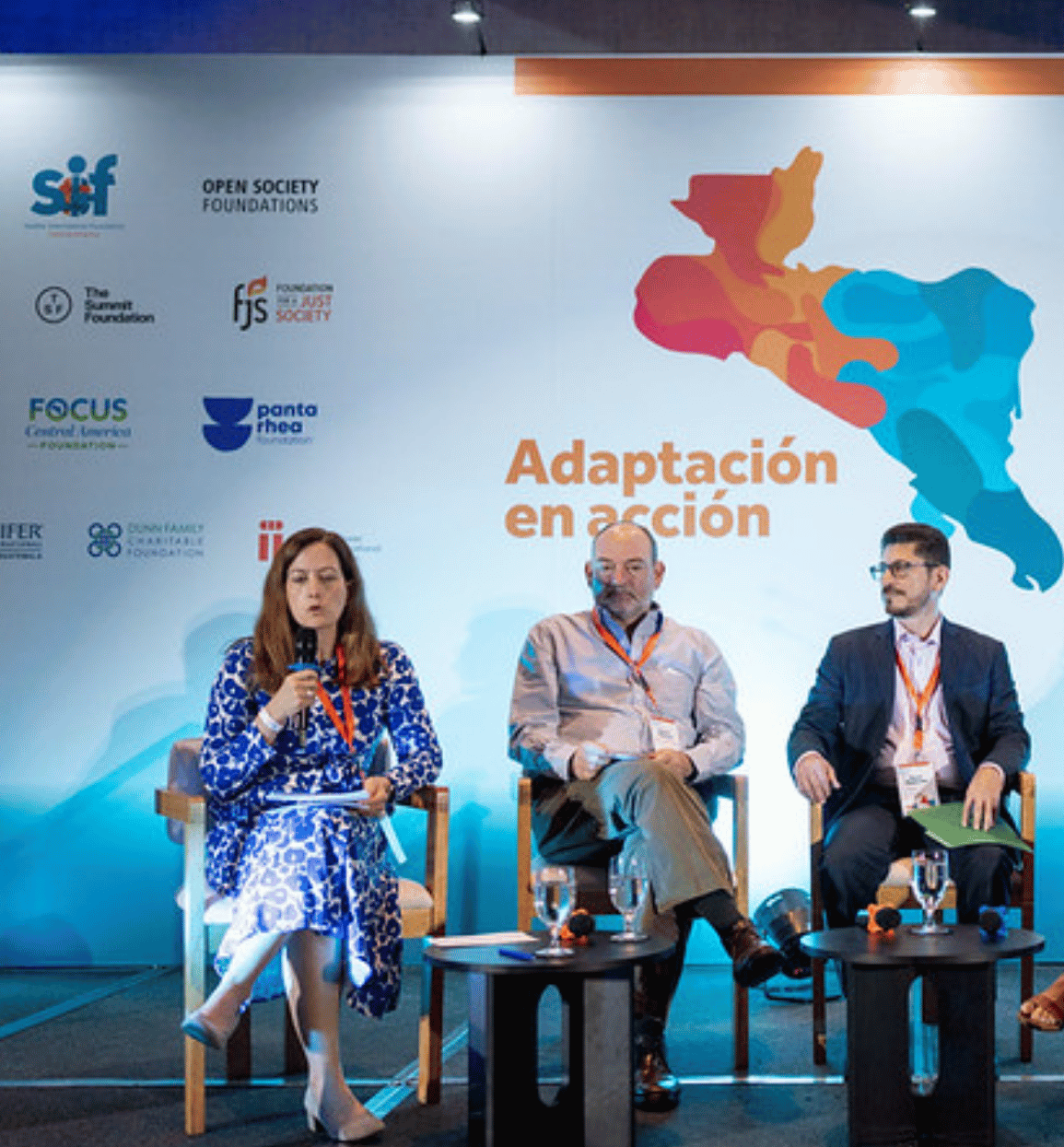
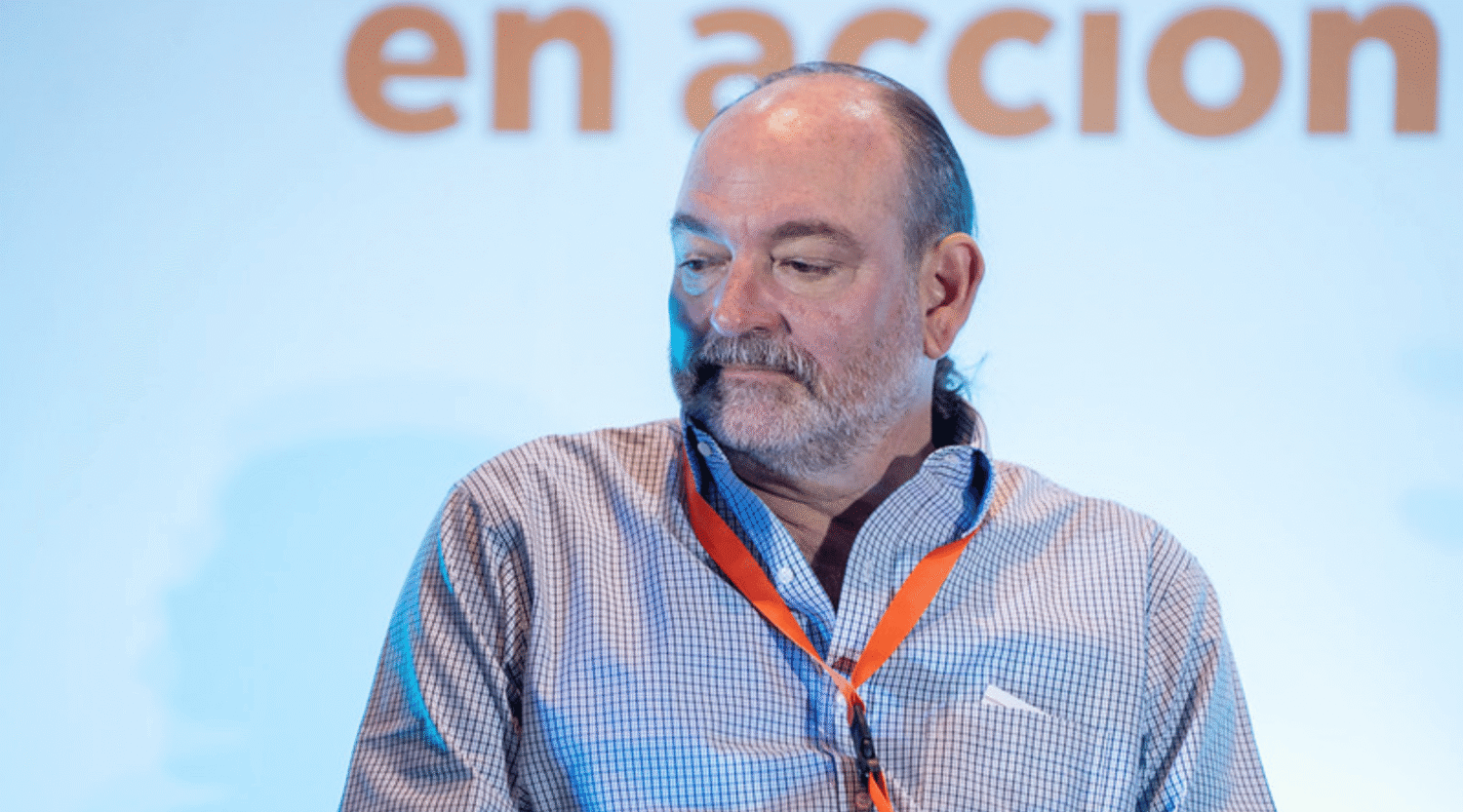
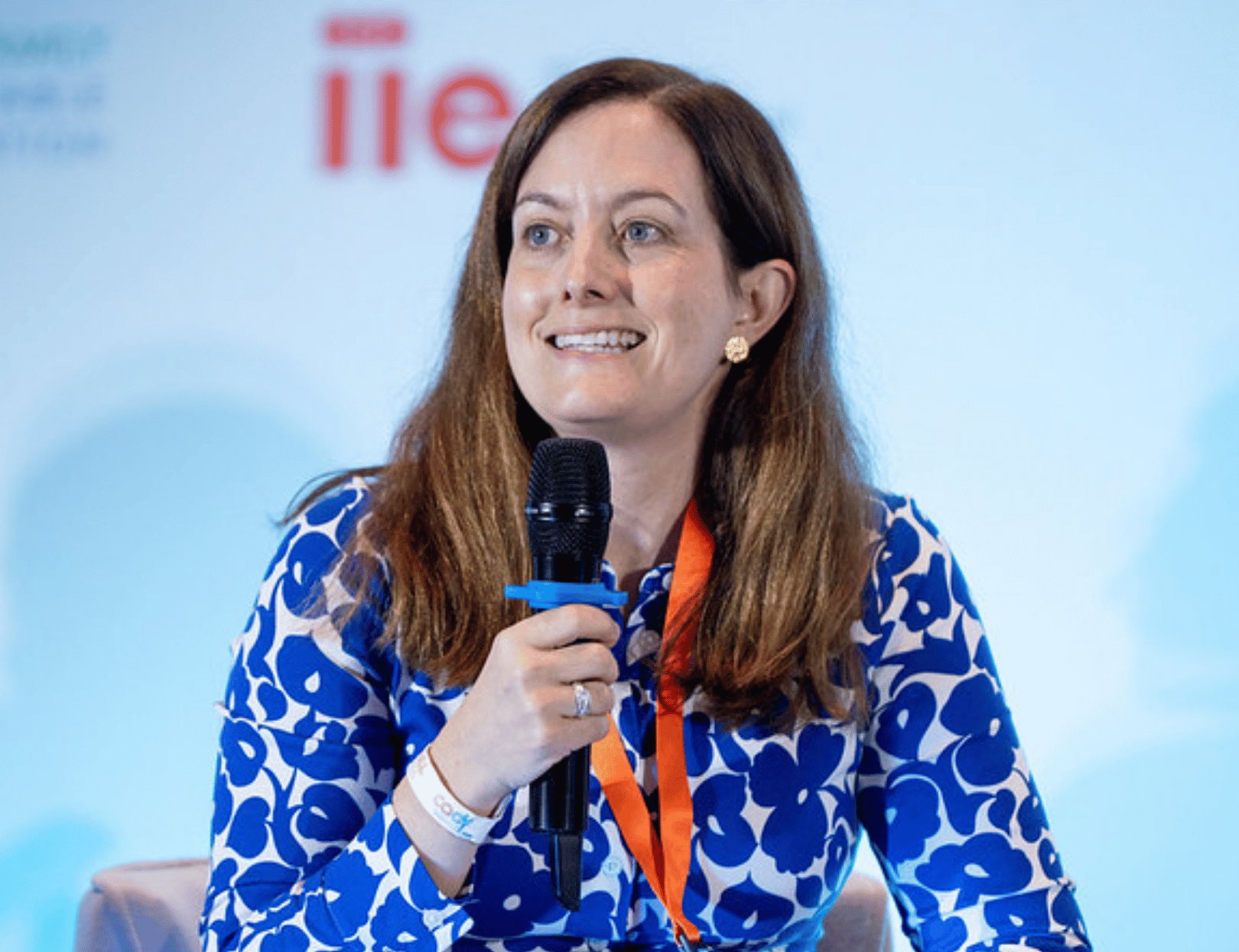
The panelists discussed and shared the evolutionary and adaptive processes they implemented within their organizations prior to the current situations in their respective countries, which allowed them to be better prepared for subsequent events. Each panelist shared an anecdotal case study from their organization where, as leaders, they were forced to confront their existing methodologies and protocols to forge a new path during these crises. They described how the circumstances of the time were key drivers of the crises their organizations experienced, generating both direct and indirect consequences. They spoke candidly about their mixed feelings as leaders having to make drastic decisions to ensure the safety of their people, even if it meant temporarily setting organizational goals aside. They also shared the severe economic hardships that forced them to completely restructure how they worked—from altering their work environments to taking on debt with outside entities—all with the sole intention of surviving the crisis.


Civic Strength Partners (CSP)
International Community Foundation (ICF)
Seeds for Progress

Fabretto Children’s Foundation
Tinker Foundation
"After almost 70 years, they gave us almost 70 hours to close."
"You can either give in to the crisis, or reinvent yourself, build resilience, and put it into practice."
"We went from having a beautiful, fully equipped office to working from home because we couldn't afford to pay for an office."
"It is difficult to share certain intimacies and to bare ourselves before you, institutionally speaking."
"It is easier to say that we should all employ trust-based philanthropy practices, but sometimes putting that into practice is harder than one thinks."
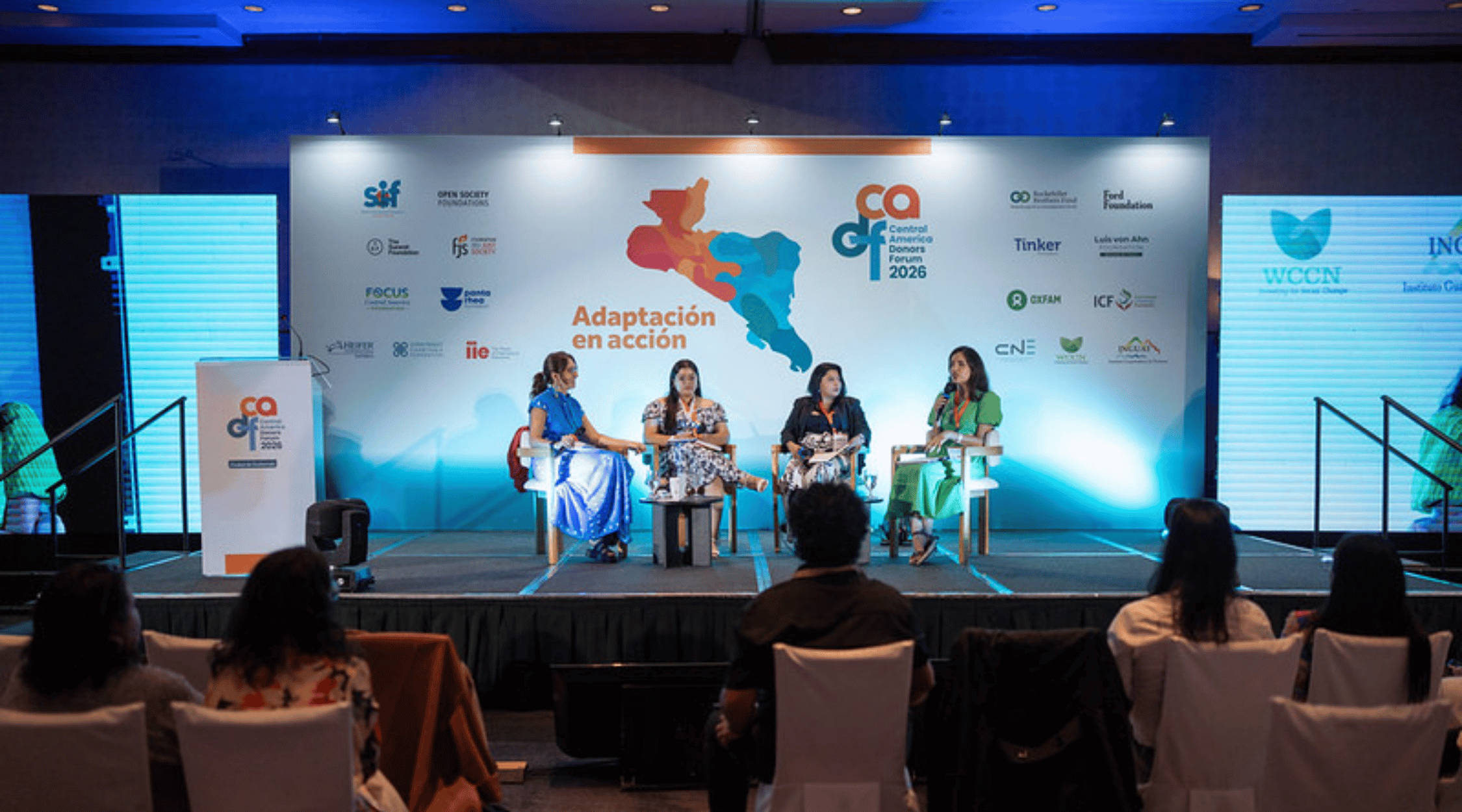
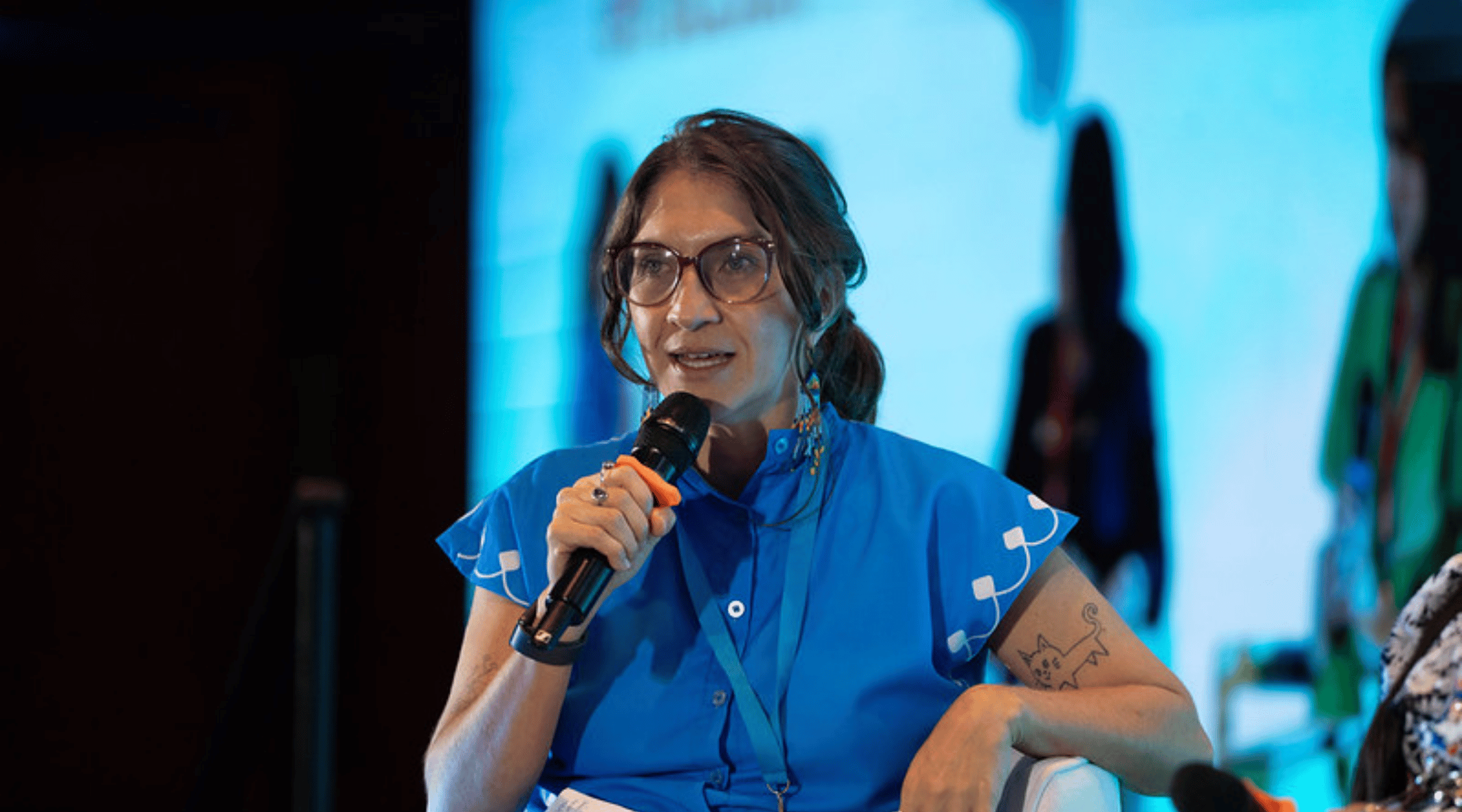
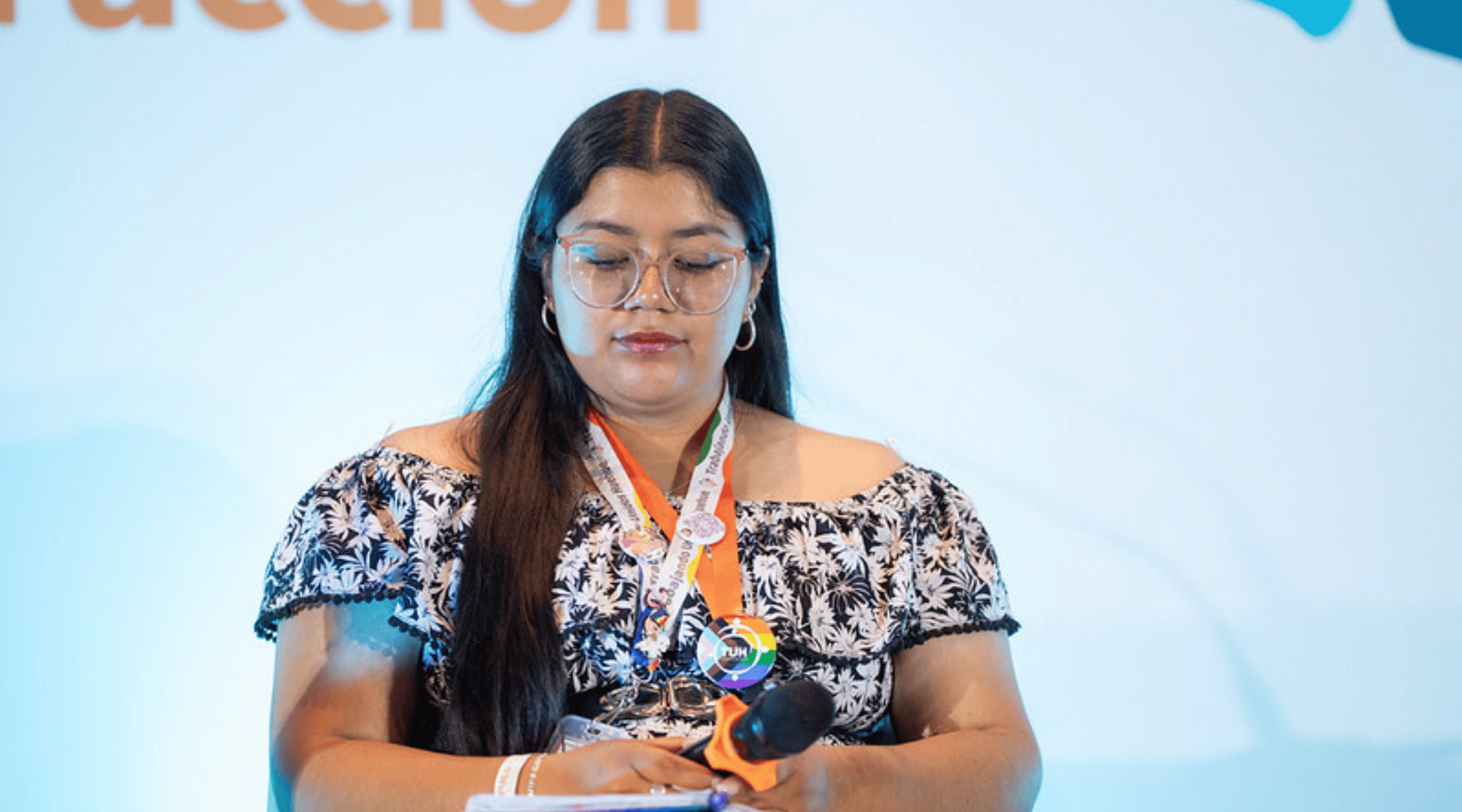
What drives people to participate and build community? What role does care play in youth organizing? Facing funding cuts and political persecution, youth organizations have primarily responded through coordination. Creative initiatives like Cuerpos Libres and Alharaca’s journalism workshop unite people across countries, forging community through shared values and skills. These bonds extend beyond the workshops—one podcast is already in its second season. Furthermore, working with institutions demands listening, patience, shared responsibility, and recognizing the human behind every title. These alliances are sustained through care: rest, celebration, safe spaces, and the freedom to choose whether to participate, a choice understood as a political statement. Ultimately, participants stressed that this work needs resources to continue growing with dignity.

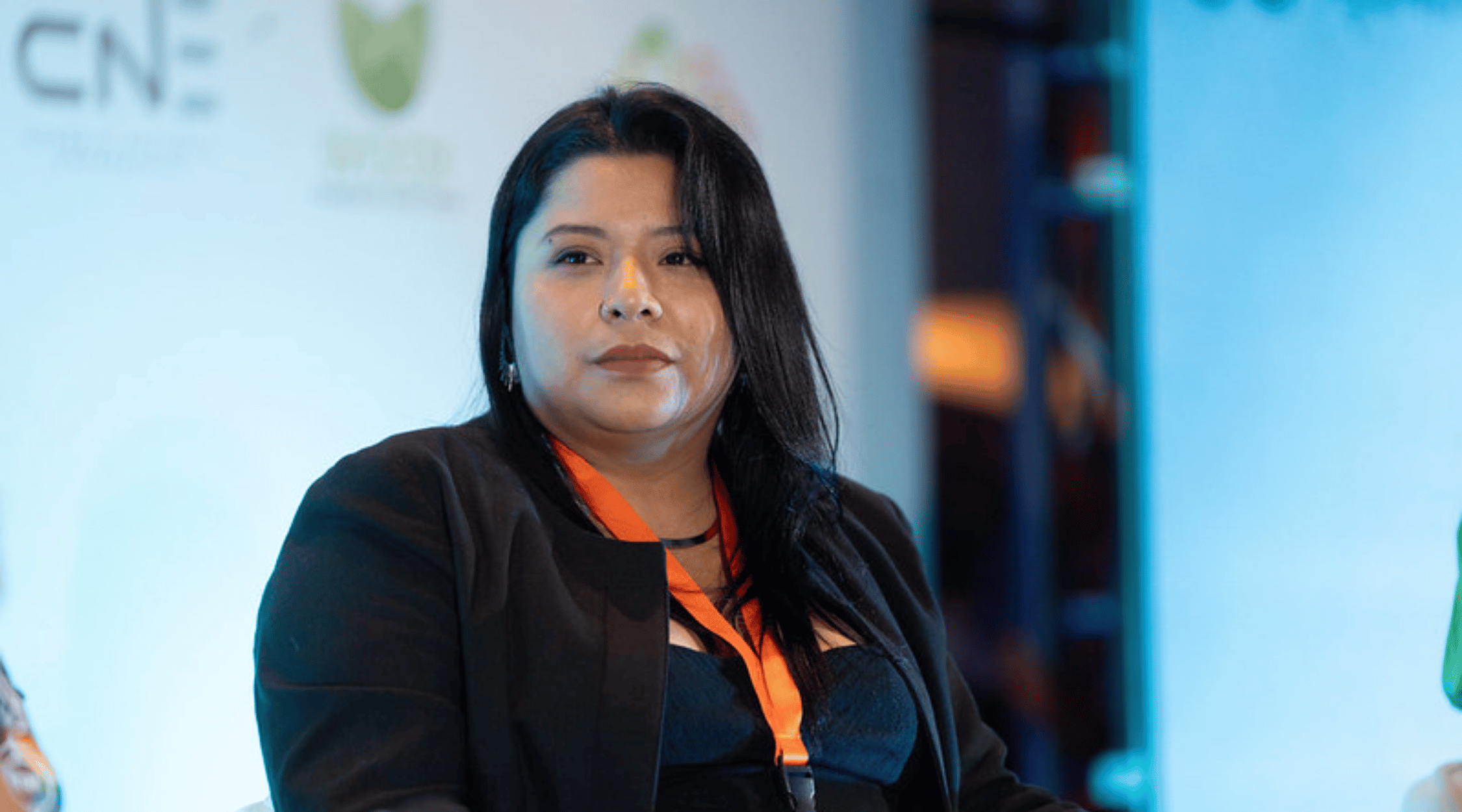
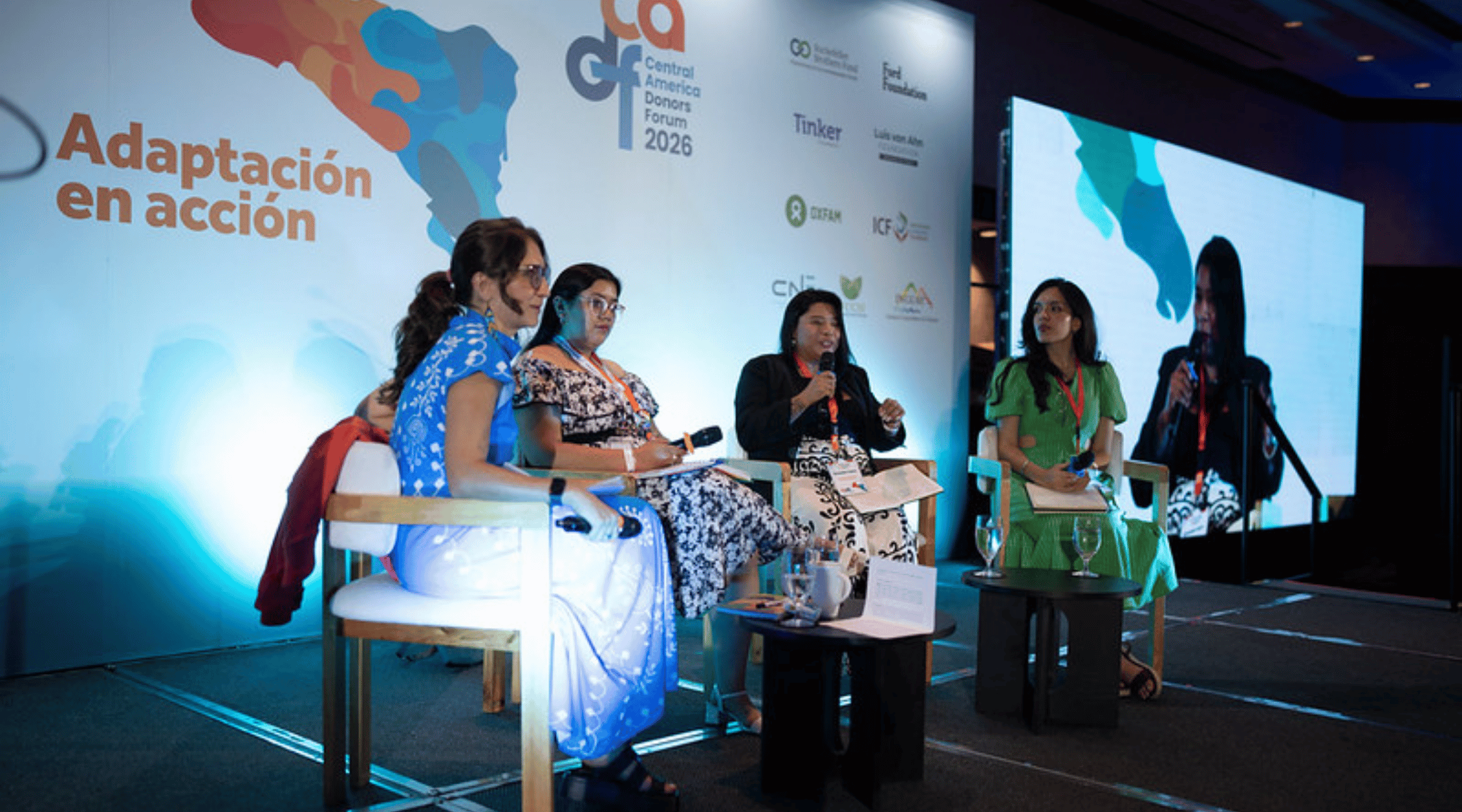
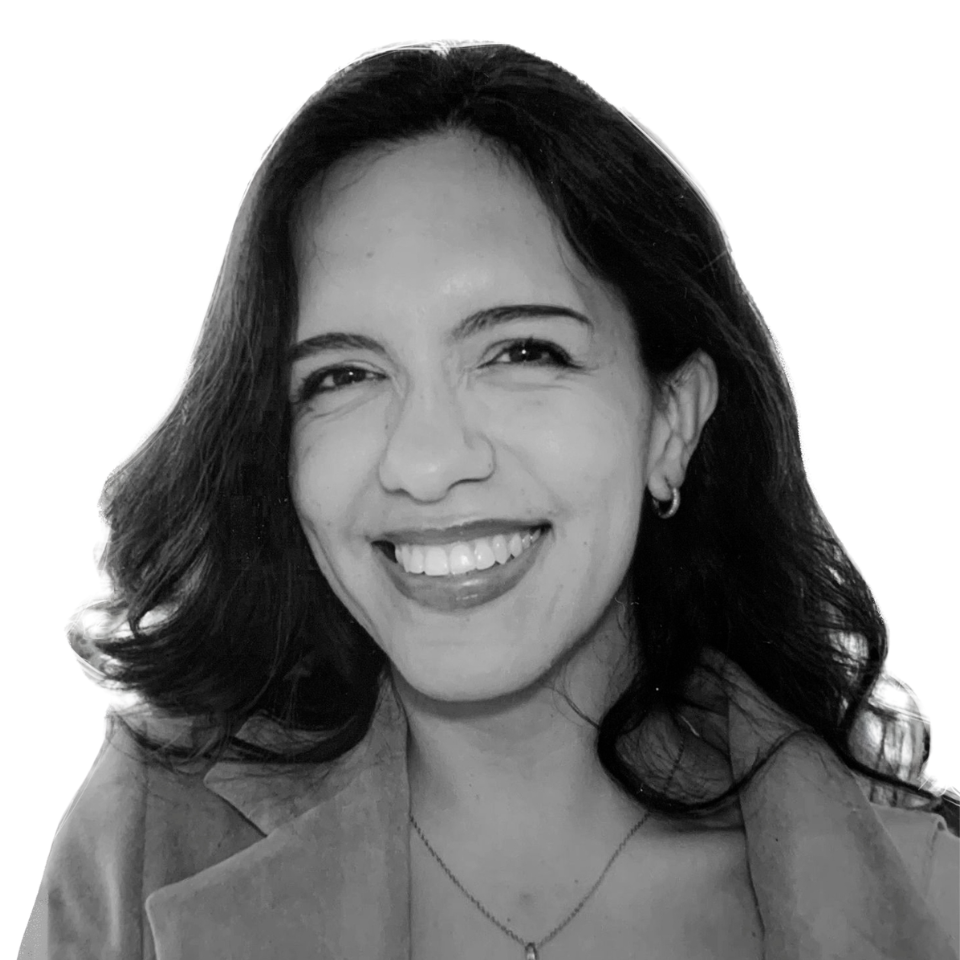
Alharaca

Jóvenes Feministas Ameyalli
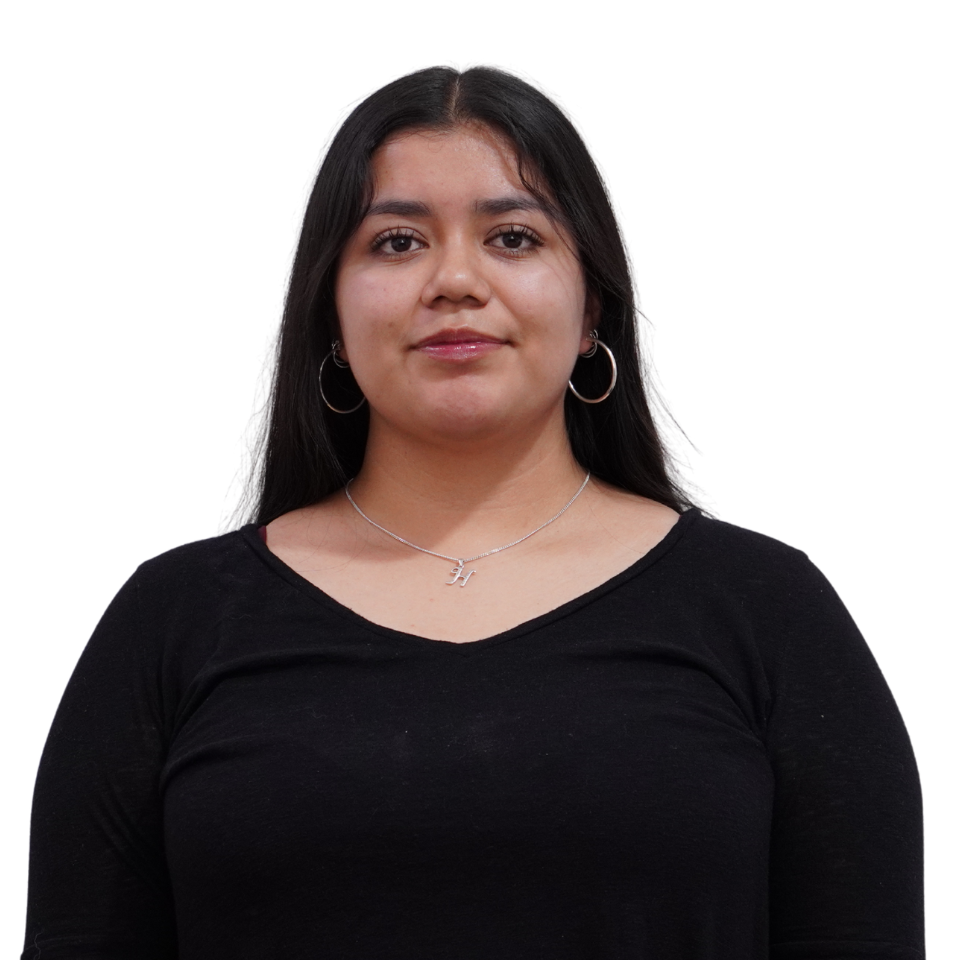
Trabajando Unidos Huehuetenango
Seattle International Foundation
"Cuerpos Libres is a space that has allowed us to build a different narrative around bodily autonomy and the right to choose."
"Online connectivity is sometimes what allows us to form these alliances, because from our experience in El Salvador, meeting in person can put you at risk under an authoritarian government."
"The current context forces us to transform the conditions. No single organization can do the work of defending human rights alone."
"We don't seek to create from a place of exhaustion or fatigue; rather, we want people to be in a good state to produce and to continue participating in the community."
"Part of building community is recognizing that we are in different situations and positions, with distinct responsibilities. However, when we coordinate, our work on the ground is strengthened and we generate a greater impact."
How has citizen participation and representation changed in Central America? What can the international community contribute beyond funding? First, citizen participation in Central America has progressed in terms of openness: electoral reforms, consultation mechanisms, and a greater presence of women, youth, and Indigenous peoples. However, expectations are growing faster than institutional capacity, while corruption and impunity erode trust. Furthermore, democracy is not just about voting; it requires dialogue, transparency, and clear results. Guatemala offers a prime example: the 2023 mobilizations showcased an active civil society, albeit one exposed to criminalization. Given this landscape, participants suggested that cooperation must go beyond funding to protect institutions, build bridges between stakeholders, and support inclusion. Finally, a clear mandate was proposed: vote, dialogue, demand, and influence.
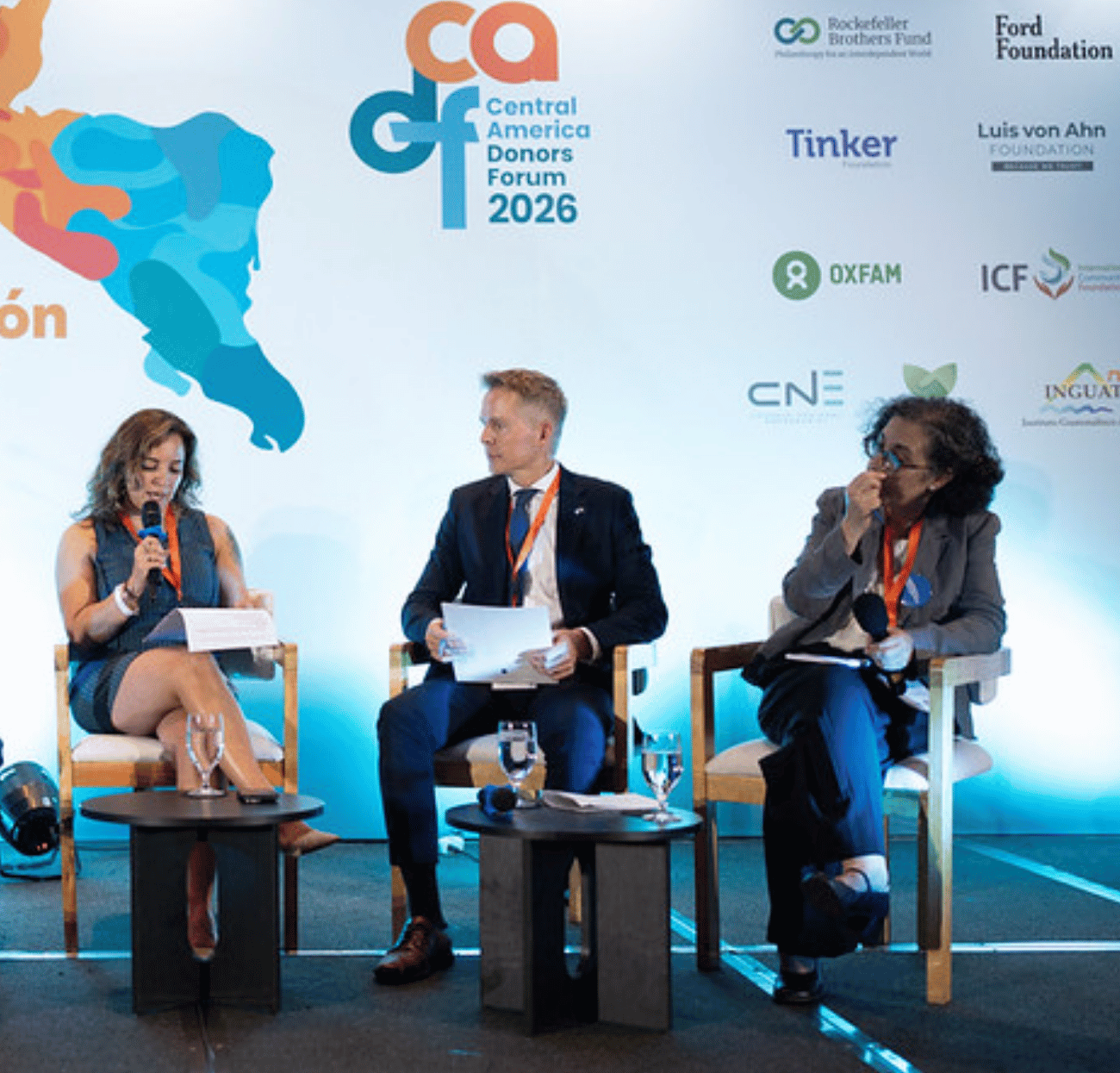
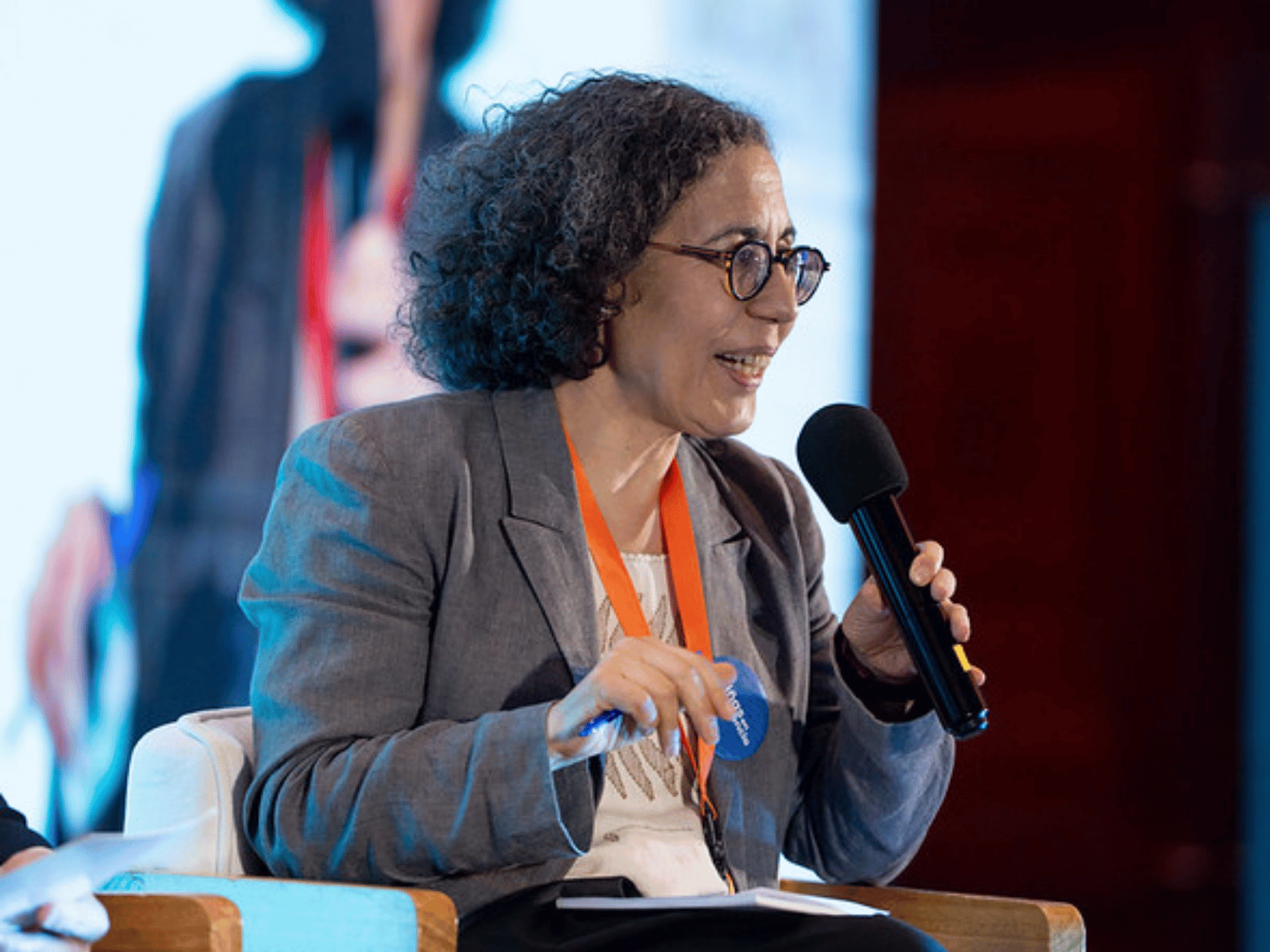
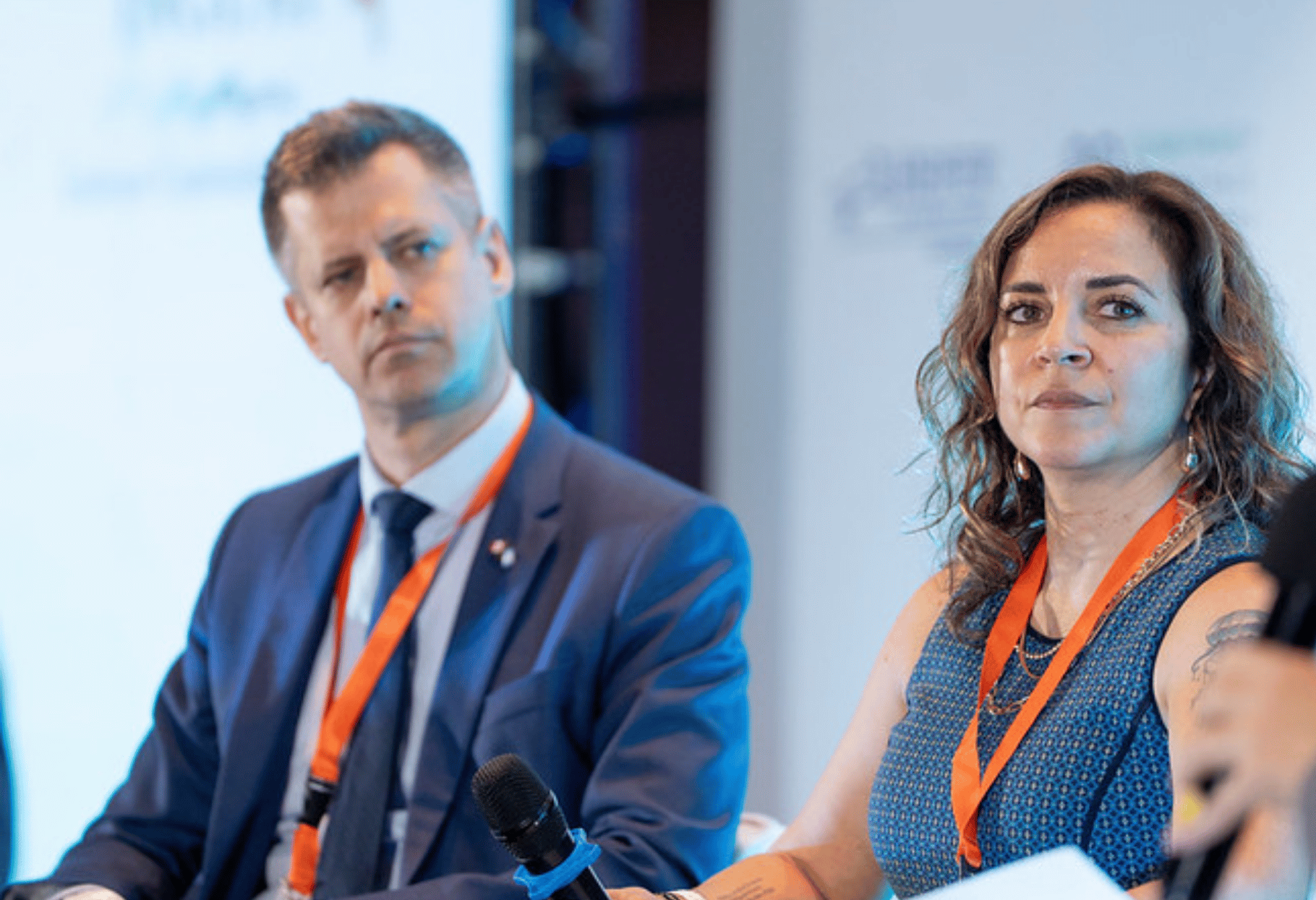
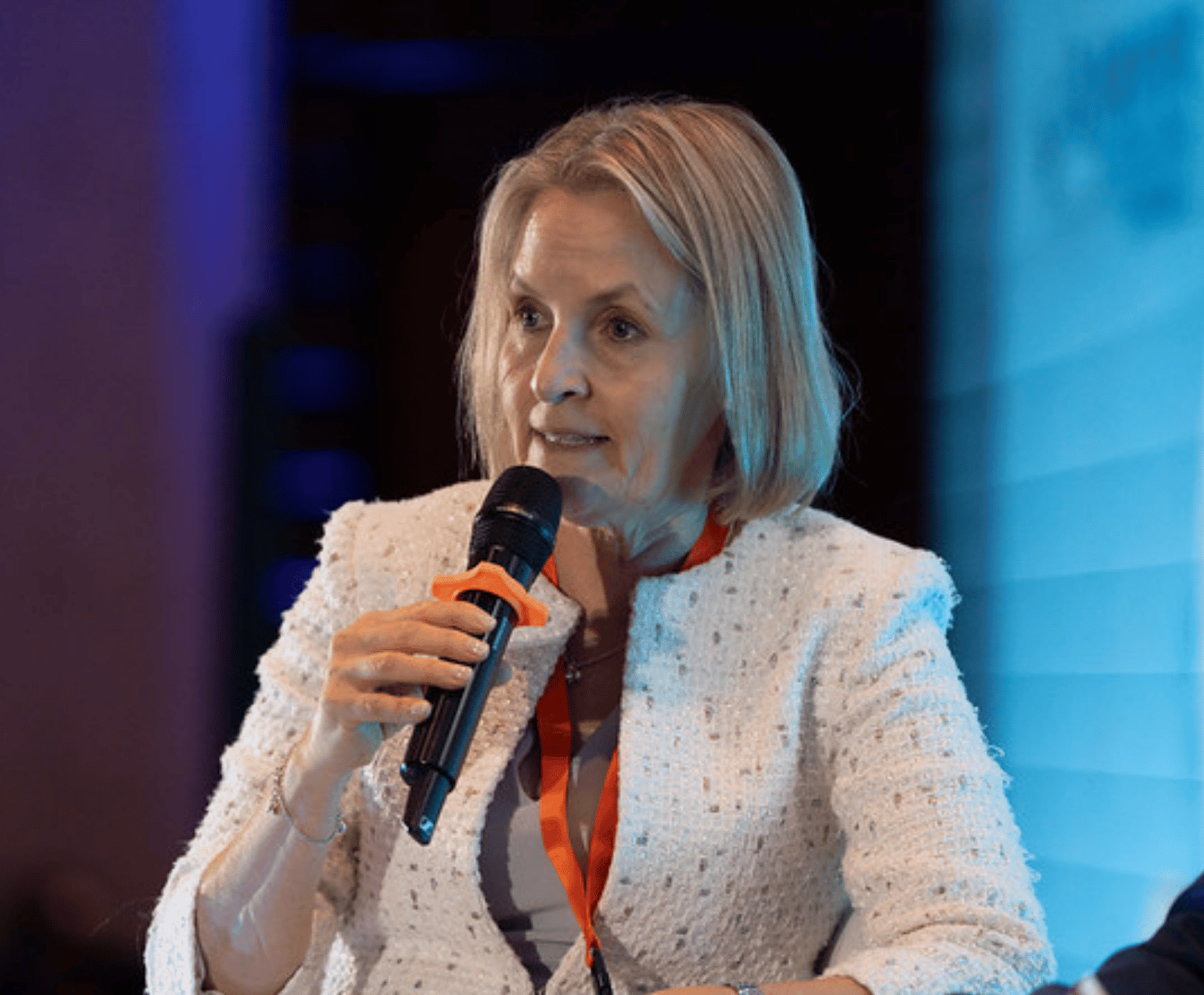
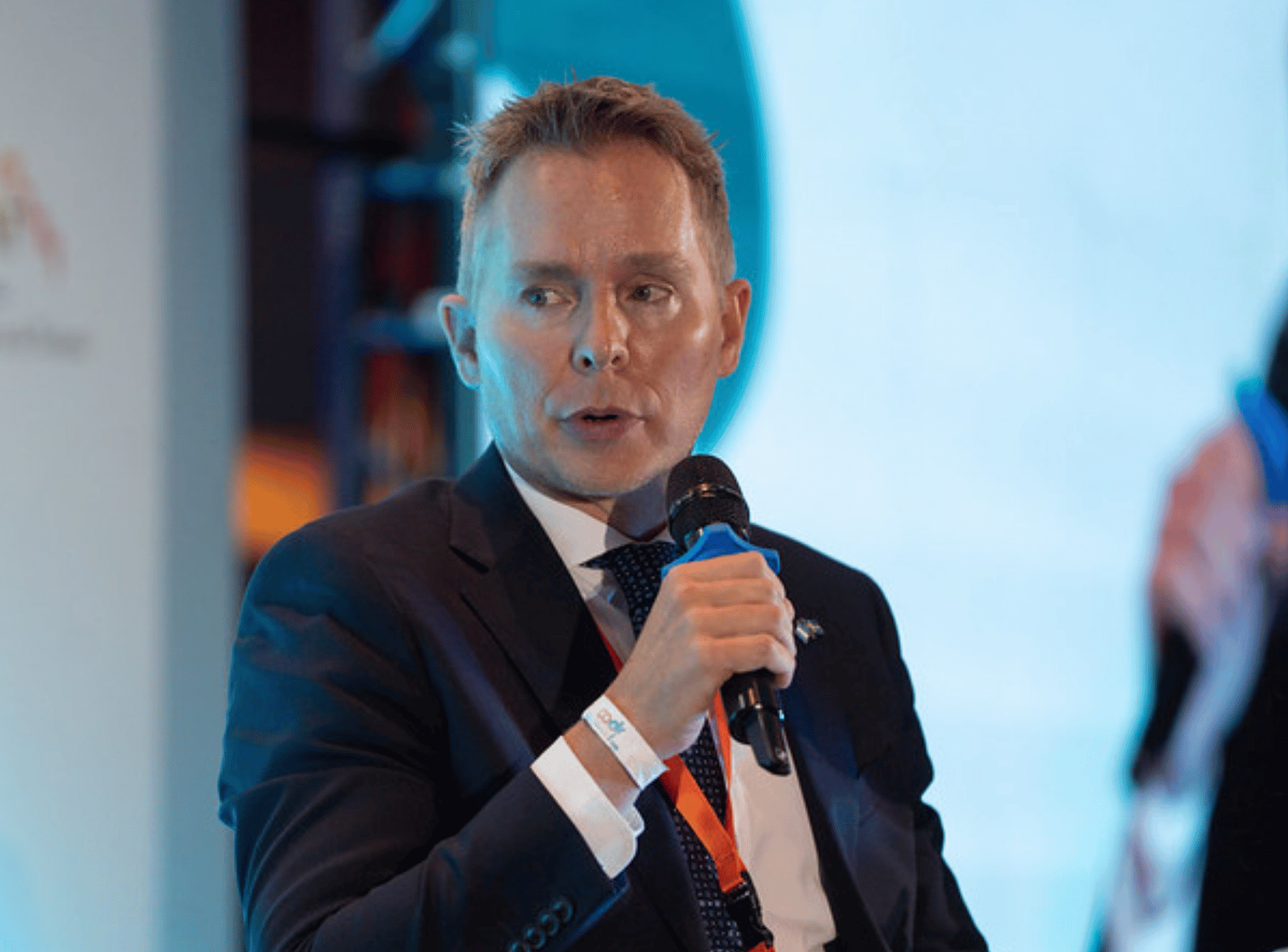
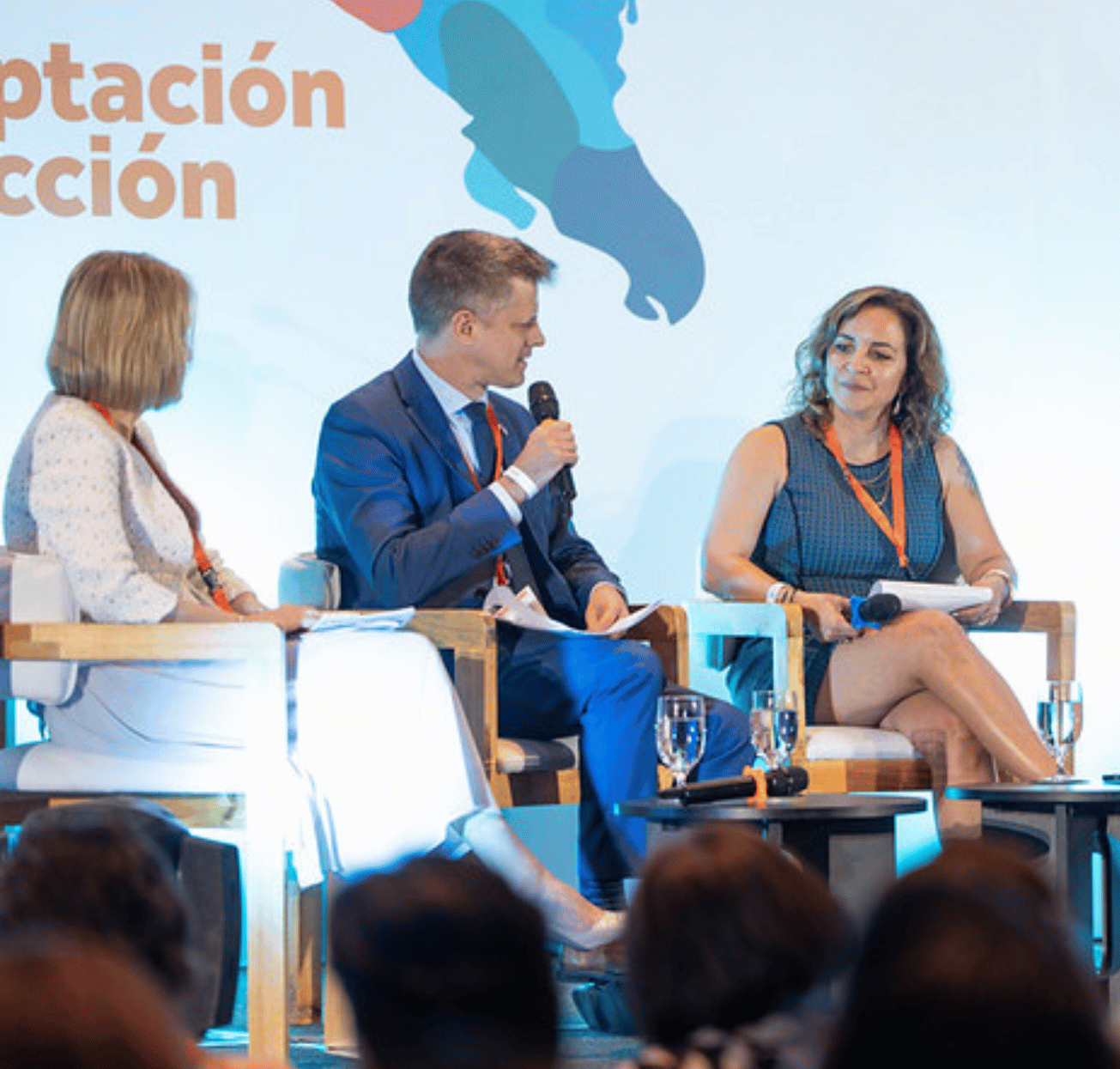
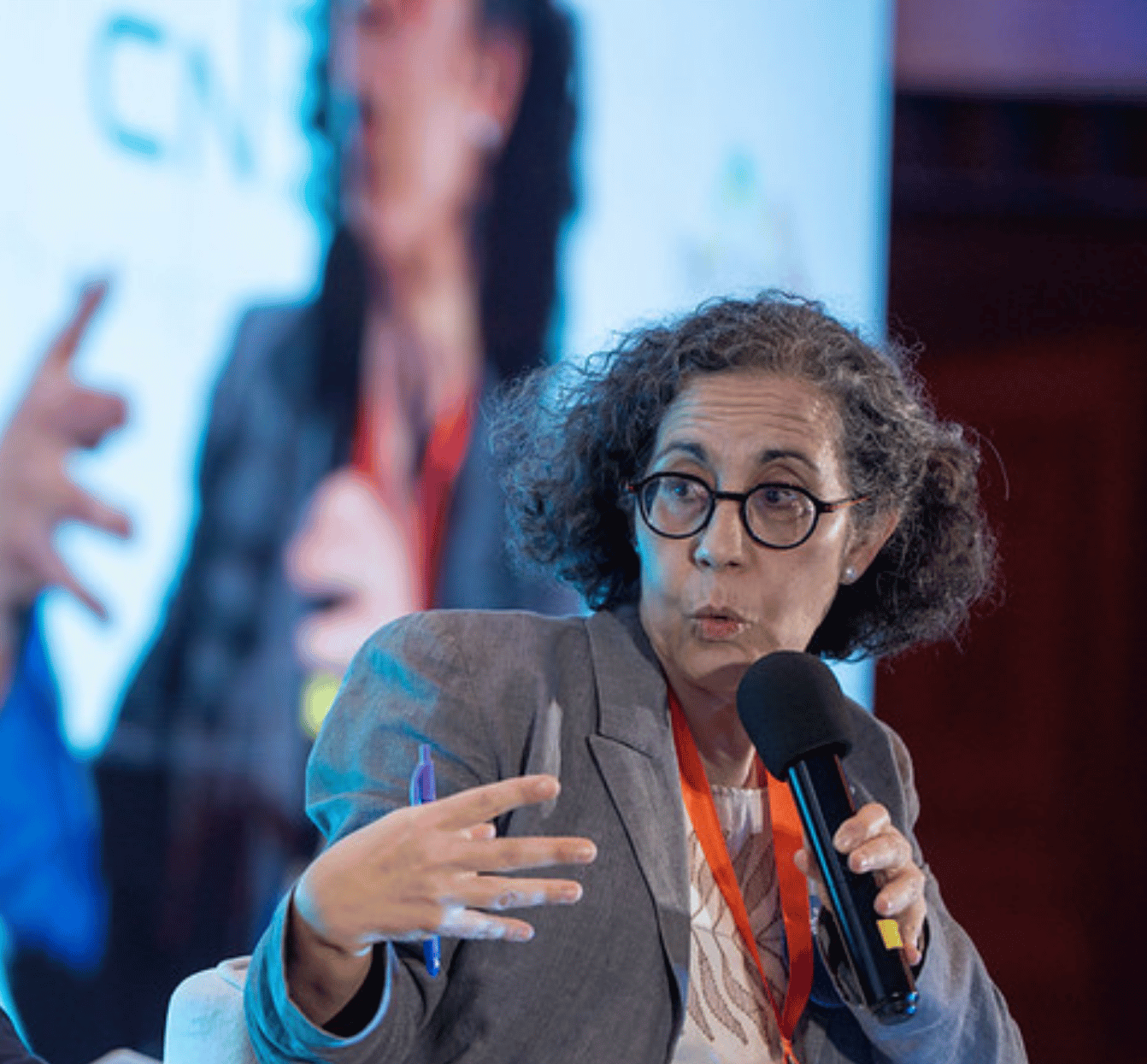
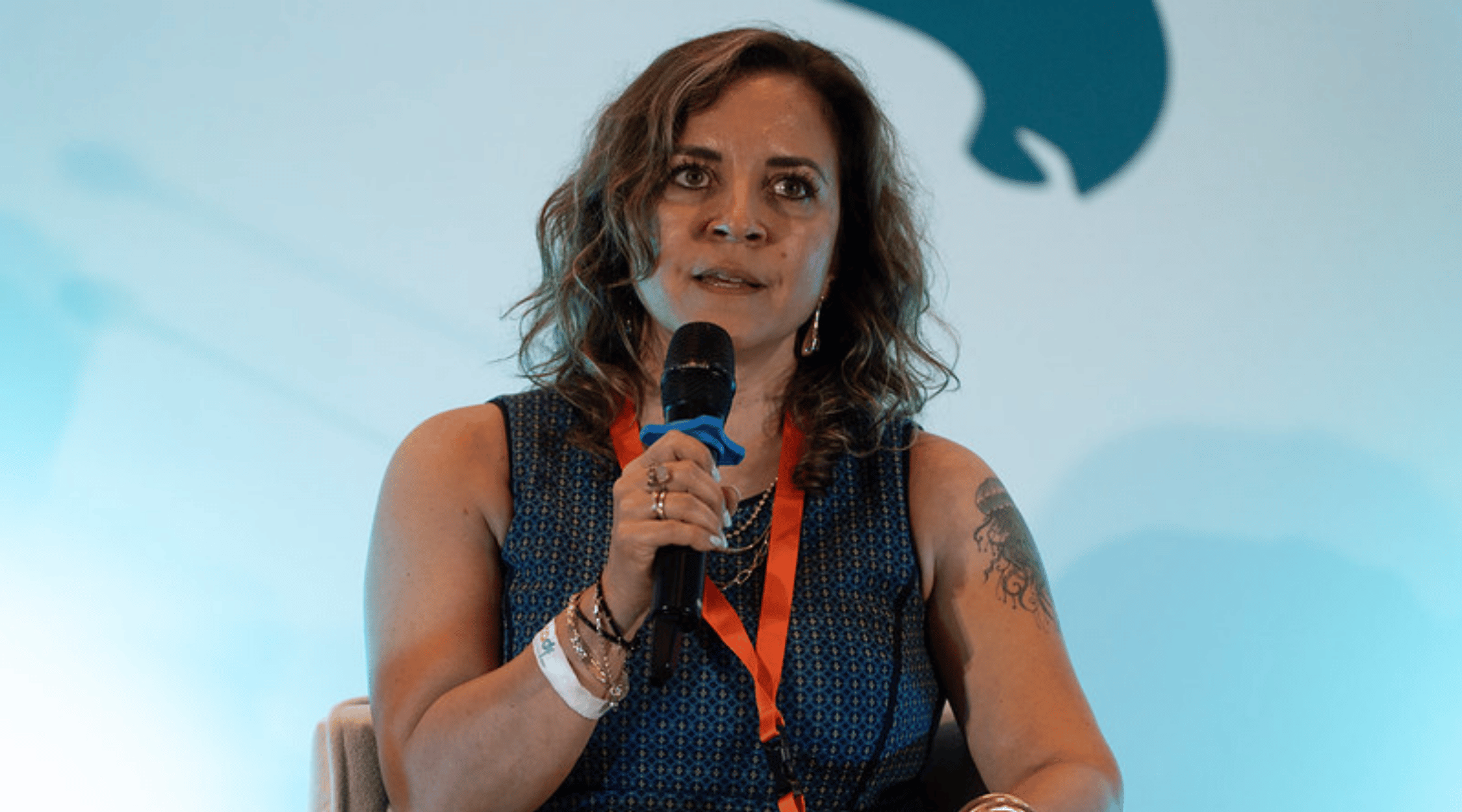
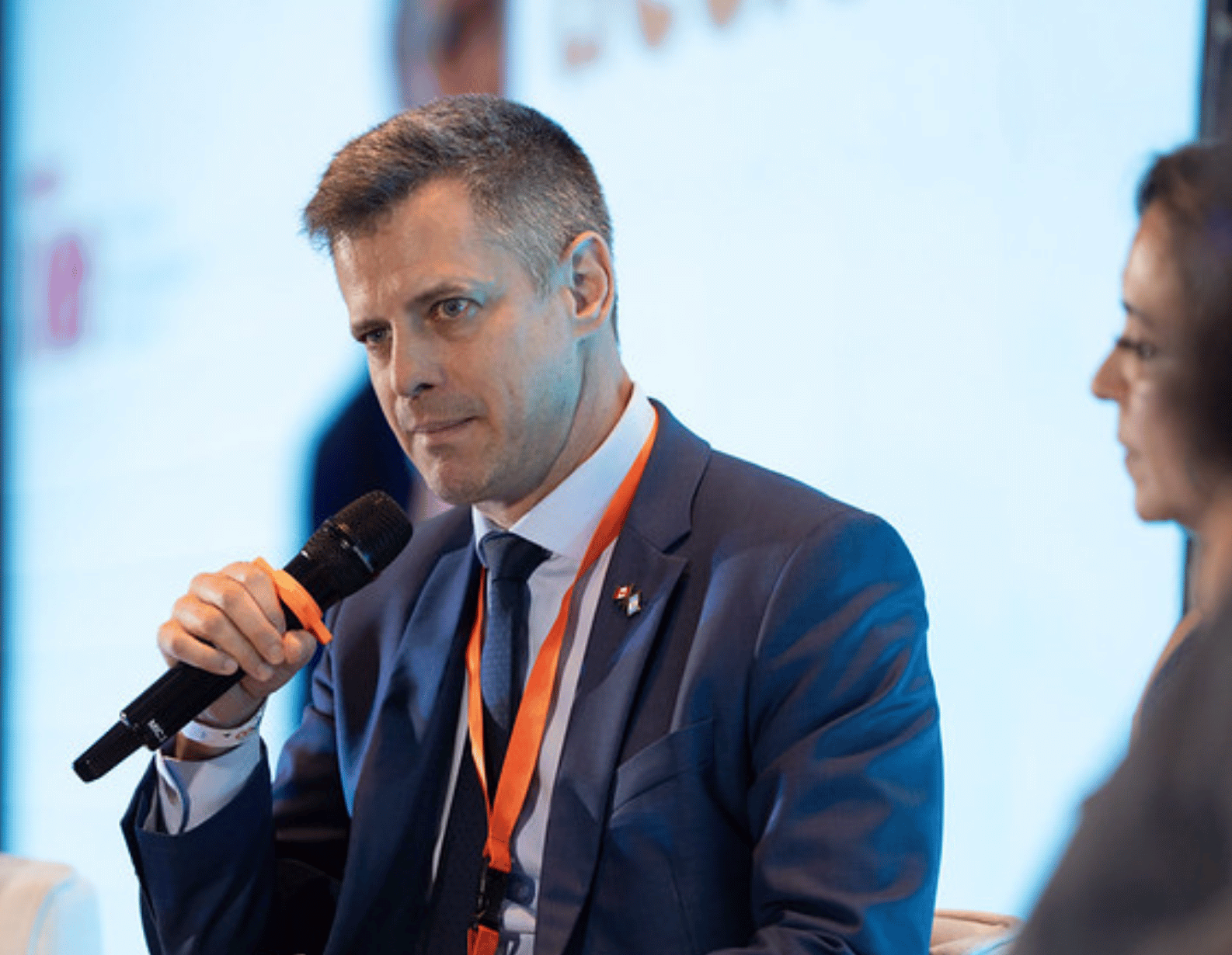
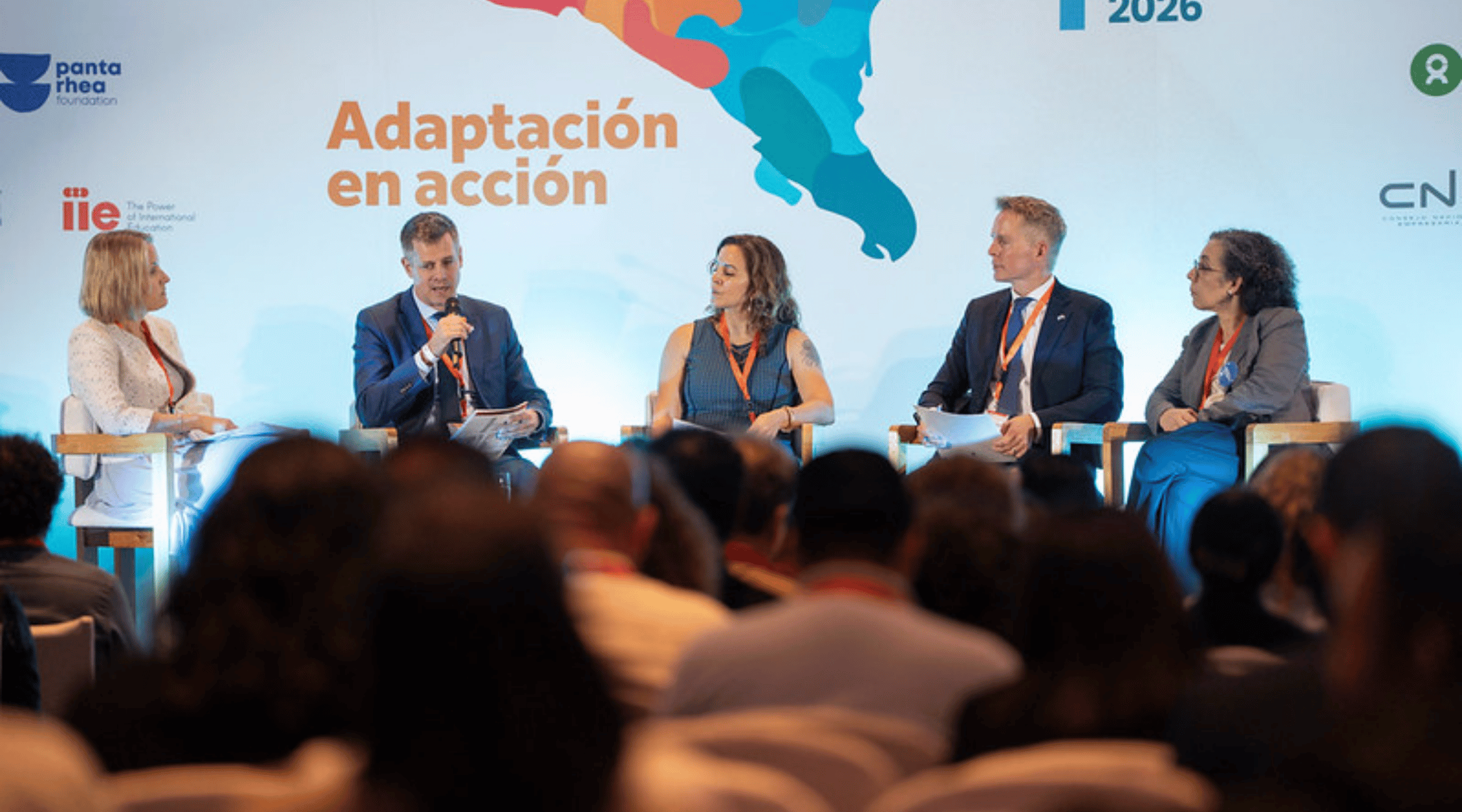
Ambassador of the Delegation of the European Union in Guatemala
Ambassador of Canada in Guatemala
Ambassador of Spain in Guatemala and Belize
Ambassador of Sweden to Guatemala

Luis von Ahn Foundation
"Citizens' expectations have grown slightly faster than the capacity of institutions to respond. There are more channels for participation, but many people still feel that their voices do not truly influence public decisions."
"When I think of democracy, I also think of the rule of law, respect, and constant dialogue, and that is what we continue to work on in all countries, including those in Central America."
"To understand what is happening in Central America, you have to understand the debate on how to balance security with civil liberties, and governability with the protection of democratic institutions.
"Digitalization provides greater access to information and more opportunities to participate in public debate, but an open government does not yet exist in Guatemala."
"The mere fact that we can gather, talk about this, and, at least in this country, see inclusion and the opportunity to hear voices that traditionally went unheard, are major victories that might not seem like much, but that we would certainly miss if we didn't have them."
This strategic roundtable “Voices of Resistance” highlighted the humanitarian and economic impact of El Salvador’s state of exception since 2022, a period that has already seen over 92,000 detentions without due process. During the session, the Madres por la Libertad collective, made up of women from rural and Indigenous communities, shared how the arrest of their households’ primary breadwinners has torn their families apart. This situation has forced them to work up to three shifts a day to afford the food and hygiene packages required for inmates, which cost $109 per month. The spokeswomen condemned the lack of official information, the absence of individual trials, and the denial of proof of life for their husbands and sons, which is taking a severe toll on their physical and emotional health. Despite the social stigma, insults, and smear campaigns directed at them, the movement reaffirmed its commitment to exhausting all national and international avenues to demand family visits, fair trials, and the release of their innocent relatives.

Cristosal
Madres por la Libertad Collective
"Behind these [numbers] is a family. And it is often women—a mother who leads the search, who stands in line at the prisons, who delivers the packages, who waits for proof of life, and who also suffers the stigma for demanding information."
"Therefore, this has allowed the Salvadoran state to strip away many of the constitutional guarantees that we, as citizens, should have. In this regard, nearly 92,000 people have been detained. But that is not just cold data, nor is it a dead statistic."
"We have no information. Our rights have been violated since the state of exception began, and they continue to be violated to this day... We need proof of life, we need family visits, because just because there is a state of exception doesn't mean there shouldn't be family visits."
"The average income in many communities is around $100, compared to the $109 it costs for the monthly package these families have to bring to their detained relatives. There are families who don't just have one detained relative, but two, or even families with four."
"We have been mistreated by the Salvadoran people; we have been judged and insulted. Every time we hold a press conference, every time we go to the cathedral... they treat us that way. Calling us 'gang members' or 'lazy old women'... but even so... we don't care. Because if we listen to those negative voices from people who only point fingers, we won't get anything done for our relatives."
During this session, participants analyzed the profound democratic security crisis affecting Central America, driven by the closing of civic spaces and the rise of authoritarianism. For instance, the Nicaraguan regime has shut down 5,229 civil organizations, forcing activists and human rights defenders to reorganize in exile to continue documenting and exposing crimes against humanity. Presentations warned that this authoritarianism now operates transnationally, threatening host countries like Costa Rica through espionage, local networks, and hitmen targeting political refugees. Faced with overwhelmed and underfunded international protection systems, civil organizations are leading the resistance via dialogue roundtables, translation support for exiled Indigenous peoples, and technical training. Finally, speakers emphasized that international cooperation must respond by offering expertise in complex criminal investigations and diplomatic channels to protect persecuted individuals.


Asociación Centroamericana para el Desarrollo y la Democracia (ACDD)
Asociación Intercultural de Derechos Humanos (ASIDEHU)
Fundación Arias para la Paz y el Progreso Humano
Cristosal
Fons Català de Cooperació
"The concept of democratic security was born as an opposition to the doctrine of national security, and it is based on the idea that security must be built within the rule of law, not at the expense of it."
"Transnational repression, in its most extreme cases, which are political attacks and political assassination, has taken shape... it rises above the borders of Nicaragua and crosses over, attacking, first and foremost, a country's sovereignty and its status as a host nation."
"Costa Rica is a contrast of formally having 329,000 asylum applications. Of those, 78,000 people have an appointment to formalize their status, meaning there are people who are not even officially asylum seekers yet. Why? Because the system has collapsed, and of those, only 25,000 have been recognized over the course of 8 years."
"Perhaps we must start with a fact that, every time I say it or read it, makes my stomach turn(…) 5,229 organizations closed and sidelined in Nicaragua(...) the regime has practically shut down the civic space."
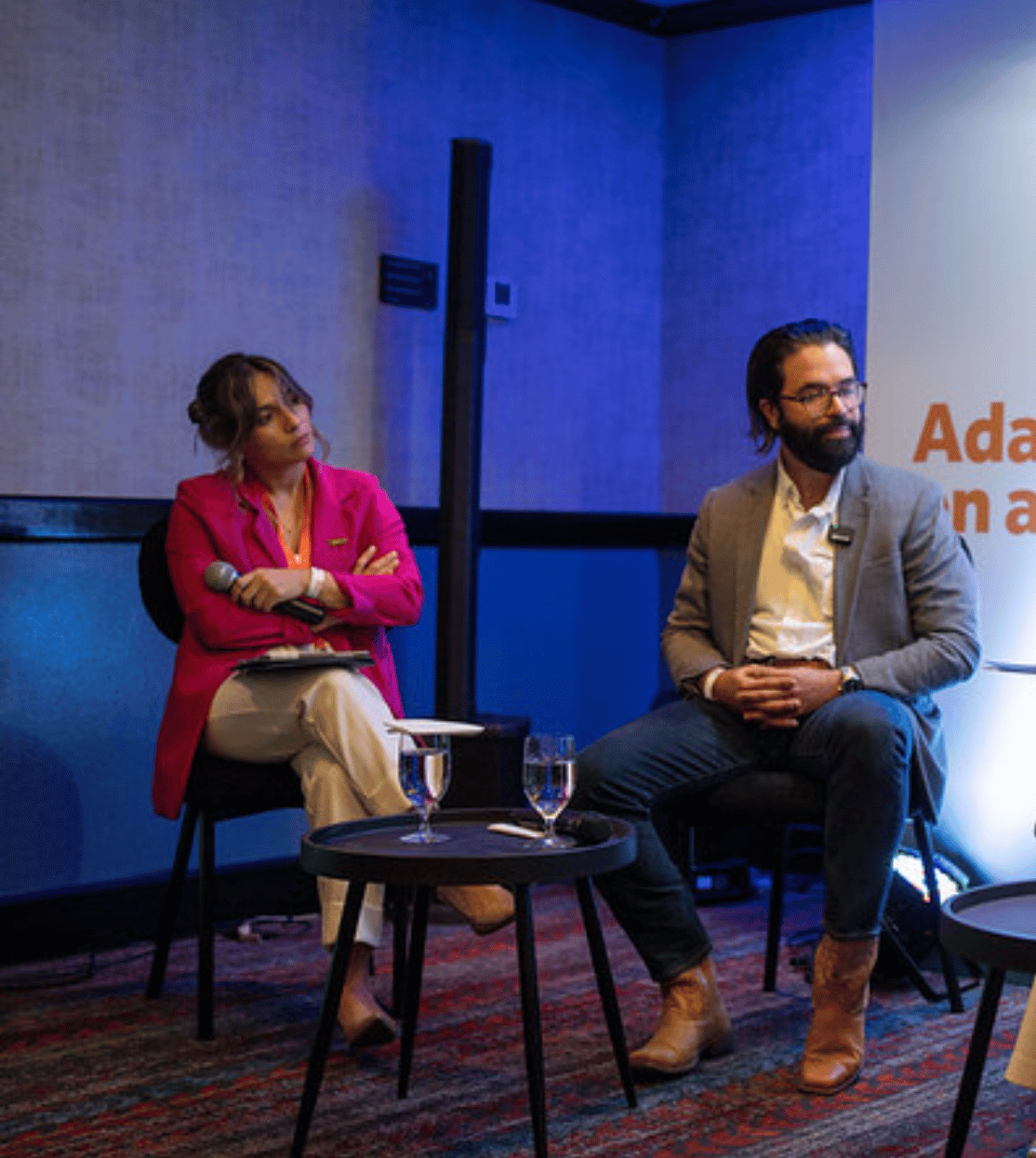
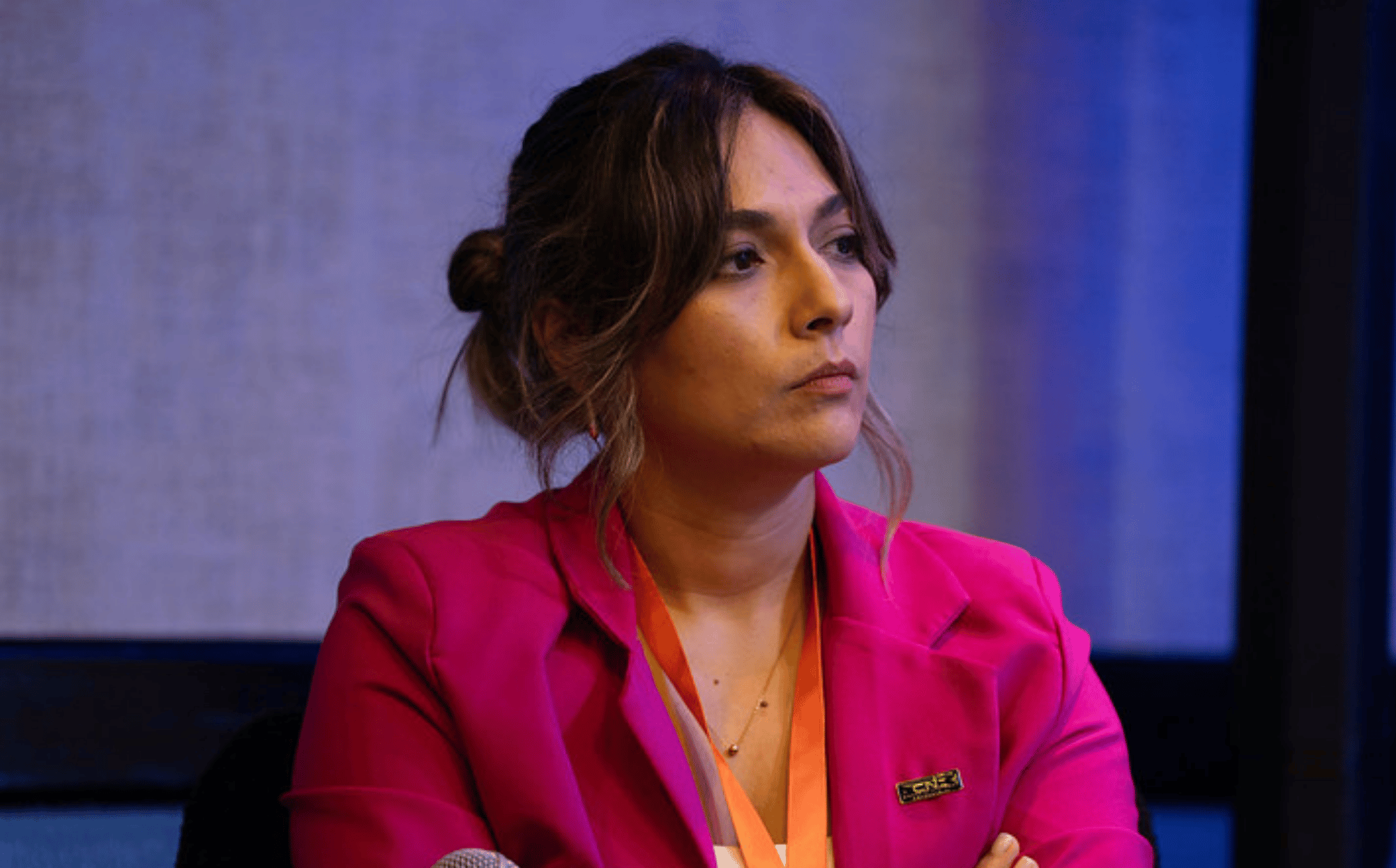
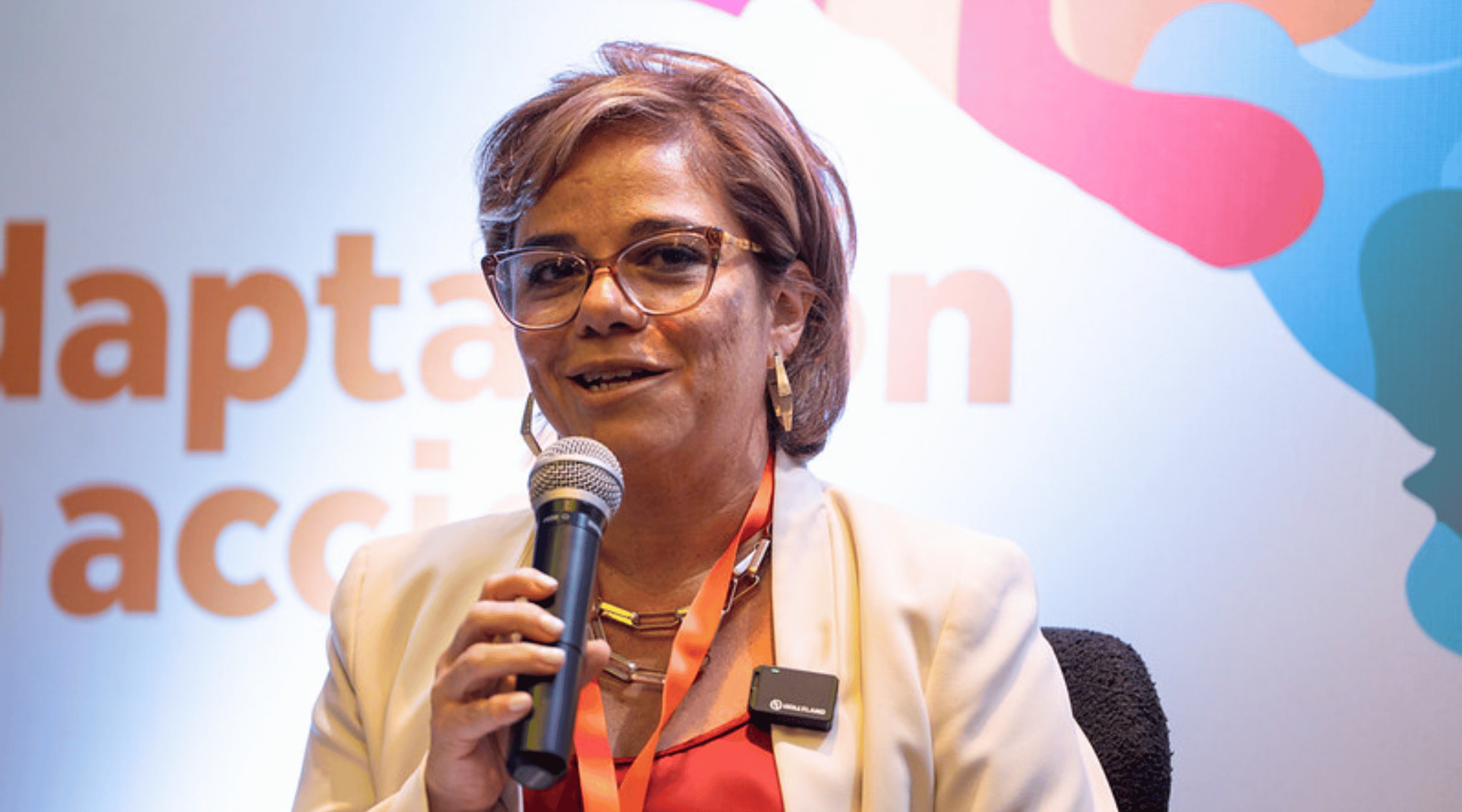
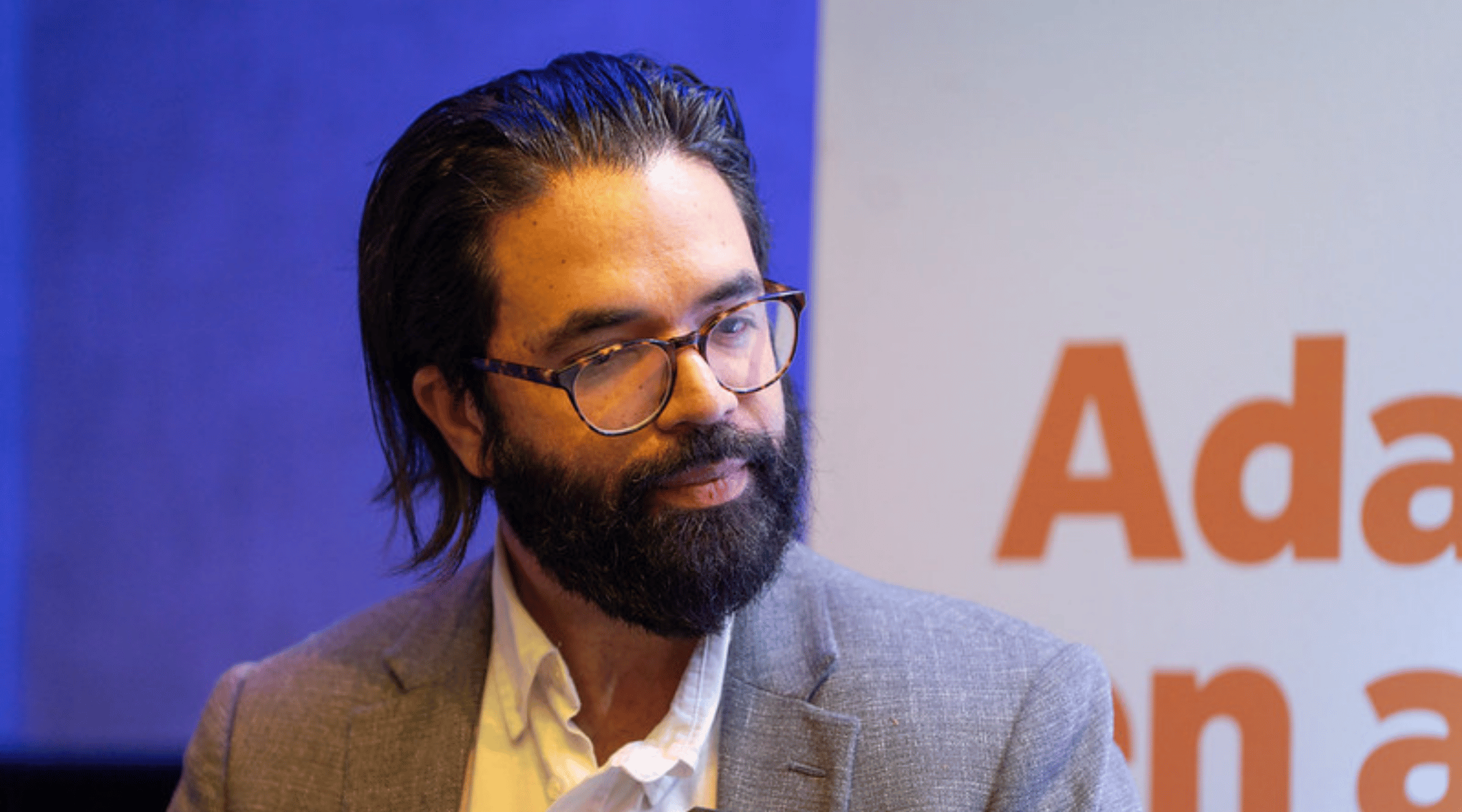
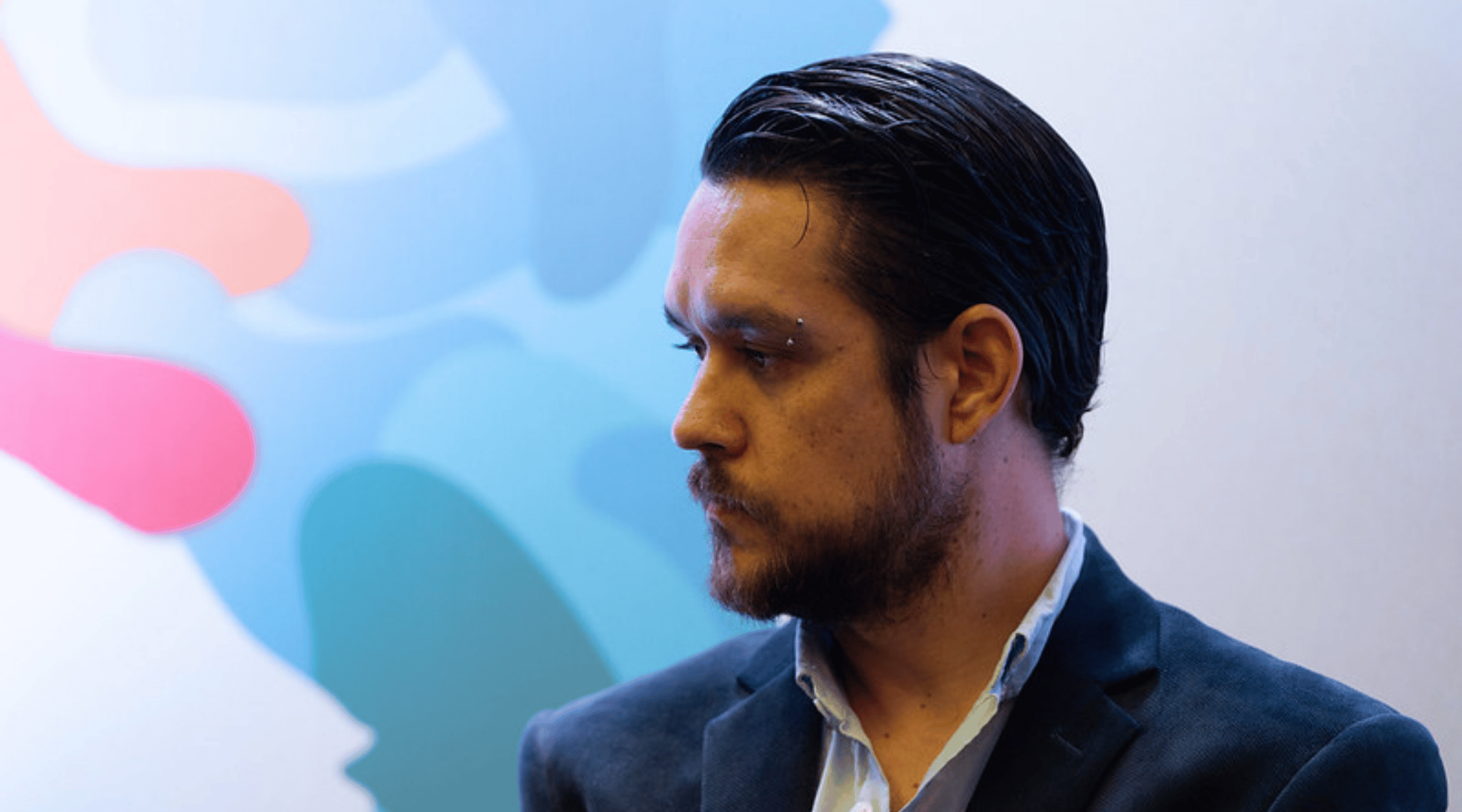
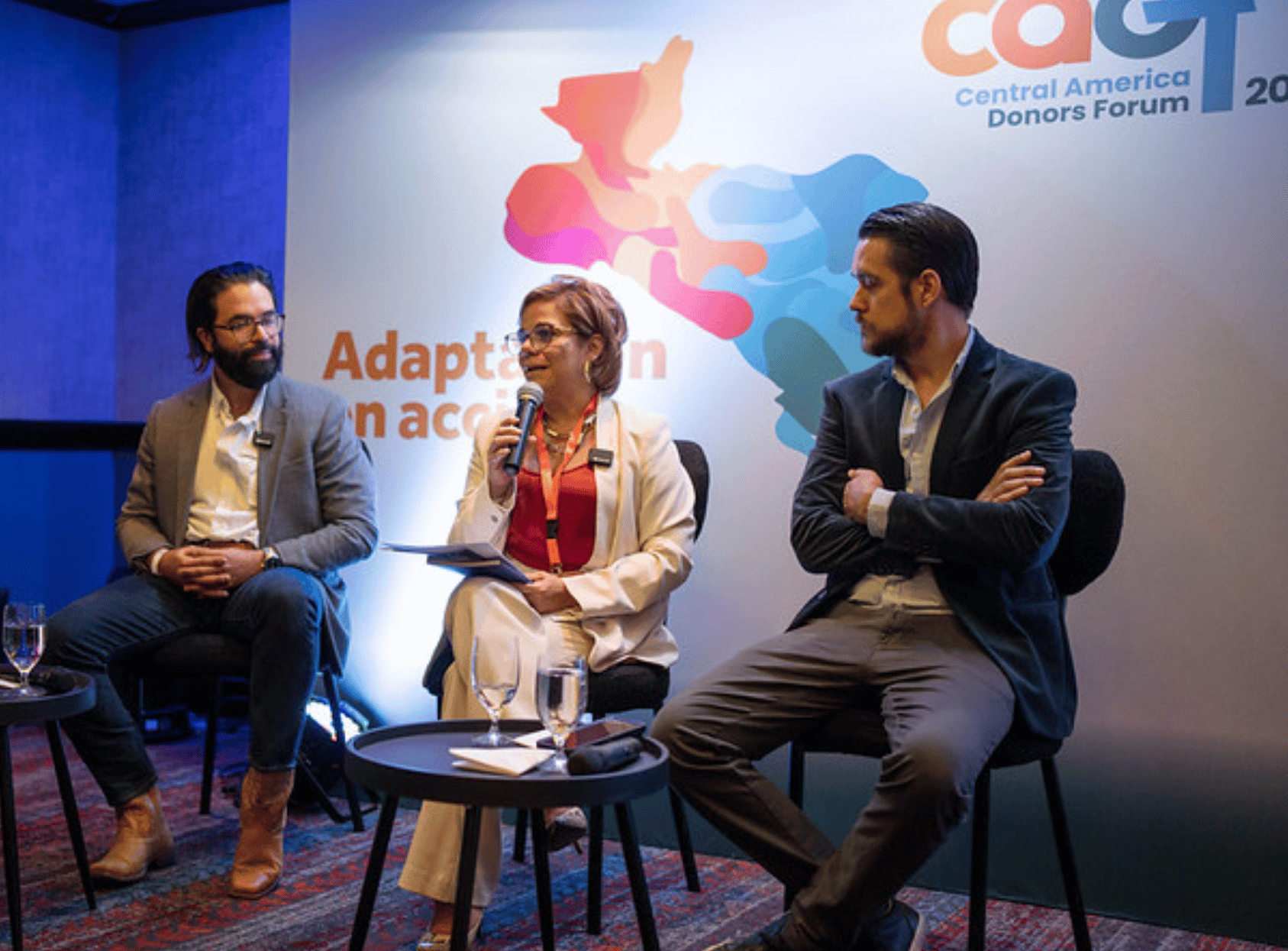
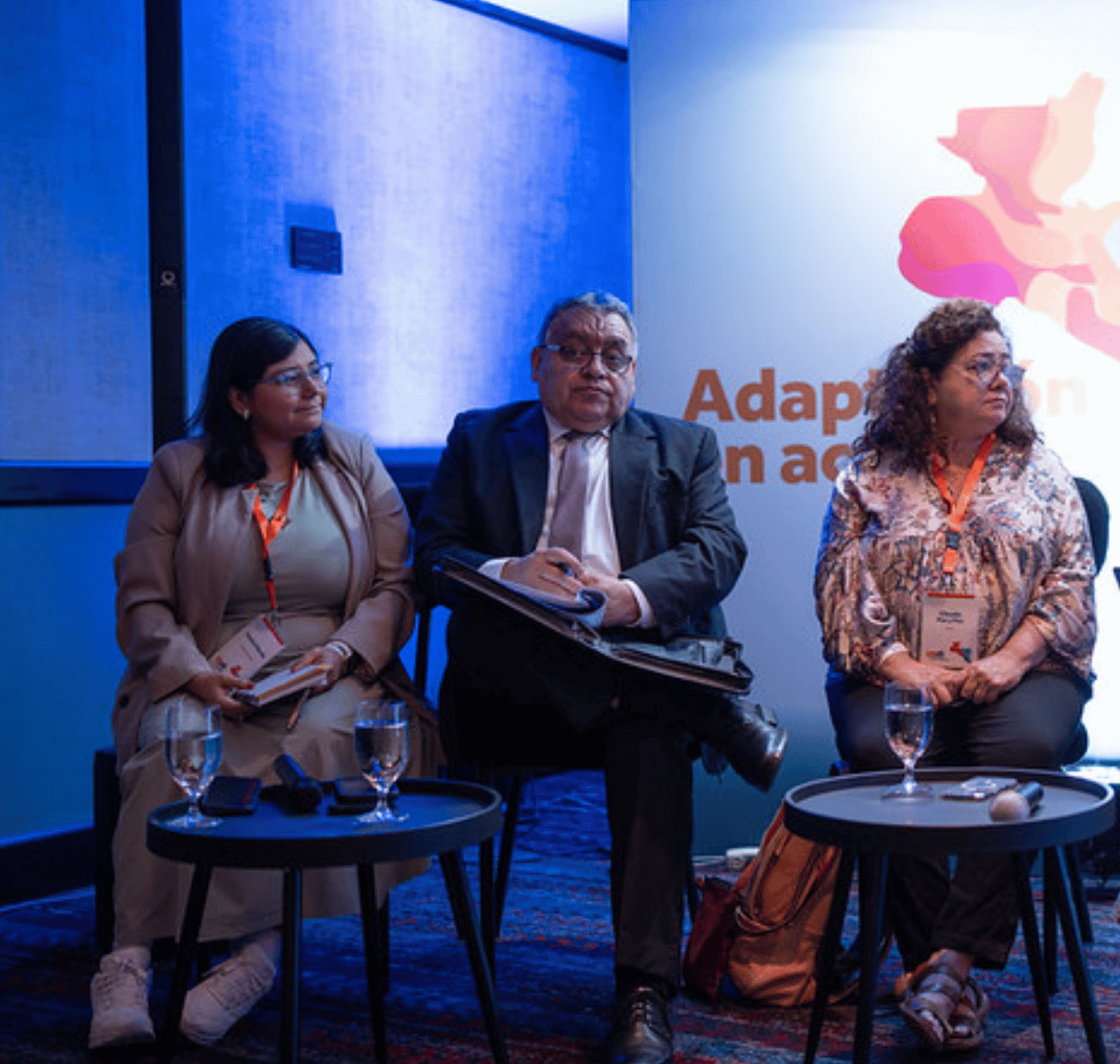
The panelists discussed the reality of how, despite having a fairly stable currency, Guatemala has been unable to improve economically because the conditions establishing this “stability” are unnatural within the system. They questioned the decisions made by those in power who control monetary flows and the various regional capacities that should be managed. Furthermore, they analyzed infrastructure gaps, noting that the lack of access to services, education, healthcare, and digital connectivity deepens the exclusion of vast rural and Indigenous territories, creating high vulnerability. Guatemala’s economy is heavily dependent on remittances, creating a major vulnerability for the country. Therefore, an inclusive economy was proposed as a more viable solution, providing real opportunities to those who wish to participate but lack the resources to do so. Finally, they identified artificial intelligence as a threat to inclusive production and emphasized that companies must be more conscious of enabling participation within their projects and workforce.
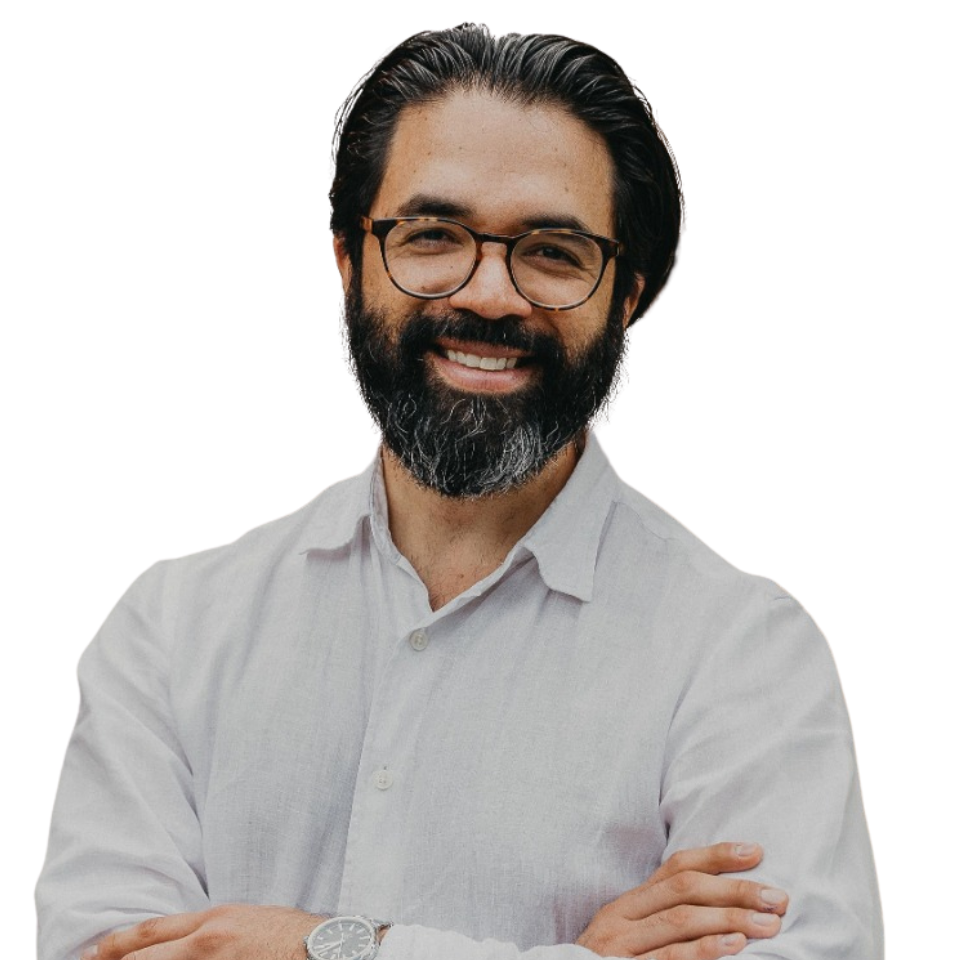
Consejo Nacional Empresarial (CNE)
Editorial y librerías Piedrasanta
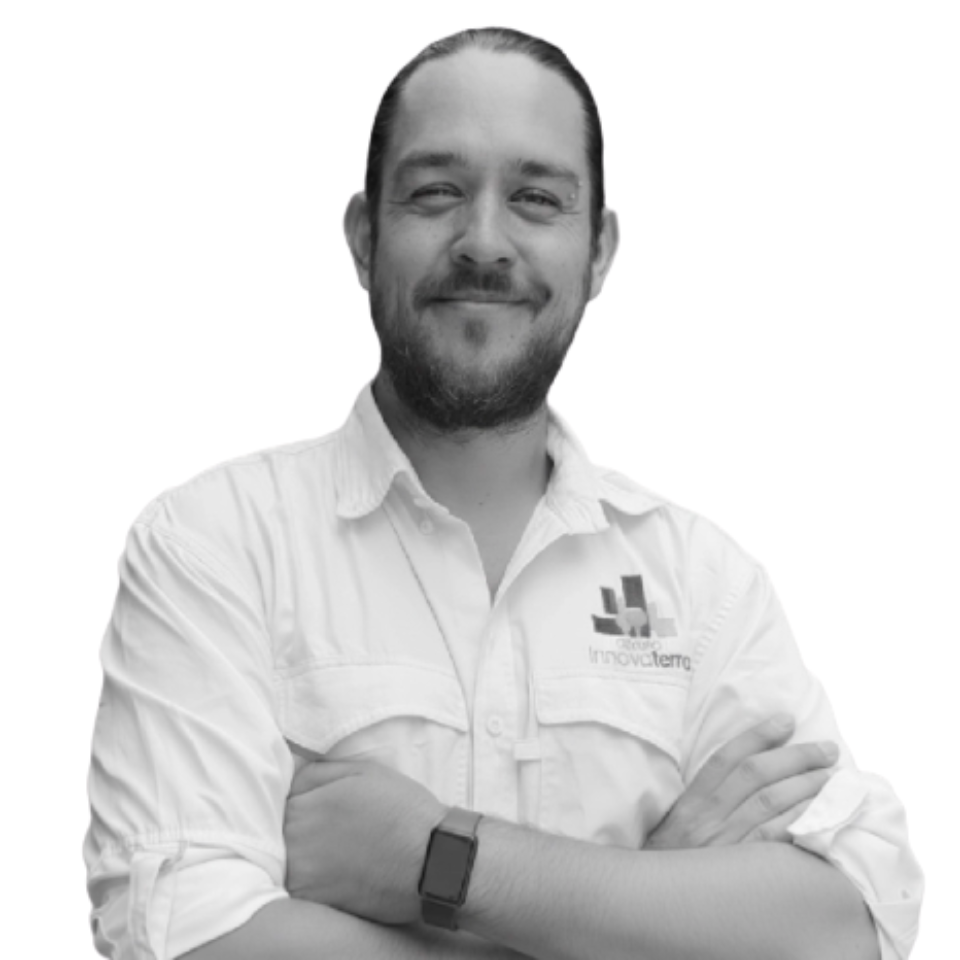
Innovaterra
Consejo Nacional Empresarial (CNE)
"We must know who occupies the seats of power to understand who does not."
"An inclusive economy is not about taking from those who have to give to those who do not; it is about providing a real opportunity to anyone who wants to participate."
"Many Guatemalans boast that our currency has been very stable, and it is one of the few things where Guatemala has started off well. However, this occurs under unnatural conditions that have been forced into our system, which is what causes poverty and inequality."
"There is an institutional design that has been formulated in a way where a few win, but many lose."
"We are the least urbanized country in one of the most urban regions in the world, and that is driving the pressure to move from the countryside to the city."
In a discussion about an emerging issue, the panelists addressed responses and policies surrounding climate mobility, as well as its causes and effects. Acknowledging that climate mobility is deeply rooted in inequality and the denial of basic rights, they emphasized the need to rethink how projects are funded. Furthermore, collaborations between organizations and cross-border policies are striving to find ways to involve communities in the solution and ensure that mobility is approached with dignity.
Spanish Cooperation Training Center in Antigua Guatemala (CFCE)
Hispanics in Philanthropy (HIP)
Center for Justice and International Law (CEJIL)
Ministry of Foreign Affairs of the Government of Guatemala
Ayuda en Acción
"Displacement is never the first option. It is the consequence of a gradual loss of various rights—some very visible, such as physical harm, and others that are invisible but fall upon an unequal reality."
"Effectively implementing the national commitment requires moving from awareness-raising and political dialogue to concrete mechanisms for execution."
"There is a very strong focus right now on the concept of anticipatory governance. We cannot afford to be reactive and just wait for things to happen. We know that communities are already saying they are in a difficult situation."
"Climate mobility stems from long-standing issues. I believe the cost of inaction in communities, coupled with a lack of foresight regarding what is needed and a long-term perspective on potential impacts, is significant. There is a major gap when it comes to financing."
"The Central American Dry Corridor faces far more vulnerabilities than other regions because it relies on small- or medium-scale farmers whose livelihoods are completely tied to climate variability."
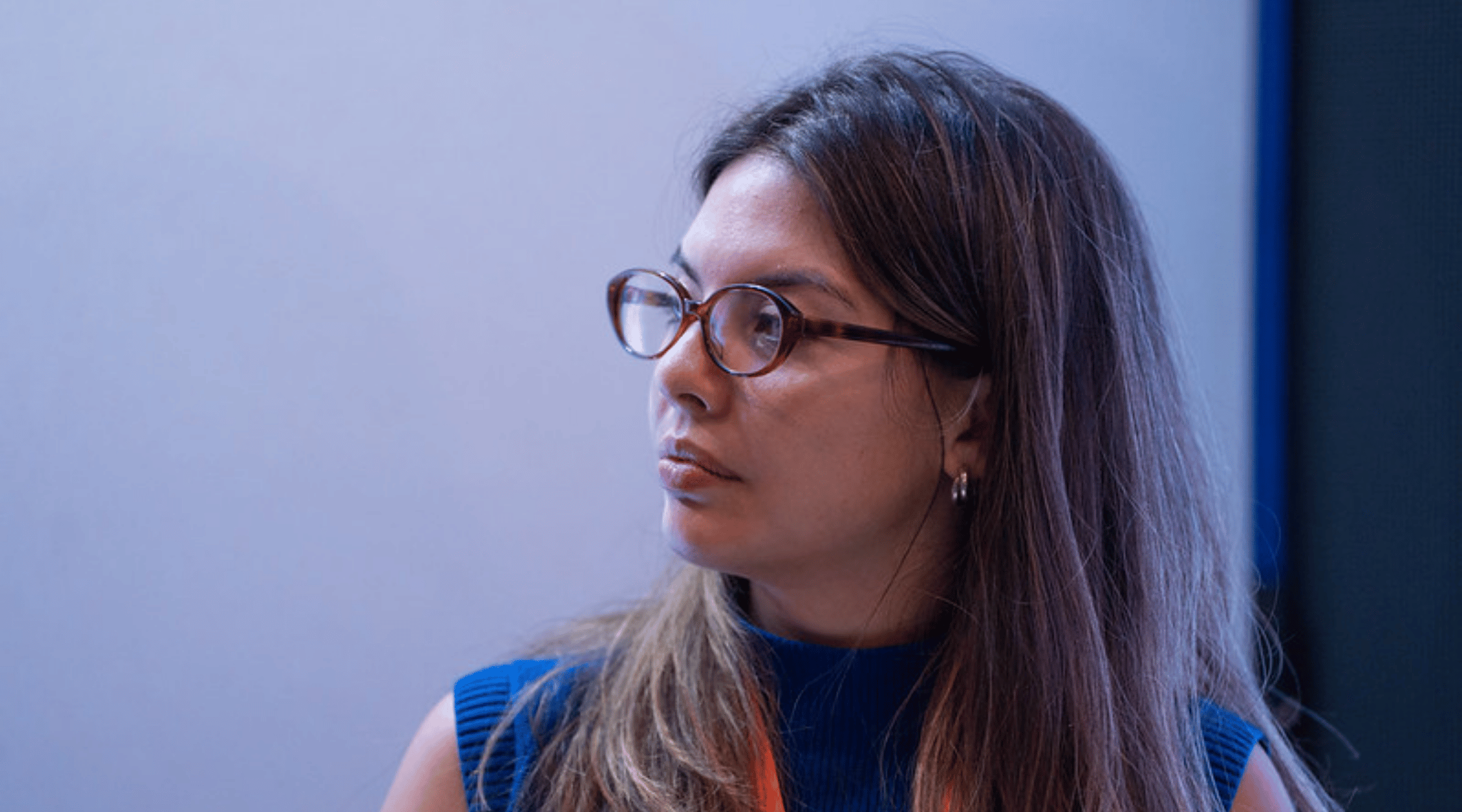
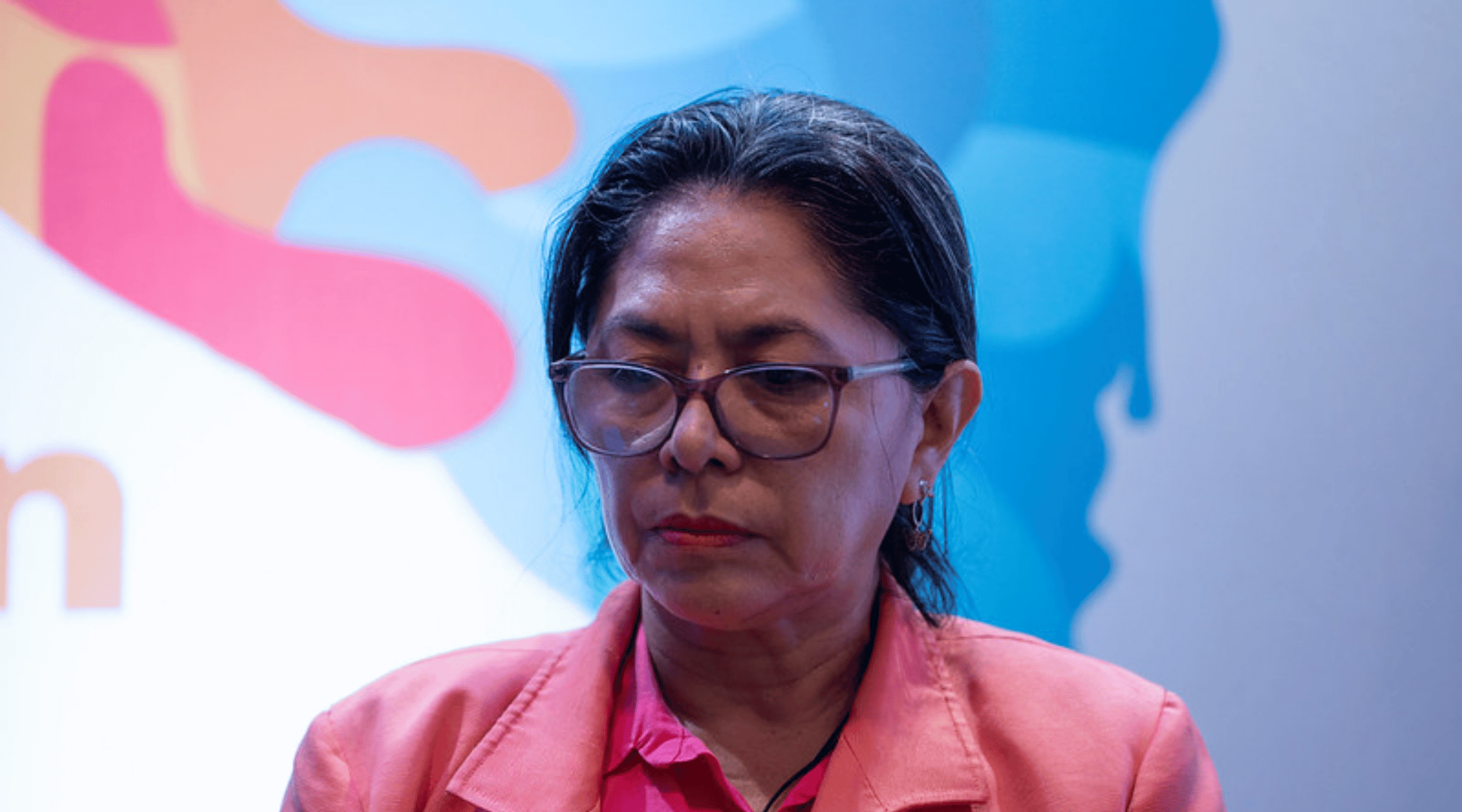
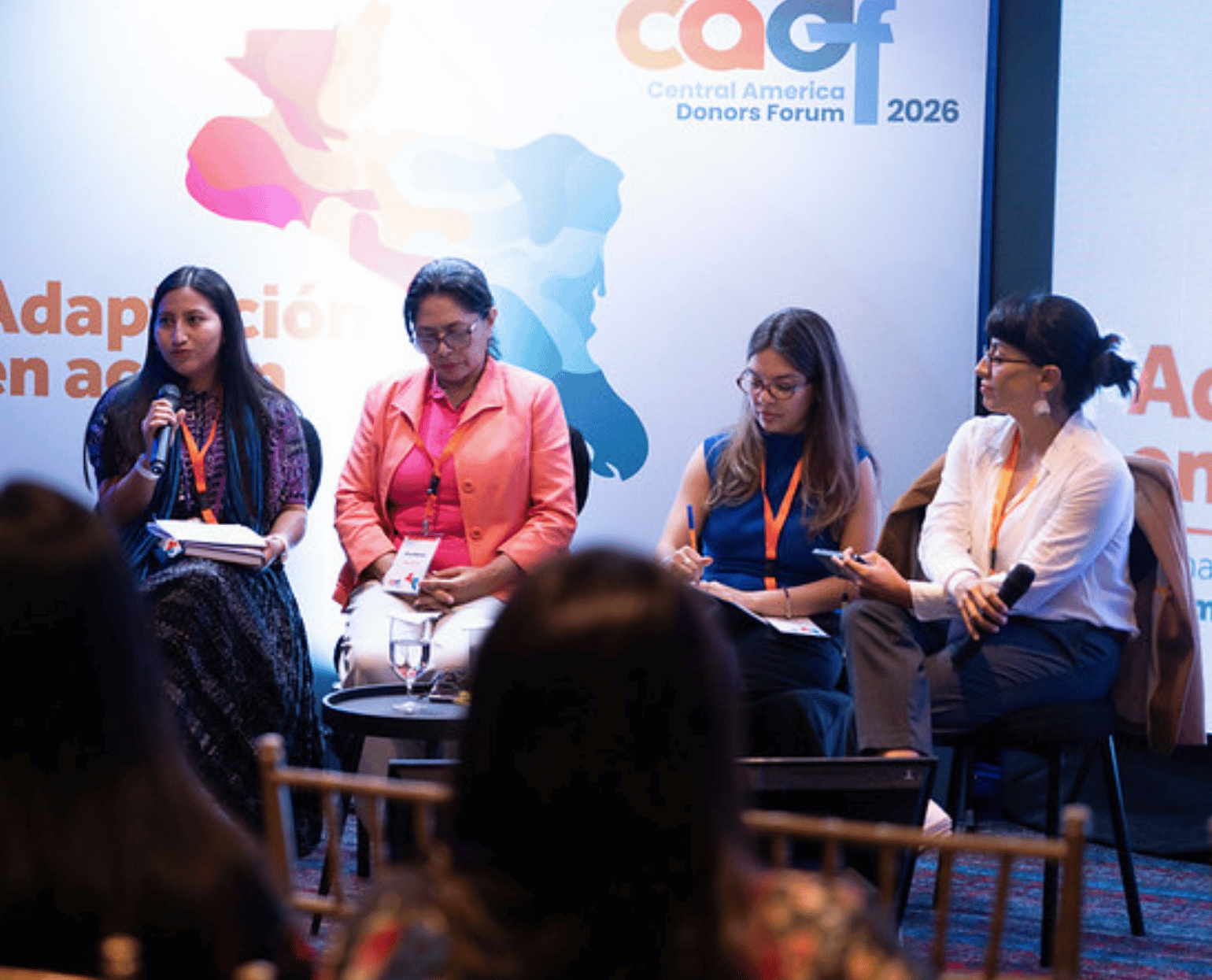
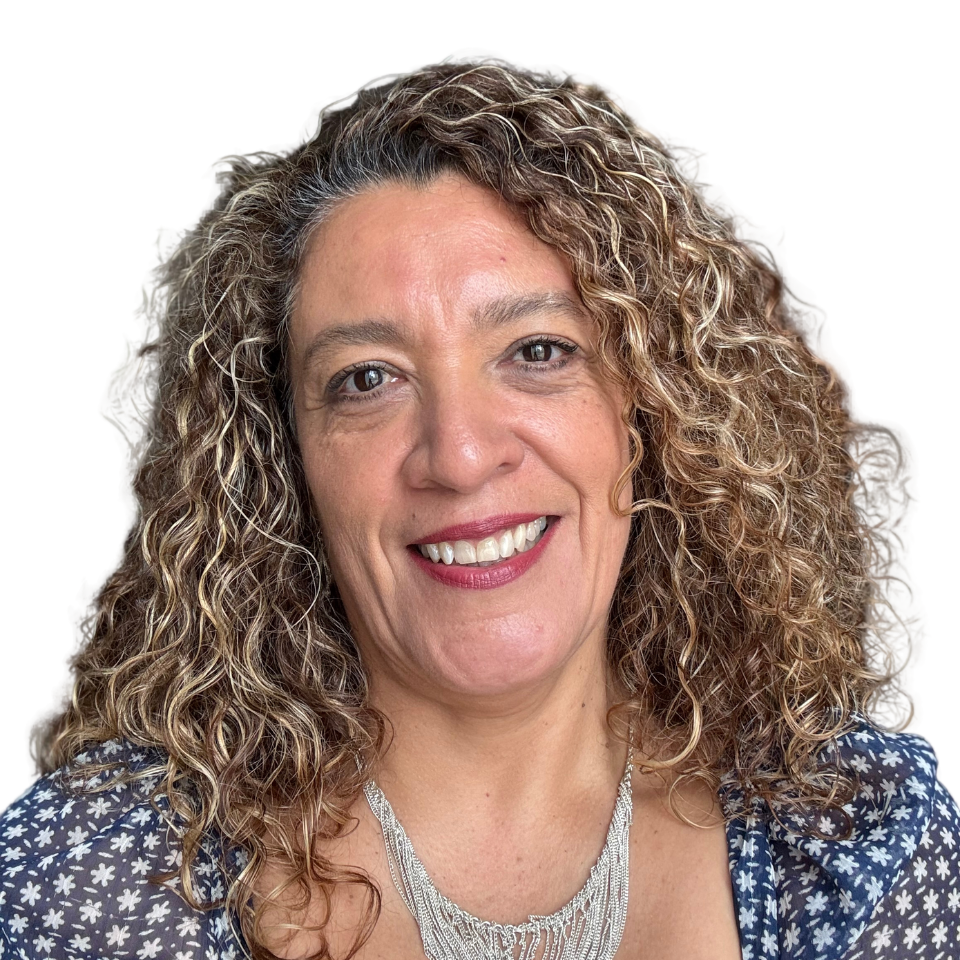
Although combining women’s empowerment with environmental conservation might seem unusual, this panel made the connection clear. The panelists explained the challenges they faced when assuming leadership positions and breaking traditional gender roles. Ultimately, it is impossible to separate the protection of biodiversity from improving women’s living conditions, providing them with access to tangible benefits and strengthening their participation in governance processes. Through scholarship programs, support from international cooperation, and alliances with government initiatives, the panelists showcased true innovation on the ground.
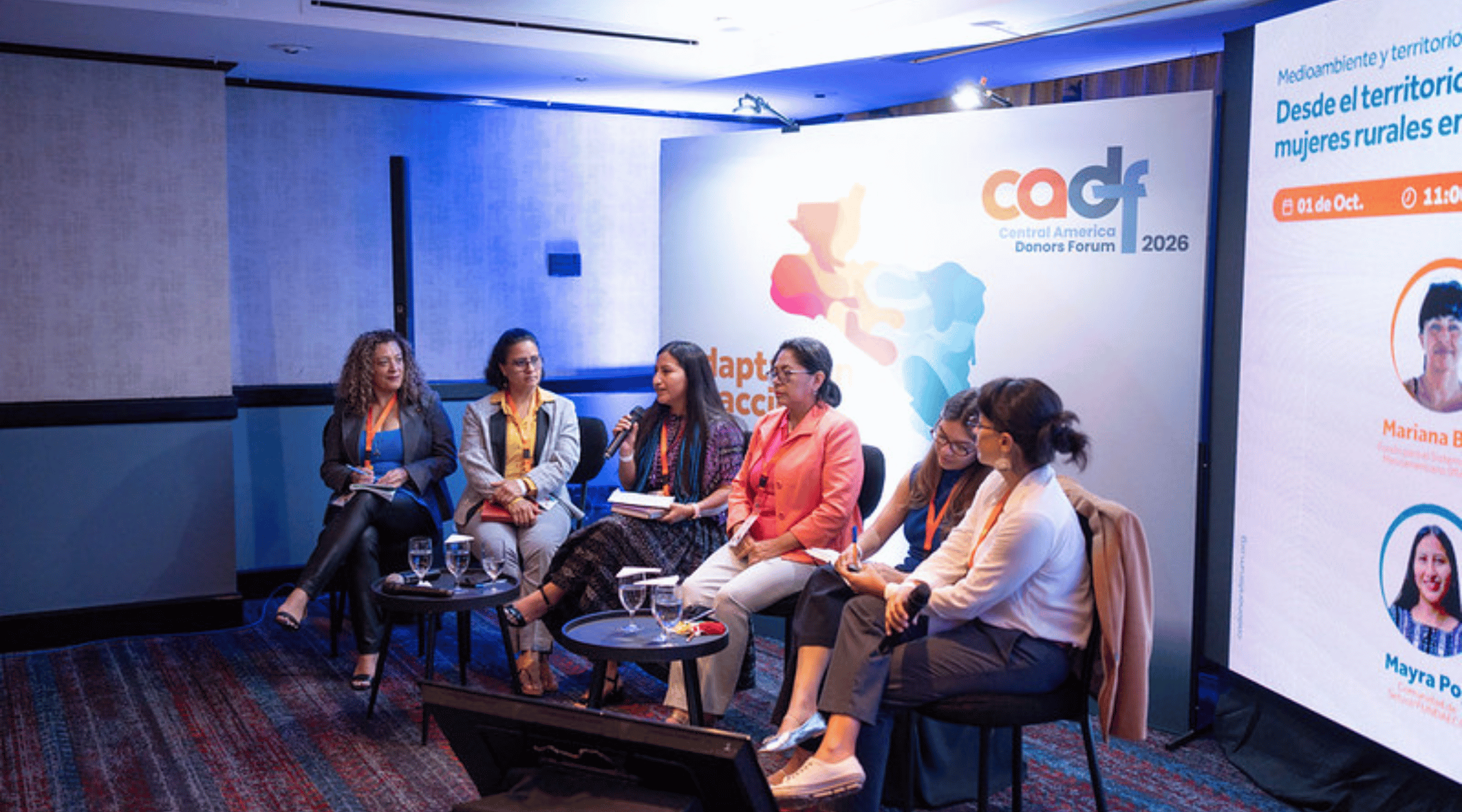
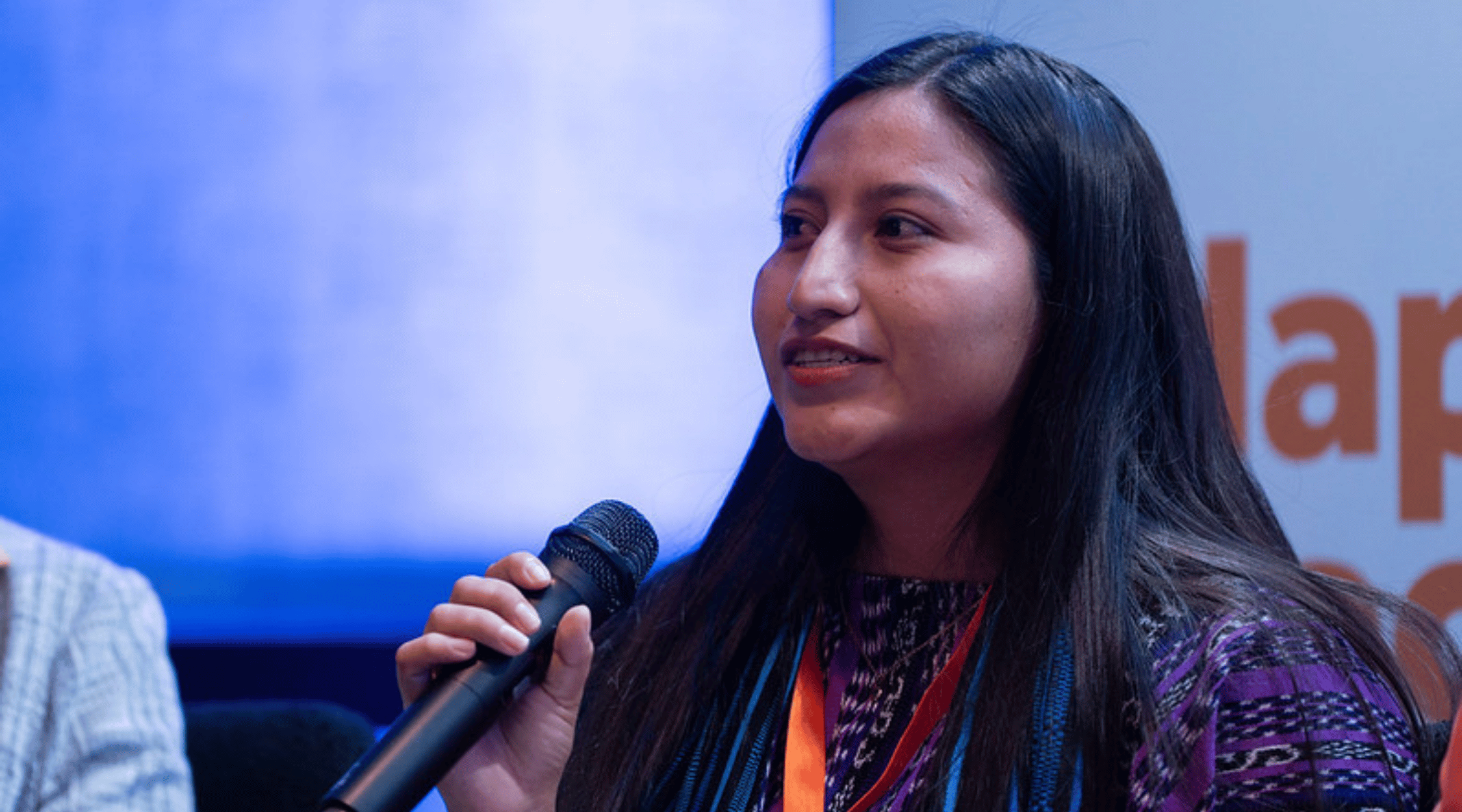
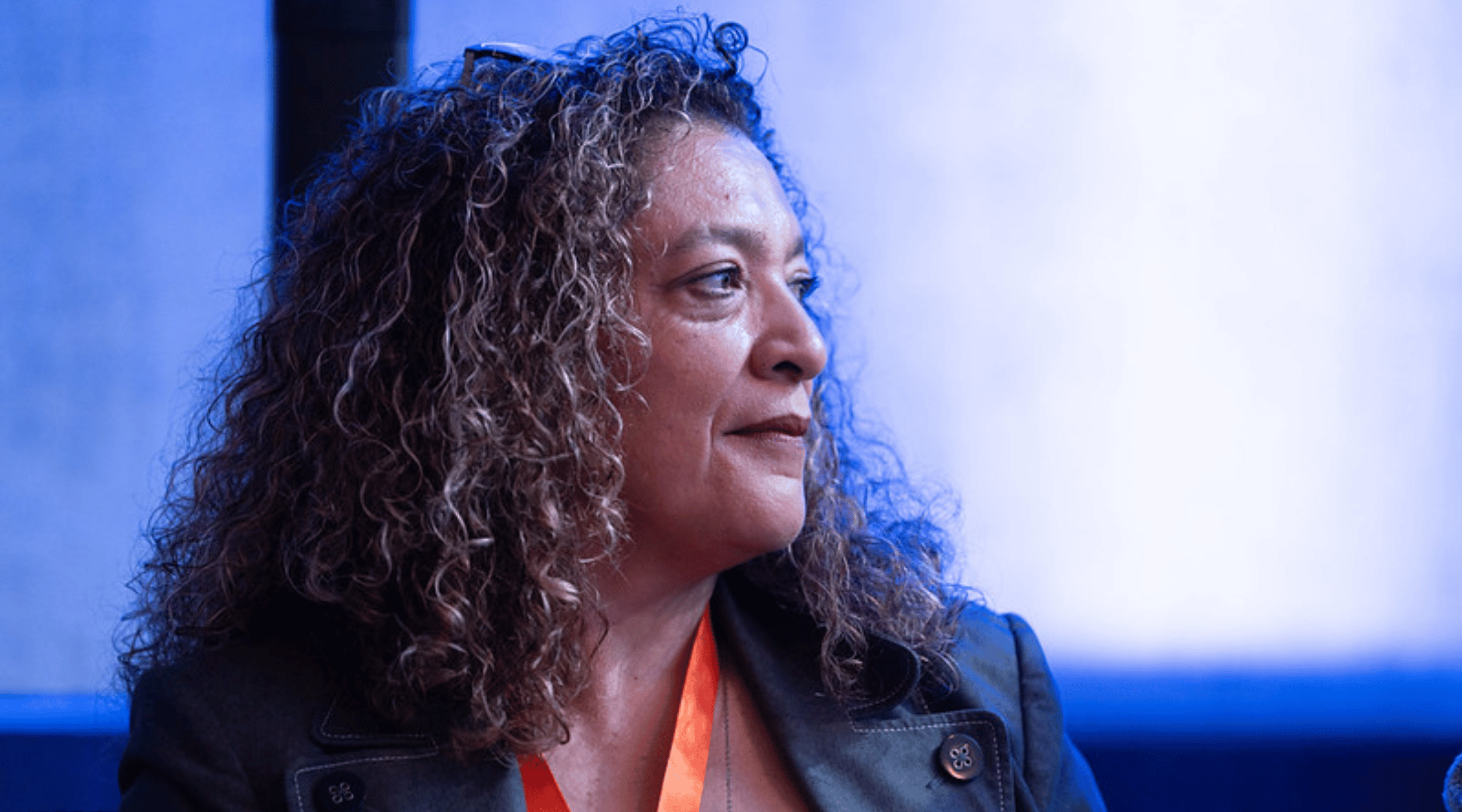
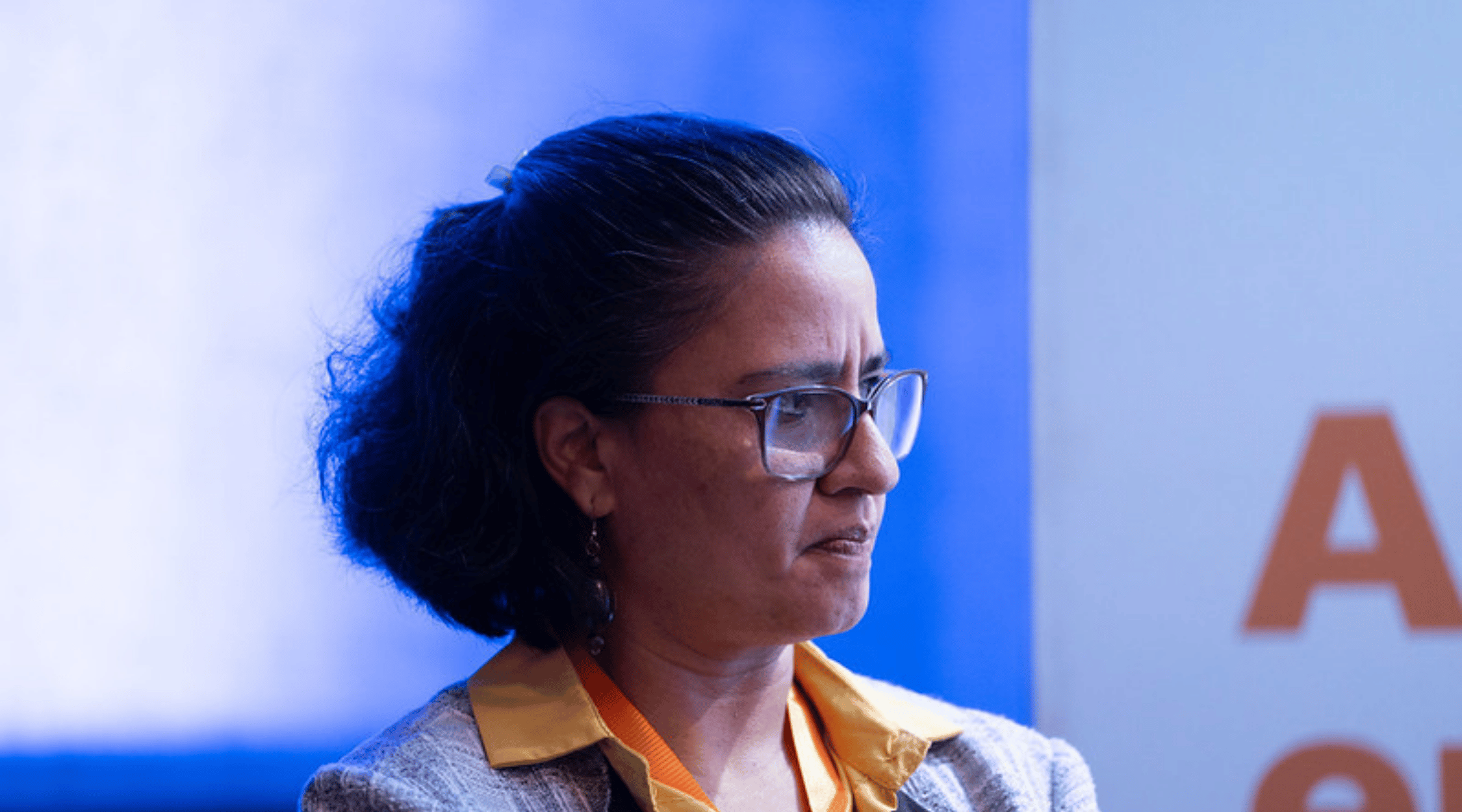
FUNDAECO
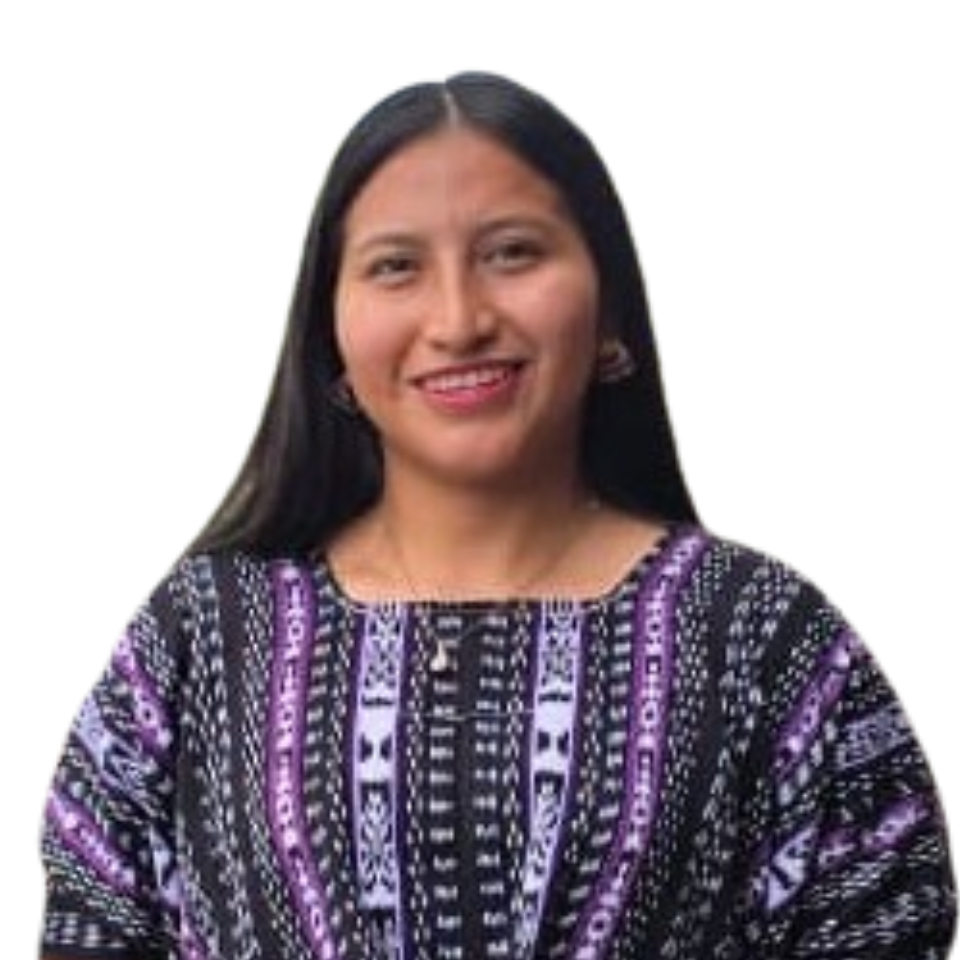
Comunidad de Setzol/FUNDAECO
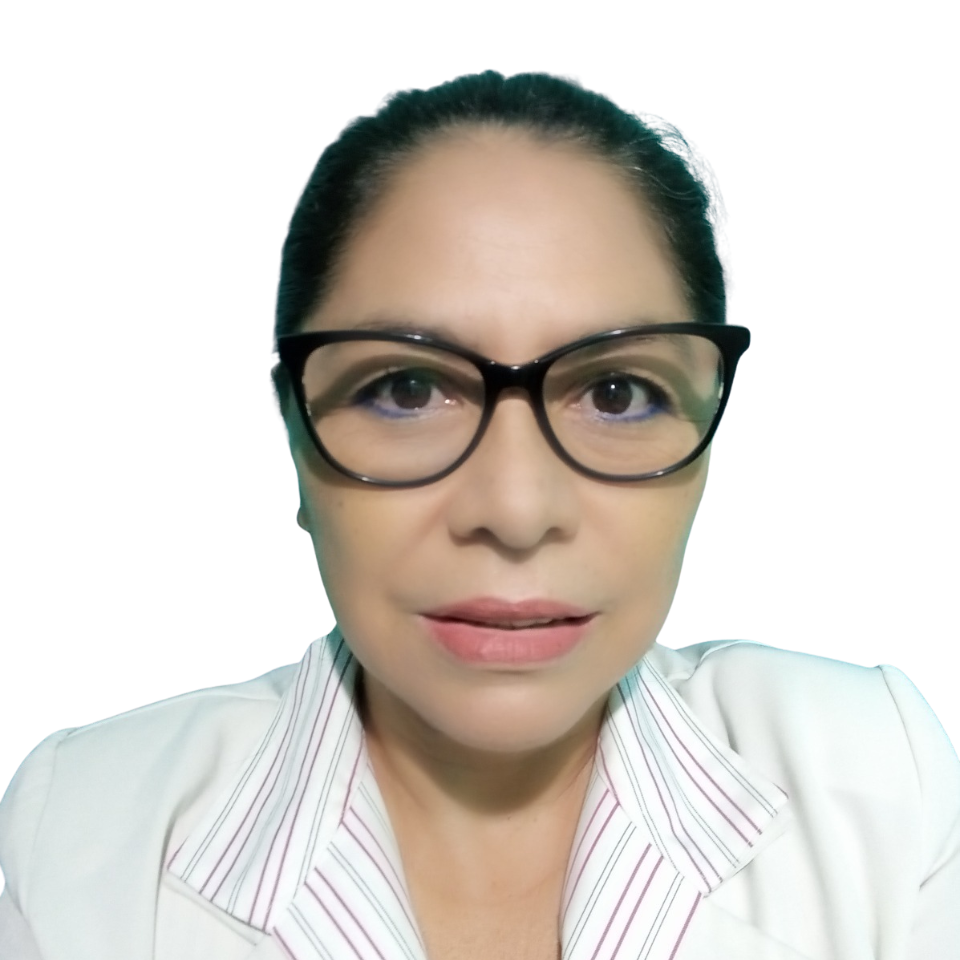
Mujeres de Izabal
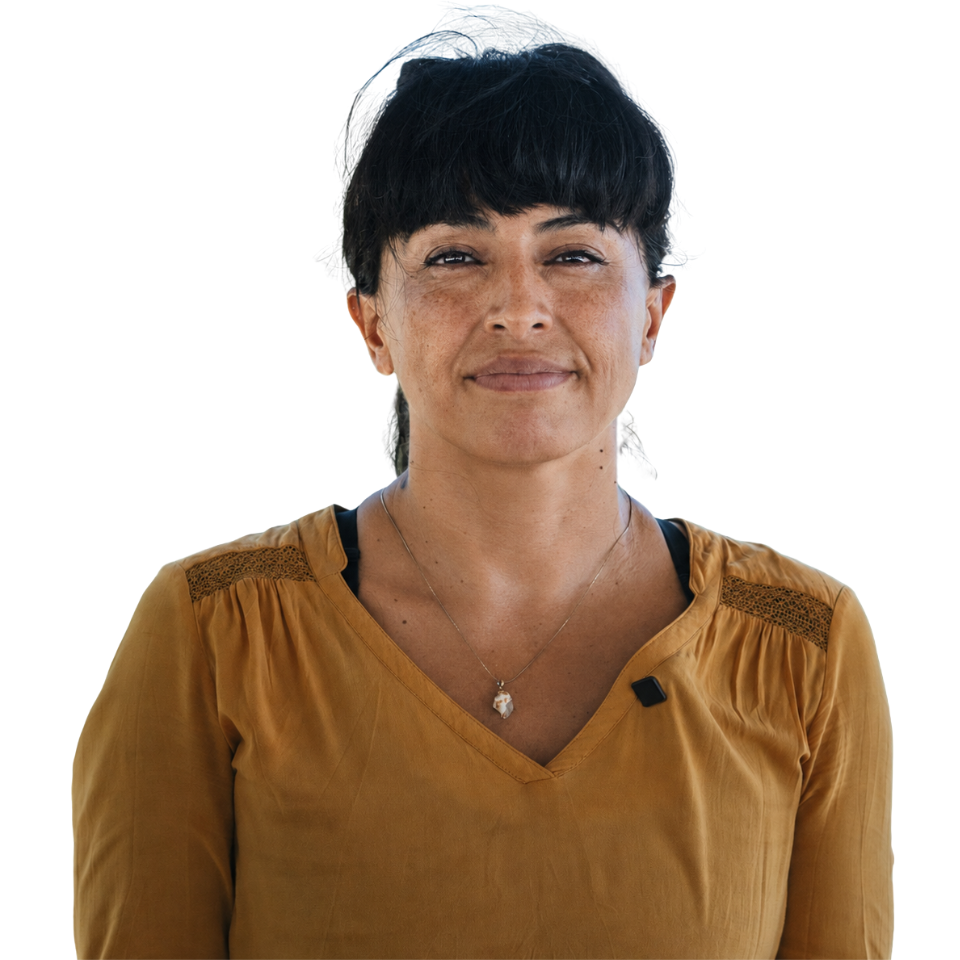
Mesoamerican Reef Fund (MAR Fund)
"My grandmother used to say that the tree that gets pelted with stones the most is the one that bears the best fruit. So, when they start attacking us, we know we are in their sights and they are realizing what we are doing. Even though that part is negative and difficult, it also energizes us, and being able to continue is a challenge."
"It is about finding a useful purpose for the waste we call 'trash,' which actually has a second use. This is how we want to contribute to the environment, considering that we are local organizations without funding but with a strong intention to change the natural history of our territory."
"Climate resilience exists because people and communities persevere and find ways to safeguard their seeds for the future."
"We want to protect highly threatened amphibians that are endemic to very restricted areas, but the communities use the resources there. And women make up over 50% of the population using those resources. So, there is a clear link between protecting those amphibians and empowering the women who are the ones making decisions regarding resource use."
"When a woman has opportunities, she can also pave the way for others."
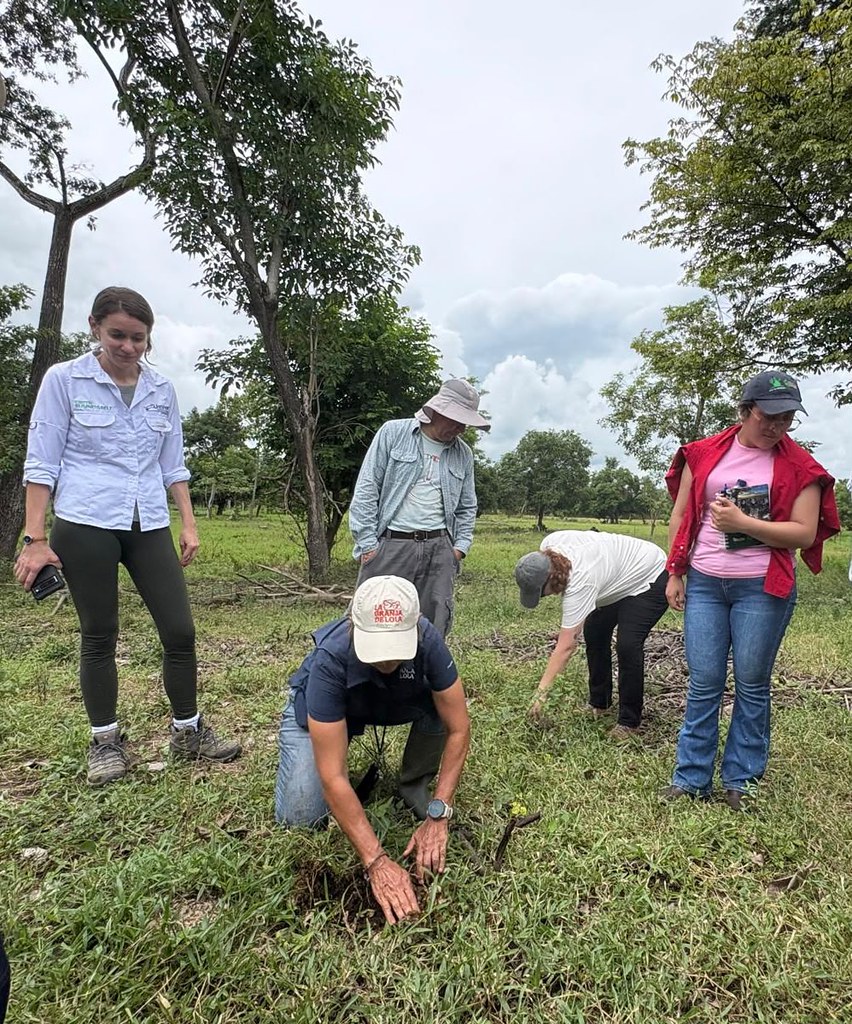
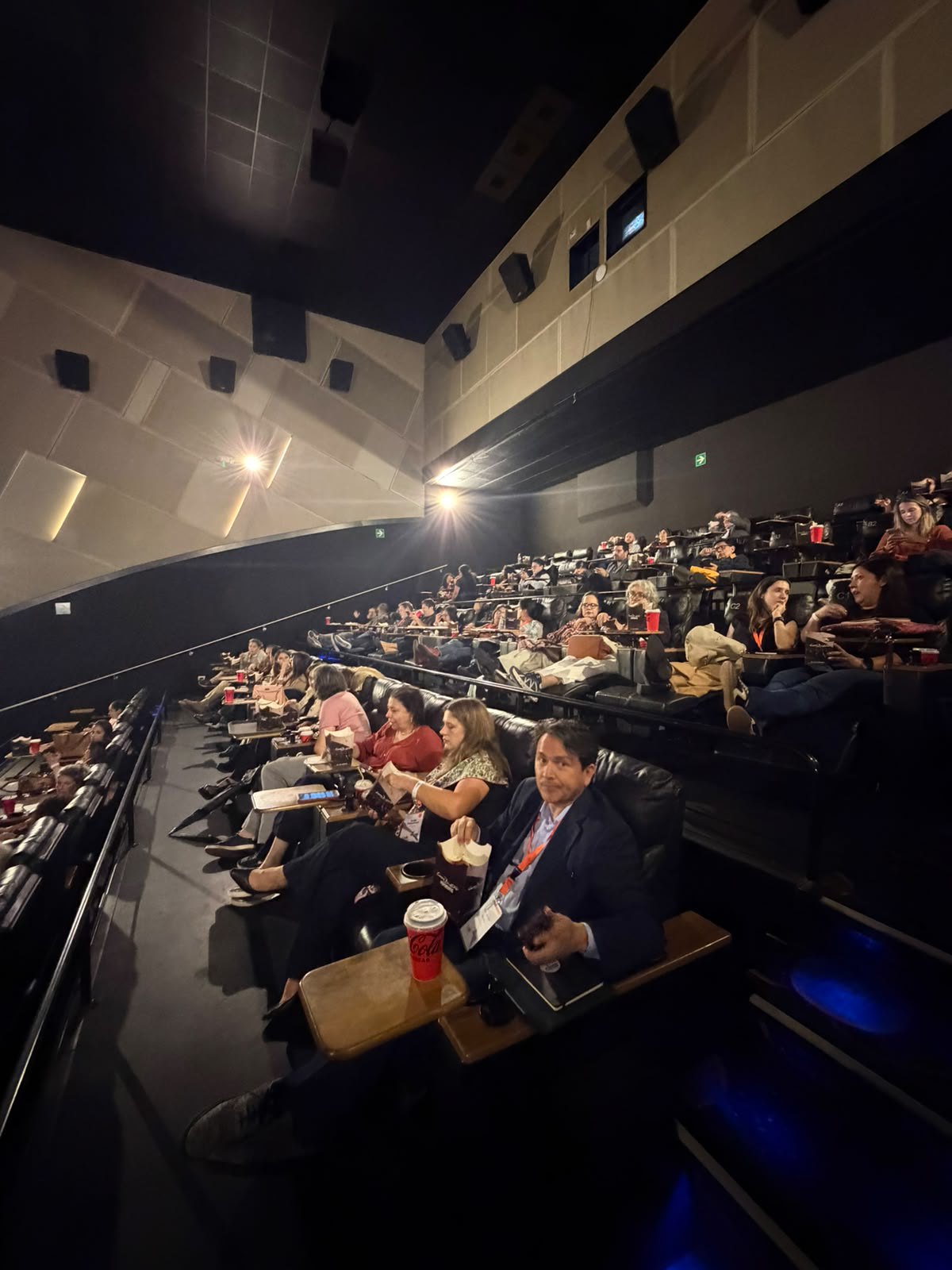
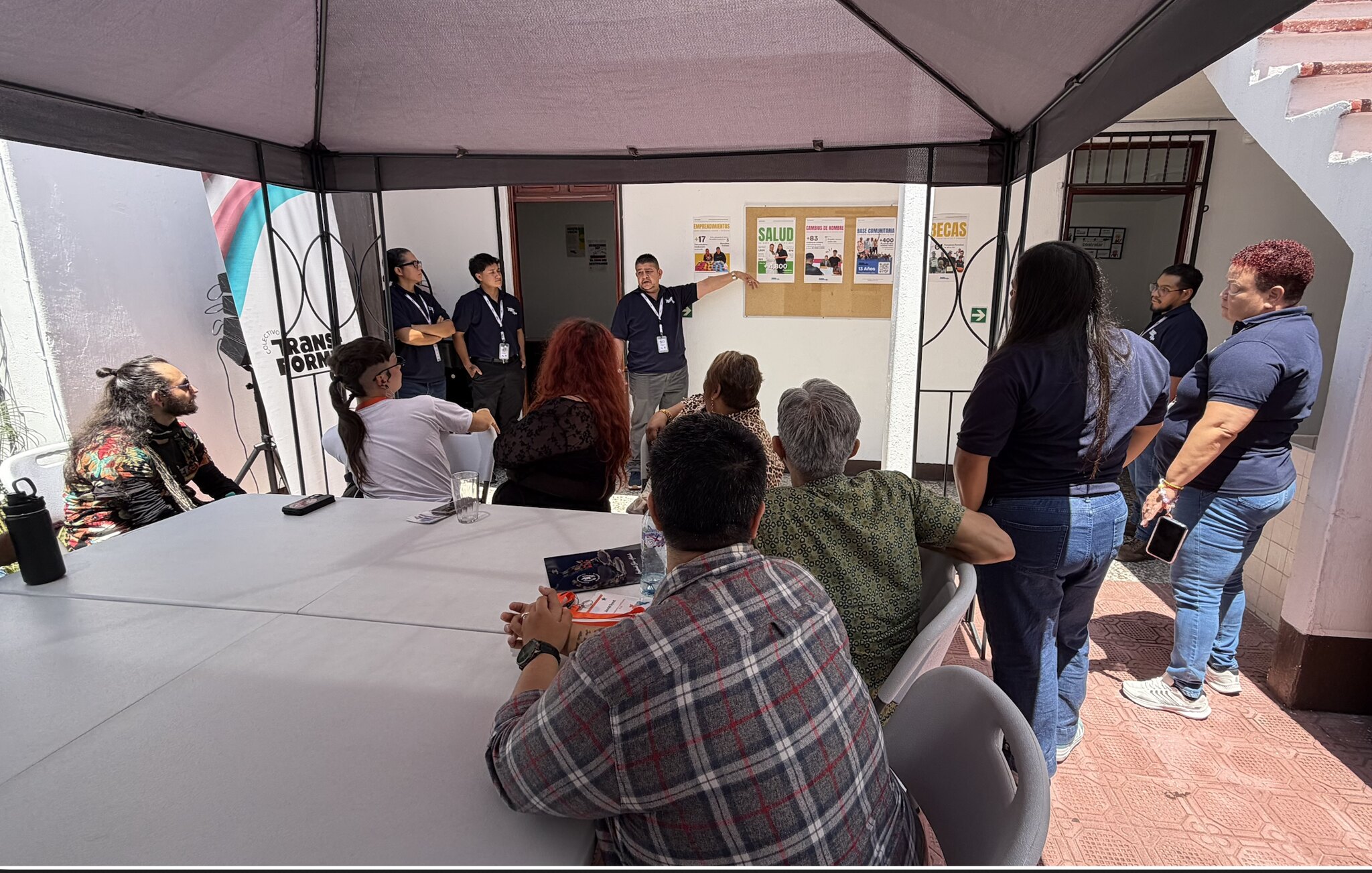
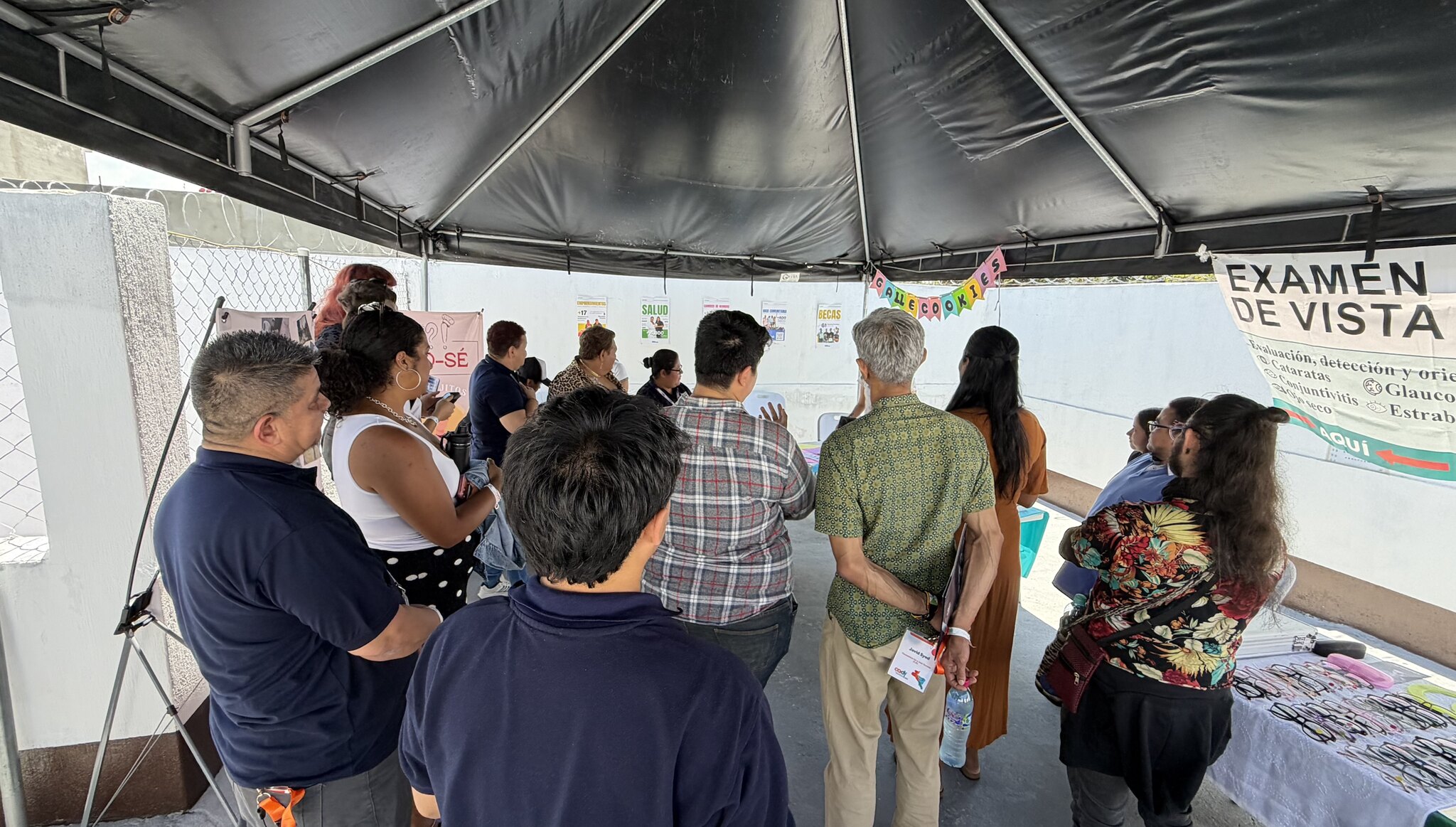
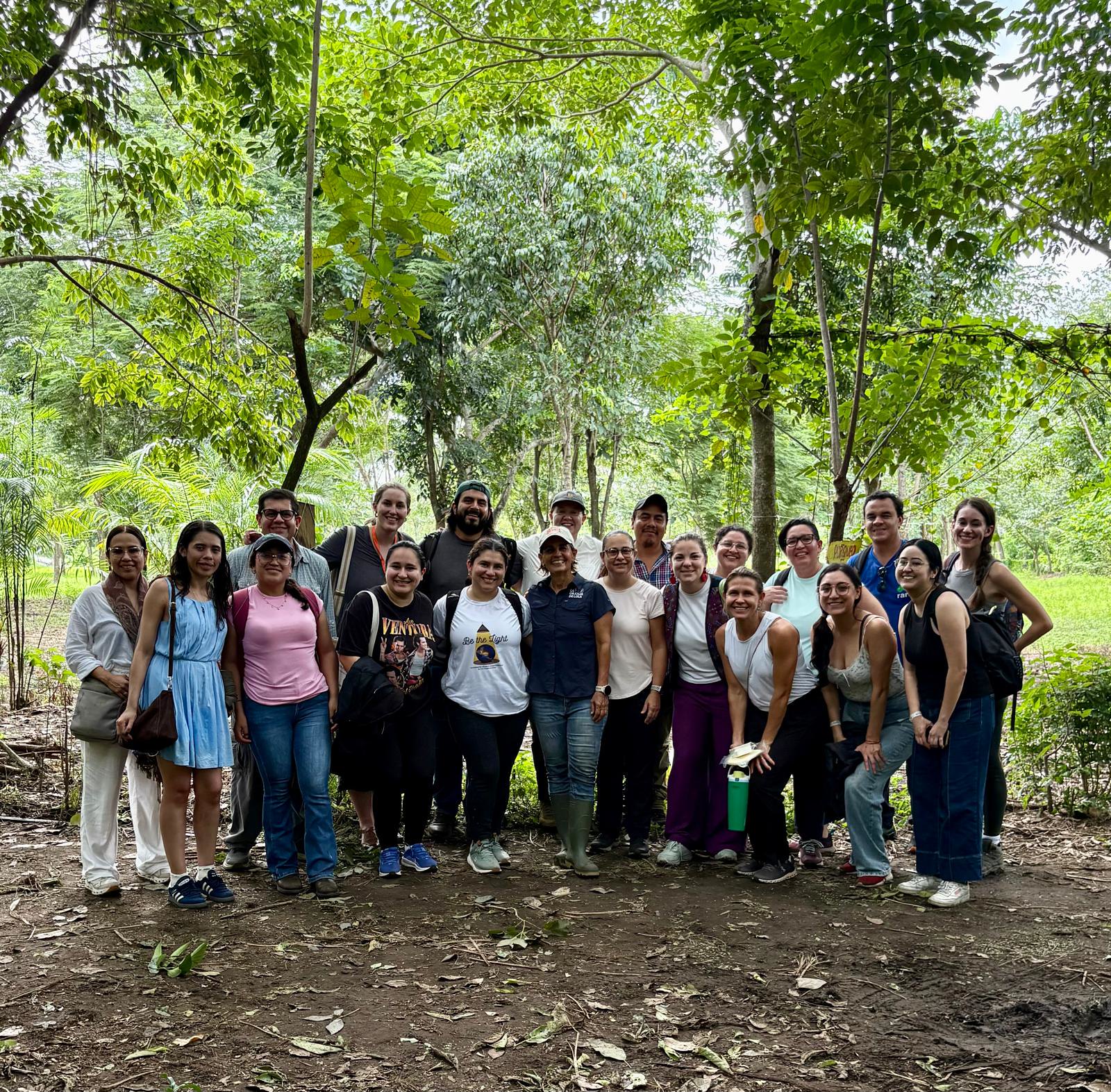
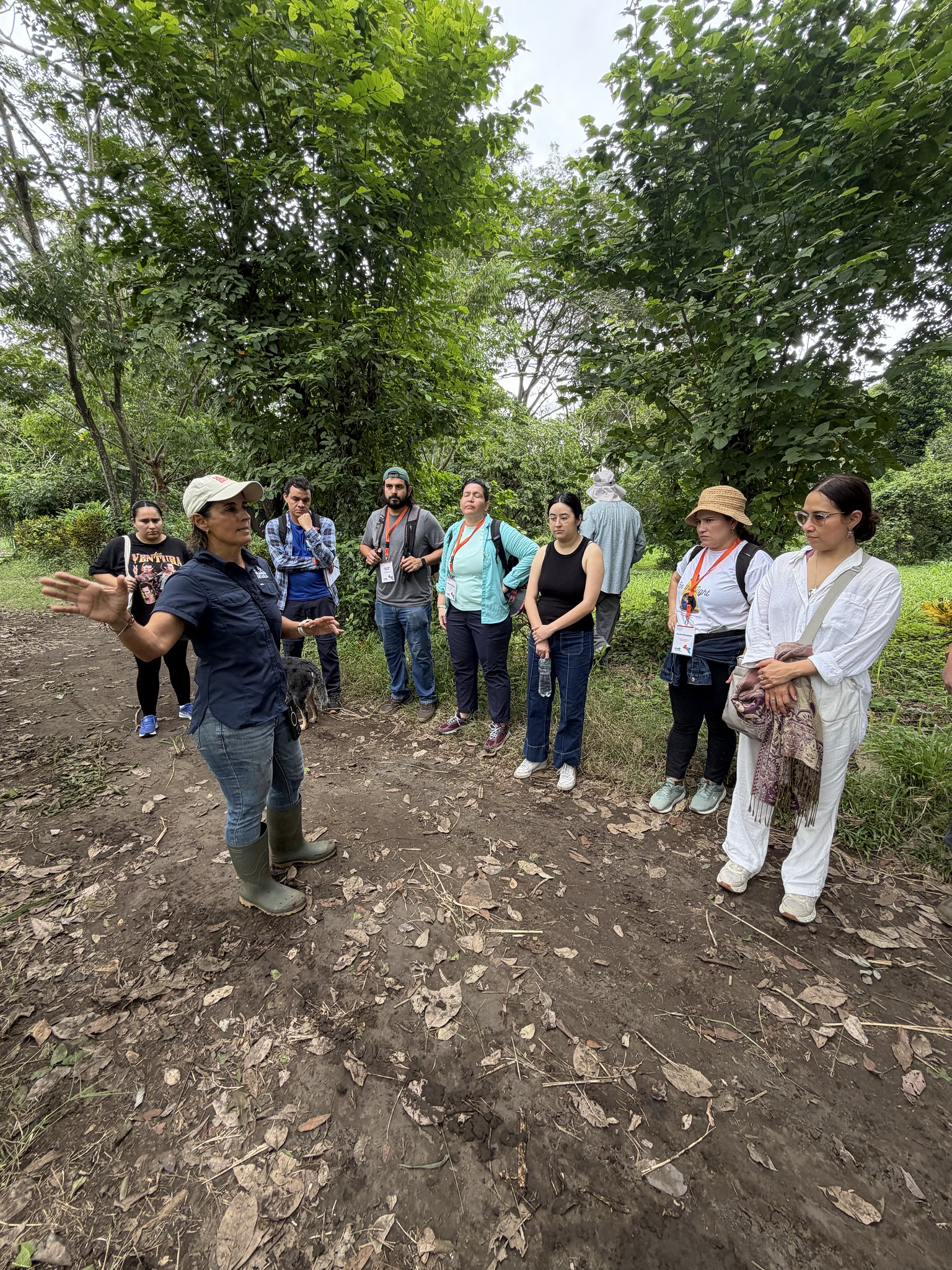
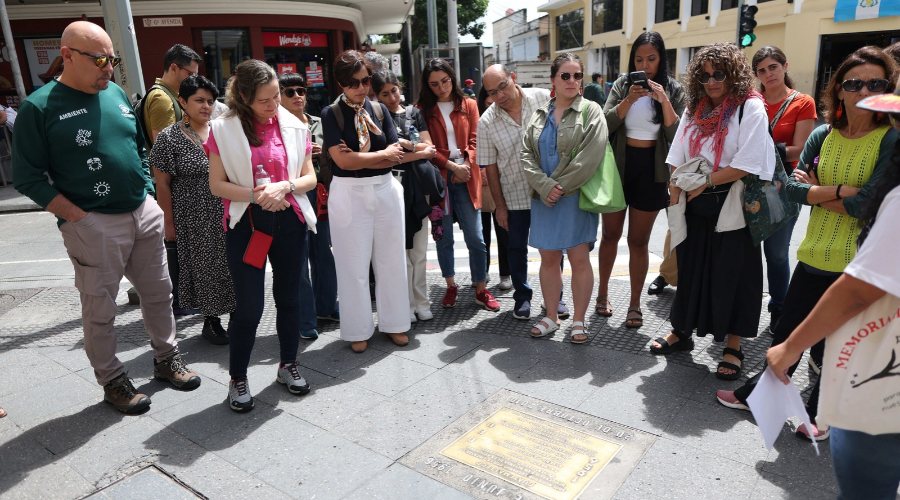
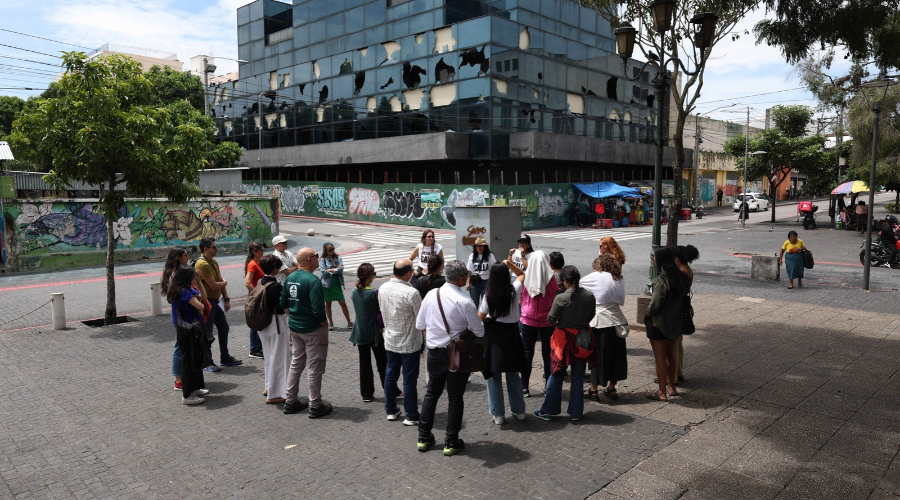
The digital media outlet Ocote led a memory tour through the capital’s Historic Center; the Colectivo Trans-Formación presented its 13-year efforts for the transmasculine population in Guatemala; the Luis von Ahn Foundation hosted a forum on the feature film Arena Negra set in the Guatemalan Pacific; and the International Community Foundation traveled to the south coast to learn about regenerative agriculture projects at La Granja de Lola that combine livestock farming, ecological restoration, and value-added products.
150 people joined four CADF 2026 site visits.

This session addressed the degradation and water stress affecting the Lempa River, a vital trinational basin that supplies millions of people, though its water quality has plummeted from good to poor in recent years. Panelists agreed that this is not merely a resource crisis, but a profound governance issue, exacerbated by authoritarian shifts, community exclusion, and centralized laws that stifle citizen participation, as seen in El Salvador. Despite the persecution of land defenders and the shrinking of civic spaces, the resistance of the Trinational Network for the Rescue of the Lempa River was highlighted. Finally, the conclusions emphasized that international cooperation must firmly condemn democratic backsliding and ensure that funds, such as those from debt swaps, flow directly to local territories rather than to extractive projects. Defending the Lempa is not just an environmental task; it is an ethical, political, and vital commitment to securing peace in Central America.
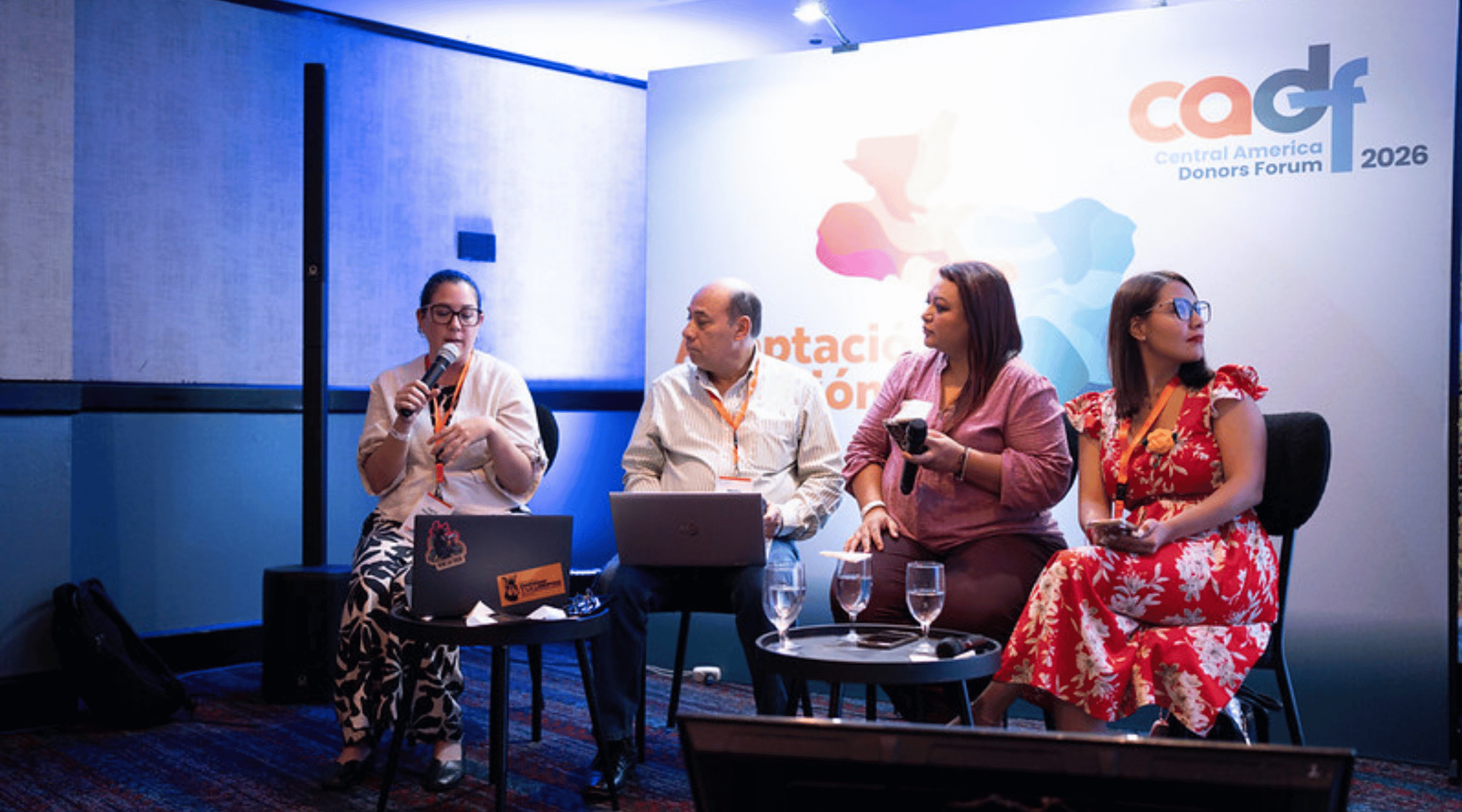


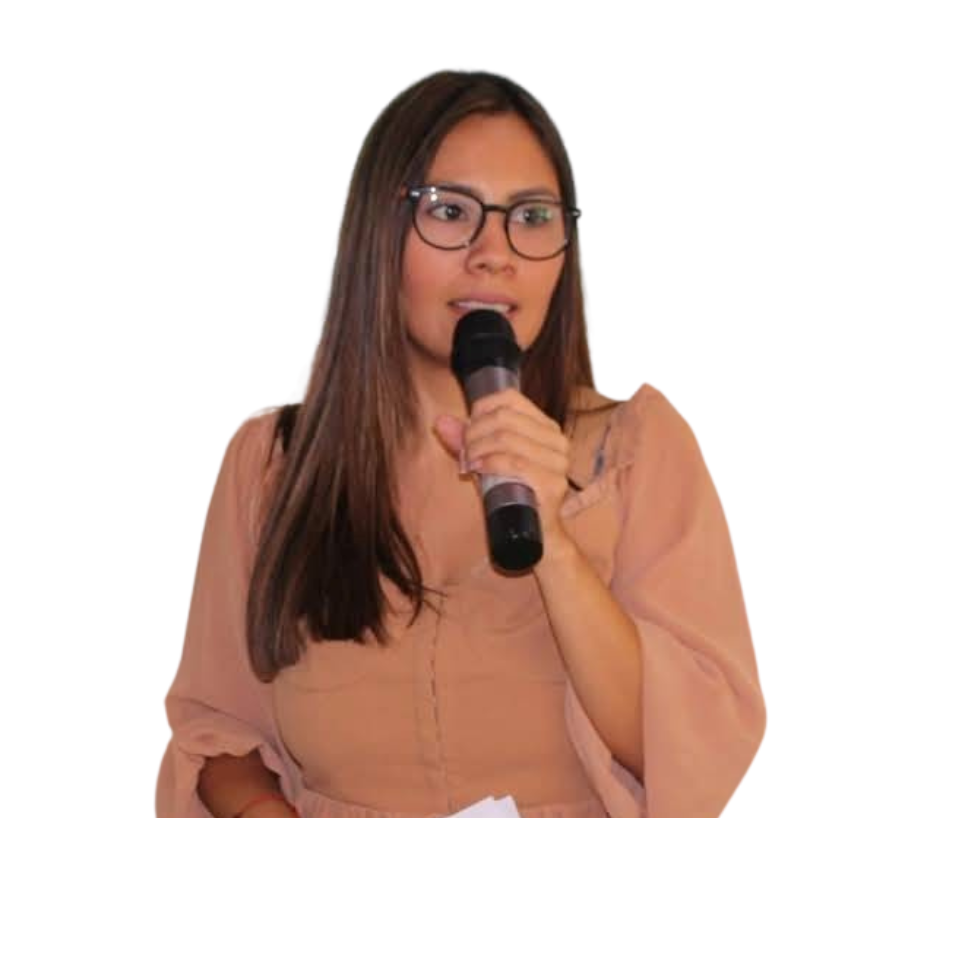
Asociación de Mujeres Ambientalistas de El Salvador (AMAES)
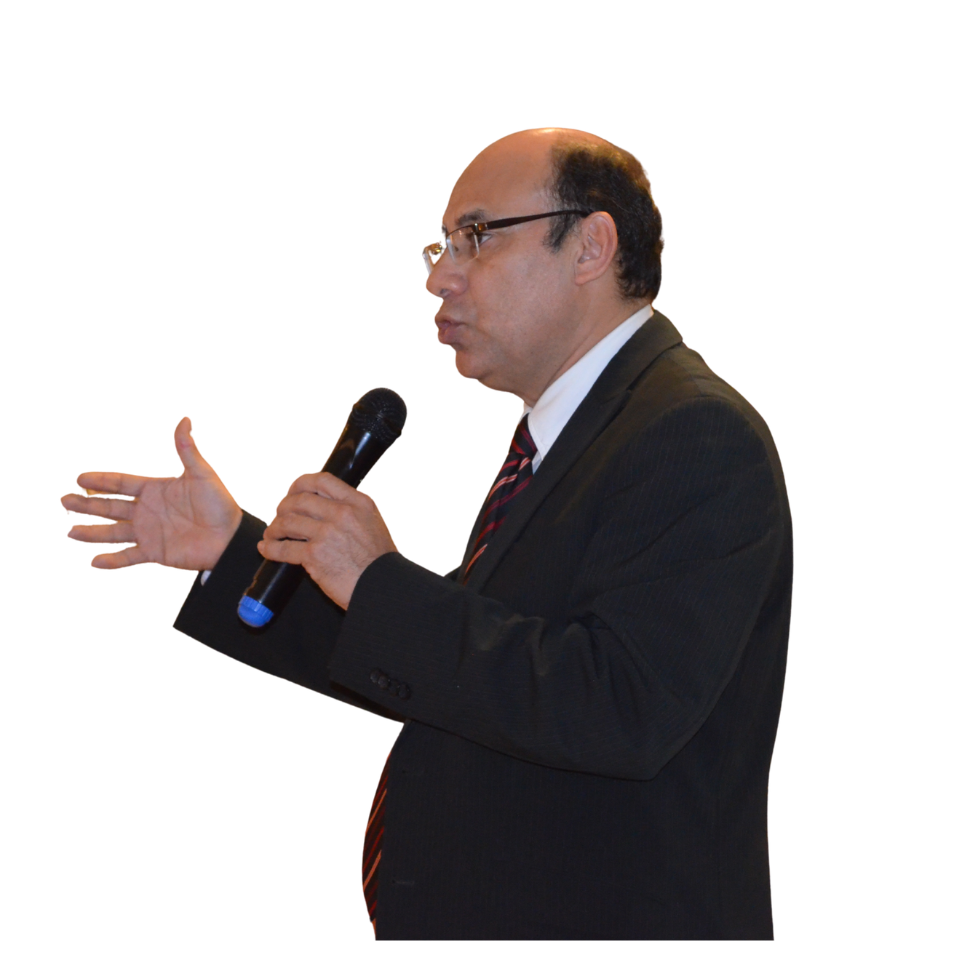
Mancomunidad Trinacional Fronteriza Río Lempa, Honduras
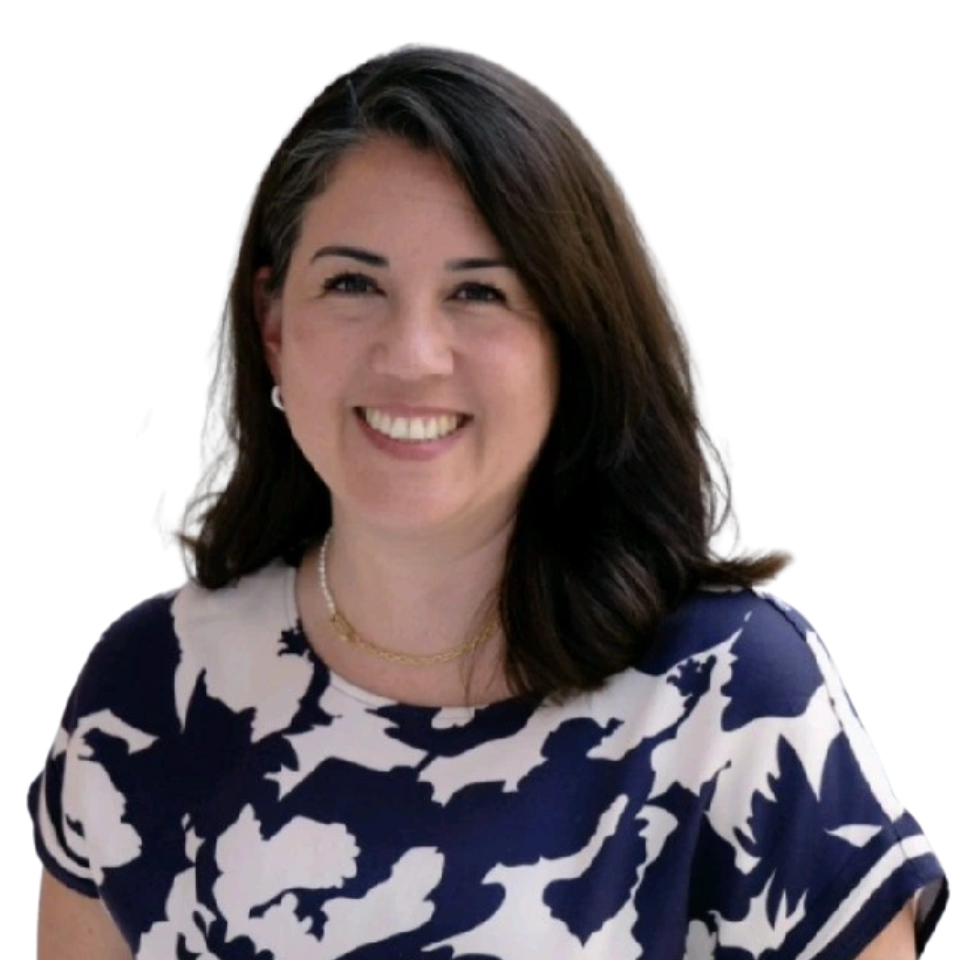
Heinrich Böll Foundation
Unidad Ecológica Salvadoreña (UNES)
"Defending natural resources in this case(...) today poses a threat to any environmental defender."
"The Lempa crisis is not a water crisis; it is a territorial governance crisis."
"If the Lempa runs dry, peace in El Salvador ends, and we approach the governance of the Lempa as a commitment to peace in Central America."
This panel discussed how grassroots organizations in Central America are reinventing themselves in the face of violence, exclusion, and a lack of funding. Through testimonies and interactive activities, participants concluded that true adaptation involves returning to one’s roots and transforming philanthropy through care, affection, and mutual trust. It was emphasized that donors must act as true allies, offering flexible funding and respecting local autonomy, as solutions cannot be imposed from the outside. Experiences like those of EPRODEP in Guatemala and Warriors of the Nation in Honduras demonstrate that art, popular education, and a gender perspective save generations. The conclusion was clear: to confront hostile contexts, the debate is not only about what to change, but also which historical knowledge and memories of resistance must be defended.
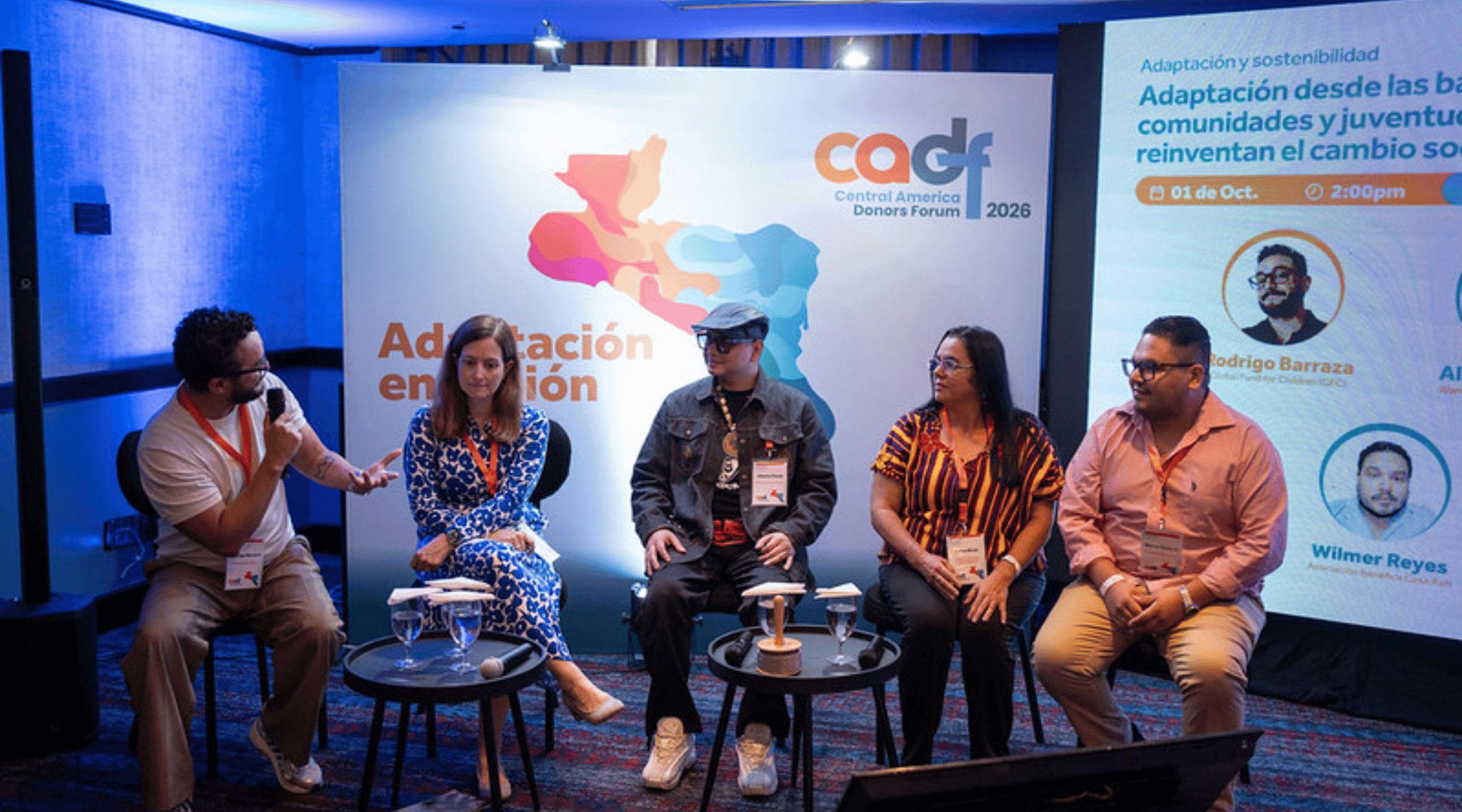

Tinker Foundation
Asociación Benéfica Casa Asti
Asociación de Estudios y Proyectos de Esfuerzo Popular (EPRODEP)

Warriors Zulú Nation Honduras
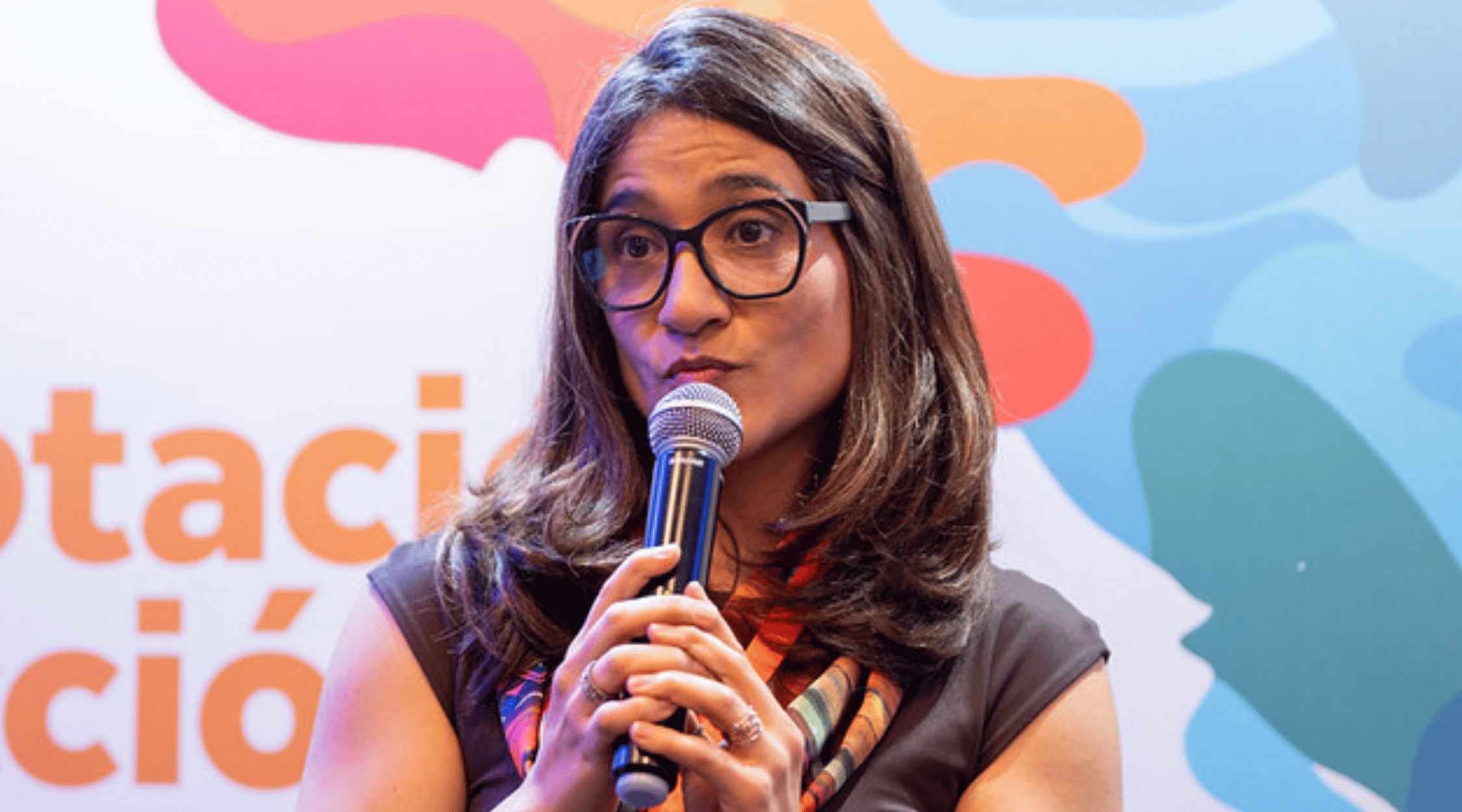
Global Fund for Children (GFC)
"As donors, we can be an enabling or a disabling factor (...) we can be open and flexible in the face of the challenges our partners experience."
"Given this context (...) we must adapt, but also be revolutionary. We must use what we have and what we are (...) to create life alternatives."
"The biggest challenge (...) has been each child's ability to believe (...) these children, after being forced out of their homes due to extreme poverty, due to abuses (...) they no longer believe."
"Adaptation and reinvention processes must be, and are, specific to the organizations themselves; they cannot be imposed from the outside."
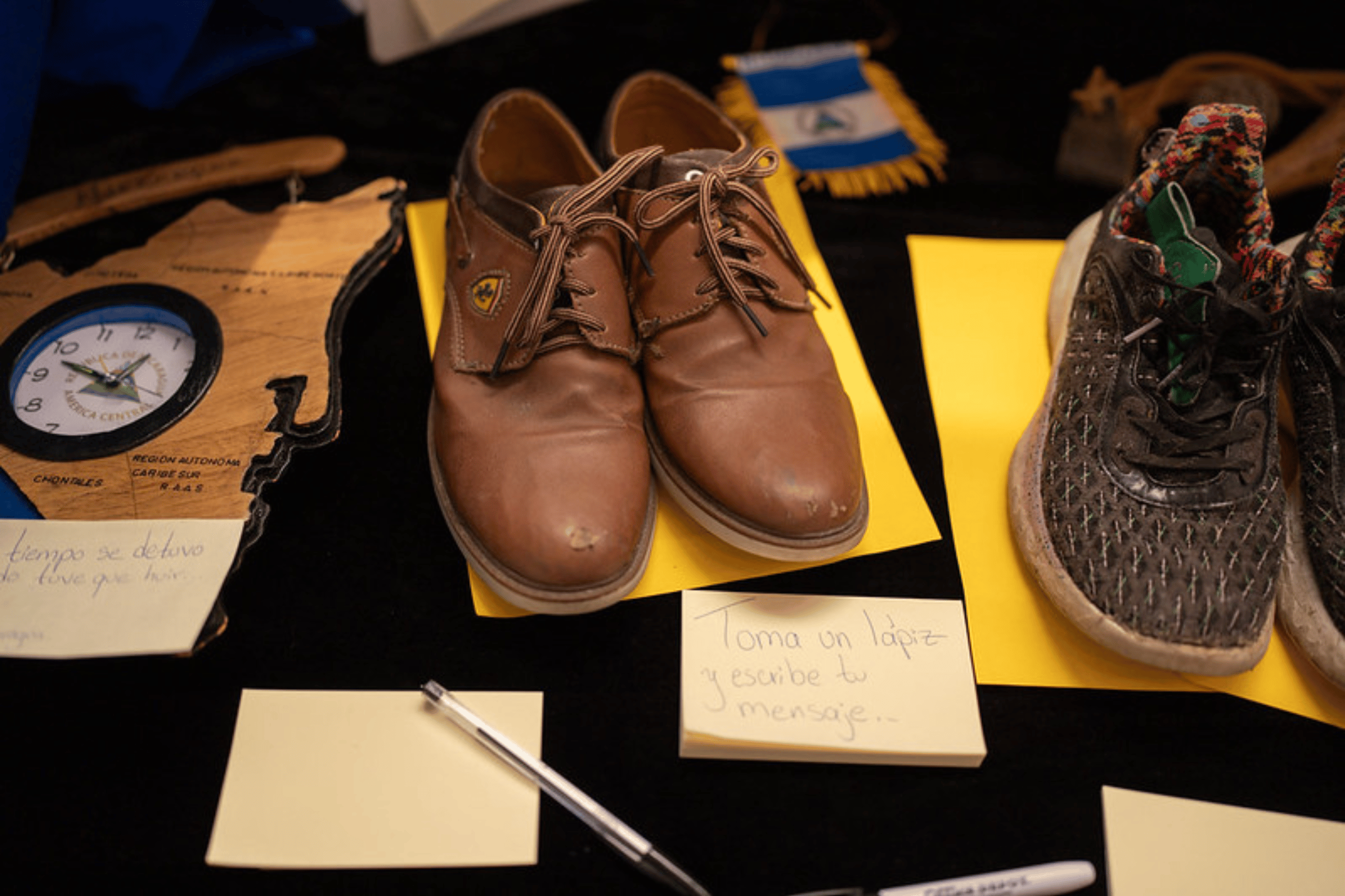
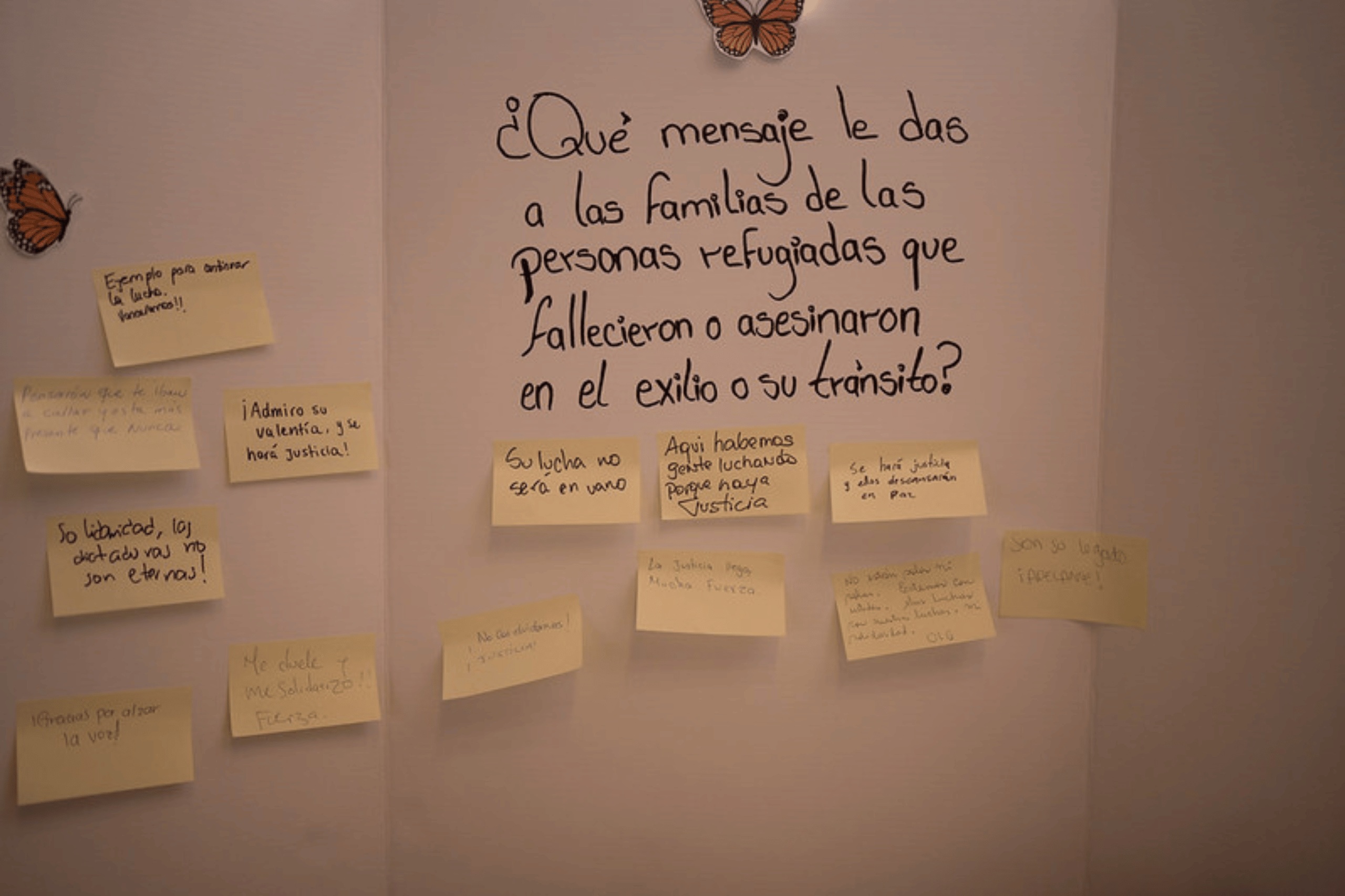
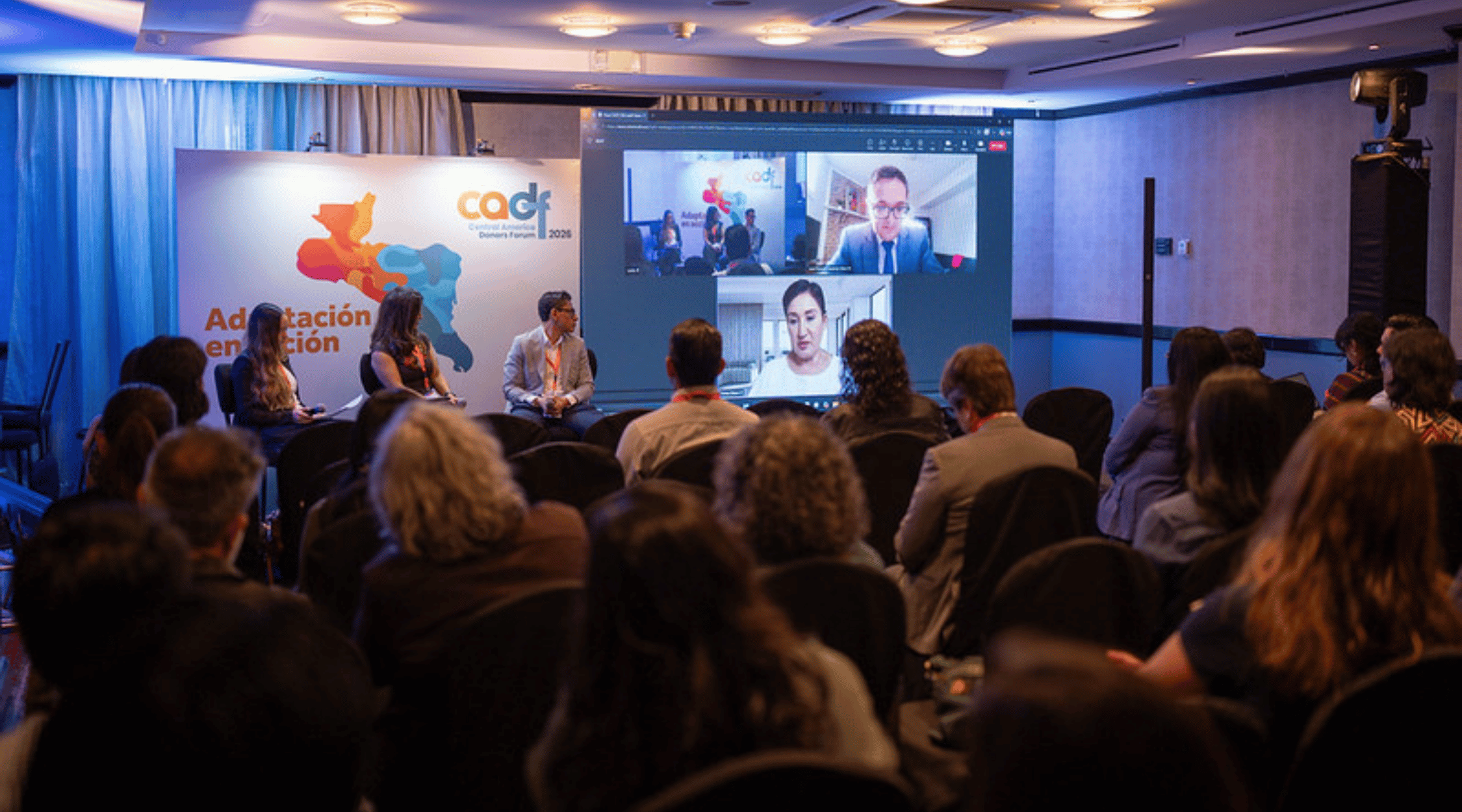
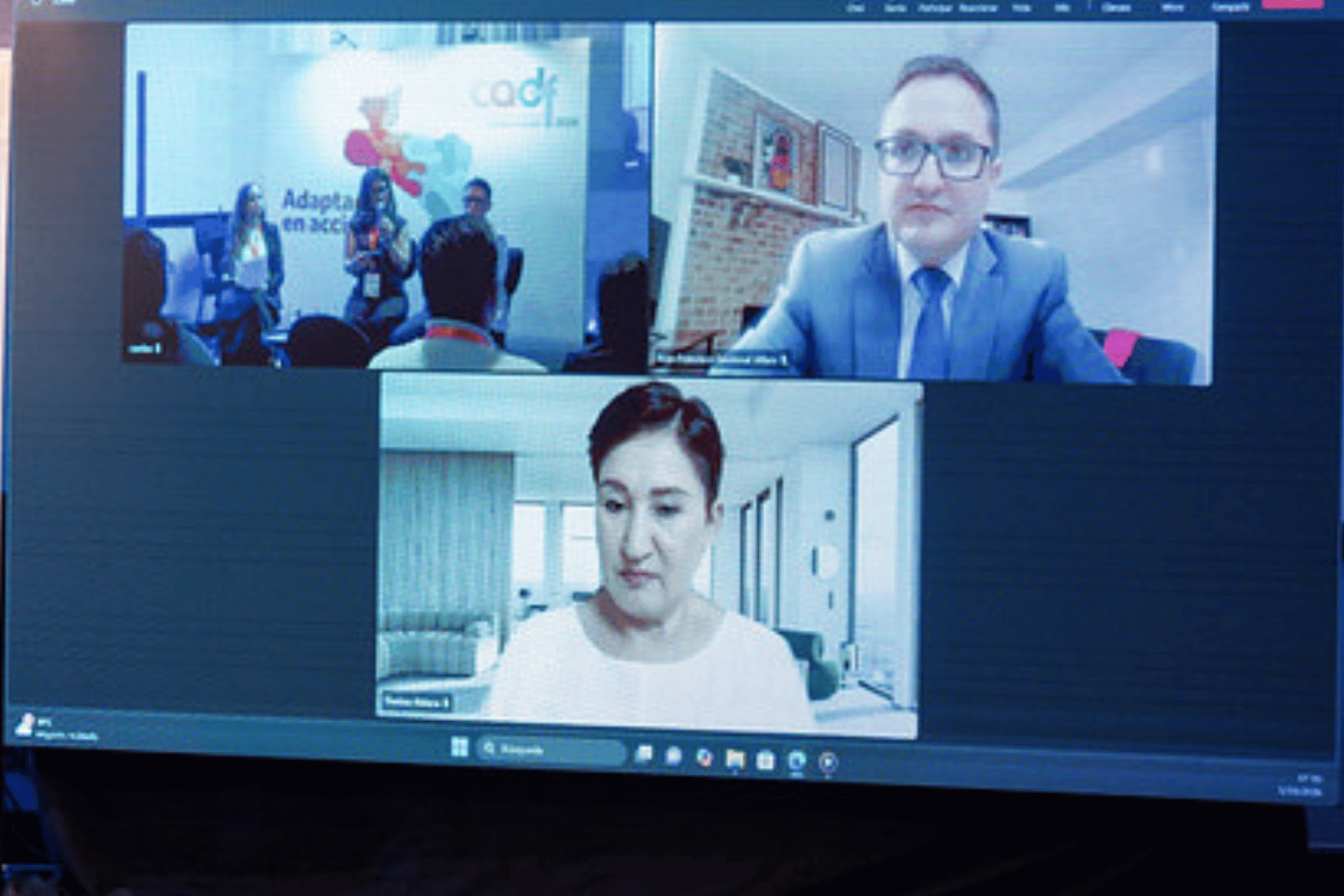
What does it mean to rebuild your life in another country after a forced exile? How can an exiled community organize to continue making a contribution? First and foremost, exile entails a profound rupture: the loss of employment, family, and community, the language barrier, and an emotional toll that is managed through spiritual support and solidarity. Additionally, for prosecutors, judges, and civil servants, their degrees and professional backgrounds are not automatically recognized. In response to this scenario, Justice in Exile emerged—created by and for exiled individuals—along with a professional cooperative that seeks to generate its own income, reduce donor dependence, and offer reliable services to a diaspora vulnerable to scams. Its model, which does not depend on immigration status, is replicable. While the desire to return persists, there are currently no guarantees for a safe return. Finally, the audience highlighted that exile is not just an individual problem, but a societal one.

Justice in Exile
Former Attorney General of Guatemala
Justice in Exile
Justice in Exile

Journalist
"I have learned that you can fall and get back up, and that is the greatest challenge in exile: to fight for happiness, to fight for resilience."
"You physically arrive at a safer place, but emotionally you are still tied to your country. It is an opportunity to regain the ability to make decisions about my life after a departure I did not choose. I want to return to Guatemala, yes, when there are guarantees, but in the meantime, I have to live and continue building."
"The least that can be given to the entire exiled community is dignity."
"While people who migrate or go into exile are looking for refuge and opportunities, they also bring opportunities with them."
This strategic roundtable presented a solution to the problems with current funding models, which are largely based on competition and fragmentation. Instead, it proposed a model rooted in collaboration and trust. Networks and pooled funds provide value far beyond mere financial resources; they strengthen organizations, generate collective learning, connect stakeholders, and channel efforts directly to communities. For this approach to work, a shared purpose, transparent communication, and horizontal relationships between organizations and donors are essential. This model does not inherently create a heavier workload, as it prioritizes safeguarding the time and capacities of those making the work possible. Ultimately, successful collaboration requires acknowledging and managing power dynamics, as well as potential internal conflicts.
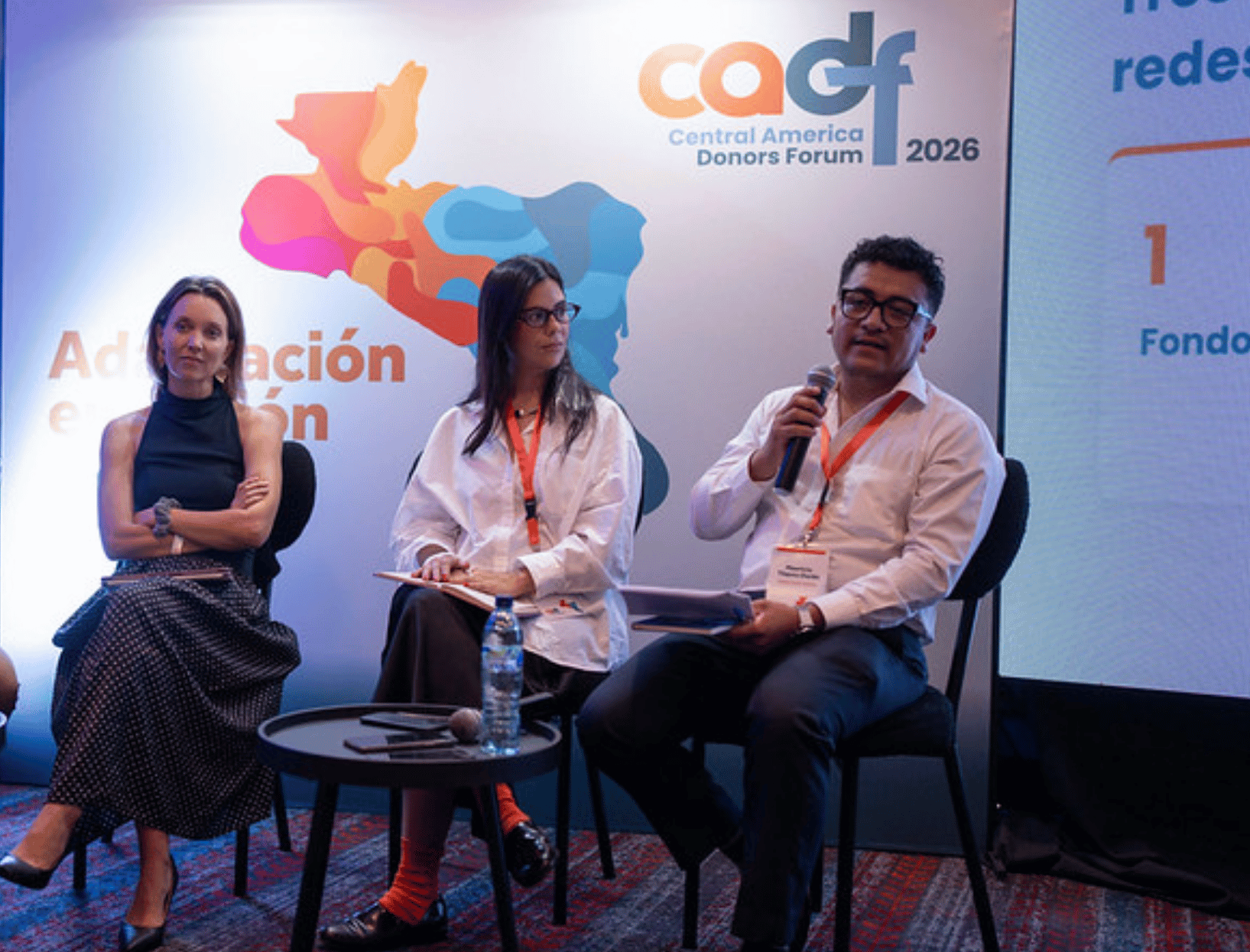


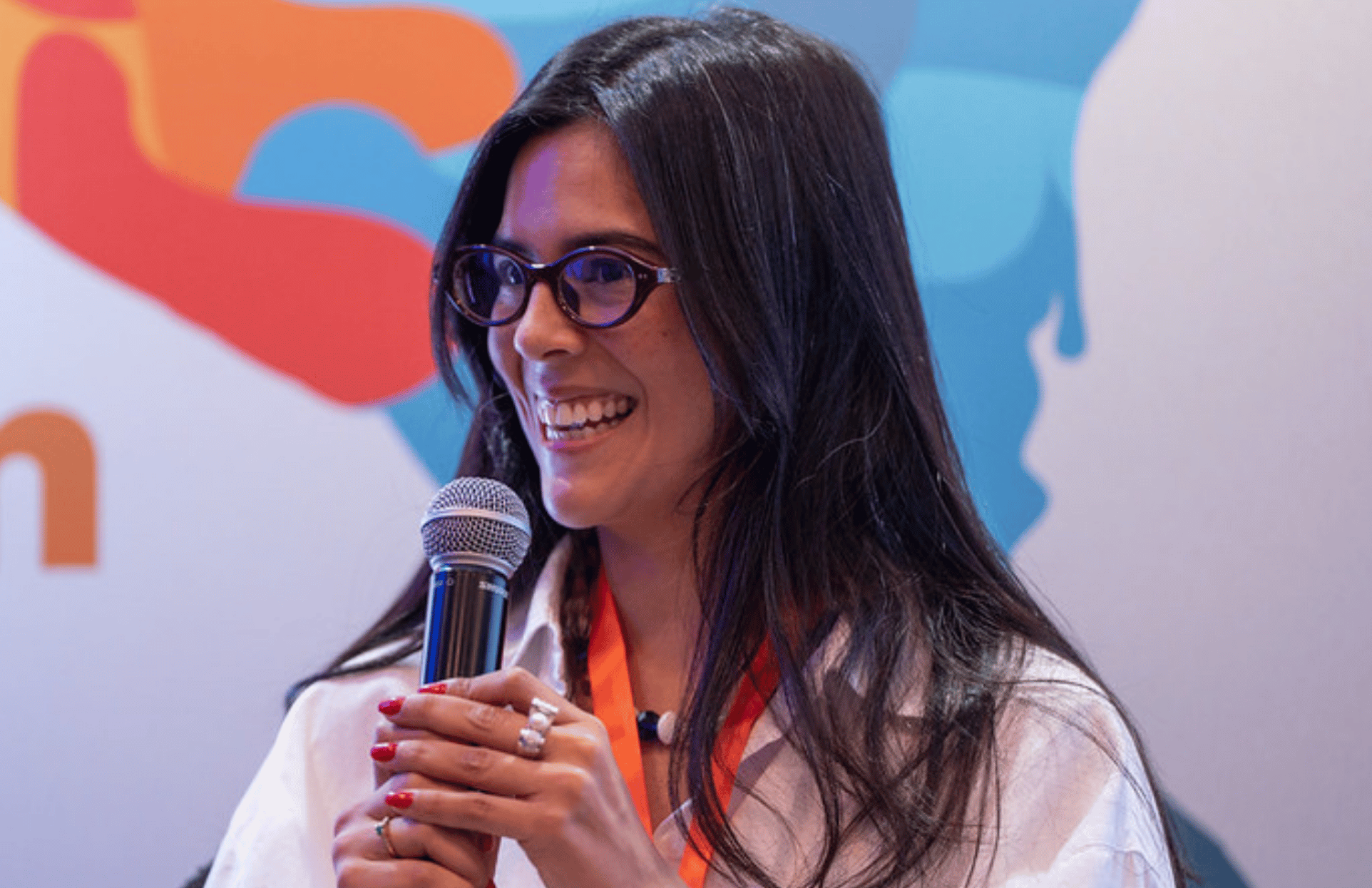
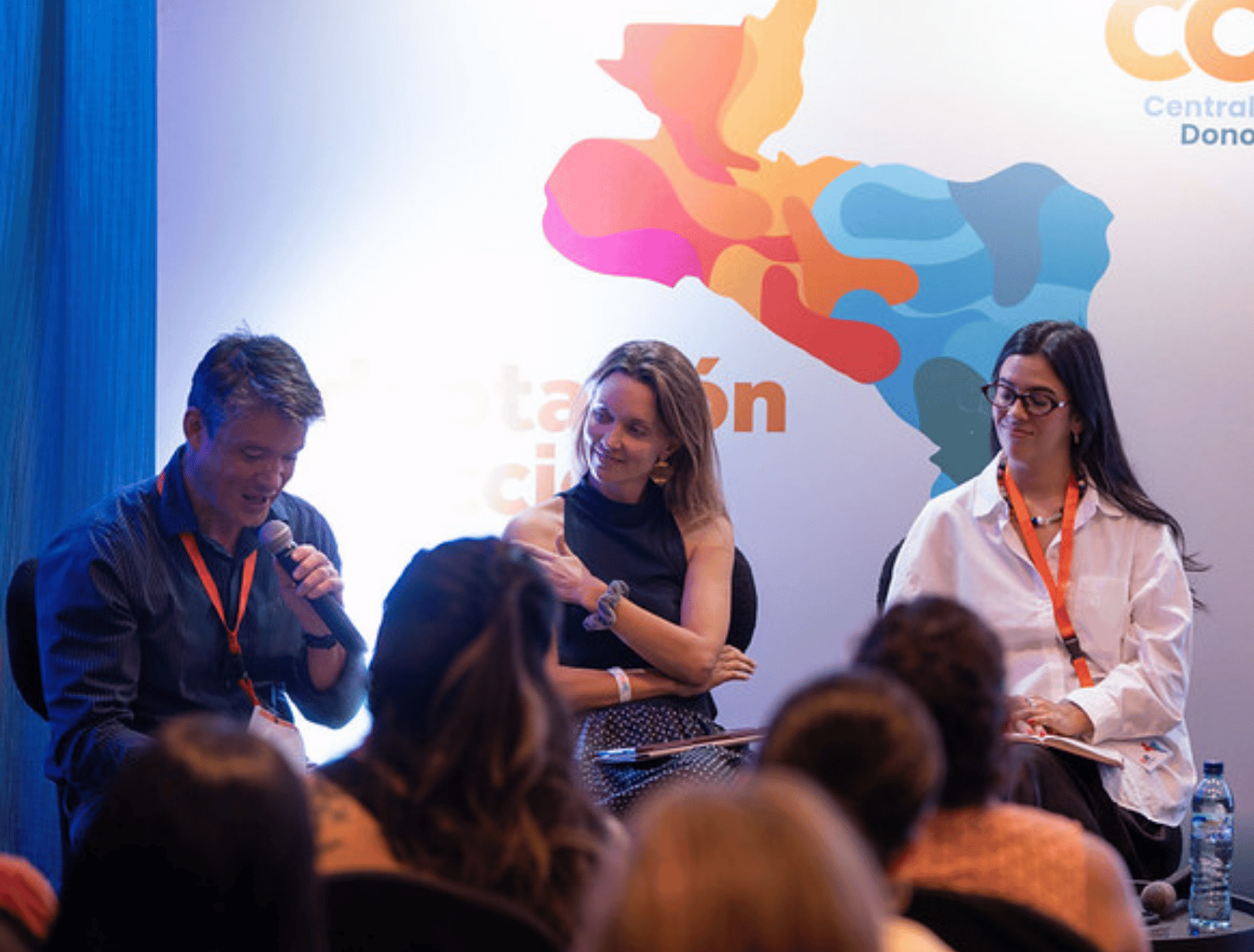
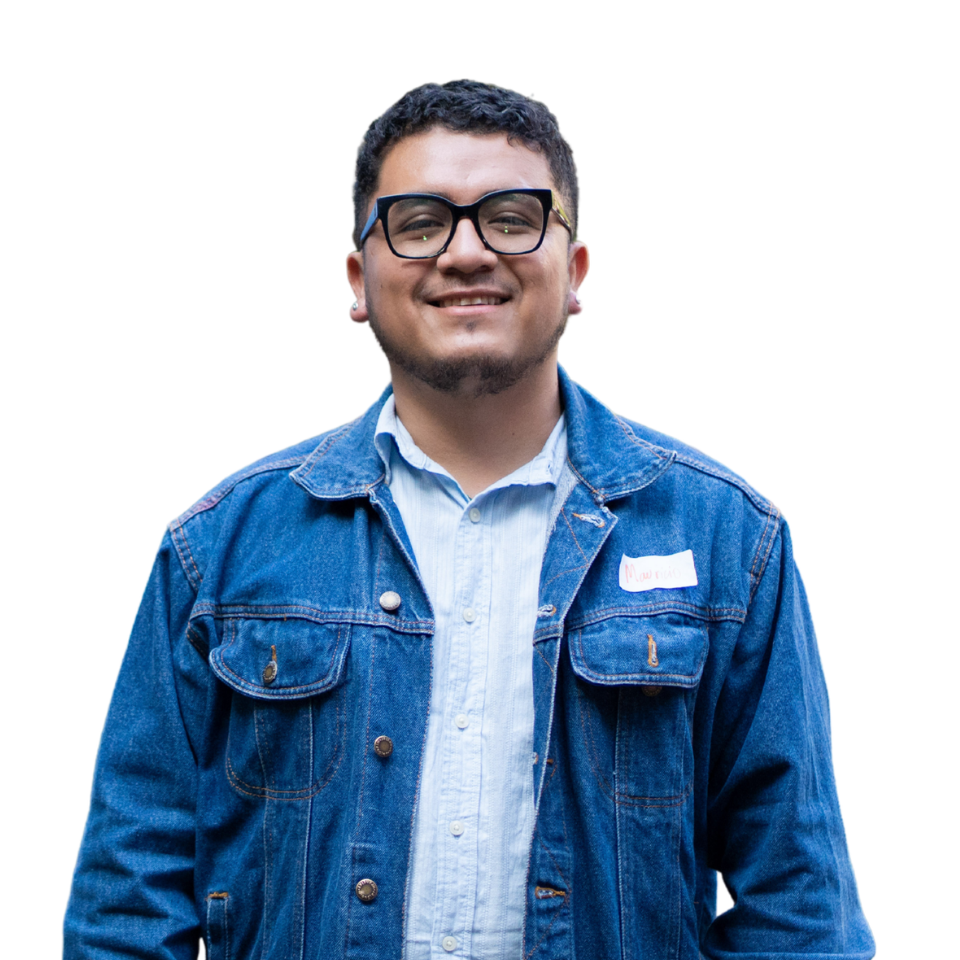
Global Fund for Children (GFC)
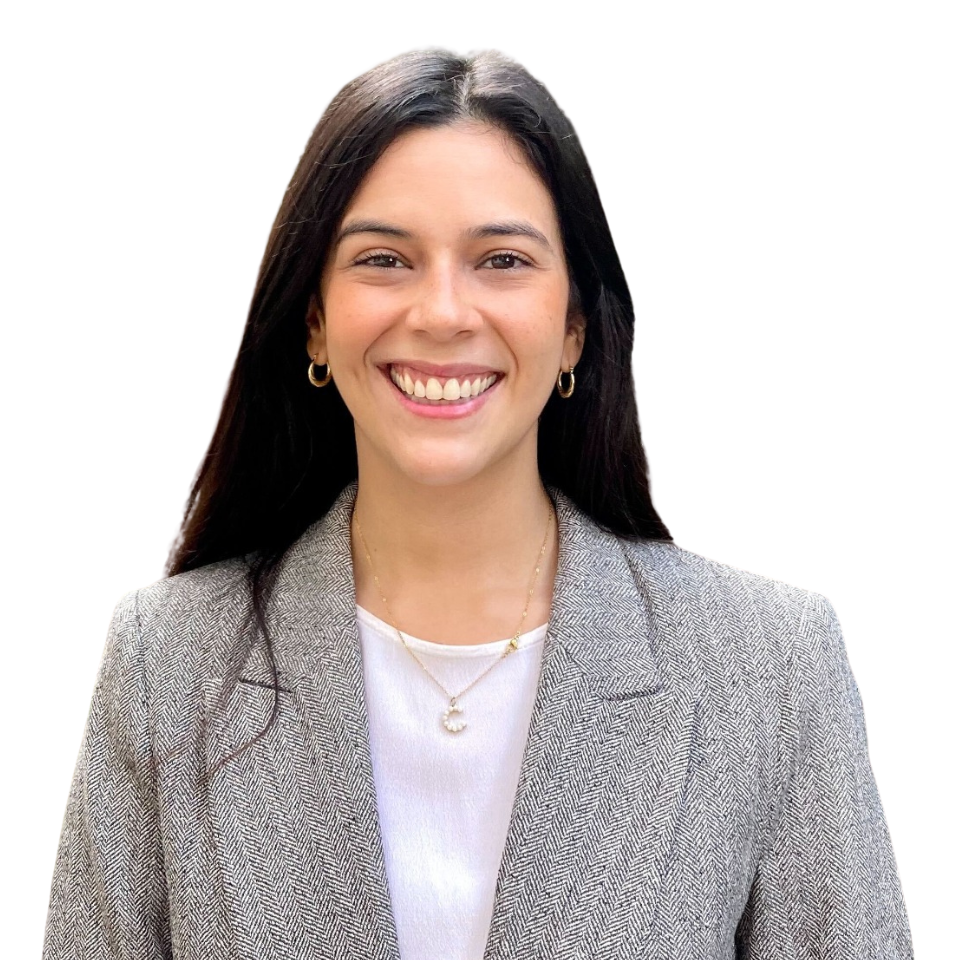
Girl Rising
Luis von Ahn Foundation
The Ward Foundation
"We are shifting from a restrictive paradigm in our sector to one of abundant collaboration. The organizations leading this effort have programs rooted in feminist methodologies, and part of this approach is putting ego aside to advance rights. That has been key: setting ego aside and understanding that we can all have access to opportunities."
"We have lost a lot of closeness, and regaining it right now is crucial. It is a challenge to explain to the donor why it is important to be here and the added value of the network-building management dynamic."
"If their only function were to receive and distribute money, it would probably be easier to just fund the organizations directly; however, in the case of the networks we fund, the experience makes it worthwhile."
"It is important to shift toward this type of collaborative language, and to ensure that communities serve as the political compass for what we do."
"The most similar organizations often have the hardest time collaborating because their similarities emerge when approaching donors, inadvertently creating competition with the very people we should be collaborating with the most."
Rural infrastructure should not be understood solely as construction, but rather as a means to improve people’s lives and connect communities with opportunities, services, and markets. These roads reduce travel times and costs, improve safety, and facilitate access to healthcare, energy, food, and other essential services. Development strategies must be rooted in these needs, recognizing that roads are a fundamental component of economic infrastructure. They connect production with value chains and national markets, while also generating employment.
World Bank Group
Inter-American Development Bank (IDB)
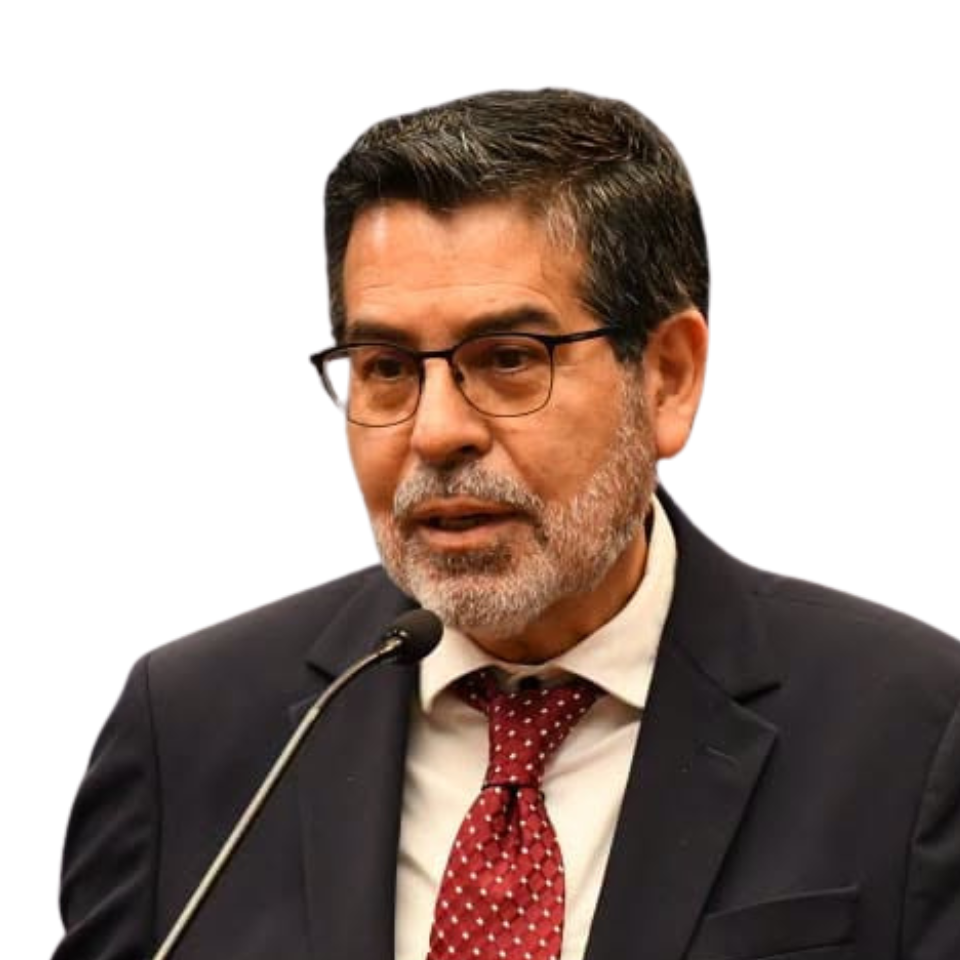
Private Secretariat of the Presidency of Guatemala
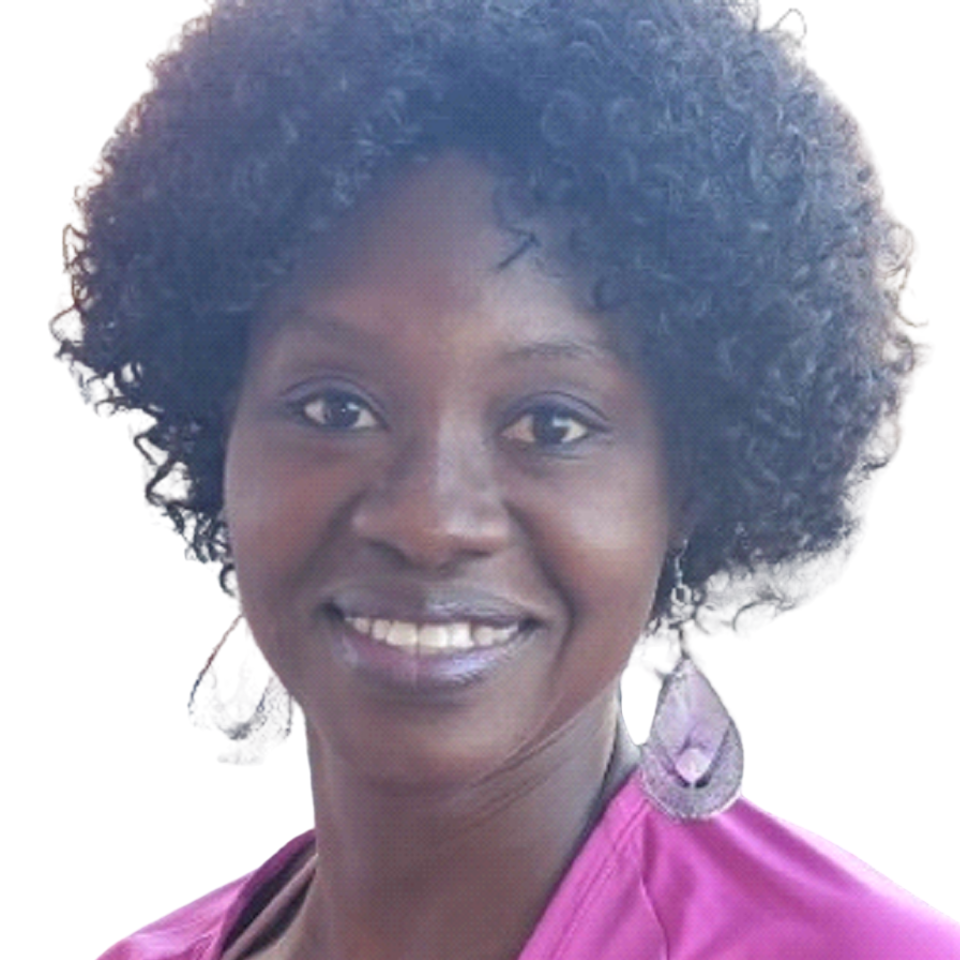
Helvetas Swiss Intercooperation, Central America
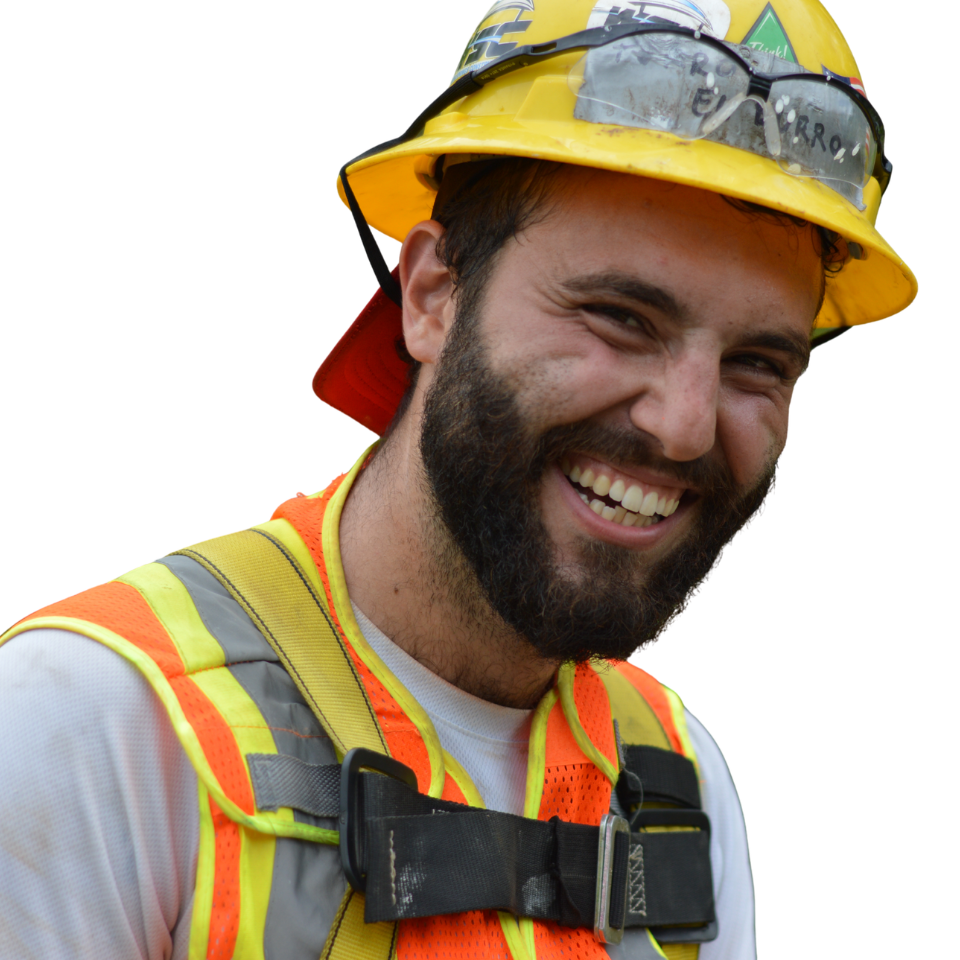
Fika
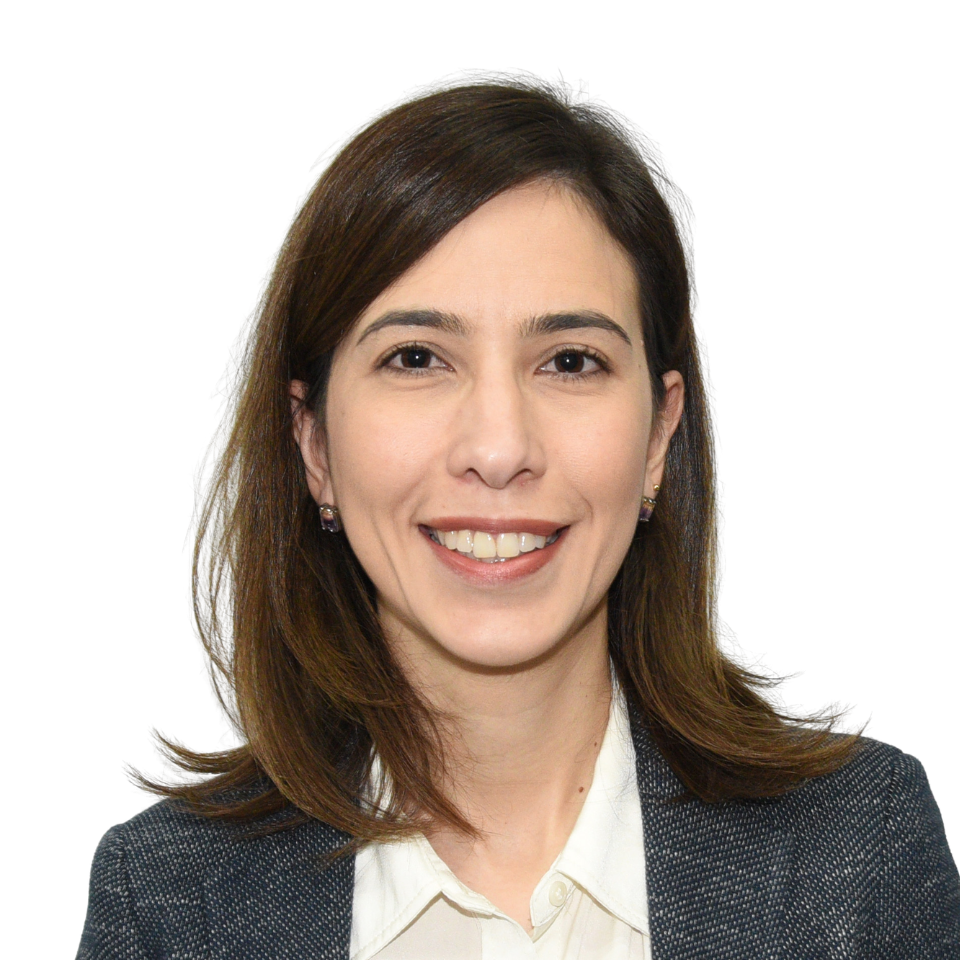
Development Bank of Latin America and the Caribbean (CAF)
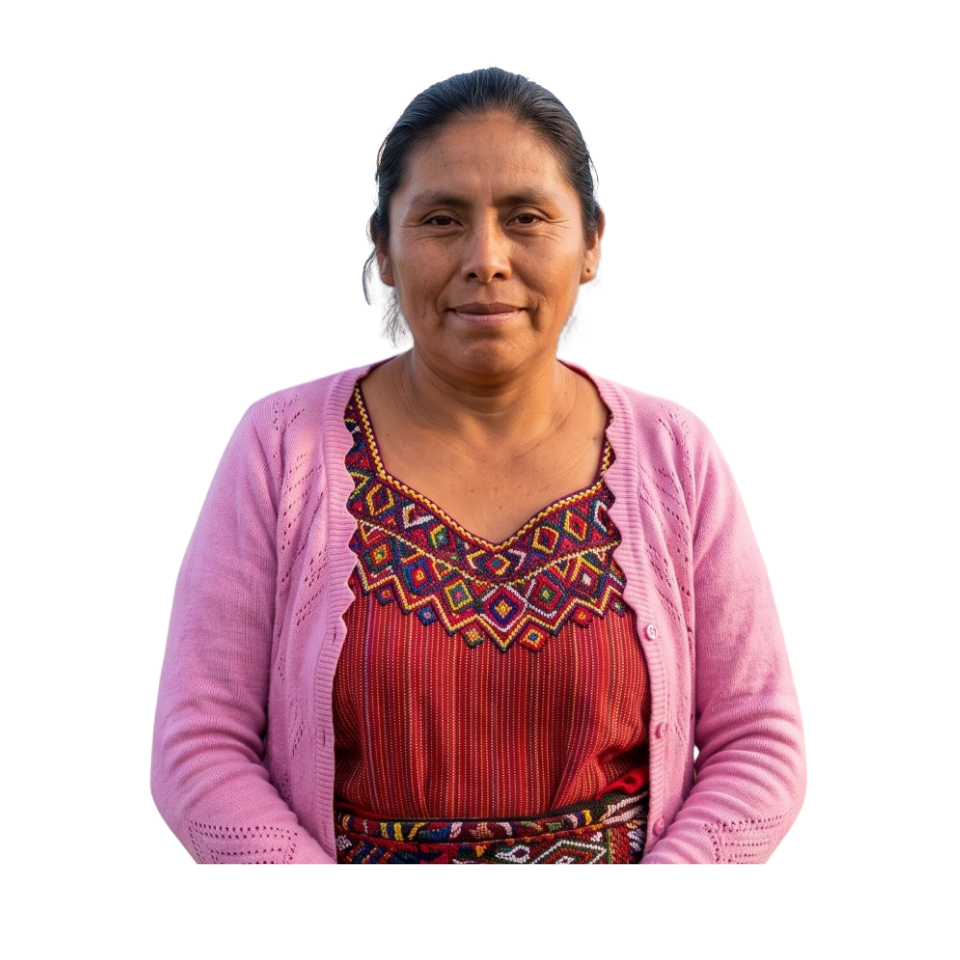
Representative, Santa Clara, Chajul, Quiché
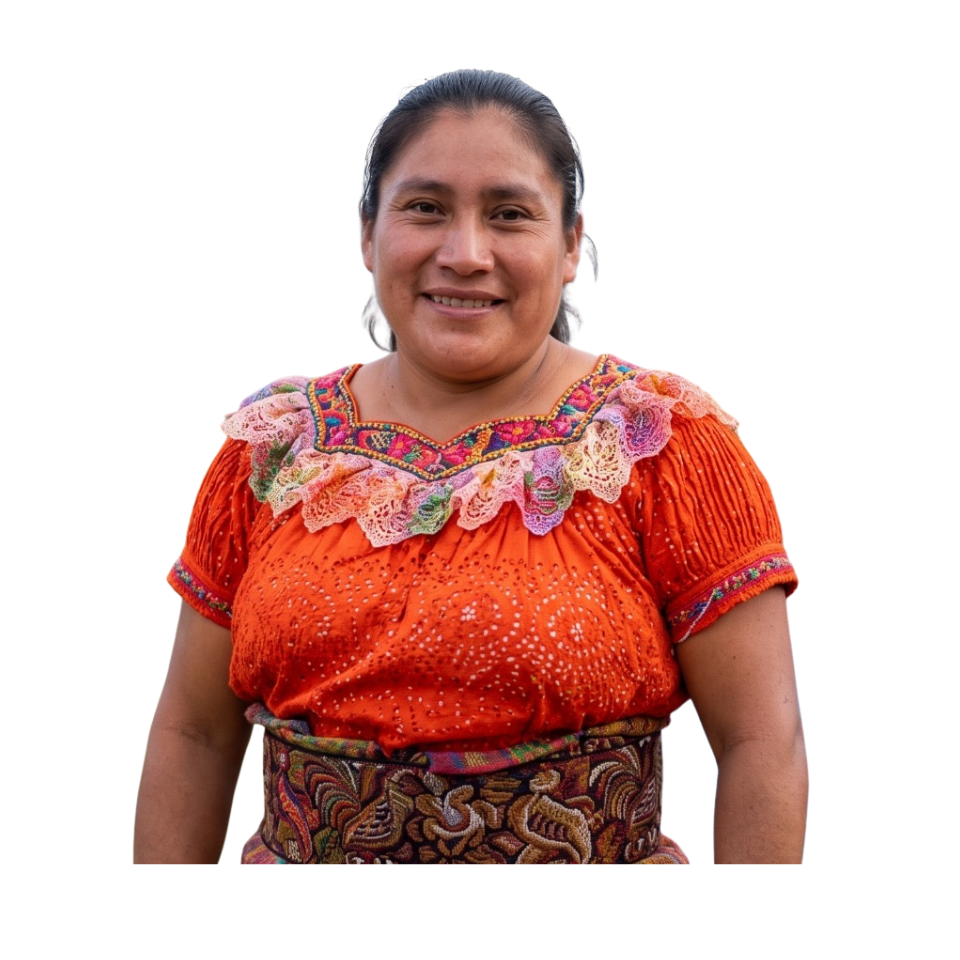
Representative, Santa Clara, Chajul, Quiché
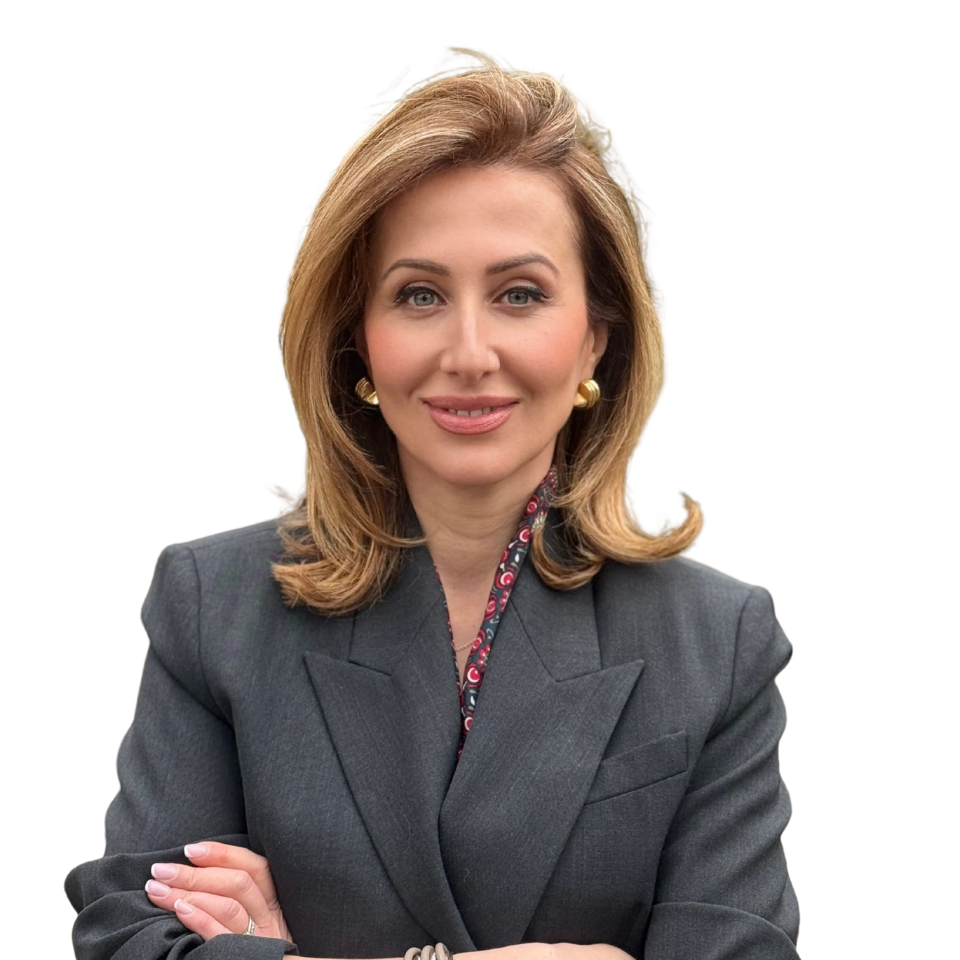
Helvetas USA
"For us, infrastructure is about having that bridge between people and goods and services."
"There really still isn't a vision that these roads are a fundamental part of a country's economic infrastructure. They are a crucial link connecting production in value chains to a country's exports. Until that happens, we will always view them as an afterthought."
"These projects probably won't pass standard economic evaluations, but if we look at the exogenous benefits they provide, they more than pass."
"What we need to do is monitor and generate the evidence that will later allow us to negotiate politically."
"A school that no one can reach because the river floods is not a school."
The panelists provided various resources for participants to use during the interactive session. They explained what a development project entails and the challenges faced within communities, particularly the lack of awareness regarding when to seek legal support. Each panelist shared their organization’s methodology for approaching and collaborating with communities, while also outlining the unique social, political, and legal challenges in their respective countries. The discussion covered the dynamics of human rights defense in Central America and the influence of corporations, noting that corporate interests and business leaders are often prioritized over labor and civic rights. They outlined how companies ought to respond to crises and the needs of citizens. Finally, they demonstrated how to build community-centered alliances, aiming for optimal communication and comprehensive solutions where projects are mutually agreed upon.
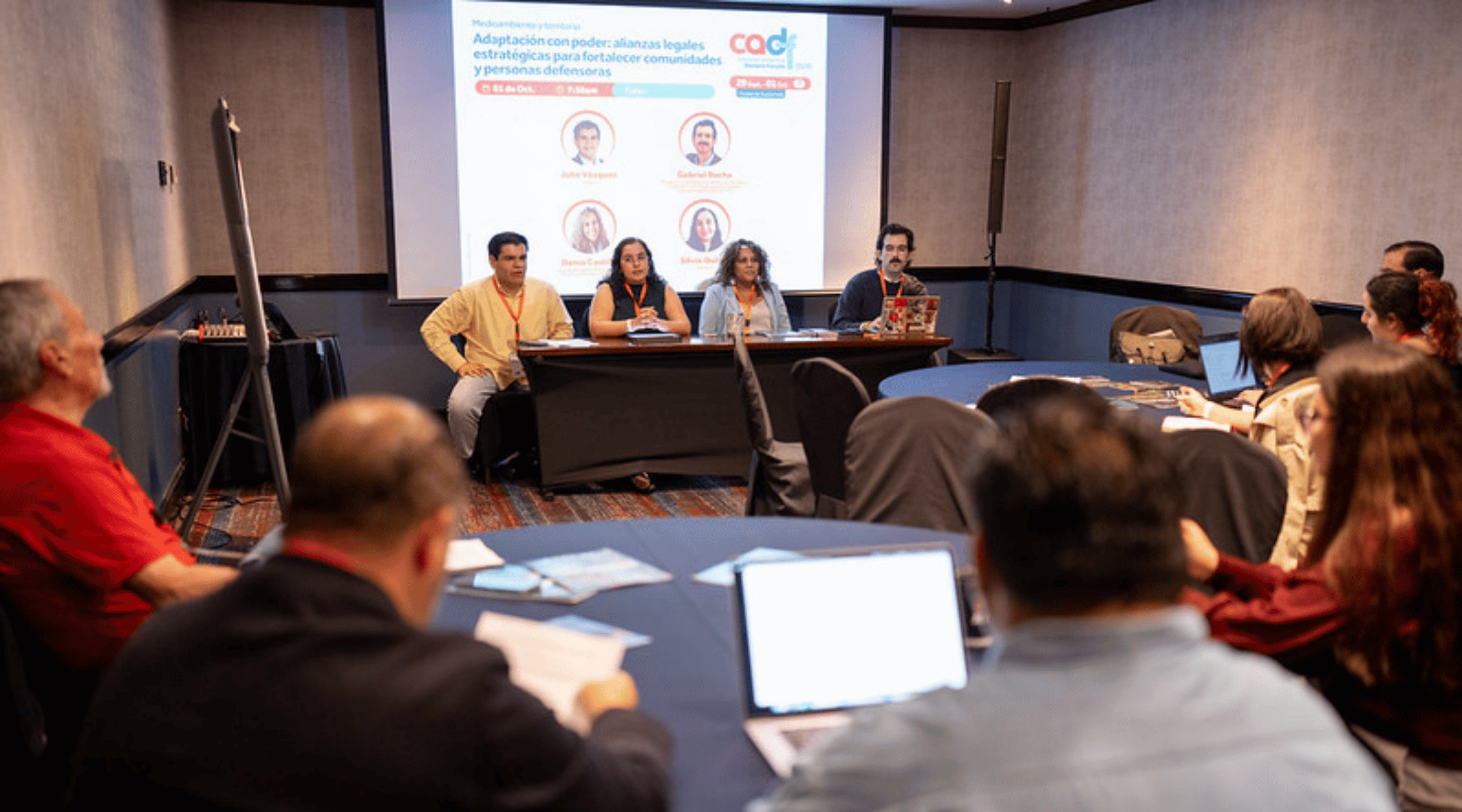
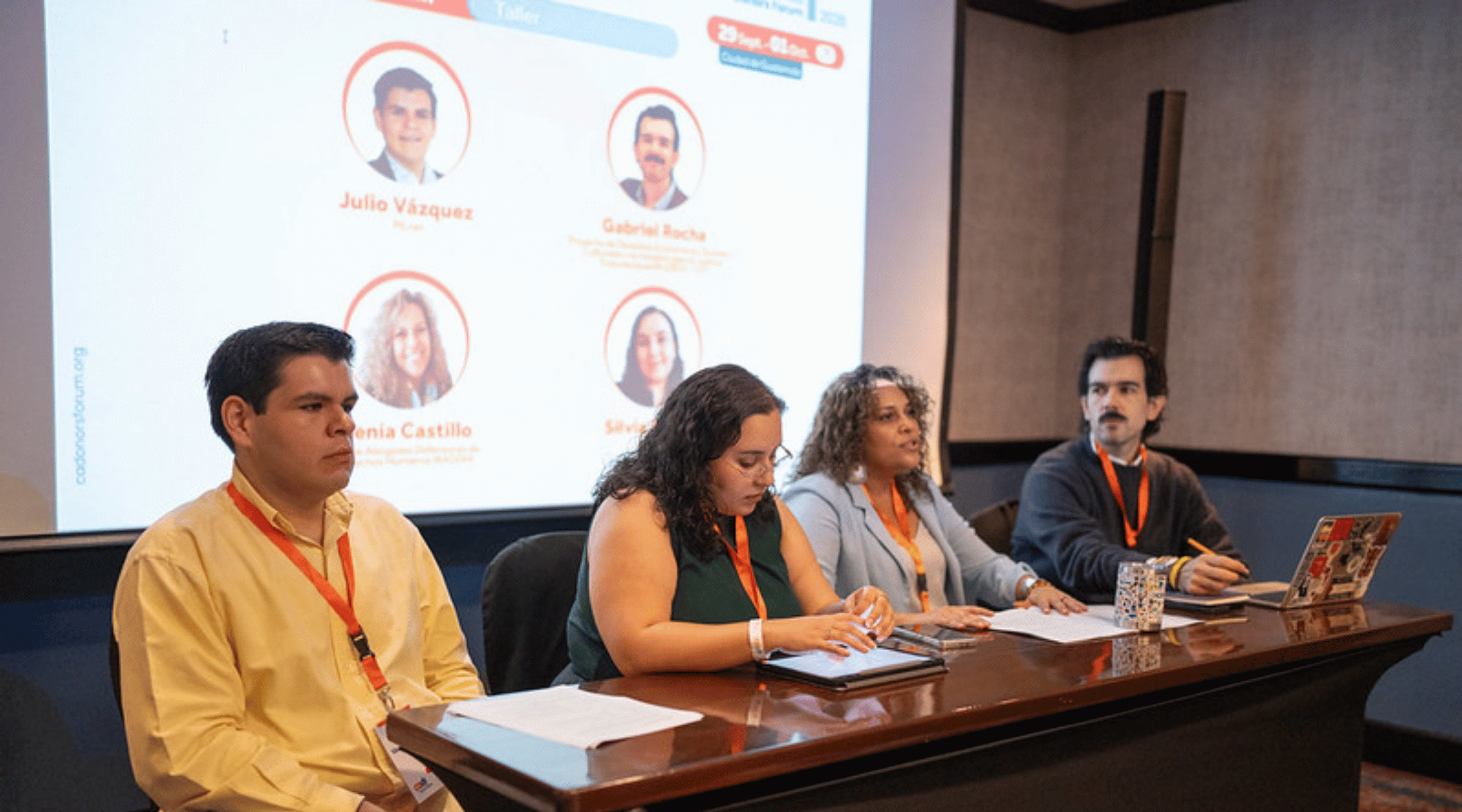
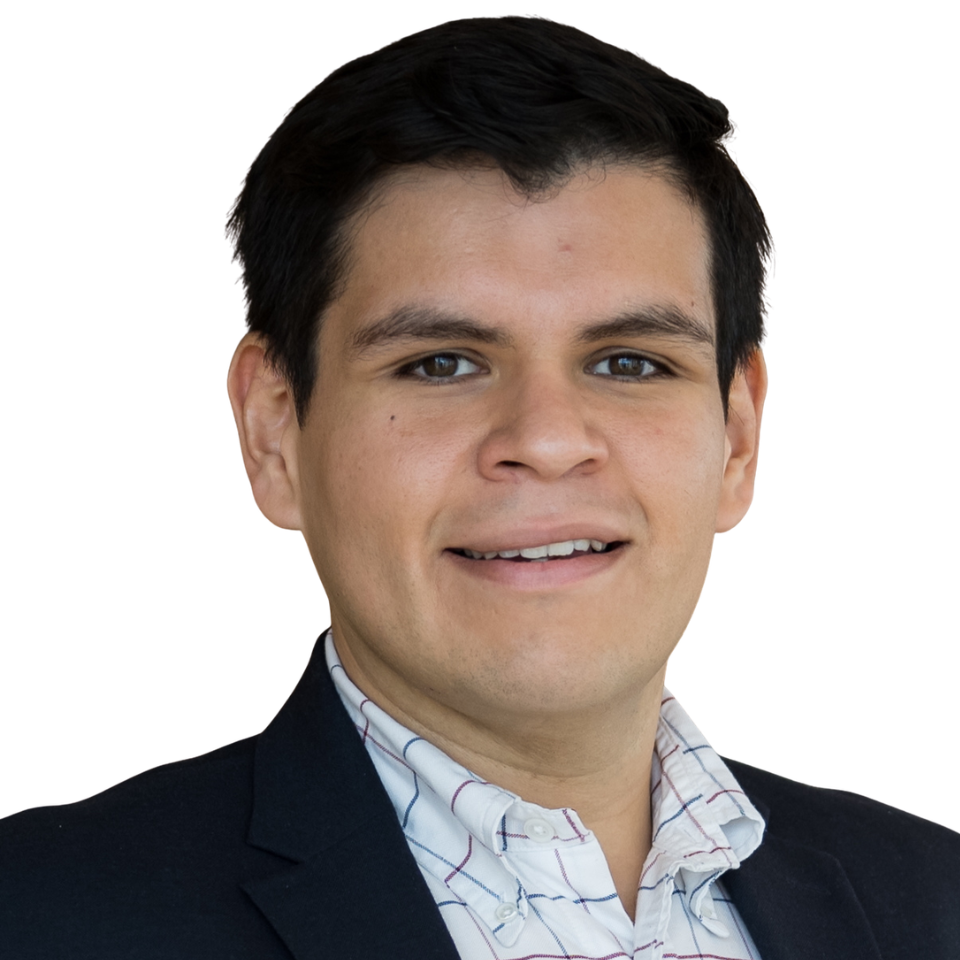
PILnet
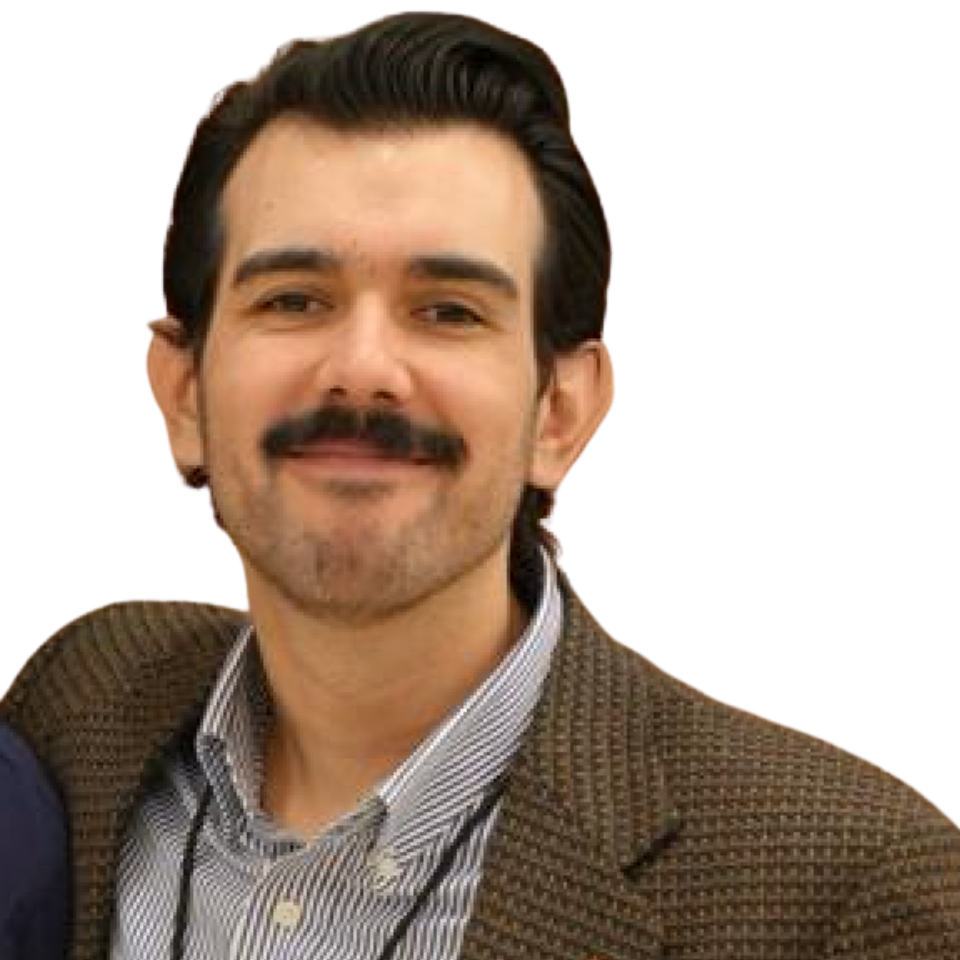
Project on Economic, Social, and Cultural Rights and the Transnational Justice Initiative (ProDESC / IJT)
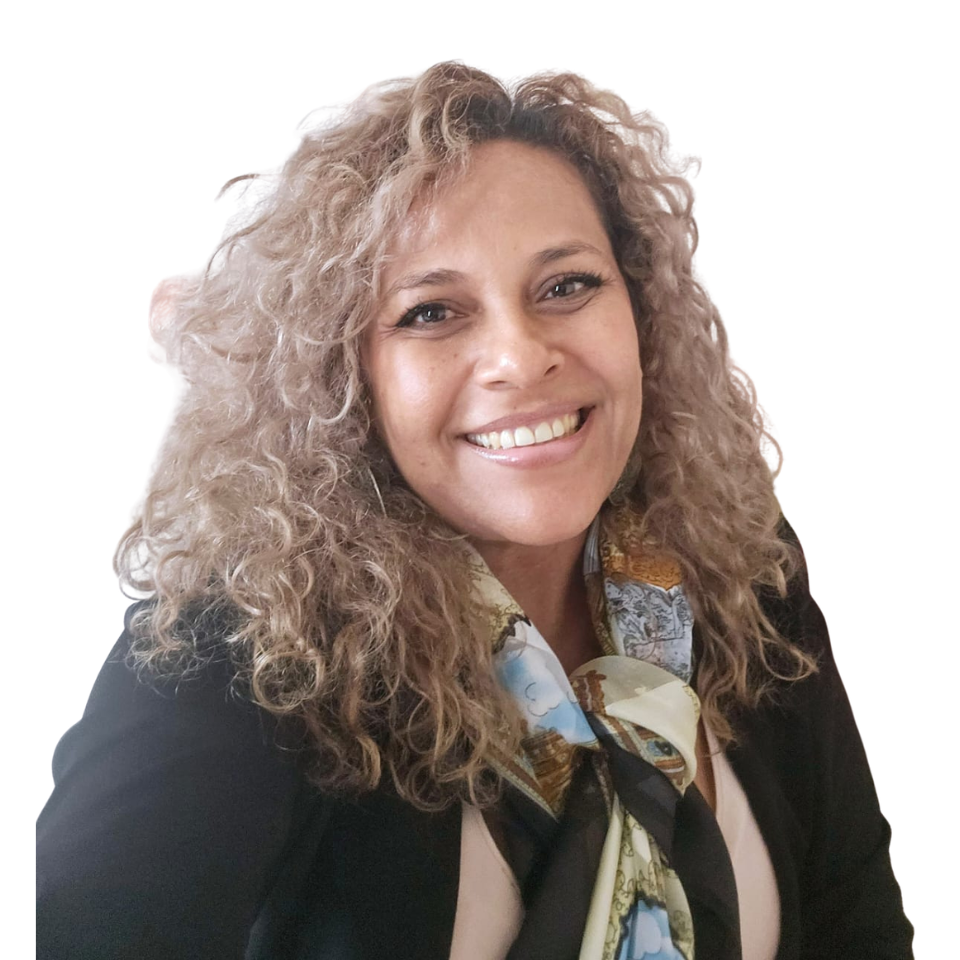
Red de Abogadas Defensoras de Derechos Humanos (RADDH)
Dentons
"We are in such a constant crisis that perhaps it is no longer a crisis; perhaps the system is designed this way."
"Hiring legal counsel might be expensive, but it could be much worse to need it and not have it."
"When the State is threatened, it makes adjustments to get out of the way, even if that implies harming the people."
"If we are stubborn, there is a way out."
"If we do not place power at the center, the alliances will not be fruitful."
The development ecosystem in Central America is at a turning point. Shrinking civic space, mounting anti-democratic pressures and shifting funding landscapes are reshaping how organizations and their partners can operate. To sustain our efforts, we must collectively reimagine our approach.
Navigating this moment requires strategic adaptation across the region’s changing political and funding environments. Organizational innovation and trust-based partnerships across sectors are essential to preserving what we have built and shaping what comes next. Fortunately, this adaptation is already underway. Across Central America, organizations are forging new paths by recalibrating their models, deepening community trust and building powerful cross-border alliances. These existing strategies provide a vital foundation for our next steps.
The 2026 Central America Donors Forum was a critical opportunity to reimagine our collective efforts in the region. Under the theme “Adaptation in Action,” hundreds of civil society, philanthropic, corporate and government leaders and experts gathered to explore promising strategies and build more collaborative partnerships across sectors moving forward.
As authoritarianism and corruption deepen across parts of Central America, civil society and independent media face heightened criminalization amidst shrinking international support. In direct response, this track shifts beyond diagnosis toward strategic adaptation. Sessions will equip leaders with actionable strategies for democratic resilience, focusing on combating corruption, safeguarding frontline defenders and the communities they serve, and defending freedom of expression through cross-border coalitions, innovative initiatives and funding structures. By centering the essential leadership of independent journalists, human rights defenders, legal advocates and grassroots organizers, participants will forge trust-based partnerships and develop concrete tools to transform regional solidarity into sustained, measurable collective action.
Despite historic gains in access, Central America faces a persistent skills gap exacerbated by environmental and social disruptions. As the nature of work rapidly evolves, cross-sector organizations are bridging the critical divide between foundational education and decent work. This track will explore actionable strategies to strengthen resilient and inclusive educational systems that equip women, girls, Indigenous and Afro-descendant communities, rural populations and other underserved learners with essential lifelong competencies and sustainable livelihoods. Moving beyond the classroom, sessions will examine workforce development, highlighting inclusive, multi-stakeholder partnerships, entrepreneurship and the economic impacts of migration and technology. By fostering skills development that is responsive to local contexts, attendees will explore cross-sector models that contribute to dignified work, reduced inequalities, and long-term inclusive regional prosperity.
Environmental justice is a fundamental human right. As accelerating climate impacts and under-regulated extractive industries threaten ecosystems and livelihoods, marginalized communities bear the heaviest burden. Aligning with our theme of adaptation, this track centers frontline defenders, including Indigenous, Afro-descendant, women and youth leaders who are pioneering solutions. Speakers will bridge scientific approaches with community-rooted strategies, exploring agroecology, renewable energy and urban sustainability alongside the realities of climate-driven displacement and territorial dispossession. Sessions will examine how to finance climate adaptation at scale and forge the trust-based partnerships needed to protect regional territories, advance land rights and support local stewards.
Civil society organizations across Central America are navigating a period of structural disruption marked by shrinking civic space, shifting funding landscapes and a political environment that demands more than incremental adjustments. At the same time, organizations across the region are finding ways to adapt, drawing on deep institutional experience, community legitimacy and cross-border networks. This track creates space for local leaders and international partners and funders to examine what strategic adaptation looks like in practice—and to listen as much as to share. Sessions will explore how organizations are diversifying their work, strengthening community ties and engaging diaspora communities. Donors will reflect on how flexible and trust-based investment in core organizational capacity can help sustain democratic infrastructure over time, even as they navigate their own institutional constraints. Attendees will leave with a clearer understanding of what is working, what is not, and what stronger, trust-based partnerships between funders and civil society could look like going forward.


How do you decide what to prioritize when funding is cut? What role do teams, finances, and care play in media sustainability? First, the session proposed that sustaining a media outlet is not just about finding another donor: adding revenue streams without a strategy simply increases the workload and stress of already reduced teams. Therefore, through a team design exercise, media outlets assigned roles and revenue percentages, proving that prioritizing also means deciding what to cut. Furthermore, evidence from over ten years of SembraMedia research shows that diversifying roles, such as finance, sales, and marketing, boosts revenue streams. Additionally, participants were advised to calculate direct and structural costs, including leadership compensation. Finally, in high-risk contexts, the need for security, prevention, and exile protocols was emphasized, as two out of three journalists currently lack them.
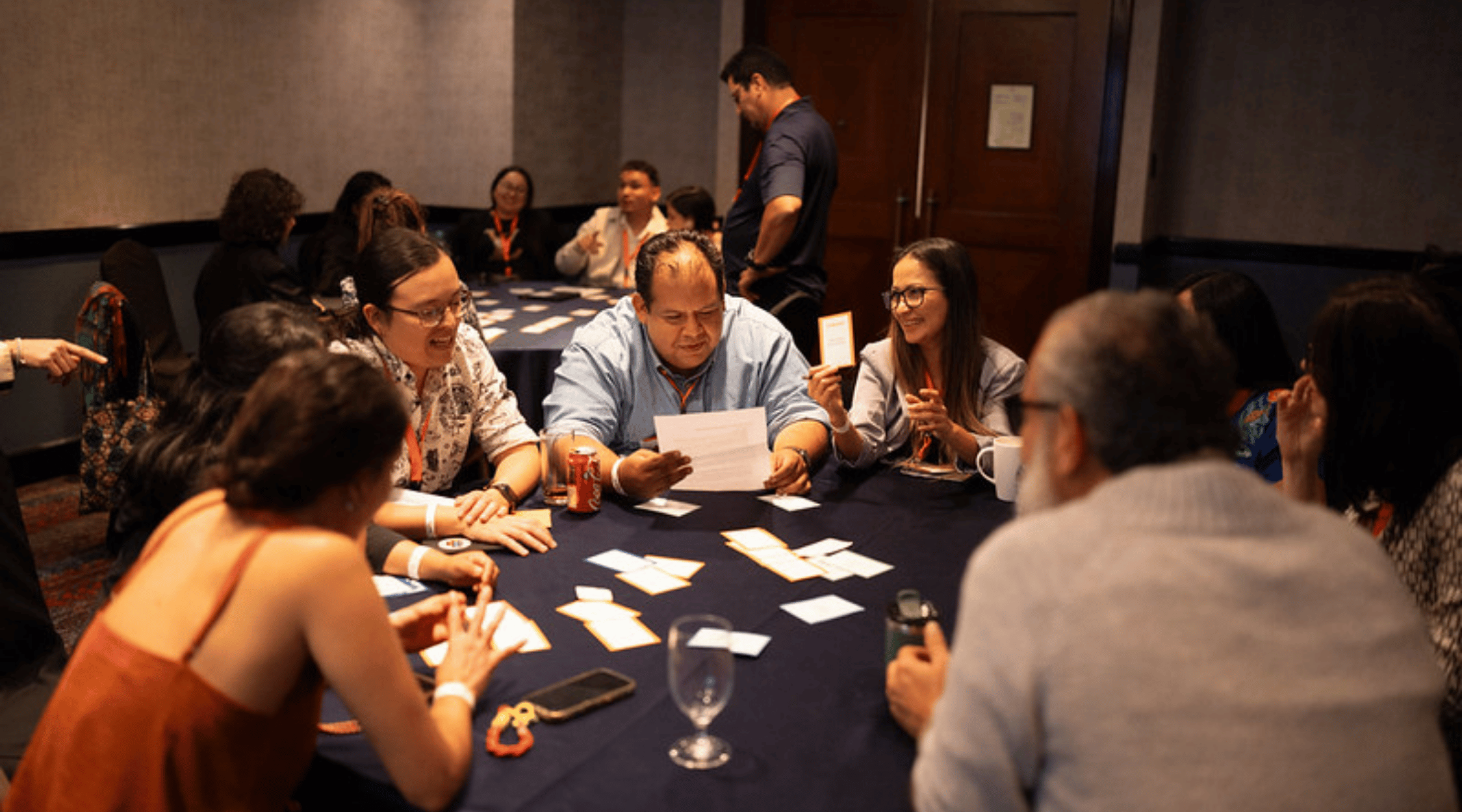
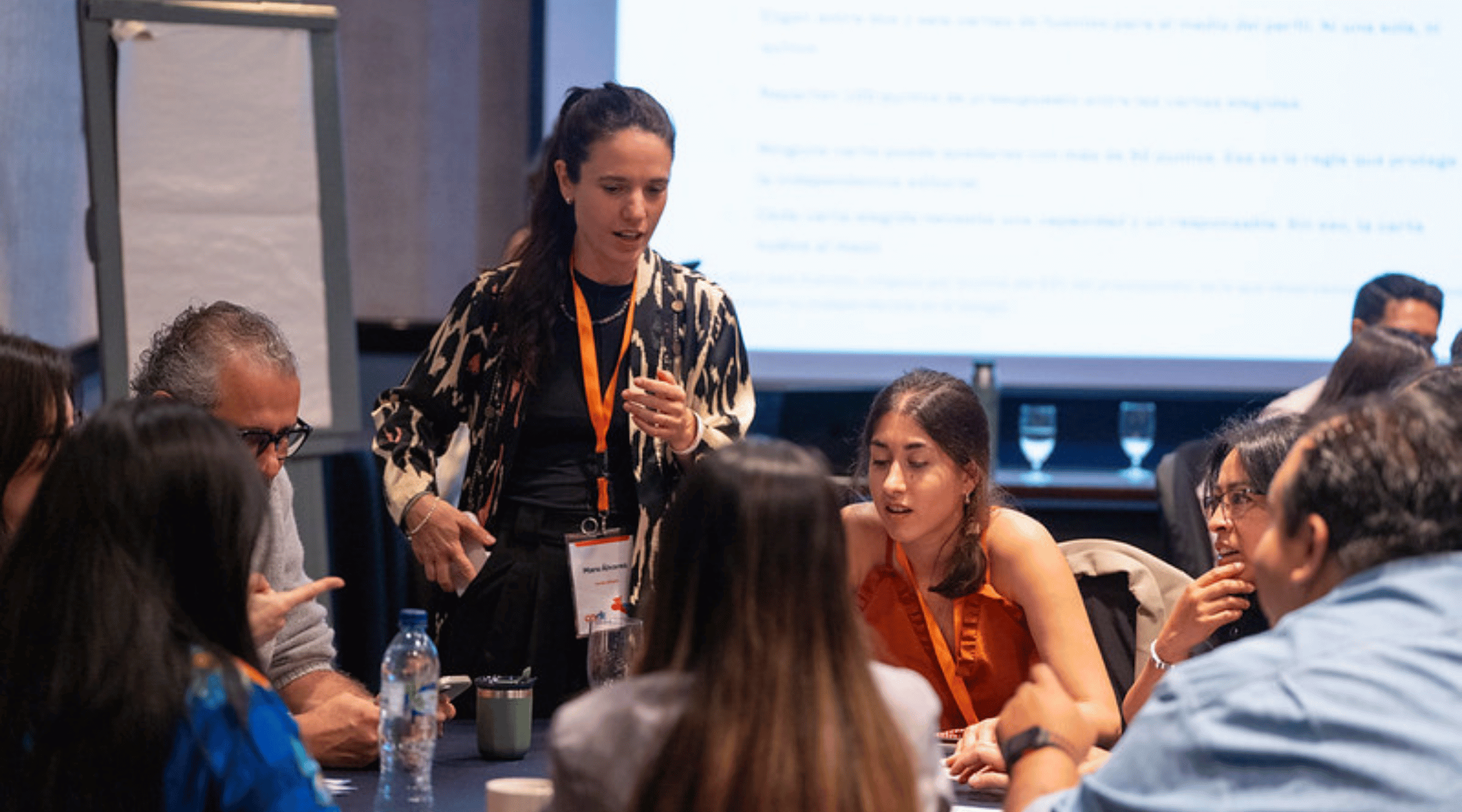
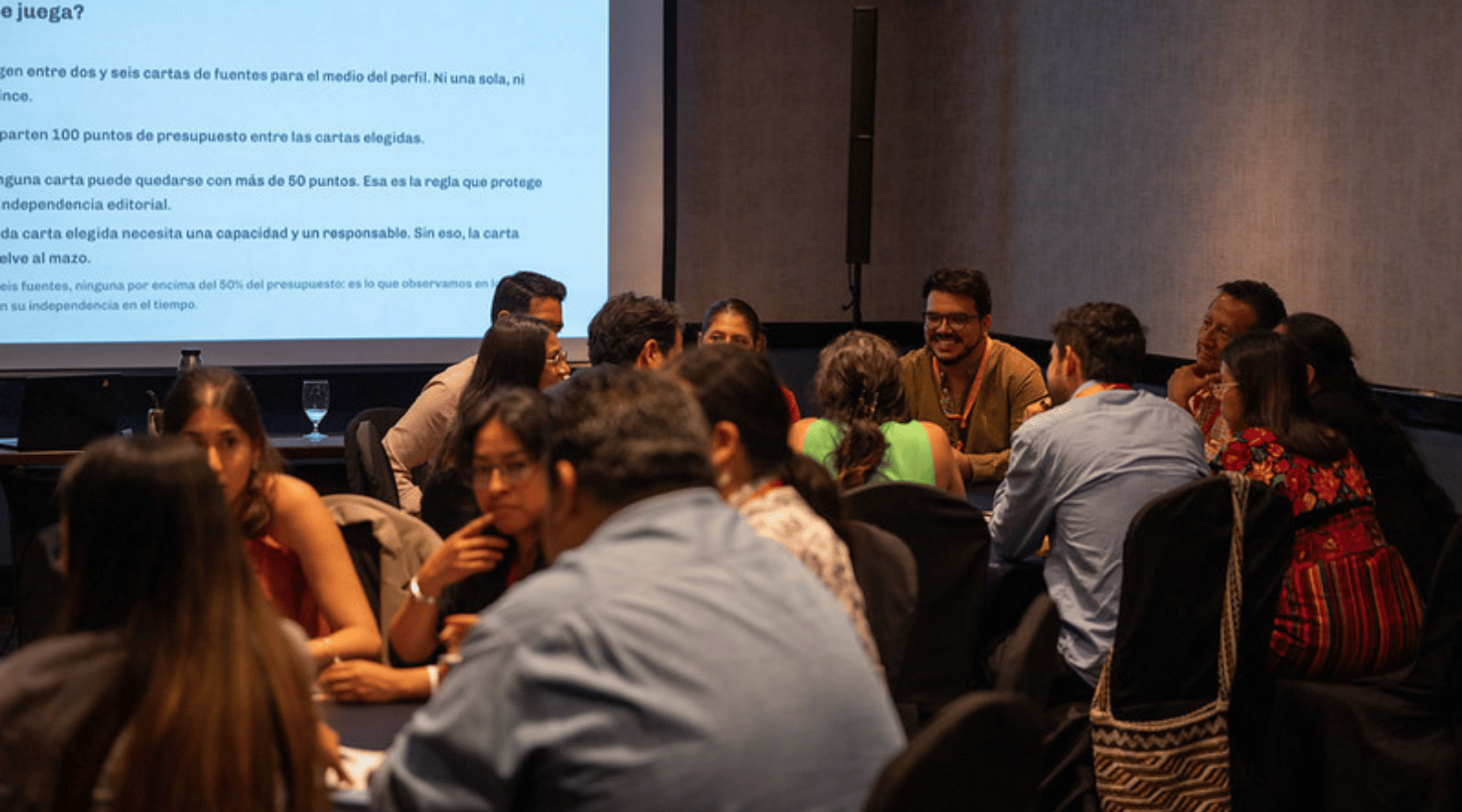
SembraMedia
SembraMedia
"When the leader of a media outlet does not factor in their time or compensation, it is the first thing they sacrifice when money is tight. It is an understandable temporary decision, but it is not sustainable: nobody can live on thin air."
"We often think that we now need to search for more, and that begins to increase tasks and volume. If the strategic direction is not well thought out, it ends up being stressful for the teams and strains management."
"We have to consider our worth and put a value on our work, ensuring it is reflected in the numbers, the goals, and the budget."
"Right now, organizations are focusing more on our viability than our profitability. Today, we can think about the viability and the value of our organization's impact."
"Two out of three journalists do not have security, prevention, or exile protocols (...) A journalist who has to go into exile should not feel ashamed of that process."
The enthusiasm of the CADF sessions and activities are captured in the CADF 2026 videos.
View the CADF 2026 videosAt CADF 2026, attendees used the Sustainable Development Goals (SDGs) to navigate networking opportunities, as well as meet potential partners and allies.
Check out which SDGs attendees are most working towards below:
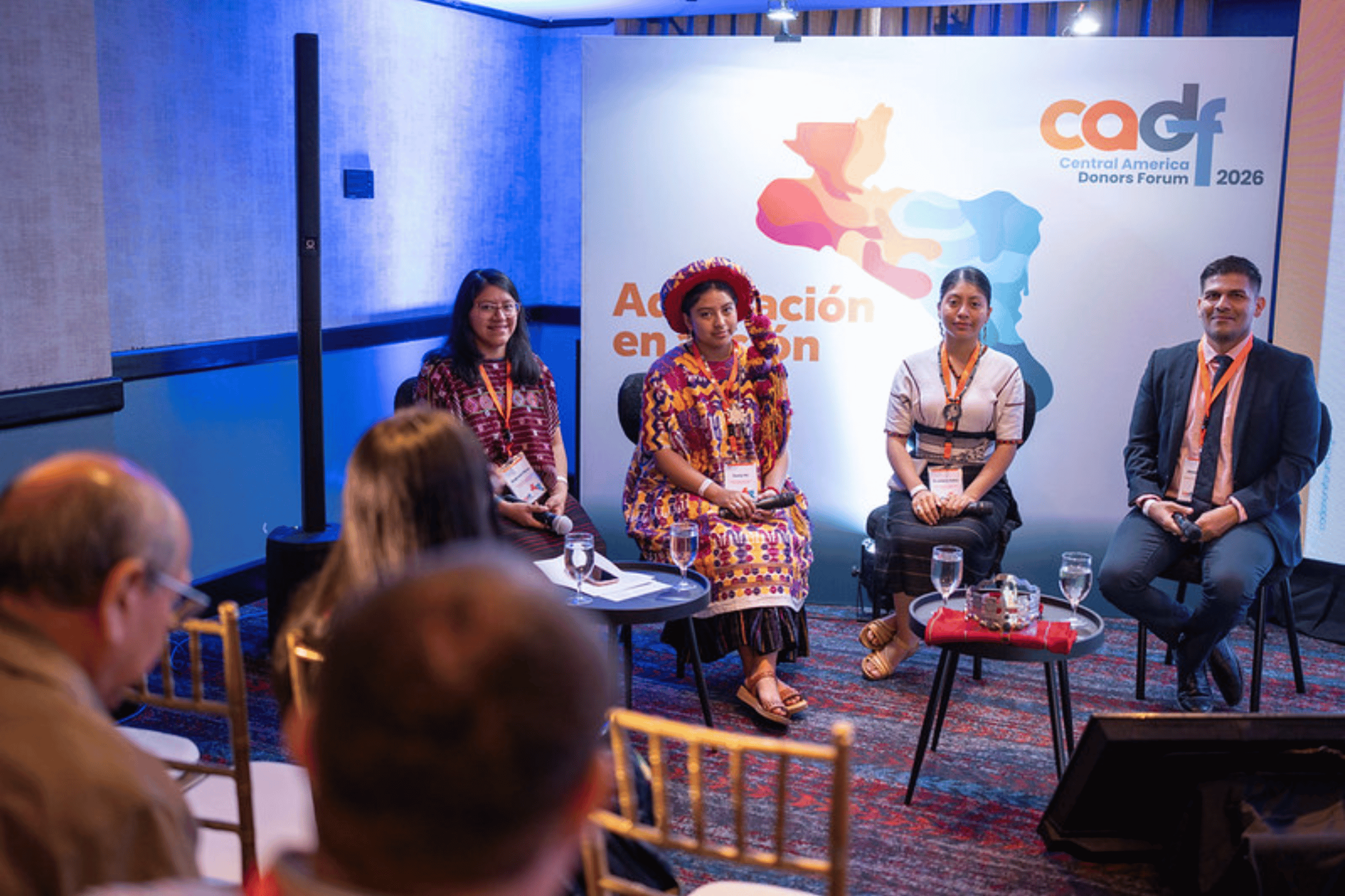

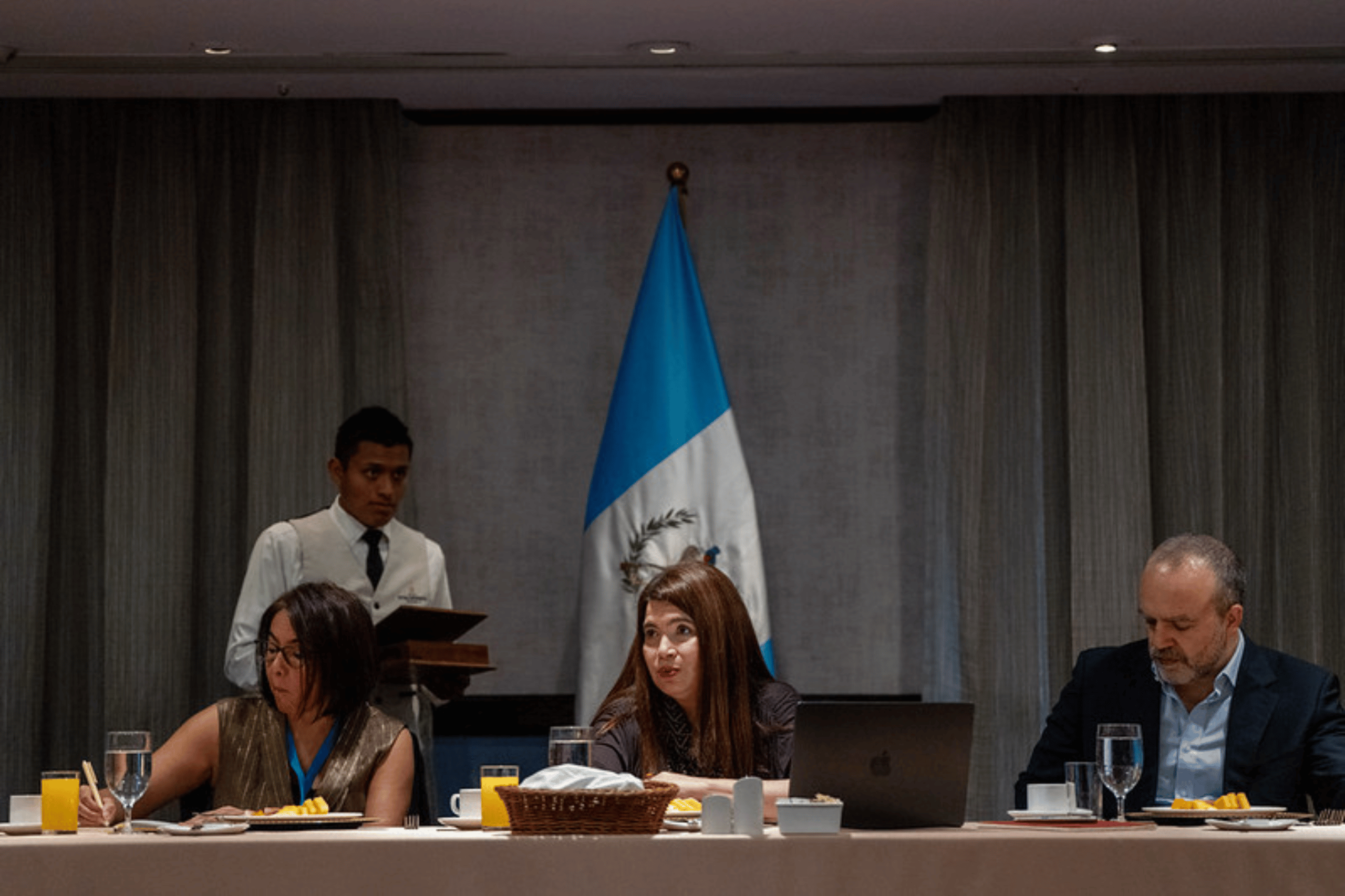
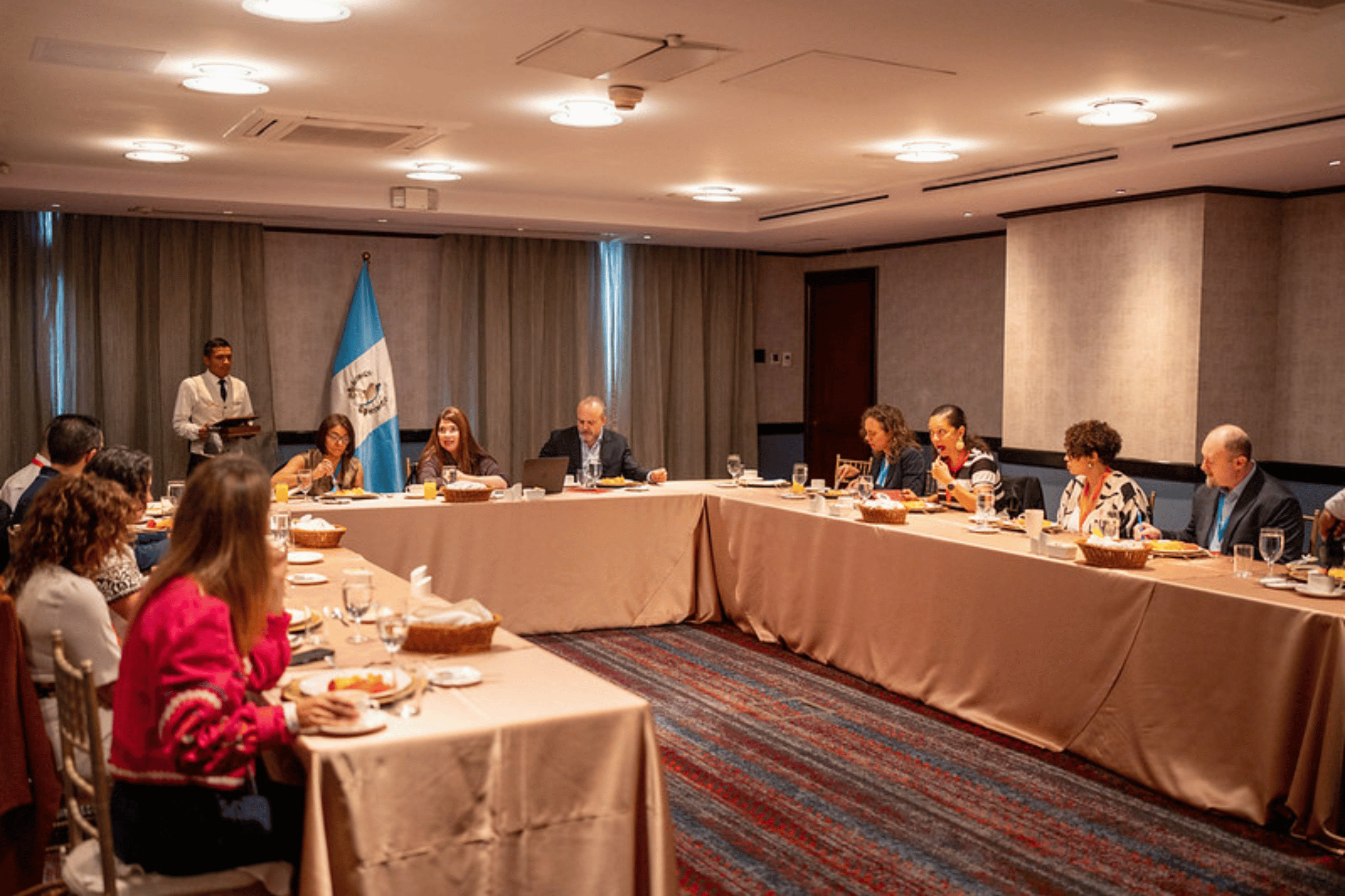
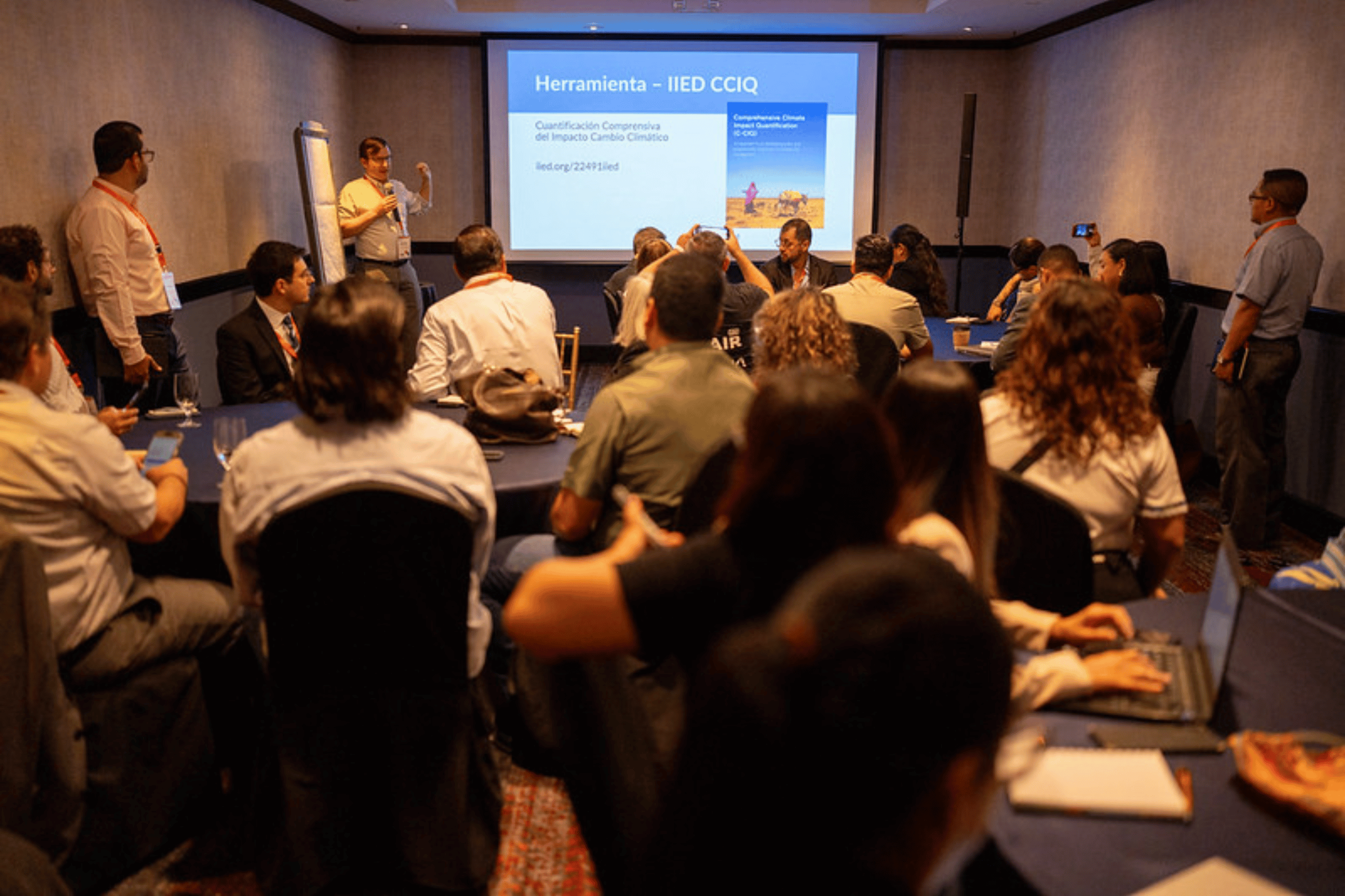
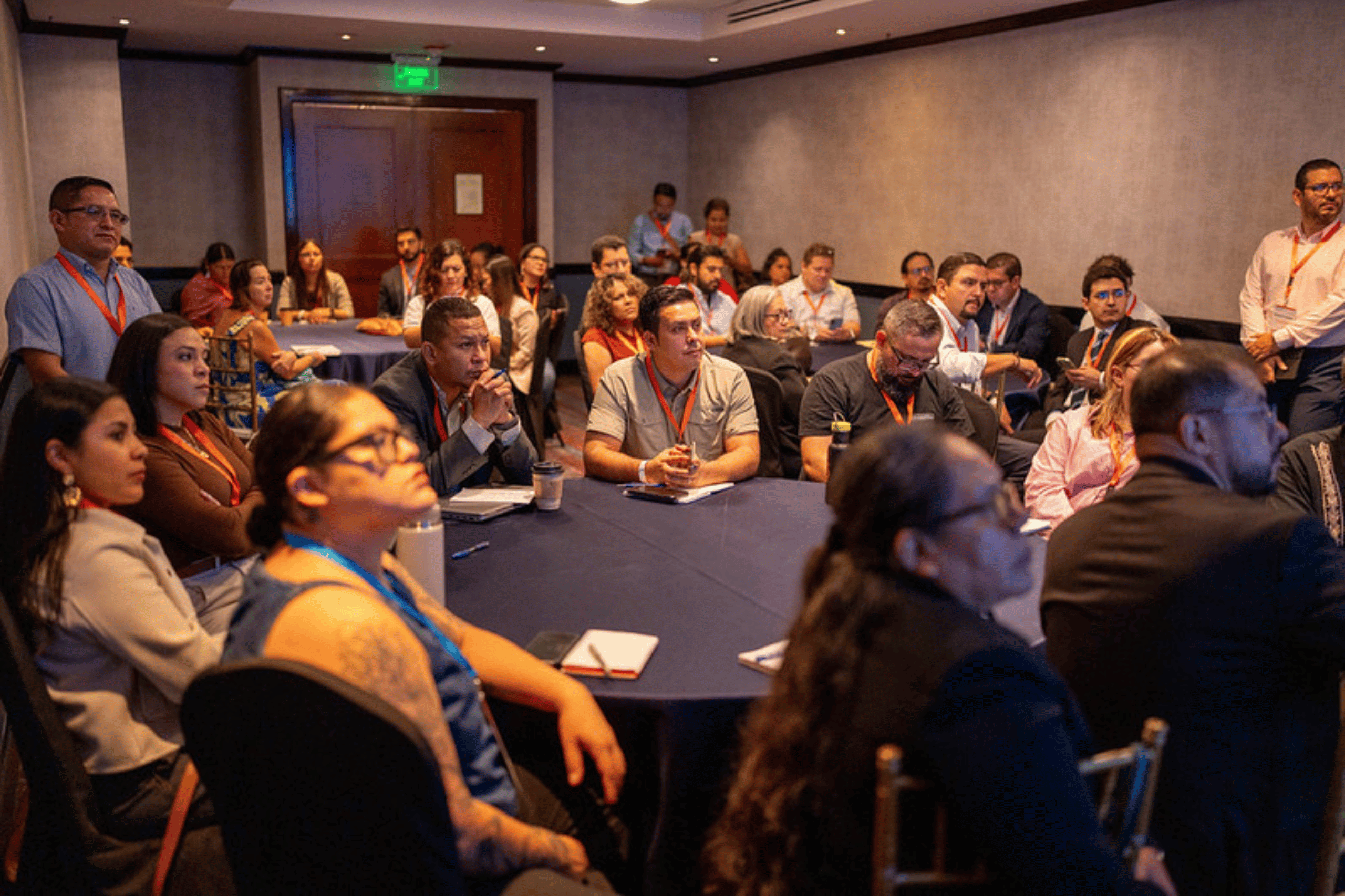
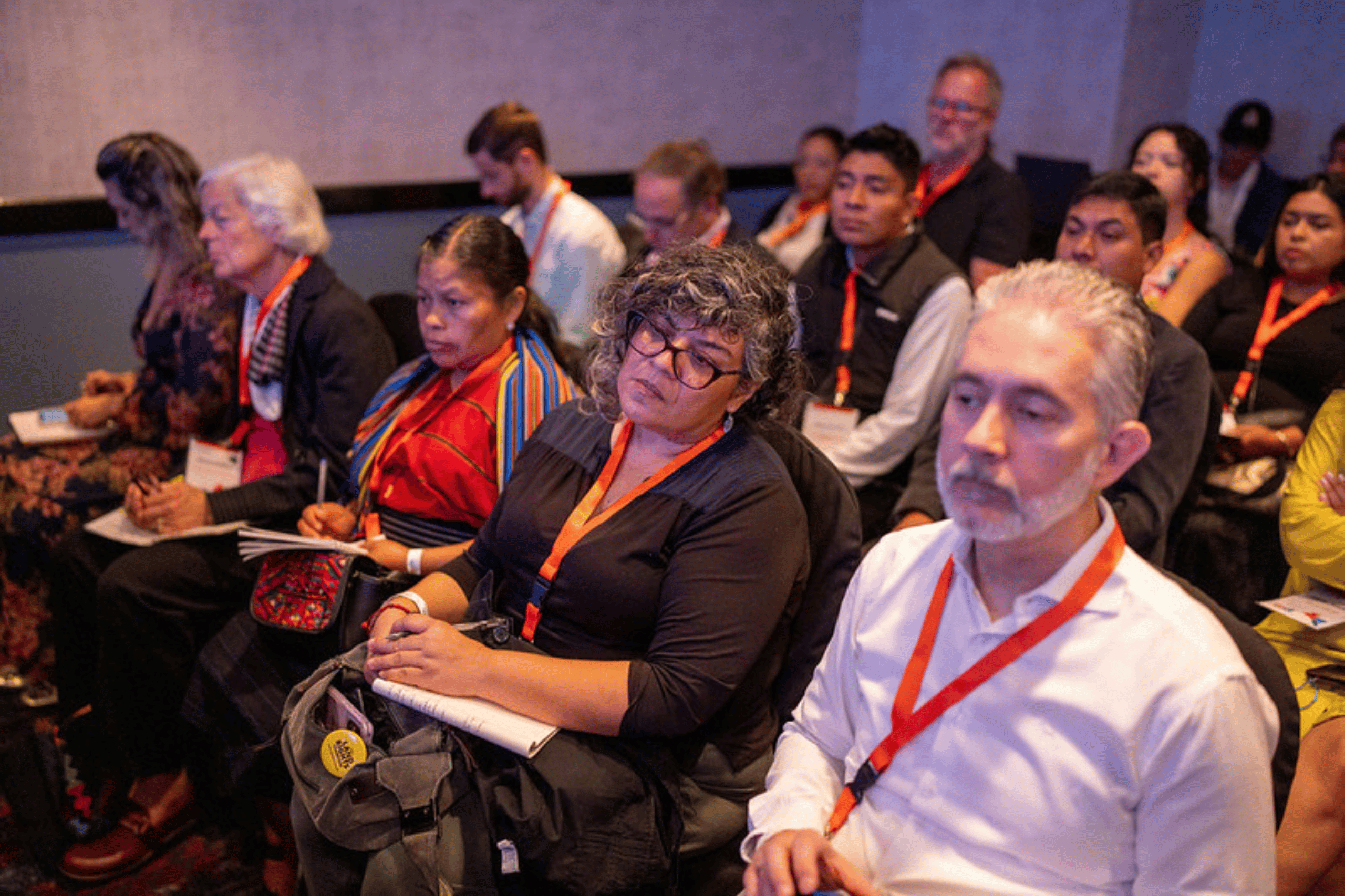
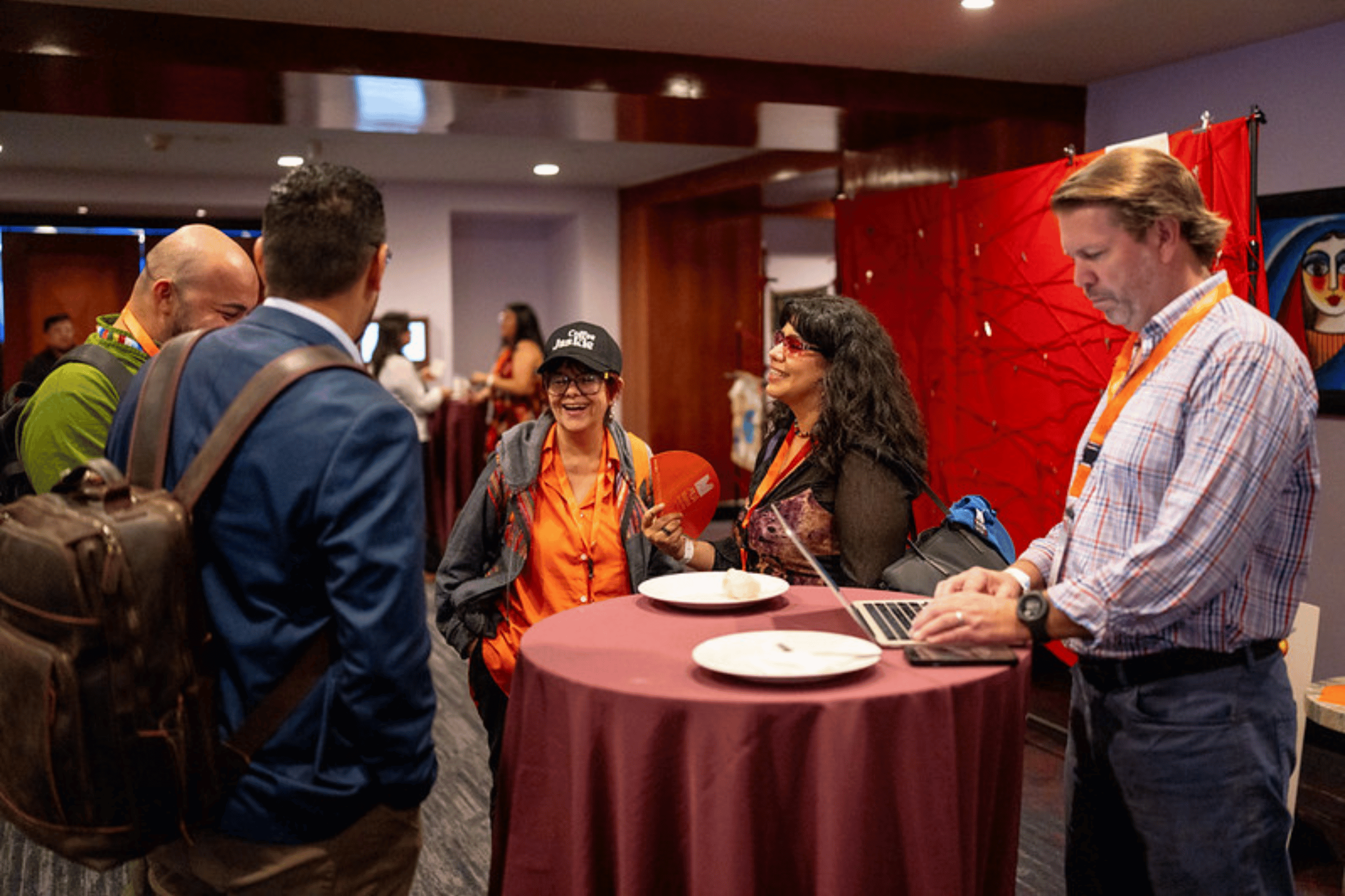
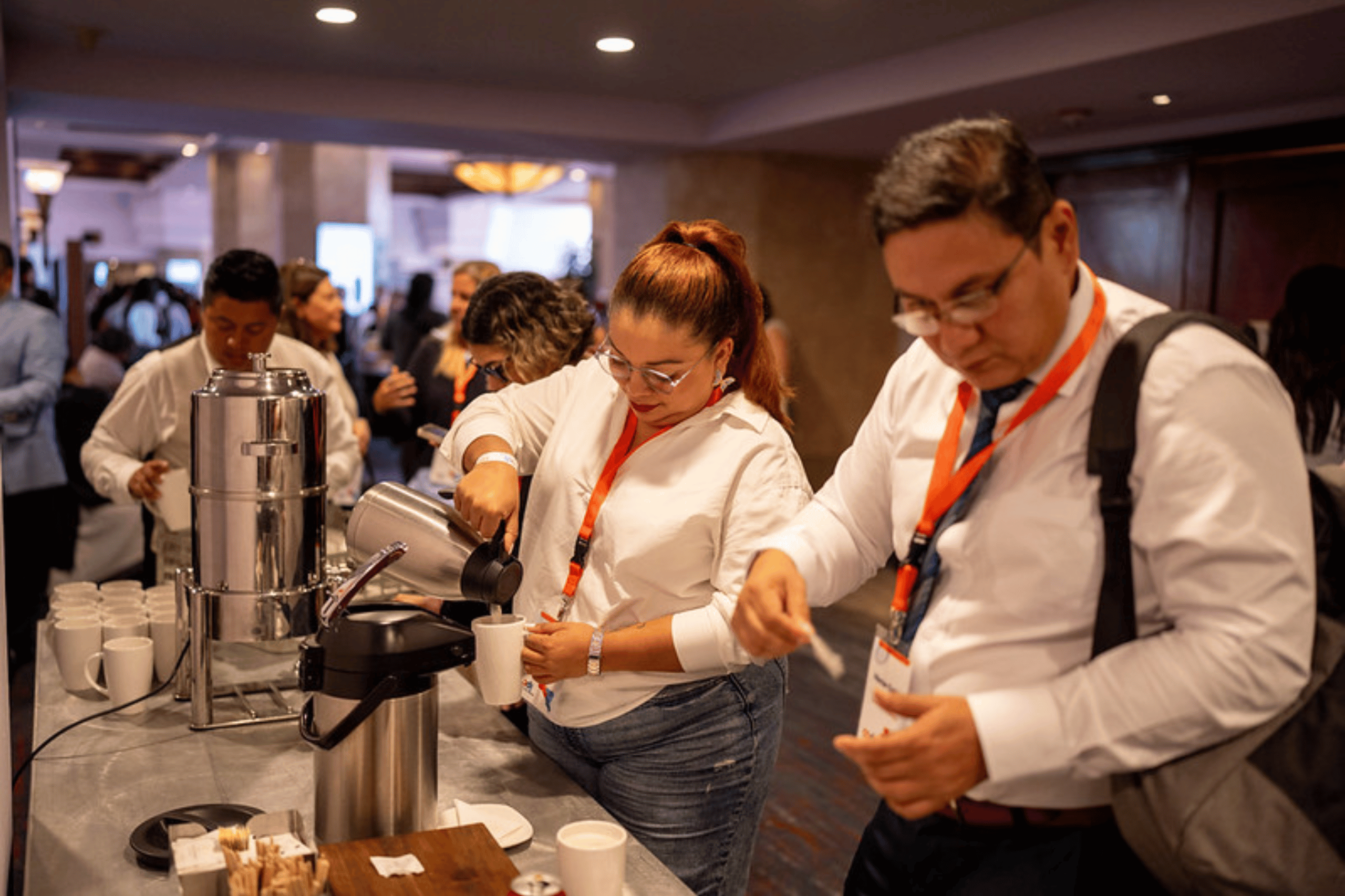
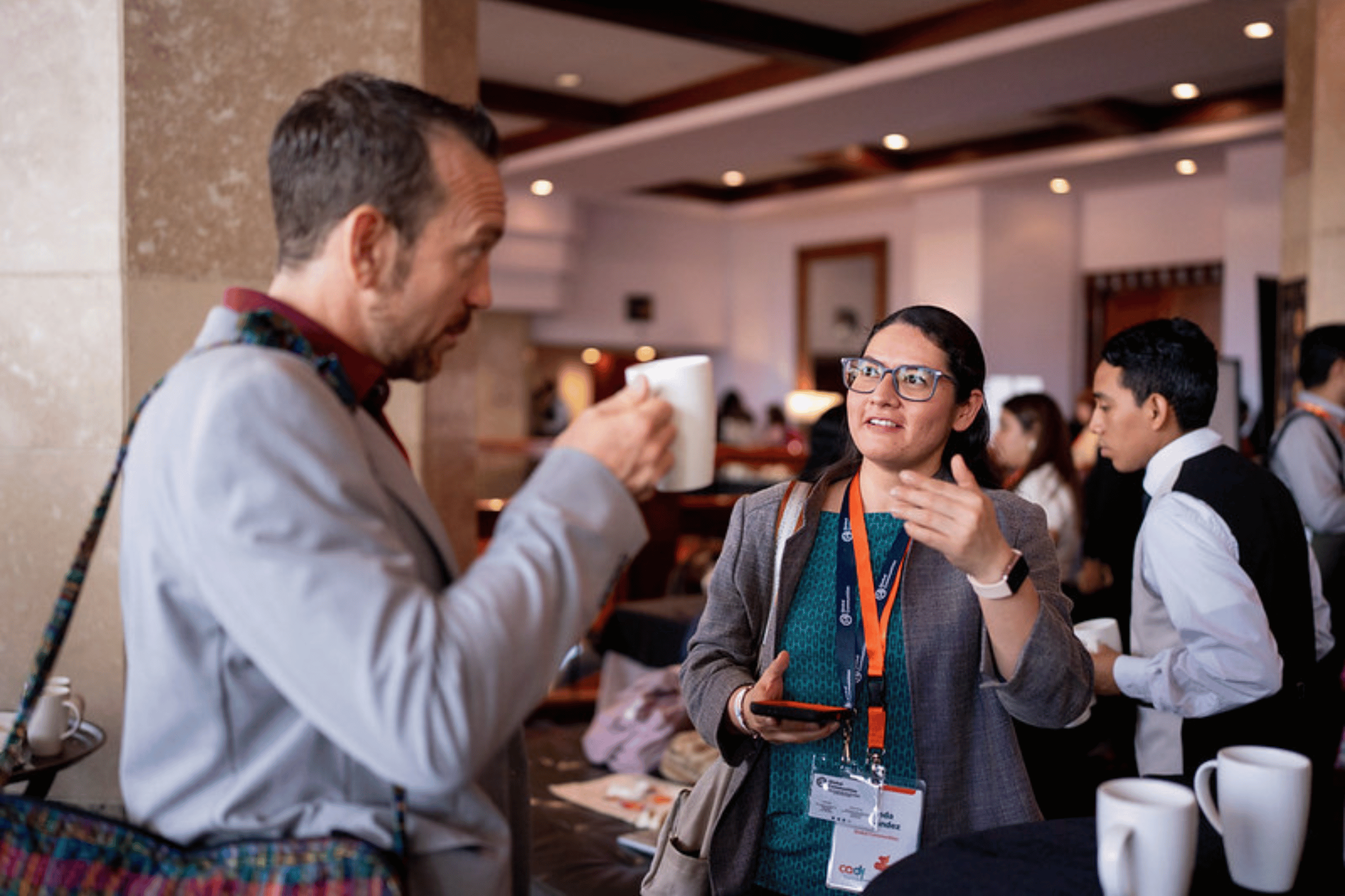
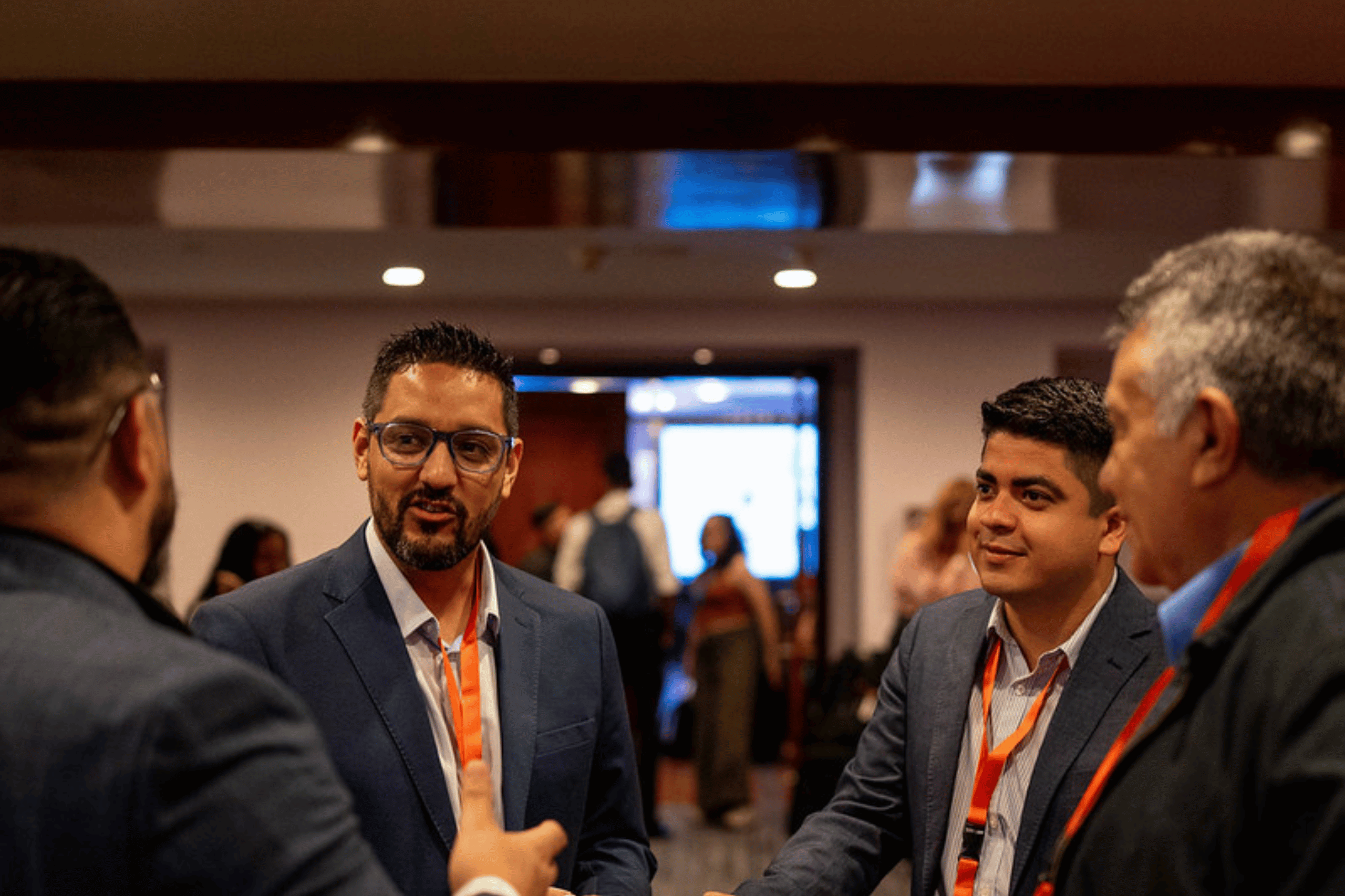
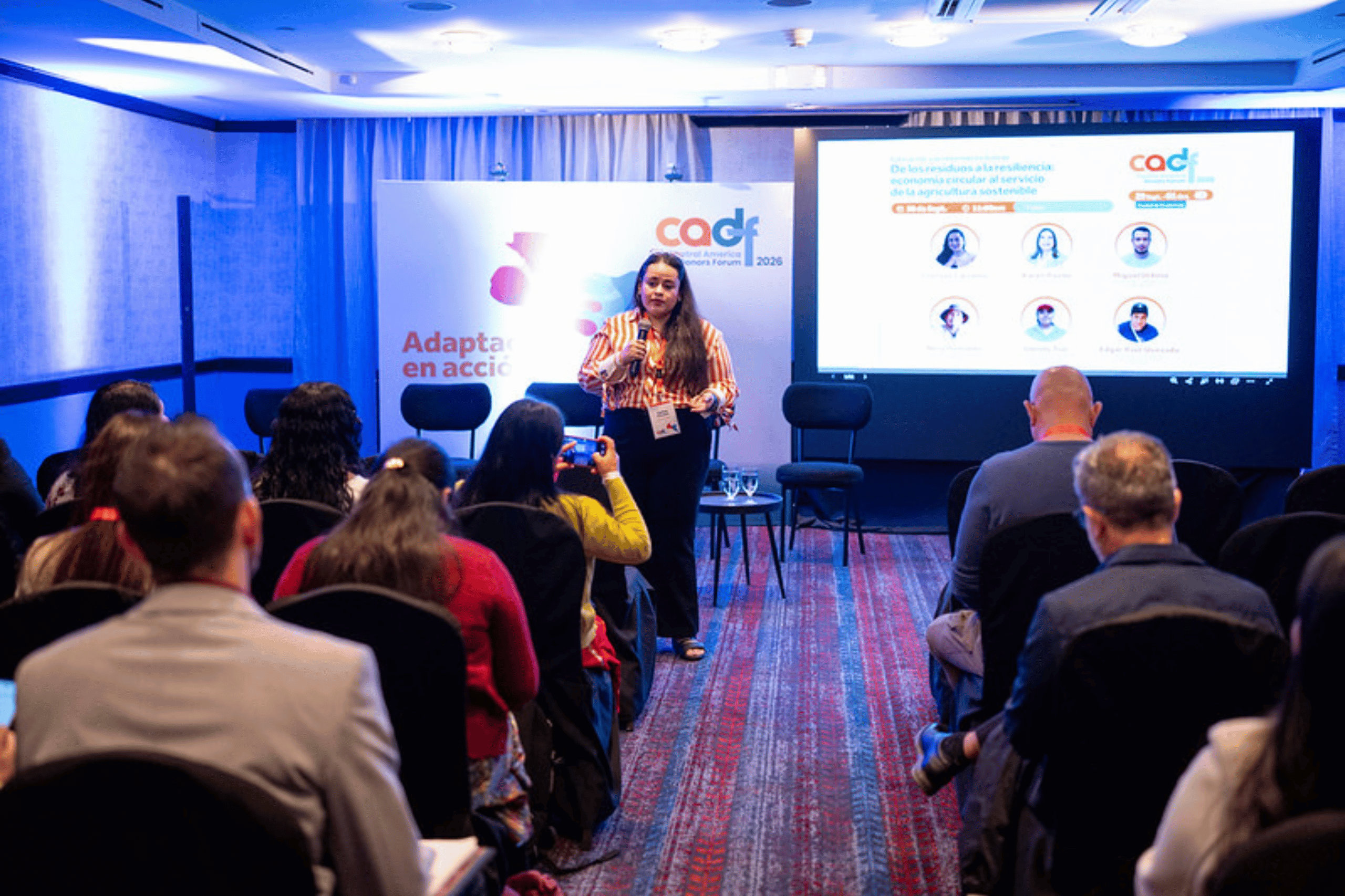

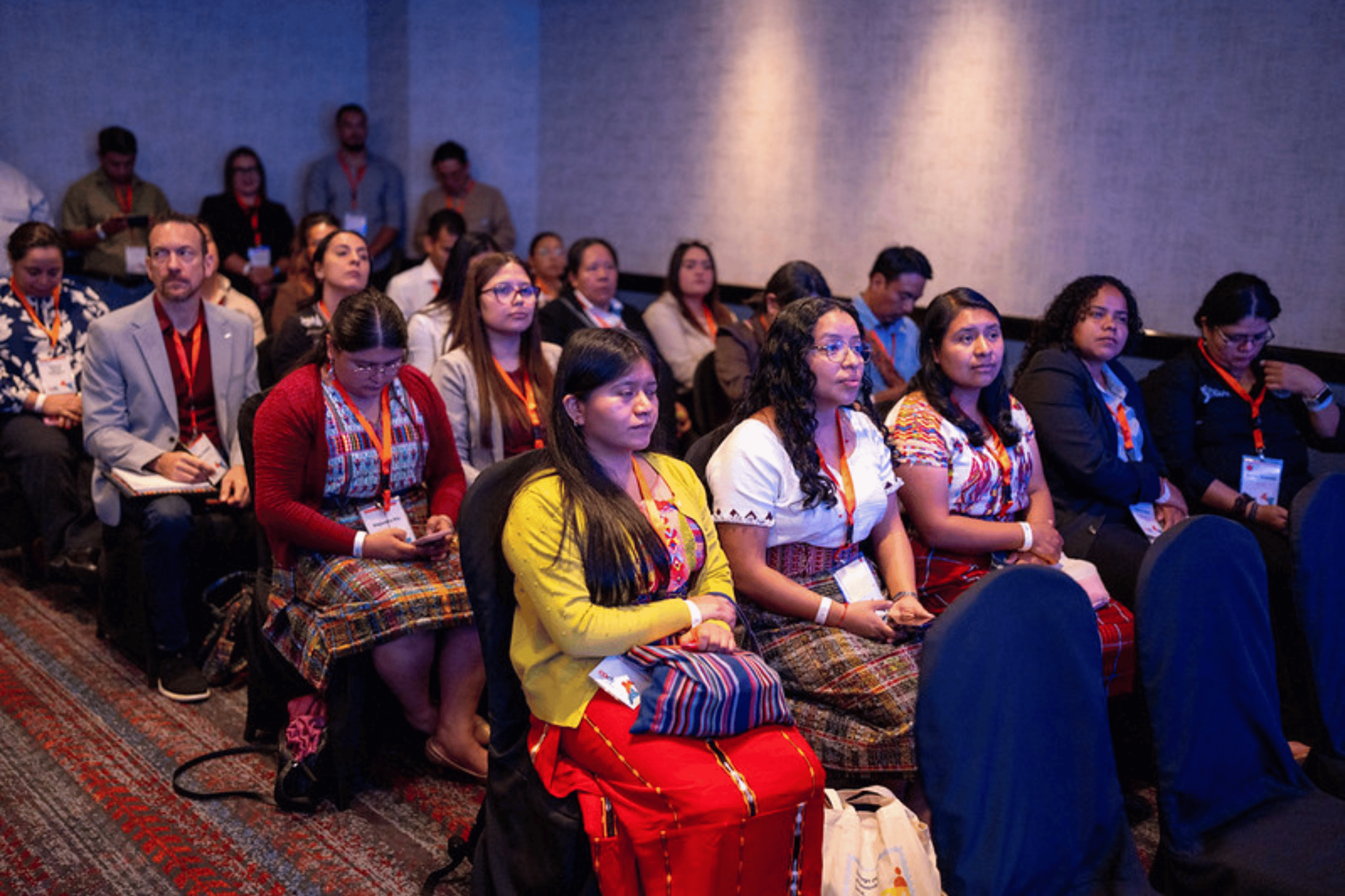
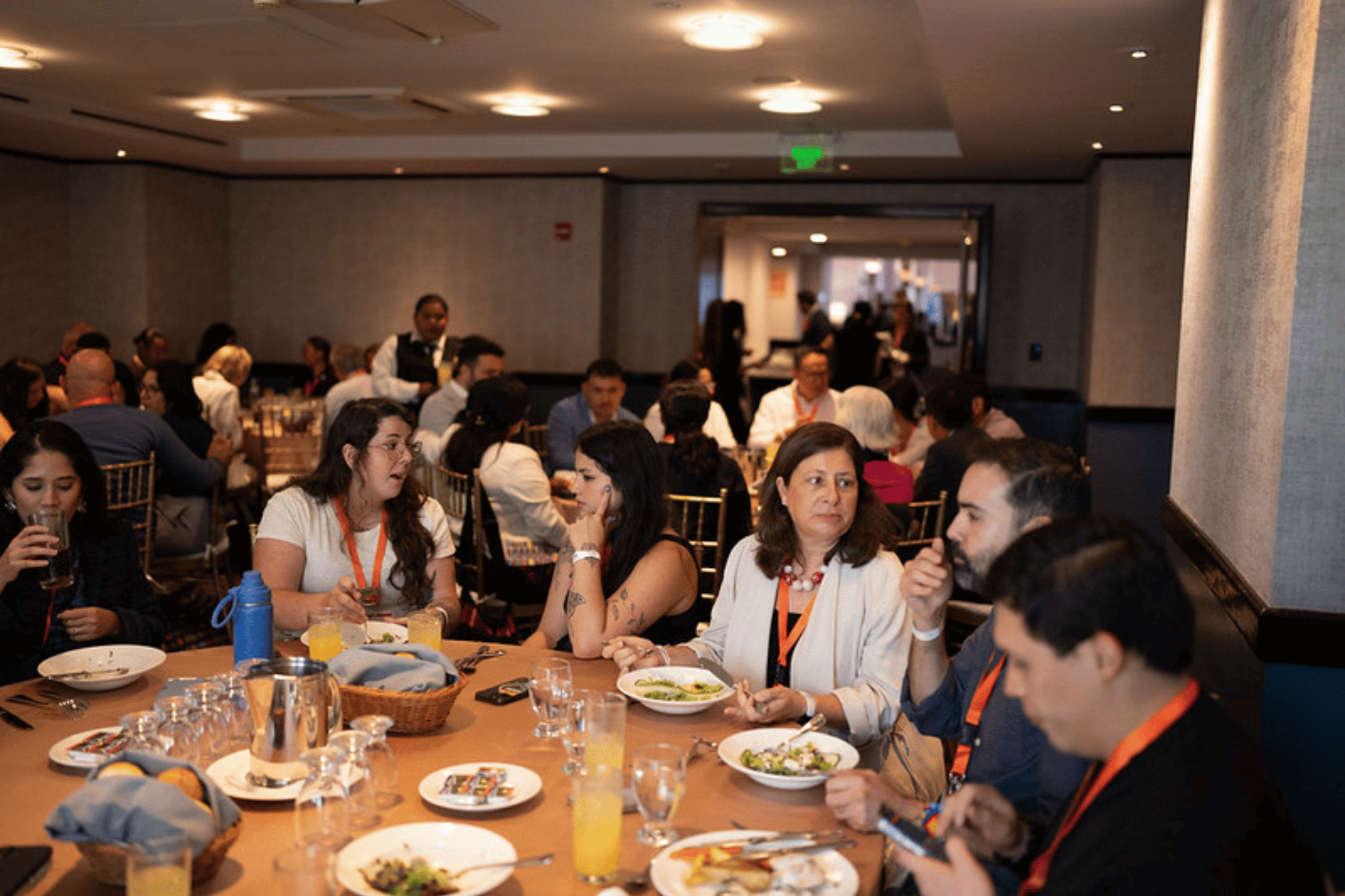
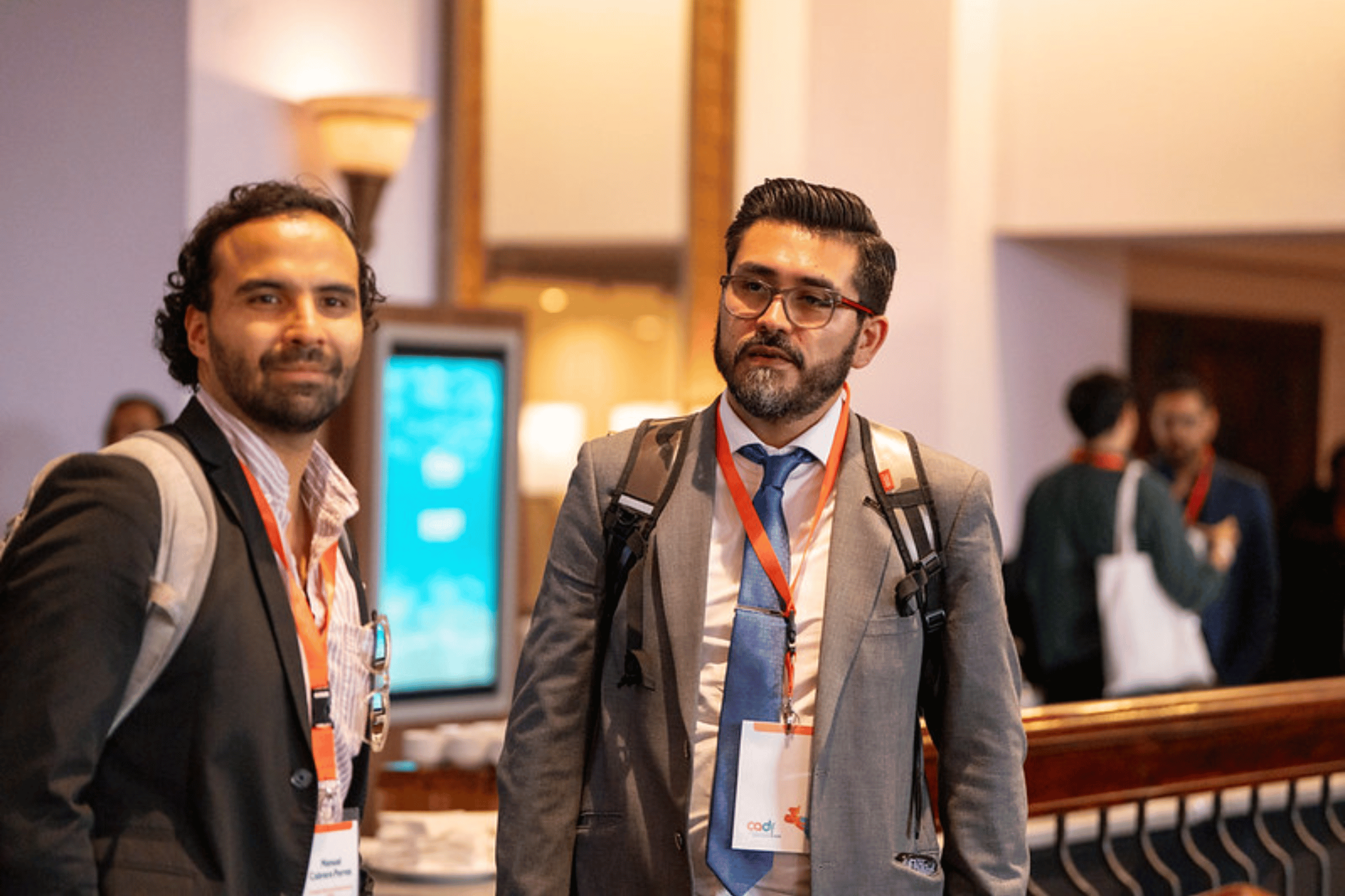
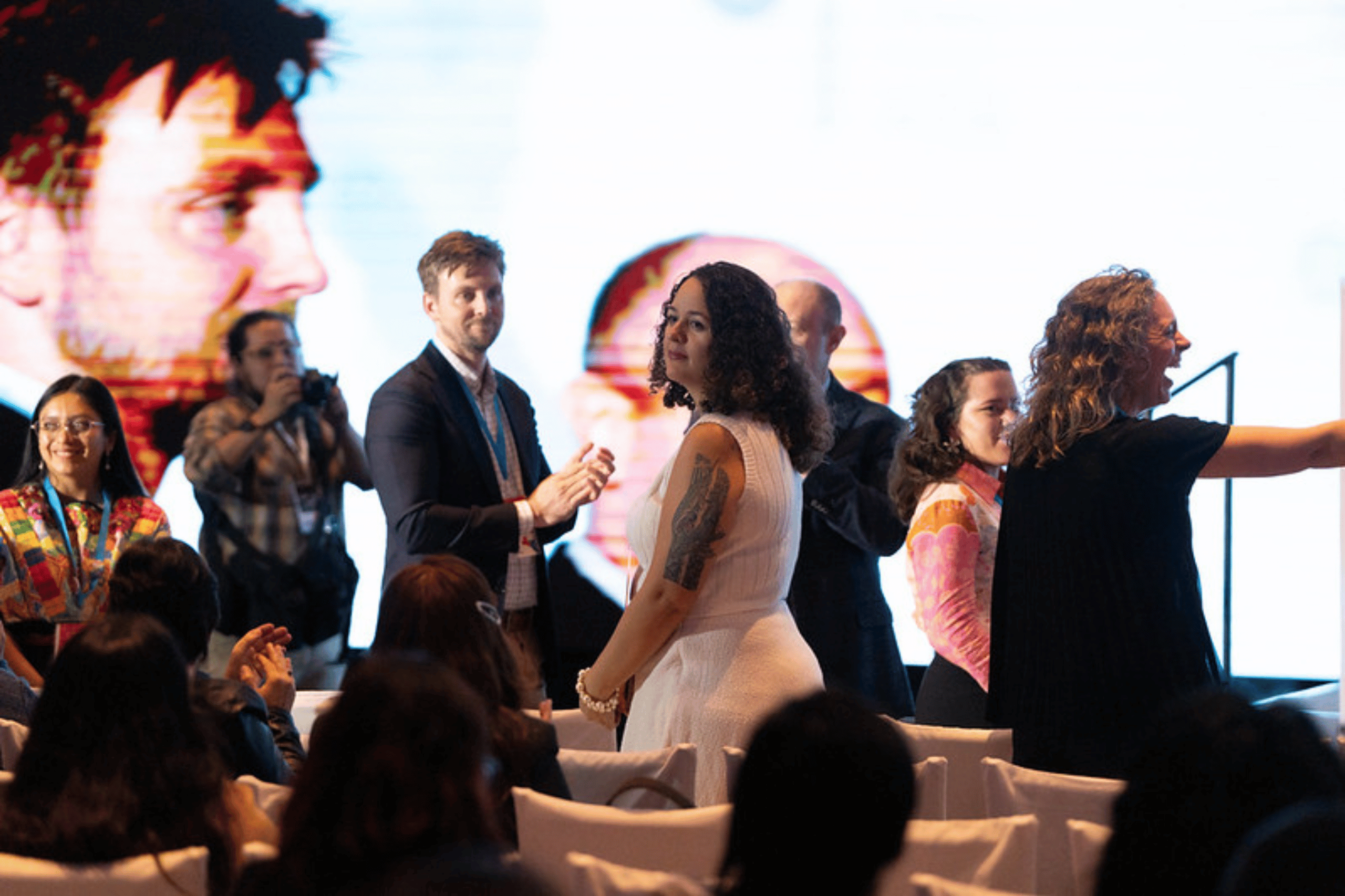
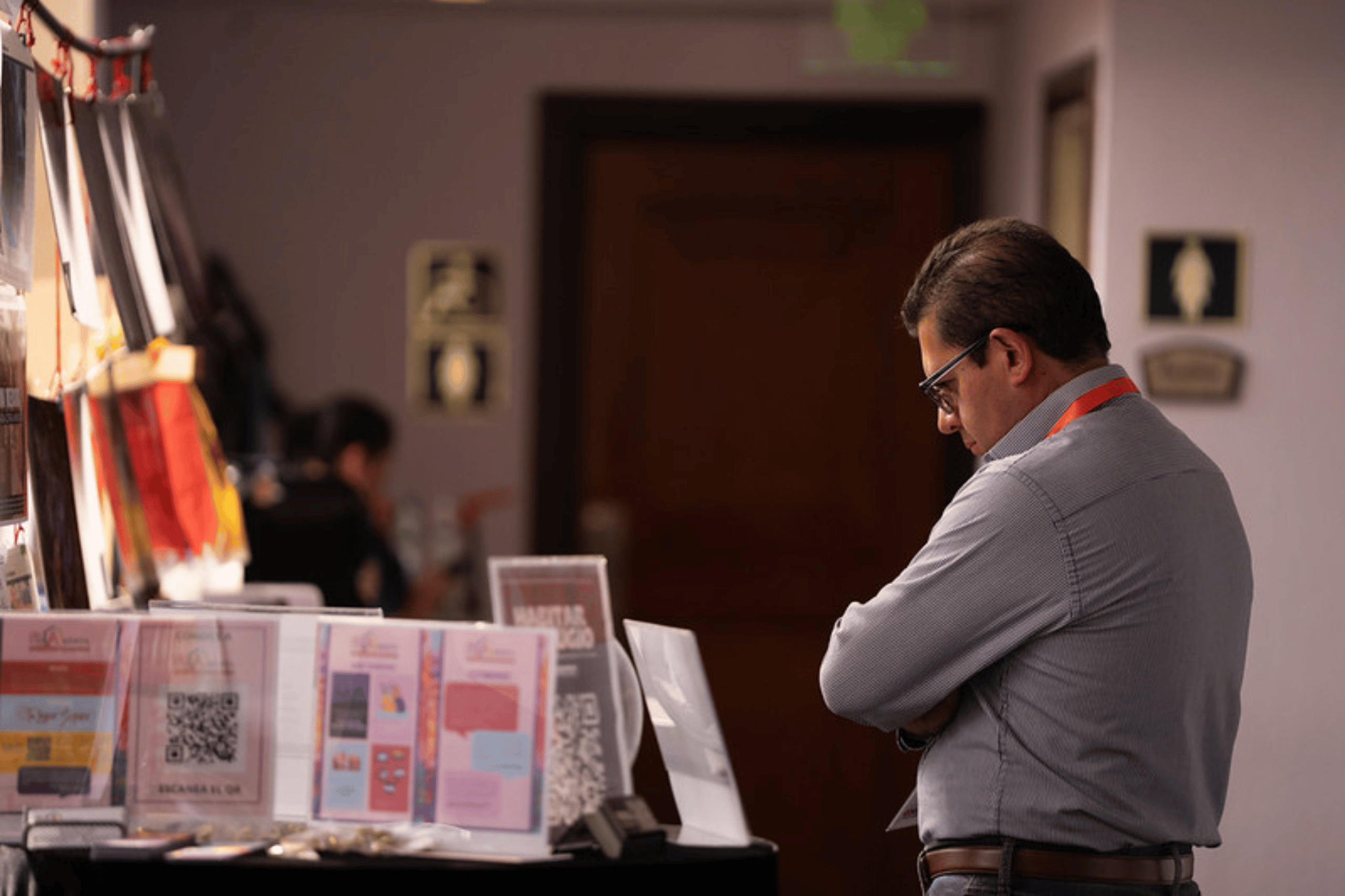
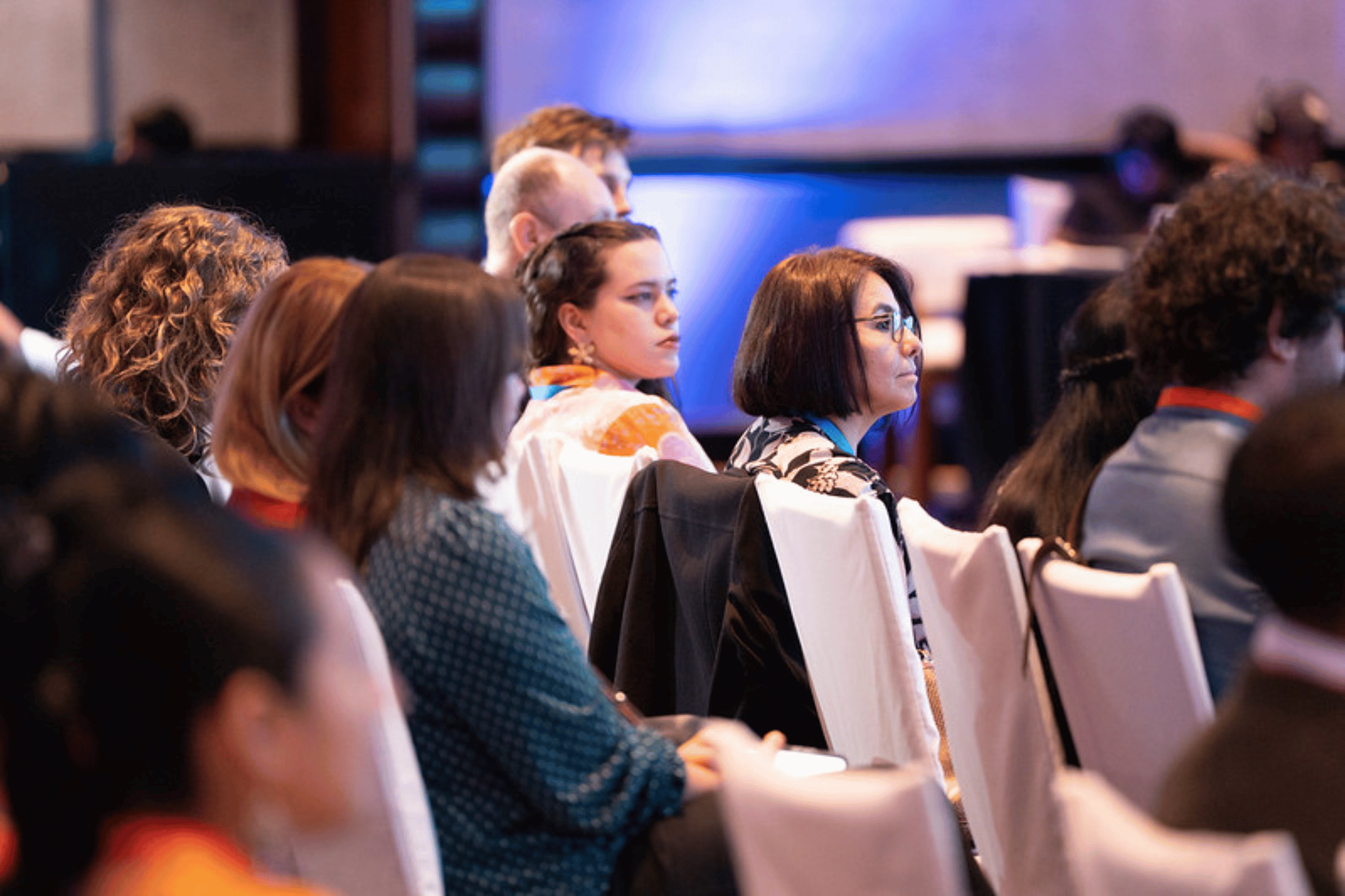
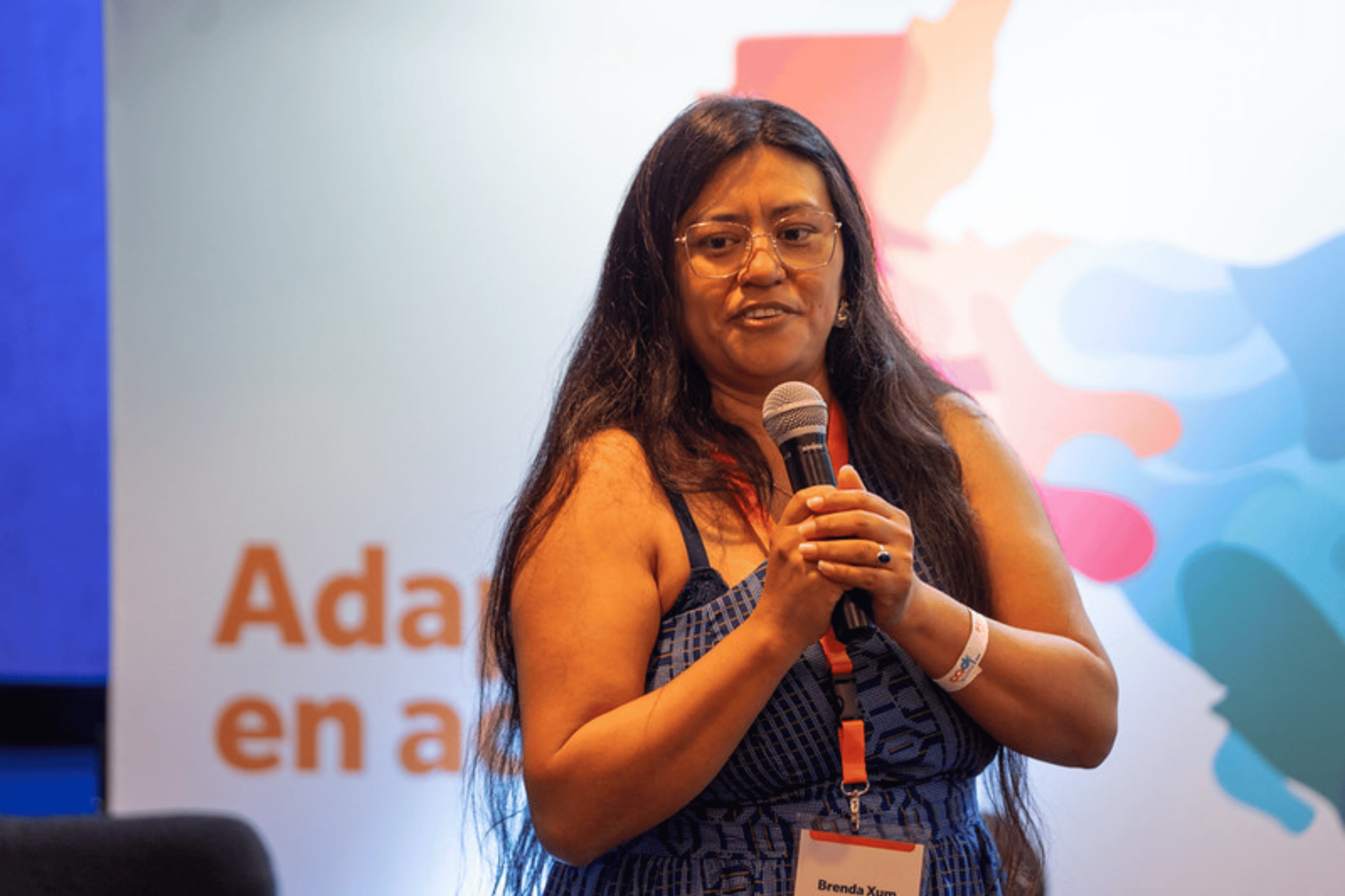
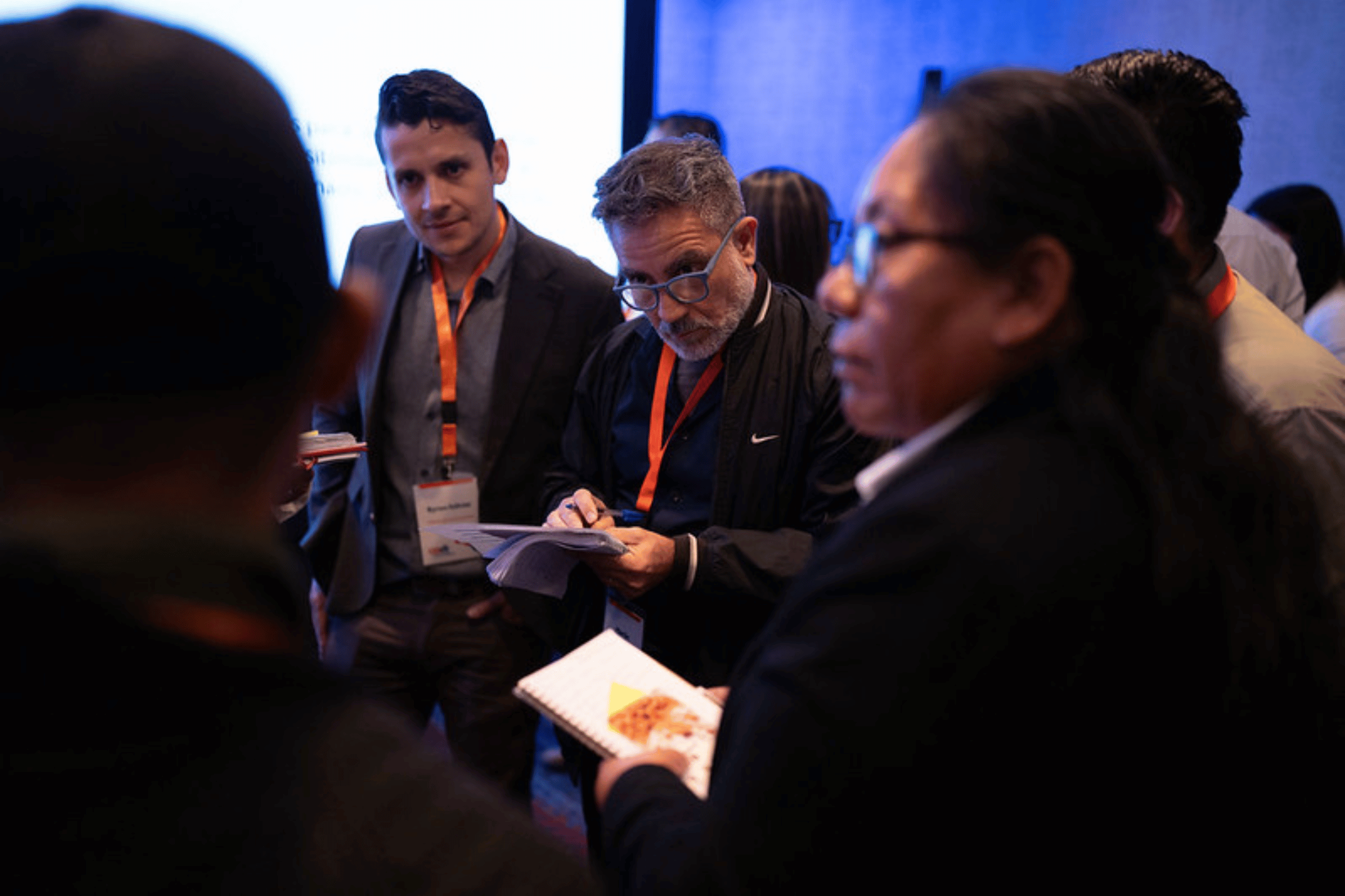
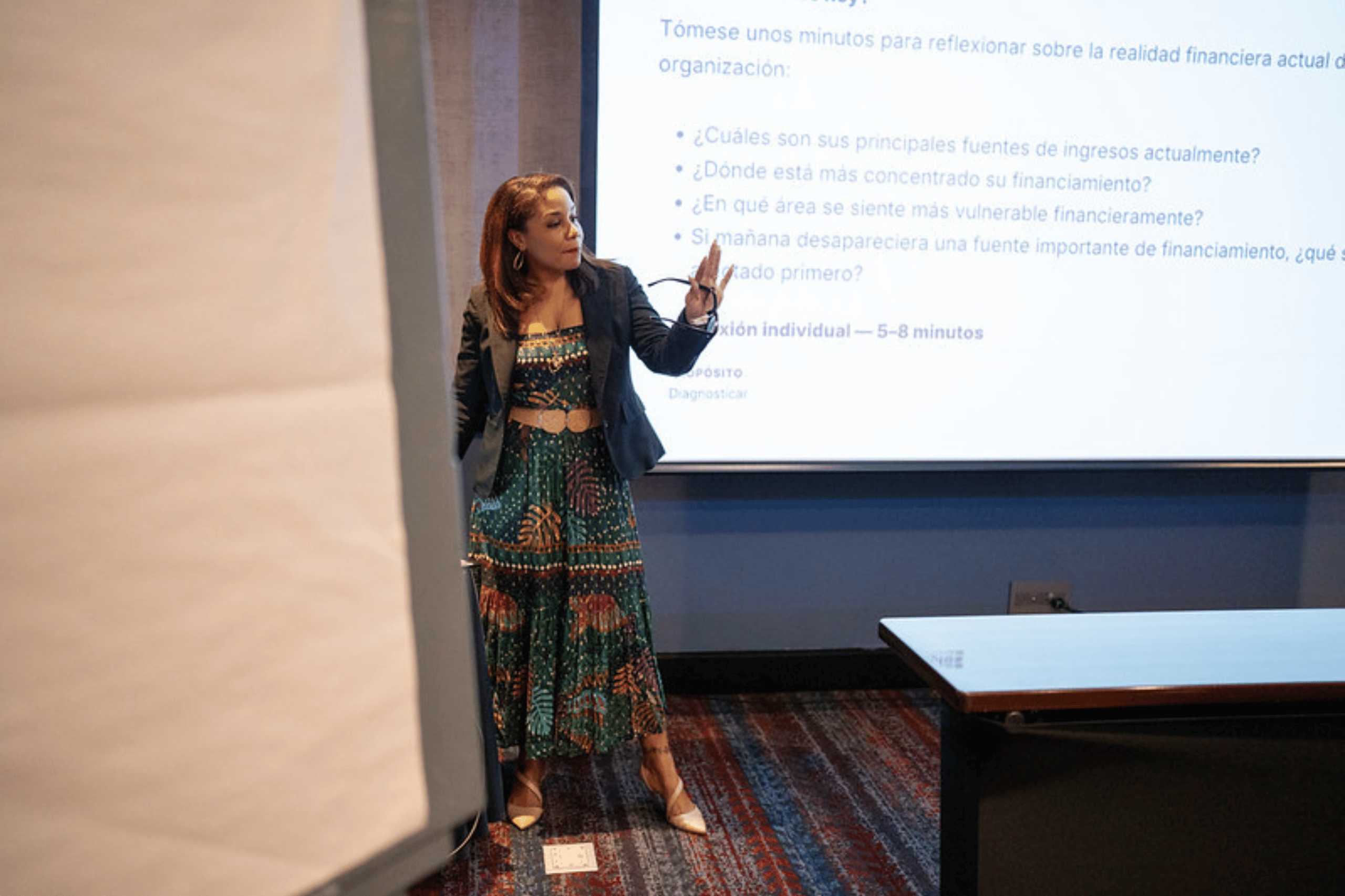
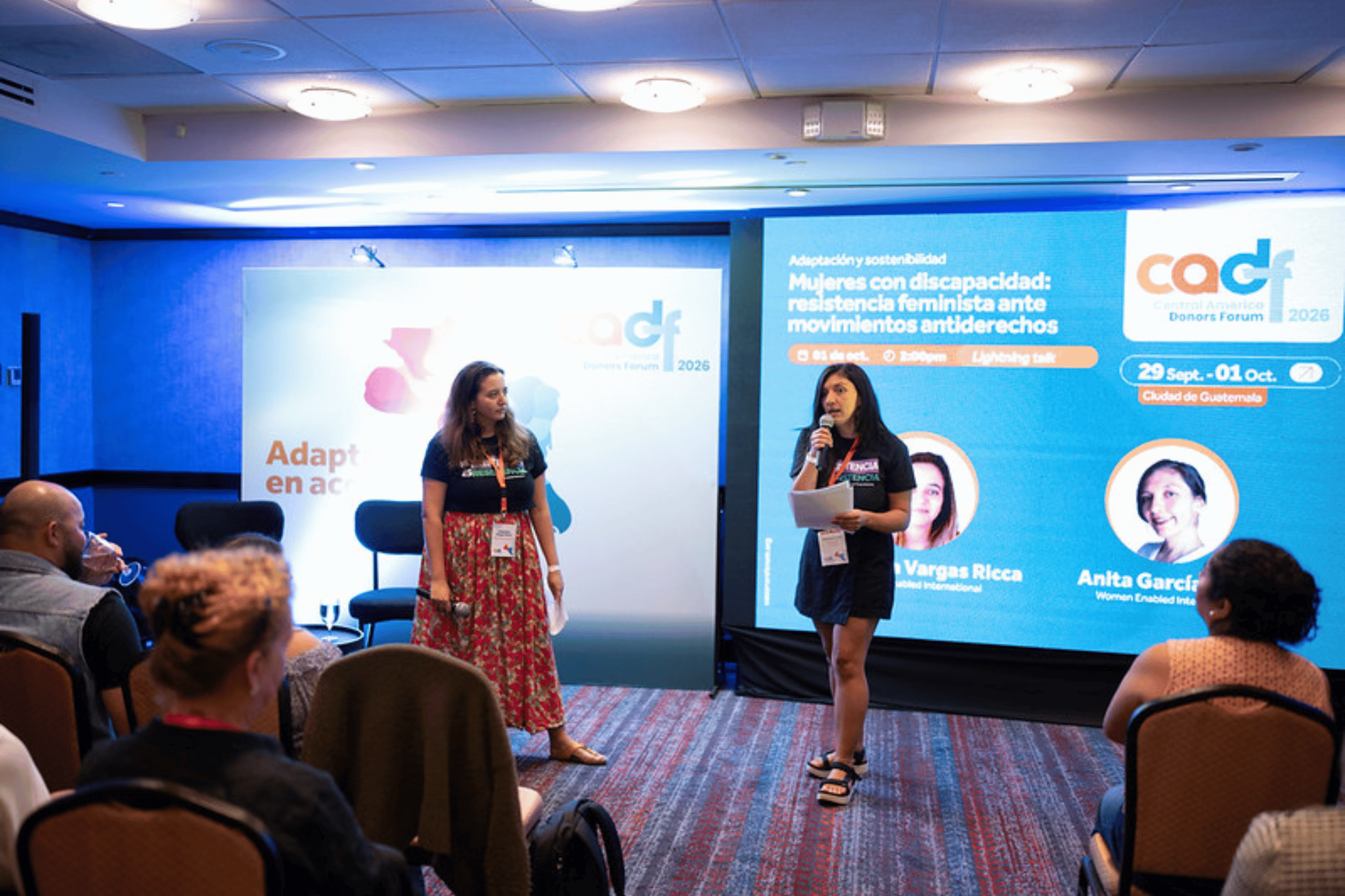
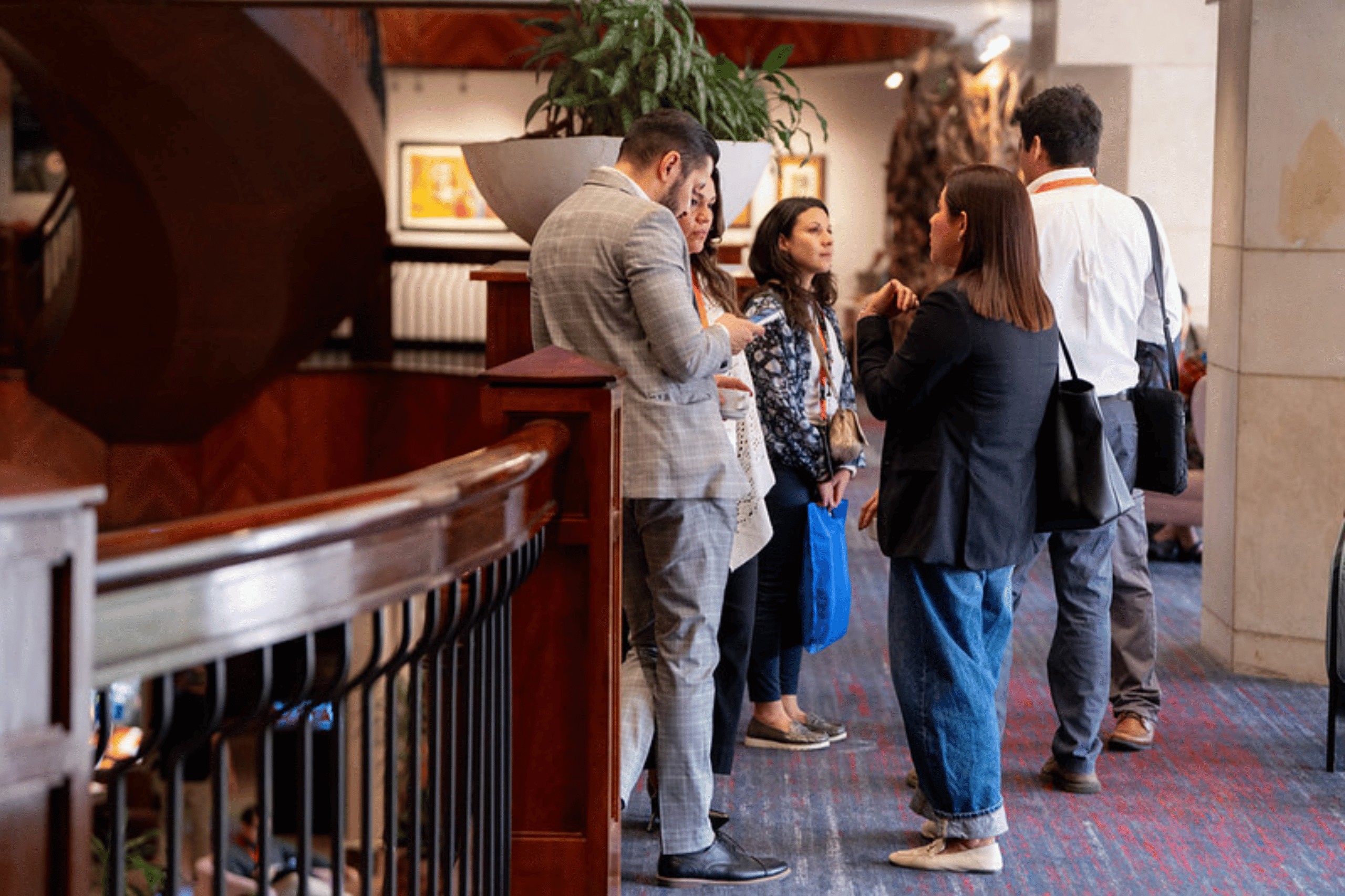
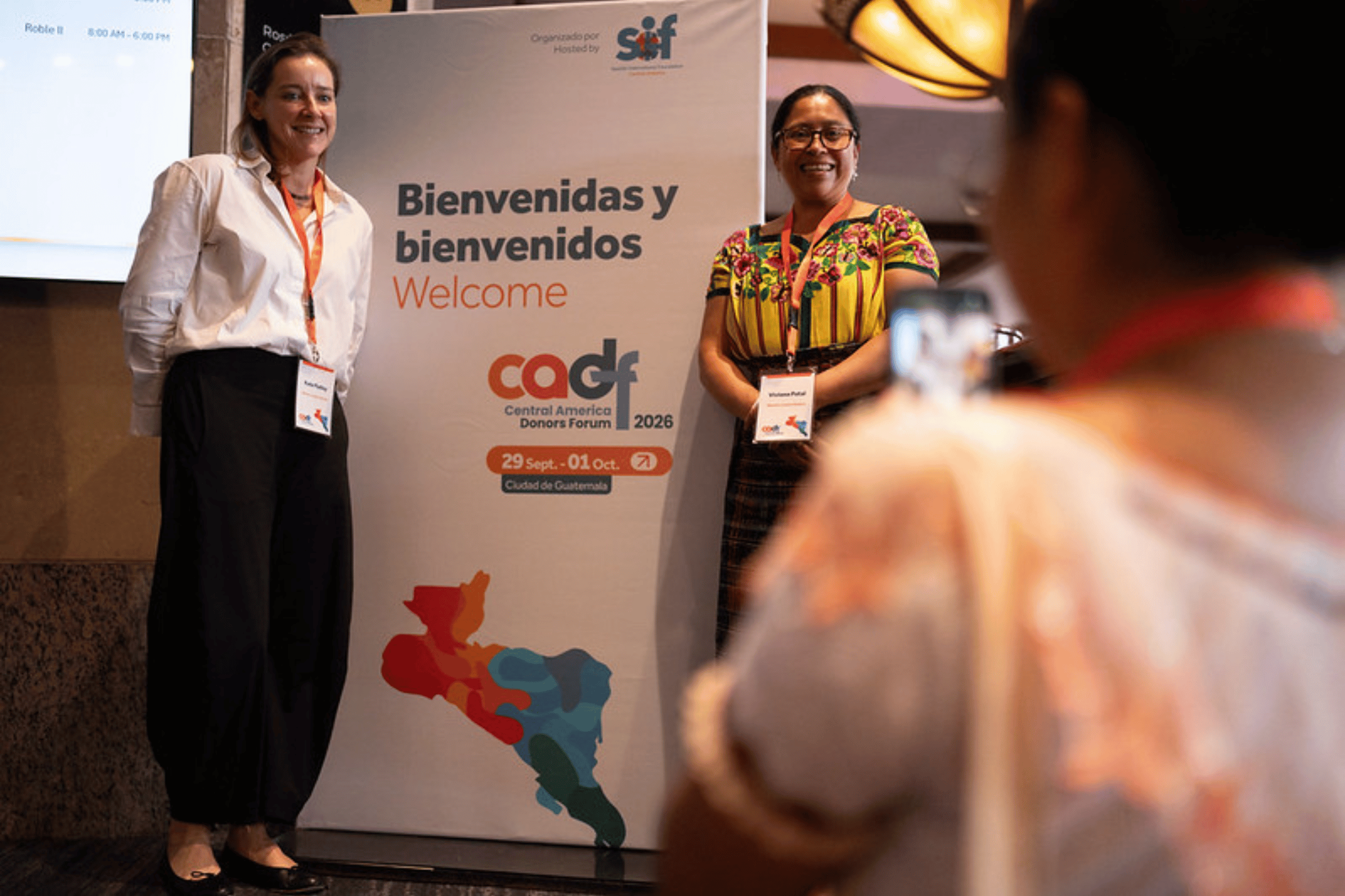

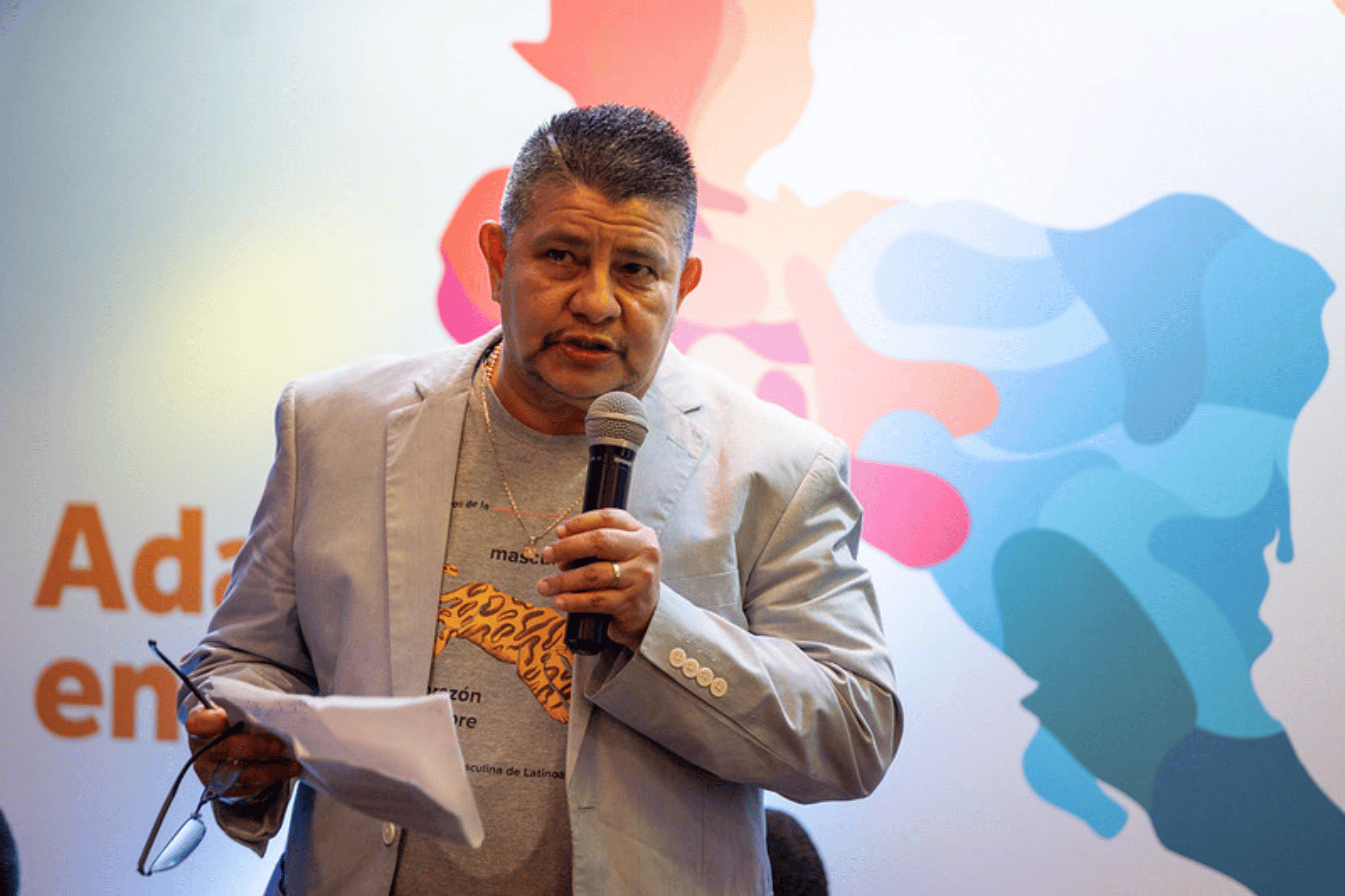
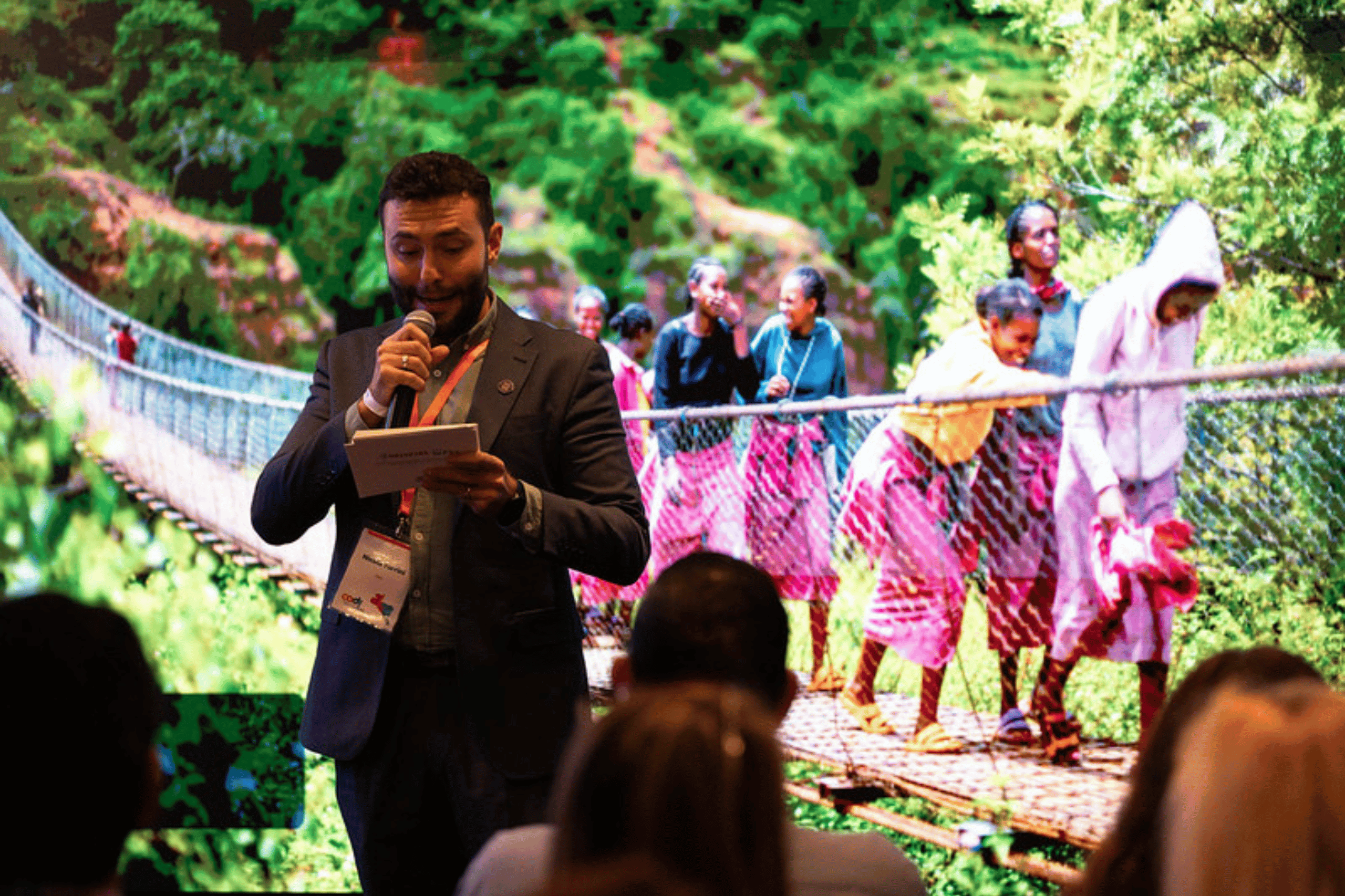
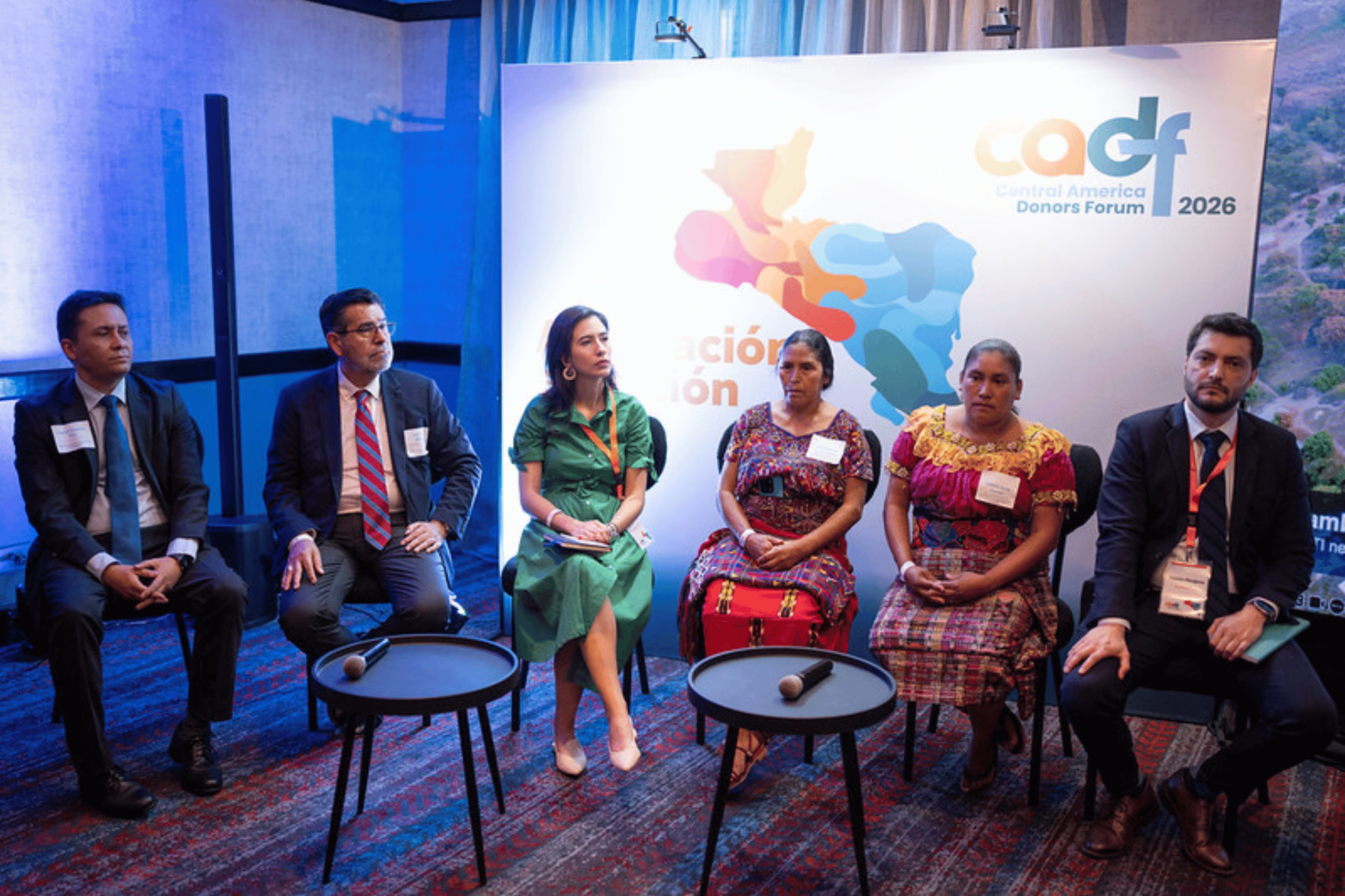
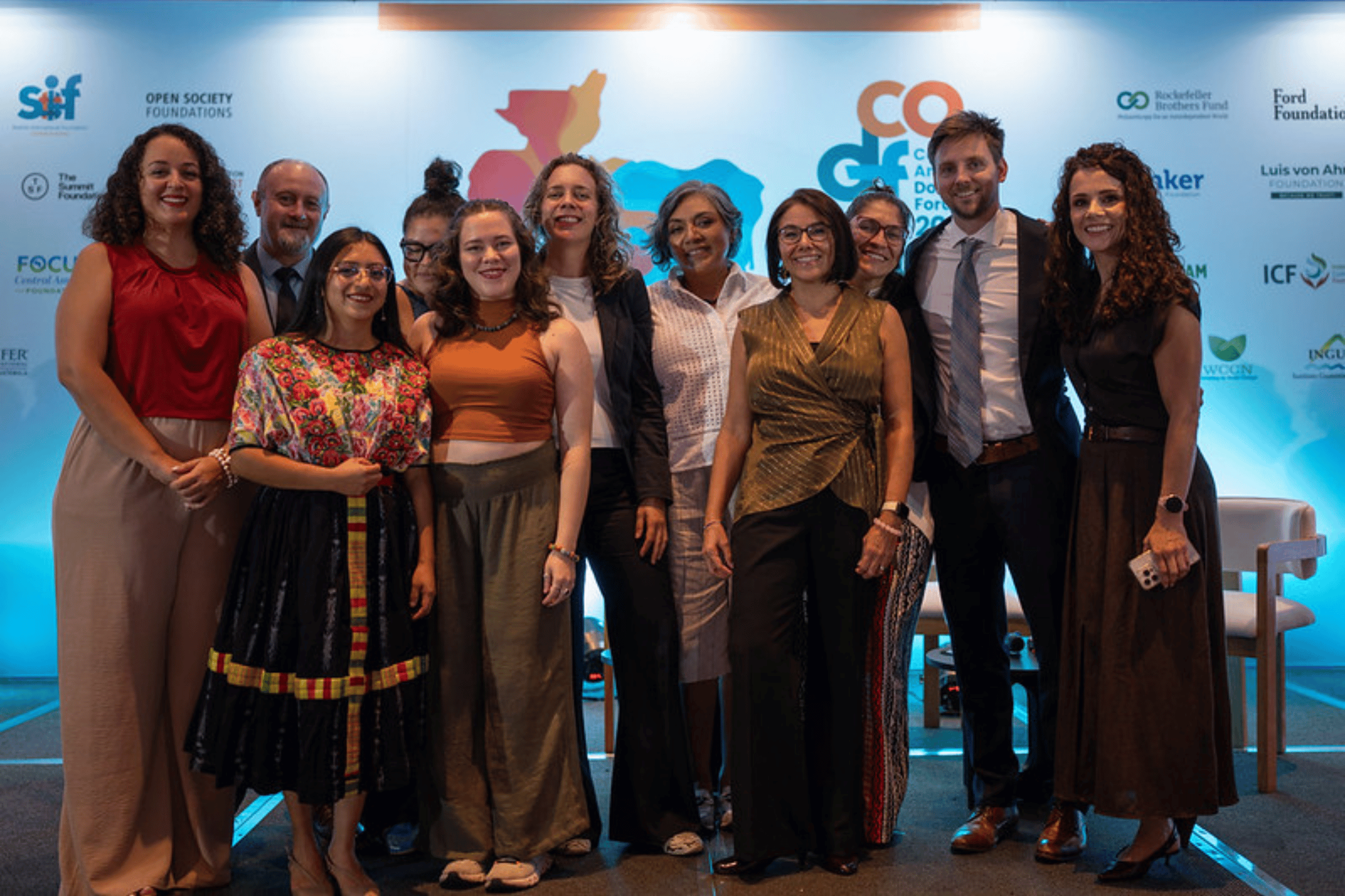







Five lightning talks highlighted diverse strategies for advancing social justice across Latin America. Speakers explored building viable youth employment pathways in Guatemala, utilizing trans memory archives to combat hate speech, and empowering change leaders through targeted education. They also showcased community cultural centers protecting youth in Honduras and feminist resistance strategies used by women with disabilities facing systemic injustice.
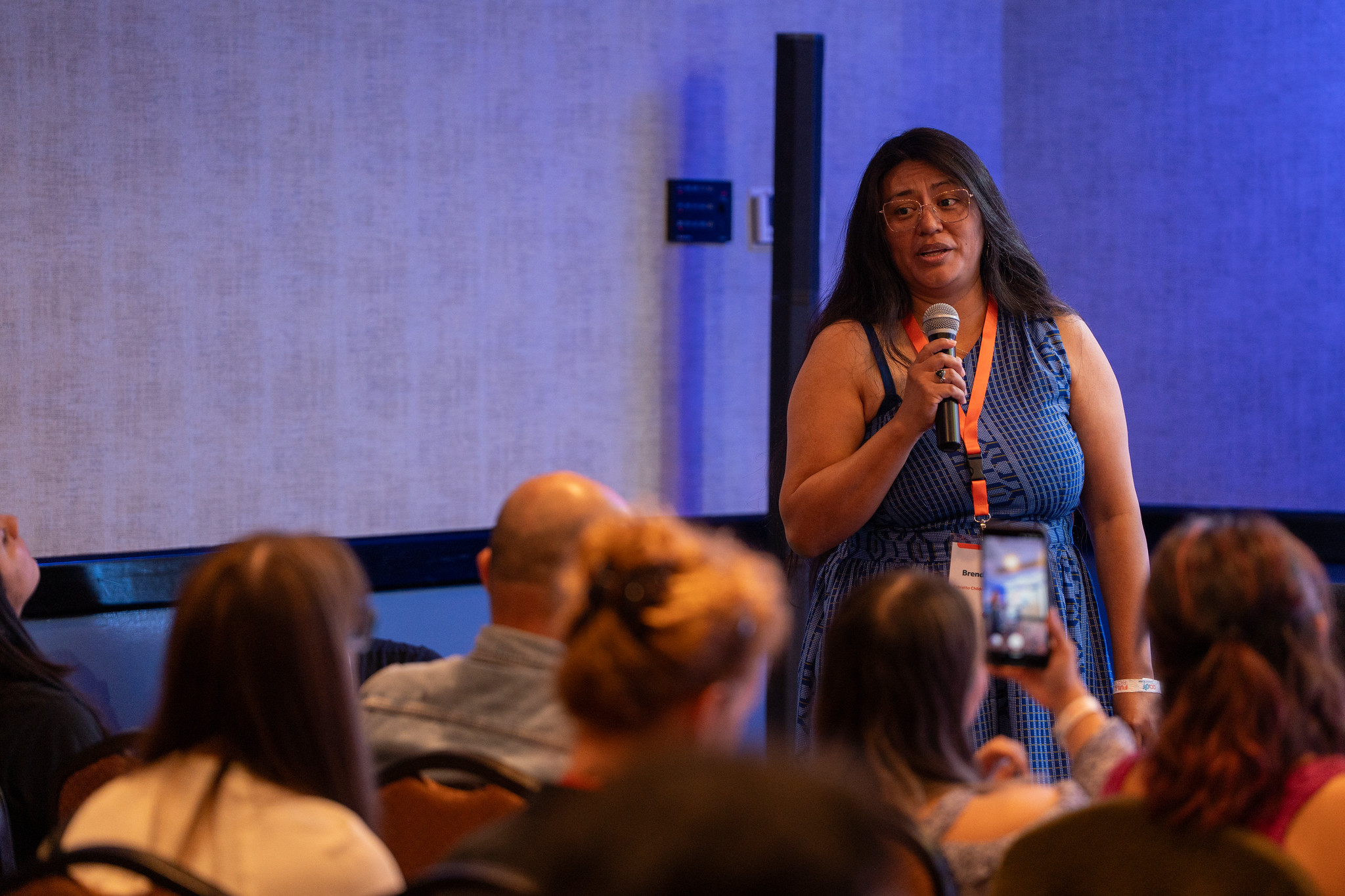
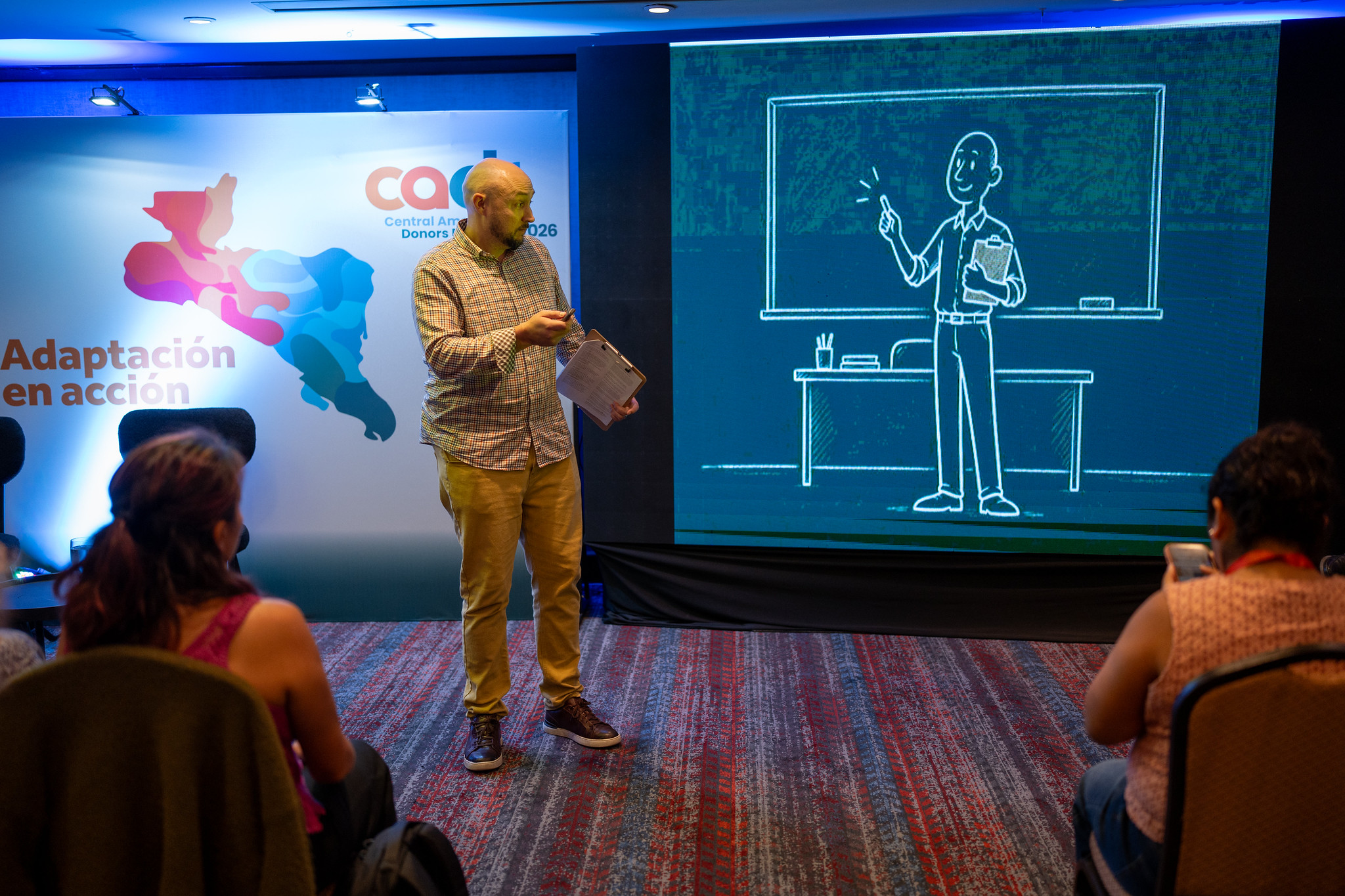
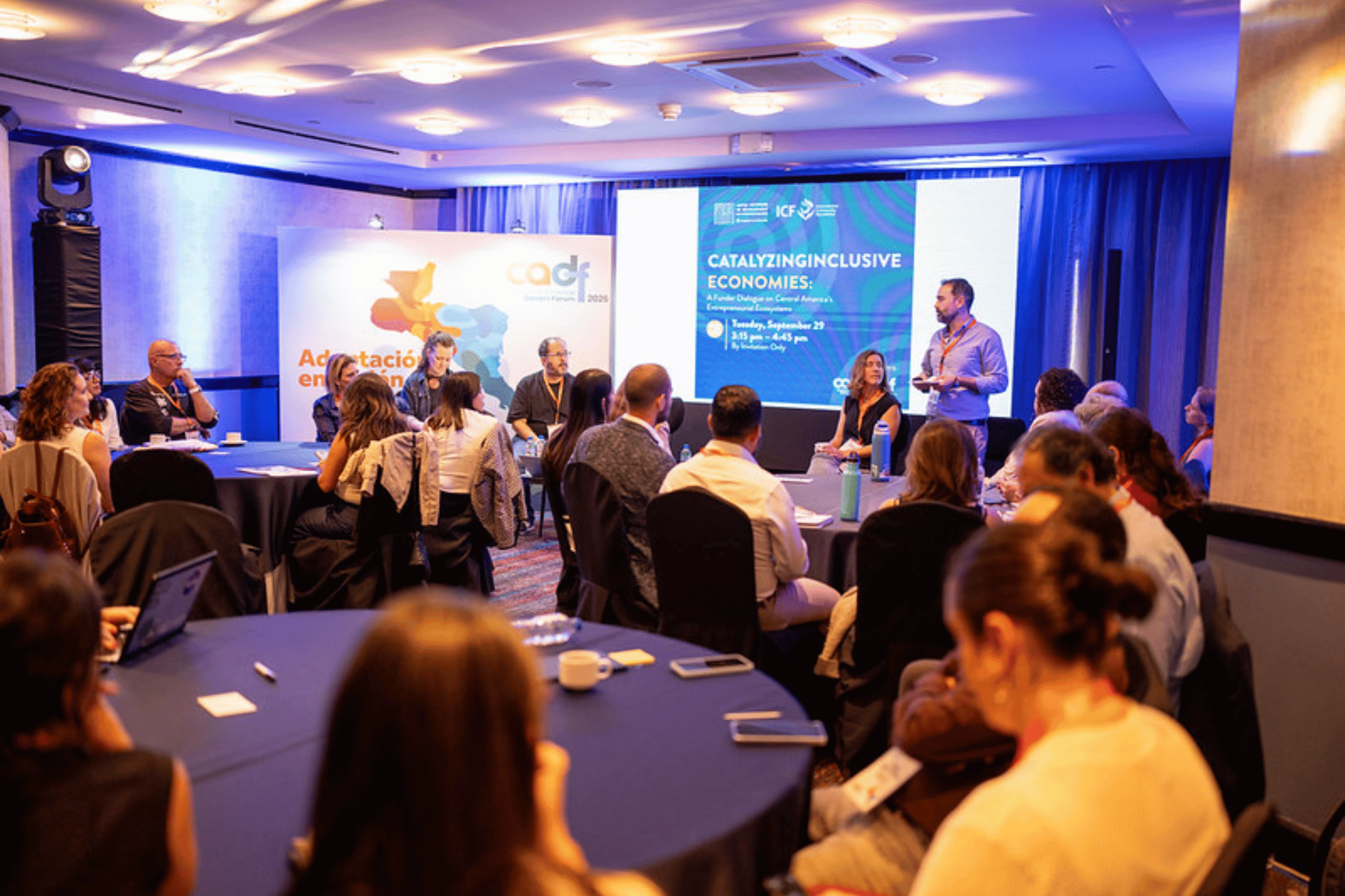
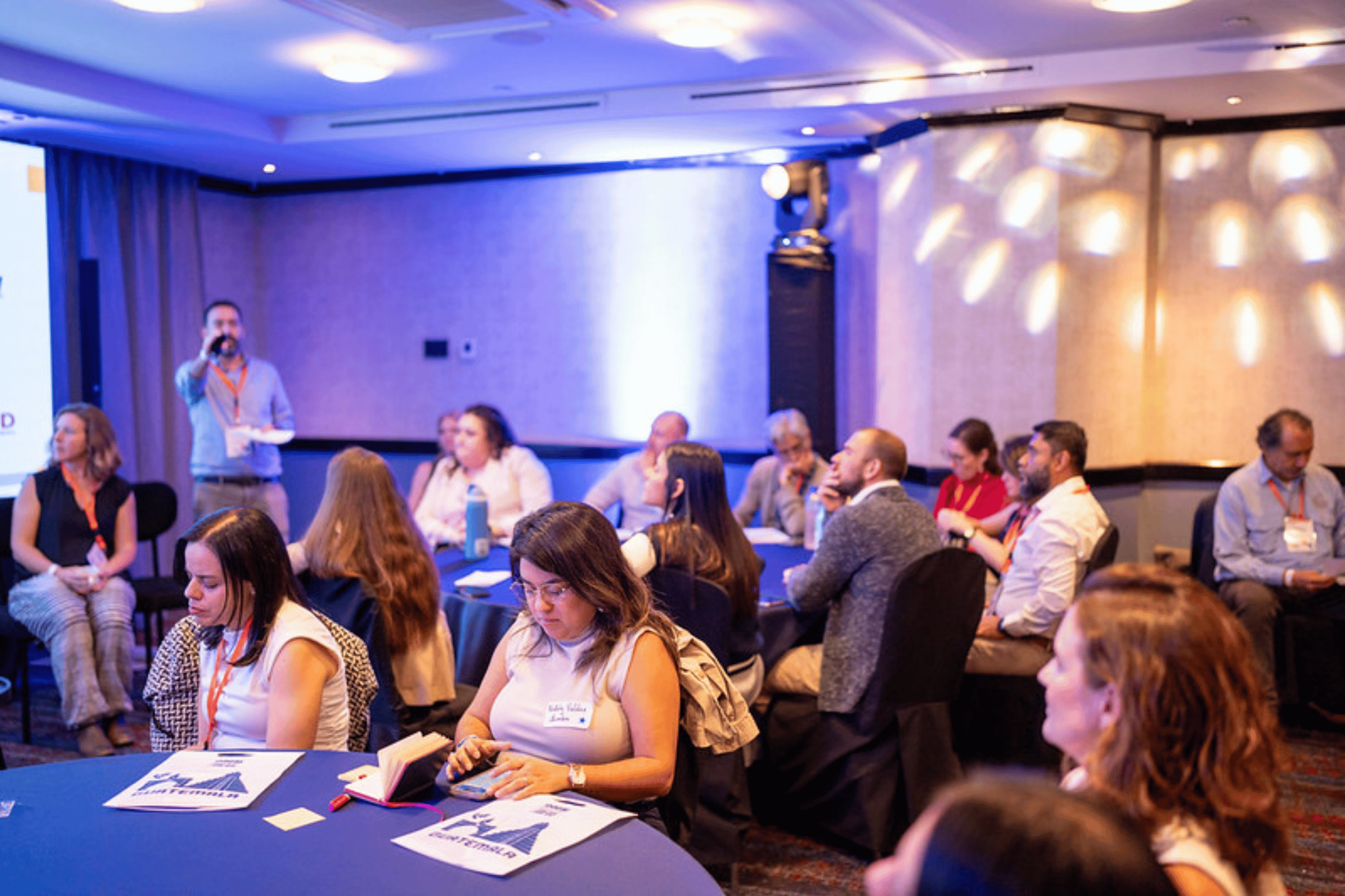
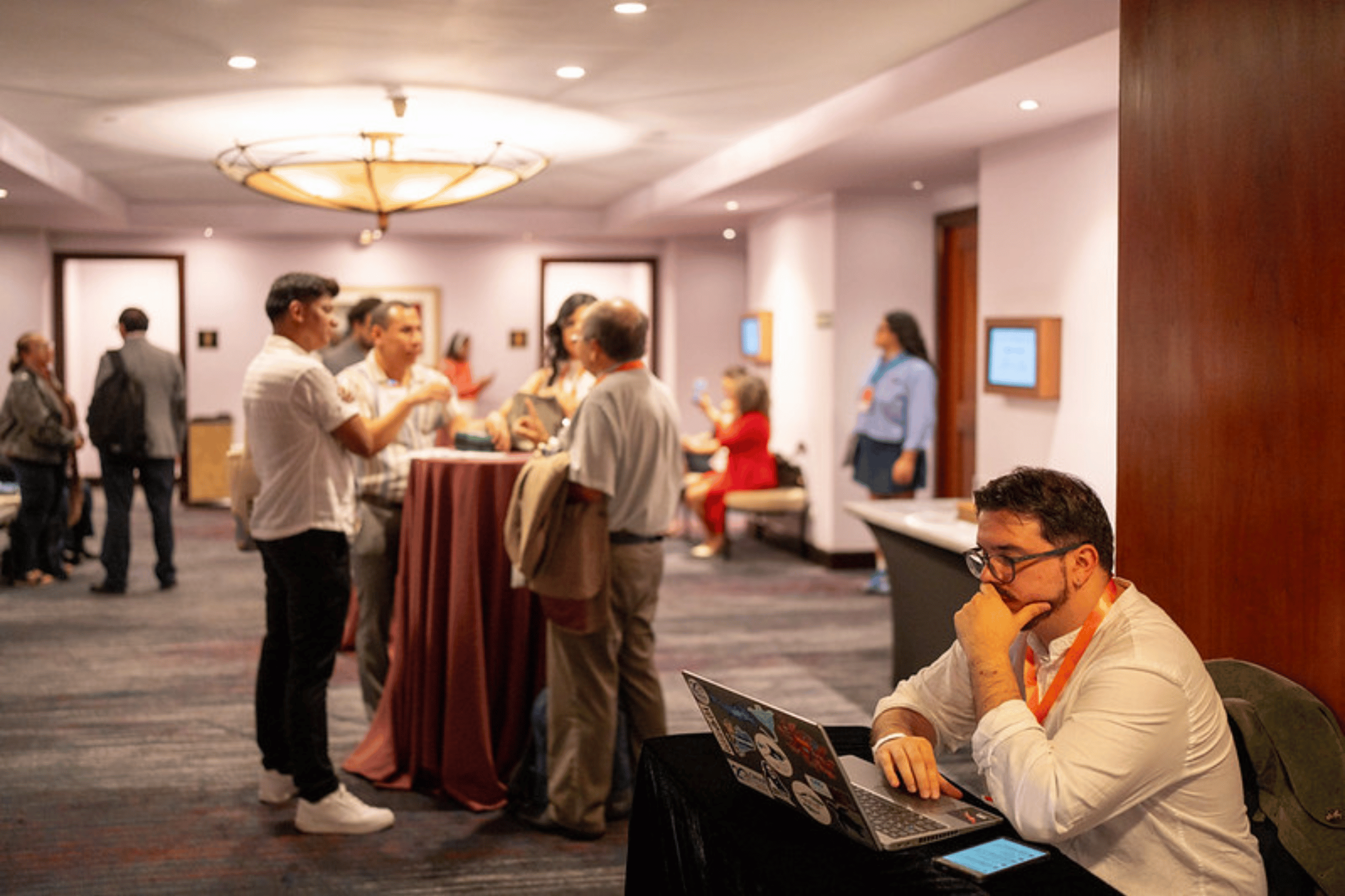
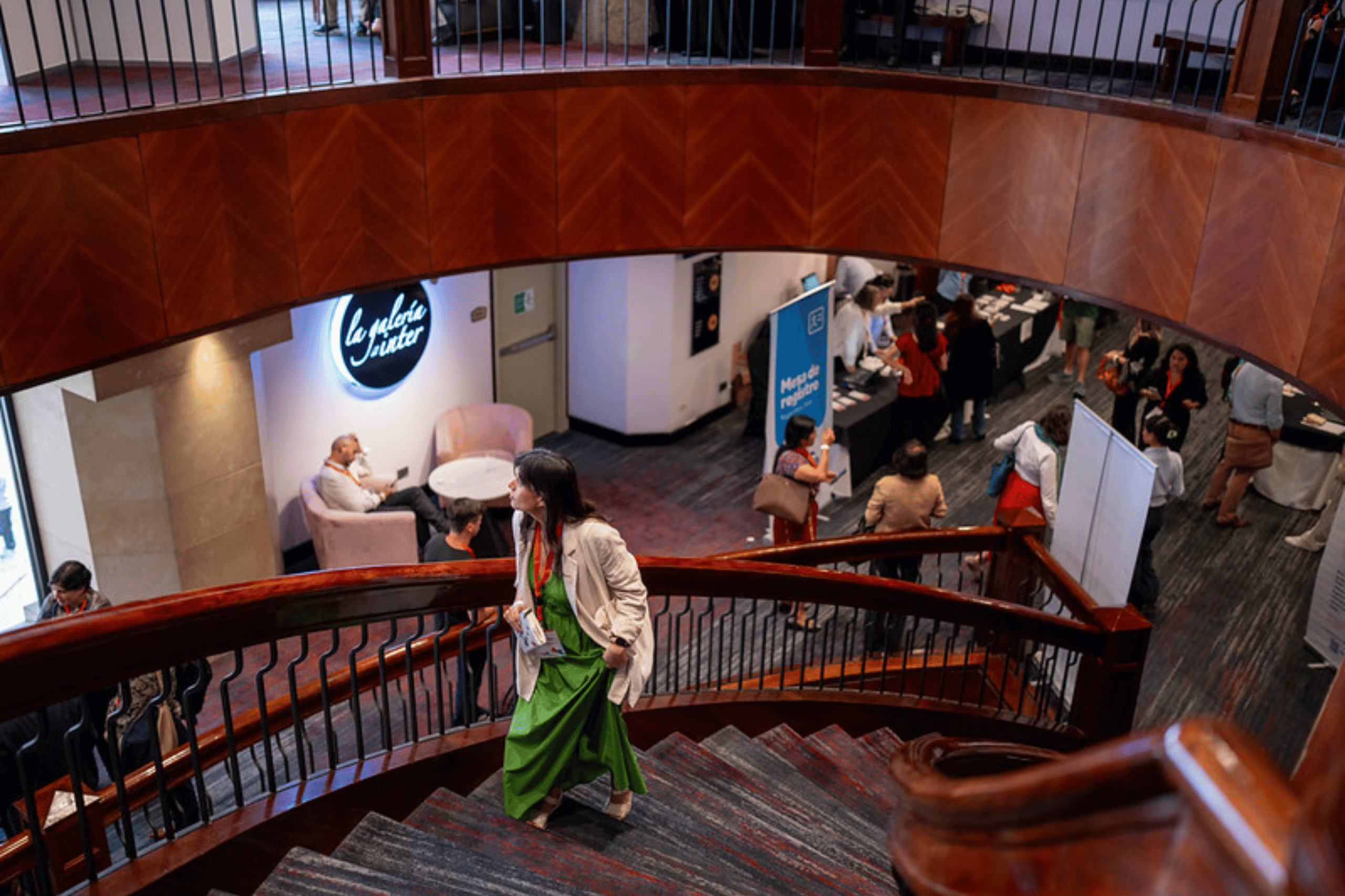
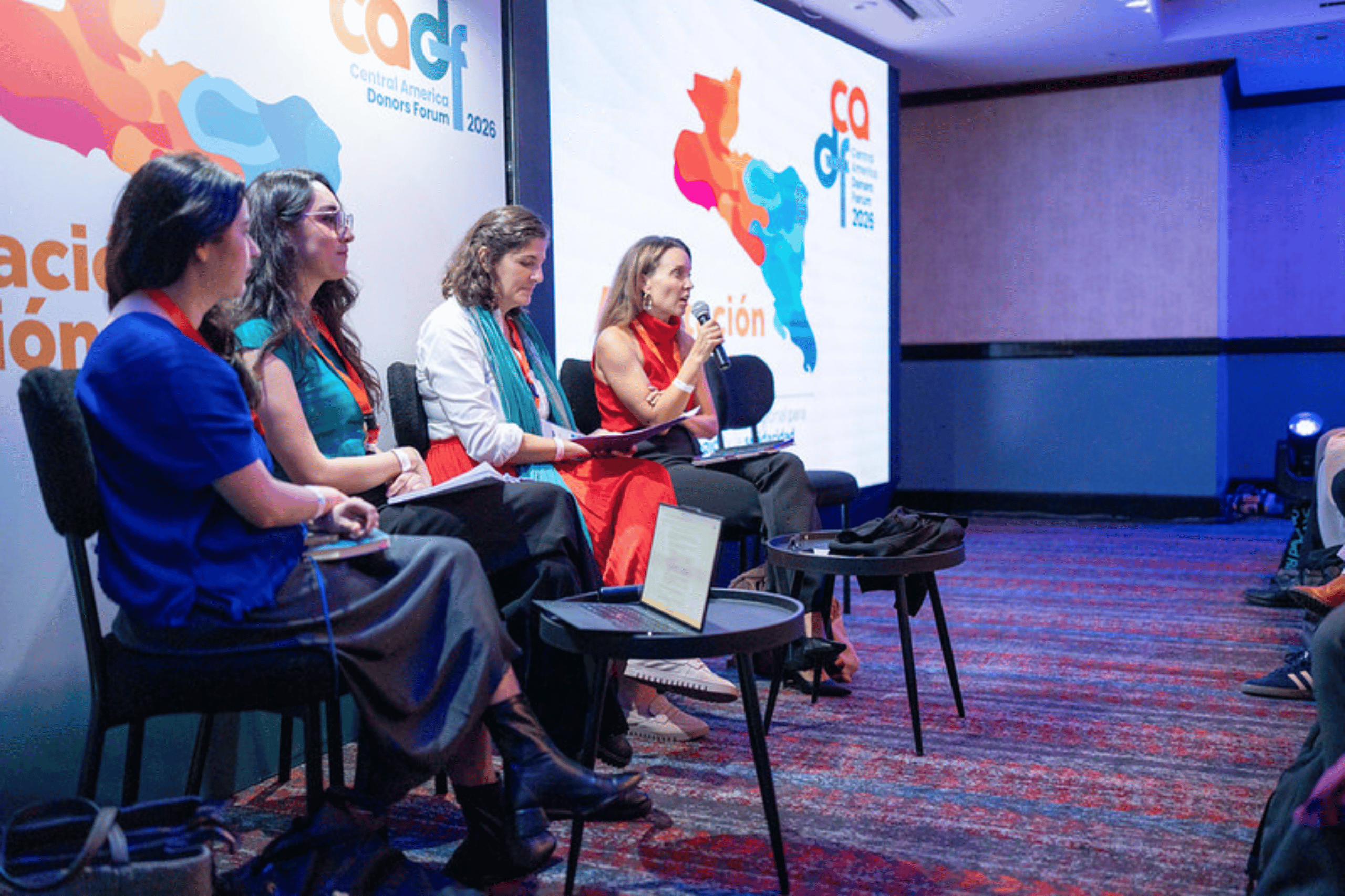
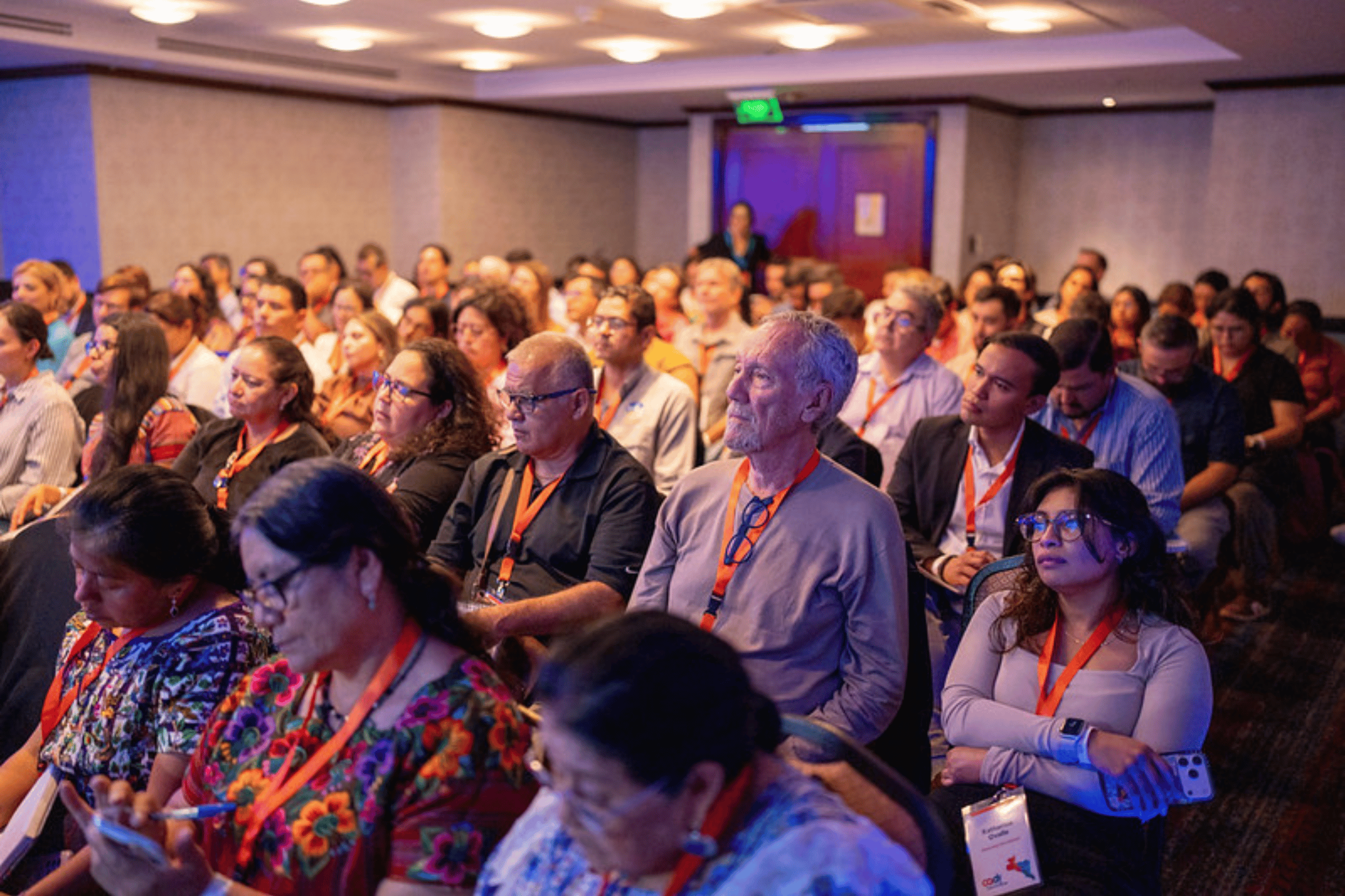
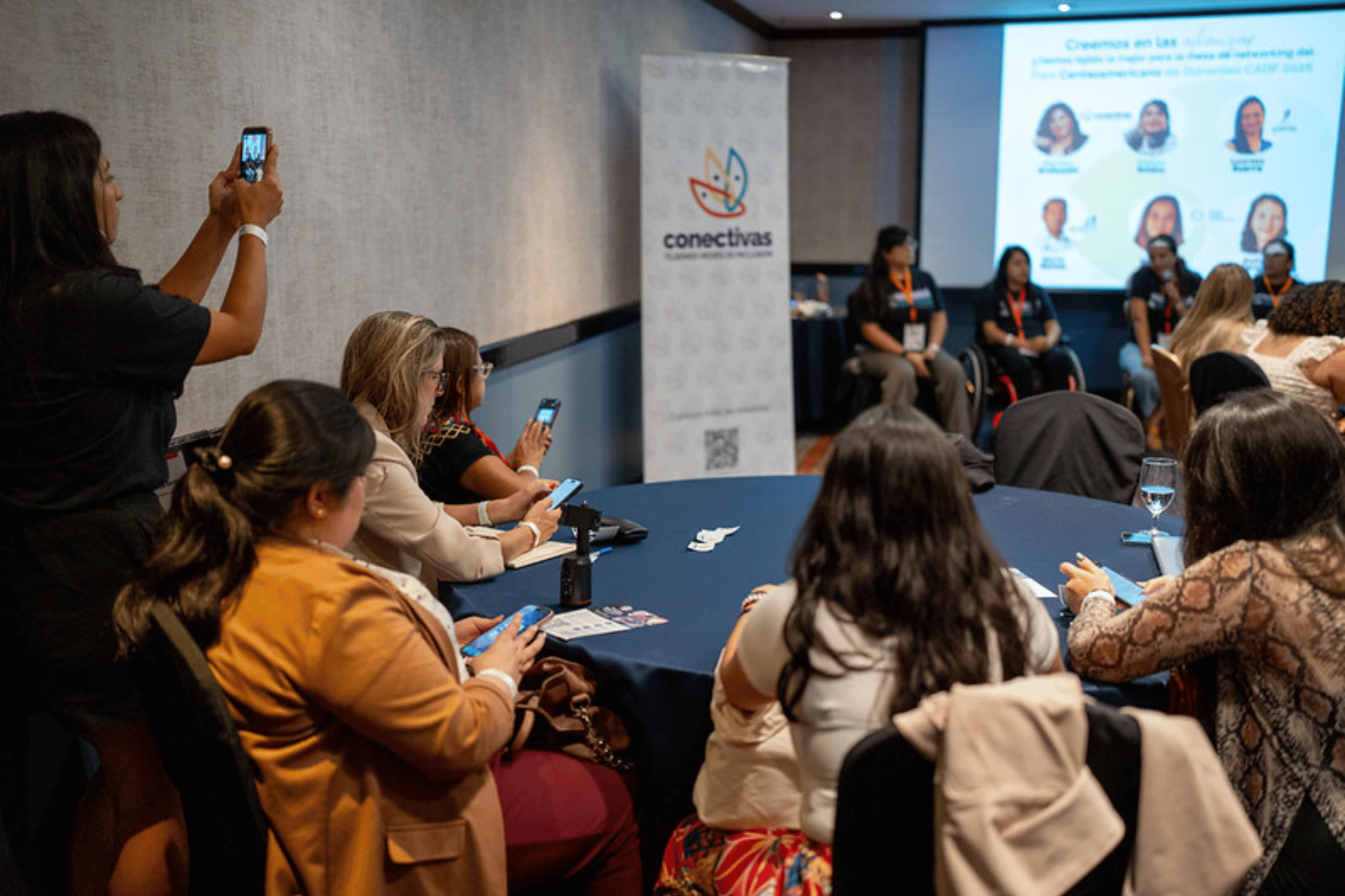
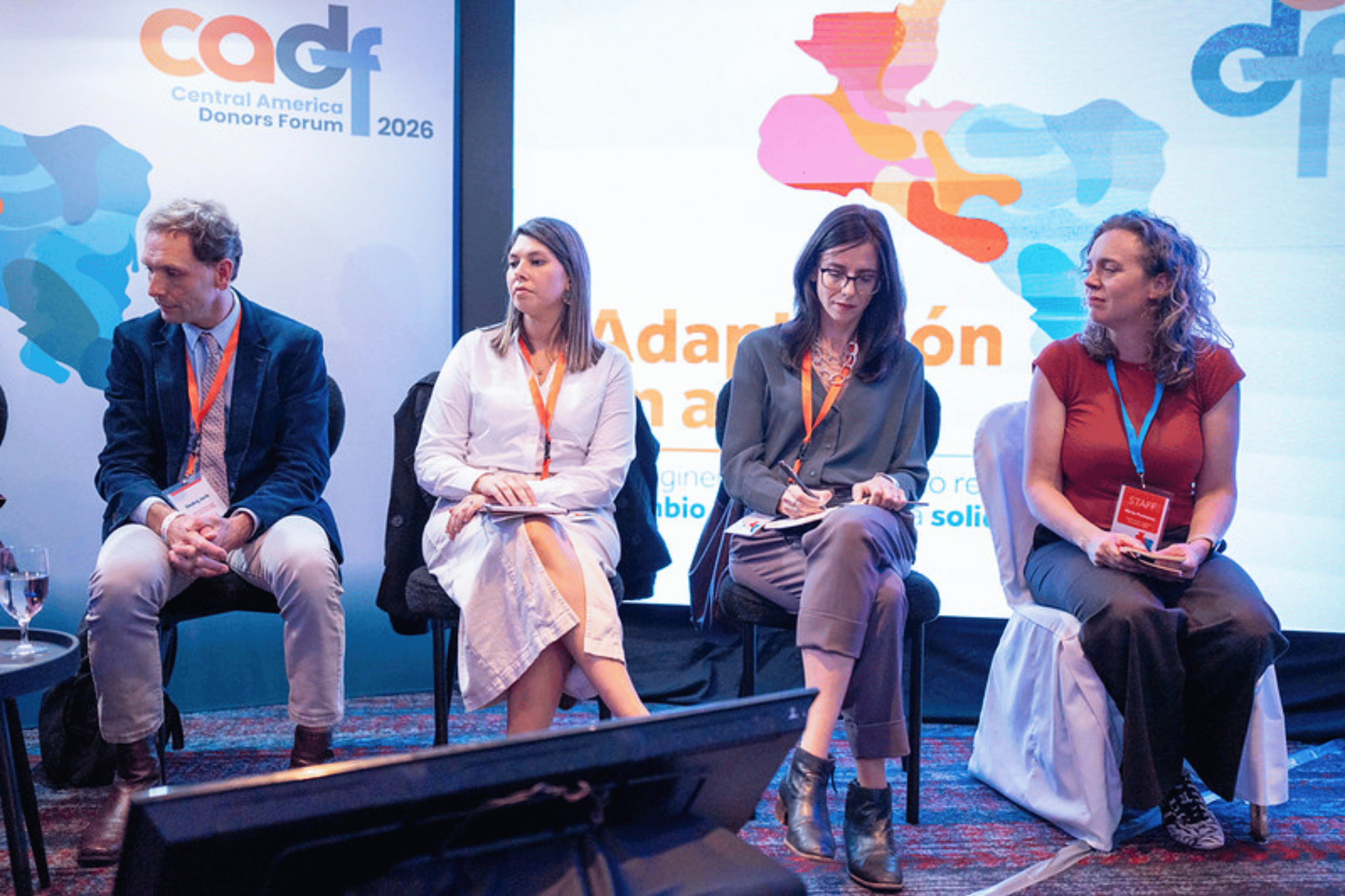

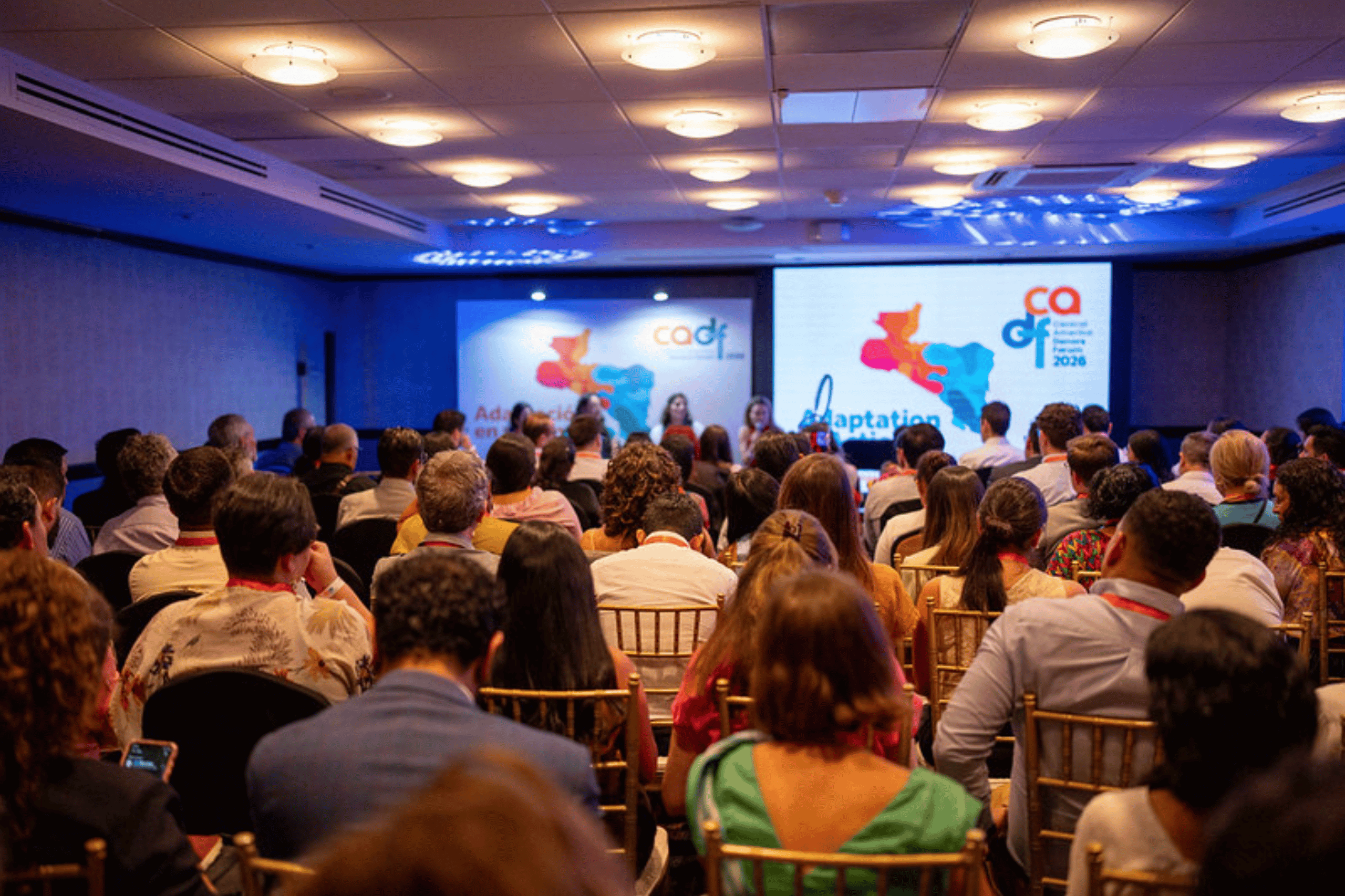
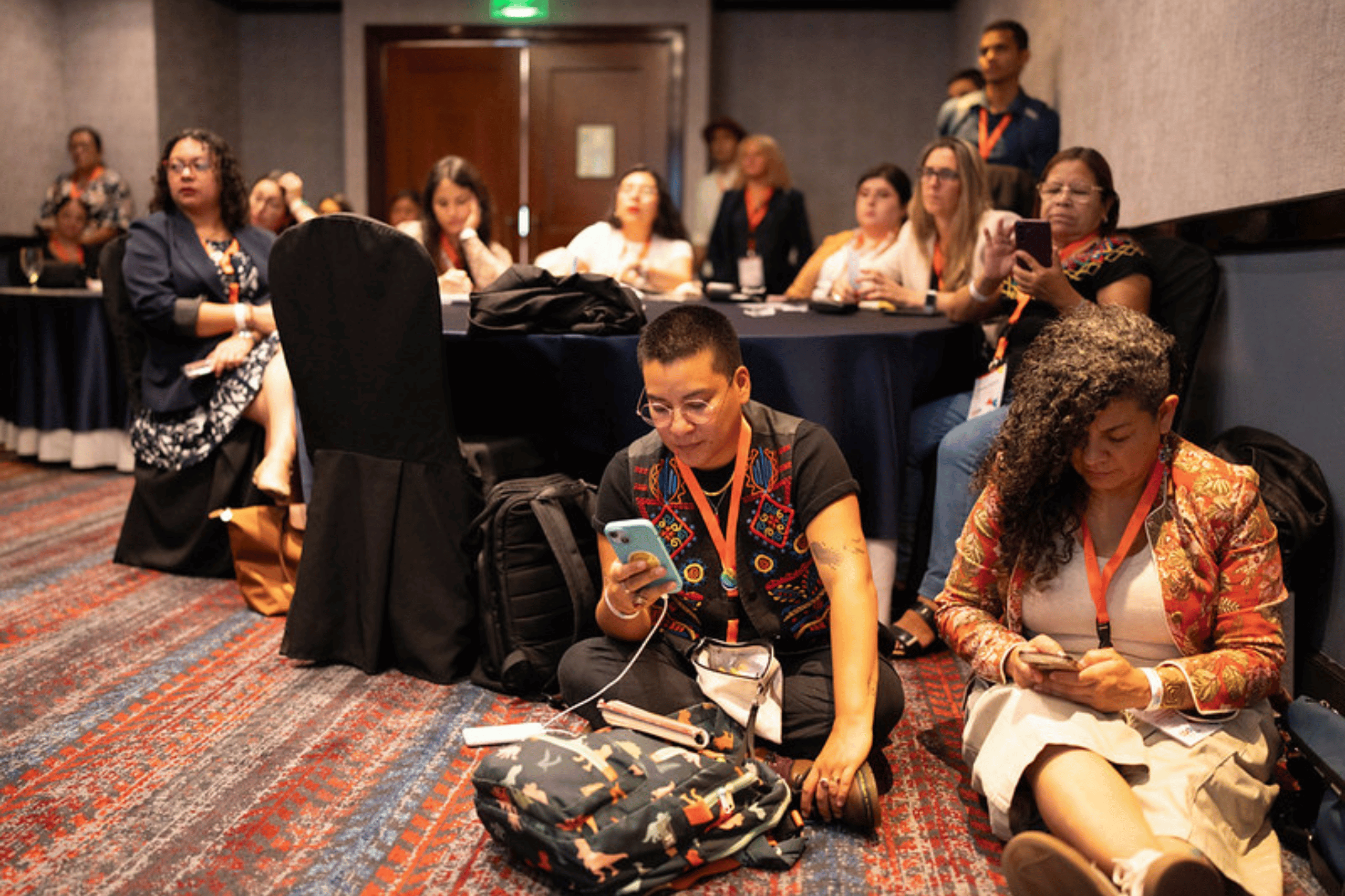
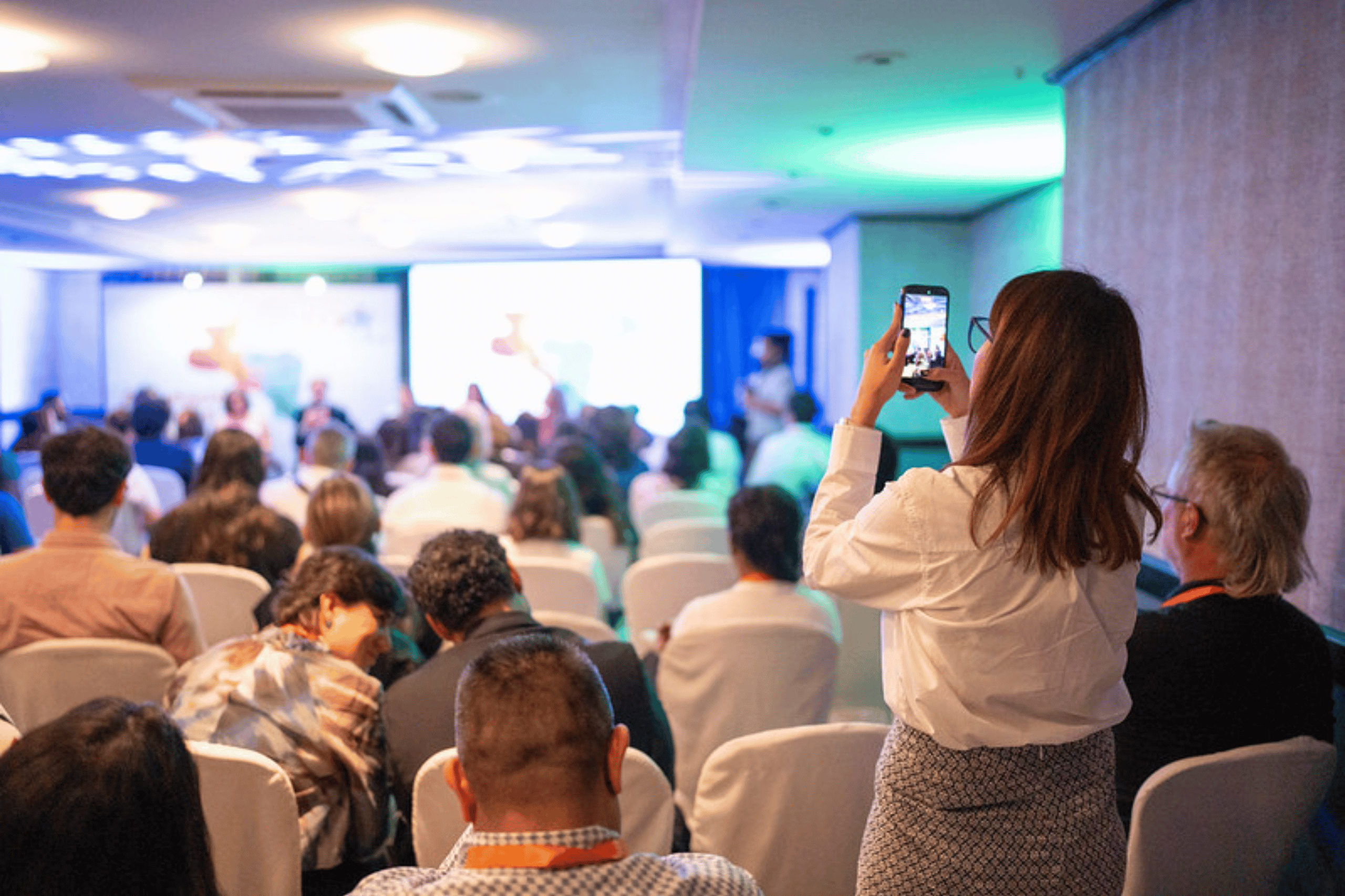
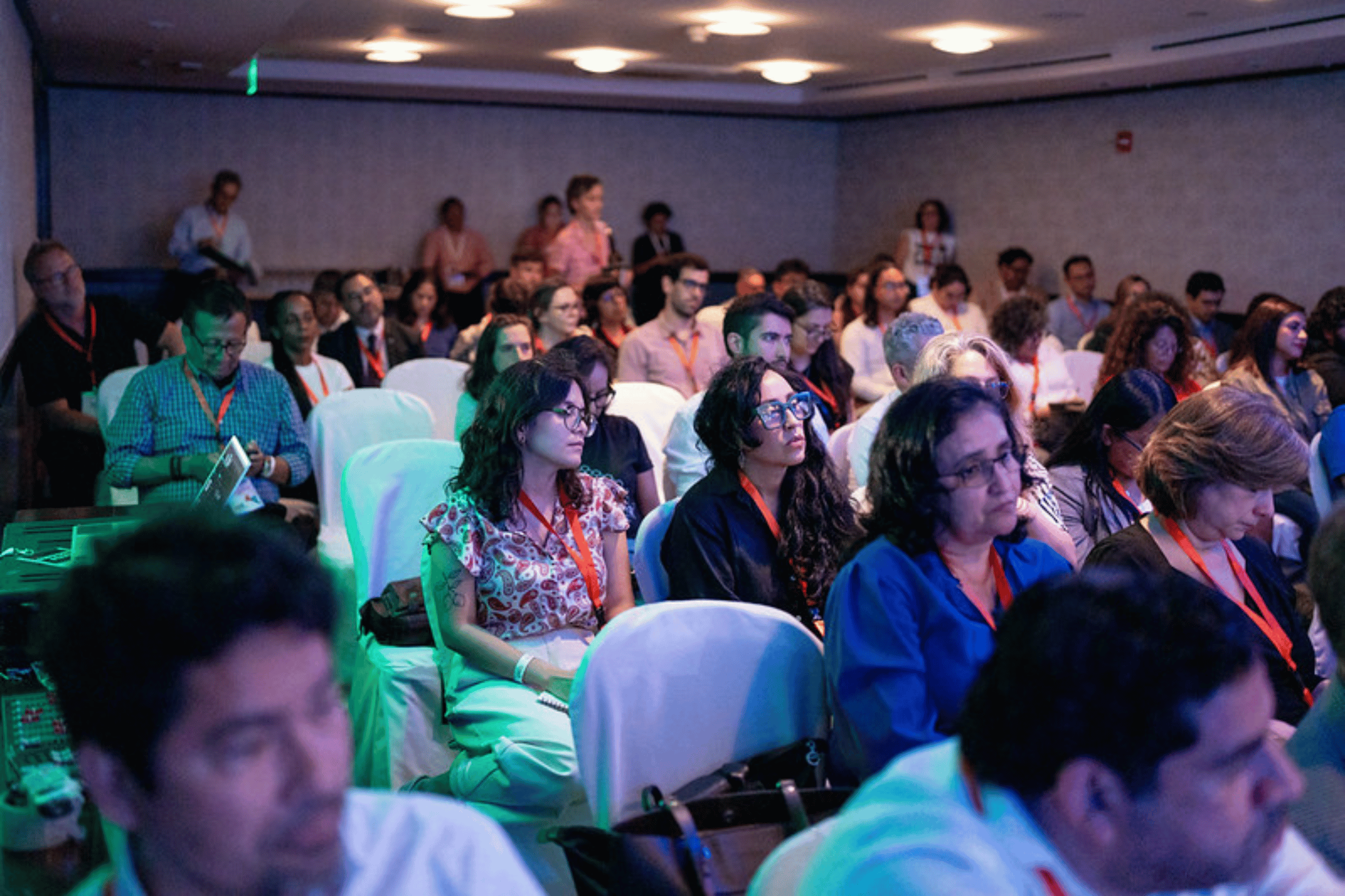


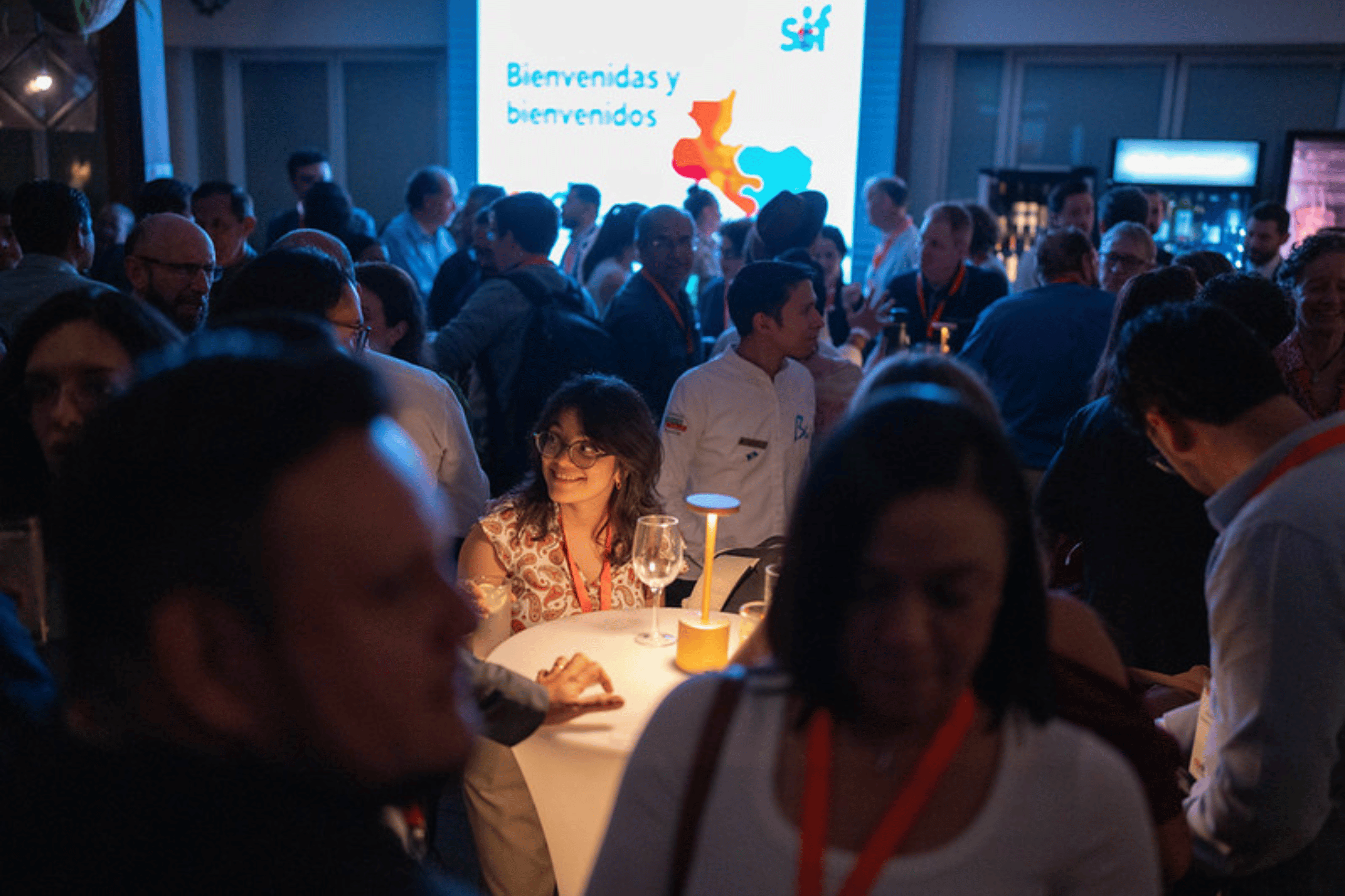
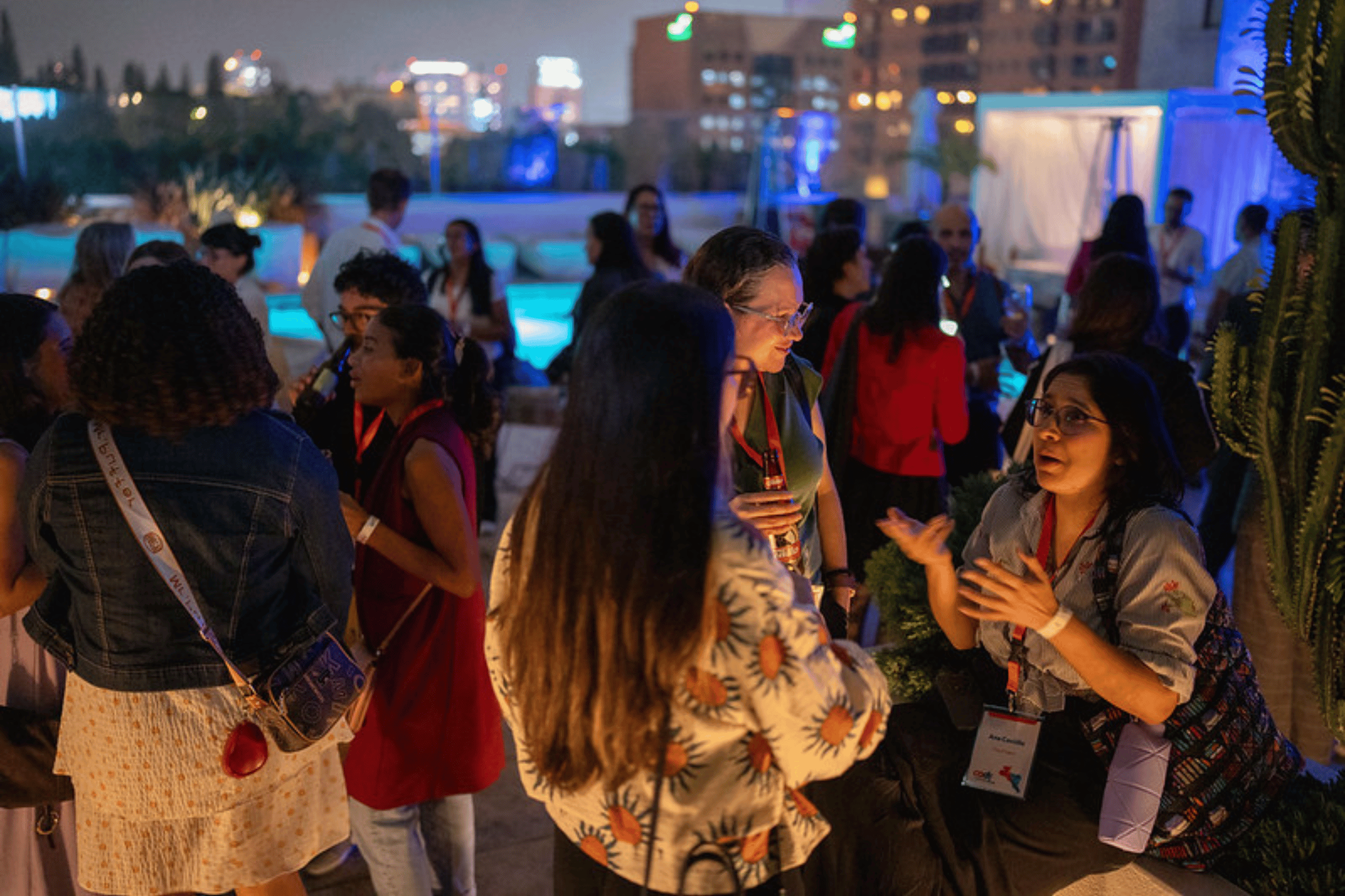
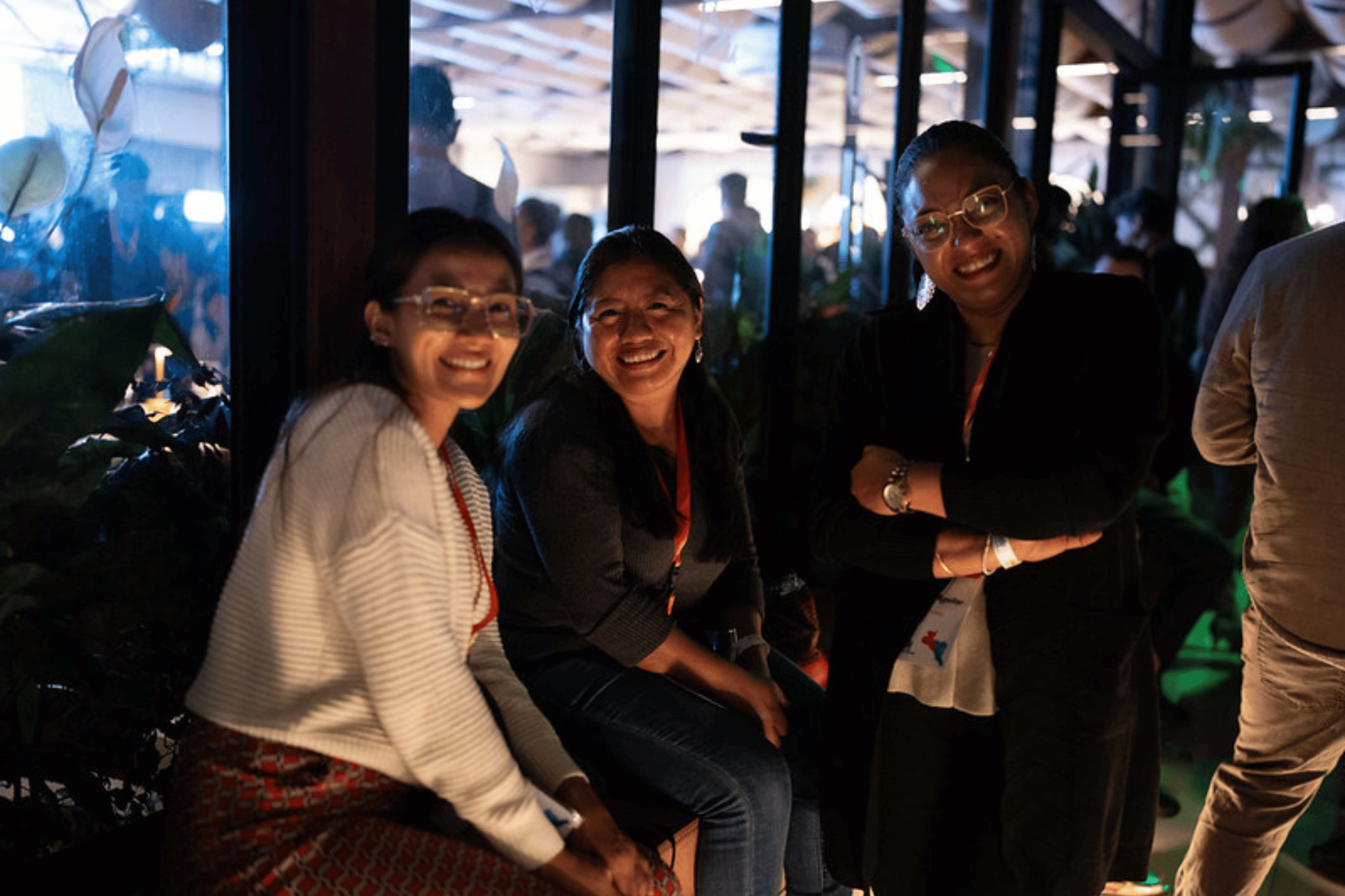
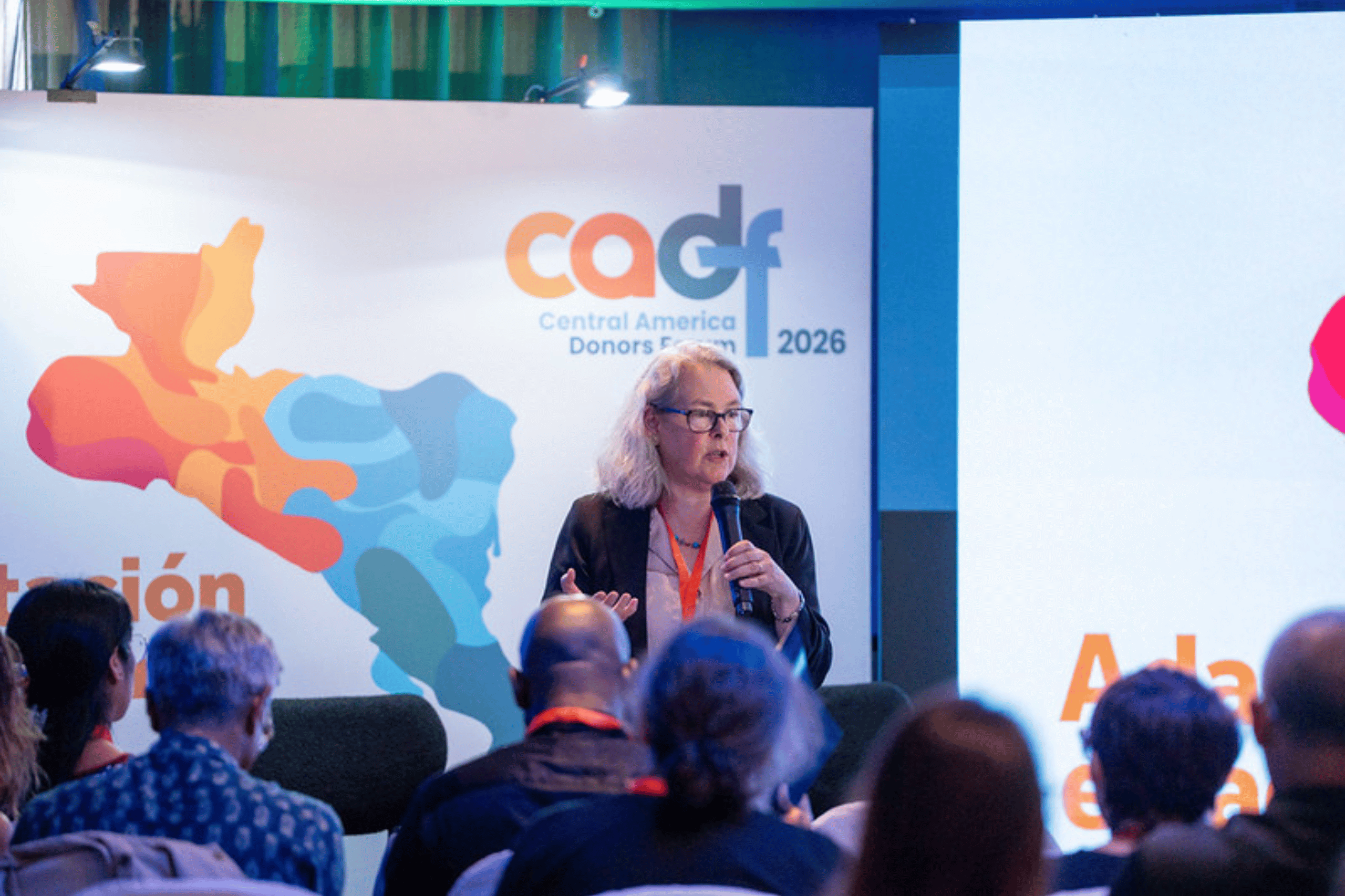
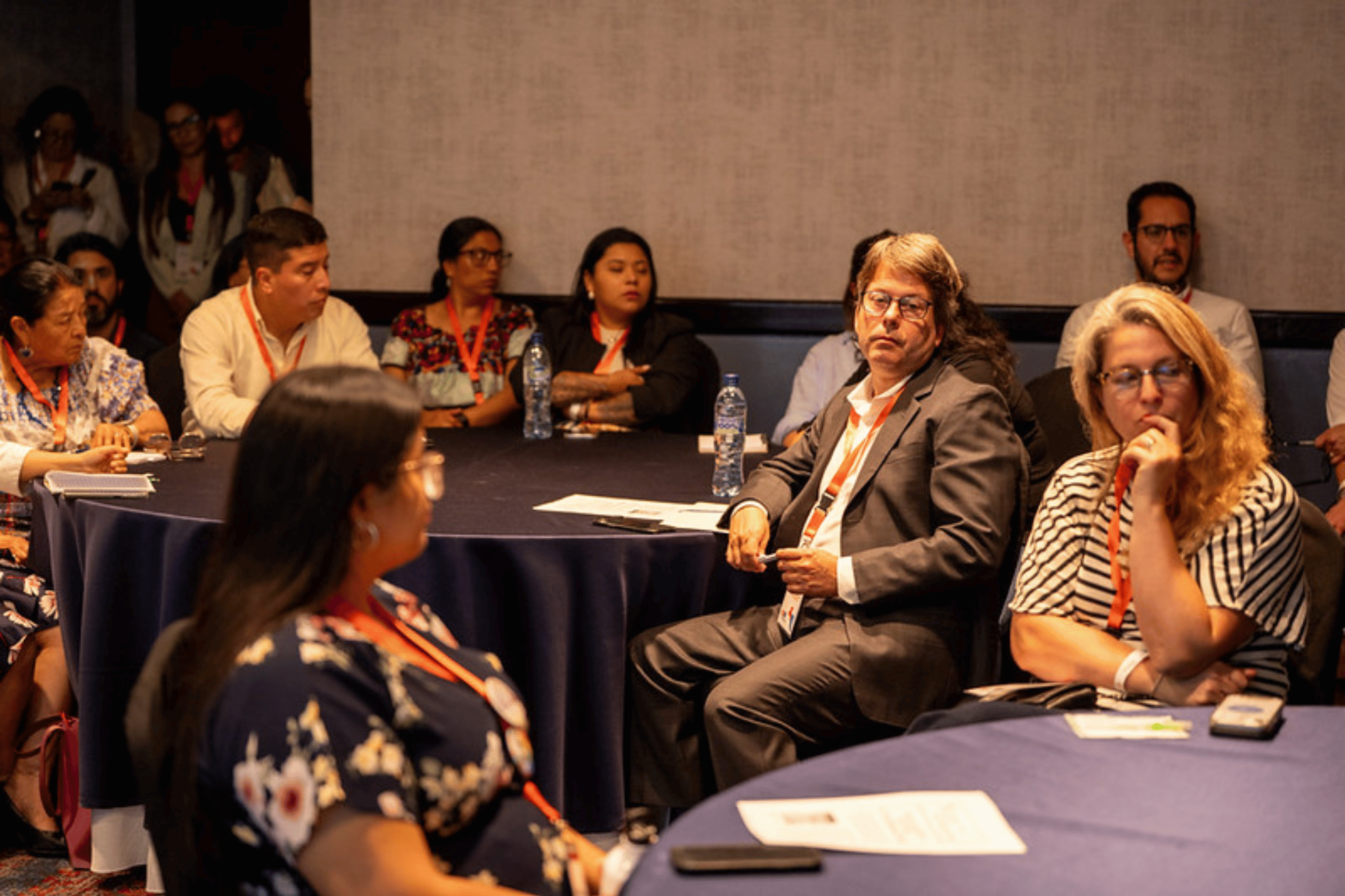
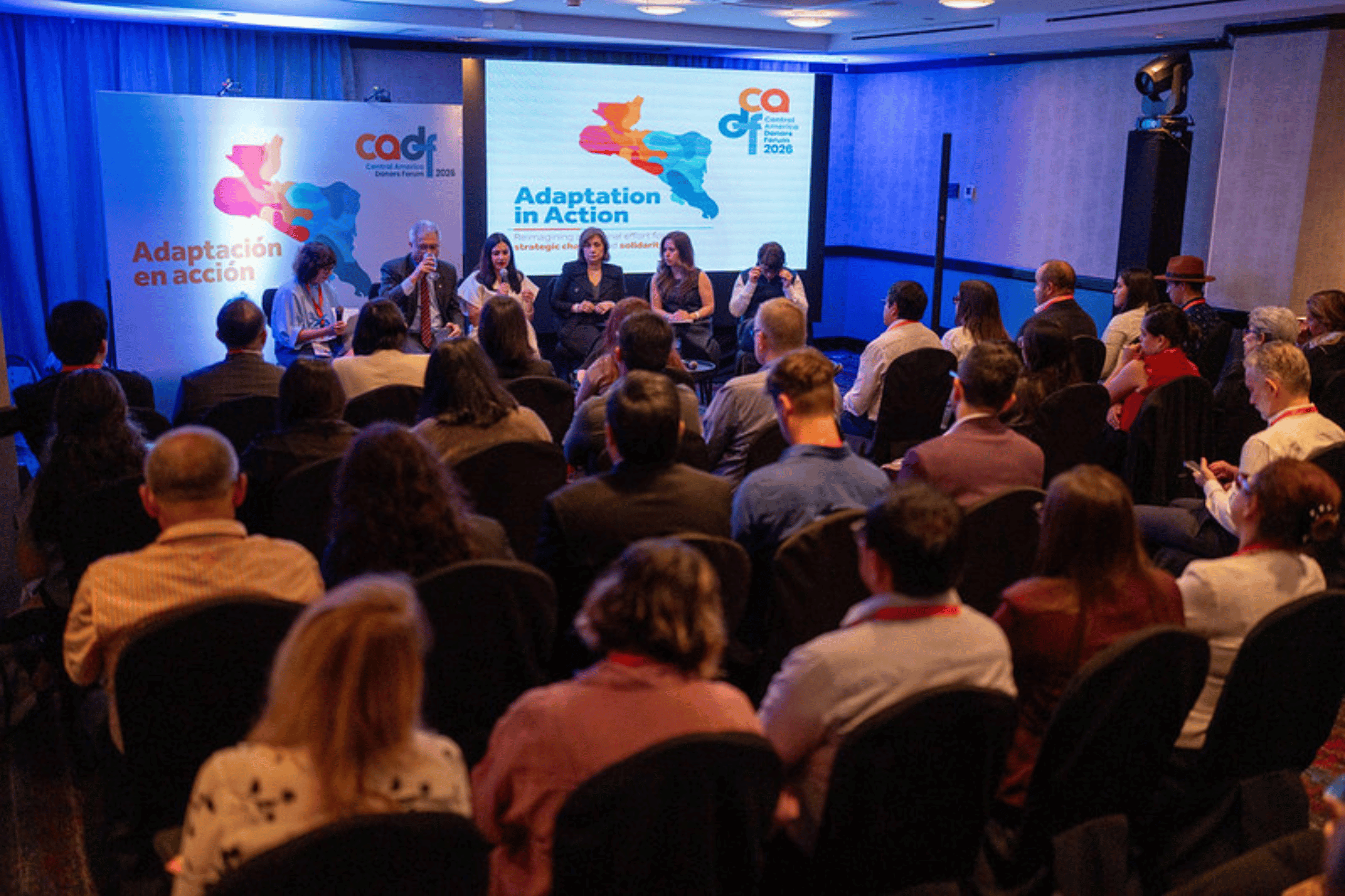

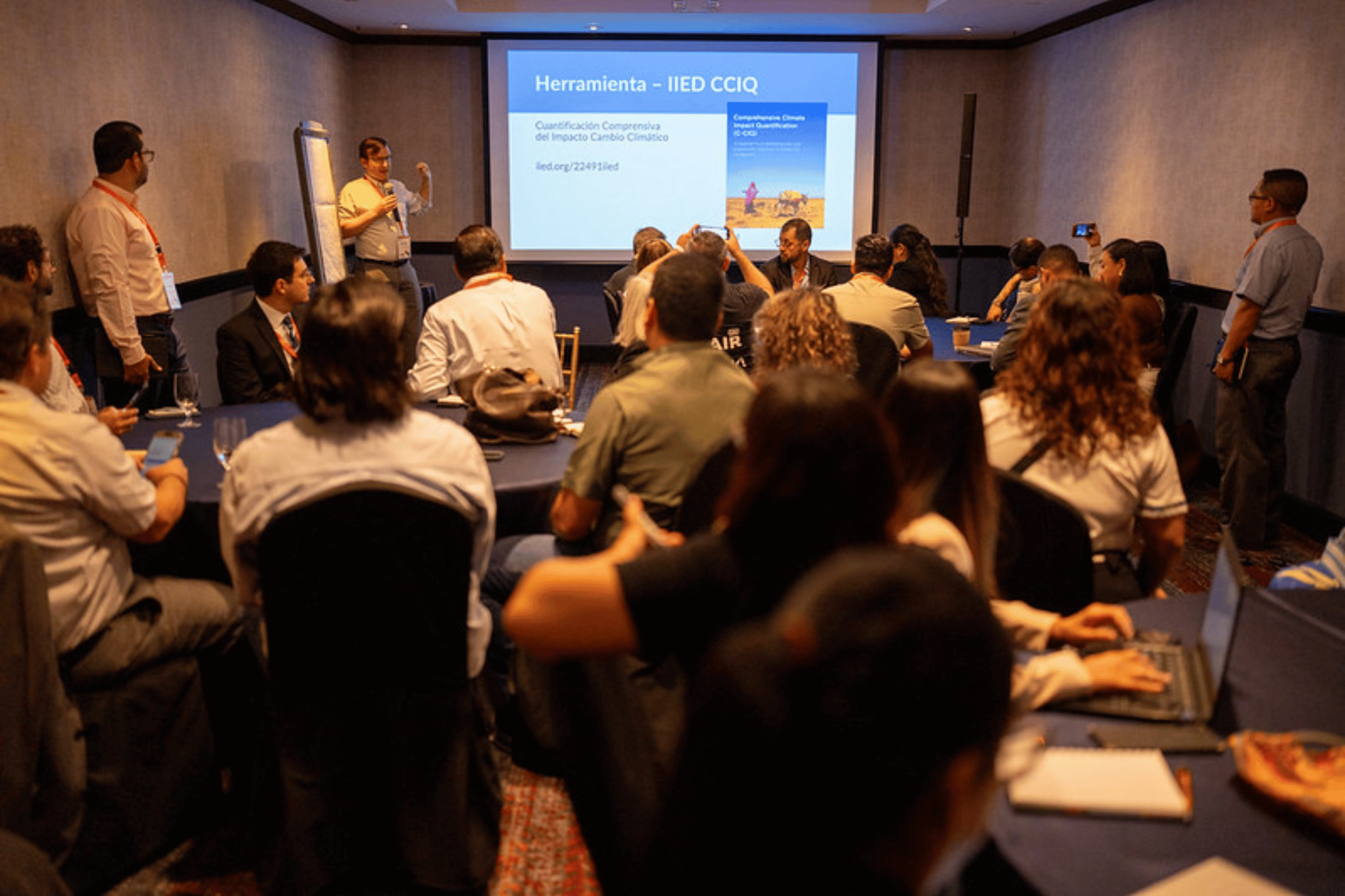
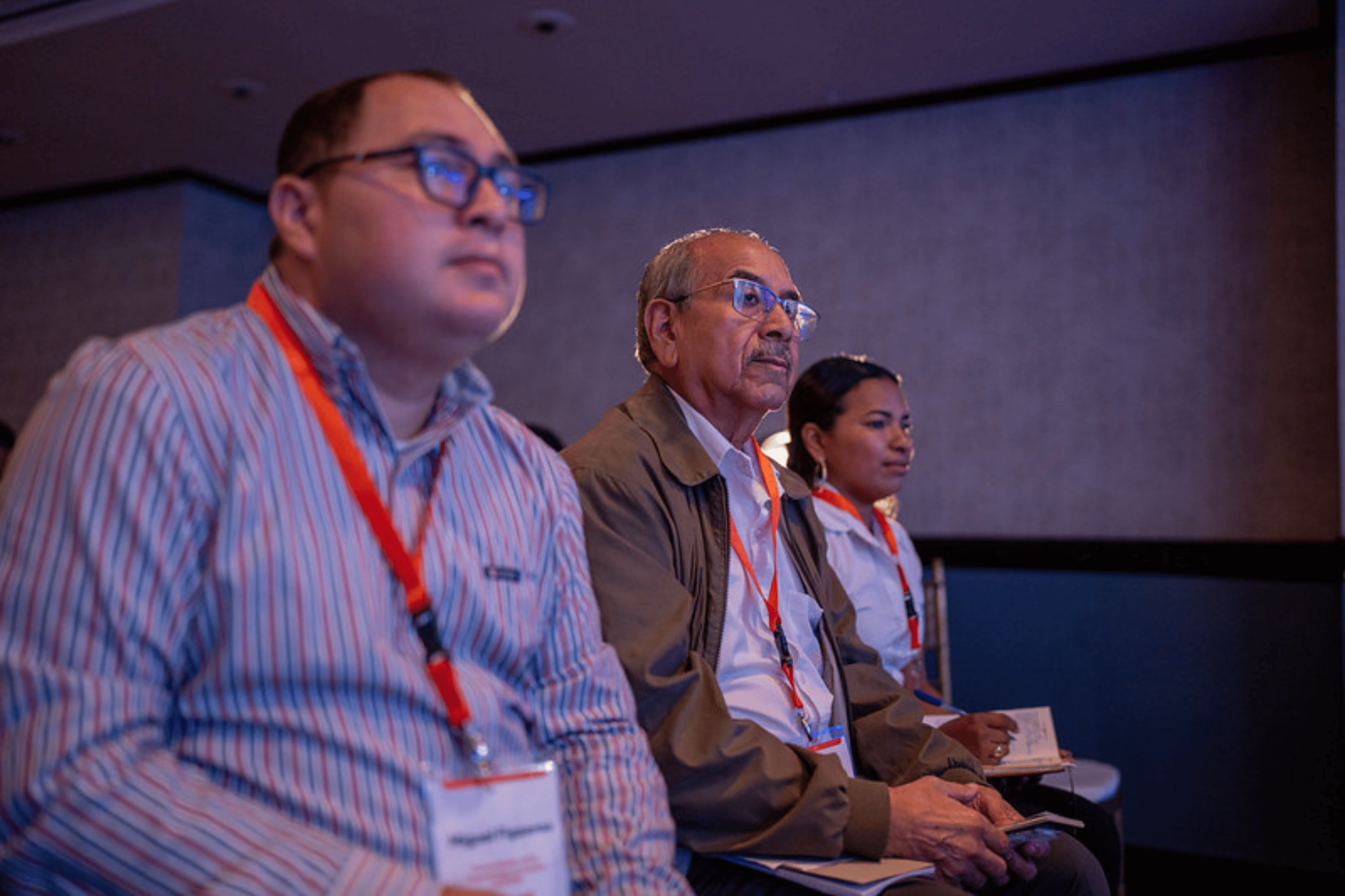

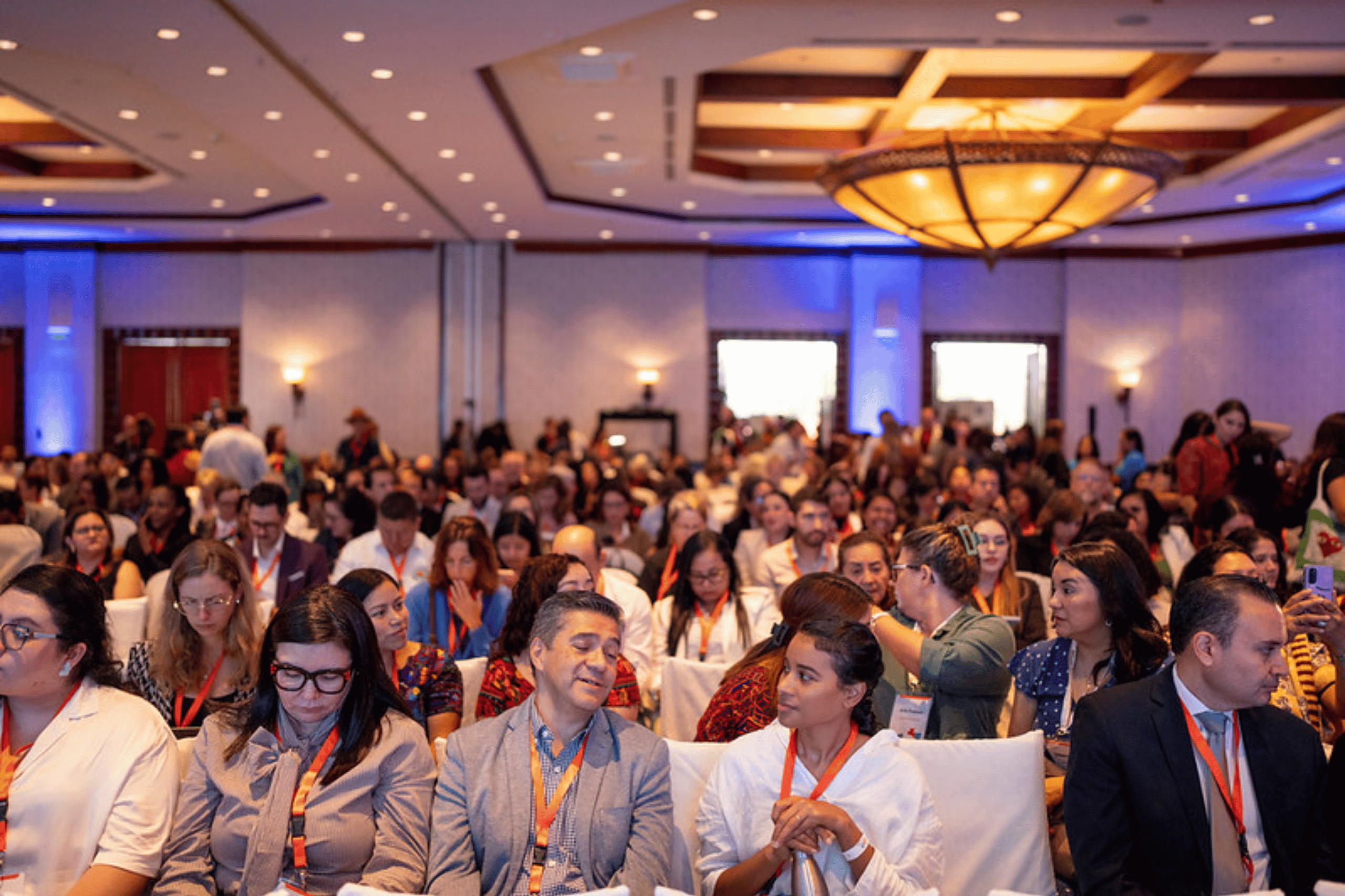
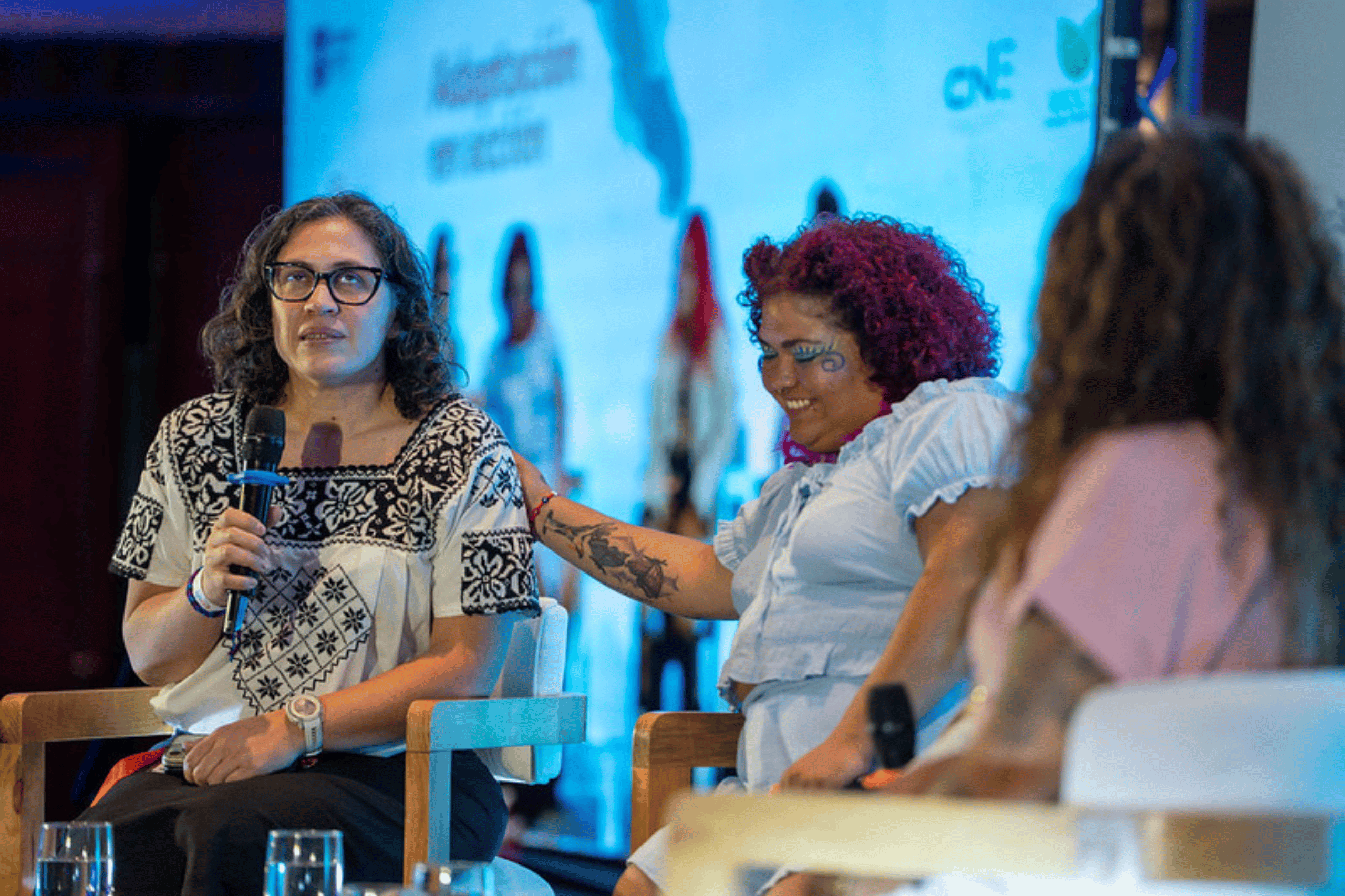


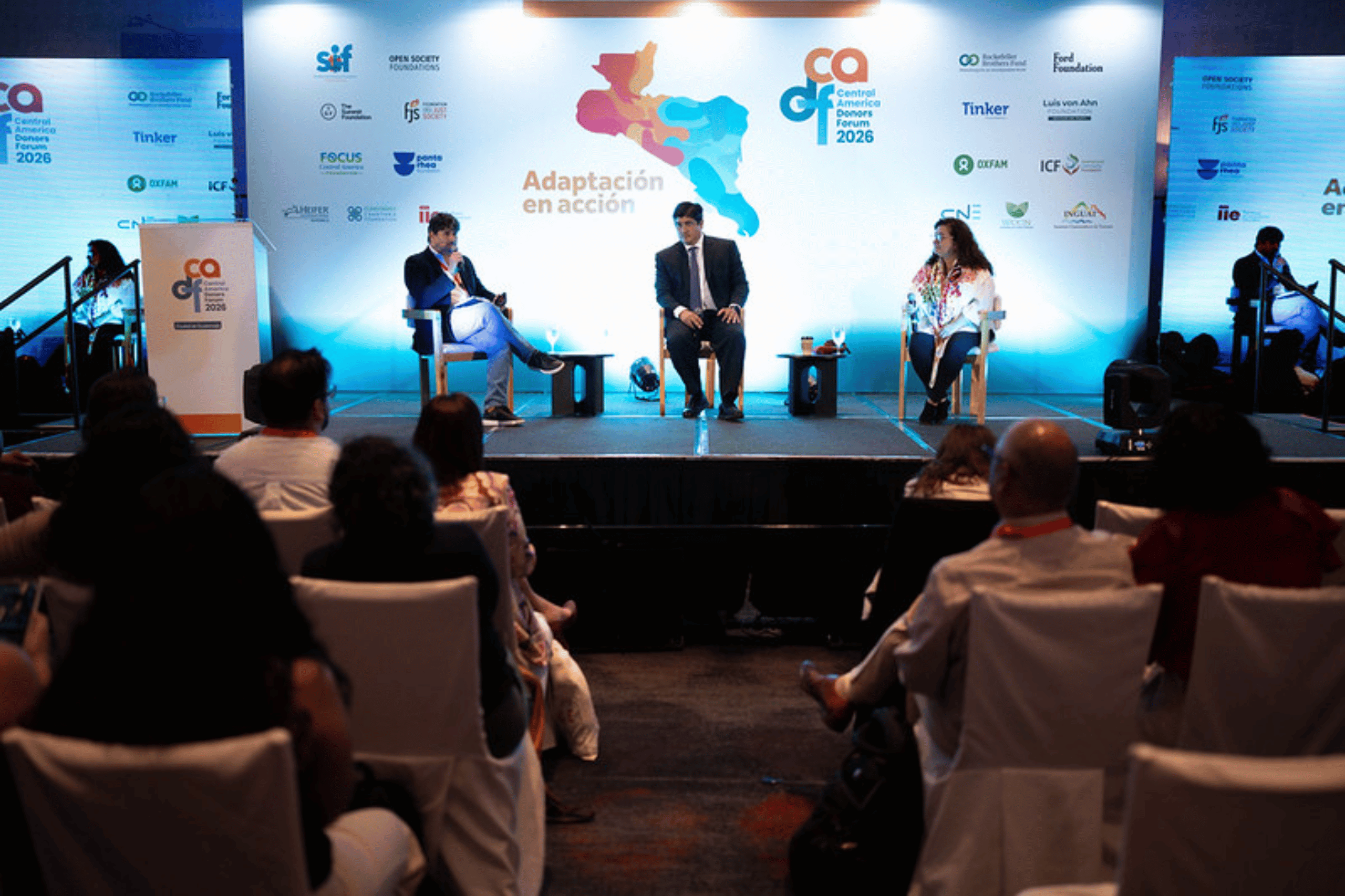

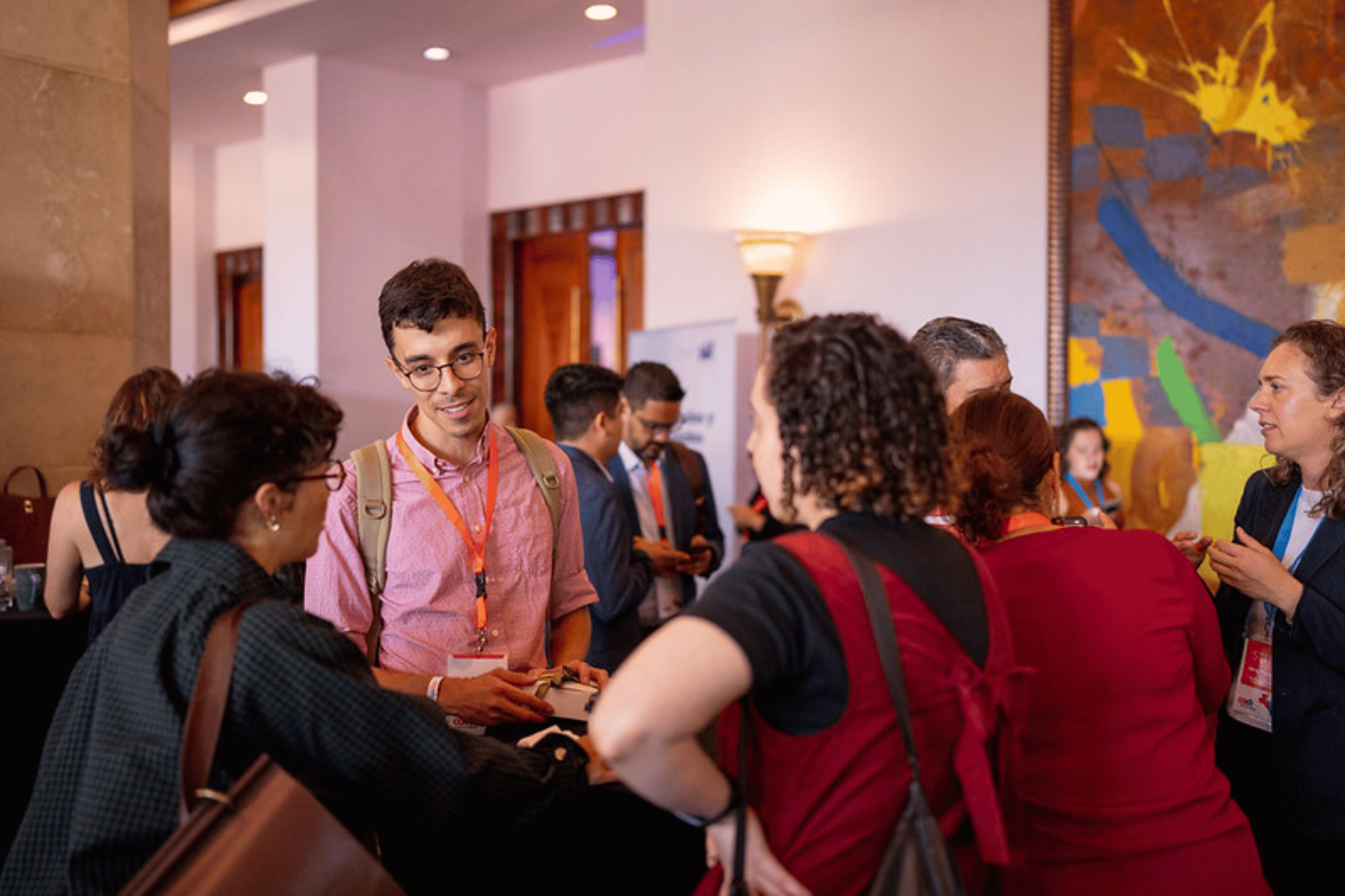
Interested in participating in CADF 2027? Please reach out to Seattle International Foundation (SIF) to learn more.
Contact UsCADF 2027 announced

Sponsorship opportunities available
Theme and tracks released
Request for session proposals begins
Honorary Host Committee announced
Request for session proposals closes
Agenda released
CADF 2027
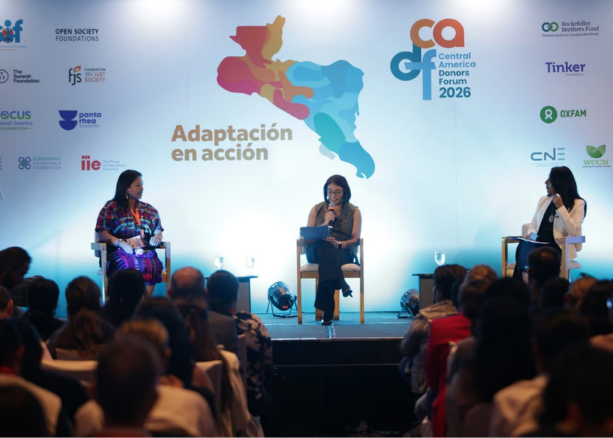
 Diario de Centroamérica
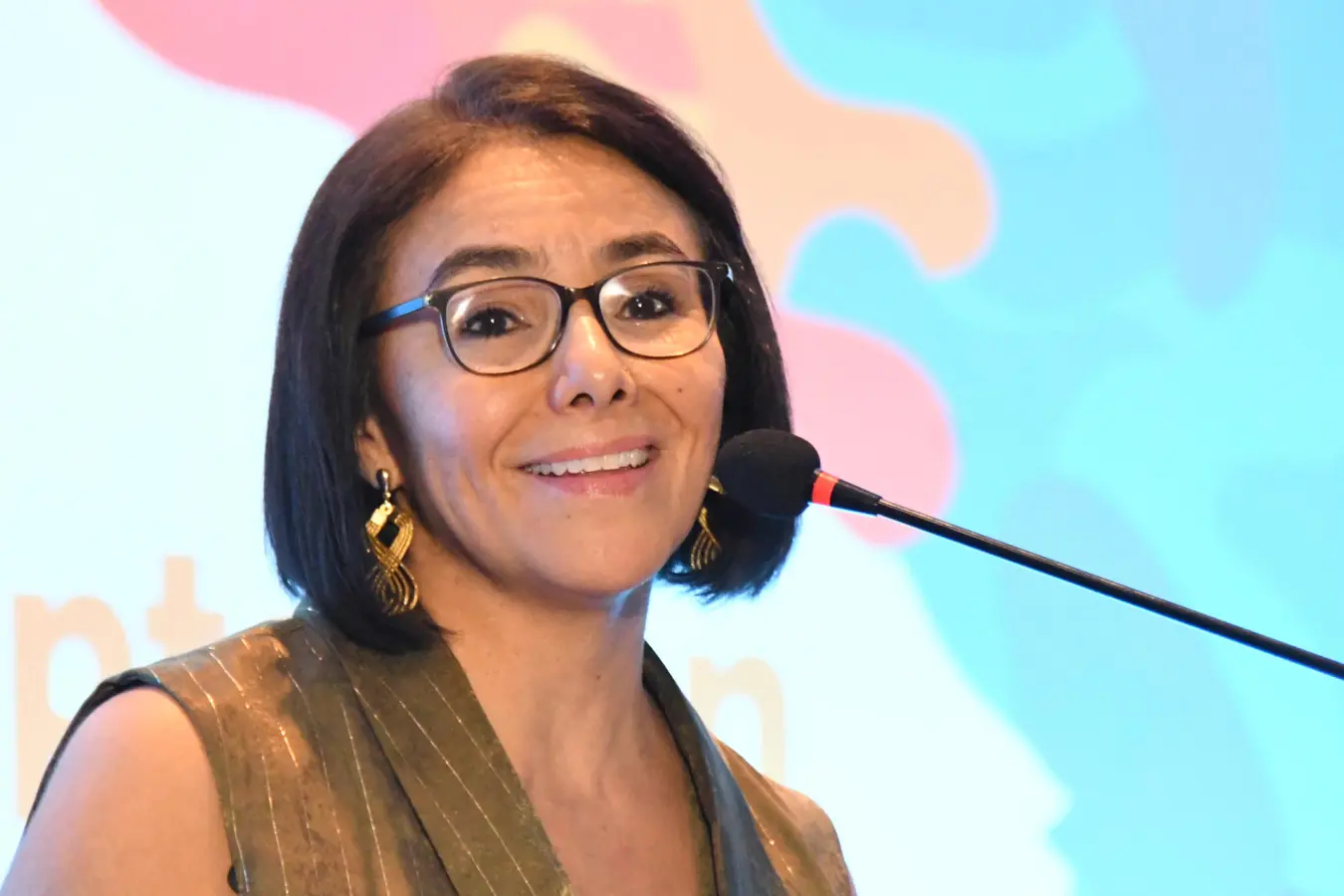
 Prensa Libre/EFE
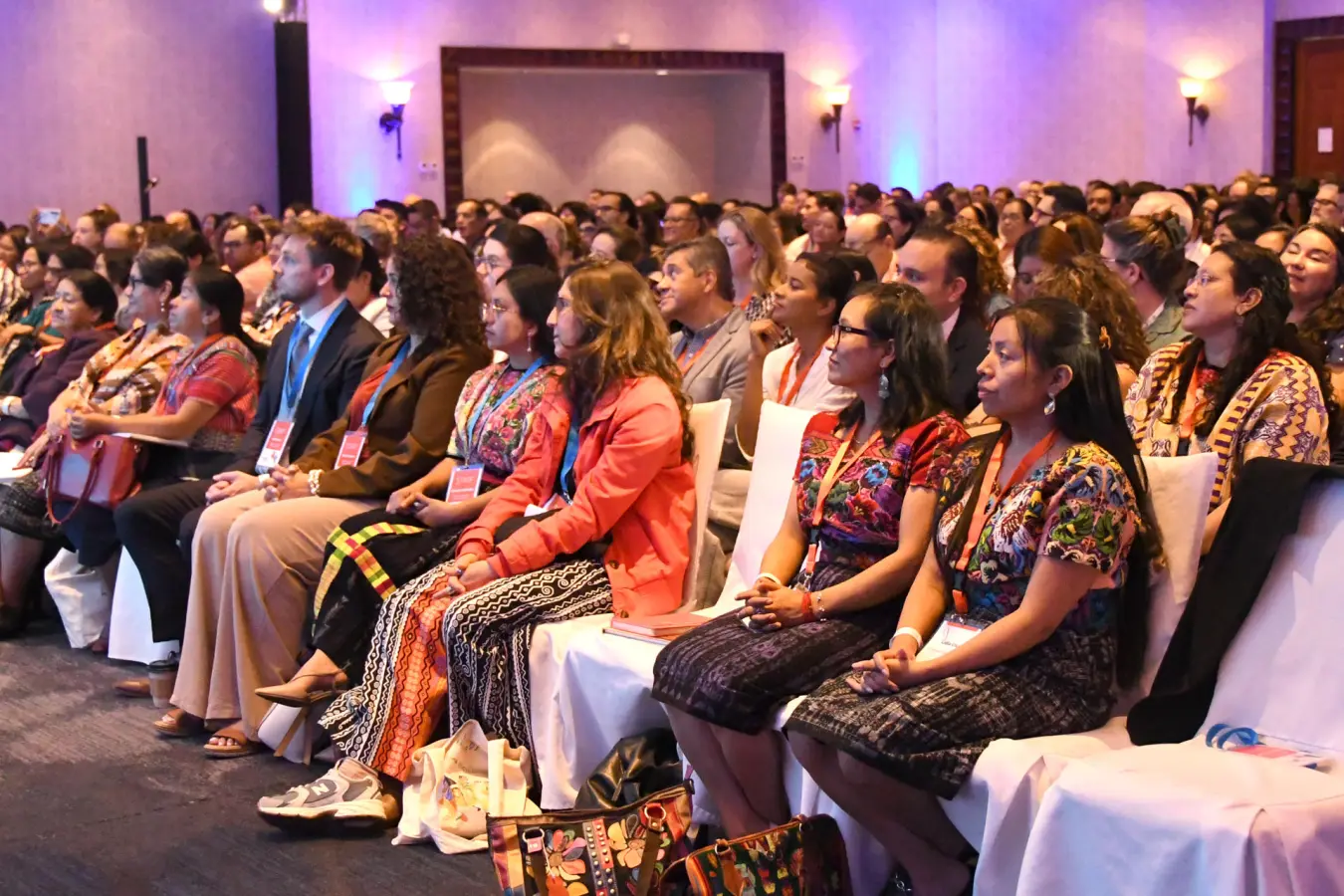
 Forbes Centroamérica
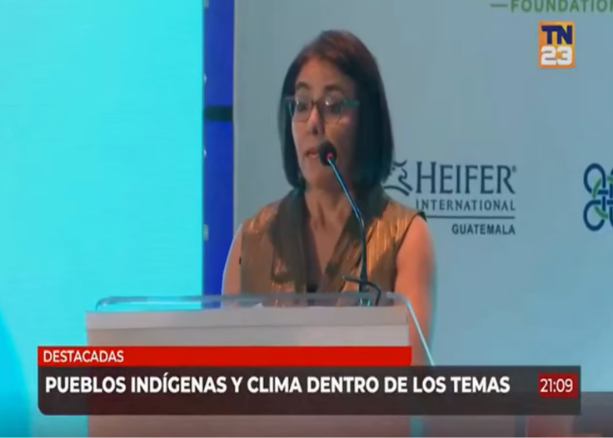
 TN23